The best walks and hikes in Lye Brook Wilderness
4.7
(36)
563
hikers
38
hikes
Hiking in Lye Brook Wilderness offers a diverse range of natural features across its 18,122 acres in the southern Green Mountains of Vermont. The terrain varies in elevation from 900 to 2,900 feet, featuring a high plateau with pristine ponds and bogs, numerous waterfalls, and rocky streams. Approximately 80% of the wilderness is covered by northern hardwood forests, providing a lush environment for trails. The area is known for its rugged, primitive recreation experience with minimal trail blazing and signage.
Best hiking trails in Lye Brook Wilderness
- The most popular hiking route is Lye Brook Falls — Green Mountain National Forest, a 4.4 miles (7.1 km) trail that takes 2 hours 13 minutes to complete. This moderate path leads to a magnificent 125-foot waterfall, traversing old logging roads.
- Another top favourite among local hikers is Prospect Rock — Green Mountain National Forest, an easy 3.0 miles (4.9 km) path. This route offers views from Prospect Rock, known for its overlooks of the surrounding mountains.
- Local hikers also love the Lye Brook Trail Loop — Lye Brook Wilderness, a 16.3 miles (26.3 km) trail leading through varied topography and forests, often completed in about 7 hours 39 minutes.
- Hiking in Lye Brook Wilderness is defined by dense northern hardwood forests, significant waterfalls, and elevated plateaus with ponds. The network offers options for different ability levels, from easy walks to challenging multi-hour routes.
- The routes in Lye Brook Wilderness are highly rated by the komoot community with an average score of 4.8 stars from over 30 reviews. More than 500 hikers have used komoot to explore Lye Brook Wilderness's varied terrain.
Last updated: June 24, 2026
5
hikers
3.64km
01:12
260m
30m
Easy hike. Great for any fitness level. Easily-accessible paths. Suitable for all skill levels.
4.8
(13)
134
hikers
7.10km
02:13
280m
280m
Moderate hike. Good fitness required. Easily-accessible paths. Suitable for all skill levels.

Sign up for free
2
hikers
26.3km
07:39
630m
630m
Hard hike. Very good fitness required. Mostly accessible paths. Sure-footedness required.
5.0
(1)
17
hikers
17.6km
05:25
610m
600m
Hard hike. Very good fitness required. Easily-accessible paths. Suitable for all skill levels.
3
hikers
4.50km
01:10
10m
50m
Easy hike. Great for any fitness level. Easily-accessible paths. Suitable for all skill levels.
Get access to more routes and recommendations from other explorers.
Sign up for free
Already have an account?
Our route recommendations are based on thousands of hikes, rides, and runs completed by other people on komoot.
Start today with a free account
Your next adventure awaits.
Login or Signup


Tips from the Community

Stratton Mountain is one of the most iconic peaks on the Long Trail, but not for its height, but rather for its historical significance. It was here in 1909 that James P. Taylor first imagined a “footpath in the wilderness,” which eventually became the Long Trail. The summit is forested, but a restored fire tower (that you can climb!) offers expansive 360-degree views of southern Vermont and the surrounding peaks. Today, Stratton is also home to a major ski resort, but the Long Trail bypasses the commercial slopes, staying on a quieter, wooded path. A nearby shelter, Stratton Pond Shelter, provides a peaceful overnight spot, just a short hike from the summit. This is a pretty built-up shelter (especially in comparison to the more common, simple three-sided lean-tos) so it's worth checking out even if you're not spending the night.
1
0

The top of Stratton Mountain supports a fire lookout tower that is on the National Register of Historic Places. As you might imagine, the views from up here are great.
1
1
Heads up: Although this trail and its ultimate destination are both beautiful, you'll often have to cross washouts and non-bridged streams along the way. Wet feet may ensue. If you don't want to pack a second set of footwear for possible water crossings, you should at least wear non-cotton socks to help reduce chafing and cold feet.
1
0

This path runs along the Bourn Brook Stream, and can, therefore, sometimes be flooded.
0
0
A stony path leads to this small waterfall. Those are part of the Lye Brook Wilderness.
0
0
Frequently Asked Questions
How many hiking trails are available in Lye Brook Wilderness?
Lye Brook Wilderness offers nearly 30 hiking routes, catering to various skill levels. You'll find 8 easy trails, 17 moderate options, and 4 more challenging routes for experienced hikers.
What is the best time of year to hike in Lye Brook Wilderness?
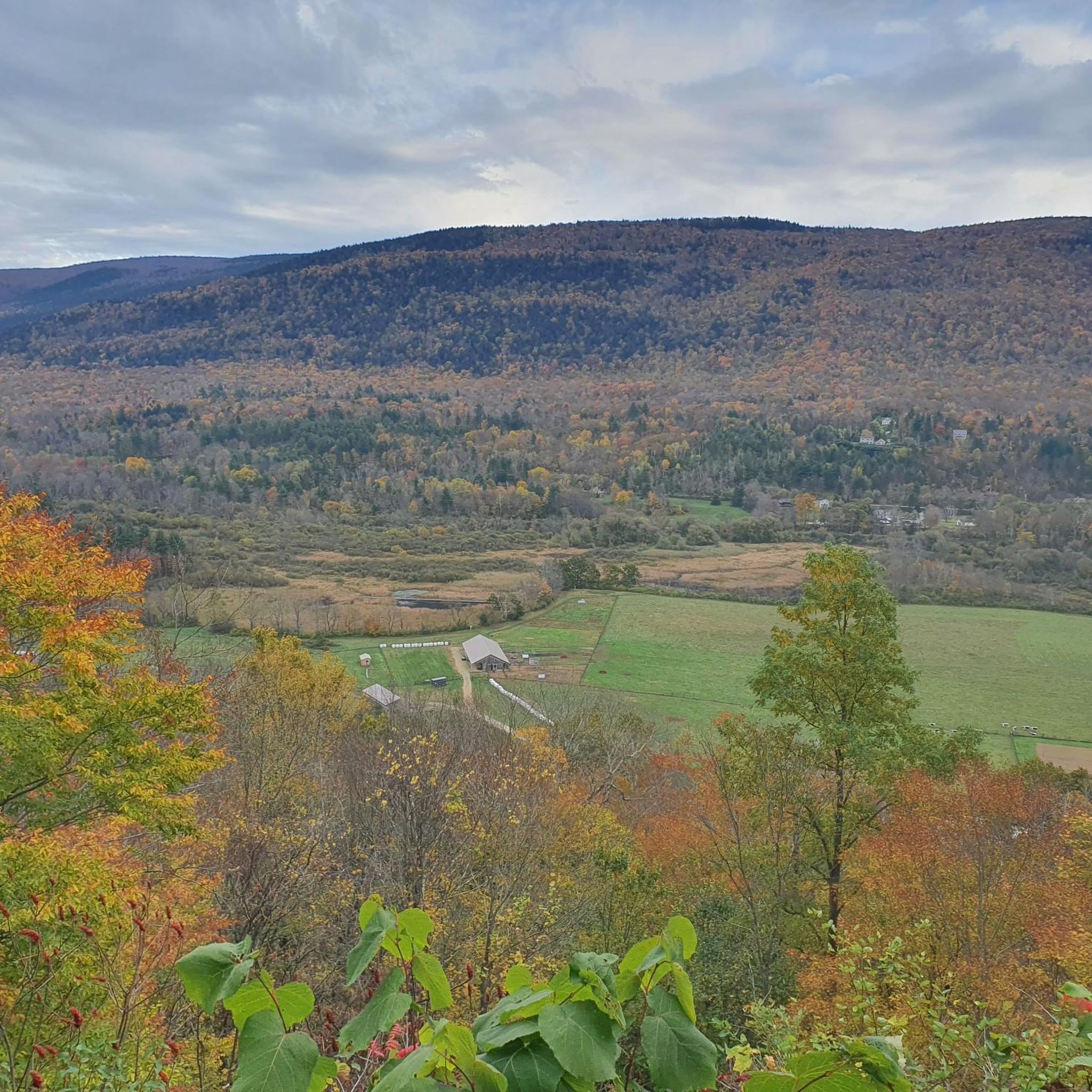
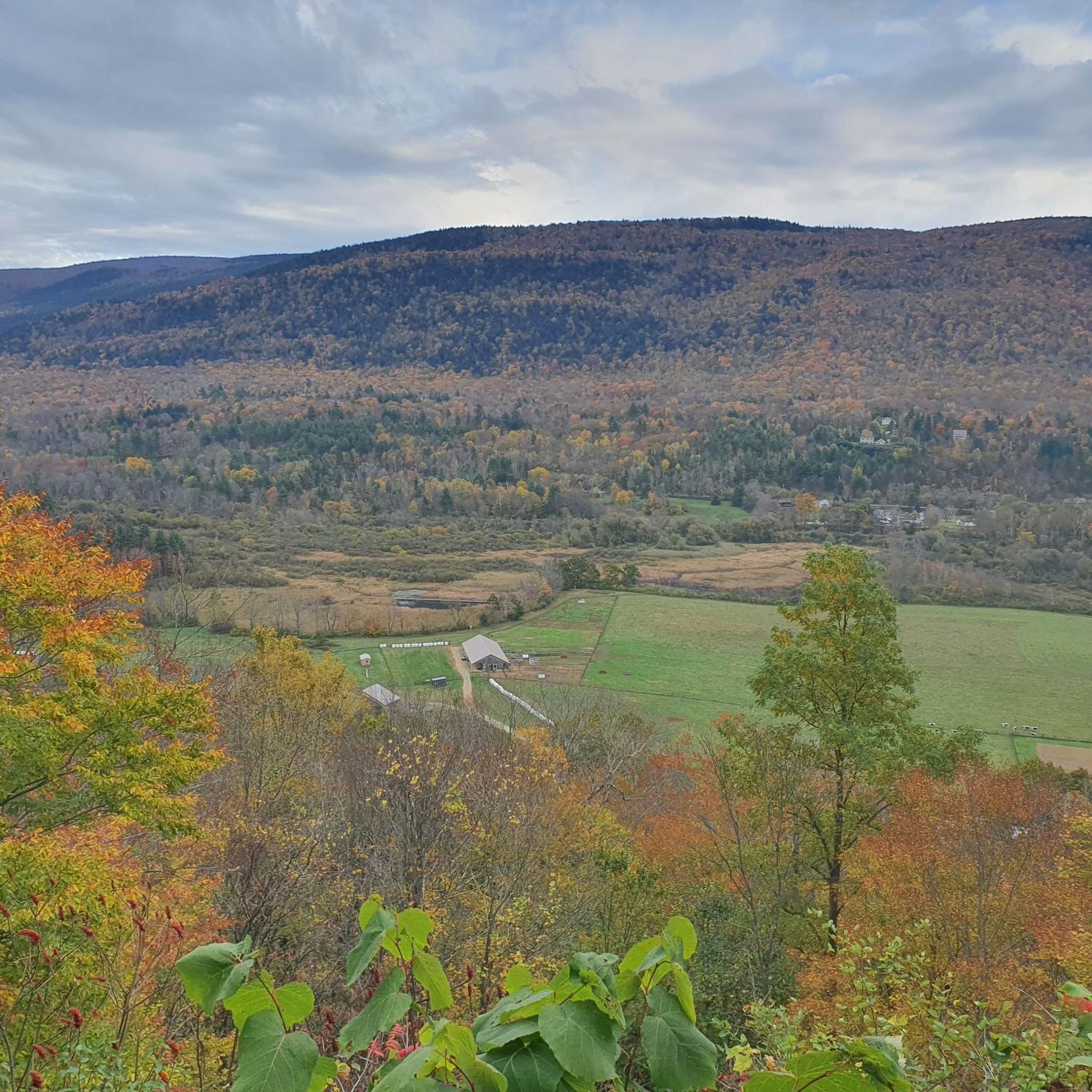
The Lye Brook Wilderness is particularly stunning during autumn, especially around Indigenous Peoples Day (Columbus Day) Weekend, when the northern hardwood forests display spectacular multicolored foliage. Spring and early summer can bring muddy trails and an intense black fly season, so be prepared if visiting then.
Are there any notable waterfalls in Lye Brook Wilderness?
Yes, the wilderness is renowned for Lye Brook Falls, a magnificent 125-foot waterfall that is one of Vermont's highest. The trail leading to it is a popular, moderate hike.
Are there any trails with scenic viewpoints or overlooks?
Absolutely. Hikers can enjoy breathtaking vistas from points like Prospect Rock, which offers amazing views of the sunrise over the mountains. Other overlook points provide sweeping panoramic views of the Green Mountains.
What kind of wildlife can I expect to see in Lye Brook Wilderness?
The wilderness is a habitat for diverse wildlife, including black bears, moose, deer, pine martens, and bobcats. It's also home to over 80 observed species of birds, plants, and fungi, offering excellent opportunities for wildlife viewing.
Are there any long-distance or challenging loop hikes available?
For a more challenging experience, consider the Lye Brook Trail Loop. This difficult 16.3-mile (26.3 km) route leads through varied topography and dense forests, typically taking around 7 hours and 39 minutes to complete.
What do other hikers say about the trails in Lye Brook Wilderness?
The routes in Lye Brook Wilderness are highly rated by the komoot community, with an average score of 4.8 stars from over 30 reviews. Hikers often praise the area's rugged, primitive recreation experience and the beauty of its natural features, especially the waterfalls and scenic overlooks.
Is Lye Brook Wilderness suitable for families with children?
Yes, there are easy options available, such as the Prospect Rock trail, which is 3.0 miles (4.9 km) and offers rewarding views without excessive difficulty. The area's diverse trails mean you can find paths suitable for various family activity levels.
Are dogs allowed on the trails in Lye Brook Wilderness?
Lye Brook Wilderness is part of the Green Mountain National Forest, which generally allows dogs on trails. However, it's always recommended to keep dogs on a leash and practice Leave No Trace principles to protect wildlife and ensure a pleasant experience for all visitors.
What is the terrain like in Lye Brook Wilderness?
The terrain is quite varied, ranging in elevation from 900 to 2,900 feet above sea level. A significant portion is on a high plateau with pristine ponds and bogs. You'll encounter northern hardwood forests, rocky streams, and some steep sections, particularly in the western part of the wilderness.
Are there any sections of the Appalachian/Long Trail within the wilderness?
Yes, a 4.5-mile section of the renowned Appalachian/Long Trail crosses the northwestern tip of the Lye Brook Wilderness, offering a chance to experience a part of this iconic long-distance footpath.
What should I know about trail maintenance and signage?
Lye Brook Wilderness maintains a primitive recreation experience, meaning there is minimal trail blazing, maintenance, and signage. Hikers should be prepared with maps and navigation tools, as trails may incorporate remnants of old logging roads and railroad grades.
Most popular routes in Lye Brook Wilderness

Get inspired with the komoot mobile app


Explore more
Browse the best Hikes in other regions.
