Attractions and Places To See in Mount Washington Wilderness - Top 7
Best attractions and places to see in Mount Washington Wilderness, located in Oregon's central Cascade Range, is a rugged area encompassing over 54,000 acres. This wilderness is characterized by prominent volcanic features, extensive lava flows, and numerous lakes. It offers a unique landscape for exploration, with diverse forests and a section of the Pacific Crest Trail traversing its terrain. The Mount Washington Wilderness terrain and notable landmarks provide varied experiences for visitors.
Best attractions and places to see in Mount…
Last updated: June 29, 2026
Little Belknap Crater
Highlight • Volcano
Tip by

Mount Washington Wilderness
Highlight • Natural Monument
Tip by
Sign up now to discover places like this
Get recommendations on the best single tracks, peaks, & plenty of other exciting outdoor places.
Sign up for free
PCT Trailhead at McKenzie Highway
Highlight • Trail
Tip by
Lava fields at Mount Washington Wilderness
Highlight • Natural Monument
Tip by
Mount Washington, Oregon
Highlight • Summit
Tip by
Sign up for free to discover even more attractions in Mount Washington Wilderness.
Sign up for free
Already have an account?
Start today with a free account
Your next adventure awaits.
Login or Signup
Tips from the Community

PCT Trail Angels maintain a water cache at this trailhead for thru-hikers.
0
0

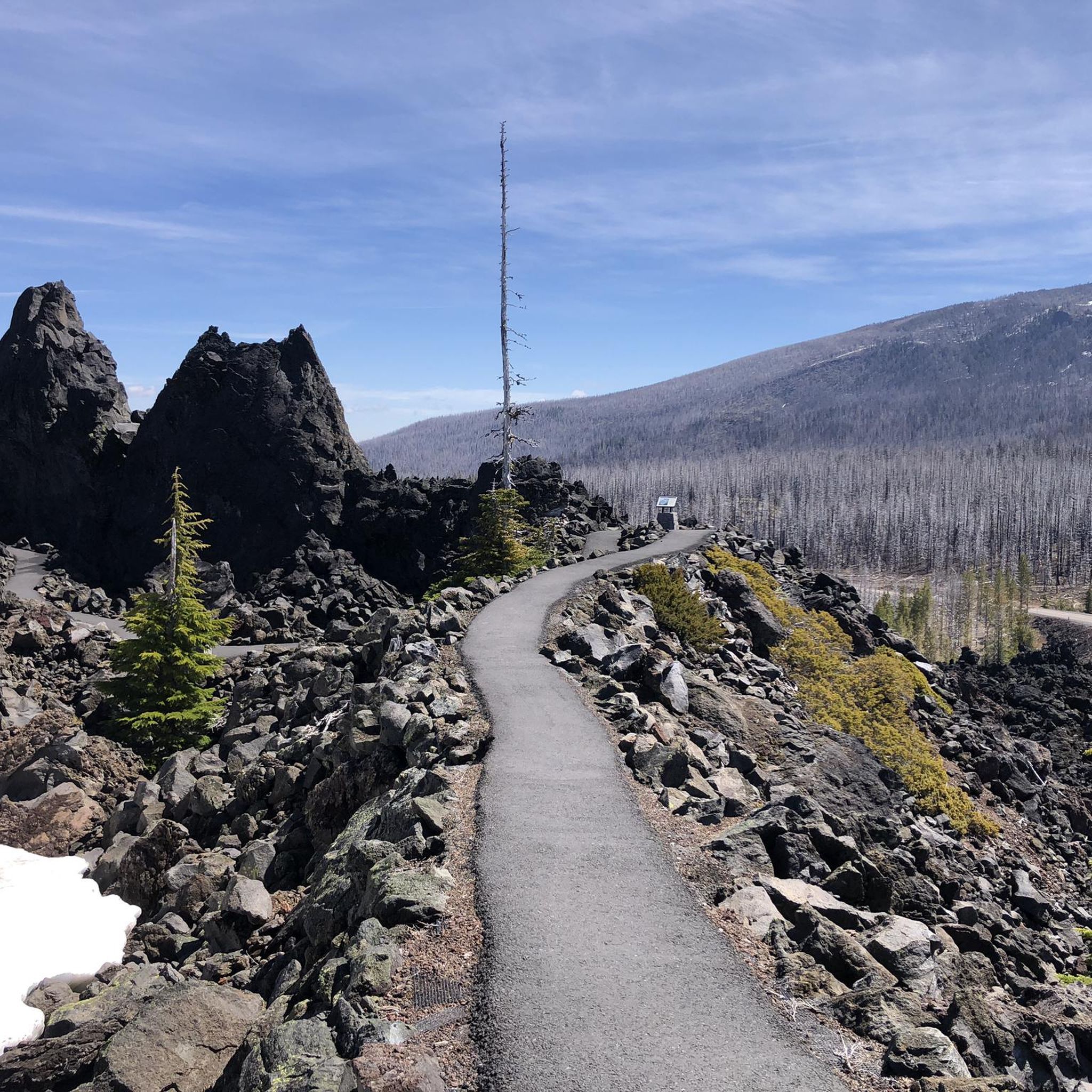
This small volcano is situated just over 2 miles from the PCT trailhead at McKenzie Highway. Enjoy a unique landscape for trail running surrounded by immense lava fields and views of Mount Washington and Three Sisters Wilderness.
1
0

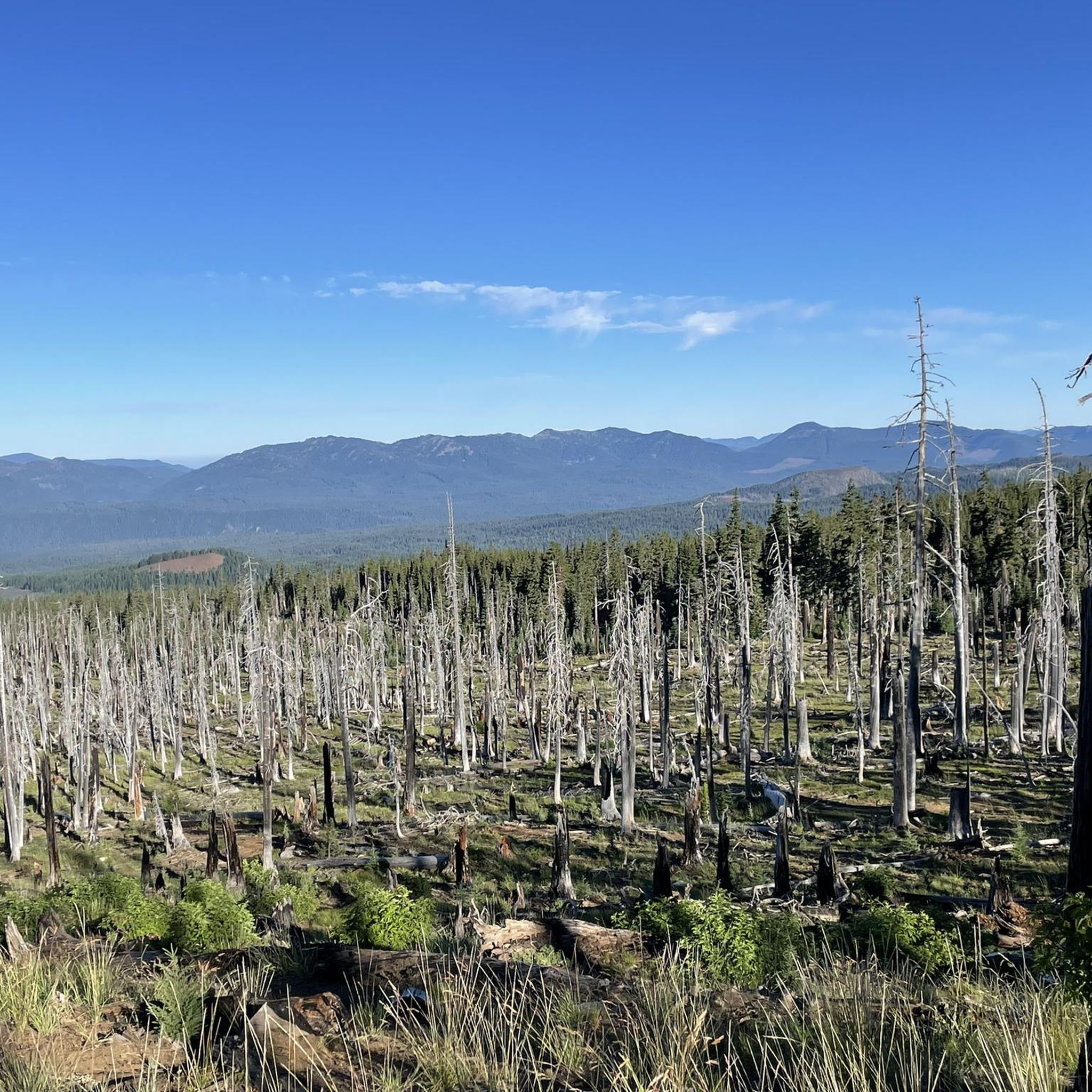
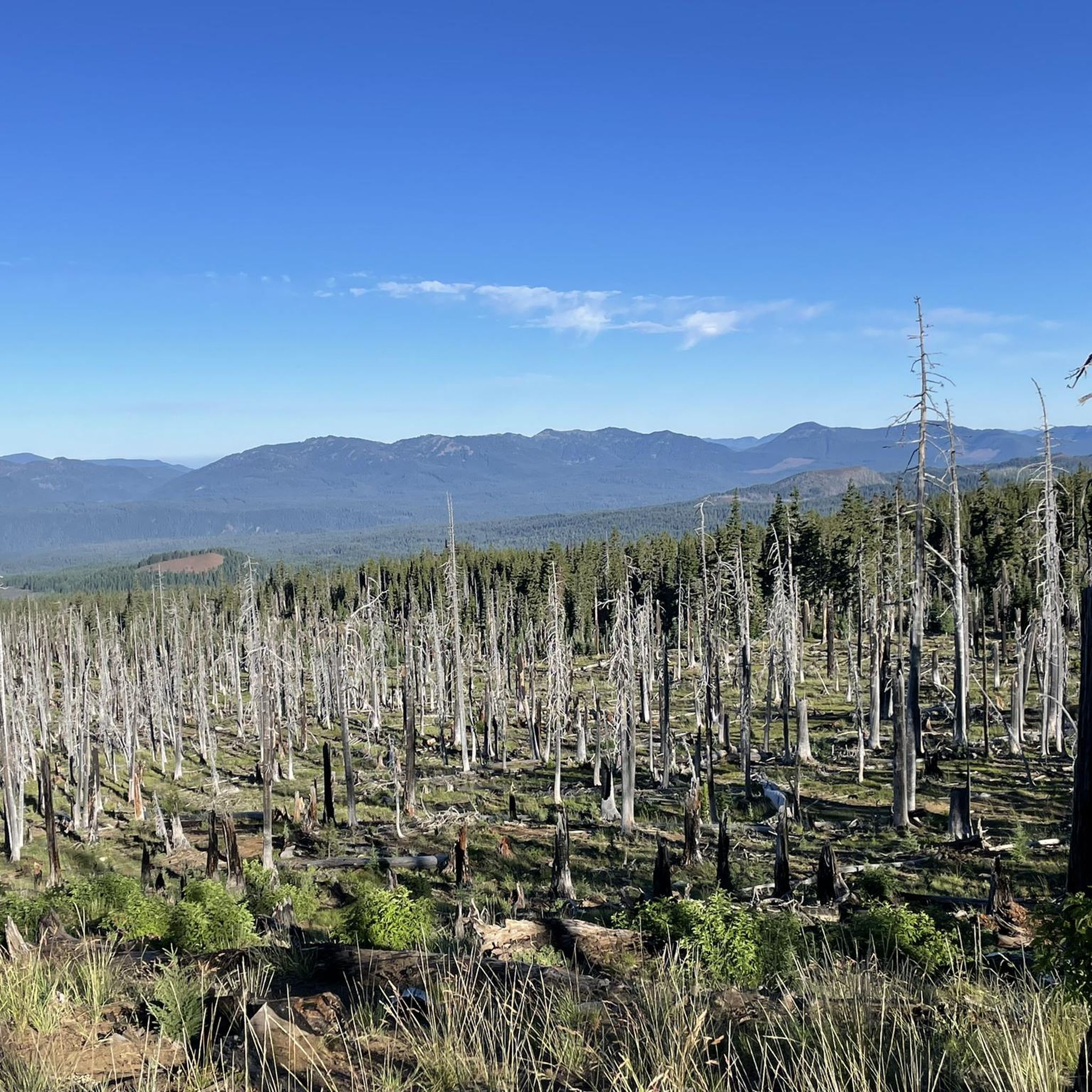
The Mount Washington Wilderness consists mostly of lava fields and burn areas. Although it is a rough landscape, it provides a very unique beauty. You can hike up the volcanic summits of Belknap Crater and Little Belknap Crater and even the rugged peak of Mount Washington itself. Bring plenty of water, as there are very few water sources that you must not rely on. A section of the iconic Pacific Crest Trail runs through the wilderness.
3
0
Like all the nearby mountains, Mount Washington is an old volcano that emerged when the oceanic Juan de Fuca tectonic plate slid under the continental North American tectonic plate. The mountain is deeply eroded, making its sharp pinnacle unique in the landscape. A hiking trail is leading almost to the summit. If you want to get to the true summit, bring ropes to be on the safe side. You will be amazed by magnificient views towards the Three Sisters, Mount Jefferson, Three Fingered Jack and the wast landscape that is mostly buried under lava flow.
3
0

If you are already up here, take some time to explore and enjoy the view.
1
0
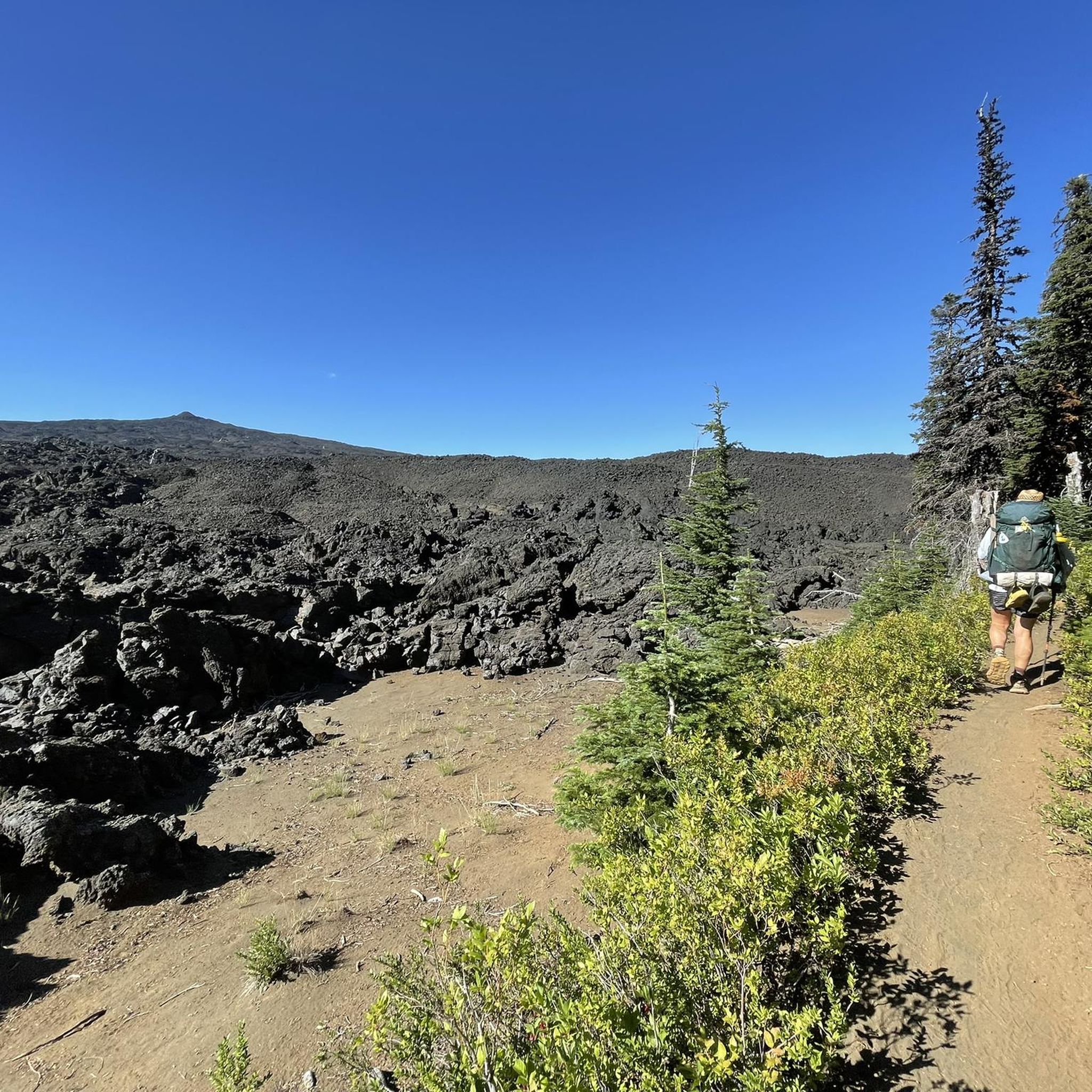
Hiking up the endless lava fields that came out of the Belnap Craters is no piece of cake. It wears on your ankles and your shoes. There is no shade, so avoid the heat.
5
0
This parking lot is also the gate into the Mount Washington Wilderness. If you are lucky there might be trail magic here. Enjoy, you will enter a very rocky area in either direction.
3
0
Little Belknap is just a five minute hike from the PCT. Explore around this little volcano to find the lava tubes. The views towards Mount Washington, the Three Sisters, Three Fingered Jack and over the gigantic lava fields are one of a kind. There is even a (rocky) spot for cowboy camping on top of Little Belknap.
5
0
Frequently Asked Questions
What are the most notable natural features and viewpoints in Mount Washington Wilderness?
The wilderness is renowned for its dramatic volcanic landscape. You can explore extensive Lava fields at Mount Washington Wilderness, which are among the most recent in Oregon. For panoramic views, hike to Little Belknap Crater, where you can see Mount Washington, the Three Sisters, and Three Fingered Jack. Another excellent viewpoint is from the summit of Scott Mountain, offering expansive vistas of surrounding peaks.
Are there any easy hiking trails suitable for families in Mount Washington Wilderness?
While much of the wilderness is rugged, there are some easier options. The Region Research mentions the Hand Lake Trail and Benson Lake Route as examples of easier day hikes. The Waterfalls Loop Trail is also an easy option for a shorter hike.
What kind of wildlife can I expect to see in Mount Washington Wilderness?
The wilderness supports a variety of wildlife. Larger animals like deer and elk are common, and there are occasional sightings of American black bears or cougars. Smaller mammals such as pikas, marmots, martens, snowshoe hares, and ground squirrels also inhabit the area. The numerous lakes are home to frogs, and brook, cutthroat, and rainbow trout.
What are the best times to visit Mount Washington Wilderness?
The best time to visit is typically during the warmer months, from late spring through early fall, when trails are clear of snow. However, be prepared for rugged terrain and potential heat, especially on exposed lava fields. Winter hiking is possible but requires specific preparation for snow and ice conditions.
What are the permit requirements for hiking in Mount Washington Wilderness?
Permits are required for both day and overnight use in some areas of the Central Cascades Wilderness, including Mount Washington Wilderness. It's essential to check current regulations before your visit to ensure you have the necessary permits.
Where can I find parking and trailheads for Mount Washington Wilderness?
A significant access point is the PCT Trailhead at McKenzie Highway, which serves as a gateway into the wilderness. This parking lot provides access to the Pacific Crest Trail and other routes within the area.
What are the challenging hiking opportunities in Mount Washington Wilderness?
The wilderness offers several challenging experiences. Hiking up the Lava fields at Mount Washington Wilderness is considered challenging due to the uneven terrain and lack of shade. Climbing Mount Washington itself is very challenging and not recommended for inexperienced climbers. The Pacific Crest Trail section through the wilderness also presents a demanding hike over varied elevations and lava flows.
Are there any specific natural phenomena or geological features to explore?
Absolutely. The wilderness is famous for its volcanic geology. You can explore lava tubes near Little Belknap Crater and traverse vast Lava fields at Mount Washington Wilderness, which are remnants of ancient eruptions from Belknap Crater. The entire area is characterized by its rugged, lava-strewn plains.
What outdoor activities, besides hiking, can I do near Mount Washington Wilderness?
Beyond hiking, the area offers opportunities for mountain biking and road cycling. You can find various MTB Trails in Mount Washington Wilderness, including the extensive McKenzie River National Recreation Trail. For road cyclists, there are scenic Road Cycling Routes in Mount Washington Wilderness like the McKenzie Pass Scenic Bikeway.
What is the Pacific Crest Trail's significance in Mount Washington Wilderness?
The Pacific Crest National Scenic Trail (PCT) is a major highlight, with 16.6 miles traversing the Mount Washington Wilderness. This section is known for its challenging nature, ranging in elevation from 4,700 to 6,100 feet, and passing directly over lava flows and the western side of Mount Washington. The PCT Trailhead at McKenzie Highway is a key access point.
Are there any lakes suitable for fishing or relaxation?
Yes, the Mount Washington Wilderness is home to 28 lakes, primarily in the northern and southwestern parts. These lakes support populations of brook, cutthroat, and rainbow trout, making them suitable for fishing. Patjens Lakes in the north and Tenas Lake and Benson Lake in the southwest are popular destinations, with Tenas Lakes particularly noted for their rocky shorelines and blue-green waters, ideal for relaxation and swimming.
What are the trail conditions like, especially on the lava fields?
The trail conditions, particularly on the lava fields, can be very rugged and challenging. The Lava fields at Mount Washington Wilderness are described as endless and wearing on ankles and shoes. There is also very little shade in these areas, so it's crucial to bring plenty of water and avoid the hottest parts of the day.
Most popular routes in Mount Washington Wilderness
Most popular attractions in Mount Washington Wilderness

Get inspired with the komoot mobile app


Explore more
Still not found the Highlight you’re looking for? See guides of the top attractions in other regions:
