The best walks and hikes in Lone Peak Wilderness
4.9
(169)
3,393
hikers
154
hikes
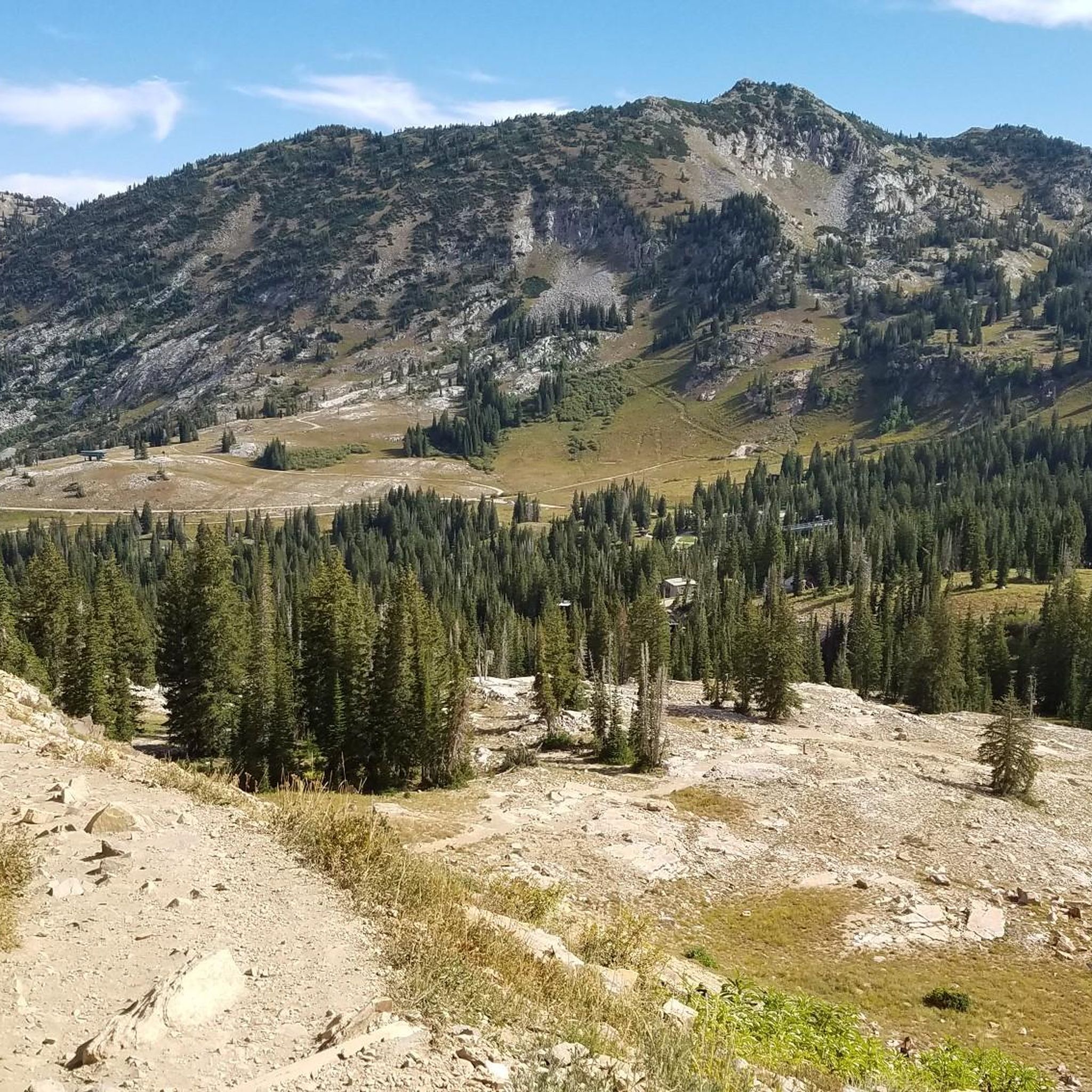
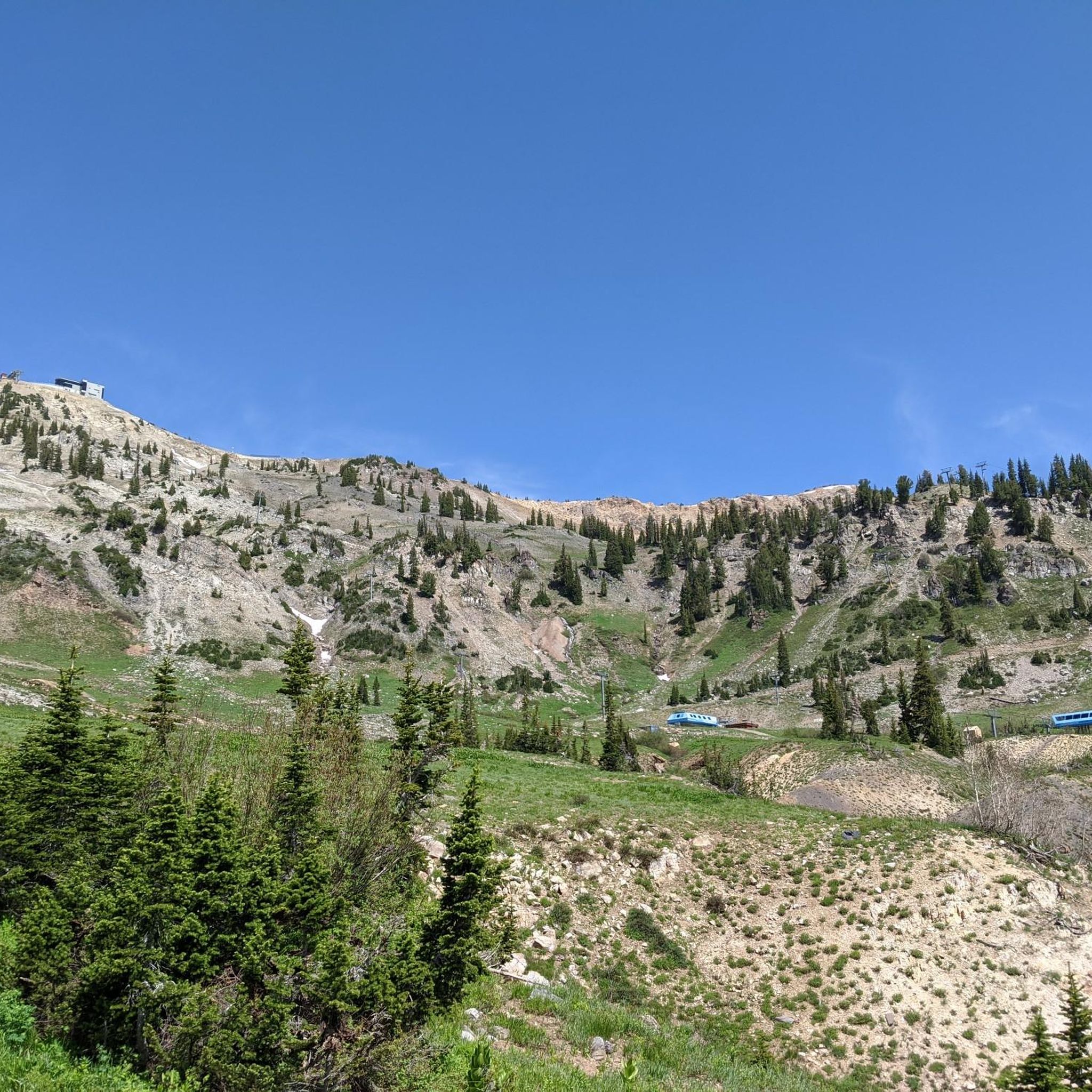
Hiking in Lone Peak Wilderness navigates a rugged landscape within the Central Wasatch Mountains, characterized by high peaks, narrow canyons, and glacially-carved basins. The area features significant elevation changes, with trails ascending through alpine meadows and past granite rock formations. Elevations range from 5,500 to 11,326 feet, offering diverse terrain. The trail network provides a range of options, from shorter walks to more demanding routes into the high country.
Best hiking trails in Lone Peak Wilderness
- The most popular hiking route is Bells Canyon Granite Trail to Bells Canyon Lower Falls, a 4.8 miles (7.7 km) trail that takes 3 hours 10 minutes to complete. This moderate hike follows a major drainage and leads to a waterfall feature.
- Another top favourite among local hikers is Red Pine Trail, a moderate 2.8 miles (4.5 km) path. This route climbs through varied terrain towards Red Pine Lake.
- Local hikers also love the Lower Bells Canyon Reservoir – Bells Canyon Granite Trailhead loop, a 1.4 miles (2.3 km) trail leading through the lower canyon area, often completed in about 45 minutes.
- Hiking in Lone Peak Wilderness is defined by its high-elevation peaks, rocky cirques, and alpine meadows. The trail system offers routes suitable for various skill levels, from accessible reservoir walks to challenging ascents.
- The routes in Lone Peak Wilderness are highly rated by the komoot community with an average score of 4.9 stars from over 170 reviews. More than 3,600 hikers have used komoot to explore Lone Peak Wilderness's varied terrain.
Last updated: May 10, 2026
5.0
(1)
30
hikers
10.5km
03:07
310m
370m
Moderate hike. Good fitness required. Easily-accessible paths. Suitable for all skill levels.
5.0
(3)
26
hikers
3.82km
01:44
440m
0m
Moderate hike. Good fitness required. Mostly accessible paths. Sure-footedness required.

Sign up for free
5.0
(5)
18
hikers
5.08km
01:36
210m
230m
Easy hike. Great for any fitness level. Easily-accessible paths. Suitable for all skill levels.
2
hikers
5.84km
03:24
850m
0m
Hard hike. Good fitness required. Sure-footedness, sturdy shoes and alpine experience required.
1
hikers
4.50km
02:05
470m
0m
Moderate hike. Good fitness required. Mostly accessible paths. Sure-footedness required.
Get access to more routes and recommendations from other explorers.
Sign up for free
Already have an account?
Our route recommendations are based on thousands of hikes, rides, and runs completed by other people on komoot.
Start today with a free account
Your next adventure awaits.
Login or Signup
Tips from the Community

Few hikes from this Trailhead. The most popular one is the Lower Bells canyon
0
0

This pretty reservoir is, understandably, a very popular destination for families — and the views out over Salt Lake City aren't bad, either. You'll have a better chance at an uninterrupted run if you come early in the morning or during the week, and there are enough rocks in places along the trail to make it technical and interesting.
1
0
This is the most impressive waterfall along the Dry Creek, but it can get pretty crowded. Coming early or during the week will help you avoid having to weave in and out of too many hikers.
1
0

Lower Bells Canyon Reservoir in Utah offers cyclists a glimpse of diverse flora and fauna amidst breathtaking vistas. Cyclists may encounter native plants such as sagebrush and scrub oak, while wildlife sightings may include mule deer, mountain goats, and various bird species. The reservoir's tranquil waters reflect the surrounding rugged peaks, creating a picturesque backdrop for a memorable cycling adventure.
0
0

The Lower Falls along the Bells Canyon Trail are quite popular even though require a bit of a hike to reach. They are one of many majestic and refreshing sights along this beautiful trail.
0
1
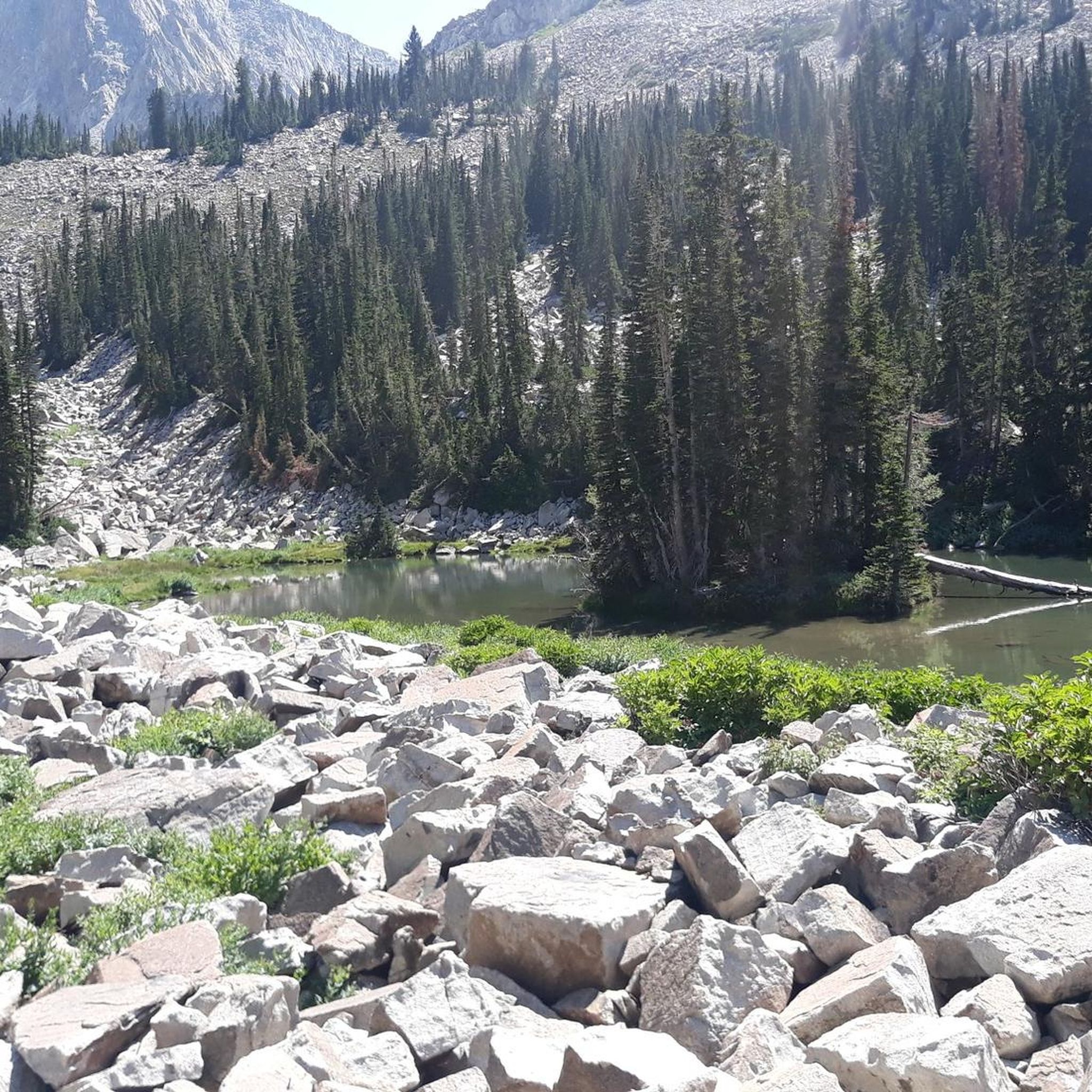
This is a beautiful lake with mountain views. You can make it a first stop along the longer Bells Canyon Trail or a destination for a shorter loop hike with the family. Either way it's a great spot to pause and enjoy the view!
0
1
The Granite Trailhead leads you down the Bells Canyon Trail towards beautiful reservoirs and waterfalls. The trail is open from sunrise to 10 p.m.
1
0
Frequently Asked Questions
Are dogs allowed in the Lone Peak Wilderness?
No, dogs and other domesticated animals are generally not permitted. A large portion of the Lone Peak Wilderness, particularly the northern and central areas, is a protected watershed for surrounding communities. It's essential to respect these regulations to preserve the water quality and natural habitat.
What are the trail conditions like in the Lone Peak Wilderness?
The trails are generally rugged and demanding, featuring steep ascents, rocky sections, and significant elevation gain. The landscape is characterized by high peaks over 11,000 feet, narrow valleys, and glacially-carved basins. Even moderate trails can be challenging, so proper footwear and fitness are essential.
Are there any easy, family-friendly hikes available?
While the region is known for its strenuous climbs, there are some more accessible options. The area around the Lower Bells Canyon Reservoir offers shorter, less demanding paths suitable for a family outing. These trails provide a taste of the canyon's scenery without the major elevation gain of the upper trails.
Can I go hiking in the Lone Peak Wilderness during winter?
Winter hiking is possible on some lower-elevation trails, but it requires specialized gear like microspikes, snowshoes, and trekking poles. The high-elevation routes and peaks become hazardous due to heavy snowfall and significant avalanche risk. Always check local avalanche forecasts and trail conditions before heading out.
Are there any hikes with waterfalls?
Yes, Bells Canyon is famous for its waterfalls. The trail to the lower falls is a popular moderate hike that follows the canyon's main drainage. For those seeking a greater challenge, continuing to the upper falls offers more spectacular cascades but involves a much more strenuous and steep climb.
Do I need a permit to hike or camp in the Lone Peak Wilderness?
No special permits are required for day hiking. For overnight backpacking, you must follow wilderness regulations, which include camping at least 200 feet away from lakes, streams, and trails. Some specific areas, like the Timpanogos Cave, require tickets which should be booked in advance.
What is the best way to reach the summit of Lone Peak?
Reaching the summit of Lone Peak is a very strenuous undertaking recommended only for experienced hikers with scrambling skills. The final push involves Class 4 scrambling with significant exposure. A common route is via the Draper Ridge Trail, which gains about 6,000 feet in elevation. It's a full-day effort requiring an early start and excellent physical condition.
What are some good options for backpacking?
The Lone Peak Wilderness is a prime destination for backpacking. A classic trip is the route to Lake Hardy, a beautiful alpine lake. Be prepared for a tough climb, especially in the first couple of miles. Remember to follow Leave No Trace principles and camp at least 200 feet from water sources.
Where can I find the most scenic views?
Incredible views are a key feature of the region. For a rewarding but difficult hike, the Silver Lake – Silver Glance Mountain Edge loop offers panoramic vistas from the higher elevations. The iconic Pfeifferhorn, also known as the 'Little Matterhorn', provides a dramatic backdrop and a formidable objective for experienced mountaineers seeking stunning summit views.
How difficult are the trails in this area?
The trails cover a wide range of difficulties. While there are over 25 easy routes, the area is best known for its challenging terrain. There are more than 35 moderate trails and over 25 difficult ones that involve steep climbs and technical sections. It's important to read trail descriptions and choose a route that matches your fitness and experience level.
What do other hikers say about the Lone Peak Wilderness?
The area is highly regarded by the komoot community, with an average rating of 4.9 stars. Hikers frequently praise the raw, untamed nature of the wilderness, the challenging yet rewarding climbs, and the spectacular panoramic views from the high ridges and peaks.
Is there a trail to Timpanogos Cave?
Yes, the Timpanogos Cave Trail is a steep, paved path that leads to the entrance of the cave system. While relatively short, it involves a significant elevation gain of over 1,000 feet. Tickets for the cave tour are required and should be purchased in advance.
Most popular routes in Lone Peak Wilderness

Get inspired with the komoot mobile app


Explore more
Browse the best Hikes in other regions.
