Attractions and Places To See in Eagle Cap Wilderness - Top 20
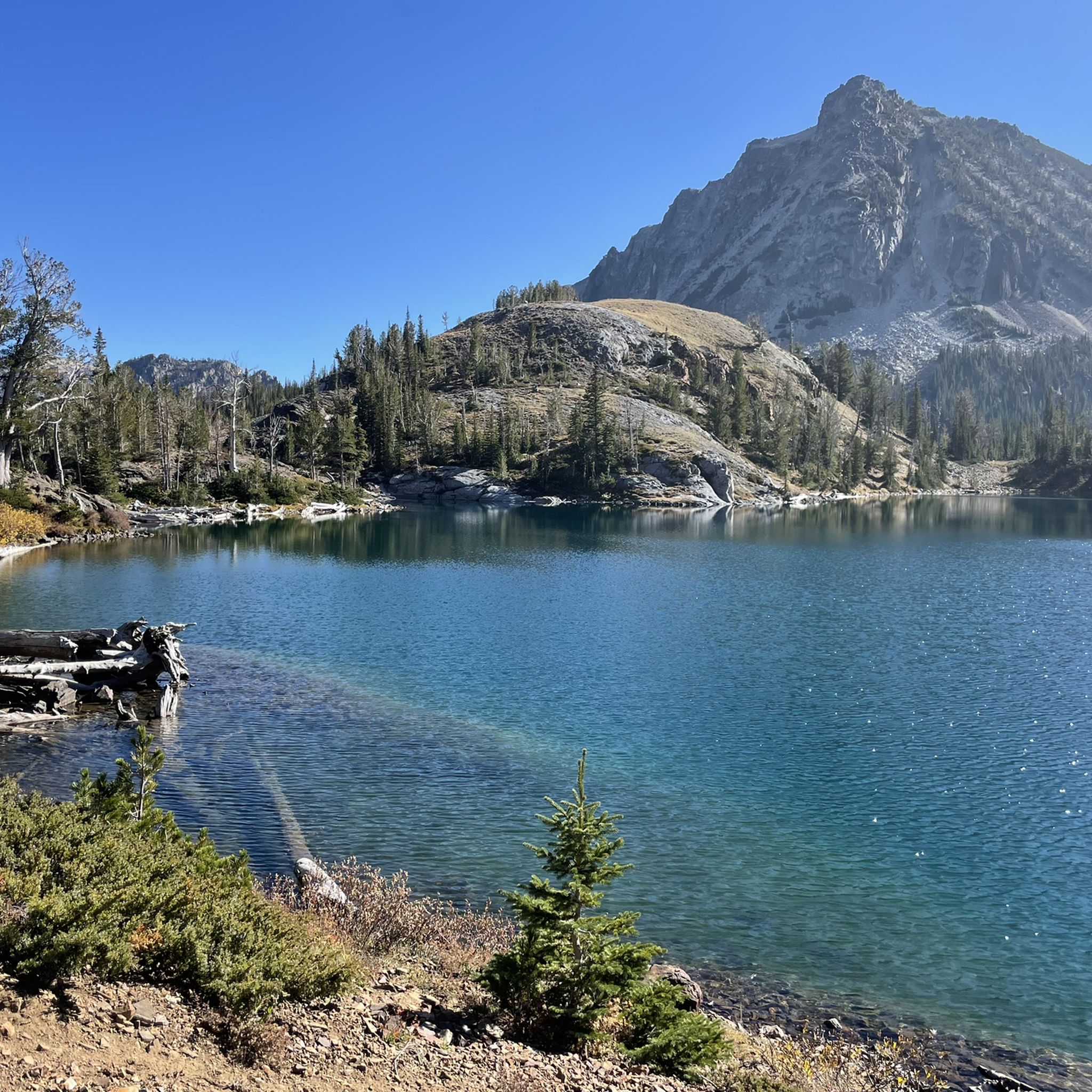
Best attractions and places to see in Eagle Cap Wilderness are found within the Wallowa Mountains of northeastern Oregon. This vast area is characterized by high alpine lakes, meadows, granite peaks, and glaciated valleys. Historically, it served as the homeland and summer hunting grounds for the Nez Perce Indian Tribe. The wilderness offers over 530 miles of developed trails for exploration.
Best attractions and places to see in Eagle Cap Wilderness
- The most popular attractions is Ice Lake, a lake that features crystal-clear water and is surrounded by towering mountains. It offers opportunities for camping and fishing.
- Another must-see spot is Adam Creek Falls, a waterfall visible on the route to Ice Lake. The rushing falls are a notable natural feature in the area.
- Visitors also love Matterhorn, a summit offering views over the Wallowa Mountains. Mountain goats are often spotted in the area.
- Eagle Cap Wilderness is known for its alpine lakes, mountain peaks, and waterfalls. The region offers a variety of natural attractions to see and explore.
- The attractions in Eagle Cap Wilderness are appreciated by the komoot community, with 4 upvotes and 29 photos shared.
Last updated: June 29, 2026
Ice Lake
Highlight • Lake
Tip by

Matterhorn
Highlight • Summit
Tip by
Sign up now to discover places like this
Get recommendations on the best single tracks, peaks, & plenty of other exciting outdoor places.
Sign up for free
Mirror Lake (Eagle Cap Wilderness)
Highlight • Lake
Tip by
Eagle Cap Summit
Highlight • Summit
Tip by
Adam Creek Falls
Highlight • Waterfall
Tip by
Sign up for free to discover even more attractions in Eagle Cap Wilderness.
Sign up for free
Already have an account?
Start today with a free account
Your next adventure awaits.
Login or Signup
Popular around Eagle Cap Wilderness
Tips from the Community

A popular summit in the Eagle Cap Wilderness, this high point offers views of the Wallowa Mountains in all directions. It's a lot of fun to pick out points you've visited in the valley below. While the climb is long, it is not exceptionally steep or technical. A well defined trail leads to the top, making this one of the easiest peaks to summit in the area.
0
0
Mirror Lake is one of the most popular destinations in the Wallowa Mountains, so don't be surprised when you find a lot of people camping along its shores. Most maps show a camping symbol on the northwest corner of the lake; this is where people will likely head to set up camp (it's where we went in the dark!). If you are willing to hike further to the east, you'll find some great locations (try crossing the creek on the east side - really great camps up on the granite!). Be sure to pitch your tent at least 100 feet from the lakes or wetlands - you will be asked to move by the rangers if you set up too close.
0
0
The trail to the summit of the Matterhorn is fairly well defined even as a user trail. Accessing this summit is one of the easier options in the area and provides sweeping views of the surrounding peaks.
0
0

With an elevation of 9,577 feet, Eagle Cap is one of the prominent peaks in the Eagle Cap Wilderness. From its summit you enjoy a superb view of the surrounding Wallowa Mountains. Eagle Cap is the highest peak in Union County.
2
0
On your way up to Ice Lake, you can spot the rushing Adam Creek Falls. The falls are not accessible at this location, but you can get to Adam Creek a little further down.
3
0
Mirror Lake is a beautiful alpine lake nestled into the Eagle Cap Wilderness of the Wallowa Mountains. You can pitch your tent, but campfires are not allowed.
2
0
Getting up to the summit of the Matterhorn is not easy. The trail is sometimes fairly visible and very steep and rocky in places. But once you are up here, you will be treated with an exceptional view over the Wallowa Mountains all around you. Keep your eyes peeled as there are mountain goats roaming the area.
4
0
Frequently Asked Questions
What are the notable natural features and landmarks in Eagle Cap Wilderness?
The Eagle Cap Wilderness is renowned for its stunning natural beauty. Key features include over 60 named alpine lakes, such as Ice Lake and Mirror Lake (Eagle Cap Wilderness), crystal-clear waters surrounded by towering mountains. Prominent peaks like Matterhorn and Eagle Cap Summit offer exceptional views. You can also find impressive waterfalls like Adam Creek Falls and explore glaciated valleys and high alpine meadows.
What kind of wildlife can I expect to see in the Eagle Cap Wilderness?
The wilderness is home to diverse wildlife. Visitors might spot larger mammals such as black bears, cougars, Rocky Mountain bighorn sheep, mountain goats, elk, and deer. Smaller mammals and various bird species also inhabit the area. Keep an eye out for mountain goats, especially around peaks like the Matterhorn.
Are there any historical or cultural sites to explore in the Eagle Cap Wilderness?
While there are no specific formal cultural sites with structures within the wilderness, the entire area holds deep historical and cultural significance. It was historically the homeland and summer hunting grounds for the Nez Perce Indian Tribe, particularly the Joseph Band, as well as the Cayuse, Shoshone, and Bannocks. They used the area for hunting and gathering, establishing many of the trails still in use today. The broader Nez Perce National Historical Park commemorates their history and stories, and you can learn more about it at nps.gov.
What are some popular hiking trails in the Eagle Cap Wilderness?
The Eagle Cap Wilderness offers approximately 534 miles of developed trails. Popular routes include the Ice Lake Trail, Aneroid Lake Trail, and the Wallowa River Loop. Many of these trails lead to stunning alpine lakes and mountain viewpoints. For more detailed hiking routes, you can explore the Hiking in Eagle Cap Wilderness guide.
What is the best time of year to visit Eagle Cap Wilderness?
The best time to visit Eagle Cap Wilderness for hiking and backpacking is generally from late spring through early fall (June to September), when trails are mostly clear of snow and weather conditions are more favorable. If you prefer solitude, consider visiting during early spring or in the fall. Winter offers opportunities for activities like telemark skiing in areas like McCully Basin.
Are there any family-friendly activities or trails in the Eagle Cap Wilderness?
While many trails in the wilderness can be challenging, areas around Wallowa Lake State Park, which serves as a gateway, offer more accessible options. The Wallowa Lake Tramway provides easy access to scenic views from Howard Mountain, suitable for families. For specific family-friendly hikes, it's recommended to check local resources or trail descriptions for difficulty levels.
Can I bring my dog on trails in the Eagle Cap Wilderness?
Generally, dogs are allowed on trails in the Eagle Cap Wilderness, but they must be kept under control, typically on a leash, to protect wildlife and ensure a pleasant experience for all visitors. Always check the latest regulations and specific trail rules before heading out, as conditions or restrictions can change.
What permits are required for visiting the Eagle Cap Wilderness?
A wilderness permit is required for all overnight stays in the Eagle Cap Wilderness and for day use in certain high-use areas. These permits are typically free and can be obtained at trailheads. It's always best to check with the U.S. Forest Service or local ranger stations for the most current permit requirements before your visit.
What are the difficulty levels of trails in the Eagle Cap Wilderness?
Trails in the Eagle Cap Wilderness range from moderate to difficult. Many routes involve significant elevation gain and rugged terrain, especially those leading to high alpine lakes and mountain summits. For example, the trail to Matterhorn is steep and rocky, while the climb to Eagle Cap Summit, though long, is not exceptionally steep or technical. Always assess your fitness level and prepare accordingly.
Are there opportunities for winter activities in the Eagle Cap Wilderness?
Yes, the Eagle Cap Wilderness offers opportunities for winter activities, particularly in areas like McCully Basin, which is known for its Alpine Huts and campsites used as base camps for telemark skiing. Winter conditions can be severe, so proper preparation, experience, and gear are essential for any winter exploration.
What is the Wallowa Lake Tramway and what does it offer?
The Wallowa Lake Tramway provides easy access to the area, traveling from Wallowa Lake State Park to the top of Howard Mountain. It offers scenic views of the surrounding landscape and features the Pacific Northwest's highest eatery, providing a unique dining experience with panoramic vistas.
Where can I find information about nearby routes for outdoor activities?
Komoot offers several guides for outdoor activities in the region. For hiking, you can explore the Hiking in Eagle Cap Wilderness guide, which includes routes to destinations like Ice Lake, Aneroid Lake, and Mirror Lake. If you're interested in waterfalls, check out the Waterfall hikes in Eagle Cap Wilderness guide.
Most popular routes in Eagle Cap Wilderness
Most popular attractions in Eagle Cap Wilderness

Get inspired with the komoot mobile app


Explore more
Still not found the Highlight you’re looking for? See guides of the top attractions in other regions:
