Attractions and Places To See in Buffalo Peaks Wilderness - Top 5
Best attractions and places to see in Buffalo Peaks Wilderness include ancient volcanic summits, expansive alpine meadows, and diverse forests within Colorado's Pike and San Isabel National Forests. Established in 1993, this wilderness area spans over 43,000 acres, offering opportunities for solitude and exploration. The region is characterized by its high-elevation beaver ponds and a mix of Engelmann spruce, Douglas fir, and aspen trees. It provides a natural setting for outdoor activities.
Best attractions and places to see in Buffalo…
Last updated: May 1, 2026
West Buffalo Peak
Highlight • Summit
Tip by

East Buffalo Peak
Highlight • Summit
Tip by
Sign up now to discover places like this
Get recommendations on the best single tracks, peaks, & plenty of other exciting outdoor places.
Sign up for free
Rich Creek meadow
Highlight (Segment) • Natural
Tip by
Rich Creek meadow
Highlight • Natural
Tip by
Salt Creek Trail
Highlight (Segment) • Trail
Tip by

Start today with a free account
Your next adventure awaits.
Login or Signup
Popular around Buffalo Peaks Wilderness
Tips from the Community

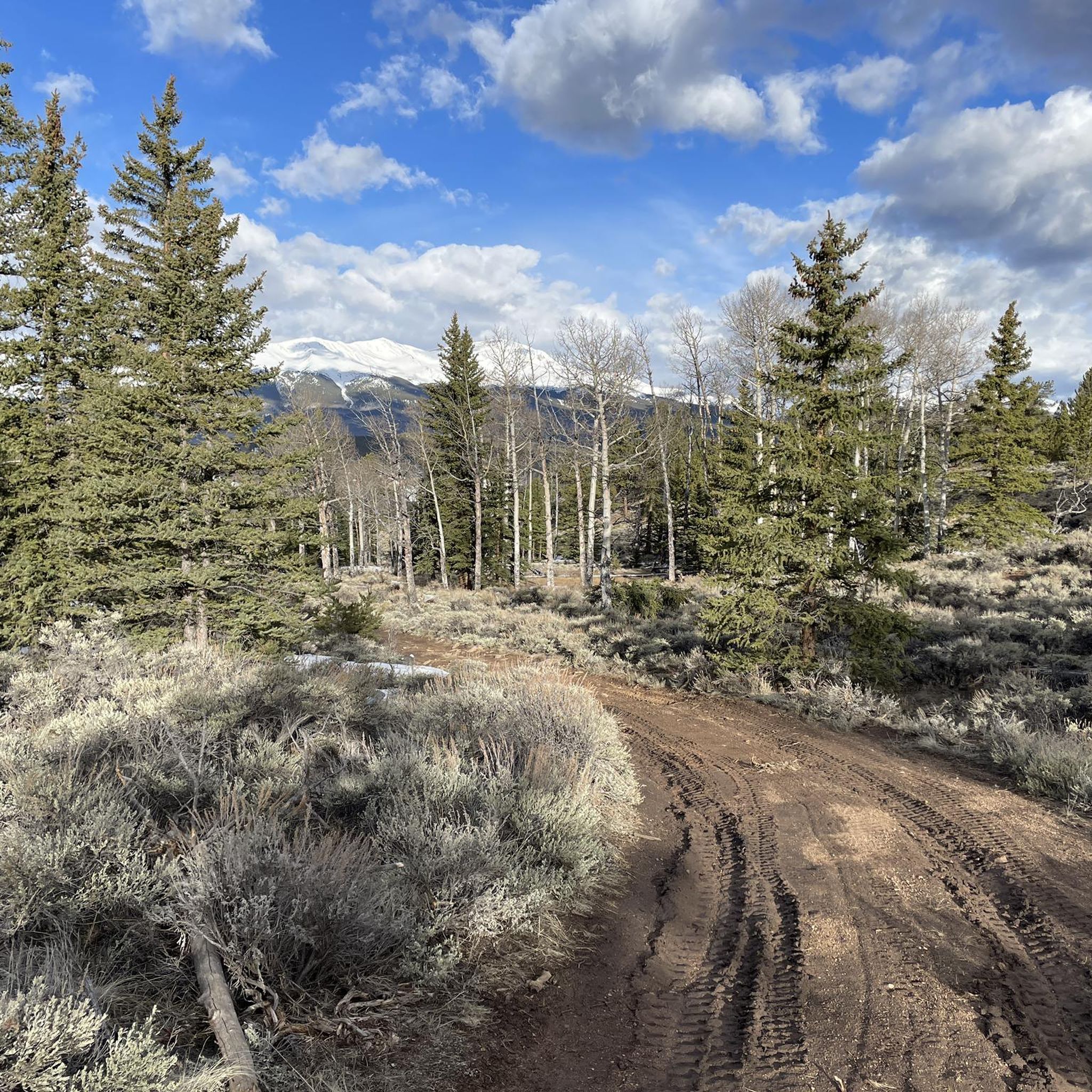
A picturesque trail that sees limited traffic, meandering alongside the perimeter of Buffalo Peaks Wilderness. Great trail for exploring the area on bike.
0
0

Rich Creek Trail is the epitome of the Buffalo Peaks Wilderness. Much of the trail travels through a high alpine meadow and holds water much of the year (welcoming late season wildflowers and wildlife). It's likely you will encounter others out using this trail, and it is in an easily affected area so please keep on established trails or spread out as a group when having to travel off trail. It is a climb up to the meadow, but the running is relatively flat and gradual in the meadows.
0
0
Of the two Buffalo Peaks, East Buffalo is the shortest at 13,300 feet. That being said, it also has the tougher slopes. Both peaks require some alpine route finding and class 2 scrambling, but the ascent/descent for East Buffalo is a little rockier. This is why a proposed loop for both peaks goes up East Buffalo and down West Buffalo.
0
0
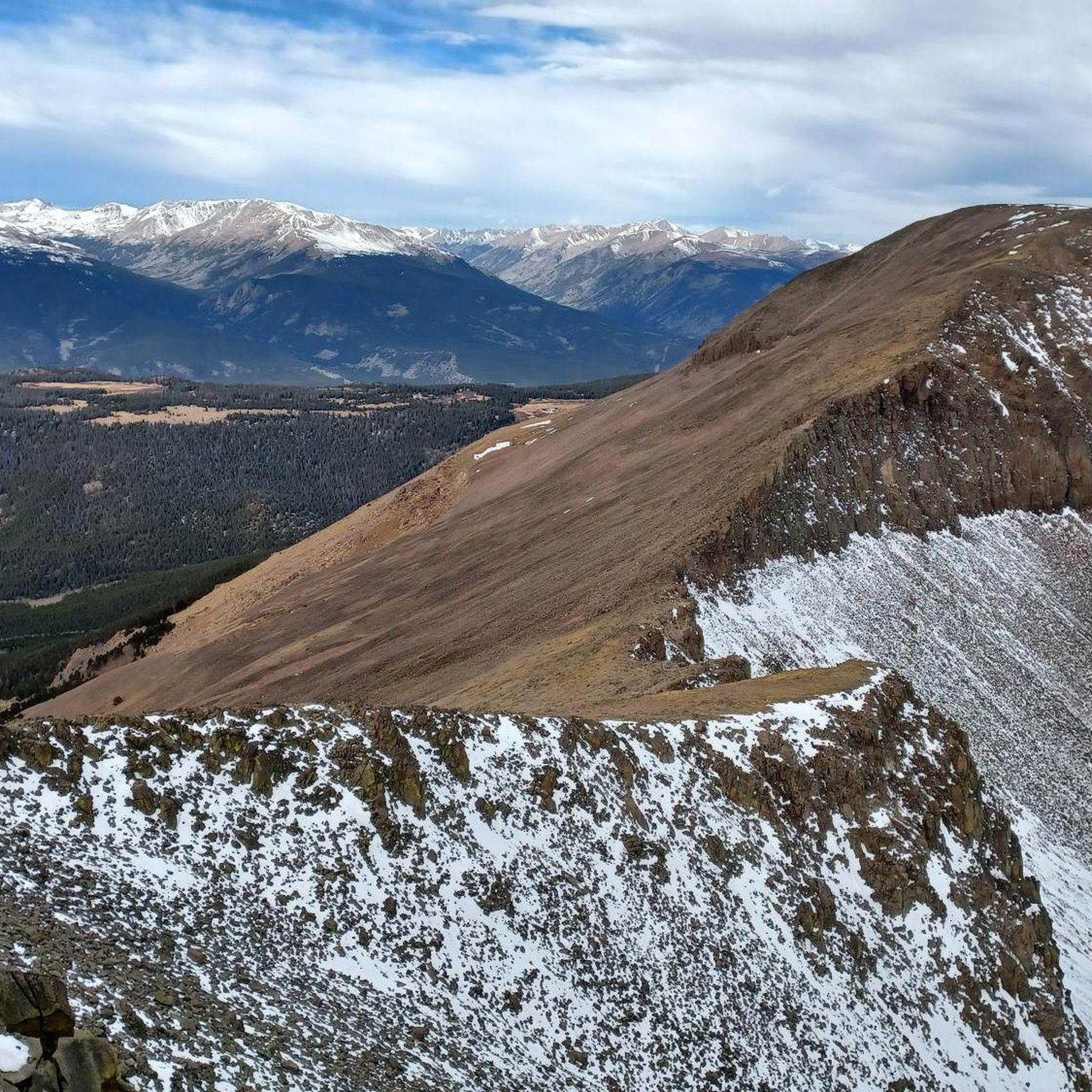
At 13,326 feet, West Buffalo is just barely the highest of the two peaks. The ridge walk between the two summits is never more intricate than class 2 moves but does require some route finding and boulder hopping. Not a lot of running happens on the peaks or the ridge, but the lower trails offer awesome singletrack. The views from the top of West Buffalo Peak gives you the eagle's eye over all the land nearby. Across the valley you will be able to see a number of 14ers in the Collegiate Peaks Wilderness, and to the east you can see Pikes Peak (on a clear day).
0
1
At 13,326 feet, West Buffalo is just barely the highest of the two peaks. The ridge walk between the two summits is never more intricate than class 2 moves but does require some route finding and boulder hopping. The views from the top of West Buffalo Peak gives you the eagle's eye over all of the land nearby. Across the valley you will be able to see a number of 14ers in the Collegiate Peaks Wilderness, and to the east you can see Pikes Peak (on a clear day).
0
0
Of the two Buffalo Peaks, East Buffalo is the shortest at 13,300 feet. That being said, it also has the tougher slopes. Both peaks require some alpine route finding and class 2 scrambling, but the ascent/descent for East Buffalo is a little rockier. This is why a proposed loop for both peaks goes up East Buffalo and down West Buffalo.
0
0
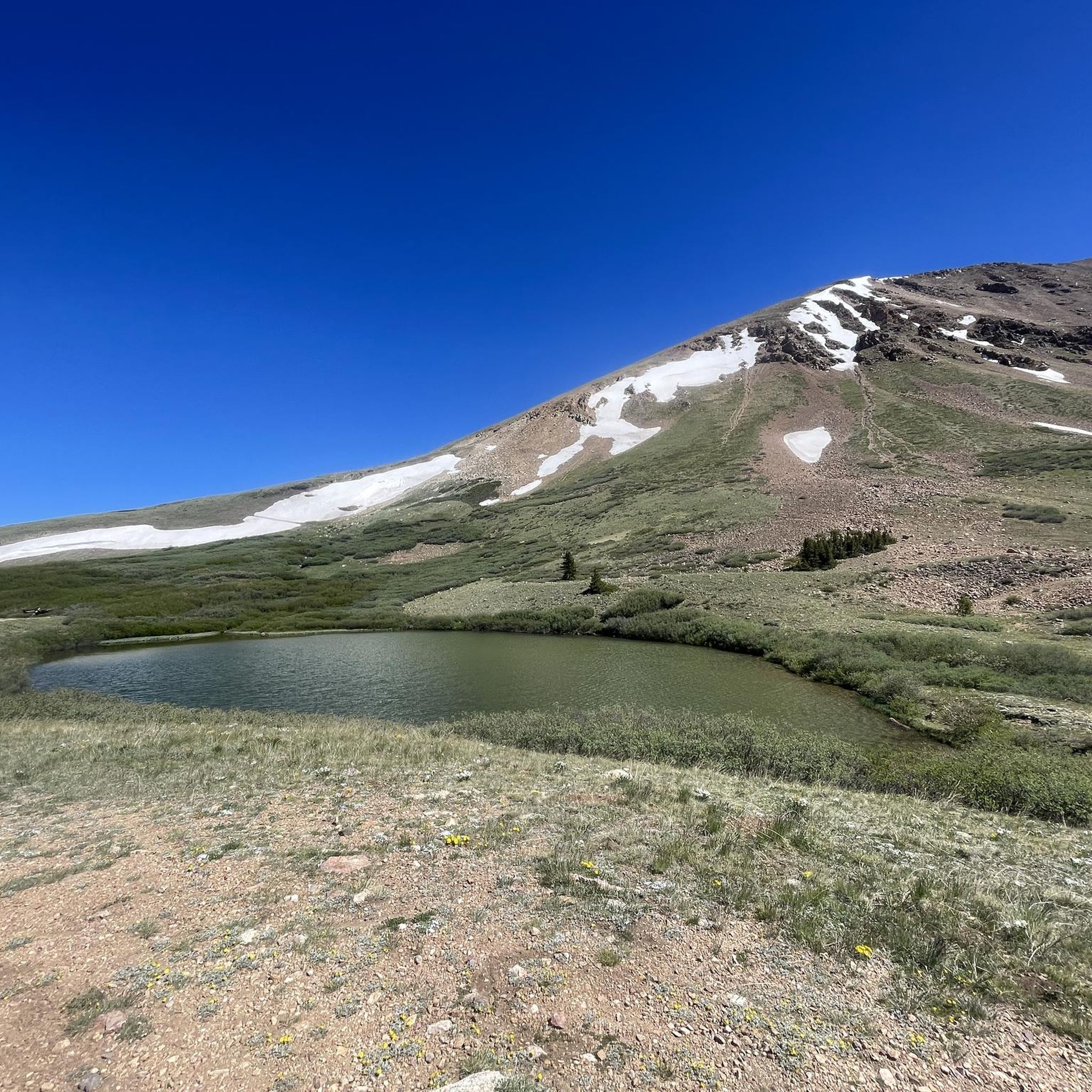
Rich Creek Trail is the epitome of the Buffalo Peaks Wilderness. Much of the trail travels through a high alpine meadow and holds water much of the year (welcoming late season wildflowers and wildlife). It's likely you will encounter others out using this trail, and it is in an easily affected area so please keep on established trails or spread out as a group when having to travel off trail.
0
0
Frequently Asked Questions
What are the most prominent natural landmarks in Buffalo Peaks Wilderness?
The wilderness is named after its twin summits, West Buffalo Peak (13,326 feet) and East Buffalo Peak (13,300 feet). These ancient volcanic mountains offer challenging hikes and spectacular panoramic views. Additionally, the area features high-elevation beaver ponds and diverse forests of Engelmann spruce, Douglas fir, and aspen.
Where can I experience the best scenic views in Buffalo Peaks Wilderness?
For breathtaking vistas, hiking to the summit of West Buffalo Peak offers panoramic views of the Collegiate Peaks Wilderness and, on clear days, Pikes Peak. The ridge walk between West and East Buffalo Peaks also provides outstanding scenery.
Are there any notable meadows or unique ecological features to explore?
Yes, Rich Creek meadow is a stunning high alpine meadow, particularly vibrant with wildflowers in July and August. This area often holds water, supporting late-season wildflowers and diverse wildlife. Buffalo Meadows is another beautiful open area with great views.
What kind of wildlife can I expect to see in Buffalo Peaks Wilderness?
The wilderness is home to a variety of wildlife, including beavers, elk, mule deer, black bears, and mountain lions. It also hosts Colorado's largest herd of bighorn sheep, making it a prime spot for wildlife viewing.
What are some popular hiking trails in Buffalo Peaks Wilderness?
Popular hiking options include the Rich Creek Trail, which leads through the high alpine Rich Creek meadow. The Buffalo Peaks Wilderness Loop is another popular intermediate trail. For more challenging routes, consider the Rich Creek & Tumble Creek Loop (11.7 miles) or the Buffalo Peaks Summit Trail (11 miles). You can find more hiking routes in the Hiking in Buffalo Peaks Wilderness guide.
Are there any trails suitable for mountain biking near the attractions?
Yes, the Salt Creek Trail, which meanders alongside the perimeter of the wilderness, is a picturesque option for mountain biking. Other trails like Tumble Creek Trail and Sheep Creek Loop Trail also offer mountain biking opportunities. Explore more in the MTB Trails in Buffalo Peaks Wilderness guide.
What is the best time of year to visit Buffalo Peaks Wilderness?
The best time to visit for hiking and enjoying wildflowers is typically July and August, when the alpine meadows are most vibrant. Fall offers spectacular colors from the aspen trees. For those interested in winter activities, the area also supports winter hiking, though conditions can be challenging.
Are there any cultural or historical sites near Buffalo Peaks Wilderness?
While the wilderness itself focuses on natural preservation, the nearby South Park National Heritage Area, about 10 miles east, features historic mining towns. Fairplay, for example, has the South Park City Museum, a restored 1880s mining town offering a glimpse into the region's past.
What are the camping options available in or near Buffalo Peaks Wilderness?
Wilderness camping is permitted, with established campsites along Rich Creek and in the Tumble Creek meadows. For developed campgrounds, Weston Pass Campground and Buffalo Springs Campground are conveniently located adjacent to the wilderness area.
Are there any running trails in Buffalo Peaks Wilderness?
Yes, the area offers several trails suitable for running. The Rich Creek and Tumble Creek Loop Trail is a popular option. You can find more detailed running routes and their difficulties in the Running Trails in Buffalo Peaks Wilderness guide.
What kind of terrain can I expect when hiking the Buffalo Peaks?
The terrain varies from relatively flat and gradual paths within the high alpine meadows, such as Rich Creek meadow, to challenging, rocky slopes and boulder hopping on the summits. The ridge walk between West Buffalo Peak and East Buffalo Peak involves Class 2 scrambling and route finding.
What makes the Buffalo Peaks Wilderness unique compared to other Colorado wilderness areas?
Buffalo Peaks Wilderness stands out for its ancient volcanic summits, expansive alpine meadows, and unique high-elevation beaver ponds, some of the highest in North America. It also boasts a serene mix of diverse forests, including lovely stands of bristlecone pines, and supports Colorado's largest herd of bighorn sheep.
Most popular routes in Buffalo Peaks Wilderness

Get inspired with the komoot mobile app


Explore more
Still not found the Highlight you’re looking for? See guides of the top attractions in other regions:
