The best walks and hikes around Bayerisch Eisenstein
4.6
(10998)
42,798
hikers
174
hikes
Hiking around Bayerisch Eisenstein offers diverse landscapes within the Bavarian Forest, characterized by dense woodlands, significant peaks, and unique wetlands. The region features the Großer Arber, the highest mountain, along with scenic lakes like Kleiner Arbersee and the ecologically important Eisensteiner Moor. Its location on the border with the Czech Republic also provides cross-border hiking opportunities through the adjacent Bavarian Forest National Park and National Park Šumava.
Best hiking trails around Bayerisch Eisenstein
- The most popular hiking route is Lo…
Last updated: September 26, 2026
4.6
(339)
1,111
hikers
7.25km
02:14
270m
260m
Moderate hike. Good fitness required. Easily-accessible paths. Suitable for all skill levels.
4.7
(220)
747
hikers
8.01km
02:23
260m
260m
Moderate hike. Good fitness required. Easily-accessible paths. Suitable for all skill levels.

4.6
(83)
250
hikers
11.8km
03:24
290m
290m
Moderate hike. Good fitness required. Easily-accessible paths. Suitable for all skill levels.
4.8
(664)
2,309
hikers
12.9km
04:17
580m
580m
Moderate hike. Good fitness required. Mostly accessible paths. Sure-footedness required.
4.7
(420)
1,540
hikers
11.2km
03:50
510m
510m
Hard hike. Good fitness required. Sure-footedness, sturdy shoes and alpine experience required.
Get access to more routes and recommendations from other explorers.
Already have an account?
Our route recommendations are based on thousands of hikes, rides, and runs completed by other people on komoot.
Start today with a free account
Your next adventure awaits.
Popular around Bayerisch Eisenstein
The Goldsteig – 38 stages between Upper Palatinate and Passau
Goldsteig — The best routes for long distance hiking in Eastern Bavaria
Hiking tips for the Bavarian Forest
Six wonderful hikes around Bavaria’s Großer Arber
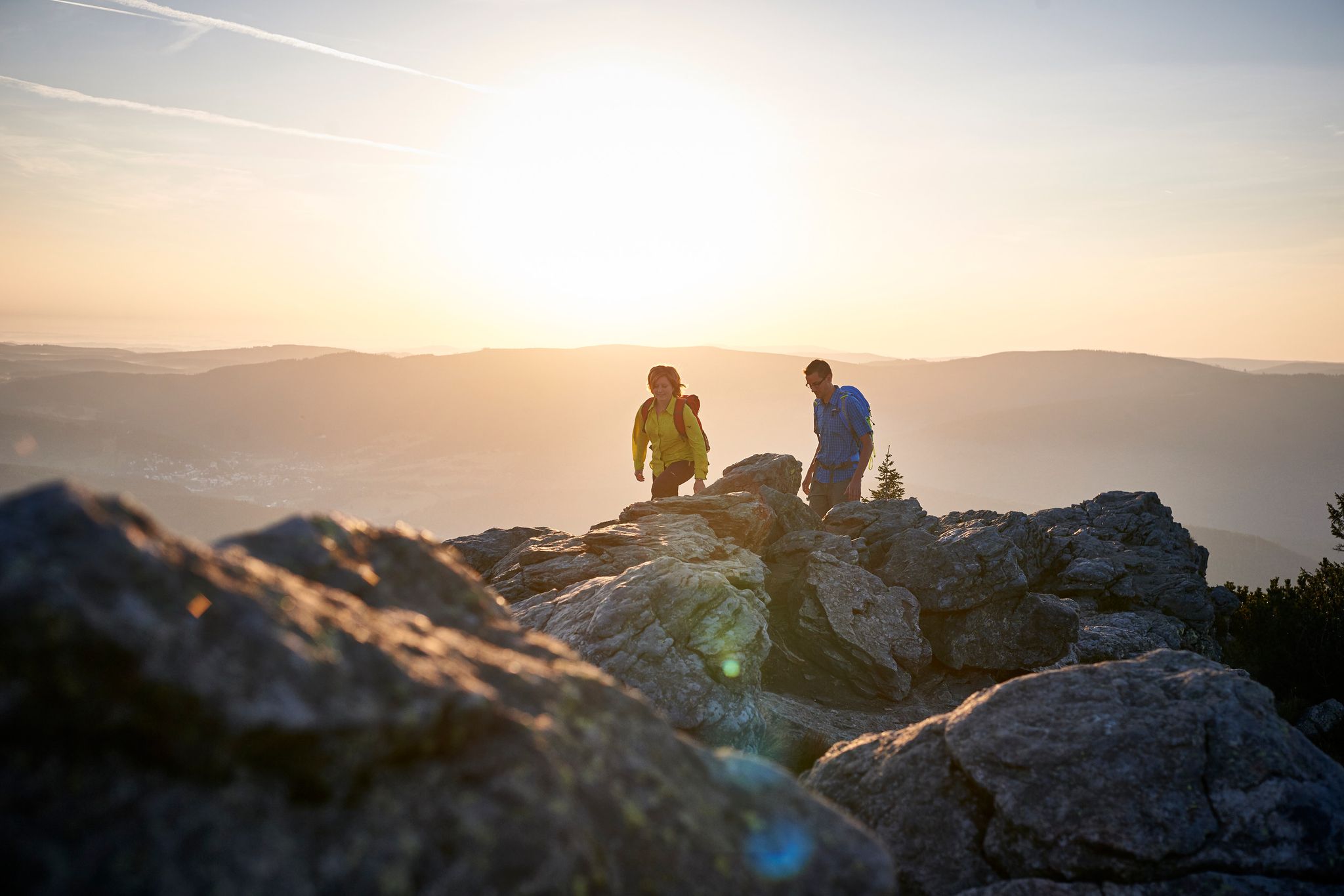
Varied day Tours on the Großer Arber
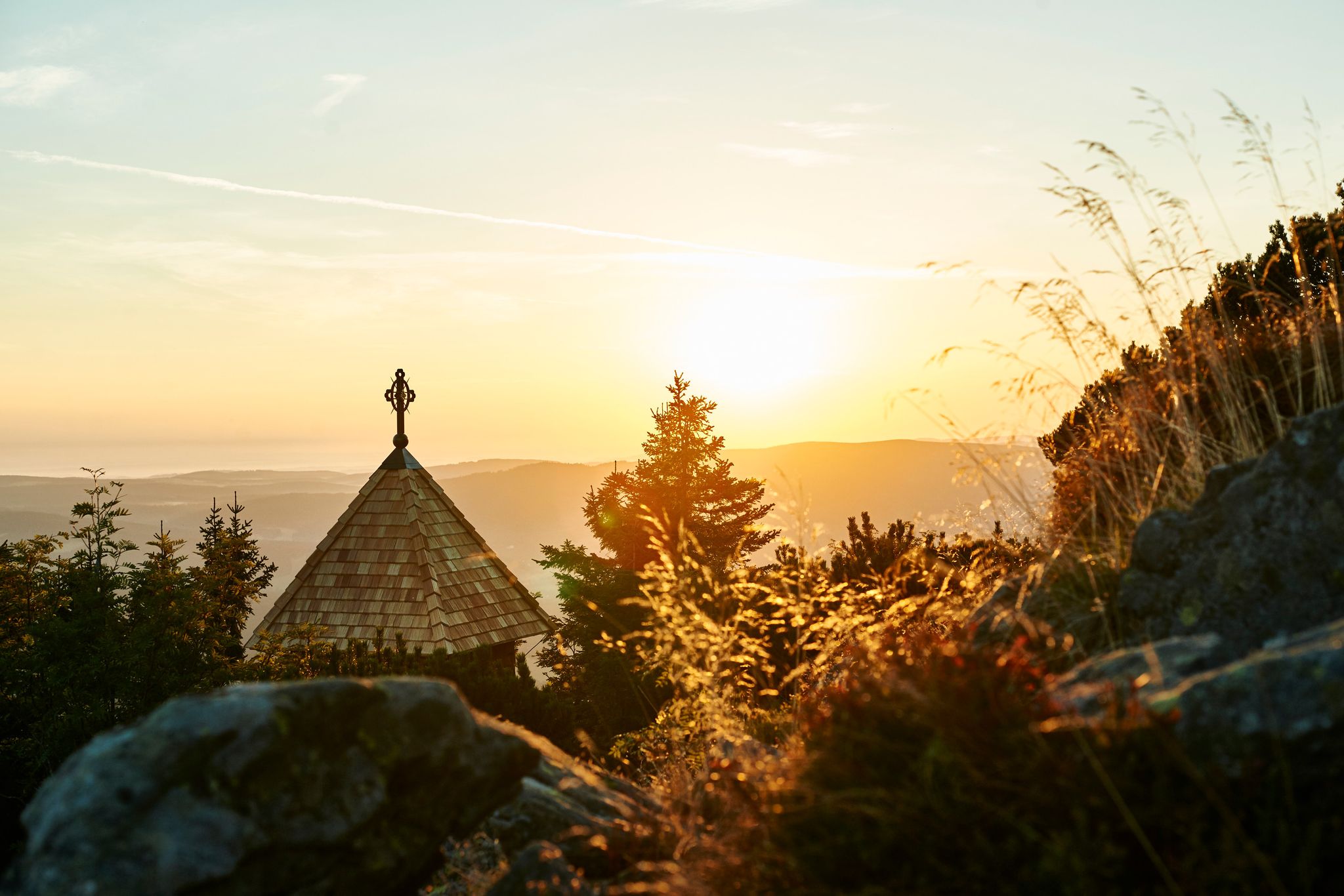
Unforgettable mountain experiences on the Großer Arber

Wild Winter Hikes in Bayerischer Wald National Park
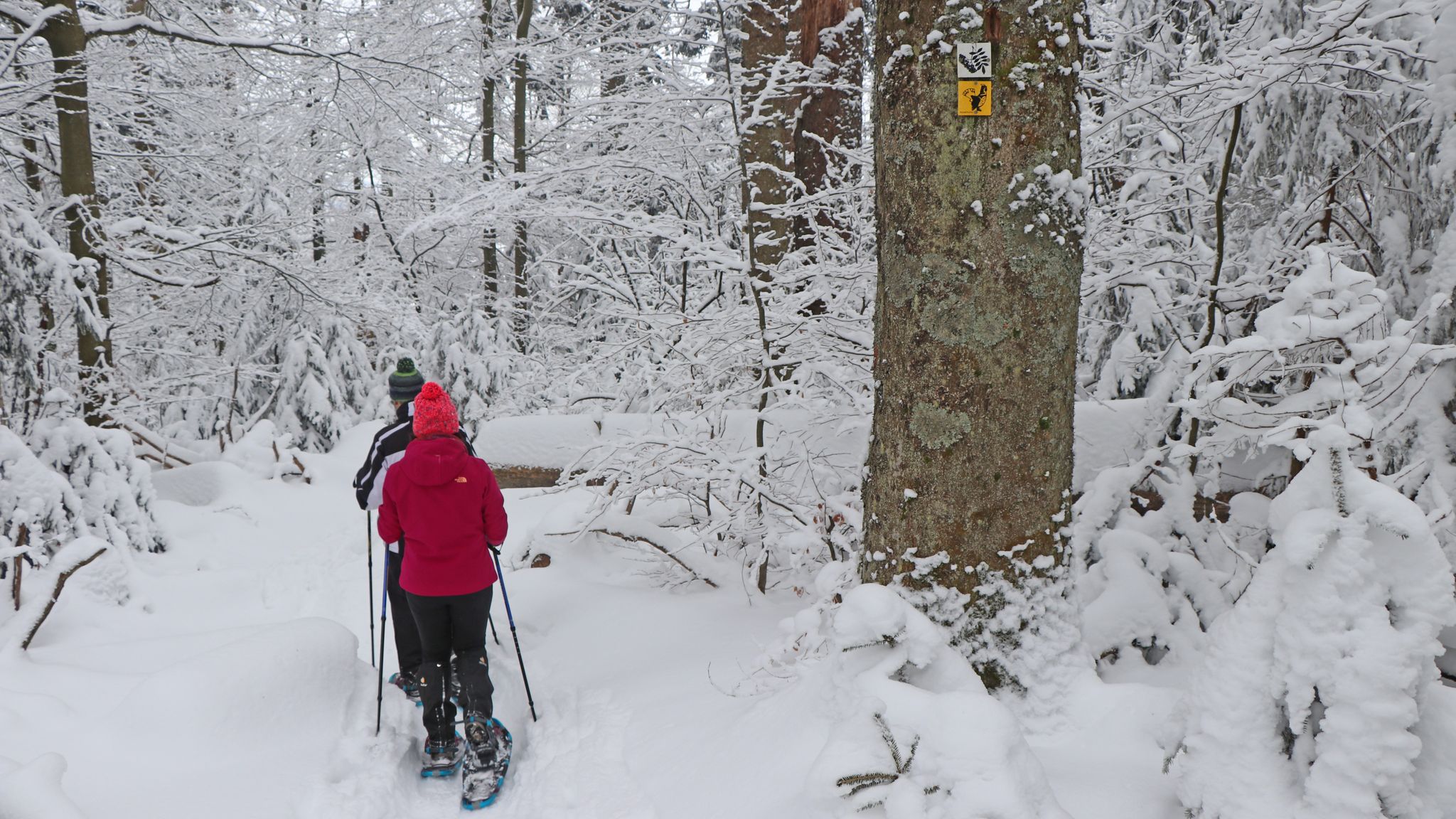
On snowshoes in the Bavarian Forest National Park
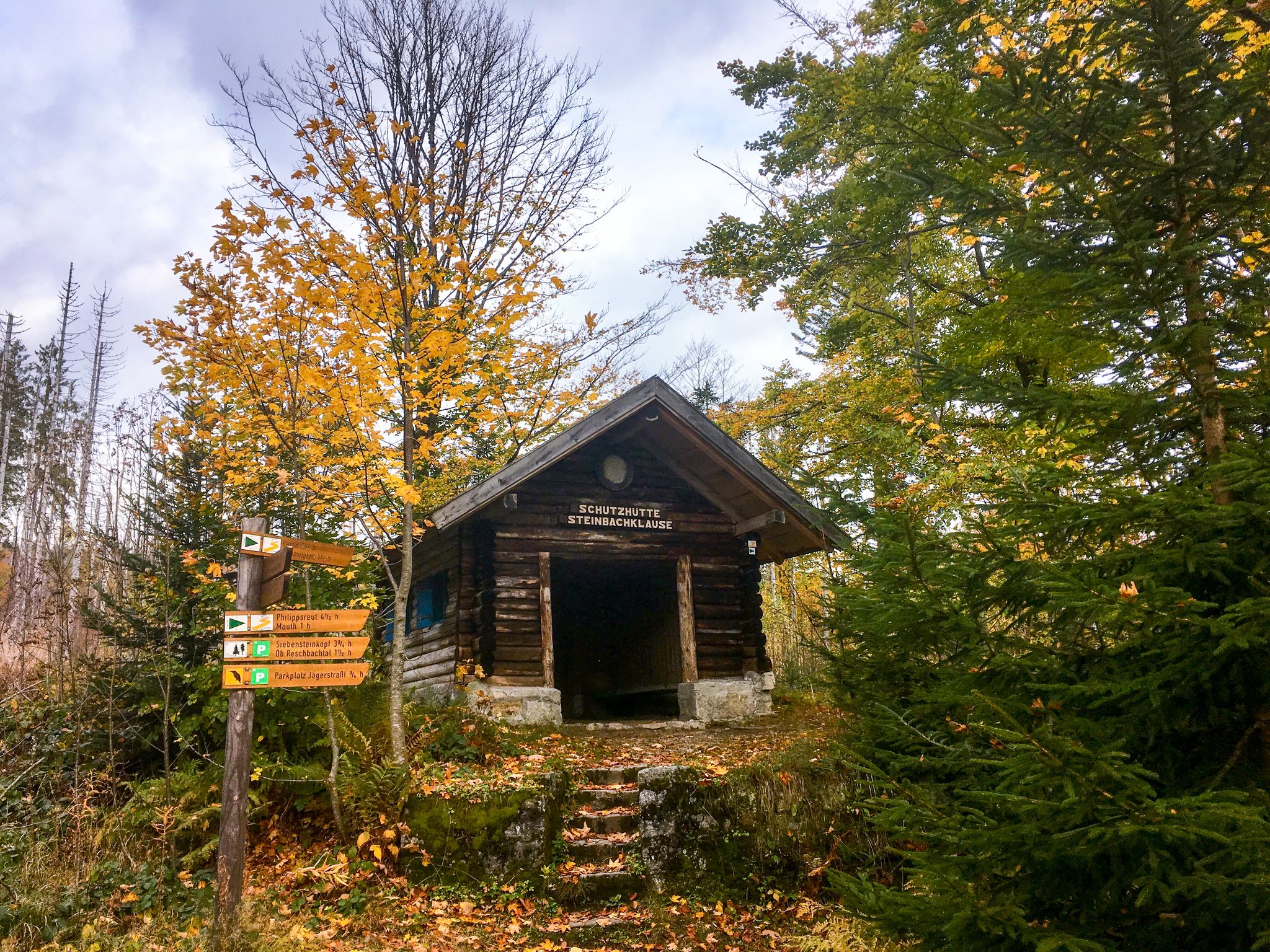
Discover the wild nature in the Bavarian Forest National Park on leisurely hikes
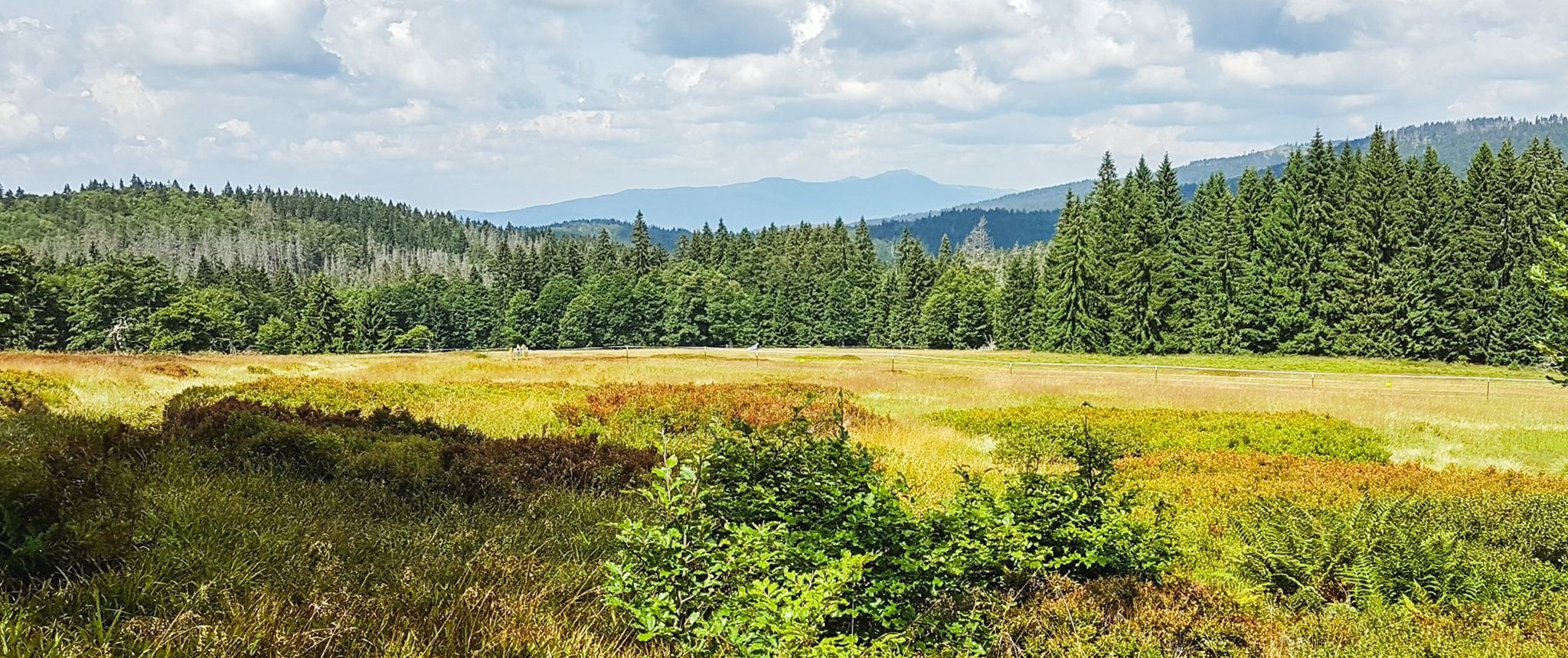
Let nature be nature – hiking in the Bavarian Forest


Tips from the Community

The Dicke Tanne (also called Westhütter Tanne) is the strongest tree in the Bavarian Forest, with a trunk diameter of two meters and a height of more than fifty meters.
8
0
At an altitude of about 850 meters above sea level, there is this wooden hiking hut, open on one side, with a bench as shelter in bad weather. As the hut is located in the national park, overnight stays are strictly forbidden.
8
0
Centuries ago, an important trade route led across the border between Bavaria and Bohemia. During the Cold War, this came to an end: The Iron Curtain sealed the border. Barbed wire, barriers, and border guards separated the two countries. Today, the border is open again, and the Ferdinandsthal crossing connects the Bavarian Forest with the Šumava National Park. You can easily cross the border here on foot, by bike, or on skis.
9
0
This concrete bunker is a relic from the Cold War era. The KŽ-1 type bunker was built in 1953 and was part of the defense stronghold of the Debrník border company. Around the border company, there were a total of nine such fortification objects – including machine gun positions, shelters, and an observation post. Today, some of the bunkers are accessible along the educational trail “Utajená obrana železné opony” (Hidden Defense of the Iron Curtain).
11
0
During the Cold War, this was the accommodation of the Czechoslovak border guard. From the Debrník border guard barracks, the border with West Germany was monitored and the "Iron Curtain" secured. Today, in addition to the barracks, numerous relics remind us of this era. Currently, the barracks are empty.
14
0

In clear weather, you can see both the summit structure of the Großer Arber with its observation tower and ski area, as well as the Alps chain in the distance!
0
0
The border station Bayerisch Eisenstein is a historic building of European significance, where the state border between Germany and the Czech Republic runs right through the station building. It was built in 1877 as a joint station, lost its function due to the Iron Curtain in the Cold War, and has served again as an active, tourist-oriented railway hub in the Bavarian Forest since its reopening in 1991.
15
0

Chamer Hütte is a very nice resting place
0
0
Frequently Asked Questions
How many hiking trails are available in Bayerisch Eisenstein?
Bayerisch Eisenstein offers a comprehensive network of over 170 hiking trails. These routes cater to all skill levels, with approximately 50 easy trails, 80 moderate routes, and nearly 50 difficult trails for experienced hikers.
Are there easy hiking trails suitable for families or beginners?
Yes, Bayerisch Eisenstein is an excellent destination for families and beginners. You'll find over 50 easy trails that are generally well-maintained and offer gentle terrain, perfect for a relaxed stroll or a day out with children. The region is known for its family-friendly paths.
Can I find challenging hikes around Bayerisch Eisenstein?
Absolutely. For experienced hikers, there are nearly 50 difficult trails, many of which lead to higher elevations and offer more demanding terrain. The Great Arber Lake – Panoramic View from Großer Arber loop from Großer Arbersee is a challenging route that takes you through the terrain around Großer Arber, the highest mountain in the Bavarian Forest.
Are there any circular hiking routes in the area?
Yes, many trails in Bayerisch Eisenstein are designed as circular routes, allowing you to start and end at the same point. A popular moderate option is the Circular route Bussard - From Bayerisch Eisenstein to Schwellhäusl, which leads to a traditional Bavarian resting spot.
What are some scenic viewpoints or natural attractions I can see while hiking?
The region is rich in natural beauty. You can explore the unique Kleiner Arbersee, a historic lake, via routes like the Lo 3: Brennes - Kleiner Arbersee Adventure Trail. The impressive Riesloch Waterfalls are also incorporated into several hiking routes. For panoramic views, trails around Großer Arber are highly recommended. Additionally, the Eisensteiner Moor nature reserve offers boardwalks through a fascinating wetland landscape.
Are dogs allowed on the hiking trails in Bayerisch Eisenstein?
Generally, dogs are welcome on most hiking trails in Bayerisch Eisenstein. However, it's always advisable to keep them on a leash, especially in nature reserves like the Eisensteiner Moor or within the National Park areas, to protect wildlife and ensure a pleasant experience for all hikers. Always check local signage for specific restrictions.
What is the best time of year to go hiking in Bayerisch Eisenstein?
Bayerisch Eisenstein offers beautiful hiking experiences throughout much of the year. Spring brings a vibrant display of wildflowers, while autumn transforms the forests with stunning foliage, making these seasons particularly attractive. Summer provides pleasant temperatures for longer treks. Winter hiking is also possible on cleared paths, offering a serene, snow-covered landscape.
Are there hiking routes with refreshment stops or places to eat?
Yes, several hiking routes in Bayerisch Eisenstein include or pass by traditional Bavarian inns and cafes. The historic Schwellhäusl, a log-built inn with a beer garden, is a popular destination for hikers seeking refreshments. The Circular route Bussard - From Bayerisch Eisenstein to Schwellhäusl is one such route that leads directly to it.
How can I reach the hiking trails using public transport?
Bayerisch Eisenstein is well-connected by public transport, making it possible to access many trailheads without a car. The town has a train station, and local bus services often connect to various starting points for hikes. It's recommended to check local bus schedules and train connections to plan your route effectively.
What makes hiking in Bayerisch Eisenstein unique?
Hiking in Bayerisch Eisenstein is unique due to its location at the heart of the Bavarian Forest, bordering the Czech Republic's Šumava National Park. This allows for cross-border hiking experiences, such as the Hiking across borders in Ferdinandsthal route. The region boasts diverse landscapes, from the high peaks of Großer Arber to the unique Eisensteiner Moor and ancient primeval forests, offering a rich variety of natural environments.
What do other hikers say about the trails in Bayerisch Eisenstein?
The hiking trails in Bayerisch Eisenstein are highly regarded by the komoot community, with an average rating of 4.6 stars from over 10,000 reviews. Hikers frequently praise the well-maintained paths, the stunning natural beauty of the Bavarian Forest, and the diverse range of routes suitable for all abilities. Many appreciate the peaceful atmosphere and the opportunity to explore both German and Czech landscapes.
Are there any castles or historical sites to explore near the hiking trails?
While hiking, you can discover several historical points of interest. The Ferdinandsthal Border Crossing offers a historical stop with resting benches. For those interested in castles, the region around Bayerisch Eisenstein features several, including Buchenau Castle and Oberzwieselau Castle, which can be visited as part of a longer excursion.
Most popular routes around Bayerisch Eisenstein
Most popular attractions around Bayerisch Eisenstein

Get inspired with the komoot mobile app


Explore more
Browse the best Hikes in other regions.
