Attractions and Places To See in Bridger Wilderness - Top 12
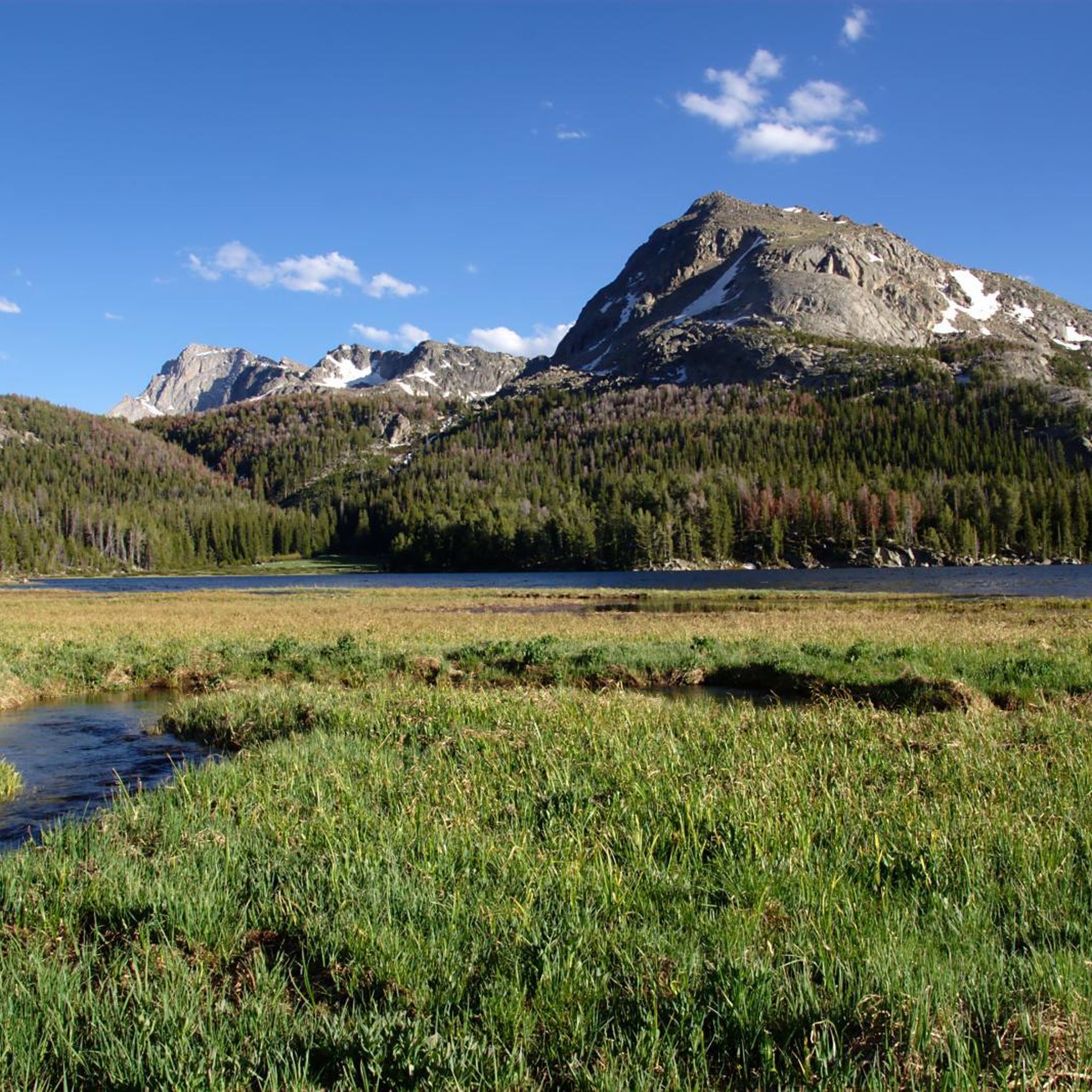
Best attractions and places to see in Bridger Wilderness are found within Wyoming's Wind River Range, a high-alpine environment characterized by towering peaks, coniferous forests, and numerous alpine lakes. This wilderness extends 80 miles along the Continental Divide, holding the headwaters of the Green River. It is a destination for outdoor enthusiasts seeking rugged landscapes and diverse natural features. The area is home to Gannett Peak, Wyoming's highest mountain, and features extensive trail systems.
Best attractions and places to see…
Last updated: May 1, 2026
Photographer's Point
Highlight • Viewpoint
Tip by

Shadow Lake
Highlight • Lake
Tip by

Sign up now to discover places like this
Get recommendations on the best single tracks, peaks, & plenty of other exciting outdoor places.
Sign up for free
Lowline Trail
Highlight (Segment) • Trail
Tip by
Seneca Lake
Highlight • Lake
Tip by
Island Lake
Highlight • Lake
Tip by
Sign up for free to discover even more attractions in Bridger Wilderness.
Sign up for free
Already have an account?
Start today with a free account
Your next adventure awaits.
Login or Signup
Popular around Bridger Wilderness
Tips from the Community

Lowline Trail passes by several lakes, including Divide Lake, a large alpine lake. It’s not a popular destination in the area, so you might enjoy some peace and quiet. The hike is challenging but rewarding, taking you through alpine meadows, rocky terrain, and pristine wilderness. Divide Lake is an excellent spot for fishing or camping. The trail is best hiked in summer or early fall—just be prepared for mosquitoes.
0
0
Shadow Lake is a beautiful alpine lake with views of the Cirque of the Towers, reached via the Fremont Trail. The hike takes you through pine forests and meadows, passing other lakes along the way, with chances to spot wildlife. It’s moderately challenging due to its length, but the trail itself is not difficult. You can complete it as a long day hike or a two-day trip combined with the Cirque of the Towers loop. Late summer and early fall are the best times to visit, as the trail can be muddy or snow-covered in spring.
0
0

Seneca Lake is a popular backcountry destination in the heart of the Wind River Range. There are some stunning campsites along the shoreline.
2
0
Island Lake is a beautiful alpine lake with tiny rock islands in the lake and the majestic peaks of the Cirque of the Towers in the distance.
2
0
Photographer's Point offers breathtaking views over the rugged peaks like Fremont Peak and the stunning Wind River Range itself. No need to say, that this is a picture-postcard scenery, so don't forget your camera.
6
0
Frequently Asked Questions
What are the most scenic viewpoints in Bridger Wilderness?
For breathtaking vistas, visit Photographer's Point, which offers expansive views of Fremont Peak and the rugged Wind River Range. Another stunning spot is Shadow Lake, providing beautiful views of the iconic Cirque of the Towers.
Which alpine lakes are popular for backcountry camping and exploration?
Several alpine lakes are ideal for backcountry adventures. Seneca Lake is a popular destination with stunning campsites along its shoreline. Island Lake is another classic for overnight backpacking, known for its tiny rock islands and distant views of the Cirque of the Towers. For a quieter experience, the Lowline Trail passes by Divide Lake, which is excellent for fishing and camping.
What kind of wildlife can I expect to see in Bridger Wilderness?
The Bridger Wilderness is a haven for diverse wildlife. You might spot megafauna such as moose, elk, mule deer, wolverine, bighorn sheep, and mountain lions. Grizzly bears are also present, though sightings are infrequent. Birdwatchers can look for bald eagles, ospreys, and peregrine falcons.
Are there challenging multi-day backpacking routes in the area?
Yes, the Bridger Wilderness offers numerous challenging multi-day backpacking routes. The area is known for extensive trail systems, including strenuous options like the Titcomb Basin route, which features glacier-fed lakes and towering granite peaks. You can find more details on specific routes in the Hiking in Bridger Wilderness guide.
What is the best time of year to visit Bridger Wilderness for hiking?
Late summer and early fall are generally the best times to visit for hiking. During these months, trails like the one to Shadow Lake are less likely to be muddy or snow-covered. Be aware that some areas, particularly along the Lowline Trail, can have mosquitoes in summer, so come prepared.
What are the typical elevations and terrain characteristics of Bridger Wilderness?
The Bridger Wilderness is characterized by a high-alpine environment within Wyoming's Wind River Range. Elevations are significant, with Gannett Peak reaching 13,819 feet (4,212 m). The terrain features towering peaks, extensive coniferous forests, pristine alpine lakes, and rugged, rocky landscapes, especially along trails like the Lowline Trail.
Are there any glaciers in Bridger Wilderness?
Yes, the Bridger Wilderness is home to several of the largest glaciers in the contiguous United States. Notably, Gannett Peak, Wyoming's highest mountain, hosts Gannett Glacier, which is the largest alpine glacier in the U.S. Rocky Mountains.
What kind of outdoor activities, besides hiking, can I do in Bridger Wilderness?
Beyond hiking, the Bridger Wilderness offers excellent opportunities for climbing, with numerous superb peak ascents like Gannett Peak and Wind River Peak. Many alpine lakes are also fantastic for fishing. Camping is popular throughout the wilderness, with regulations requiring campsites to be at least 200 feet from lakes and streams. For more outdoor activity ideas, consult the Hiking in Bridger Wilderness guide.
What is the significance of the Continental Divide in Bridger Wilderness?
The Bridger Wilderness extends for 80 miles along the Continental Divide. This geographical feature is significant as it holds the headwaters of the Green River, a major tributary of the Colorado River, and marks the hydrological divide of North America.
Are there any historical or cultural sites within the Bridger Wilderness?
The Bridger Wilderness is primarily an undeveloped natural area. While the broader Bridger-Teton National Forest has a rich human history spanning over 10,000 years with prehistoric and historic sites, specific accessible cultural sites directly within the designated wilderness are not prominent. The wilderness is named after explorer Jim Bridger, who was among the first non-indigenous people to describe the area.
What are some moderate day hikes suitable for visitors?
A moderately challenging day hike is the trail to Photographer's Point, offering iconic views. The hike to Shadow Lake via the Fremont Trail is also considered moderately challenging due to its length, but the trail itself is not overly difficult and passes through beautiful pine forests and meadows.
What should I know about camping regulations in the wilderness?
When camping in the Bridger Wilderness, it's important to adhere to regulations. A key rule is to camp at least 200 feet from lakes and streams to protect the pristine environment. Many alpine lakes, including Seneca Lake and Divide Lake (along the Lowline Trail), offer numerous campsites.
Most popular routes in Bridger Wilderness
Most popular attractions in Bridger Wilderness

Get inspired with the komoot mobile app


Explore more
Still not found the Highlight you’re looking for? See guides of the top attractions in other regions:
