Attractions and Places To See in Dolly Sods Wilderness - Top 6
Best attractions and places to see in Dolly Sods Wilderness include a unique high-altitude plateau within the Monongahela National Forest in West Virginia. This rugged landscape features ecosystems similar to those found in Canada, with elevations ranging from 2,500 to over 4,700 feet. The area is characterized by sweeping vistas, distinctive rock formations, and diverse natural features like open expanses of sphagnum bogs and stunted red spruce. Its name derives from the Dahles family and their use of "sods" for…
Last updated: October 19, 2026
Lion's Head Rock
Highlight • Natural Monument
Tip by

Rocky Knob
Highlight • Viewpoint
Tip by
Sign up now to discover places like this
Get recommendations on the best single tracks, peaks, & plenty of other exciting outdoor places.
Left Fork of Red Creek
Highlight • River
Tip by
Bear Rocks Trailhead
Highlight • Trail
Tip by

Dolly Sods Marsh
Highlight • Natural
Tip by

Sign up for free to discover even more attractions in Dolly Sods Wilderness.
Already have an account?
Start today with a free account
Your next adventure awaits.
Popular around Dolly Sods Wilderness
Tips from the Community

From here you can take the trail out to Bear Rocks. The trail also goes south from here, into the Dolly Sods Wilderness.
0
0

The Dolly Sods Marsh covers a vast area of the interior of the park. These wetlands are some of the best places to view the wildlife in the area, mainly the beavers that help to keep the area flooded with their dams.
1
0

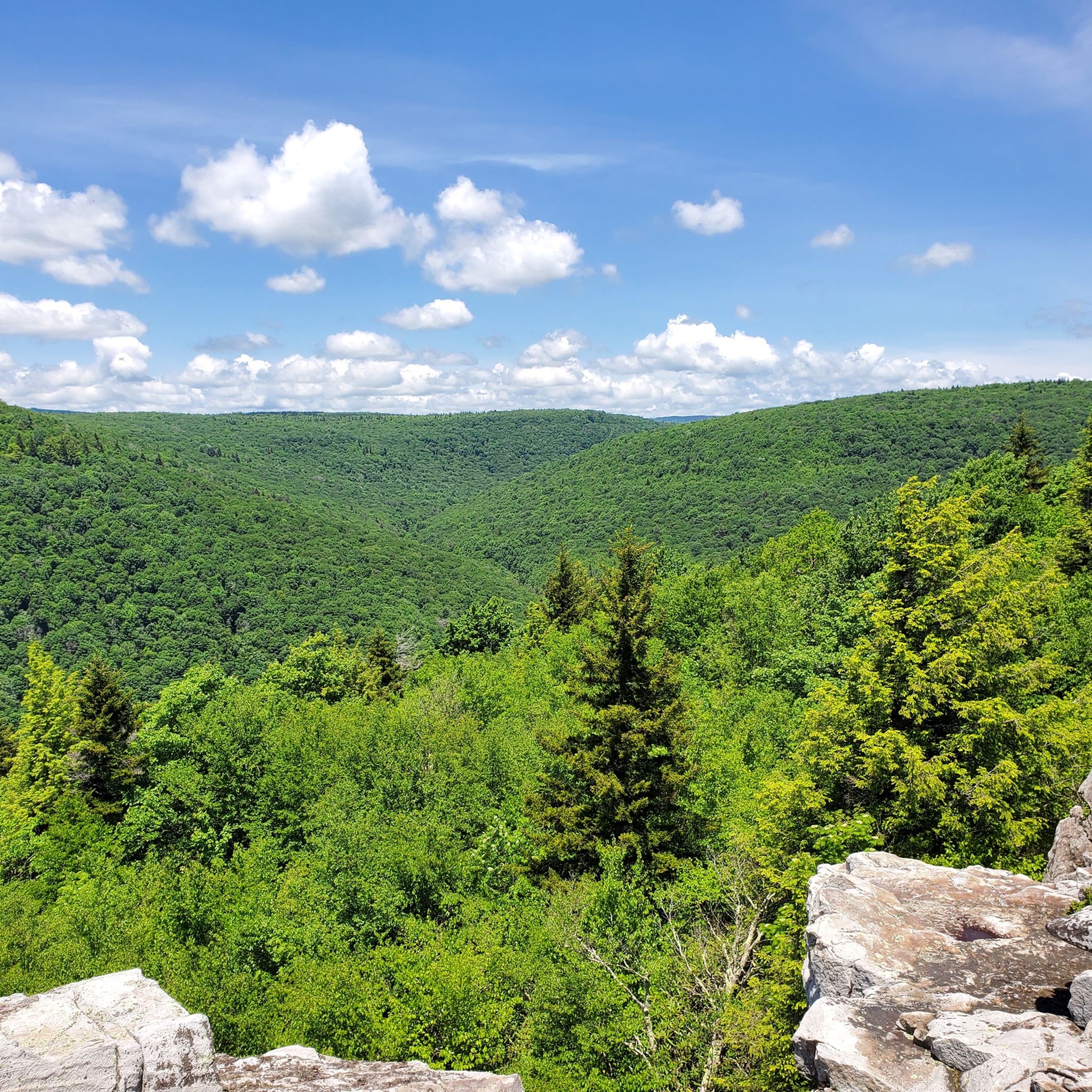
A unique rock formation on the southern side of Breathed Mountain that resembles the profile of a lion's face. The location offers superb views of the surrounding mountains and river valleys.
0
0
A prominent point on a rocky ridge that runs along the northwestern edge of the Dolly Sods Wilderness and offers expansive views of the surrounding area.
0
0
The trail crosses the Left Fork of Red Creek here. Rock hopping may be possible, but fording the river could be necessary during times of high water.
0
0

Frequently Asked Questions
What are the most prominent natural landmarks to see in Dolly Sods Wilderness?
The Dolly Sods Wilderness is known for its distinctive rock formations and viewpoints. Key landmarks include Lion's Head Rock, a unique formation resembling a lion's profile with superb views. Other notable spots are Rocky Knob, offering expansive views from a prominent ridge, and Rohrbaugh Cliffs, which provide excellent vistas of the wilderness.
What unique natural features define the Dolly Sods Wilderness landscape?
Dolly Sods Wilderness is characterized by its high-altitude plateau, resembling ecosystems found in Canada. You'll encounter open expanses of sphagnum bogs, heath shrubs, and stunted red spruce. The landscape also features wind-carved boulders and 'flagged' trees, whose branches grow primarily on one side due to constant strong winds.
Are there opportunities for wildlife viewing in Dolly Sods Wilderness?
Yes, the wetlands within Dolly Sods Wilderness are prime locations for observing wildlife. Specifically, the Dolly Sods Marsh covers a vast area and is one of the best places to spot beavers and other local fauna.
What kind of hiking trails are available near the attractions in Dolly Sods Wilderness?
Dolly Sods Wilderness offers 47 miles of trails, catering to various skill levels. Many trails follow old railroad grades and logging roads. You can find a range of options from easy walks to more challenging routes. For a comprehensive list of hiking options, visit our guide to Hiking in Dolly Sods Wilderness.
Are there easy or family-friendly hiking options in Dolly Sods Wilderness?
Yes, Dolly Sods Wilderness has several easy and family-friendly trails. The Bear Rocks Trail is an easy to intermediate option known for wildflowers. The Beaver Dam Trail is a shorter, easy hike popular for nature walks and birding. For more easy routes, check out our guide on Easy hikes in Dolly Sods Wilderness.
What is the best time of year to visit Dolly Sods Wilderness for sightseeing and hiking?
The best time to visit Dolly Sods Wilderness is typically from late spring through early fall (May to October). During these months, the weather is generally milder, making it ideal for hiking and enjoying the panoramic views. Fall offers spectacular foliage, while spring brings wildflowers.
Can I bring my dog to the trails and attractions in Dolly Sods Wilderness?
Dolly Sods Wilderness is generally dog-friendly, allowing leashed dogs on its trails. However, always ensure your dog is under control and follow Leave No Trace principles to protect the wilderness and its wildlife.
What is the historical significance behind the name 'Dolly Sods'?
The name 'Dolly Sods' has cultural origins, derived from the 18th-century German homesteading family, the Dahles. They used the open mountaintop meadows, known as 'sods,' for grazing sheep. The area also has a history of extensive logging and was used for military training during World War II.
Where can I find expansive views of the wilderness?
For expansive views, consider visiting Rocky Knob, a prominent point on a ridge, or Rohrbaugh Cliffs. Bear Rocks Preserve, though not listed as a highlight in this guide, is also widely known for its breathtaking panoramic views of the surrounding mountains and valleys.
Are there any water features or creeks worth exploring in Dolly Sods Wilderness?
Yes, Red Creek is the main waterway flowing through Dolly Sods, with many hiking trails crossing or following it. The Left Fork of Red Creek is a notable feature, offering small water chutes and pools, though you might need to ford the river during high water.
What should I know about the terrain and elevation in Dolly Sods Wilderness?
Dolly Sods is a high-altitude plateau, with elevations ranging from 2,500 to over 4,700 feet. The terrain can be rugged, featuring rocky sections, open bogs, and forested areas. Trails often follow old logging roads, but some can be challenging, especially after rain when bogs can become very wet.
Are there any picnic areas or facilities available in Dolly Sods Wilderness?
Yes, the Dolly Sods Picnic Area is a convenient spot for a break. While facilities may be basic, it offers a shaded area to rest. Rocky Knob is also noted as a good spot for a picnic while enjoying the views.
What do visitors particularly enjoy about the Dolly Sods Wilderness?
Visitors to Dolly Sods Wilderness particularly enjoy the unique, rugged landscape that feels reminiscent of Canada, the expansive panoramic views from various viewpoints like Lion's Head Rock, and the diverse natural features including bogs and distinctive rock formations. The sense of wildness and solitude is also highly appreciated.
Most popular routes in Dolly Sods Wilderness

Get inspired with the komoot mobile app


Explore more
Still not found the Highlight you’re looking for? See guides of the top attractions in other regions:
