The best running trails in Desolation Wilderness
4.6
(11)
233
runners
63
runs
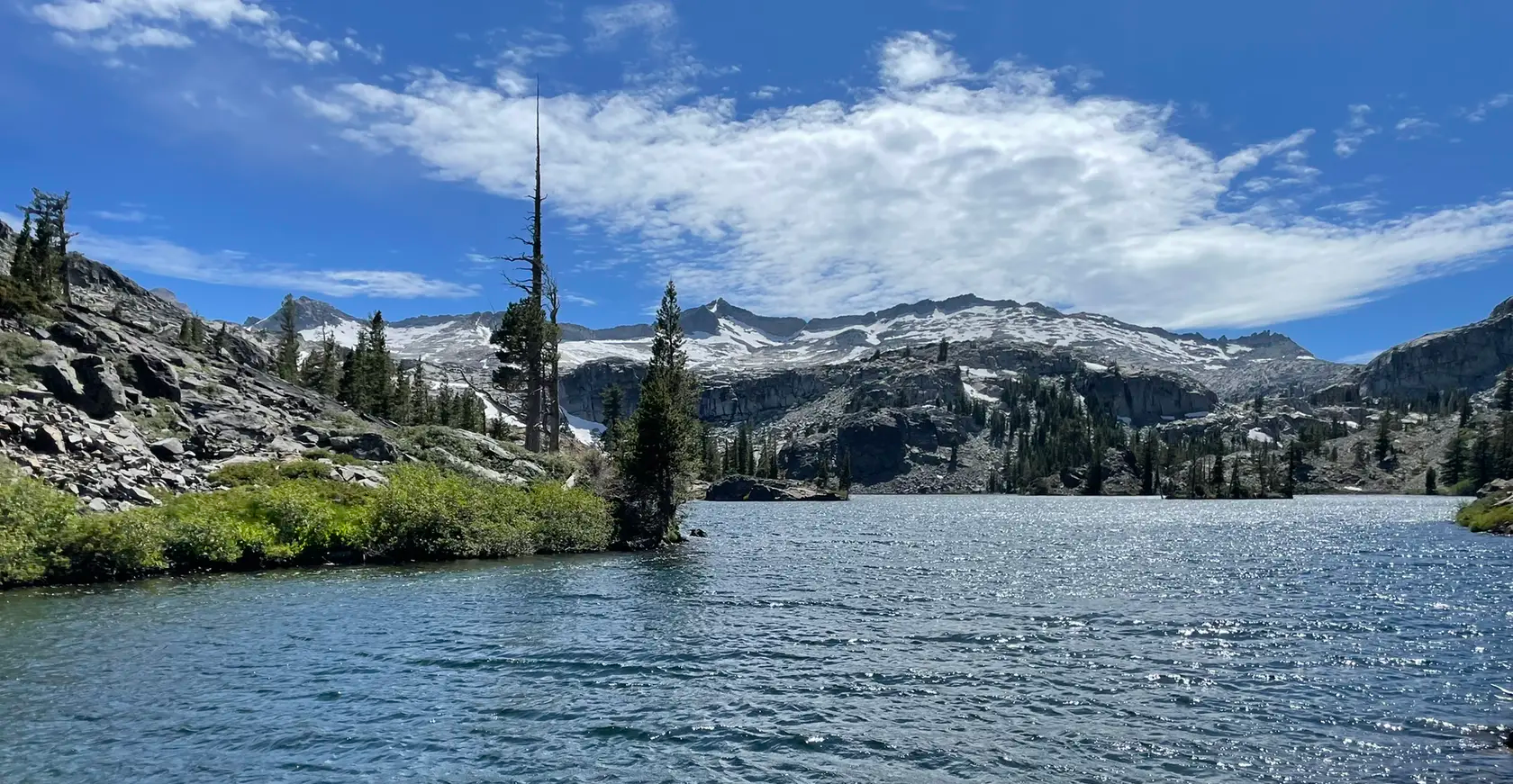
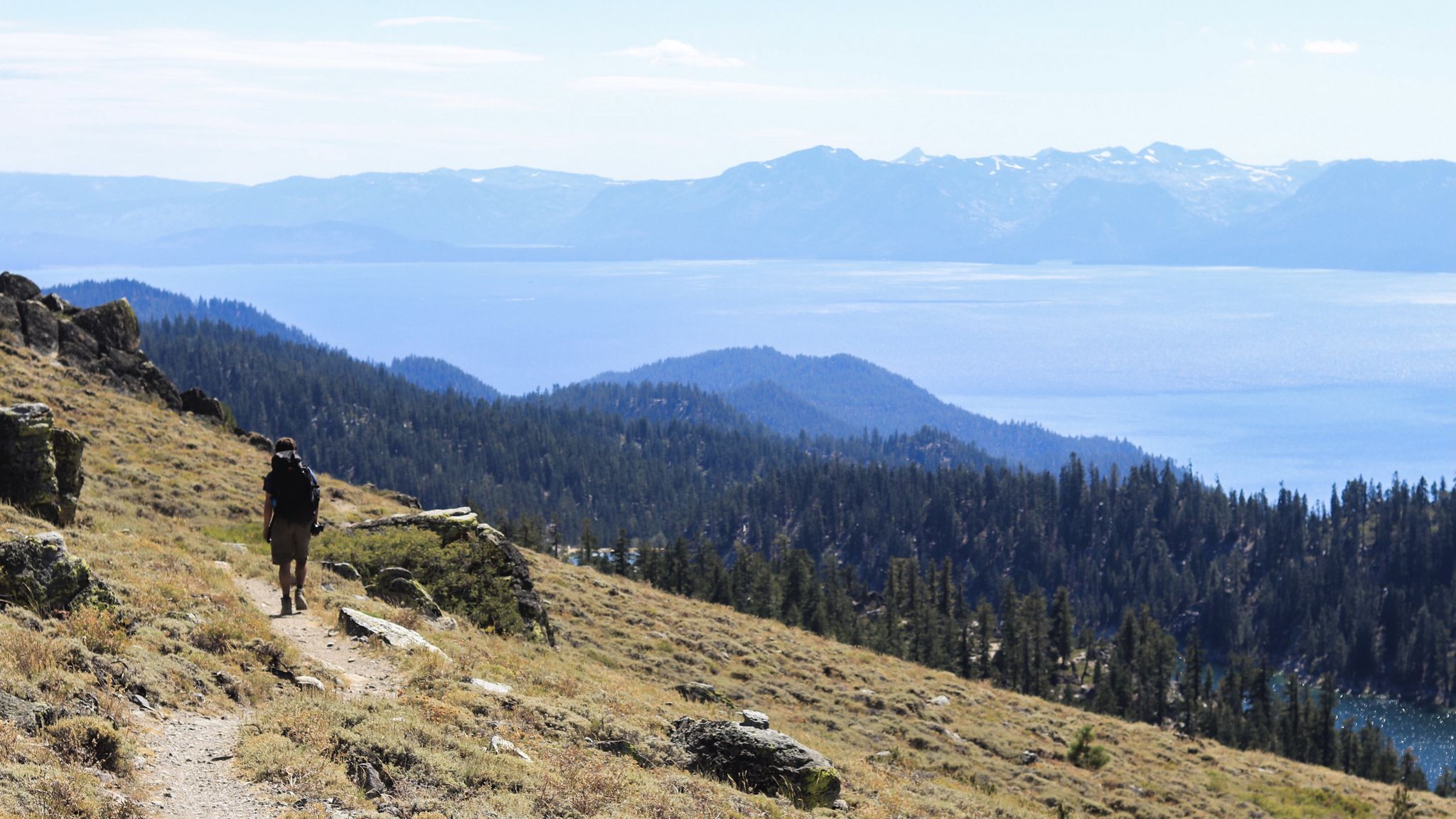
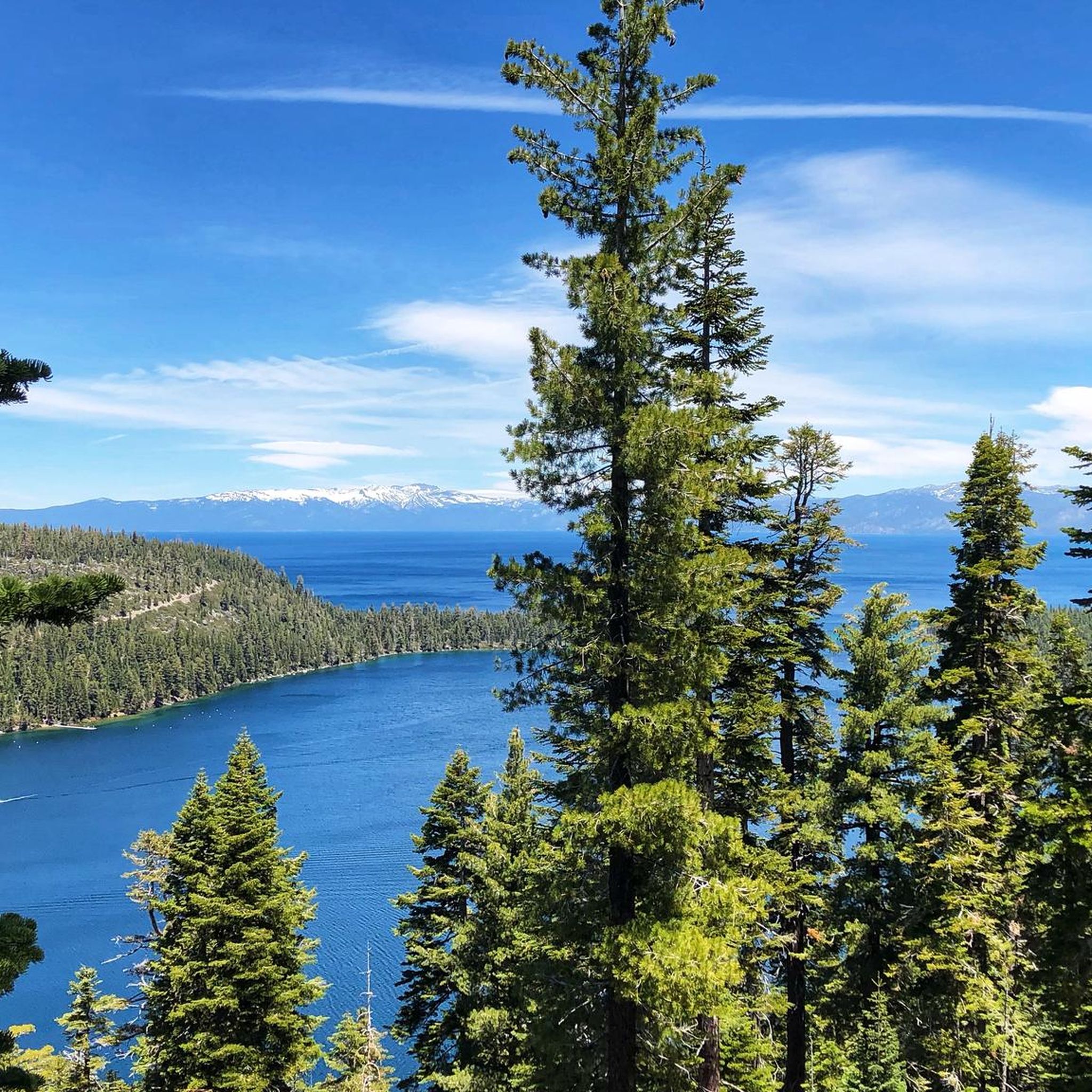
Jogging in Desolation Wilderness offers access to a rugged landscape characterized by glacially carved granite peaks, numerous alpine lakes, and diverse forests. This 63,475-acre wilderness features elevations ranging from 6,500 to nearly 10,000 feet, providing challenging terrain for runners. The region is home to approximately 130 pristine lakes and extensive red fir and lodgepole pine forests. A network of 123 miles of trails traverses this area, including a section of the Pacific Crest Trail.
Best jogging routes in Desolation Wilderness
- The most popular jogging route is Eagle Lake Trail, a 2.3 miles (3.8 km) trail that takes 31 minutes to complete. This moderate path leads to the scenic Eagle Lake, offering a relatively short and accessible running experience.
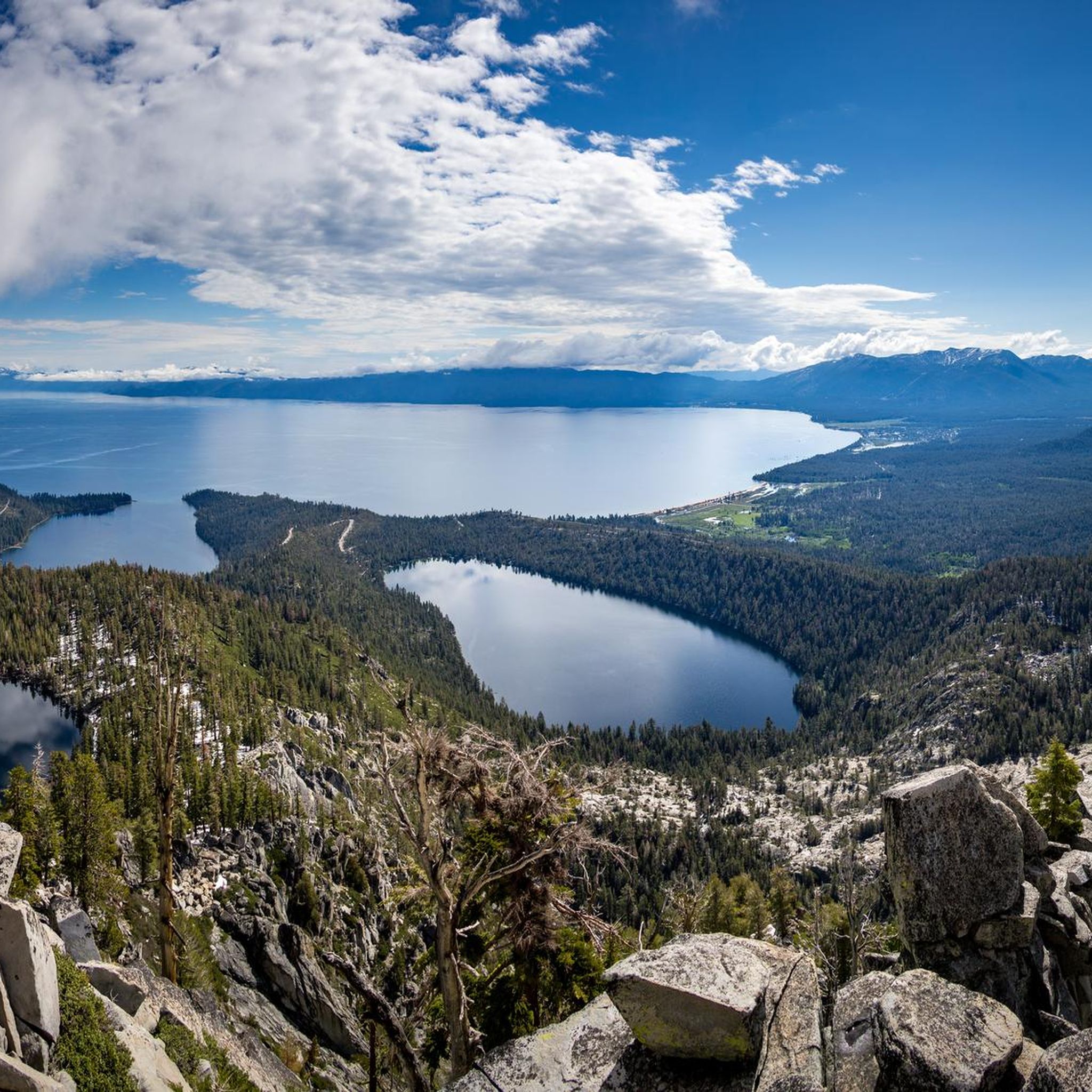
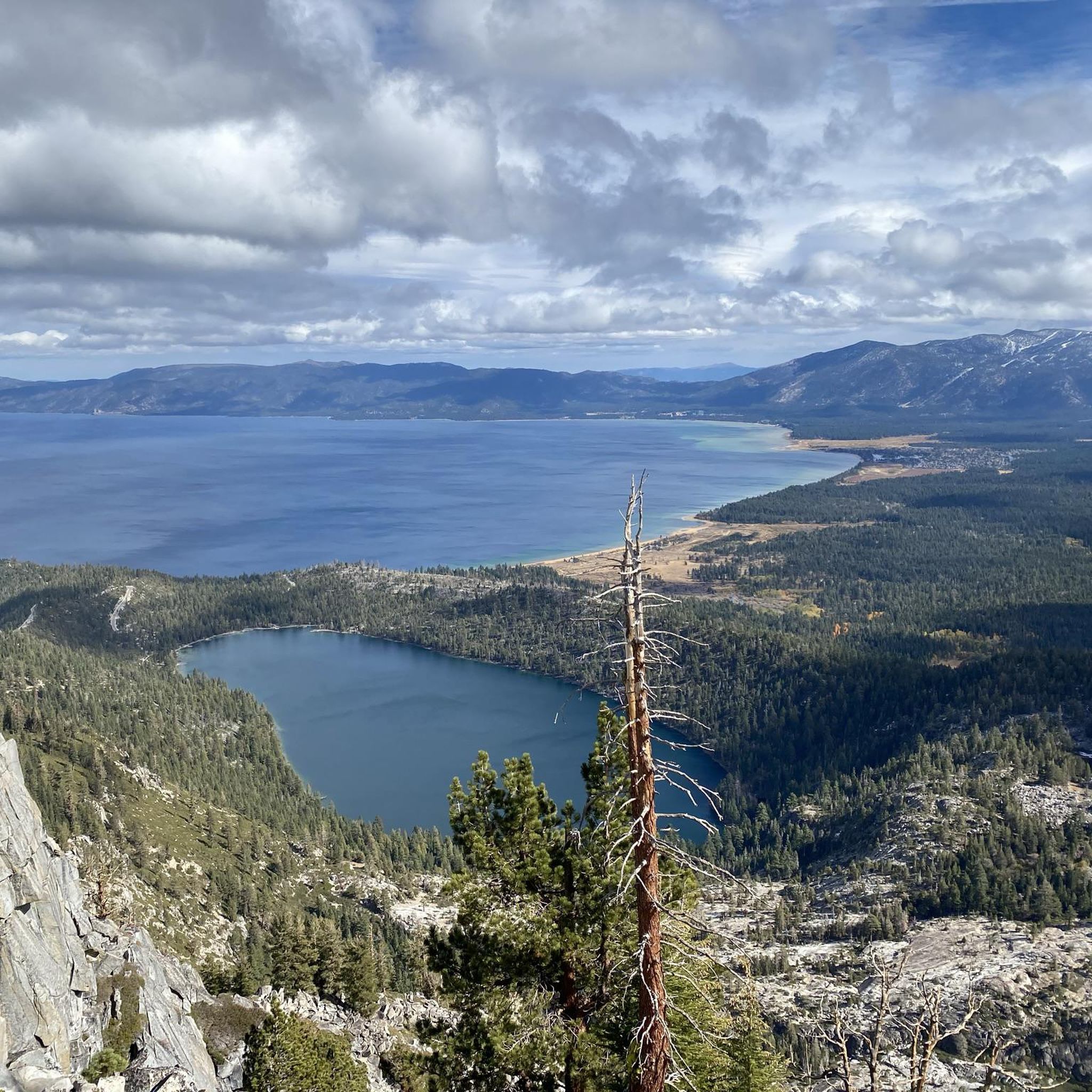
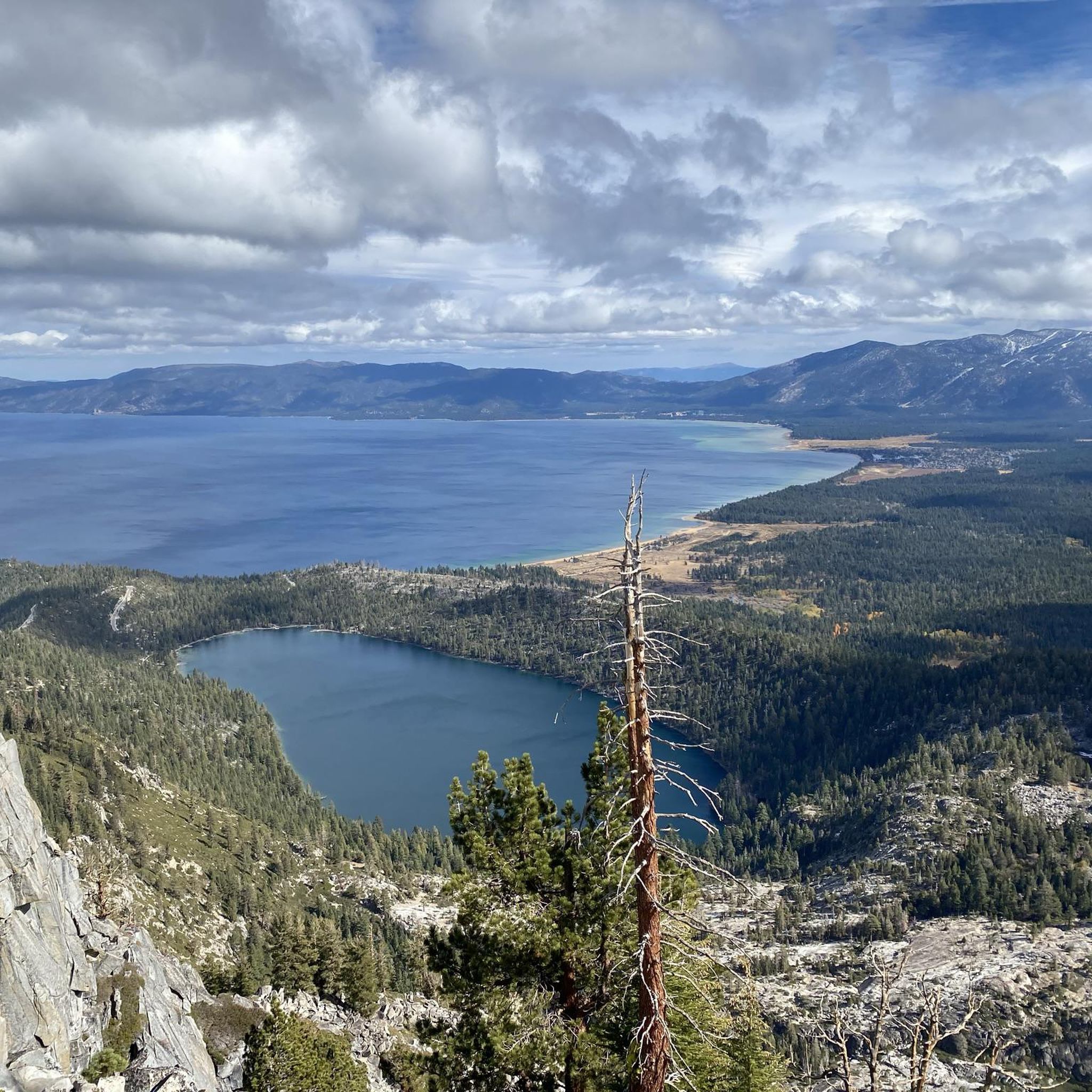
- Another top favourite among local runners is Cathedral Lake via Mount Tallac Trail, a difficult 2.9 miles (4.6 km) path. This route features significant elevation gain, leading to Cathedral Lake with views of the surrounding granite peaks.
- Local runners also love the Gilmore Lake via Mount Tallac Trail, a 5.2 miles (8.3 km) trail leading through alpine forests and granite landscapes, often completed in about 1 hour 25 minutes.
- Jogging in Desolation Wilderness is defined by glacial lakes, granite peaks, and diverse forests. The extensive trail network offers options for various ability levels, from moderate paths to difficult ascents.
- The routes in Desolation Wilderness are highly rated by the komoot community with an average score of 4.4 stars from over 9 reviews. More than 200 runners have used komoot to explore Desolation Wilderness's varied terrain.
Last updated: June 24, 2026
5.0
(1)
11
runners
3.77km
00:32
140m
140m
Imagine jogging on the Eagle Lake Trail, a moderate route that takes you through a landscape of granite and evergreens. You'll cover 2.3 miles (3.8 km) with an elevation gain of 463 feet (141 metres), which most people complete in about 31 minutes. The path itself features distinctive granite steps and varied rocky sections, leading you past the sound of rushing water at Upper Eagle Falls. Your journey culminates at the clear, alpine waters of Eagle Lake, a truly rewarding sight.
Because this trail is quite popular, especially on weekends, you should plan to arrive early to find parking and avoid the busiest times. If your jogging plans extend past Eagle Falls to the lake itself, remember that you will need a free permit for entry into the Desolation Wilderness. This permit helps manage the number of visitors and preserve the natural environment.
This route stands out as a prime example of the jogging opportunities within the Lake Tahoe Basin. It offers a chance to experience the unique ecosystem of the Desolation Wilderness, characterized by its impressive granite peaks and lush forests. The trail's popularity is a testament to its accessible beauty and the pristine nature of Eagle Lake, making it a highlight for many visitors to the area.
2
runners
8.57km
01:07
210m
210m
Jog the moderate 5.3-mile Grass Lake Trail in Desolation Wilderness, gaining 703 feet in elevation through forests to Grass Lake.

Sign up for free
20.0km
02:53
720m
720m
Jogging the Lake Aloha via Pacific Crest Trail in Desolation Wilderness is a difficult 12.4-mile route with 2365 feet of elevation gain.
4.60km
00:52
370m
370m
Jog the challenging Cathedral Lake via Mount Tallac Trail, a 2.9-mile route with 1227 feet of gain and stunning Lake Tahoe views.
8.29km
01:26
570m
570m
Jog the difficult 5.2-mile Gilmore Lake via Mount Tallac Trail in Desolation Wilderness, gaining 1858 feet for stunning alpine views.
Get access to more routes and recommendations from other explorers.
Sign up for free
Already have an account?
Our route recommendations are based on thousands of hikes, rides, and runs completed by other people on komoot.
Start today with a free account
Your next adventure awaits.
Login or Signup


Tips from the Community

During our hike in mid October, we couldn’t see the waterfall as it was almost dried up. Considering the height of the bridge it must look stunning after the raining season.
0
0

Hop on or off the PCT to view several alpine lakes. Along the route you will find Lake Aloha, Lake of The Woods, and American Lake among many others. If you're heading back to Fallen Leaf, take a right at this point.
0
0

Lake Aloha or Aloha Lake is just around the corner of South Lake Tahoe. Nestled in the already beautiful Desolation Wilderness, this lake is a true gem and you just have to take a break at the shore. After all, it is a picture postcard view.
0
0

Grass Lake is a picturesque alpine lake surrounded by granite slopes. It's the perfect resting spot.
0
0
Cathedral Lake is a beautiful alpine lake that you will pass on your way up to the peak of Mount Tallac. It is a great place for a short break and a dip in the lake.
0
0
Great view onto Lake Tahoe and the Sierra Nevada Mountains. The spot is just located by a short trail off of the Eagle Lake Trail.
0
0
Upper Eagle Falls is a 50-foot waterfall in Lake Tahoe Basin Management Unit. The falls are only a short distance to a parking lot, so it is very accessible. This also means that during high season, the falls can be very busy.
0
0
Eagle Lake is a beautiful lake in the Sierra Nevada mountain range. The trail to get to the lake is somewhat difficult, due to the elevation gain required. The lake is normally not too busy, so there is a good chance that you will have the area all to yourself.
0
0
Frequently Asked Questions
How many running routes are available in Desolation Wilderness?
Desolation Wilderness offers a vast network of trails, with over 60 running routes available for exploration. These routes vary in difficulty, providing options for all skill levels, from moderate paths to challenging ascents.
Do I need a permit to jog or run in Desolation Wilderness?
Yes, permits are required for both day and overnight use within Desolation Wilderness. This system helps manage visitor numbers and preserve the pristine wilderness environment, ensuring a better experience for everyone.
What are some easy running routes for beginners in Desolation Wilderness?
For those seeking an easier run, there are 11 routes categorized as easy. A popular and accessible option is the Eagle Lake Trail, a 2.3-mile path that leads to the scenic Eagle Lake.
Are there challenging trails for experienced runners?
Absolutely. Desolation Wilderness is known for its rugged terrain, offering 26 difficult routes for advanced runners. Trails like Cathedral Lake via Mount Tallac Trail and Mount Tallac Trail feature significant elevation gains and stunning views, providing a rewarding challenge.
What kind of natural attractions can I see along the running trails?
The wilderness is rich with natural beauty. You can encounter numerous alpine lakes, such as Eagle Lake, Granite Lake, and Fontanillis Lake. Majestic peaks like Mount Tallac Summit offer panoramic vistas, and you might even spot Upper Eagle Falls.
What is the best season for trail running in Desolation Wilderness?
The best time for trail running is typically from late spring to early fall. Snow can block higher passes until mid-July, and early season runs may encounter wet trails, mud, and snowfields. Always check current conditions before heading out.
Are there any loop running routes in Desolation Wilderness?
Yes, many trails in Desolation Wilderness offer loop options or can be combined to create circular routes. While specific loop routes are not detailed in the top routes, the extensive trail system, including sections of the Pacific Crest Trail, allows for varied circuit planning.
What do other runners enjoy most about jogging in Desolation Wilderness?
The area is highly rated by the komoot community, with an average score of 4.4 stars from over 9 reviews. Runners consistently praise the breathtaking scenery, the challenge of the diverse terrain, and the immersion in nature provided by the glacially carved granite peaks and pristine alpine lakes.
Are there reliable water sources along the running routes?
The area generally has reliable water sources from its many lakes and creeks. However, conditions can vary seasonally, so it's always advisable for runners to carry sufficient water and consider filtration for natural sources.
Can I bring my dog on the running trails in Desolation Wilderness?
While Desolation Wilderness is generally dog-friendly, specific rules and regulations apply. Dogs must be on a leash at all times, and owners are responsible for packing out all waste. Always check the latest wilderness regulations regarding pets before your visit.
Are there any less crowded running routes for a more solitary experience?
While popular trails like Eagle Lake can see more visitors, venturing further into the wilderness often provides more solitude. Routes leading to the Velma Lakes (Upper, Middle, and Lower) or exploring less-trafficked sections of the Pacific Crest Trail can offer a more peaceful running experience.
What kind of forests will I encounter while running?
The terrain features diverse forests, predominantly red fir and lodgepole pine, especially between 7,400 and 9,000 feet. You'll also find Jeffrey pine, mountain hemlock, and western juniper, adding to the scenic variety of your run.
Most popular routes in Desolation Wilderness
Most popular attractions in Desolation Wilderness

Get inspired with the komoot mobile app


Explore more
Browse the best Running Trails & Routes in other regions.
