Top 20 Castles around Guntramsdorf
Best castles around Guntramsdorf are found in the surrounding region, offering a glimpse into centuries of history. While Guntramsdorf itself features the Baroque Garden Pavilion of the former Schloss Guntramsdorf, a protected historical monument attributed to Johann Lucas von Hildebrandt, the wider area provides access to various castle types. These historical sites are set within natural landscapes, including the Föhrenberge Nature Park, providing both cultural and outdoor experiences. The region's castles reflect diverse architectural periods and historical significance.
Best castles…
Last updated: August 17, 2026
Ruins of Mödling Castle
Highlight • Castle
Translated by Google •
Tip by

Liechtenstein Castle
Highlight • Castle
Translated by Google •
Tip by

Sign up now to discover places like this
Get recommendations on the best single tracks, peaks, & plenty of other exciting outdoor places.
Sign up for free
Perchtoldsdorf Castle, Parish Church, and Watchtower
Highlight • Castle
Translated by Google •
Tip by

Ruins of the Pfefferbüchsel Chapel
Highlight • Religious Site
Translated by Google •
Tip by

Vösendorf Castle
Highlight • Castle
Translated by Google •
Tip by

Sign up for free to discover even more castles around Guntramsdorf.
Sign up for free
Already have an account?
Start today with a free account
Your next adventure awaits.
Login or Signup
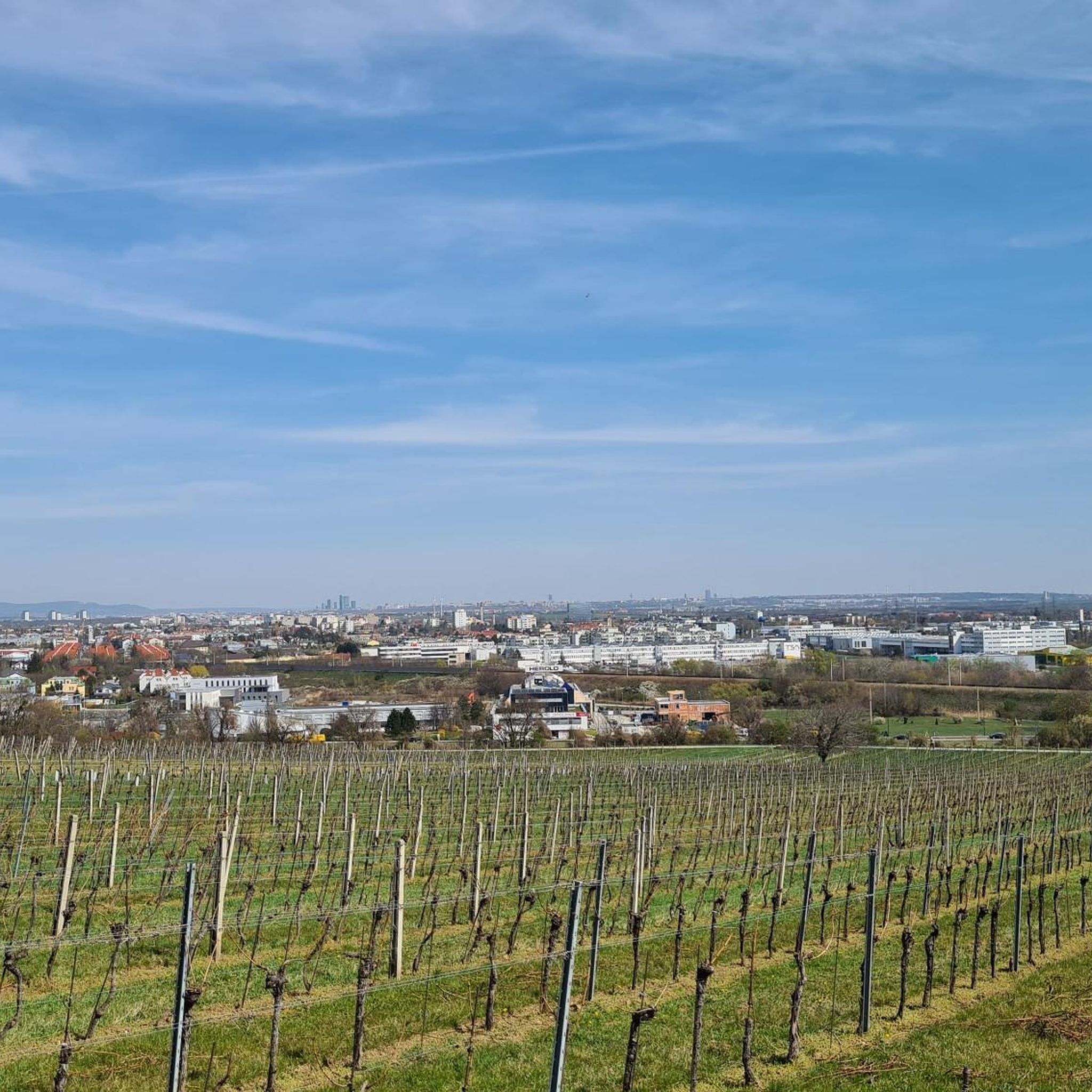

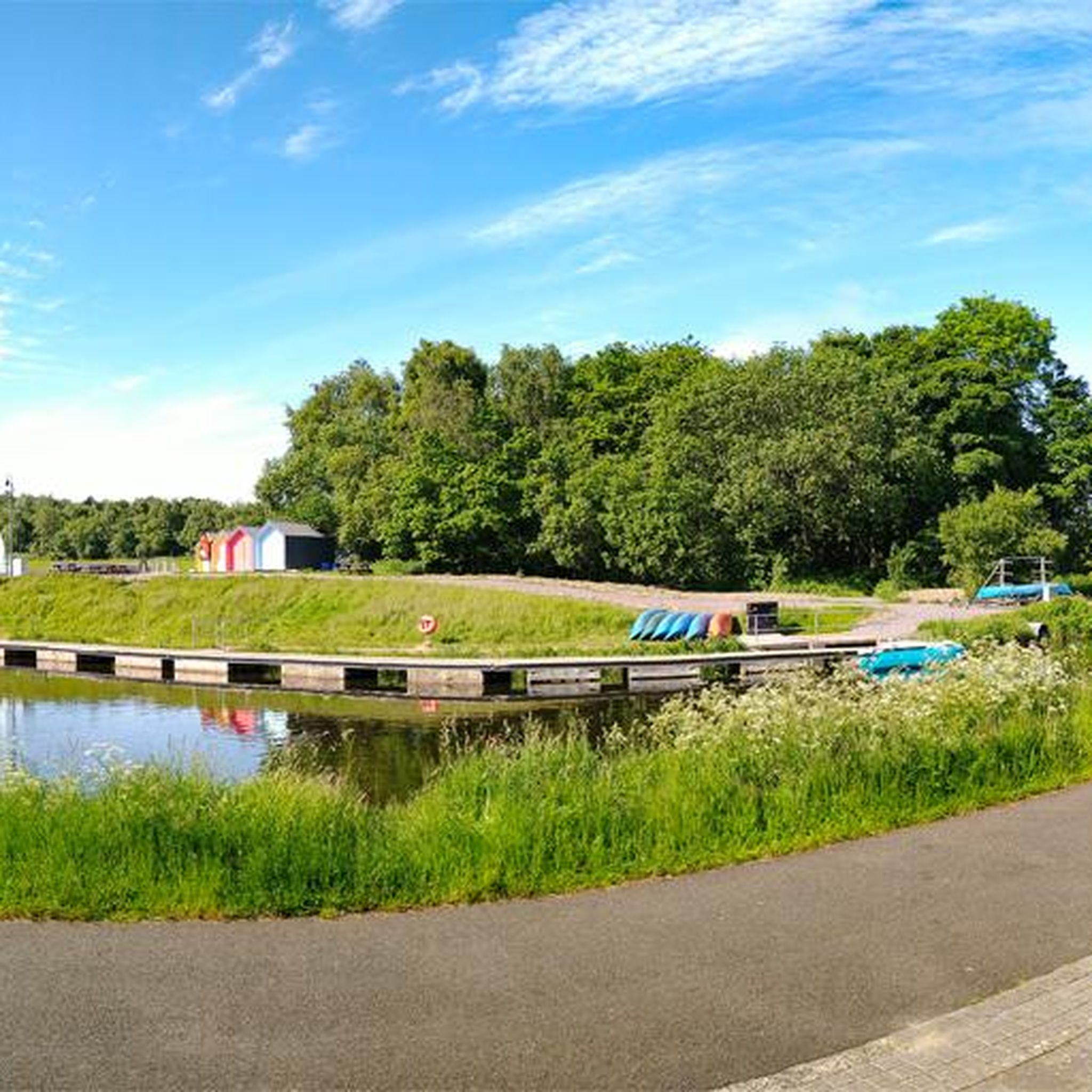
Tips from the Community

The Mödling castle ruins are picturesquely located in the Föhrenberge Nature Park and are one of the most impressive historical sites in the region. Originally built in the 12th century, it once served as an important fortress before falling into disrepair in the 16th century. Today, the well-preserved remains offer a fascinating insight into medieval history and are a popular destination for hikers. From the ruins you can also enjoy a breathtaking view of Mödling and the surrounding area.
6
0

Remains of the walls of the so-called Johannes or pilgrimage chapel, which Prince Johann I of Liechtenstein had built in the pine forest of the Kalenderberg in 1818. Because of its somewhat unusual roof shape, this chapel was popularly known as the "Pfefferbüchsel". It was destroyed in the revolutionary year of 1848 and not rebuilt. Source: www.mariaenzersdorf.gv.at/Pfefferbuechsel_2
6
2


The newly renovated Vösendorf Castle is located in the middle of the Vösendorf Castle Park. It houses a castle café, the Vösendorf municipal office, a public library, a tax and business consultant, a branch of the Raiffeisenbank, the castle museum and the bicycle museum.
5
1

The Pfefferbüchsel is a former chapel on the calendar mountain that was built in the 19th century by the Prince of Liechtenstein. It had an unusual roof shape that was reminiscent of a spice jar, and was therefore popularly called the pepper box. The chapel was destroyed in the revolutionary year of 1848 and was not rebuilt. The remains were renovated in 2018 and are now an interesting testimony to the history and culture of the Calendar Mountain. The Calendar Mountain is a popular excursion and hiking spot in the Vienna Woods, which offers many historical and natural sights, such as Liechtenstein Castle, the amphitheater, the Black Tower and the Eye Glasses. The mountain also has archaeological significance as it has finds from the Neolithic and Bronze Age, referred to as the Calendar Mountain culture. The mountain is part of the Föhrenberge Nature Park and offers a diverse range of flora and fauna.
2
0
The castle and church of Perchtoldsdorf are two historical sights in the market town of Perchtoldsdorf in the Mödling district in Lower Austria. The castle is a tower castle that was built before the year 1000 to protect the Babenberg area from the Hungarians. The church was originally the castle chapel, which was elevated to a parish church in the 13th century. The castle and church form a mighty complex on the market square in Perchtoldsdorf, which offers a beautiful view over the Vienna Woods and the city of Vienna. The castle and church of Perchtoldsdorf have a long and eventful history that is associated with many personalities and events. The castle was the ancestral home of the Lords of Perchtoldsdorf, who took part in important battles such as Dürnkrut and Jederspeigen. The castle was destroyed and rebuilt several times, including by Duke Frederick the Quarrelsome and the Turks. The castle was also owned by the Dukes of Austria, who used it as a hunting lodge. The church was expanded and redesigned several times, including Gothic frescoes, Baroque altars and a Rococo organ front. The church also houses the burial place of the Lords of Perchtoldsdorf, which is decorated with artistic gravestones. Today, the castle and church of Perchtoldsdorf are not only cultural monuments, but also lively places for events, guided tours and church services. The castle offers various rooms and courtyards for conferences, congresses, celebrations, banquets, weddings and much more. The church is an active parish that regularly offers masses, devotions, concerts and other spiritual offerings.
2
0
These are two historical and cultural sights in the market town of Perchtoldsdorf in the Mödling district in Lower Austria. Perchtoldsdorf Castle is a tower castle that was built before the year 1000 to protect the Babenberg area from the Hungarians. It was destroyed and rebuilt several times, most recently in the 17th century after the Second Turkish Siege. Today it is a venue for concerts, theater and exhibitions. The Perchtoldsdorf parish church is a late Gothic hall church that stands in the eastern courtyard. It was originally consecrated as a castle chapel and became a parish church in 1217. It has a high Gothic, three-apsidial hall choir based on the model of St. Stephan in Vienna and a richly decorated west portal. The two buildings are connected by a defensive tower, which is the landmark of Perchtoldsdorf. It is 60 meters high and has a cantilevered defensive platform with battlements. It was built in the 15th century and served as a viewing and signaling station . If you want to know more, you can visit the following links: Perchtoldsdorf Parish: The parish's official website with information about services, events and history. Perchtoldsdorf Castle - Wikipedia: A detailed article about the history, architecture and use of the castle. Perchtoldsdorf Parish Church - Wikipedia: A detailed article about the history, architecture and furnishings of the church.
1
0
Frequently Asked Questions
What types of historical sites can I find around Guntramsdorf?
The region around Guntramsdorf offers a diverse range of historical sites, from Romanesque castle ruins like the Ruins of Mödling Castle, which was once the largest Romanesque castle in Austria, to medieval fortresses and even a preserved Baroque Garden Pavilion in Guntramsdorf itself. These sites provide insights into centuries of regional history and architectural evolution.
Is there a castle directly in Guntramsdorf?
While the original Schloss Guntramsdorf was largely demolished, Guntramsdorf is home to the significant Baroque Garden Pavilion of the former Schloss Guntramsdorf (also known as Künhof). This pavilion, built between 1715 and 1717 and attributed to Johann Lucas von Hildebrandt, is a protected historical monument and a testament to the area's past grandeur. It's primarily used for civil weddings today, but offers a glimpse into early 18th-century architectural style.
What is the historical significance of the castles in the Guntramsdorf region?
The castles in the Guntramsdorf region hold deep historical significance, reflecting various periods from the Romanesque era to the Baroque. For instance, Liechtenstein Castle is the ancestral seat of the Princes of Liechtenstein, showcasing 900 years of family history with over 60% Romanesque building material. The Ruins of Mödling Castle were a significant Babenberger seat, and Perchtoldsdorf Castle was built before the year 1000 to protect against Hungarian incursions.
Are there family-friendly castles to visit near Guntramsdorf?
Yes, several castles in the area are considered family-friendly. The Ruins of Mödling Castle, Liechtenstein Castle, and Perchtoldsdorf Castle are all noted as family-friendly destinations. These sites often offer space for exploration and historical context that can engage visitors of all ages.
What outdoor activities can I combine with a castle visit in this region?
The castles around Guntramsdorf are often set within natural landscapes, including the Föhrenberge Nature Park, making them ideal for combining with outdoor activities. You can find various routes for road cycling, mountain biking, and hiking. For example, there are road cycling routes that pass by castles, MTB trails like the 'Rothmühle Castle – Path of the Brick Barons loop', and easy hikes in the surrounding areas.
Are there hiking opportunities near the castles around Guntramsdorf?
Absolutely. Many castles, such as the Ruins of Mödling Castle, are located within or adjacent to the Föhrenberge Nature Park, offering excellent hiking opportunities. The ruins themselves are a popular destination for hikers, with a renovated tour and explanatory panels. You can explore various hiking trails in the region, ranging from easy walks to more moderate routes.
What is the best time of year to visit the castles around Guntramsdorf?
The best time to visit the castles around Guntramsdorf largely depends on your preferred activities. Spring and autumn offer pleasant temperatures for exploring the outdoor ruins and combining visits with hiking or cycling. Summer is also popular, especially for castles with parks like Vösendorf Castle, though it can be warmer. Winter visits can offer a unique, serene atmosphere, but some outdoor areas or facilities might have reduced hours.
Can I bring my dog to the castles or nearby trails?
While specific rules for each castle vary, the natural areas surrounding many castles, such as the Föhrenberge Nature Park where the Ruins of Mödling Castle are located, are generally dog-friendly for walks and hikes. It's always advisable to check individual castle regulations regarding dogs within their grounds or buildings. Always keep dogs on a leash and clean up after them.
How long should I plan for a visit to a castle near Guntramsdorf?
The duration of a visit can vary. For a site like the Ruins of Mödling Castle, you might spend 1-2 hours exploring the ruins and enjoying the views, possibly more if you combine it with a hike in the nature park. For castles with guided tours or extensive grounds, such as Liechtenstein Castle, plan for 2-3 hours. If you're visiting multiple sites or combining with other activities, a full day might be needed.
What makes the <a href="https://www.komoot.com/highlight/139405" target="_blank" rel="noopener">Ruins of Mödling Castle</a> a significant site?
The Ruins of Mödling Castle are significant because they were once the largest Romanesque castle in Austria, built in the 12th century. It served as a seat for the Babenberger dynasty and has a rich history, including hosting figures like Walter von der Vogelweide. Today, its well-preserved remains offer a fascinating insight into medieval history, and its picturesque location in the Föhrenberge Nature Park provides breathtaking views of Mödling and the surrounding area.
What can I expect when visiting <a href="https://www.komoot.com/highlight/167137" target="_blank" rel="noopener">Liechtenstein Castle</a>?
Liechtenstein Castle is the ancestral seat of the Princes of Liechtenstein and stands out for retaining over 60% Romanesque building material, making it one of the few preserved Romanesque secular buildings. Visitors can experience 900 years of family history. The castle offers tours, including unique night tours, where you can explore its rooms and enjoy fantastic views stretching all the way to Vienna from its balconies and tower.
Are there any castles near Guntramsdorf with facilities like cafes or museums?
Yes, Vösendorf Castle is a great example. It's a former moated castle surrounded by a large park and houses a castle café, the municipal office, a public library, a tax and management consultant, a bank branch, the castle museum, and a bicycle museum. This makes it a destination where you can relax, learn, and enjoy amenities.
Most popular routes around Guntramsdorf
Most popular attractions around Guntramsdorf

Get inspired with the komoot mobile app


Explore more
Looking for the best castles somewhere else? Discover other guides around Guntramsdorf:
