The best walks and hikes in Washington Islands Wilderness
4.4
(54)
1,467
hikers
51
hikes
Hiking trails in Washington Islands Wilderness primarily feature the rugged Pacific coastline and diverse island ecosystems of the broader Washington Islands region, including areas within Olympic National Park. The terrain is characterized by pristine sandy shores, dramatic rock formations, and sea stacks. These coastal areas offer varied habitats, from saltwater shoreline and tide pools to forests and lake shores, providing a range of hiking experiences.
Best hiking trails in Washington Islands Wilderness
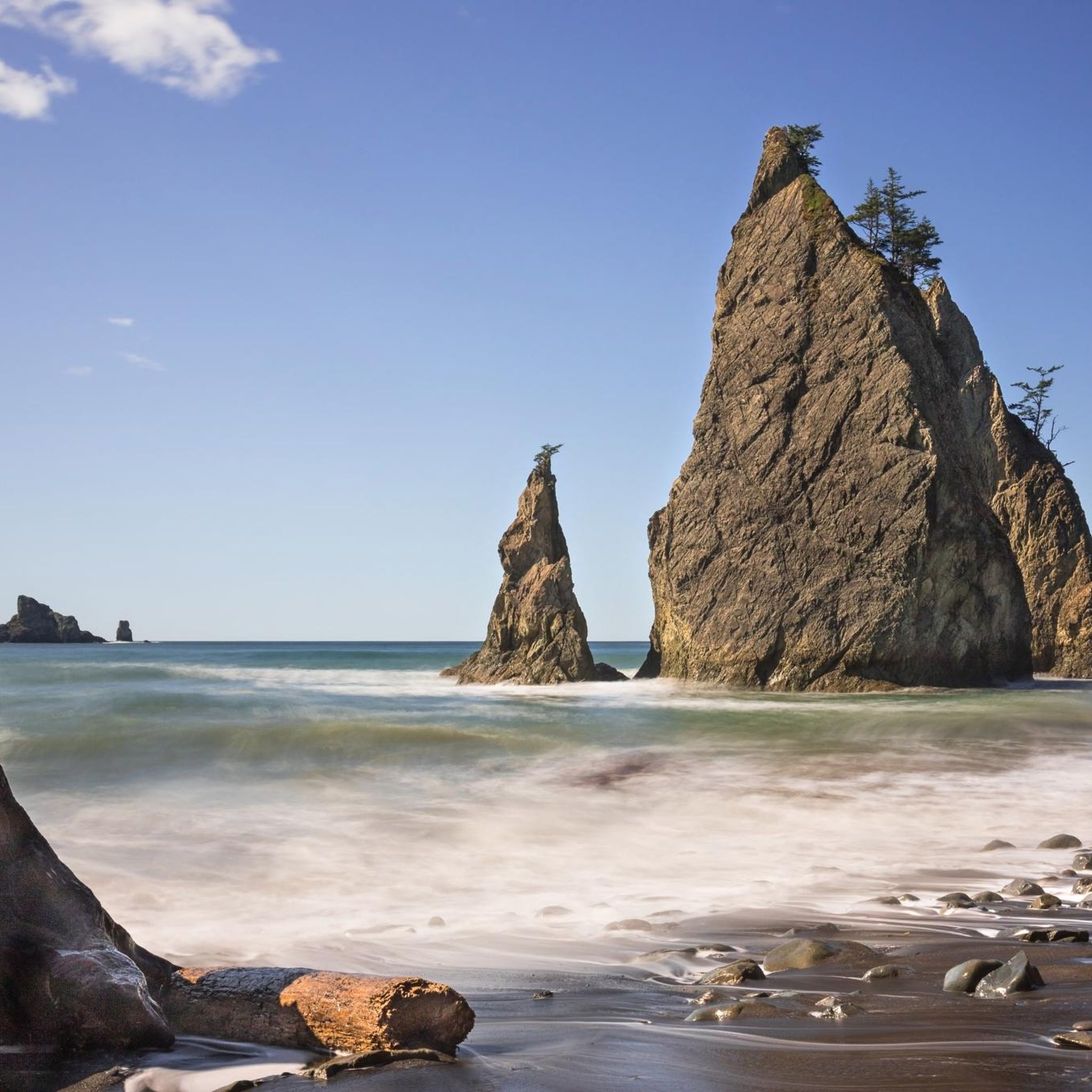
- The most popular hiking route is Ruby Beach & Abbey Island – Olympic National Park, a 3.2 miles (5.1 km) trail that takes 1 hour 20 minutes to complete. This easy route explores a dramatic coastline featuring sea stacks and rock formations.
- Another top favourite among local hikers is Kalaloch Beach 4 — Olympic National Park, an easy 0.8 miles (1.3 km) path. This trail offers access to pristine sandy shores and opportunities to explore tide pools.
- Local hikers also love the First Beach — La Push, Washington, a 1.9 miles (3.0 km) trail leading through coastal landscapes, often completed in about 45 minutes.
- Hiking in Washington Islands Wilderness is defined by rugged Pacific coastlines, sea stacks, and diverse island ecosystems. The network offers options for various ability levels, from easy beach walks to more moderate forest climbs.
- The routes in Washington Islands Wilderness are highly rated by the komoot community with an average score of 4.5 stars from over 50 reviews. More than 1300 hikers have used komoot to explore Washington Islands Wilderness's varied terrain.
Last updated: July 8, 2026
3
hikers
1.08km
00:20
50m
20m
The Second Beach Trail offers a quick, rewarding hike through an old-growth coastal forest to a spectacular Pacific Northwest beach. You'll navigate a well-maintained path, descend via a staircase, and then clamber over driftwood before reaching the expansive sandy shore. Here, dramatic sea stacks like the Quillayute Needles rise from the ocean, and natural arches frame the horizon, creating a truly memorable landscape. It's an easy route, perfect for families looking for stunning natural features.
Planning your visit to Second Beach is straightforward, though it's wise to arrive early for parking, especially on busy days. The trail is considered easy, but be prepared for a staircase descent and a scramble over driftwood logs to access the beach. If you're considering an overnight stay, remember that wilderness camping permits and bear canisters are mandatory. Also, keep in mind that pets and wheeled devices are not allowed on the trail or beach.
Second Beach is particularly renowned for its breathtaking sunsets, often visible through holes in its famous sea stacks, making it a prime spot for photography. At low tide, the beach transforms into a vibrant ecosystem, revealing tide pools teeming with marine life like anemones and starfish. This accessibility and diverse scenery make it a standout destination within Olympic National Park, offering a wild coastal experience that's family-friendly and a great beginner hike.
2
hikers
895m
00:14
0m
20m
Ruby Beach offers an unforgettable, rugged coastal experience, perfect for a quick stop or a leisurely exploration. The short path from the parking area leads you down to a dramatic shoreline, where you'll find towering sea stacks, like Abbey Island, rising from the Pacific. The beach itself is a fascinating landscape of sand, pebbles, and an incredible collection of massive driftwood logs, creating a unique and ever-changing scene. At low tide, vibrant tide pools reveal a hidden world of marine life, making it a captivating spot for nature lovers and photographers.
This easy 0.6-mile (0.9 km) hike has no elevation gain and takes only about 14 minutes to reach the beach, though you'll want to spend much longer exploring. The trail is easily accessible from Highway 101, with a parking area right at the trailhead. For the best experience, plan your visit around low tide to explore the tide pools and safely cross Cedar Creek, which can become impassable at high tide. Arriving early can help you secure parking during busy periods.
Ruby Beach is renowned for its unique geological features and the sheer volume of artistic driftwood that washes ashore, setting it apart from other Olympic Coast trails. It's an excellent spot for wildlife viewing, with opportunities to see bald eagles, seabirds, and even whales offshore. The beach's name comes from the reddish crystals in the sand, which shimmer in the sun, adding another layer of natural beauty to this iconic Olympic National Park destination.

Sign up for free
32.0km
08:23
240m
260m
Hike the challenging 19.9-mile Shi Shi to Ozette River Beach Travelway in Olympic National Park, featuring rugged coastlines and sea stacks.
1.01km
00:17
10m
30m
The Beach 4 Nature Trail offers a captivating short hike, leading you from a dense old-growth temperate rainforest to the rugged beauty of Kalaloch Beach 4. You'll navigate a path that quickly descends through lush greenery, eventually opening up to dramatic sea stacks and a vast expanse of sand and rocks. It's a fantastic way to experience the diverse ecosystems of the Pacific Northwest in a compact, engaging package.
This easy 0.6-mile (1.0 km) route, with a minimal 20 feet (6 metres) of elevation gain, typically takes around 16 minutes to complete. While the overall duration is short, be aware that the descent to the beach involves a steep section with over 100 steps and loose gravel, which can be challenging. Parking is available at the trailhead, but plan to arrive early during peak times, and remember that cell service is unreliable here.
What truly sets this trail apart are its unique geological features; the beach is a textbook example for geologists, showcasing turbidites and angular unconformities. Look for the fascinating 'Swiss cheese' textured stones, or piddock holes, carved by clams. This trail provides excellent opportunities for tidepooling at low tide and spotting wildlife like Roosevelt elk and various seabirds, making it a rich experience despite its short length.
2
hikers
5.08km
01:20
40m
40m
Easy hike. Great for any fitness level. Easily-accessible paths. Suitable for all skill levels.
Get access to more routes and recommendations from other explorers.
Sign up for free
Already have an account?
Our route recommendations are based on thousands of hikes, rides, and runs completed by other people on komoot.
Start today with a free account
Your next adventure awaits.
Login or Signup
Popular around Washington Islands Wilderness
Tips from the Community

While it might not be easy to access this point (you'll have to climb ropes, scramble over slippery rocks, and time the tides right), this just might be my very favorite spot on the Olympic Coast. We saw sea otters, black oystercatchers, seals and bald eagles all enjoying this magical spot. Scramble up the rocks and enjoy your lunch here; there are few places like this in the world!
0
0

Cape Alava is the westernmost point in the contiguous United States, and to some hikers, it marks the end (or beginning) of their 1,200-mile journey on the Pacific Northwest Trail. To return to "civilization," take the 3-mile boardwalk trail to the Ozette Ranger Station.
0
0

Located right next to the parking lot and its facilities, this viewpoint offers a great overlook over the beach area below. This makes it the perfect spot for a quick photo before you head down to the beach.
0
0
Kalaloch Beach 4 is the northernmost beach section around Kalaloch and can be easily accessed via a short trail from the nearby parking lot. It provides nice opportunities for relaxation, picnicking, and exploring the natural beauty of the Olympic Peninsula. Furthermore, it is a nice spot to watch wildlife like seabirds and marine life.
0
0

Abbey Island is absolutely stunning and one of the Olympic National Park's most photographed sea stacks. Sitting offshore a few hundred feet, it is home to sea otters and migratory birds, bordered with many starfish and mussels. It's the perfect setting to photograph and create your own postcard.
0
0
Second Beach is a stunning coastal destination in Olympic National Park. It is known for its pristine sandy shores and the impressive rock formations inside the ocean.
0
0

Ruby Beach, within Olympic National Park, is a coastal gem known for its dramatic sea stacks and stunning ocean views. The name 'Ruby Beach' is derived from the presence of red minerals in the sand, specifically 'almandite,' a type of garnet.
0
0

Abbey Island is one of the most popular picture postcard views. Located at Ruby Beach next to or in the Pacific Ocean - depending on the tide - it is a great destination for a stroll along the shore. It got its name since early settlers saw a cathedral in the shape of the island.
5
0
Frequently Asked Questions
How many hiking trails are available in the Washington Islands region?
The Washington Islands region offers a diverse network of over 40 hiking routes. These trails range from easy coastal walks to more moderate forest climbs, providing options for various ability levels.
What kind of terrain can I expect when hiking in the Washington Islands region?
Hikers in the Washington Islands region will encounter rugged Pacific coastlines, pristine sandy shores, and dramatic rock formations, including impressive sea stacks. The diverse island ecosystems feature saltwater shorelines, tide pools, forests, and lake shores, offering a varied and scenic hiking experience.
Are there easy hiking options suitable for beginners or families?
Yes, the region is very welcoming for beginners and families, with 23 easy routes available. Trails like Kalaloch Beach 4 — Olympic National Park offer accessible paths to explore pristine sandy shores and tide pools. Another excellent choice is First Beach — La Push, Washington, which provides a gentle walk through coastal landscapes.
What are some notable natural attractions or landmarks to see along the trails?
The Washington Islands region is rich with natural beauty and unique landmarks. You can explore the picturesque Abbey Island, a cathedral-shaped sea stack at Ruby Beach, or witness the dramatic Browns Point Rock Formations. For a cultural experience, the Wedding Rocks Petroglyphs offer a glimpse into Native American rock carvings.
Are there any circular hiking routes in the Washington Islands region?
Yes, you can find several circular routes. For instance, the Ruby Beach – Abbey Island loop from Abbey Island offers a pleasant round trip. Another option is the Ruby Beach – Ruby Beach loop from South Rock, both providing scenic walks along the coast.
What is the best time of year to go hiking in the Washington Islands region?
While the specific Washington Islands Wilderness is largely closed to public visitation, the broader Washington Islands region, including areas within Olympic National Park and the San Juan Islands, offers year-round hiking opportunities. Coastal areas are generally accessible, but for the best weather and wildlife viewing, late spring through early fall is often preferred. Winter can bring dramatic storms and fewer crowds, but some trails might be more challenging.
Can I bring my dog on the hiking trails?
Regulations regarding dogs vary significantly across the Washington Islands region. While some areas, particularly within Olympic National Park wilderness, restrict pets to protect wildlife, other areas like certain state parks or specific trails may allow leashed dogs. It's crucial to check the specific rules for each trail or park you plan to visit beforehand to ensure a dog-friendly experience.
What kind of wildlife can I expect to see while hiking?
The Washington Islands region is rich in wildlife. Along the coast, you might spot marine mammals like sea otters, harbor seals, and Steller sea lions. The area is also a critical habitat for seabirds. In the San Juan Islands, hikers often see foxes and bald eagles, especially along trails like the Coastal Bluffs Trail. Tide pools offer a glimpse into diverse marine invertebrate life.
Where can I find the best viewpoints in the Washington Islands region?
For breathtaking vistas, consider trails on the San Juan Islands. Mount Finlayson offers sweeping views of the Cattle Point Lighthouse, Mount Baker, and the Olympic Mountains. Young Hill provides expansive views after a moderate climb through forests. Additionally, Lime Kiln State Park is renowned for its dramatic coastal views and is one of the best places for shore-based whale watching.
What do other hikers enjoy most about hiking in the Washington Islands region?
The hiking routes in the Washington Islands region are highly rated by the komoot community, with an average score of 4.5 stars from over 50 reviews. Hikers frequently praise the dramatic coastlines, the unique sea stack formations, and the diverse natural beauty, from pristine beaches to lush island ecosystems. The variety of trails, from easy beach walks to more moderate forest paths, is also a popular highlight.
Are there any trails that offer opportunities for tide pooling?
Absolutely! Many coastal trails in the Washington Islands region provide excellent tide pooling opportunities. Kalaloch Beach 4 — Olympic National Park is specifically noted for its access to tide pools. Obstruction Pass State Park on Orcas Island also features excellent tide pooling, making it a great spot to explore marine life at low tide.
Most popular routes in Washington Islands Wilderness
Most popular attractions in Washington Islands Wilderness

Get inspired with the komoot mobile app


Explore more
Browse the best Hikes in other regions.
