Attractions and Places To See around Dunkelsteinerwald - Top 20
Attractions and places to see around Dunkelsteinerwald offer a diverse range of experiences in Lower Austria. This hilly region, characterized by extensive forests and small fields, is situated south of the Danube and borders the scenic Wachau. It features a blend of historical landmarks, significant cultural sites, and natural landscapes, providing views across the Danube valley and towards the foothills of the Alps. The area is known for its rich history and varied terrain.
Best attractions and places to see…
Last updated: October 10, 2026
Spitz on the Danube
Highlight • Settlement
Showing Translation
Tip by

Melk Abbey
Highlight • Religious Site
Translated by Google •
Tip by

Sign up now to discover places like this
Get recommendations on the best single tracks, peaks, & plenty of other exciting outdoor places.
Dürnstein Castle Ruins
Highlight • Castle
Translated by Google •
Tip by

Dürnstein City Gate
Highlight • Historical Site
Translated by Google •
Tip by

Dürnstein Old Town
Highlight • Historical Site
Showing Translation
Tip by

Sign up for free to discover even more attractions around Dunkelsteinerwald.
Already have an account?
Start today with a free account
Your next adventure awaits.

Tips from the Community

The city gate of Dürnstein is one of the most striking structures in this small Wachau town and forms the historic entrance to the old town. It dates back to the medieval town defense system and is part of the old town wall. The gate is particularly photogenic, as it frames the view of the narrow, cobbled streets and the brightly painted houses of the old town. Formerly, the city gate served to control trade and secure the town. Today, it is a popular destination for visitors who want to experience Dürnstein's historic atmosphere and offers an atmospheric introduction to the picturesque old town, which is characterized by cafés, restaurants, and small shops.
4
0


The Kremser Gate (formerly Steiner Gate) is the eastern city gate with a four-story, square gate tower from the 15th century.
6
0

Off the beaten track along the Danube there are interesting villages to discover
4
0

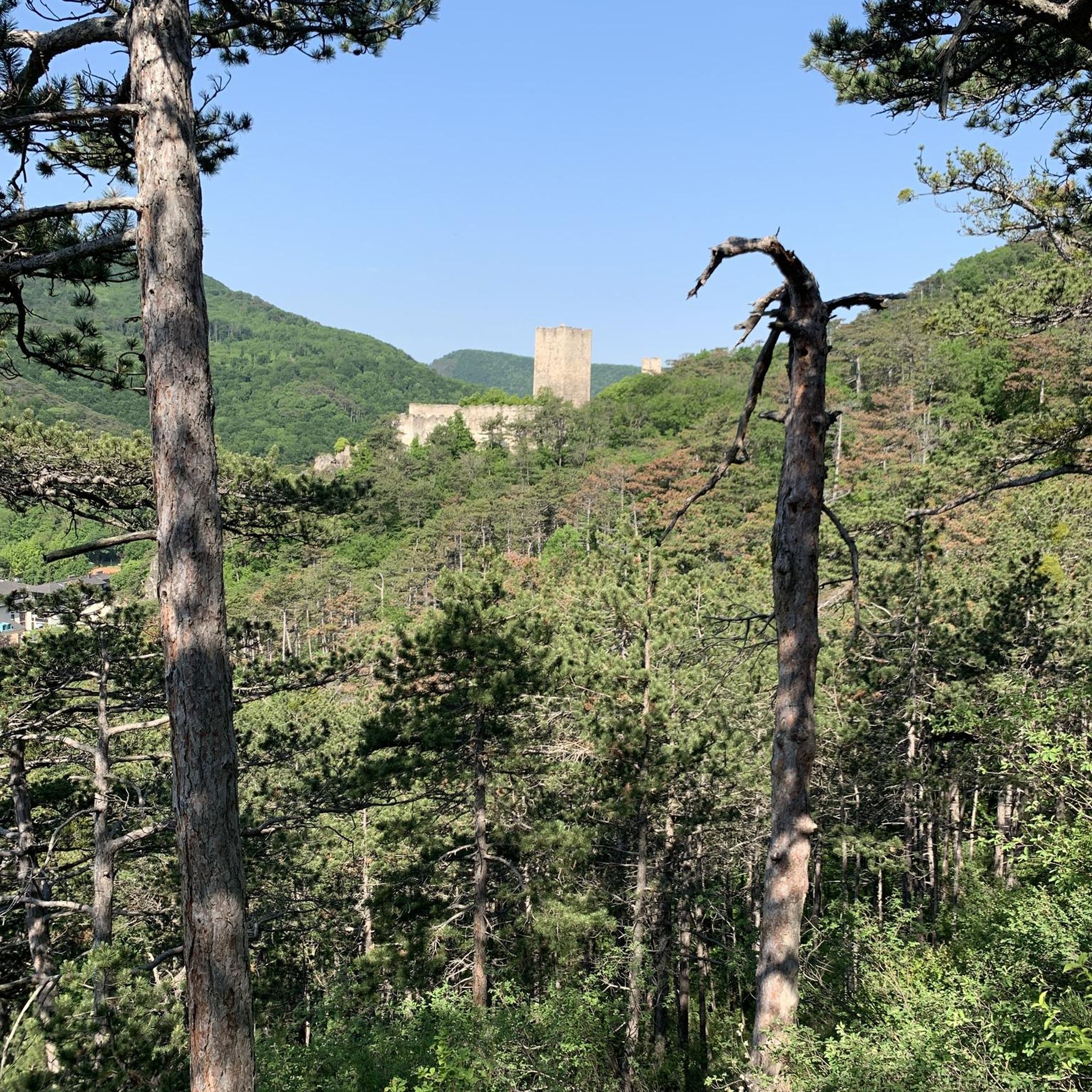
The view from Dürnstein Castle is breathtakingly beautiful!
8
0

Simply a place that will amaze you, whether through the old town or the Danube route
4
0

The place is worth seeing, but the crowds make it difficult to penetrate and admire its beauty. Great view of the Danube.
4
0

From Dürnstein-Oberloiben, the bus to Krems/Melk runs hourly. Dürnstein, a Wachau village with hourly bus connections to Krems/Melk, is historically closely linked to the Kuenringers. The place gained fame through the imprisonment of King Richard the Lionheart (1192/1193), whose ransom contributed to prosperity and development.
3
1
Frequently Asked Questions
What historical sites can I explore in the Dunkelsteinerwald region?
The Dunkelsteinerwald region is rich in history. You can visit the impressive Dürnstein Castle Ruins, famous for holding King Richard the Lionheart captive, and the well-preserved Melk Abbey, a significant Benedictine monastery and UNESCO World Heritage site. Other notable historical landmarks include the Aggstein Castle Ruins, Hohenegg Castle Ruins, and the ancient Roman Bridge at Lanzing, showcasing the region's past as a Roman border.
Where can I find scenic views and natural beauty in Dunkelsteinerwald?
For breathtaking vistas, the Dürnstein Castle Ruins offer spectacular views of the Wachau. The Ferdinandwarte Lookout Tower at Oberbergern also provides extensive views over the Danube. The region itself is characterized by extensive forests and a hilly landscape, bordering the scenic Danube River Valley and the Wachau, a UNESCO World Heritage Site. The Gurhofgraben Nature Reserve and the Conservation and Bird Sanctuary at the Pielach Mouth are excellent spots to experience the natural environment.
Are there family-friendly attractions around Dunkelsteinerwald?
Yes, several attractions are suitable for families. The picturesque settlement of Spitz on the Danube offers charming streets and historical houses to explore. Melk Abbey is also considered family-friendly, offering a rich historical experience. The Spitz–Arnsdorf Cable Ferry provides a unique and memorable way to cross the Danube, which can be an exciting experience for children.
What cultural and religious sites can I visit in the region?
The Dunkelsteinerwald is home to several significant cultural and religious sites. The Pilgrimage Church "Maria am grünen Anger" in Mauer bei Melk houses a world-class Gothic winged altar. The Aggsbach Charterhouse features a meditation garden telling the story of Carthusian monks. You can also visit the Servite Order Monastery at Schönbühel and the impressive Baroque Church in Maria Langegg, which also has a pilgrimage museum. The Fortified Church in Gerolding and the Church in Gansbach, featuring a painting by Kremser Schmidt, are also notable.
What outdoor activities can I do near these attractions?
The Dunkelsteinerwald region is ideal for various outdoor activities. You can find numerous routes for gravel biking, road cycling, and hiking. For gravel biking, explore routes like the "Spitz on the Danube – Wachau Vineyards Route loop" or the "Danube Valley in the Wachau – View of Melk Abbey loop." Road cyclists can enjoy routes such as "Melk Abbey – Melk Abbey loop." There are also easy hiking trails like the "High Cross at Brand – Canola Field loop." You can find more details and routes in the Gravel biking around Dunkelsteinerwald, Road Cycling Routes around Dunkelsteinerwald, and Easy hikes around Dunkelsteinerwald guides.
Are there any unique or lesser-known spots worth exploring in Dunkelsteinerwald?
Beyond the main attractions, consider visiting the Hammer Mill in Aggsbach-Dorf, which offers insight into historical wood and marble processing. The region is also known for its 12 different kinds of wild roses, blooming from May to mid-July, and producing vitamin C-rich rosehips in autumn. Exploring the extensive network of hiking trails, including sections of the 160-kilometer Dunkelsteinerwald Round, can lead you to hidden viewpoints and charming local spots.
What do visitors enjoy most about the attractions in Dunkelsteinerwald?
Visitors frequently praise the breathtaking views, especially from historical sites like the Dürnstein Castle Ruins. The picturesque charm of settlements like Spitz on the Danube, with its narrow streets and historic houses, is also highly appreciated. Many enjoy the combination of nature, history, and the opportunity to savor local wines, particularly in the Wachau area. The unique experience of crossing the Danube on the Spitz–Arnsdorf Cable Ferry is also a highlight for many.
What is the best time of year to visit Dunkelsteinerwald?
The region offers beauty throughout the year. Spring and summer (May to mid-July) are ideal for seeing the wild roses in bloom. Autumn is particularly recommended for visiting Spitz on the Danube, as the Spitzer Weinherbst (wine harvest festival) attracts visitors, celebrating the region's viticulture. The mild weather during these seasons is also perfect for hiking and cycling.
Can I find hiking trails suitable for different difficulty levels?
Yes, the Dunkelsteinerwald offers a diverse network of hiking trails. You can find easy hikes, such as the "High Cross at Brand – Canola Field loop" or the "Carlsfelsen – View of the Valley loop." There are also more challenging routes, including the 160-kilometer Dunkelsteinerwald Round, which connects various beautiful spots, monasteries, castles, and viewpoints across nine stages. A section of the Austrian Way of St. James also runs through the region. Explore more options in the Easy hikes around Dunkelsteinerwald guide.
What is the significance of the Danube River in relation to Dunkelsteinerwald attractions?
The Danube River forms the northwestern border of the Dunkelsteinerwald and is central to many attractions. The Wachau region, a UNESCO World Heritage Site, lies along the Danube and is known for its scenic beauty, vineyards, and historical villages like Spitz on the Danube and Dürnstein Old Town. Many viewpoints, such as those from Dürnstein Castle Ruins and Aggstein Castle Ruins, offer stunning panoramas of the Danube valley. The Spitz–Arnsdorf Cable Ferry also provides a unique way to experience the river.
Most popular routes around Dunkelsteinerwald
Most popular attractions around Dunkelsteinerwald

Get inspired with the komoot mobile app


Explore more
Still not found the Highlight you’re looking for? See guides of the top attractions in other regions:
