Attractions and Places To See in Joshua Tree Wilderness - Top 17
Best attractions and places to see in Joshua Tree Wilderness include a diverse array of unique geological formations, distinctive flora, and historical sites. This region, where the Mojave and Colorado desert ecosystems meet, is known for its striking landscapes and dark night skies. Visitors can explore iconic Joshua Trees, granite rock formations, and historical homesteads. The area offers opportunities to experience both natural beauty and cultural heritage.
Best attractions and places to see in Joshua Tree Wilderness
- The most popular…
Last updated: July 7, 2026
Wall Street Stamp Mill
Highlight • Historical Site
Tip by

Split Rock
Highlight (Segment) • Natural Monument
Tip by

Sign up now to discover places like this
Get recommendations on the best single tracks, peaks, & plenty of other exciting outdoor places.
Sign up for free
Forty-Nine Palms Canyon
Highlight (Segment) • Natural Monument
Translated by Google •
Tip by

Burnt Hill Trail
Highlight (Segment) • Trail
Tip by

Mastodon Peak
Highlight • Summit
Tip by
Sign up for free to discover even more attractions in Joshua Tree Wilderness.
Sign up for free
Already have an account?
Start today with a free account
Your next adventure awaits.
Login or Signup
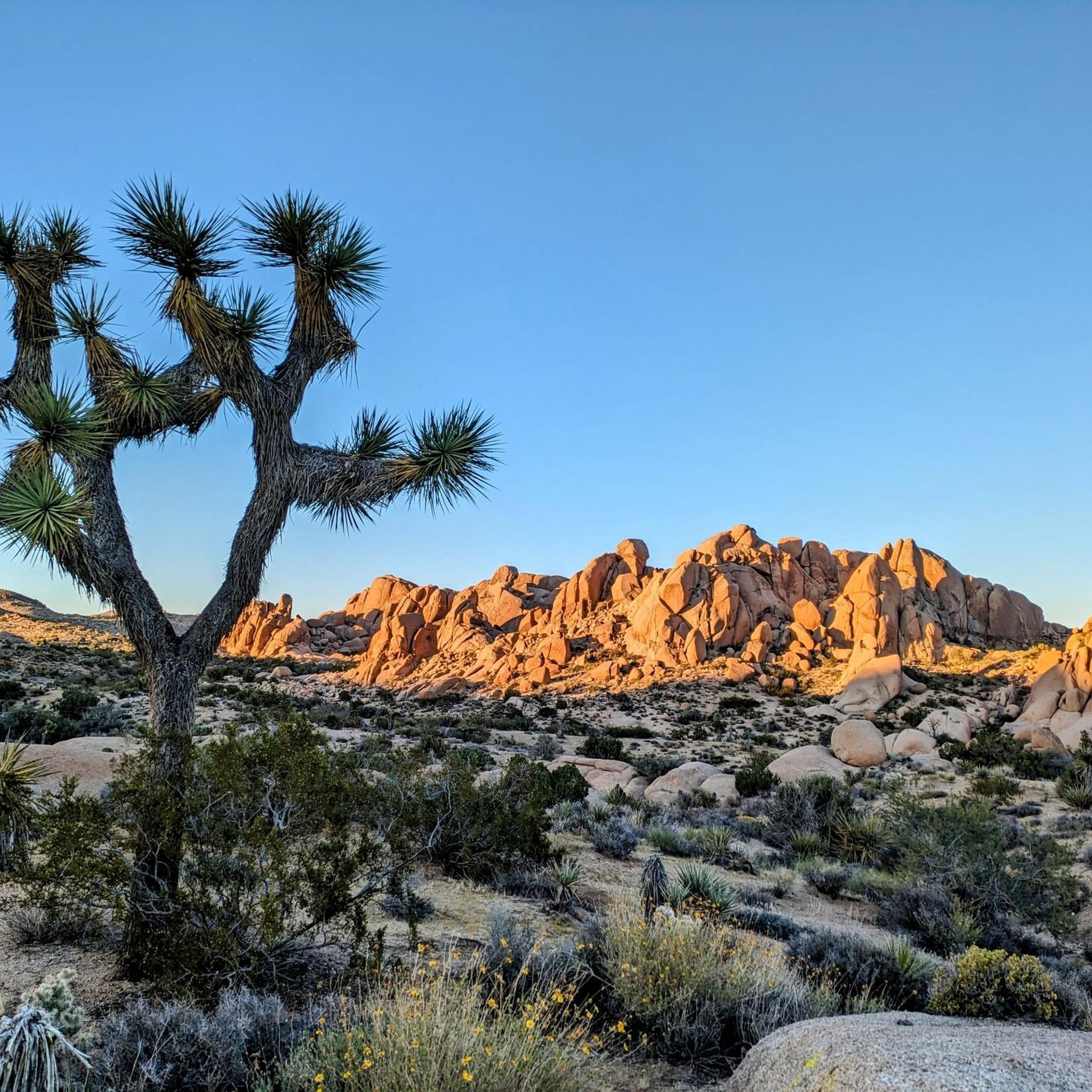
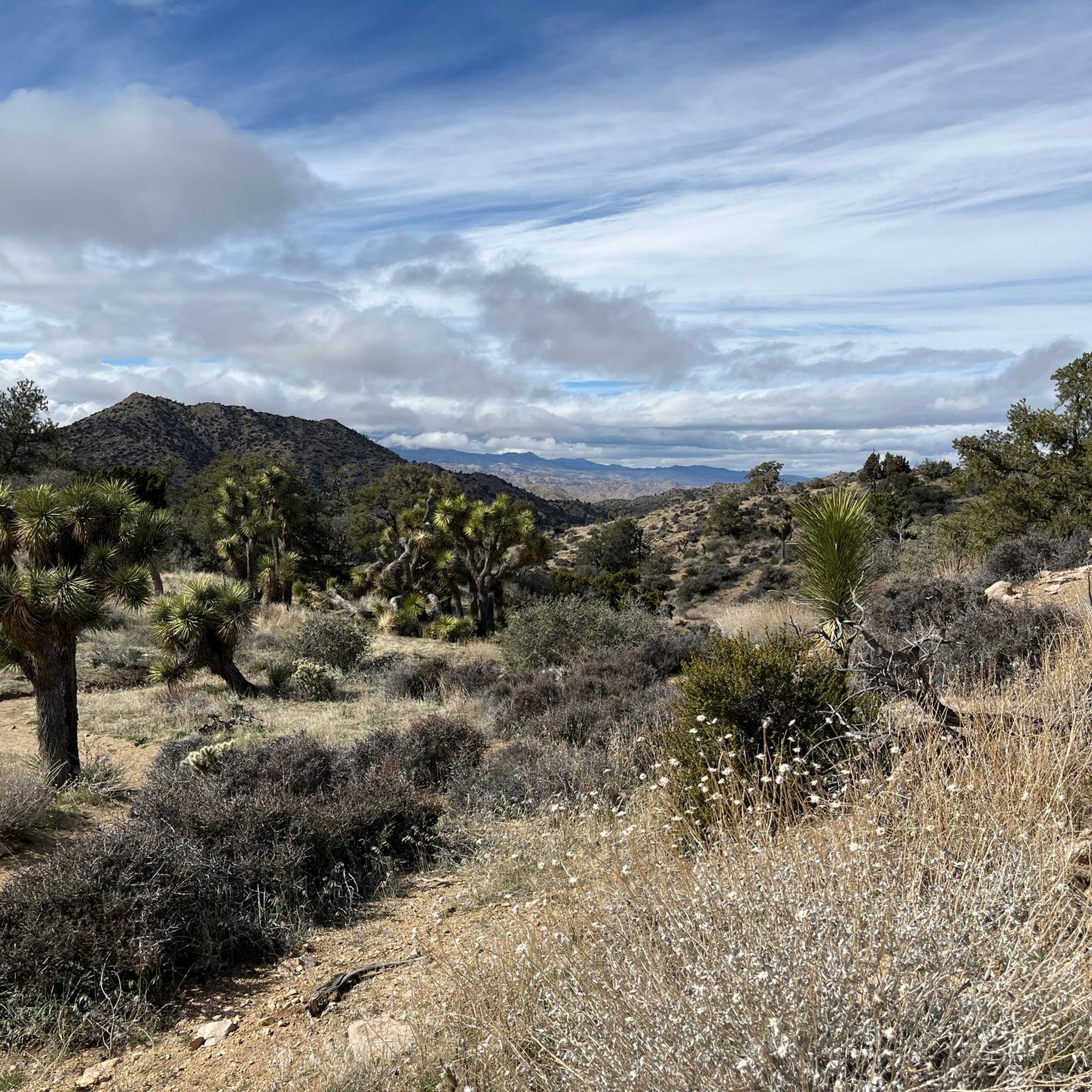
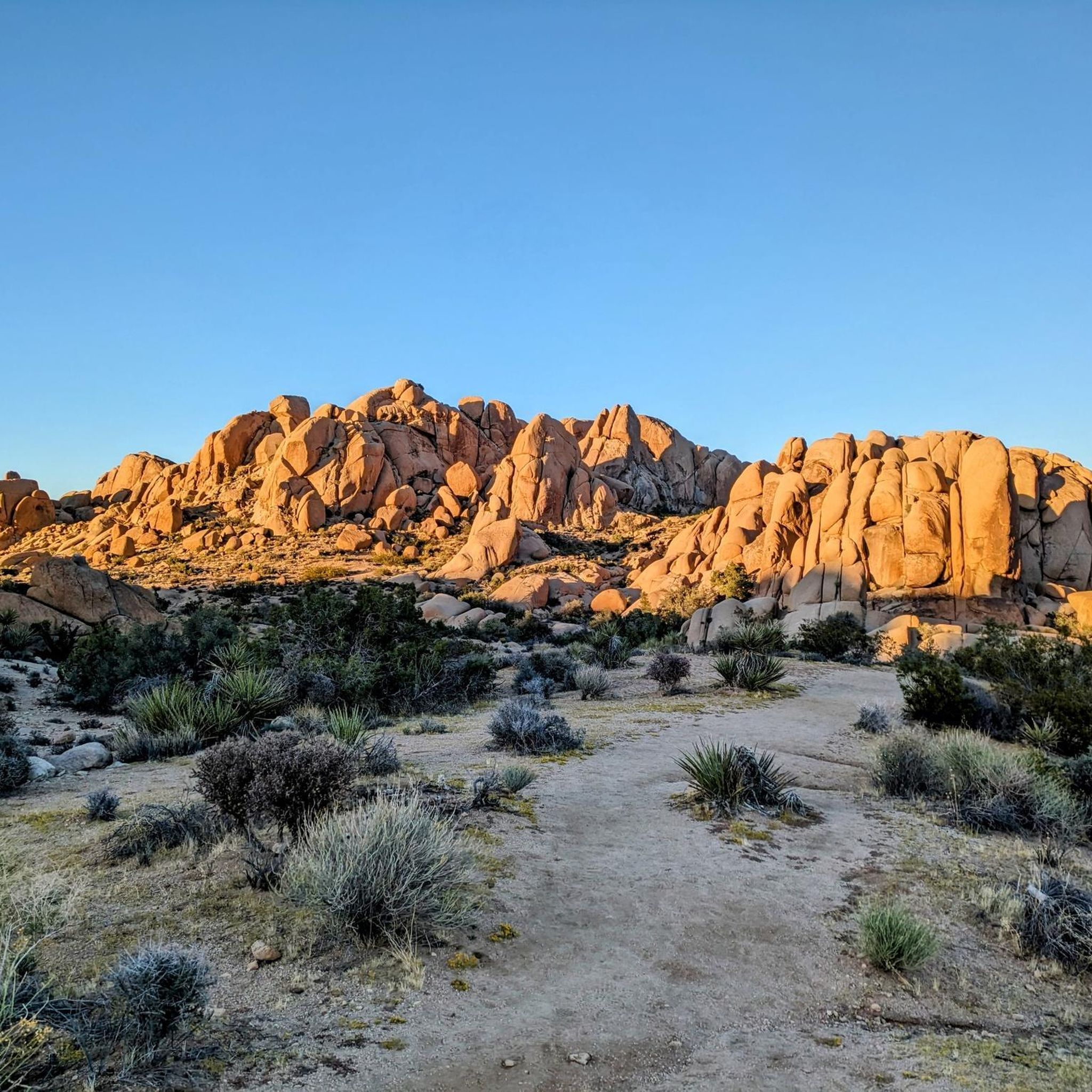
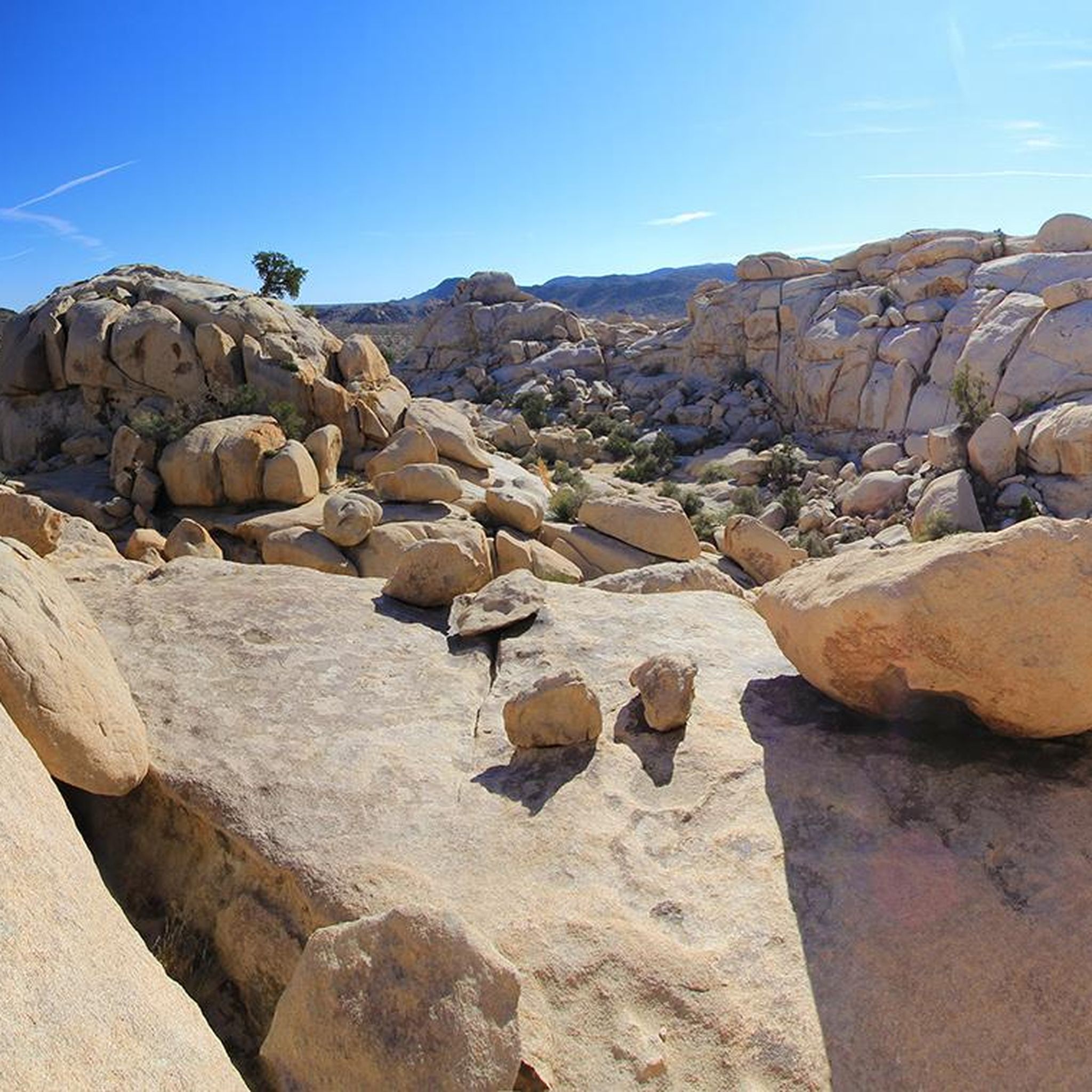

Tips from the Community

It's easy to miss it because it's at the very beginning of the trail :)
0
0

This beautiful trail is a peaceful 6.7-mile path that winds through soft sand and scattered Joshua trees. With a steady climb of 1,043 feet, it can be a moderately challenging hike, especially during hot temperatures in summer, so exploring this area between October and April is ideal. You're unlikely to see many others out here—just you, the desert, blooming wildflowers, and the occasional jackrabbit darting past, making it an excellent place for a lovely, quiet hike.
0
0


This small mountain in the lower part does not see as many visitors as the center of Joshua Tree National Park. Leave the crowds behind and enjoy a hike to this peak and the scenic ruins of the old Mastodon Mine. In the 1930s, the Hulsey Family found some gold ore, but was not able to get to the main vein, so the mine was abandonded pretty soon.
0
0

Great little walk with a bit of history. Best time morning or evening with mosquito spray
0
0
Great walk away from many people
0
0
Frequently Asked Questions
What are some of the most notable natural landmarks and viewpoints in Joshua Tree Wilderness?
Joshua Tree Wilderness is renowned for its unique natural features. You can explore iconic Joshua Trees, granite rock formations like Split Rock, Skull Rock, and Arch Rock. Don't miss Keys View for panoramic vistas of the Coachella Valley and Salton Sea, or the Cholla Cactus Garden for a unique desert experience. The park also features several fan-palm oases, such as Oasis of Mara and Cottonwood Spring Oasis, providing lush contrasts to the desert landscape.
What historical sites can I visit in Joshua Tree Wilderness?
The wilderness offers a glimpse into its rich past. You can visit the Wall Street Stamp Mill, a preserved gold ore crushing mill, or explore the ruins of the Lost Horse Mine, known for its high-grade gold and silver. Keys Ranch (Desert Queen Ranch) is another significant historic homestead, often accessible via ranger-led tours. Evidence of Indigenous peoples, such as rock art, can also be found along trails like Barker Dam.
Are there family-friendly attractions or activities in Joshua Tree Wilderness?
Yes, Joshua Tree Wilderness offers several family-friendly options. Easy hiking trails like the Hidden Valley Nature Trail, Barker Dam Trail, and Arch Rock Trail are great for all ages. The Cholla Cactus Garden is a unique sight, but caution is advised due to the cacti. Many rock formations, such as Skull Rock, are easily accessible and fun for kids to explore from a distance. Stargazing is also a fantastic family activity, as Joshua Tree is an International Dark Sky Park.
What kind of hiking trails are available in Joshua Tree Wilderness?
Joshua Tree Wilderness offers a wide range of hiking trails for various skill levels. You can find easy loops like the Split Rock Loop Trail (2.5 miles) or the South Park Peak Trail (0.7 miles). Moderate options include the Ryan Mountain Trail for 360-degree views, or the Fortynine Palms Oasis Trail (3 miles round trip) leading to a lush oasis. For more challenging adventures, consider longer routes like the Lost Palms Oasis Trail (7.2 miles loop) or the Eureka Peak Trail. You can find more details on hiking routes in Joshua Tree Wilderness.
What are some popular outdoor activities besides hiking in Joshua Tree Wilderness?
Beyond hiking, Joshua Tree Wilderness is a world-class destination for rock climbing and bouldering, with thousands of established routes. The park is also excellent for stargazing due to its dark night skies. Birdwatching is popular, with over 250 recorded species. For those with 4x4 vehicles, many miles of backcountry dirt roads are available for exploration. Horseback riding is also an option on designated trails like the California Riding and Hiking Trail. You can explore various running trails and road cycling routes in the area.
Where can I experience the iconic Joshua Trees?
The iconic Joshua Trees, the park's namesake, are predominantly found in the higher elevation Mojave Desert section of the park. You'll encounter them throughout the central and western parts of the park, creating surreal and distinctive landscapes. Many trails, including those around Hidden Valley and Barker Dam, offer excellent opportunities to see these unique *Yucca brevifolia*.
What is the best time to visit Joshua Tree Wilderness for outdoor activities?
The best time to visit Joshua Tree Wilderness for outdoor activities like hiking and climbing is typically during the cooler months, from October to May. Spring (March-April) is particularly popular for wildflower viewing. Summers can be extremely hot, with temperatures often exceeding 100°F (38°C), making strenuous activity challenging and requiring significant hydration. Winter offers mild days and cold nights, ideal for hiking, but be prepared for cooler temperatures.
Are there any accessible viewpoints or trails in Joshua Tree Wilderness?
While much of the wilderness involves rugged terrain, some areas offer more accessibility. Keys View provides a paved, accessible path to a stunning panoramic overlook. The Cholla Cactus Garden also has a relatively flat, short loop trail. For specific accessibility information and current conditions, it's always best to check with the park service directly.
What are some of the unique rock formations I can see?
Joshua Tree Wilderness is famous for its granite rock formations. Beyond Split Rock, you can find Skull Rock, which strikingly resembles a giant skull, and Arch Rock, a natural arch near White Tank campground. Other notable formations include Heart Rock, Hall of Horrors, and Intersection Rock, a popular climbing spot. The Wonderland of Rocks is a vast, maze-like area for experienced hikers to explore.
What do visitors enjoy most about Joshua Tree Wilderness?
Visitors frequently praise the unique desert landscapes, the striking rock formations, and the iconic Joshua Trees. Many are drawn to the opportunities for hiking, rock climbing, and bouldering. The dark night skies for stargazing are a significant draw, offering unparalleled celestial views. The historical sites, like the Wall Street Stamp Mill, also provide a fascinating glimpse into the region's past.
Can I see wildflowers in Joshua Tree Wilderness?
Yes, if conditions are right, Joshua Tree Wilderness can have spectacular wildflower displays. Following sufficient winter rains, spring (typically March and April) brings a dazzling array of desert wildflowers, transforming parts of the landscape with vibrant colors. The timing and intensity of the bloom vary year to year based on rainfall.
Are there opportunities for birdwatching in Joshua Tree Wilderness?
Absolutely. Joshua Tree Wilderness is a haven for birdwatchers, with over 250 recorded bird species. The park's diverse habitats, from desert scrub to fan-palm oases, attract a variety of birds, including roadrunners, golden eagles, various raptors, and numerous migratory species. The oases, such as Oasis of Mara and Cottonwood Spring Oasis, are particularly good spots for birding.
Most popular routes in Joshua Tree Wilderness
Most popular attractions in Joshua Tree Wilderness

Get inspired with the komoot mobile app


Explore more
Still not found the Highlight you’re looking for? See guides of the top attractions in other regions:
