Top 17 Castles around Bergland
Best castles around Bergland are found in a region often associated with mountainous federal provinces in Austria, including areas like Carinthia, Salzburg, and Tyrol. This area is characterized by its diverse topography, ranging from river valleys to elevated rock formations. The landscape features a rich historical tapestry, with numerous castles strategically built on hills and along waterways. These historical sites offer insights into centuries of regional defense and noble life.
Best castles around Bergland
- The most popular castles is View…
Last updated: July 1, 2026
View of Persenbeug Castle
Highlight • Viewpoint
Translated by Google •
Tip by

Persenbeug Castle and Ybbs-Persenbeug Hydroelectric Power Plant
Highlight • Monument
Translated by Google •
Tip by
Sign up now to discover places like this
Get recommendations on the best single tracks, peaks, & plenty of other exciting outdoor places.
Sign up for free
Artstetten Castle
Highlight • Castle
Translated by Google •
Tip by

Wolfpassing Castle
Highlight • Castle
The predecessor building of Wolfpassing Castle came to Sigmund Graf von Abensperg …
Translated by Google •
Tip by

Zelking Ruins
Highlight • Castle
A few walls are still reasonably intact and suggest the size of the time.
Translated by Google •
Tip by

Sign up for free to discover even more castles around Bergland.
Sign up for free
Already have an account?
Start today with a free account
Your next adventure awaits.
Login or Signup
Tips from the Community

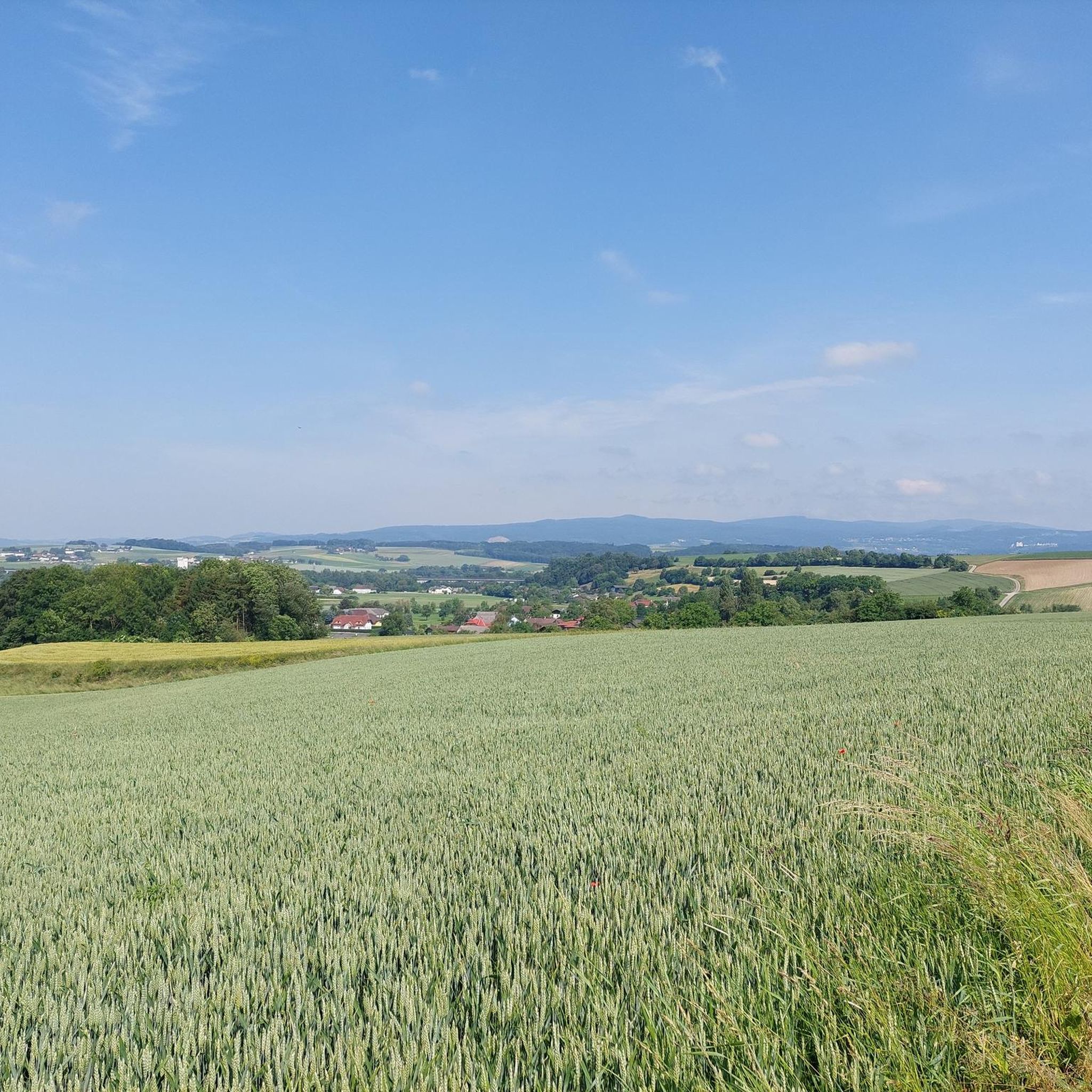
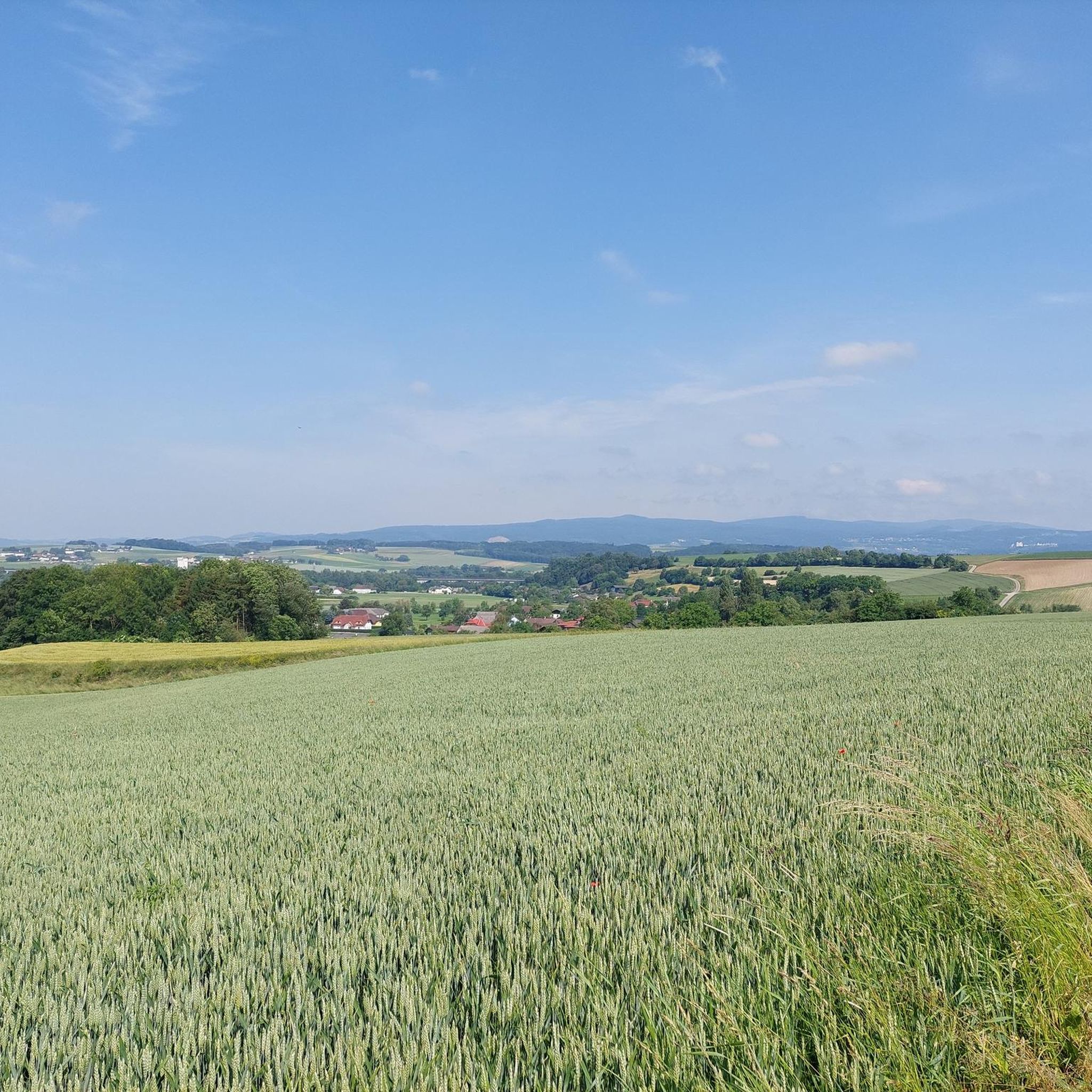
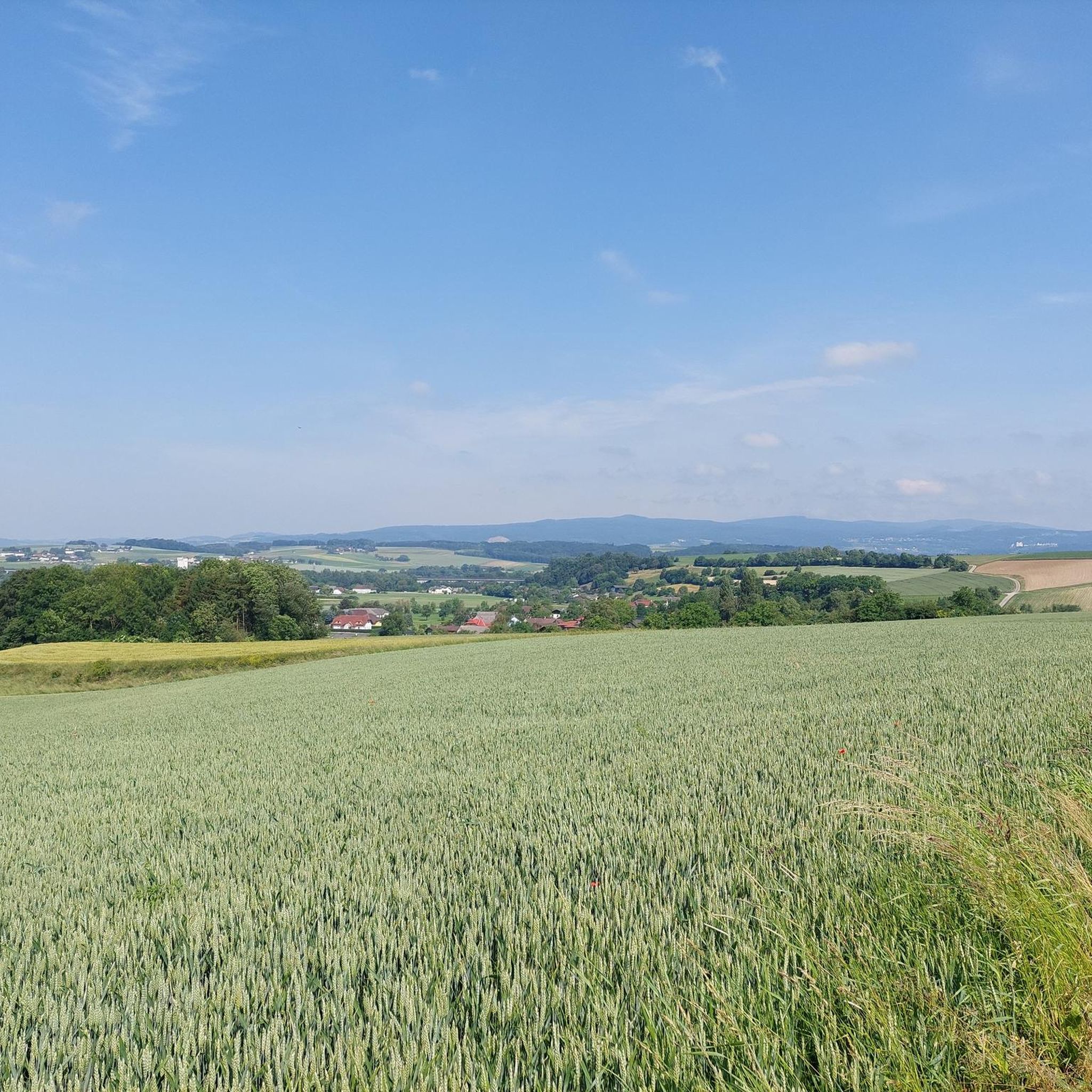
The castle is prominently situated on a rock on the right bank of the Danube, above the municipality of Persenbeug-Gottsdorf, at the transition from the Strudengau to the Nibelungengau.
1
0


Persenbeug Castle is beautifully situated on the Danube bridge and lock of the power plant
0
0

A magnificent palace, and especially the palace grounds with their ancient trees and islands of flowers. We arrived just in time to admire the beautiful peonies.
0
0

A beautiful ambiance where you can enjoy coffee and cake. There are also many great historical treasures to admire.😍👍🏻
1
0
The Wolfpassing municipal office is located in the main building of the castle
0
0

Here you have a beautiful view
2
0

The castle on the slope of the Hiesberg was first mentioned in 1100 in connection with a Wernher von Zelking. Wernher von Zelking's origins are unclear. A relationship with the noble family of the Lords of Haguenau is not proven, nor is it that he was the son of Reginbert (III.) of Haguenau, as is usually assumed in research. He was married and the father of Ulrich (I.) von Zelking.[1] The Lords of Zelking died out in 1634. The festival passed through marriage to the Polheim family in Wartenburg and around 1662 to Andrä Joachim Graf Sinzendorf.[2] When the Turks besieged Vienna in 1683 and their patrols advanced far into western Lower Austria, the still well-fortified castle served as a place of refuge for the surrounding civilian population.[2] After the manorial administration was relocated to nearby Matzleinsdorf, the fortress was abandoned. In 1802 Franziska Countess Kinsky, a widowed Countess Sinzendorf, married Count Harrach for the second time. Later owners included the Counts of Rohrau and the Galgozy-Galantha family. Today the ruins only consist of stonework from the 12th to 16th centuries. However, you can still see the massive arched gate and some notched windows. More about the story: http://noeburgen.imareal.sbg.ac.at/result/burgid/1394
0
0
Frequently Asked Questions
Which castles in the Bergland region are particularly family-friendly?
Several castles in the Bergland region offer engaging experiences for families. Artstetten Castle, for instance, houses the Archduke Franz Ferdinand Museum and crypt, providing an interesting historical visit. The area around View of Persenbeug Castle and the associated Persenbeug Castle and Ybbs-Persenbeug Hydroelectric Power Plant are also considered family-friendly, with opportunities to watch ships pass through the lock and explore the power station's visitor center. Hohenwerfen Castle in Salzburg, with its falconry demonstrations, is another excellent choice for families.
What are some of the most historically significant castles in Bergland?
The Bergland region is rich in history. Persenbeug Castle, first mentioned in 907, has a long and complex history, including ownership by the Habsburgs and being the birthplace of Emperor Charles I. Artstetten Castle, dating back to the 13th century, is known for its connection to Archduke Franz Ferdinand. Beyond these, Hohensalzburg Fortress, one of Europe's largest medieval castles, and Hochosterwitz Castle, with its 14 defensive gates, offer deep dives into medieval defense and noble life.
Are there good viewpoints to see castles in the Bergland region?
Yes, the mountainous terrain of Bergland offers many excellent viewpoints. The View of Persenbeug Castle highlight is specifically noted for its beautiful and imposing perspective of the castle and the Danube. Hohensalzburg Fortress and Hochosterwitz Castle both offer breathtaking panoramic views of their surroundings due to their dramatic hilltop locations.
What outdoor activities can I combine with a visit to Bergland castles?
The Bergland region provides ample opportunities for outdoor activities near its castles. You can find numerous easy hiking trails, such as those listed in the Easy hikes around Bergland guide. For cyclists, there are both MTB Trails around Bergland and Road Cycling Routes around Bergland. The area around Persenbeug Castle, for example, is directly on the Danube cycle path, making it ideal for combining a castle visit with a bike tour.
What is the best season to visit castles in Bergland?
The best season to visit castles in Bergland largely depends on your preferences. Spring and autumn offer pleasant temperatures for exploring and hiking, with beautiful natural scenery. Summer provides longer daylight hours and often hosts special events or extended opening times. While winter can be cold, some castles, like Hohensalzburg Fortress, offer a magical, snow-dusted experience, though accessibility to some ruins or outdoor areas might be limited.
Are there any castle ruins to explore in Bergland?
Yes, the Bergland region features atmospheric castle ruins that offer a glimpse into the past. The Zelking Ruins are a notable example, having been inhabited until the 1800s before falling into disrepair. These ruins are part of a local hiking circuit, allowing visitors to explore the remnants of an imposing fortification. Valkenburg Castle in the Netherlands, while a broader interpretation of Bergland, is also a significant ruin with unique underground passages.
Which castles offer a unique architectural style or feature?
Many castles in Bergland boast unique architectural elements. Hochosterwitz Castle is famous for its dramatic perch and 14 formidable gates, each with a distinct defensive mechanism. Burg Eltz in Germany stands out with its picturesque, multi-turreted appearance, continuously owned by the same family for over 850 years. Tratzberg Castle in Tyrol is a beautifully preserved Renaissance castle known for its intricate frescoes and the massive Habsburg family tree in its great hall.
Can I find cafes or refreshments near the castles in Bergland?
Many popular castles in the Bergland region offer on-site or nearby cafes and refreshment options. For instance, Artstetten Castle is noted for its beautiful ambiance where visitors can enjoy coffee and cake. Larger fortresses like Hohensalzburg often have multiple dining options. For castles located near towns or villages, you'll typically find local eateries within walking or a short driving distance.
Are there any castles in Bergland that are considered 'hidden gems'?
While many castles in Bergland are well-known, some offer a more secluded or less-traveled experience. The Zelking Ruins, for example, provide an imposing fortification that has fallen into disrepair, offering a raw, historical experience away from the more polished tourist sites. Exploring such ruins often involves a hike, adding to the sense of discovery.
What are some of the largest or most imposing castles in the Bergland region?
The Bergland region is home to some truly grand and imposing castles. Hohensalzburg Fortress in Salzburg is one of the largest medieval castles in Europe, dominating the city skyline. Hochosterwitz Castle, dramatically perched on a 172-meter high rock, is considered one of Austria's most impressive medieval castles due to its striking location and extensive defensive system. Hohenzollern Castle in Germany, built on a hilltop at 855 meters, is another magnificent and imposing structure.
Which castles in Bergland are known for their interior collections or museums?
Several castles in the Bergland region house impressive collections and museums. Artstetten Castle contains the Archduke Franz Ferdinand Museum and the family crypt. Hohensalzburg Fortress features multiple museums and medieval chambers, offering insights into the lives of the prince-archbishops. Tratzberg Castle is renowned for its beautifully preserved Renaissance interiors, antique furniture, and a significant collection of art, including a famous Renaissance wardrobe.
Are there castles in Bergland that are accessible by public transport?
Accessibility by public transport varies for castles in Bergland. Major sites like Hohensalzburg Fortress are easily reachable within the city of Salzburg, often with funicular access. For others, a combination of train and bus might be required, sometimes followed by a walk. It's advisable to check specific transport options for each castle you plan to visit, as some, especially those in more remote mountain locations, might require a car or a longer hike.
Most popular routes around Bergland
Most popular attractions around Bergland

Get inspired with the komoot mobile app


Explore more
Looking for the best castles somewhere else? Discover other guides around Bergland:
