Attractions and Places To See in Guadalupe Mountains Wilderness - Top 15
Best attractions and places to see in Guadalupe Mountains Wilderness include towering peaks, ancient fossil reefs, and lush canyons. This region, encompassing much of Guadalupe Mountains National Park, features a diverse landscape ranging from Chihuahuan Desert scrubland to conifer forests. It preserves the world's most extensive exposed fossil reef and offers opportunities to explore natural features and cultural sites. The area is characterized by its dramatic topography and a rich history.
Best attractions and places to see in Guadalupe Mountains…
Last updated: October 19, 2026
Devil's Hall
Highlight • Canyon
Tip by

Merge with wash
Highlight • Trail
Tip by
Sign up now to discover places like this
Get recommendations on the best single tracks, peaks, & plenty of other exciting outdoor places.
Guadalupe Peak
Highlight • Summit
Tip by

Smith Spring
Highlight • Natural Monument
Tip by
Pratt Cabin
Highlight • Historical Site
Tip by
Sign up for free to discover even more attractions in Guadalupe Mountains Wilderness.
Already have an account?
Start today with a free account
Your next adventure awaits.
Popular around Guadalupe Mountains Wilderness
Tips from the Community

Must do if the weather is right. Mid fall to early spring is the best time. Can take as little as 5 hours if you are reasonably fit (like 9 minute mile).
0
0

When visiting McKittrick Canyon in Guadalupe Mountains National Park, make sure to take a break at the historic Pratt Cabin, which is just a short distance off the main trail. Built in the 1930s by oil geologist Wallace Pratt, the cabin served as the Pratt family's summer home until 1940. Wallace, along with his wife Pearl and their three children, cherished this retreat and spent many summers here, sharing the cabin with friends. He later used the cabin to host geologists from around the world to study McKittrick Canyon. Today, the cabin is listed on the National Register of Historic Places and you cannot enter the cabin without a volunteer or ranger present. Even if you can not go inside the building, you can still appreciate the charm and beautiful setting of this historic site. Take advantage of the grounds around the cabin and the adjacent garage, where there is a picnic and rest area (but no bathrooms) as well as interpretive signage about Pratt family and their contribution to the creation of Guadalupe Mountains National Park.
0
0
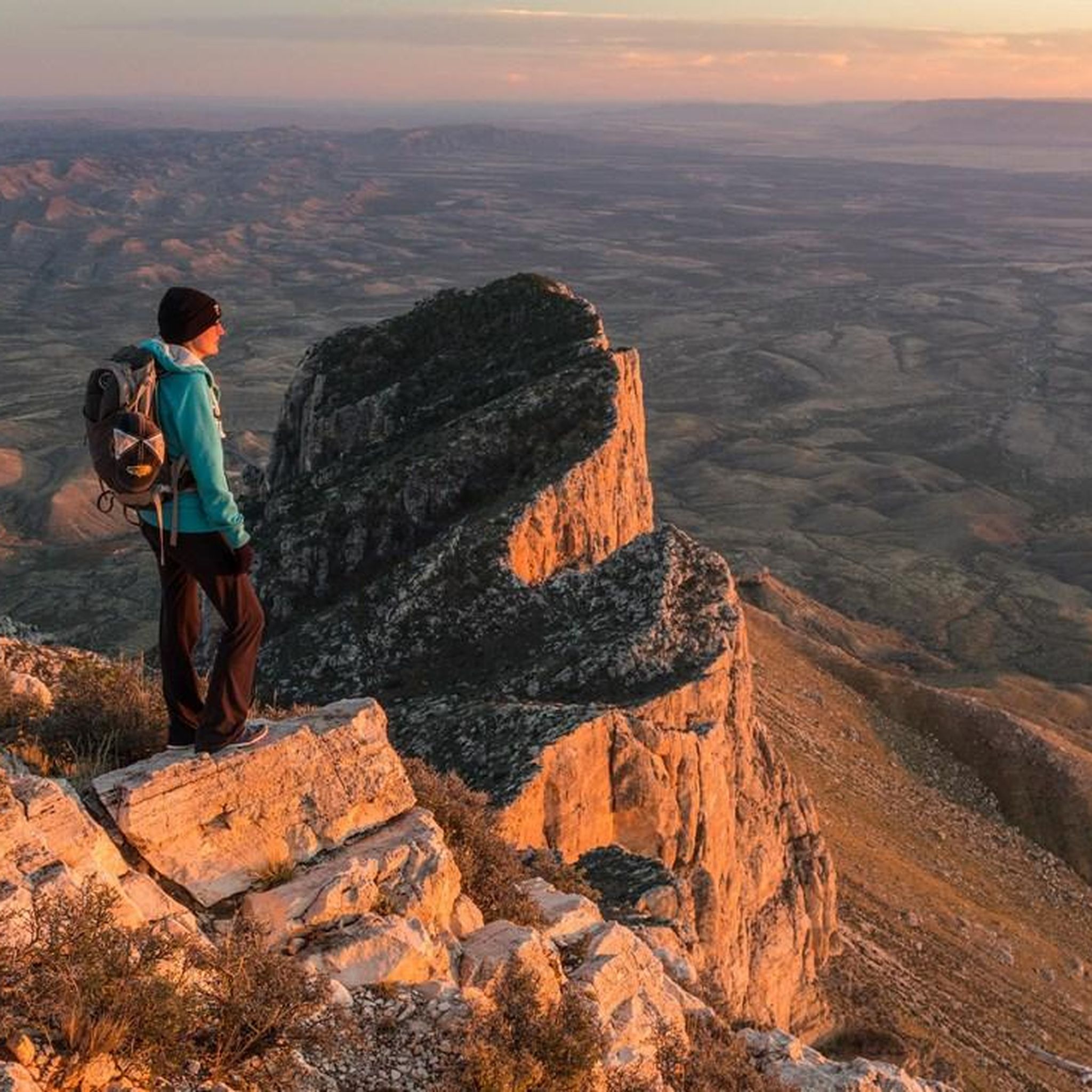
Also known as the "Top of Texas," Guadalupe Peak stands at 8,751 feet and is the highest point in the state of Texas. The summit hosts not only spectacular, panoramic views of the surrounding mountains, including the sheer cliffs of El Capitan, and the expansive desert, but it also has a monument marking its status as Texas's highest peak. This is a great place to eat a snack, snap some photographs, and relax after the strenuous hike.
1
0
Smith Spring is an oasis in the desert. Surrounded by plants, the heavily vegetated Smith Spring stands in stark contrast to the surrounding dry, rocky desert. This is a fantastic spot in the foothills of the mountains to relax in the shade, take some photographs, and be on the lookout for the many animals that rely on this important source of water in the desert.
1
0

Nice gorge, also suitable as a photo motif.
0
0
From here it continues in the creek bed. Often a few stones in the way, good shoes recommended.
0
0

This is an important milestone going both directions. When returning to the trailhead it's easier to get off the trail and follow what looks like a path someone else incorrectly made.
0
0
A challenging hike up the old watershed involving some scrambling. The hikers stairs are easier to go up than down. But the end is worth the hike. The Devil's Hall is a canyon that acts as a wind tunnel so will help cool you off at the end. Bring a snack to recharge for the hike back and bring plenty of water for the return.
1
0
Frequently Asked Questions
What unique natural features can I explore in Guadalupe Mountains Wilderness?
The region is renowned for its diverse natural features. You can explore the dramatic canyon of Devil's Hall, known for its unique rock formations and a cooler microclimate. Discover Smith Spring, a lush oasis in the desert that supports diverse plant and animal life. The area also preserves the world's most extensive exposed Permian Fossil Reef, showcasing ancient marine life. Other notable features include the striking gypsum Salt Basin Dunes and the prominent 1,000-foot limestone bluff of El Capitan.
Are there any historical sites to visit in the Guadalupe Mountains Wilderness?
Yes, the wilderness offers several historical sites. You can visit Pratt Cabin, a historic stone structure built by geologist Wallace Pratt in McKittrick Canyon. The Frijole Ranch History Museum, listed on the National Register of Historic Sites, provides insights into the area's ranching past. Additionally, explore the Pinery Station Ruins, a significant mid-1800s Butterfield Overland Mail stagecoach station.
What kind of hiking opportunities are available in Guadalupe Mountains Wilderness?
Guadalupe Mountains Wilderness offers a wide range of hiking opportunities, from challenging summit ascents to moderate canyon explorations and easy loops. For a challenging experience, consider the hike to Guadalupe Peak, the highest point in Texas. Moderate trails include the Devil's Hall Trail, which involves some scrambling. For easier options, you can find routes like the Smith & Manzanita Springs loop. You can explore more options on the Hiking in Guadalupe Mountains Wilderness guide.
Where can I find the best panoramic views in the region?
For unparalleled panoramic views, the summit of Guadalupe Peak is the prime location. From 8,751 feet, you can see the surrounding mountains, including the sheer cliffs of El Capitan, and the expansive desert landscape. It's an ideal spot for photography and relaxation after the strenuous climb.
Are there any easy hiking trails suitable for beginners or families?
Yes, there are several easy hiking trails. The Smith & Manzanita Springs loop offers a pleasant walk through a vegetated environment supported by desert springs. Another easy option is the Pine Springs Visitor Center – Ruins of Pinery Station loop. You can find more easy routes in the Easy hikes in Guadalupe Mountains Wilderness guide.
What is McKittrick Canyon known for?
McKittrick Canyon is celebrated for its stunning fall foliage, diverse plant life, and a year-round spring-fed stream that creates a lush riparian woodland, contrasting sharply with the surrounding desert. It's also home to the Permian Reef Trail, offering insights into the ancient marine life that formed the reef, and features historic sites like Pratt Cabin.
What is the best time of year to visit Guadalupe Mountains Wilderness?
The best time to visit and hike in Guadalupe Mountains Wilderness is generally from mid-fall to early spring. During these months, the weather is cooler and more favorable for outdoor activities, especially for challenging hikes like the ascent to Guadalupe Peak.
What can I expect to see at Smith Spring?
Smith Spring is a remarkable oasis in the desert, characterized by its heavily vegetated surroundings that stand in stark contrast to the dry, rocky landscape. It's a fantastic spot to relax in the shade, take photographs, and observe the many animals that rely on this crucial water source in the desert environment.
What is the significance of the Permian Fossil Reef in the Guadalupe Mountains?
The Guadalupe Mountains preserve the world's most extensive exposed Permian Fossil Reef. This ancient reef, formed 260 million years ago, offers a unique window into an underwater world that existed long ago, showcasing remnants of marine life and providing valuable geological insights.
Are there any specific challenges or tips for hiking the Devil's Hall Trail?
The Devil's Hall Trail is considered an intermediate hike that involves some scrambling, particularly up the old watershed. Good shoes are recommended due to the rocky creek bed. The canyon acts as a wind tunnel, offering a cooler experience at its end, which is a great spot to recharge with a snack before the return journey. Remember to bring plenty of water.
What is the Pine Springs Visitor Center?
The Pine Springs Visitor Center serves as the main hub for Guadalupe Mountains National Park. It provides essential information for visitors, features a museum, and acts as the trailhead for several popular hikes, including the challenging ascent to Guadalupe Peak.
Can I learn about the local ranching history?
Yes, you can delve into the local ranching history at the Frijole Ranch History Museum. This restored ranch offers insights into the area's past as a working ranch and served as a community center and post office, providing a glimpse into the lives of early settlers.
Most popular routes in Guadalupe Mountains Wilderness
Most popular attractions in Guadalupe Mountains Wilderness

Get inspired with the komoot mobile app


Explore more
Still not found the Highlight you’re looking for? See guides of the top attractions in other regions:
