Sequoia-Kings Canyon Wilderness
Sequoia-Kings Canyon Wilderness
Top 16 Mountain Passes in Sequoia-Kings Canyon Wilderness
Best mountain passes in Sequoia-Kings Canyon Wilderness are found within California's Sierra Nevada, offering high-altitude routes often traversed by sections of the John Muir Trail (JMT) and Pacific Crest Trail (PCT). This rugged expanse features panoramic views, pristine alpine lakes, and a true wilderness experience. The region is characterized by challenging ascents and descents, connecting various basins and river drainages.
Best mountain passes in Sequoia-Kings Canyon Wilderness
- The most popular mountain passes is Kearsage Pass, a mountain pass that is a popular resupply detour for long-distance hikers and offers a sweeping vista into Kings Canyon National Park. It is also a fantastic short day hike, passing 5 mountain lakes along the way.
- Another must-see spot is Pinchot Pass ⛰ PCT/John Muir Trail, a mountain pass and viewpoint. Visitors can expect a steep climb with many switchbacks, rewarding them with views both south down the Woods Creek valley and north towards Lake Marjorie and the Palisades lakes.
- Visitors also love Mather Pass Summit PCT/JMT, a challenging mountain pass. This pass offers views of the Palisade Crest and surrounding lakes after a steep climb culminating in countless switchbacks.
- Sequoia-Kings Canyon Wilderness is known for challenging mountain passes, scenic viewpoints, and trails. The region offers a variety of mountain passes to see and explore, many of which are part of the JMT and PCT.
- The mountain passes in Sequoia-Kings Canyon Wilderness are appreciated by the komoot community, with 14 highlights and 16 photos contributed by visitors.
Last updated: October 13, 2026
Glen Pass
Highlight • Mountain Pass
Tip by

Kearsage Pass
Highlight • Mountain Pass
Tip by

Sign up now to discover places like this
Get recommendations on the best single tracks, peaks, & plenty of other exciting outdoor places.
Mather Pass Summit PCT/JMT
Highlight • Mountain Pass
Tip by
Pinchot Pass ⛰ PCT/John Muir Trail
Highlight • Mountain Pass
Tip by
Forester Pass
Highlight • Mountain Pass
Tip by
Sign up for free to discover even more mountain passes in Sequoia-Kings Canyon Wilderness.
Already have an account?
Start today with a free account
Your next adventure awaits.
Popular around Sequoia-Kings Canyon Wilderness
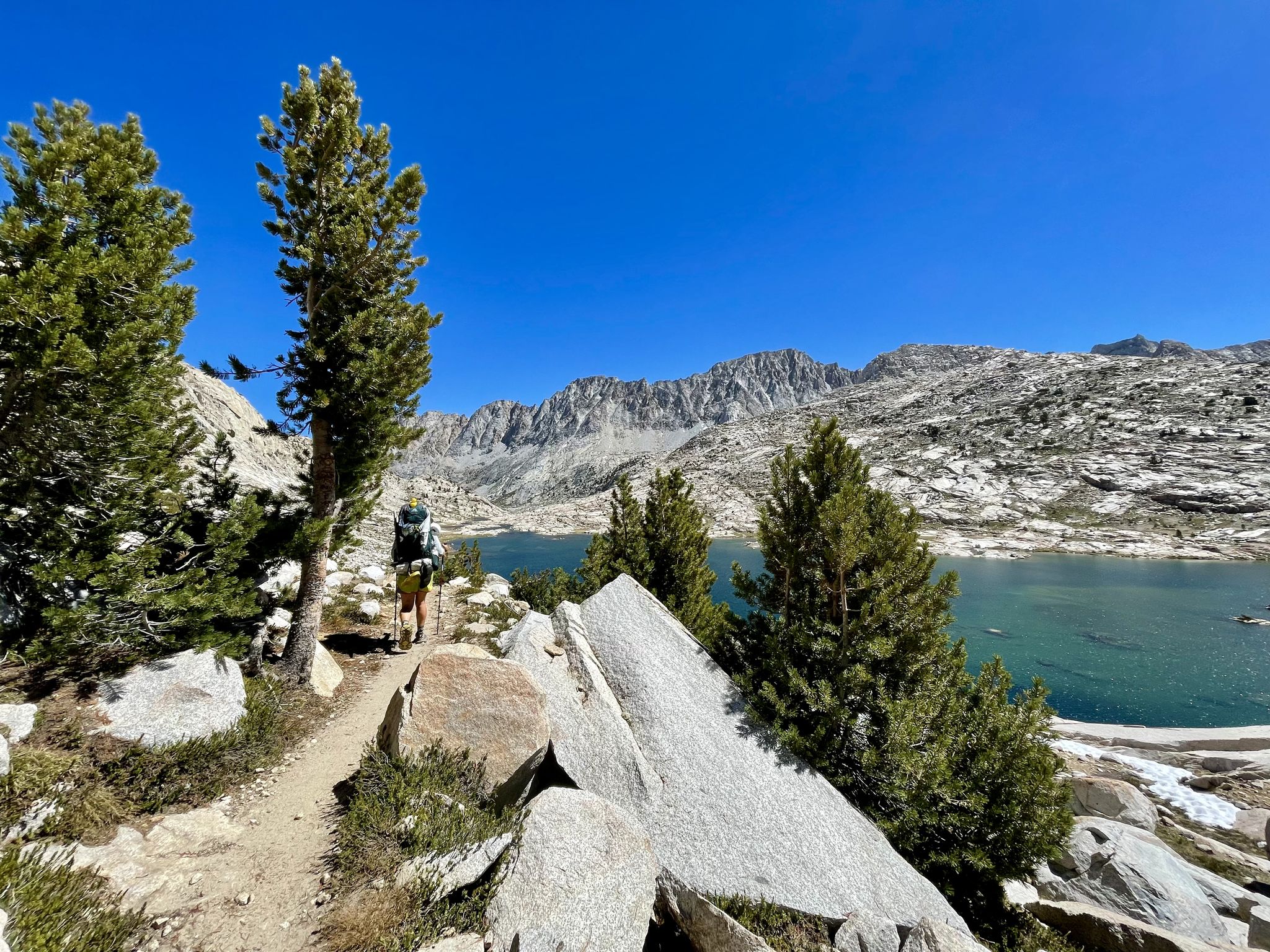
John Muir Trail – Along the legendary trail through the magical Sierra Nevada
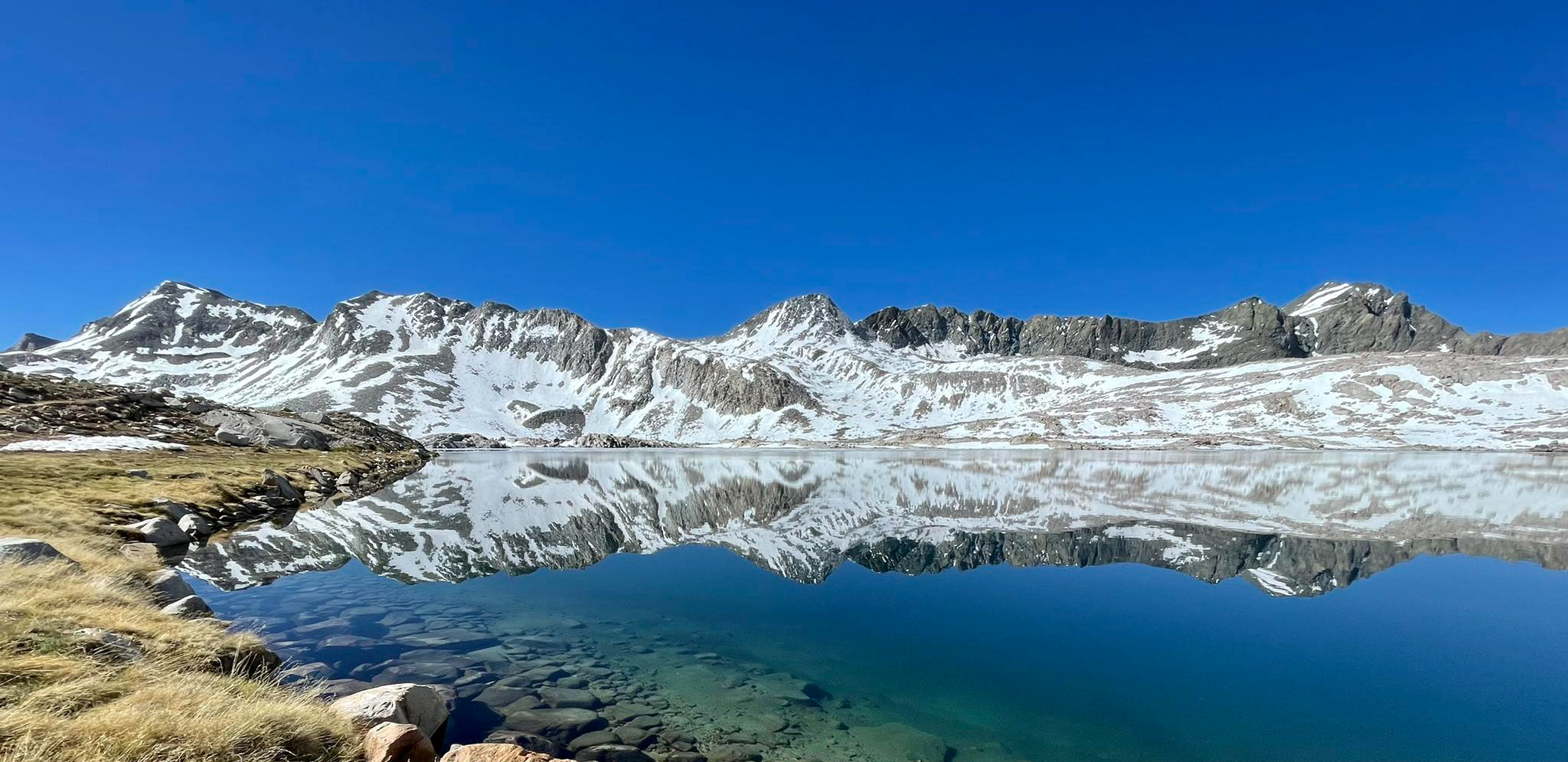
The Sierra High Route — Solitude in California's alpine country

Pacific Crest Trail from Mexico to Canada – 4,200 kilometres of wilderness
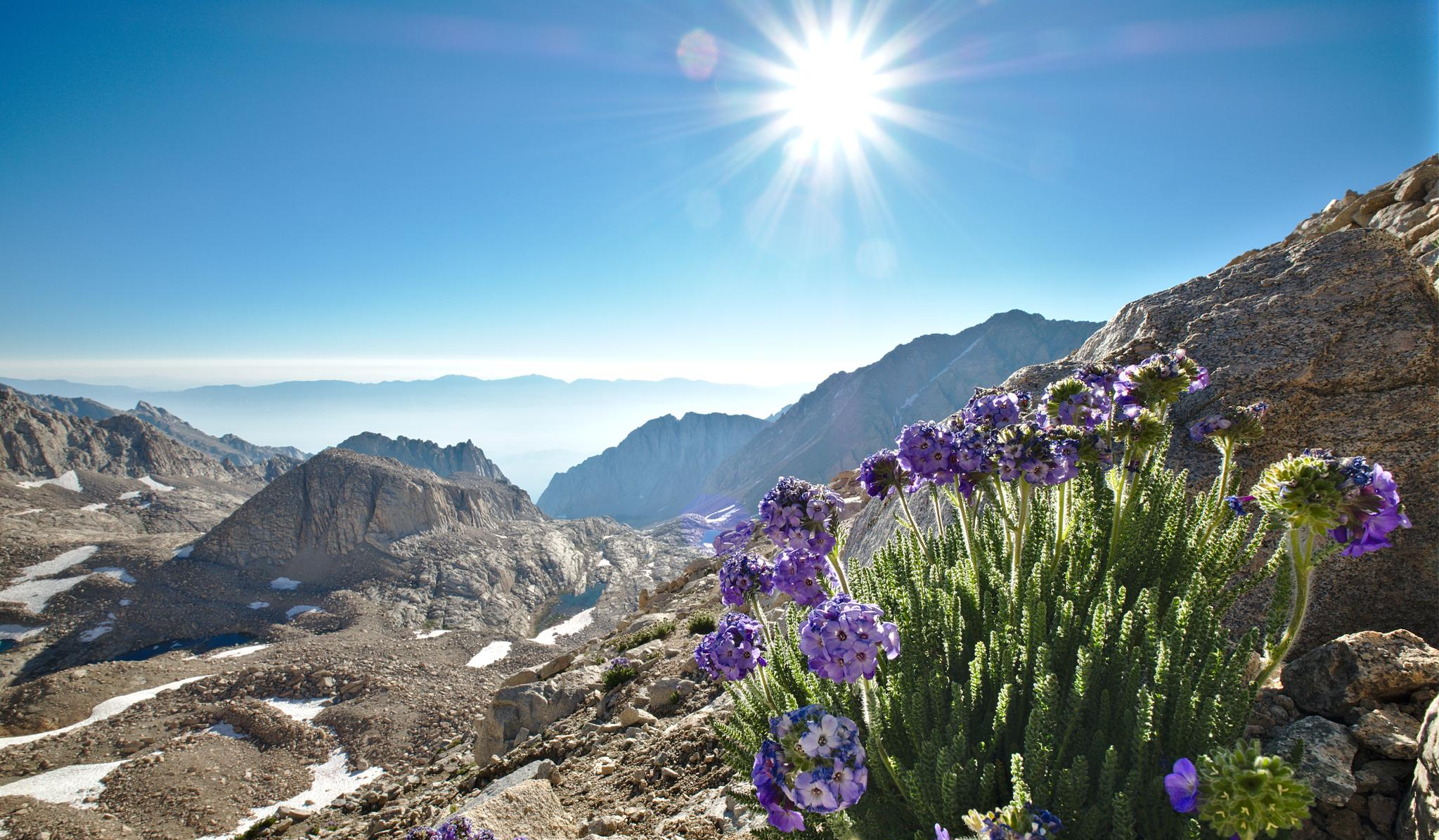
The High Sierra Trail — The Ultimate Sierra Experience
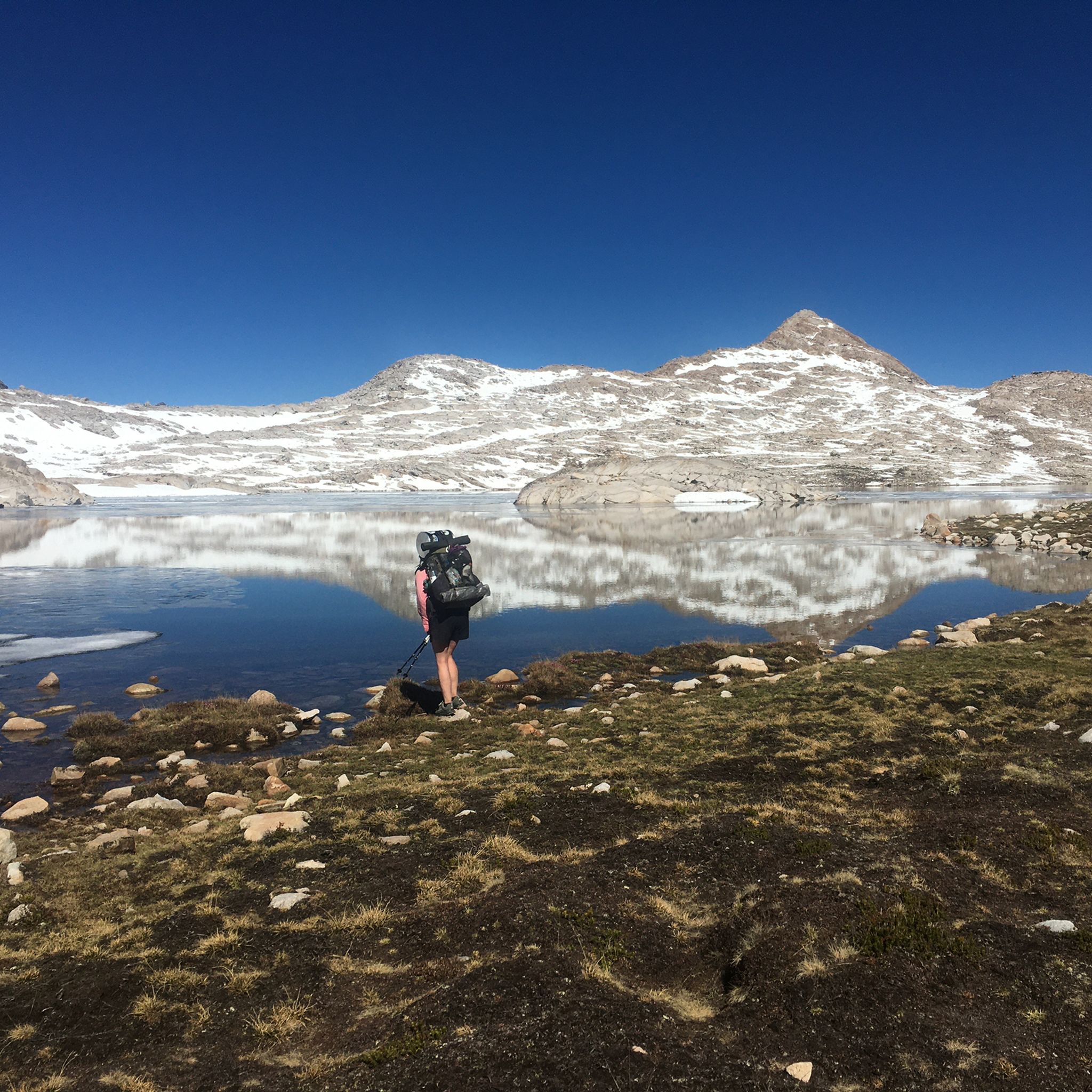
Hiking in Sequoia-Kings Canyon Wilderness
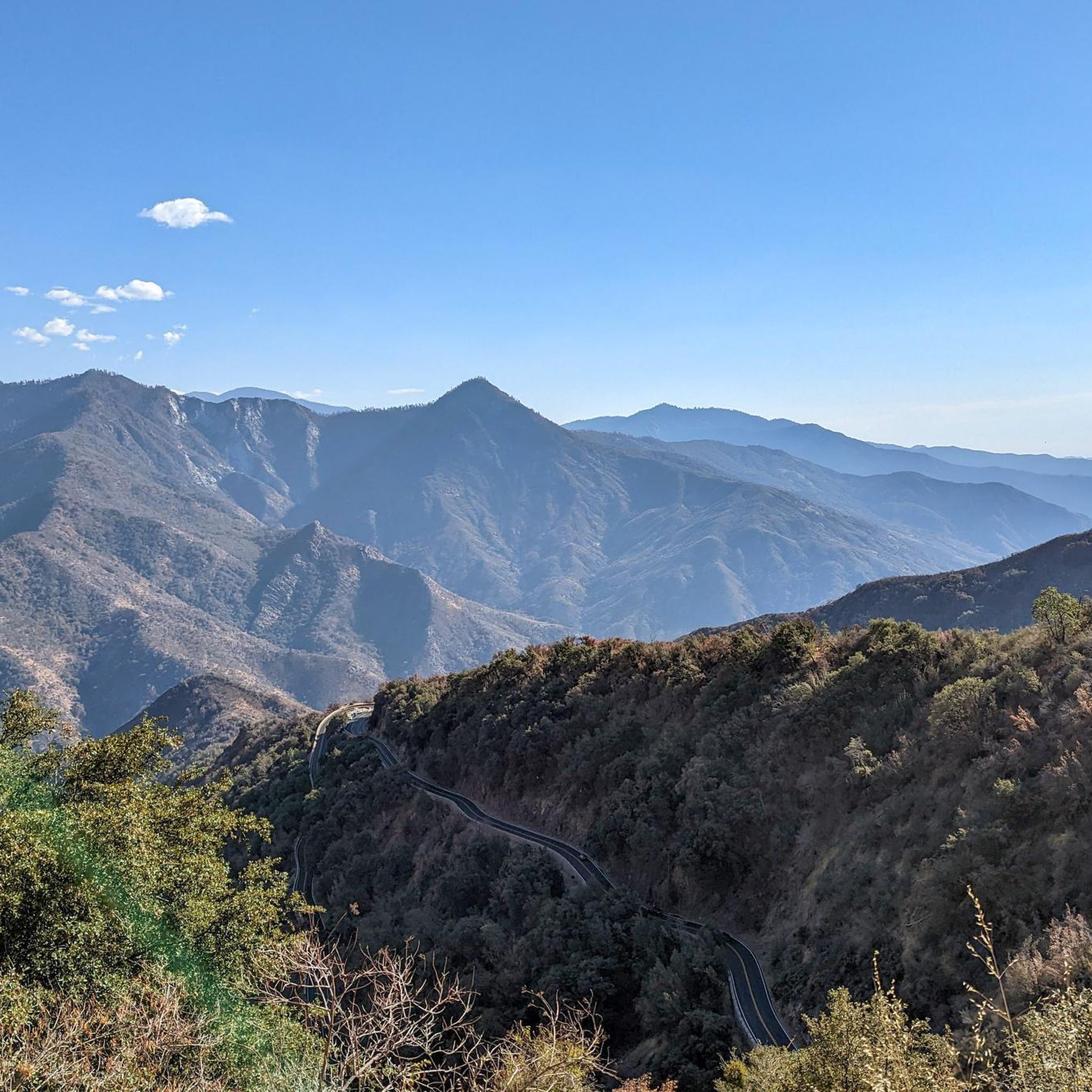
Cycling in Sequoia-Kings Canyon Wilderness
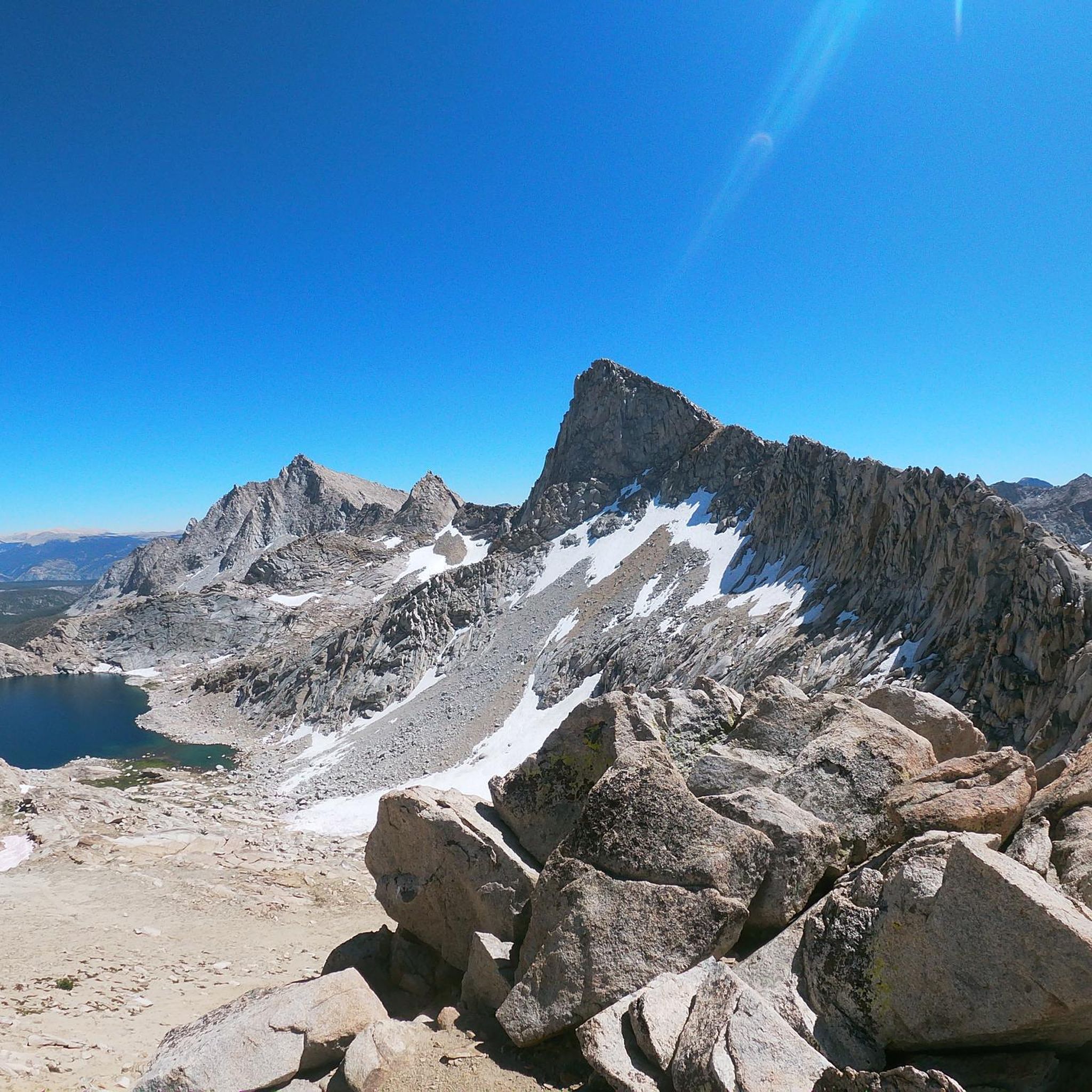
Running Trails in Sequoia-Kings Canyon Wilderness
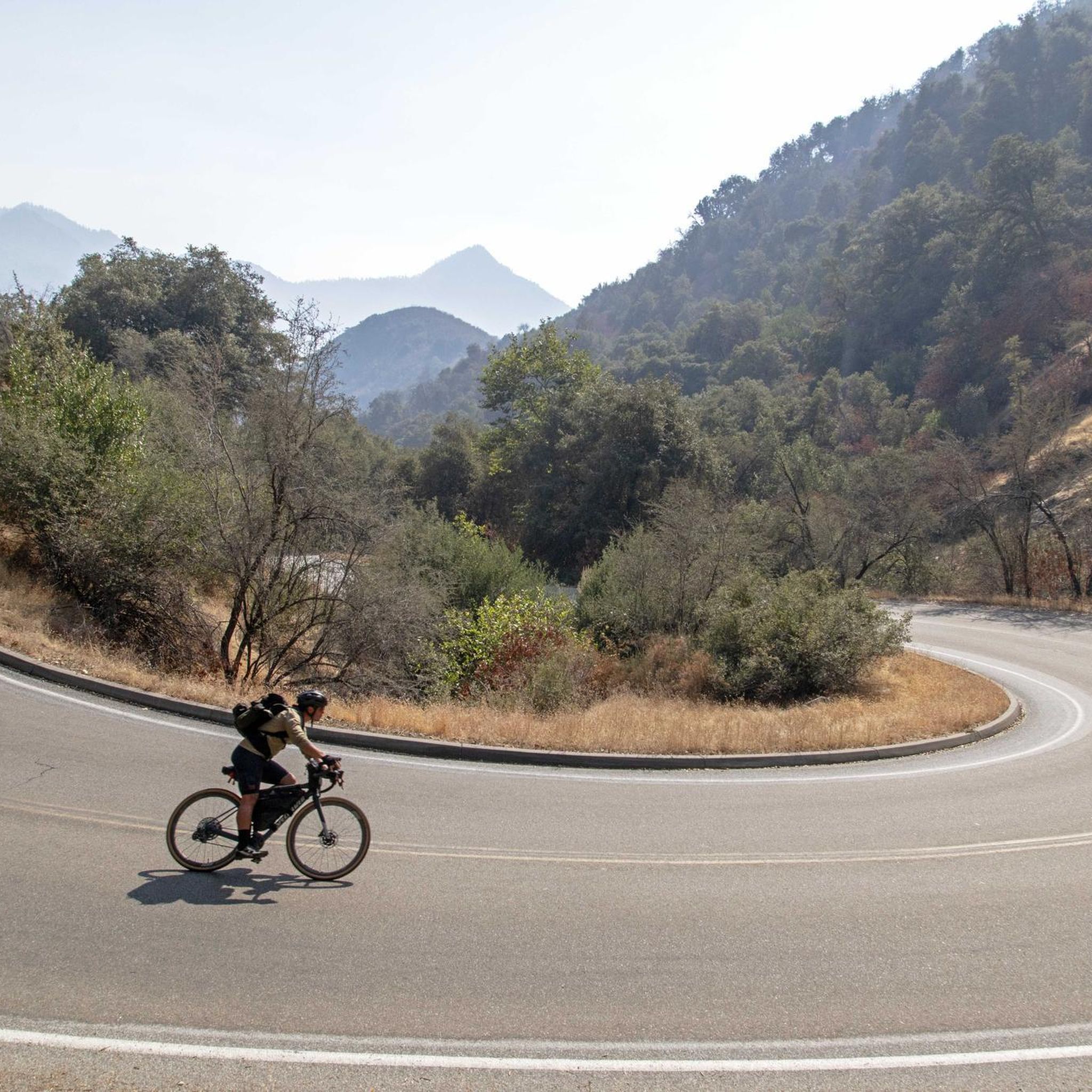
Road Cycling Routes in Sequoia-Kings Canyon Wilderness
Other adventures in Sequoia-Kings Canyon Wilderness


Tips from the Community

Kearsarge Pass is the most popular location to get off the Pacific Crest Trail to get supplies in the nearby town of Lonepine or Bishop. You have to hike down several thousand feet to get to Onion Valley and try to get a ride down to the desert floor. In 2023, the road up to Onion Valley might still be closed due to the record snow year.
2
0
Forester Pass is the highest point along the iconic Pacific Crest Trail and the John Muir Trail. Therefor, you have to work your way up over several switchbacks. The upper part can be dangerous in a high snow year, so bring winter gear such as microspikes and an ice axe.
0
0
Forester Pass is one of the major passes in the Sierra Nevada. Besides its stunning views from the top, it is a special mile stone for hikers along the Pacific Crest Trail, since it is the (official) highest point of the trail that stretches from Mexico to Canada. The ascent and descent are likely to have snow fields. Best time to cross the pass is in the early morning, when the snow is still frozen, so your microspikes will have a good grip. The snow will be too slushy in the afternoon. If you like to take a break, there is a really nice lake just below Forester Pass.
3
0

Northbound: Slow climb but stunning views. The orange mountains on the other side and the view over the lake area are worth every effort!
0
0
Northbound: Even if the ascent takes what feels like an eternity, the view over the pass is breathtaking! Short, crisp switchbacks just before the highest point of the pass. Beware of snowpack and loose rocks.
0
0

Highest point on the Rae Lakes Loop, a four to five day hiking tour in Sequoia National Park. Exhausting but worth every drop of sweat! The view of the three Rae Lakes is just incredibly beautiful.
0
0
You have to conquer this pass if you want your resupply in the city. But don't worry, it's less strenuous the second time! :D
0
1
"Forester Pass is a mountain pass in the Sierra Nevada. Forester Pass lies on the Kings Kern Divide and on the border between Sequoia National Park and Kings Canyon National Park and connects the outlets of Bubbs Creek and Kern River. " (Wikipedia, 2022) The highest point of the PCT! The ascent to Mt. Whitney was easier than we thought - but we didn't have any snow either.
0
3
Frequently Asked Questions
What are some of the most popular mountain passes for hiking in Sequoia-Kings Canyon Wilderness?
Many of the mountain passes in Sequoia-Kings Canyon Wilderness are popular due to their inclusion in iconic long-distance trails like the John Muir Trail (JMT) and Pacific Crest Trail (PCT). Kearsarge Pass is a popular choice, known for its accessibility and scenic views into Kings Canyon National Park, passing five beautiful mountain lakes. Glen Pass, also known as Blue Flower Pass, offers unparalleled panoramic vistas, especially over the Rae Lakes Basin, and is a key feature of the popular Rae Lakes Loop.
How challenging are the mountain passes in Sequoia-Kings Canyon Wilderness?
The mountain passes in Sequoia-Kings Canyon Wilderness are generally considered challenging, featuring steep ascents and descents, often with numerous switchbacks. Passes like Mather Pass Summit PCT/JMT and Pinchot Pass ⛰ PCT/John Muir Trail require significant effort but reward hikers with stunning views. Many passes can also involve navigating snowfields, especially in early summer or after heavy snow years, requiring specialized gear like microspikes and ice axes.
What is the best time of year to visit the mountain passes in Sequoia-Kings Canyon Wilderness?
The best time to visit the high mountain passes in Sequoia-Kings Canyon Wilderness is typically from late July through September. During this period, most of the snow has melted, making the trails more accessible and safer. Early summer (June-July) can still see significant snowpack, especially on higher passes, which can make travel difficult and potentially dangerous without proper equipment and experience.
Are permits required to hike the mountain passes in Sequoia-Kings Canyon Wilderness?
Yes, permits are generally required for overnight backpacking trips into the wilderness areas of Sequoia and Kings Canyon National Parks, which include most of the high mountain passes. These permits are often quota-controlled, especially for popular trailheads, and should be reserved well in advance. Day hiking typically does not require a permit, but it's always best to check the official National Park Service website for the most current regulations.
What natural features can I expect to see when hiking these passes?
Hikers traversing the mountain passes in Sequoia-Kings Canyon Wilderness can expect to encounter a diverse range of natural features. These include pristine alpine lakes, rugged granite formations, panoramic views of the Sierra Nevada, and dramatic river drainages. Passes like Pinchot Pass ⛰ PCT/John Muir Trail offer views of colorful mountains and lake areas, while Kearsarge Pass is known for its majestic pine forests, roaring waterfalls, and sparkling alpine lakes.
Which mountain passes are part of the John Muir Trail or Pacific Crest Trail?
Many of the prominent mountain passes in the Sequoia-Kings Canyon Wilderness are integral parts of both the John Muir Trail (JMT) and the Pacific Crest Trail (PCT). These include Forester Pass (the highest point on the PCT), Glen Pass,
Are there any family-friendly mountain passes or easier routes in the Sequoia-Kings Canyon Wilderness?
While many high mountain passes in the Sequoia-Kings Canyon Wilderness are challenging, some sections or approaches might be more accessible for families or those seeking less strenuous hikes. For instance, the trail to Kearsarge Pass from Onion Valley, while still an ascent, is a popular day hike that passes several beautiful alpine lakes and offers rewarding views without requiring a multi-day commitment to cross a major pass.
What outdoor activities can I do near these mountain passes?
Beyond hiking the passes themselves, the Sequoia-Kings Canyon Wilderness offers a variety of outdoor activities. You can explore numerous hiking trails, including waterfall hikes like those found in the Waterfall hikes in Sequoia-Kings Canyon Wilderness guide. For cyclists, there are challenging Road Cycling Routes and general cycling routes available throughout the region.
What do visitors enjoy most about hiking the mountain passes in Sequoia-Kings Canyon Wilderness?
Visitors consistently praise the truly stunning and indescribable panoramic views from the summits of these passes, offering unparalleled perspectives of the surrounding lakes and peaks. The sense of accomplishment after a challenging ascent, especially on iconic trails like the PCT and JMT, is a significant draw. The pristine alpine environment, abundant wildflowers in summer, and the opportunity for wildlife photography also contribute to a profound wilderness experience.
How long should I allocate for hiking these mountain passes?
The time required to hike these mountain passes varies greatly depending on the specific pass, your starting point, and your hiking pace. Many of the passes are part of multi-day backpacking trips, such as the Rae Lakes Loop which can take four to five days and includes Glen Pass. Even for a single pass, you should plan for a full day of strenuous hiking, especially if approaching from a lower elevation. Always factor in extra time for breaks, photography, and potential weather changes.
Are there any facilities or resupply points near the mountain passes?
While the high mountain passes themselves are remote wilderness areas with no facilities, some passes serve as strategic resupply points for long-distance hikers. Kearsarge Pass, for example, is a popular detour for hikers on the John Muir or Pacific Crest Trails to access supplies in nearby towns like Lone Pine or Bishop via Onion Valley. However, you will need to descend several thousand feet to reach these services.
Most popular routes in Sequoia-Kings Canyon Wilderness
Most popular attractions in Sequoia-Kings Canyon Wilderness

Get inspired with the komoot mobile app


Explore more
See even more epic mountain passes by checking out these guides in Sequoia-Kings Canyon Wilderness:
