Attractions and Places To See in Zion Wilderness - Top 14
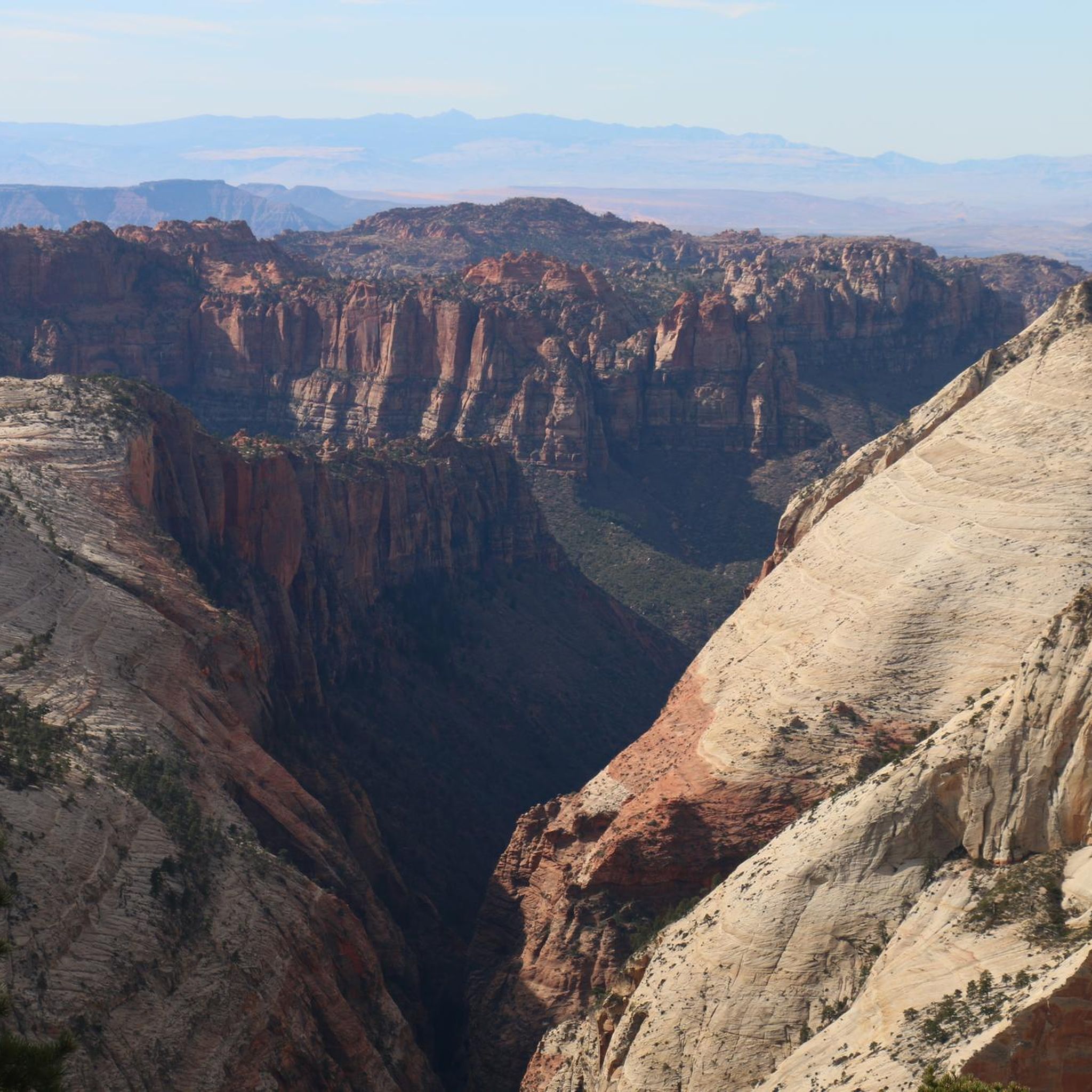
Best attractions and places to see in Zion Wilderness include towering sandstone cliffs, winding canyons, and sites of historical significance within Zion National Park. This region in southwestern Utah is characterized by its pristine natural refuge, offering diverse landscapes shaped by the Virgin River. The wilderness designation ensures the preservation of its unique geological formations and ecological tapestry. It provides opportunities to explore natural features and cultural sites.
Best attractions and places to see in Zion Wilderness
- The most popular…
Last updated: October 10, 2026
West Rim Trail
Highlight (Segment) • Trail
Tip by

Zion Canyon – Virgin River Walk
Highlight (Segment) • Trail
Translated by Google •
Tip by

Sign up now to discover places like this
Get recommendations on the best single tracks, peaks, & plenty of other exciting outdoor places.
Kayenta Trail
Highlight • Trail
Translated by Google •
Tip by
Canyon Overlook Trail
Highlight (Segment) • Trail
Translated by Google •
Tip by
Swamp in Zion National Park
Highlight • Natural
Tip by

Sign up for free to discover even more attractions in Zion Wilderness.
Already have an account?
Start today with a free account
Your next adventure awaits.


Tips from the Community

The site is very good, but get there early. Early is before 8, otherwise, you might struggle with parking. The view is open and with the sunrise, the light drop on the canyon and the mountains make it a good view point.
0
0

The Virgin River flows through the park, creating a unique riparian ecosystem filled with marshes, natural pools and even swamps! Plus, hundreds of seeps and springs feed into our river and creeks, supporting all kinds of unique wildlife and vegetation. The information board reads: "A swamp in the desert? Strange but true. You can see the water source that is feeding the swamp on the wet cliff face above. The underlying rock in this area cannot absorb all of the water runoff. Consequently the thin layer of soil covering the rock remains continually saturated. The unique assemblage of plants you see here has adapted to this special environment. Help protect this wetland by staying on the trail."
1
0


A very crowded path. Since it's a relatively easy route, it's very busy.
0
0

With the current temperatures of around 40°C, you should definitely start early. Firstly, to avoid the crowds at the Bus Stop Village Center (we were already standing in line for 45 minutes at 8:30 a.m.). Secondly, to avoid the heat. The rocks sometimes heat up and it becomes unbearable. Don't forget to bring plenty of drinking water. Berger, we were just looking forward to cooling off in the Virgin River, which was a real treat.
1
0

Nice view of the valley. The permit is only required for the turnoff to Angles Landing, which should not be used by inexperienced people. The West Rim Trail also has a beautiful view, so you don't have to put yourself in danger.
1
0
Path towards Emerald Pools. The part of the path towards Zions National Park Lodge may be closed in winter, so you have to return the same way you came. There is no shuttle service in winter. On weekends, the valley may be closed to car traffic from the lodge.
0
0

The West Rim Trail to the Scout Lookout is kind of boring for ambitious hikers. It‘s a paved path. Though, don‘t underestimate the trail. It has still much elevation. The view during the hike and from the Overlook is not bad though. But the best view you will have, when you hike the Angels Landing Trail up to the top. But pay attention, it‘s a strenuous hike along a steep narrow ridge, and you need to have a hiking permit to hike the Angels Landing Trail.
1
0
Frequently Asked Questions
What are some of the most iconic natural features to explore in Zion Wilderness?
Zion Wilderness is renowned for its dramatic natural features. You can experience The Narrows Entrance, an iconic slot canyon where hiking involves wading through the Virgin River. Another must-see is the Canyon Overlook Trail, which offers stunning views of Pine Creek Canyon and the greater Zion Canyon. Other notable features include Angels Landing, Observation Point, and the unique Checkerboard Mesa.
Are there challenging hiking trails for experienced adventurers in Zion Wilderness?
Yes, Zion Wilderness offers several challenging trails. The West Rim Trail is a challenging option that can be hiked top-down from Lava Point, offering opportunities for backcountry camping with a permit. Angels Landing is another exhilarating hike known for its steep switchbacks and narrow ledges, requiring a timed entry permit for its final section. The Narrows also offers challenging sections, especially for those venturing further upstream.
What are some family-friendly activities or trails in Zion Wilderness?
For families, the Canyon Overlook Trail is a short and rewarding hike with expansive views. The Kayenta Trail is also considered family-friendly, leading to viewpoints and waterfalls. The Emerald Pools trails offer a series of accessible paths to beautiful desert oases. The Pa'rus Trail is another easy, paved option suitable for all ages.
Are there any wheelchair-accessible viewpoints or trails in Zion Wilderness?
Yes, the Zion Canyon – Virgin River Walk is a wheelchair-accessible trail that follows the Virgin River, offering beautiful views of the canyon. The Pa'rus Trail is also paved and accessible, providing scenic river views.
What is the best time of year to visit Zion Wilderness?
Spring (April to May) and Fall (September to October) are generally considered the best times to visit Zion Wilderness. Temperatures are milder, and the crowds are typically less intense than in summer. Summer (June to August) brings hot temperatures and larger crowds, while winter (November to March) can offer solitude and unique snowy landscapes, though some trails or roads may be closed.
What kind of permits are required for certain activities or trails in Zion Wilderness?
Permits are required for several activities in Zion Wilderness. For instance, a timed entry permit is necessary for the final 'chains' section of Angels Landing. Overnight trips in The Narrows Entrance or backcountry camping on trails like the West Rim Trail also require permits. Technical canyoneering routes like The Subway also demand permits.
Are there less crowded alternatives to the most popular trails in Zion Wilderness?
If you're looking for fewer crowds, consider visiting the Kolob Canyons section in the northwest corner of Zion National Park. It offers dramatic desert landscapes and less crowded hiking trails, including the path to Kolob Arch. Exploring trails during the off-season or very early in the morning can also help avoid peak visitor times.
What historical or cultural sites can be found in Zion Wilderness?
The Zion Human History Museum provides insights into the Ancestral Puebloans, Fremont cultures, and early European settlers who inhabited the area. The park also contains various archeological sites with rock art and cliff dwellings, offering glimpses into ancient indigenous life. The Zion-Mount Carmel Highway and Tunnel itself is an engineering marvel with historical significance.
What outdoor activities can I do near the attractions in Zion Wilderness?
Beyond exploring the main attractions, Zion Wilderness offers extensive opportunities for outdoor activities. You can find numerous hiking trails, from easy walks to strenuous climbs. For detailed hiking options, explore the Hiking in Zion Wilderness guide. There are also mountain biking trails, such as those listed in the MTB Trails in Zion Wilderness guide, and opportunities for rock climbing and canyoneering.
Where can I find easy hiking trails suitable for beginners in Zion Wilderness?
Beginners can enjoy several easy hikes. The Canyon Overlook Trail is a short and rewarding option. The Pa'rus Trail is another easy, paved path. For more options, consult the Easy hikes in Zion Wilderness guide, which includes trails like Watchman Trail and the Emerald Pools and Kayenta Trail Loop.
Is Zion Wilderness a good place for stargazing?
Yes, Zion is designated an International Dark Sky Park, making it an excellent location for stargazing. Prime spots to view the stars, the Milky Way, and the night sky include the Pa'rus Trail, the Checkerboard Mesa pull-off, and Lava Point Overlook.
What is the significance of the Virgin River in Zion Wilderness?
The Virgin River is the lifeblood of Zion Wilderness, responsible for carving the park's iconic canyons, including The Narrows Entrance. Its powerful flow has shaped the dramatic sandstone formations over millennia, creating the unique landscapes seen today. The river also supports diverse habitats and provides opportunities for exploration.
Most popular routes in Zion Wilderness
Most popular attractions in Zion Wilderness

Get inspired with the komoot mobile app


Explore more
Still not found the Highlight you’re looking for? See guides of the top attractions in other regions:
