The best walks and hikes in Comanche Peak Wilderness
4.5
(72)
2,019
hikers
81
hikes
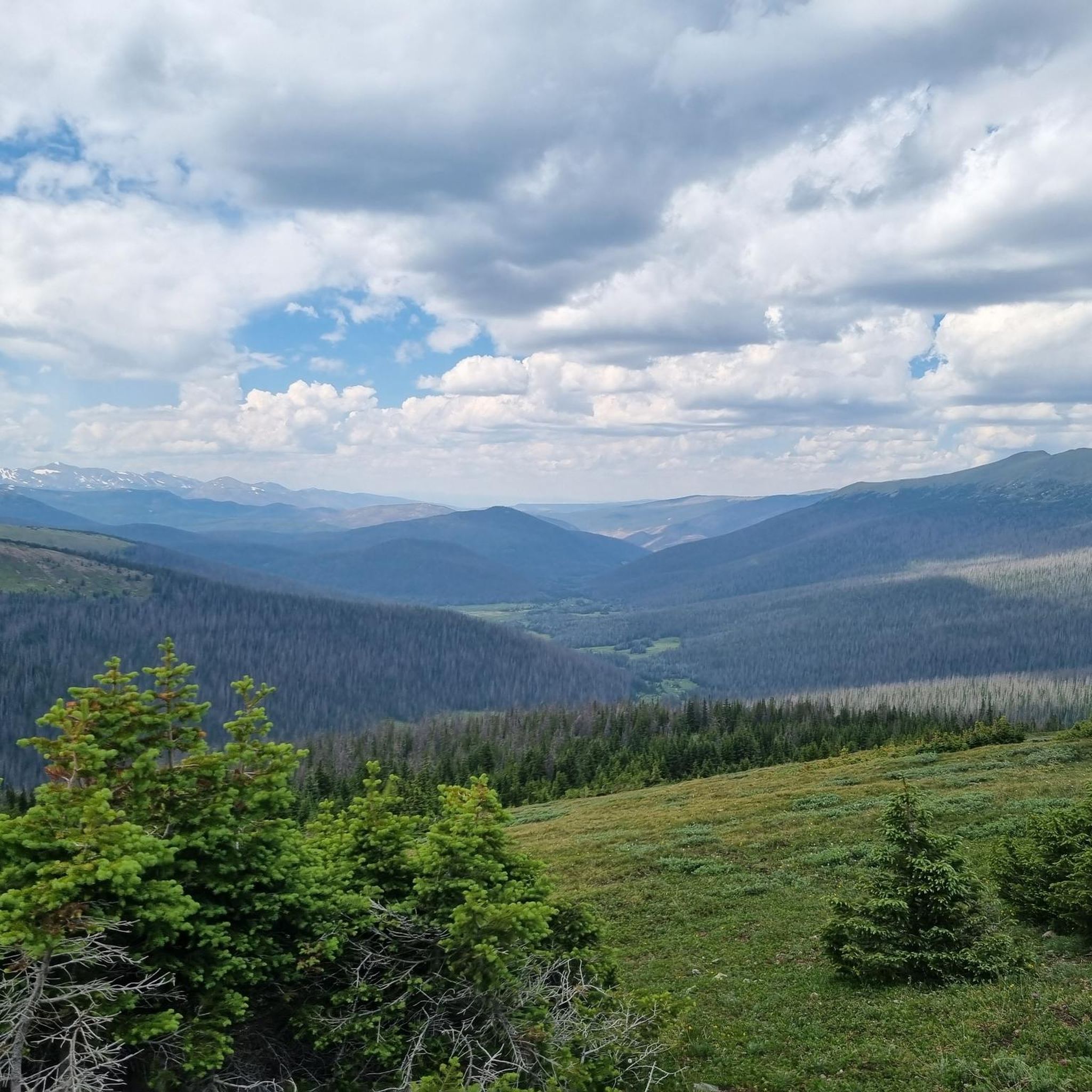
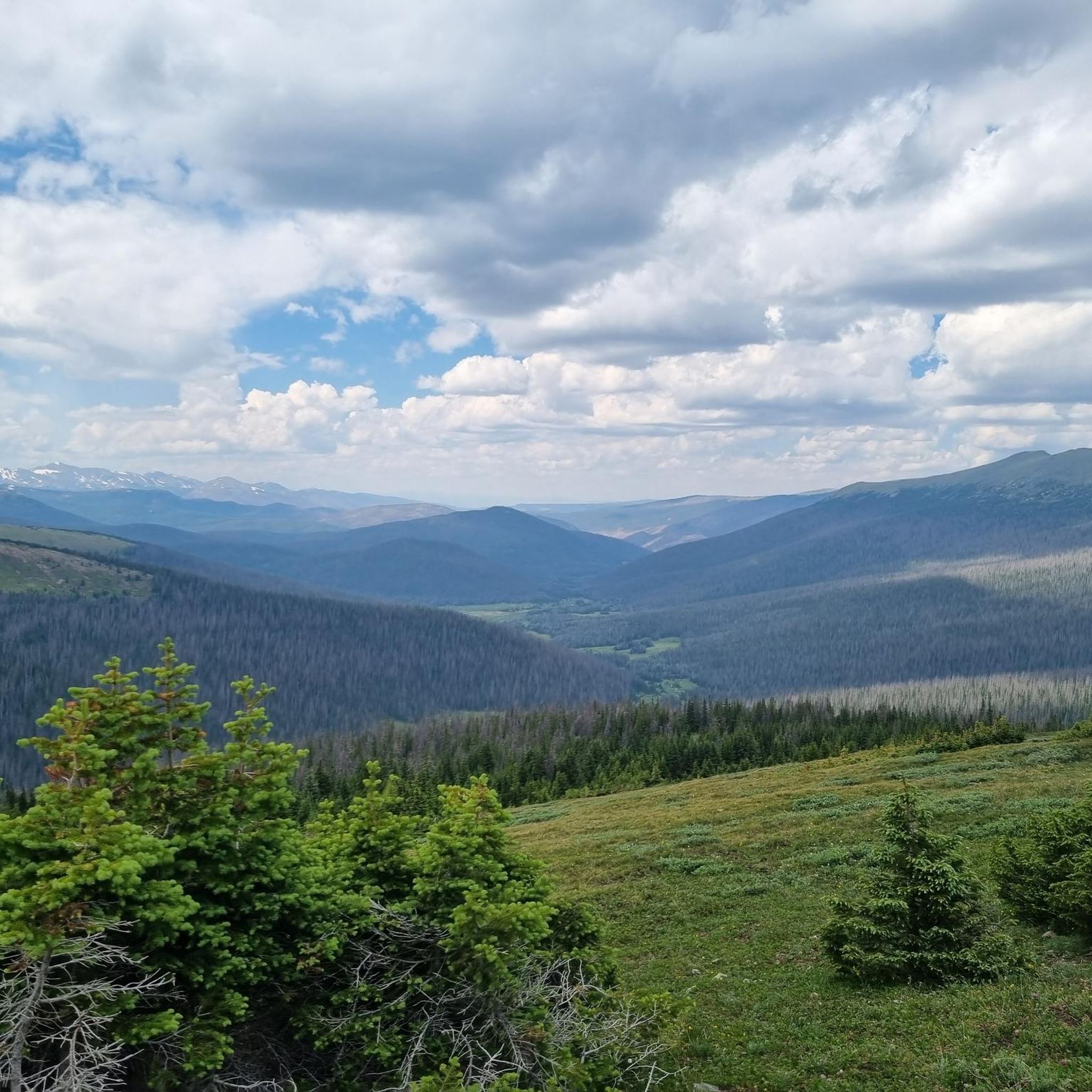
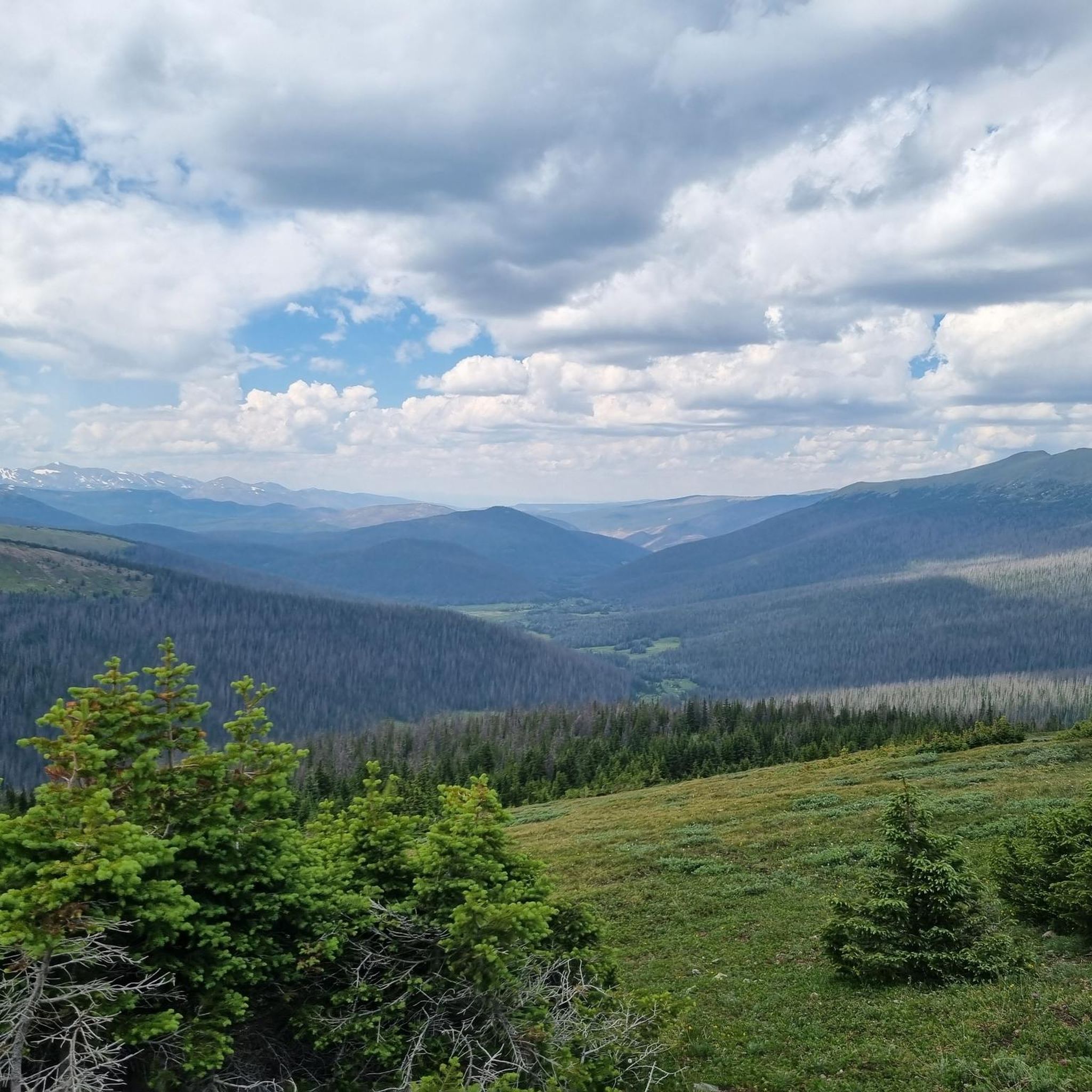
Hiking in Comanche Peak Wilderness offers a rugged and diverse landscape within Colorado's Arapaho and Roosevelt National Forests. The region is characterized by significant elevation changes, ranging from 8,000 to over 12,700 feet, featuring prominent peaks and the Mummy Range. Hikers will find extensive forests of lodgepole pine, ponderosa pine, and spruce-fir, transitioning to alpine tundra at higher altitudes. Numerous alpine lakes and streams, such as Emmaline Lake and Kettle Tarn Lake, are also present throughout the wilderness.
Best hiking trails in Comanche Peak Wilderness
- The most popular hiking route is Bridal Veil Falls via Cow Creek Trail — Rocky Mountain National Park, a 6.2 miles (10.0 km) trail that takes 2 hours 57 minutes to complete, leading to a notable waterfall.
- Another top favourite among local hikers is North Fork Trail to Kettle Tarn Lake — Dunraven Glade Road — Roosevelt National Forest, a moderate 9.1 miles (14.6 km) path that traverses forested areas to a scenic alpine lake.
- Local hikers also love the Big South Trail, a 13.5 miles (21.7 km) trail leading through varied forest and river landscapes, often completed in about 5 hours 55 minutes.
- Hiking in Comanche Peak Wilderness is defined by high-altitude peaks, pristine alpine lakes, and dense forests. The network offers options for different ability levels, from moderate paths to challenging climbs with significant elevation gain.
- The routes in Comanche Peak Wilderness are highly rated by the komoot community with an average score of 4.4 stars from over 50 reviews. More than 1,700 hikers have used komoot to explore Comanche Peak Wilderness's varied terrain.
Last updated: October 15, 2026
4
hikers
8.21km
02:33
490m
40m
Hike the moderate 5.1-mile North Fork Trail in Roosevelt National Forest, featuring river valleys, wildflowers, and mountain views.
2
hikers
3.84km
01:22
250m
160m
Embark on an easy hiking adventure along the West Creek Falls Trail, a 2.4 miles (3.8 km) route that winds through mixed forests of pines and aspens. You will gain 832 feet (254 metres) in elevation, with the entire journey taking approximately 1 hour and 22 minutes. As you follow the babbling West Creek, you will pass granite outcroppings and catch glimpses of the mountainous landscape, including distant views of Mt. Meeker and Longs Peak from exposed ridges. The highlight is the two-tiered West Creek Falls, where water dramatically descends a narrow rocky gorge.
To access this trail, you will need a Rocky Mountain National Park pass. It is important to exercise caution around West Creek Falls, as the rocks can be very slippery. Please note that dogs are not permitted on the sections of the trail located within Rocky Mountain National Park. Plan your visit accordingly to ensure a smooth experience.
This trail offers a wonderful opportunity to experience the natural beauty of Rocky Mountain National Park. In late spring and early summer, keep an eye out for vibrant wildflowers, such as the Colorado Columbine, blooming in the valley meadows. The route provides a serene escape into nature, showcasing the park's diverse flora and impressive geological features.

6.19km
01:53
320m
40m
Hike the moderate 3.8-mile Gem Lake and Balanced Rock Trail in Rocky Mountain National Park, featuring scenic views and unique rock formatio
5.0
(3)
41
hikers
9.97km
02:57
300m
300m
Hike the moderate 6.2-mile Bridal Veil Falls via Cow Creek Trail in Rocky Mountain National Park to a 20-foot waterfall.
18
hikers
14.6km
04:26
510m
510m
Hike the North Fork Trail to Kettle Tarn, a 9.1 miles (14.6 km) moderate route with 1687 feet (514 metres) of elevation gain in Roosevelt Na
Get access to more routes and recommendations from other explorers.
Already have an account?
Our route recommendations are based on thousands of hikes, rides, and runs completed by other people on komoot.
Start today with a free account
Your next adventure awaits.

Tips from the Community

This unique rock formation is a slight detour from the loop trail around Gem Lake, but also sits along a beautiful and less visited trail, so it is worth a visit as a destination for a day hike.
0
0
This beautiful, 20-foot waterfall is a welcome sight after a short climb. It's a great destination to hike to in the spring after snow melt if you want to see the falls in full force.
0
0
This serene trail leads you towards Bridal Veil Falls and runs parallel to Cow Creek. Parking is limited at the trailhead, so it is best to get there early if possible.
0
0

Kettle Tarn is a small lake right at the far northeastern edge of Rocky Mountain National Park. There are also several named backcountry campsites near the lake and along the trail that are popular with backpackers exploring this more remote region of the park.
0
0
The North Fork Trail starts just off Dunraven Glade Road. There is a gravel parking lot with room for about 25 cars and a vault toilet. The North Fork Trail follows the North Fork of the Big Thompson River and crosses through the Comanche Peak Wilderness and into Rocky Mountain National Park.
0
0
Frequently Asked Questions
What kind of terrain can I expect when hiking in Comanche Peak Wilderness?
Comanche Peak Wilderness features a rugged and diverse landscape with significant elevation changes, ranging from 8,000 to over 12,700 feet. You'll encounter dense forests of lodgepole pine, ponderosa pine, and spruce-fir at lower elevations, transitioning to expansive alpine tundra as you gain altitude. The area is also characterized by prominent peaks, the Mummy Range, and numerous pristine alpine lakes and streams.
Are there any family-friendly hiking options in Comanche Peak Wilderness?
Yes, Comanche Peak Wilderness offers trails suitable for various abilities. While specific 'family-friendly' routes aren't explicitly detailed, the region has 19 easy routes out of 56 total tours, which are generally more accessible. These easier paths often traverse forested areas and lead to scenic spots without extreme elevation gain, making them suitable for families.
Can I bring my dog on the trails in Comanche Peak Wilderness?
Comanche Peak Wilderness is part of the Arapaho and Roosevelt National Forests, and generally, dogs are permitted on trails within National Forests, provided they are kept on a leash and owners practice Leave No Trace principles. Always check specific trail regulations before heading out, as rules can vary.
What are some notable natural features or viewpoints to look for during a hike?
The wilderness is rich with natural beauty. You can find numerous pristine alpine lakes such as Emmaline Lake, Mirror Lake, Looking Glass Lake, and Kettle Tarn Lake. Prominent peaks like Comanche Peak (12,702 feet) and Fall Mountain (12,258 feet) offer breathtaking vistas. The transition from dense forests to treeless alpine tundra is also a striking feature, providing panoramic views of the Mummy Range and other surrounding peaks.
Are there any trails that lead to waterfalls in the area?
Yes, one popular route leads to a notable waterfall. Consider the Bridal Veil Falls via Cow Creek Trail, which is approximately 6.2 miles long and takes about 3 hours to complete, offering a rewarding destination.
What is the best time of year to hike in Comanche Peak Wilderness?
The best time to hike is typically during the late spring, summer, and early fall months (June through September) when trails are generally free of snow and weather conditions are more favorable. However, be prepared for rapidly changing mountain weather, even in summer. Higher elevations will have snow later into the season and earlier in the fall.
Are there any challenging hikes for experienced trekkers?
Absolutely. For experienced trekkers seeking a challenge, Comanche Peak Wilderness offers 14 difficult routes. An example is the Bulwark Ridge Trail to Signal and South Signal Mountains, which covers over 12 miles with significant elevation gain, or the North Fork River Trail to Lost Lake, a demanding 18-mile journey.
What kind of wildlife might I encounter while hiking?
Comanche Peak Wilderness is home to diverse Rocky Mountain wildlife. You might spot large mammals such as elk, moose, mule deer, black bears, and mountain lions. Smaller animals like coyotes and beavers are also present. Birdwatchers can look for chickadees, hummingbirds, grey jays, red-tailed hawks, ptarmigan, and golden eagles.
Are there any loop trails available for hiking?
While many trails are out-and-back, the extensive trail system allows for various combinations. For instance, the North Fork Trail to Kettle Tarn Lake is a moderate 9.1-mile path that can be part of a larger loop if combined with other segments, though it's primarily an out-and-back to the lake.
How many hiking trails are there in Comanche Peak Wilderness?
There are over 50 hiking trails available in Comanche Peak Wilderness, offering a wide range of options for different skill levels and preferences.
What do other hikers enjoy most about hiking in Comanche Peak Wilderness?
The area is highly rated by the komoot community, with an average score of 4.4 stars from over 50 reviews. Hikers often praise the stunning alpine lakes, the challenging yet rewarding high-altitude environments, and the profound sense of wilderness found within its diverse landscapes.
Where are the main access points or trailheads for Comanche Peak Wilderness?
Access points like the Dunraven Trailhead provide gateways to various areas within the wilderness. Many trails, such as those leading to Kettle Tarn Lake or the Bulwark Ridge, originate from roads like Dunraven Glade Road, offering convenient starting points for exploration.
Most popular routes in Comanche Peak Wilderness

Get inspired with the komoot mobile app


Explore more
Browse the best Hikes in other regions.
