The best walks and hikes in Indian Peaks Wilderness
4.7
(82)
1,863
hikers
55
hikes
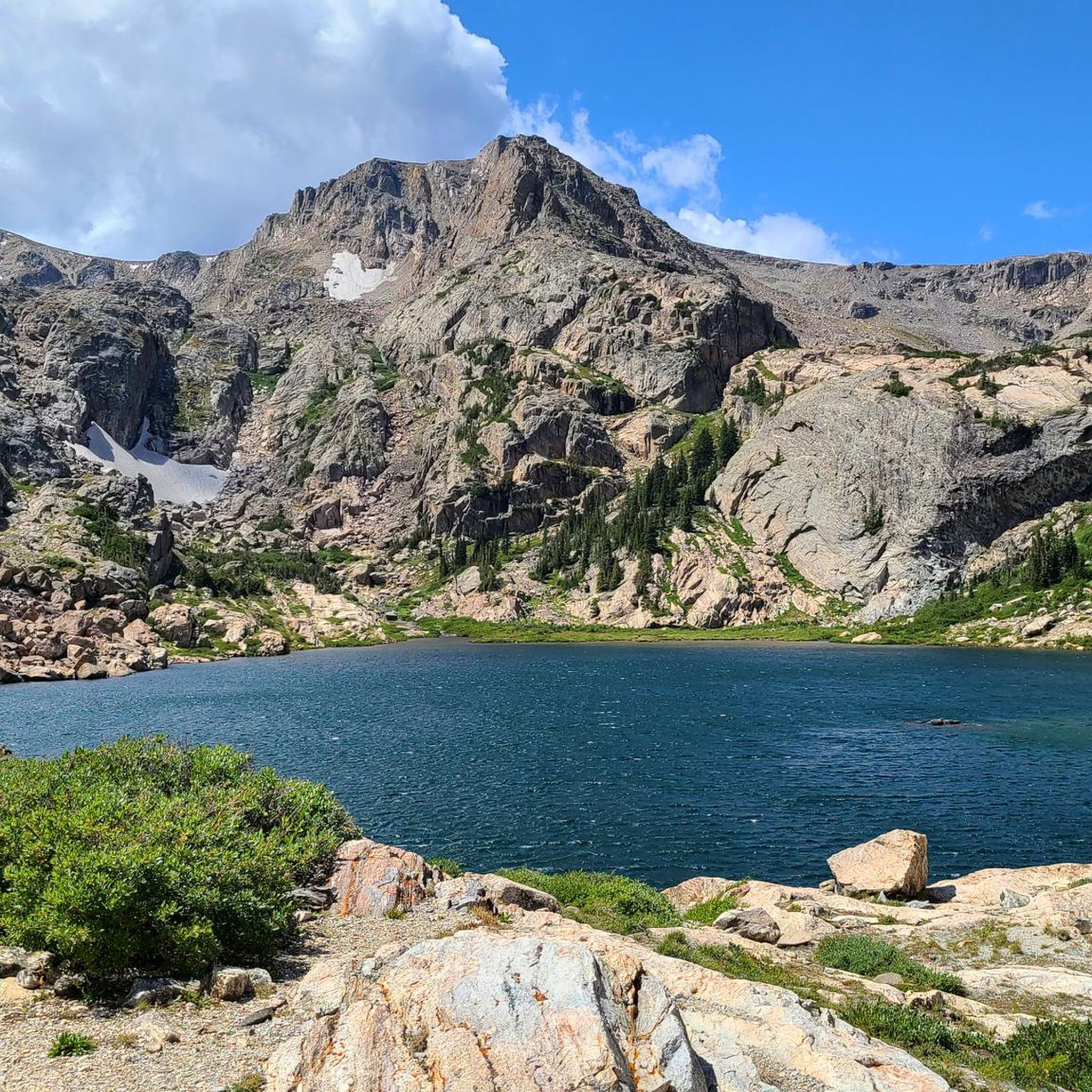
Hiking in Indian Peaks Wilderness explores a region of glacier-carved terrain situated along the Continental Divide. This protected area encompasses over 76,000 acres, featuring elevations ranging from 8,400 to over 13,500 feet. The landscape includes more than 50 alpine lakes, towering peaks exceeding 13,000 feet, and diverse ecosystems from sub-alpine forests to alpine tundra. Approximately 16 miles of the Continental Divide traverse the wilderness, offering high-elevation trails and passes.
Best hiking trails in Indian Peaks Wilderness
- The most popular hiking route is Blue Bird Lake via Wild Basin Trail loop, a 12.4 miles (20.0 km) trail that takes 6 hours 15 minutes to complete. This challenging route features significant elevation gain and leads to a high-altitude lake.
- Another top favourite among local hikers is Finch Lake via Allenspark Trail, a moderate 7.3 miles (11.7 km) path. The trail ascends steadily through forest to reach the lake.
- Local hikers also love the Copeland Falls – Calypso Cascade loop from Allenspark, a 9.9 miles (15.9 km) trail leading through forested terrain, often completed in about 4 hours 45 minutes.
- Hiking in Indian Peaks Wilderness is defined by alpine tundra, numerous lakes, and high mountain passes. The trail system offers options for different ability levels, from moderate lakeside walks to difficult high-altitude hikes.
- The routes in Indian Peaks Wilderness are highly rated by the komoot community with an average score of 4.7 stars from over 70 reviews. More than 1,700 hikers have used komoot to explore Indian Peaks Wilderness's varied terrain.
Last updated: October 12, 2026
15
hikers
10.1km
02:55
60m
360m
The Buchanan Pass Trail winds through Colorado's Indian Peaks Wilderness, offering a journey from lush woodlands to expansive alpine views. You'll traverse varied terrain, passing through dense pine forests and vibrant aspen groves, with the soothing sound of Buchanan Creek and the sight of cascading waterfalls like Timberline Falls accompanying you. As the path climbs, it reveals breathtaking panoramic vistas of the Indian Peaks and the Continental Divide, making it a rewarding experience for those who love diverse mountain scenery.
Planning your visit requires a bit of foresight, as the access road to the trailhead may close seasonally. While the route is generally well-defined, some sections have poor signage, so carrying a map or GPS is highly recommended to avoid going off-trail. Check for any required permits for the Indian Peaks Wilderness, especially if you plan to extend your hike or stay overnight, and aim for an early start to secure parking at this popular destination.
This trail is a notable segment of the much longer and more challenging Pawnee-Buchanan Pass Loop, an acclaimed backpacking trip. It's renowned for its dramatic views from Buchanan Pass and the opportunity to spot wildlife like moose and elk, adding to its appeal. The area is particularly stunning in the fall when the aspen groves burst with color, and the presence of numerous water features enhances its natural beauty.
19
hikers
5.65km
01:45
310m
20m
The Wild Basin Trail offers a refreshing journey through a diverse landscape, starting with peaceful forested sections alongside the North St. Vrain Creek. You'll be treated to a series of impressive waterfalls, including the easily accessible Copeland Falls and the more dramatic Calypso Cascade, as the trail gradually ascends. This moderate hike covers 3.5 miles (5.6 km) with 1019 feet (310 metres) of elevation gain, making it a rewarding experience that typically takes about 1 hour and 45 minutes to complete.
Planning your visit to the Wild Basin Trail is straightforward, though it's wise to arrive early for parking, especially on busy days. While the trail is generally less crowded than other parts of Rocky Mountain National Park, winter conditions can lead to road closures a mile from the trailhead, extending your hike. Always check park alerts for current access information and be prepared for changing weather.
What makes the Wild Basin Trail truly stand out is its reputation as the "Trail of the Waterfalls," providing access to numerous cascades and serving as a gateway to stunning alpine lakes further in. It offers a quieter alternative to the park's more frequented areas, allowing you to immerse yourself in diverse ecosystems, from dense forests to higher alpine environments, and even spot signs of recovery from the 1978 Ouzel Fire.

3.0
(1)
4
hikers
3.04km
00:58
200m
0m
Embark on a serene journey through an evergreen forest on the Calypso Cascades via Wild Basin Trail, where the constant rush of the North St. Vrain Creek creates a tranquil atmosphere. This easy 1.9-mile (3.0 km) hike, with 655 feet (200 metres) of elevation gain, guides you past the charming Copeland Falls early on before leading to the picturesque Calypso Cascades, where Cony Creek tumbles over mossy rocks. You can complete this scenic route in about 57 minutes, making it an ideal choice for a refreshing outing.
When planning your visit to this Wild Basin hiking trail, be aware that Rocky Mountain National Park often requires timed entry permits, especially during peak season from late May through mid-October, so book ahead. Dogs are not permitted on trails within the park. The Wild Basin area generally offers a more peaceful experience compared to other parts of RMNP, and the cascades are particularly impressive during spring runoff, though the trail is enjoyable through fall.
The Calypso Cascades are named after the rare purple Calypso Orchids that bloom along Cony Creek in late spring and early summer, adding a unique botanical element to your hike. This trail also serves as a gateway to longer adventures, with options to extend your journey to destinations like Ouzel Falls or Thunder Lake, making it a versatile starting point for exploring the southeastern corner of Rocky Mountain National Park.
4.0
(1)
4
hikers
6.66km
02:58
760m
0m
Embark on the Watanga Lake via Roaring Fork Trail, a moderate hike that takes you through diverse landscapes. This route spans 4.1 miles (6.7 km) and involves a significant elevation gain of 2489 feet (759 metres), typically completed in about 2 hours and 57 minutes. You'll traverse lush aspen woodlands and vibrant wildflower meadows, with the initial climb giving way to stunning views of craggy peaks. Your reward is the pristine Watanga Lake, a clear alpine gem nestled between Twin Peaks and Watanga Mountain.
Plan your visit between June and October for the best conditions on the trail. If you're bringing your furry friend, remember that pets are welcome but must be kept on a leash. For those considering backcountry camping, be aware that permits are required. Arriving early can help you secure parking and enjoy the tranquility before crowds gather.
Located within the vast Arapaho National Forest, the trail offers a true taste of the Colorado Mountain Ranges. Watanga Lake itself is known for its exceptionally clear waters, where you can often spot fish swimming. This route serves as an excellent introduction to the region's alpine environment, showcasing its natural beauty. It's a chance to immerse yourself in a high-altitude ecosystem, surrounded by impressive peaks.
6.06km
01:55
300m
150m
The Calypso Cascades and Ouzel Falls via Allenspark Trail offers a delightful journey through a subalpine forest, tracing the North St. Vrain Creek. You'll be treated to the constant sound of rushing water as you make your way past Lower and Upper Copeland Falls, culminating in the impressive Calypso Cascades and the powerful 40-foot Ouzel Falls. The path is well-maintained, with natural log steps and switchbacks, providing a varied and engaging experience for hikers who love waterfalls and mountain scenery, including views of peaks like Longs Peak.
This moderate 3.8-mile (6.1 km) hike involves 986 feet (300 metres) of elevation gain and typically takes about 1 hour and 54 minutes. While the initial section is gradual, the final mile to Ouzel Falls is steeper, requiring good fitness. Located in the Wild Basin area of Rocky Mountain National Park, it's wise to check for any required permits or timed-entry systems before heading out, and be prepared for potential snow in shaded areas well into June.
What makes this trail particularly special is the succession of captivating waterfalls within a relatively short distance, offering a high reward for your effort. The Wild Basin area itself provides a more remote and less-traveled experience compared to other parts of Rocky Mountain National Park, giving you a sense of rugged beauty. Keep an eye out for unique Calypso Orchids in late spring and early summer, which lend their name to the cascades.
Get access to more routes and recommendations from other explorers.
Already have an account?
Our route recommendations are based on thousands of hikes, rides, and runs completed by other people on komoot.
Start today with a free account
Your next adventure awaits.
Popular around Indian Peaks Wilderness
Tips from the Community

Really fun hike that can be made short or long. Nice variety from mountains and lakes
0
0

The falls are a beautiful spot to stop for a snack or a drink of water. The drop is high and dramatic.
0
0
Camp DIck has 41 different camping sites, each with a tent spot and bear box. There is water provided, but no electricity or showers. From here you have access to the fantastic trails leading up Buchanan Pass to the peaks. The Buchanan Pass Trail is long but not very steep. If you are looking for shorter trails, you can run up to Beaver Reservoir.
0
0
Be sure to take the side trail here that gives you views of the falls. There are a number of small rushing waterfalls up this portion of the trail.
0
0

There are a whole series of waterfalls that follow one another along the Saint Vrain Creek, and the Thunder Lake trail: Ouzel Falls Cleveland Falls and others. Here are the Calypso waterfalls.
1
0
Frequently Asked Questions
Do I need a permit to hike in the Indian Peaks Wilderness?
Yes, permits are often required. For overnight stays between June 1st and September 15th, you must have a permit for one of the designated backcountry zones. For day use, some popular trailheads, particularly within the Brainard Lake Recreation Area, require timed entry reservations during the peak season. Always check the latest regulations with the U.S. Forest Service before your trip.
What are some good hikes for families or beginners?
The region offers several accessible trails perfect for a family outing. The Lost Lake Trail from the Hessie Trailhead is a popular choice, offering rewarding views for relatively little effort. Another great option is the Rainbow Lakes Trail, which leads past a series of picturesque mountain lakes without a strenuous climb.
Are dogs allowed on the trails in the Indian Peaks Wilderness?
Yes, dogs are generally permitted on most trails within the Indian Peaks Wilderness, but they must be on a handheld leash at all times. Be aware that specific areas, such as the Brainard Lake Recreation Area, may have different regulations, so it's always best to check the rules for your specific trailhead before you go.
What's the parking situation like at popular trailheads?
Parking at popular access points like the Hessie Trailhead and Brainard Lake can fill up very early, especially on weekends. The Hessie Trailhead is served by a shuttle from Nederland during the summer, which is highly recommended. For Brainard Lake, a timed entry permit is often required, which includes your parking.
When is the best time of year to hike in the Indian Peaks?
The prime hiking season is from July through September when the trails are mostly free of snow and the alpine wildflowers are in full bloom. The fall, particularly late September, offers stunning autumn colors as the aspens change. Winter transforms the area into a destination for snowshoeing and cross-country skiing, but avalanche safety knowledge is crucial.
Are there any challenging hikes for experienced adventurers?
Absolutely. For a strenuous but rewarding day, the hike to Lone Eagle Peak offers dramatic scenery, passing waterfalls on its way to Crater Lake. For a tough multi-day trek, experienced backpackers often tackle the High Lonesome Loop, which traverses the Continental Divide and provides incredible high-altitude views.
What kind of wildlife might I see?
The Indian Peaks Wilderness is home to a diverse range of wildlife. It's common to spot moose in marshy areas and near lakes, especially around Brainard Lake and the Monarch Lake area. You might also see elk, bighorn sheep, marmots, and pikas. Remember to always keep a safe distance and never feed the animals.
How many hiking trails are there in the Indian Peaks Wilderness?
There are nearly 40 designated hiking routes available on Komoot, covering over 130 miles of maintained trails. These range from easy lakeside strolls to challenging multi-day backpacking trips across high mountain passes, offering options for every skill level.
Are there any good hikes for seeing waterfalls?
Yes, several trails feature beautiful waterfalls. The Copeland Falls – Calypso Cascade loop from Allenspark is a wonderful moderate hike where you can see multiple cascades. The trail to Crater Lake also passes several impressive waterfalls along the way.
What do other hikers say about the trails in this region?
The Indian Peaks Wilderness is highly regarded by the Komoot community, with an average rating of 4.9 stars. Hikers frequently praise the stunning alpine scenery, the abundance of pristine lakes, and the well-maintained trail system that provides access to true wilderness so close to the Front Range.
Are there any good circular or loop hikes?
Yes, there are several excellent loop hikes. For a challenging day out, the Blue Bird Lake via Wild Basin Trail loop offers a fantastic high-altitude experience. For a less strenuous but equally scenic option, many of the trails around the Brainard Lake area can be combined to form satisfying loops.
How does hiking here compare to Rocky Mountain National Park?
The Indian Peaks Wilderness offers a similar landscape of dramatic peaks and alpine lakes but is managed as a wilderness area, which generally means fewer crowds and a more rugged experience. While RMNP has more visitor facilities, the Indian Peaks provides a greater sense of solitude for those willing to hike a bit further from the trailhead.

Get inspired with the komoot mobile app


Explore more
Browse the best Hikes in other regions.
