Top 13 Caves around Oberwaltersdorf
Best caves around Oberwaltersdorf are found within the Lower Austrian region, offering varied geological formations and historical significance. The area features natural monuments and sites with evidence of ancient human habitation. These underground locations provide opportunities for exploration and insight into the region's natural history.
Best caves around Oberwaltersdorf
- The most popular caves is Einöd Cave, a natural monument accessible from April to October. Visitors can explore three halls of the cave with a headlamp.
- Another must-see spot is King's Cave, a historical site inhabited during the Neolithic Age. Archaeological excavations here have yielded significant finds, leading to the naming of the "Baden culture."
- Visitors also love Wilder Ofen Cave, a natural monument with large rooms. This cave features beautiful rock formations and is considered interesting for children.
- Oberwaltersdorf offers natural monuments, historical sites, and family-friendly caves. The region provides a variety of underground experiences for exploration.
- The caves around Oberwaltersdorf are appreciated by the komoot community, with more than 320 upvotes and over 200 photos shared by users.
Last updated: June 23, 2026
King's Cave
Highlight • Cave
Translated by Google •
Tip by

Einöd Cave
Highlight • Cave
Translated by Google •
Tip by

Sign up now to discover places like this
Get recommendations on the best single tracks, peaks, & plenty of other exciting outdoor places.
Sign up for free
Wilder Ofen Cave
Highlight • Cave
Translated by Google •
Tip by

Gainfarner Cave
Highlight • Cave
Translated by Google •
Tip by
Karlshöhle
Highlight • Cave
Translated by Google •
Tip by

Sign up for free to discover even more caves around Oberwaltersdorf.
Sign up for free
Already have an account?
Start today with a free account
Your next adventure awaits.
Login or Signup

Tips from the Community

This is a former sand quarry. Between the sand layers, there are also large, angular stones due to the rapid deposition at the time. The sandy material, also called "Gainfarner Dolmitsand", was formerly used as braking sand for the Vienna tramway, as well as for brick production, etc.
1
0
The people who lived in the Baden region around 3000 years ago were referred to as the "Baden culture" due to the sensational finds made around the so-called "Königshöhle" (King's Cave).
1
0
This is a former sand quarry for friction sand. Between the sand layers, there are sometimes large stones that are angular due to the rapid deposition at the time. The sandy material, also called "Gainfarner Dolmitsand", was formerly used as braking sand for the Vienna tram, and for brick production, etc.
0
0
After his death, the giant Einöder was carried away into the Anninger. To this day, he lives deep within the Einödhöhle and is considered by the people to be the most powerful guardian of the land against the incursions of enemy armies from the east.
1
0

Unfortunately, part of the cave has collapsed, so entering the cave is prohibited.
0
0

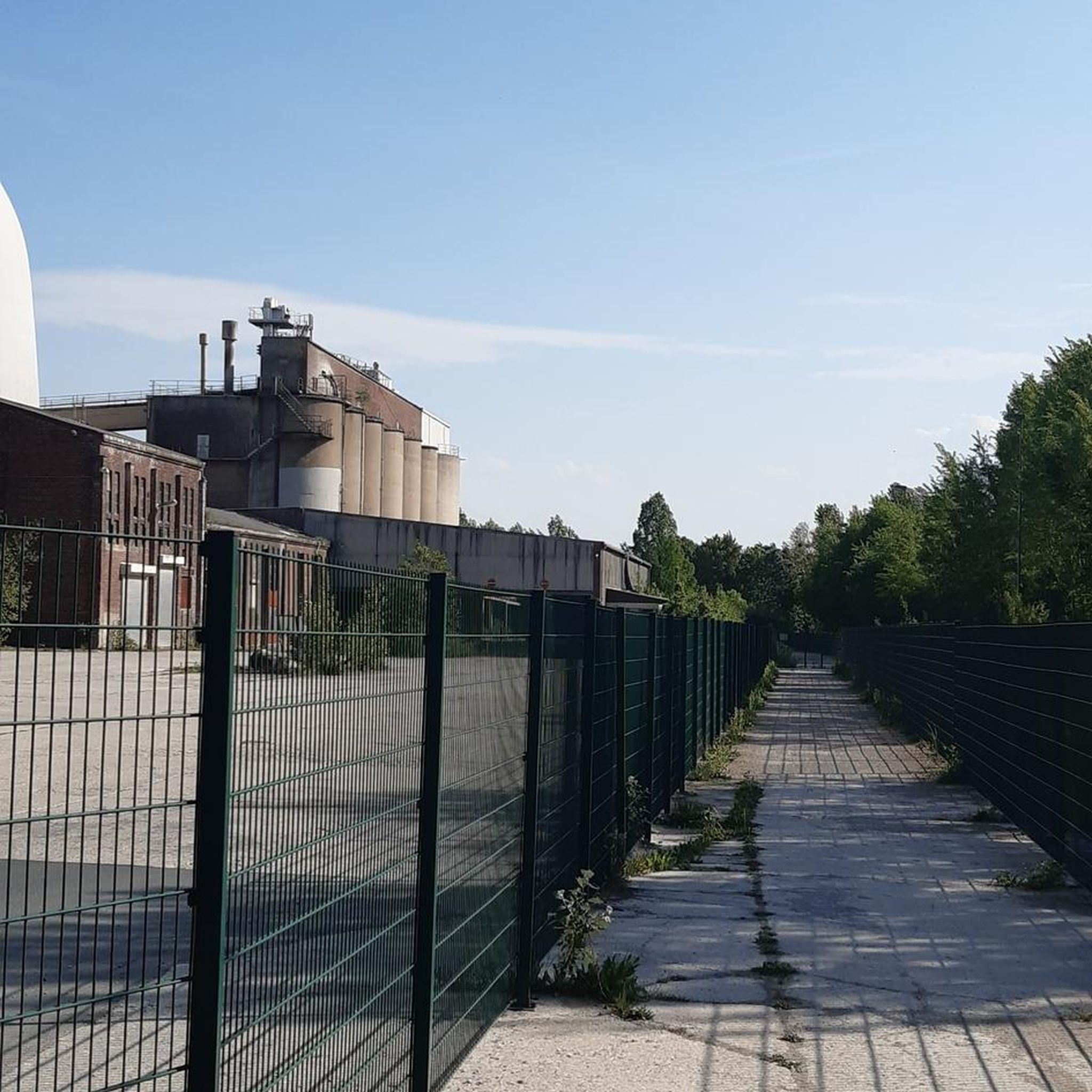
Dolomite quarry with spectacular views of the Vöslauer "Grand Canyon"
0
0

Small & big explorers can explore the cave
0
0

The isolated cave is closed from September 16th to April 30th to allow the bats to hibernate in peace.
0
0
Frequently Asked Questions
What historical significance do the caves around Oberwaltersdorf hold?
The region's caves offer a glimpse into ancient history. For instance, King's Cave was inhabited during the Neolithic Age, with archaeological finds leading to the naming of the "Baden culture." Evidence of human presence from the La Tène and Hallstatt periods, as well as Roman and medieval times, has also been found there.
Are there family-friendly caves to explore near Oberwaltersdorf?
Yes, several caves are suitable for families. Wilder Ofen Cave is known for its large rooms and beautiful rock formations, making it interesting for children. Einöd Cave is also considered family-friendly, offering an exciting exploration experience with a headlamp.
What unique natural features can I expect in the caves of this region?
The caves around Oberwaltersdorf and in Lower Austria showcase diverse natural formations. While local caves like Karlshöhle offer interesting rock faces and forest views, further afield, the Ötscher Dripstone Cave features bizarre stalactites and subterranean rock formations. Seegrotte Hinterbrühl, a former gypsum mine, boasts Europe's largest underground lake.
What is the best time of year to visit the caves?
Many caves have seasonal access. For example, Einöd Cave is accessible from April to the end of October. Visiting in winter is generally discouraged to avoid disturbing hibernating bats. The Einhornhöhle (Unicorn Cave) is open from Easter to the end of September on Sundays and public holidays.
Are there any caves near Oberwaltersdorf that are dog-friendly?
Yes, the Weilburg Cave is located within a dog-friendly area next to the Schwechat river, making it a suitable option if you're exploring with your dog.
What kind of outdoor activities can I combine with a cave visit?
The region around Oberwaltersdorf offers various outdoor activities. You can find numerous road cycling routes, mountain hikes, and running trails. These routes provide opportunities to explore the natural surroundings before or after visiting a cave.
How long do cave tours typically take in the region?
Tour durations vary depending on the cave. For instance, the guided tour at Seegrotte Hinterbrühl, which includes a boat ride on the underground lake, typically lasts about 45 minutes.
What should I wear when exploring caves in the Oberwaltersdorf area?
Caves maintain a constant cool temperature year-round, often around 9°C (48°F), regardless of the outside weather. It's advisable to wear warm clothing, even in summer, and sturdy, comfortable shoes suitable for uneven terrain. A headlamp is also recommended for self-guided explorations in some caves, such as Einöd Cave.
Are there any show caves with guided tours in the wider Lower Austria region?
Yes, for a more structured experience, the Seegrotte Hinterbrühl offers 45-minute guided tours, including a boat ride on Europe's largest underground lake. The Ötscher Dripstone Cave also provides an opportunity to explore extensive dripstone formations.
What are the parking and public transport options for caves near Oberwaltersdorf?
Specific parking and public transport details vary by cave. For local caves like King's Cave, parking might be available near trailheads. For larger show caves like Seegrotte Hinterbrühl, dedicated parking facilities are typically available, and they are often accessible via public transport from nearby towns.
Can I find accommodation or cafes near the caves?
While specific cafes and accommodation directly adjacent to every cave might be limited, the towns and villages surrounding the caves, such as Baden, Hinterbrühl, or Winzendorf-Muthmannsdorf, offer various options for dining and lodging. These areas serve as good bases for exploring the regional caves.
What is the geological background of the caves in this region?
The caves in Lower Austria, including those near Oberwaltersdorf, are primarily karst caves formed in limestone. They feature various geological formations like stalactites and stalagmites, as seen in the Ötscher Dripstone Cave. Some, like Seegrotte Hinterbrühl, are former gypsum mines that have been transformed by water.
Most popular routes around Oberwaltersdorf
Most popular attractions around Oberwaltersdorf

Get inspired with the komoot mobile app


Explore more
Extend your search for the best caves by checking out these guides of the top ones around Oberwaltersdorf:
