Top 14 Castles around Wöllersdorf-Steinabrückl
Best castles around Wöllersdorf-Steinabrückl are found in a municipality within the Wiener Neustadt-Land district of Lower Austria. This region features historically significant structures that offer insights into its past. The landscape includes various historical sites, providing a backdrop for exploration. Visitors can discover a range of castles, from preserved structures to ruins, contributing to the area's cultural heritage.
Best castles around Wöllersdorf-Steinabrückl
- The most popular castles is Kottingbrunn Castle, a castle known for its moated structure and museum. Its…
Last updated: July 8, 2026
Kottingbrunn Castle
Highlight • Castle
Translated by Google •
Tip by

Theresian Military Academy, Wiener Neustadt
Highlight • Castle
Translated by Google •
Tip by

Sign up now to discover places like this
Get recommendations on the best single tracks, peaks, & plenty of other exciting outdoor places.
Sign up for free
Emmerberg Castle Ruins
Highlight • Castle
Around …
Translated by Google •
Tip by
Starhemberg Castle Ruins
Highlight • Castle
Driveway from the parking …
Translated by Google •
Tip by

Hernstein Castle
Highlight • Castle
Translated by Google •
Tip by

Sign up for free to discover even more castles around Wöllersdorf-Steinabrückl.
Sign up for free
Already have an account?
Start today with a free account
Your next adventure awaits.
Login or Signup
Popular around Wöllersdorf-Steinabrückl
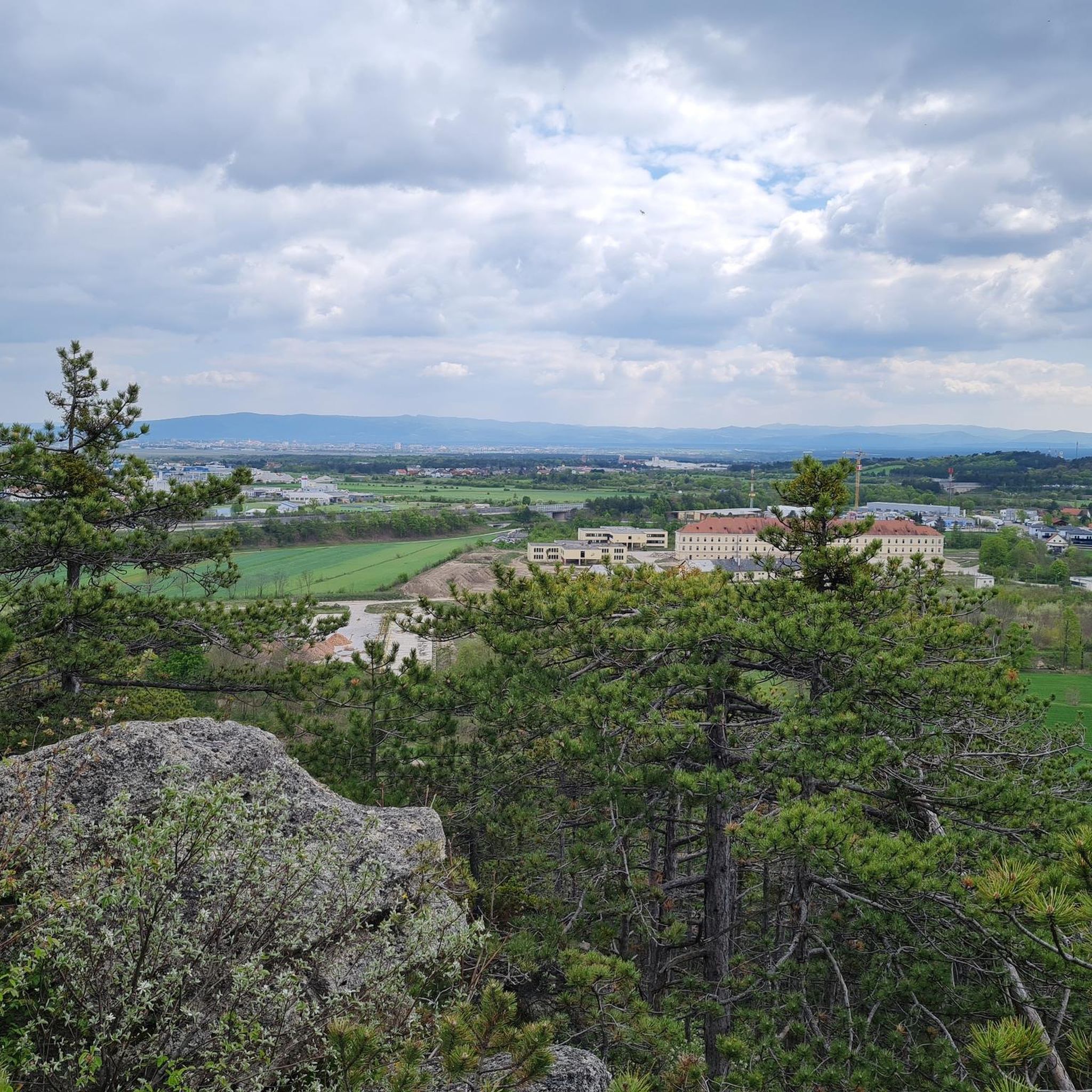
Hiking around Wöllersdorf-Steinabrückl
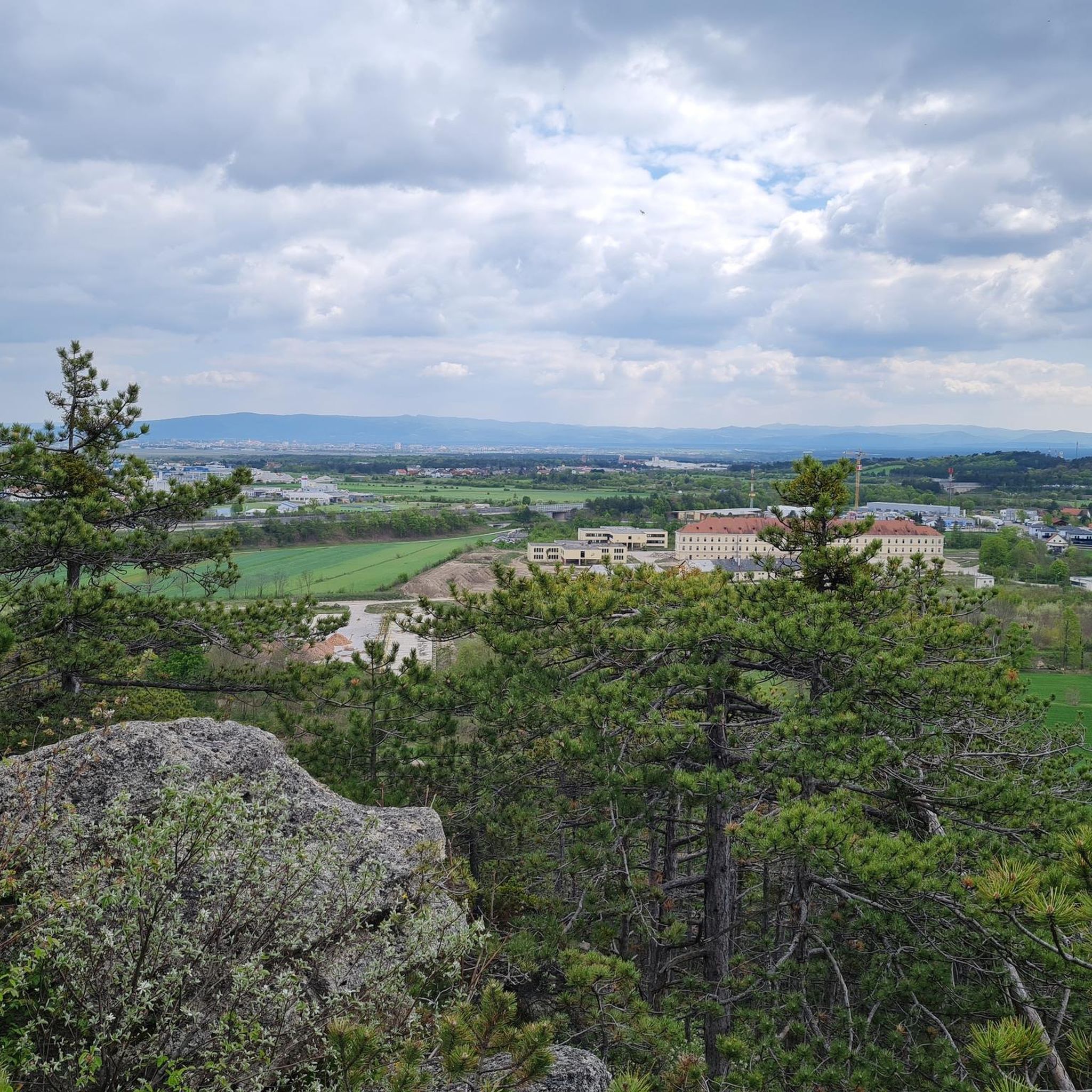
Cycling around Wöllersdorf-Steinabrückl
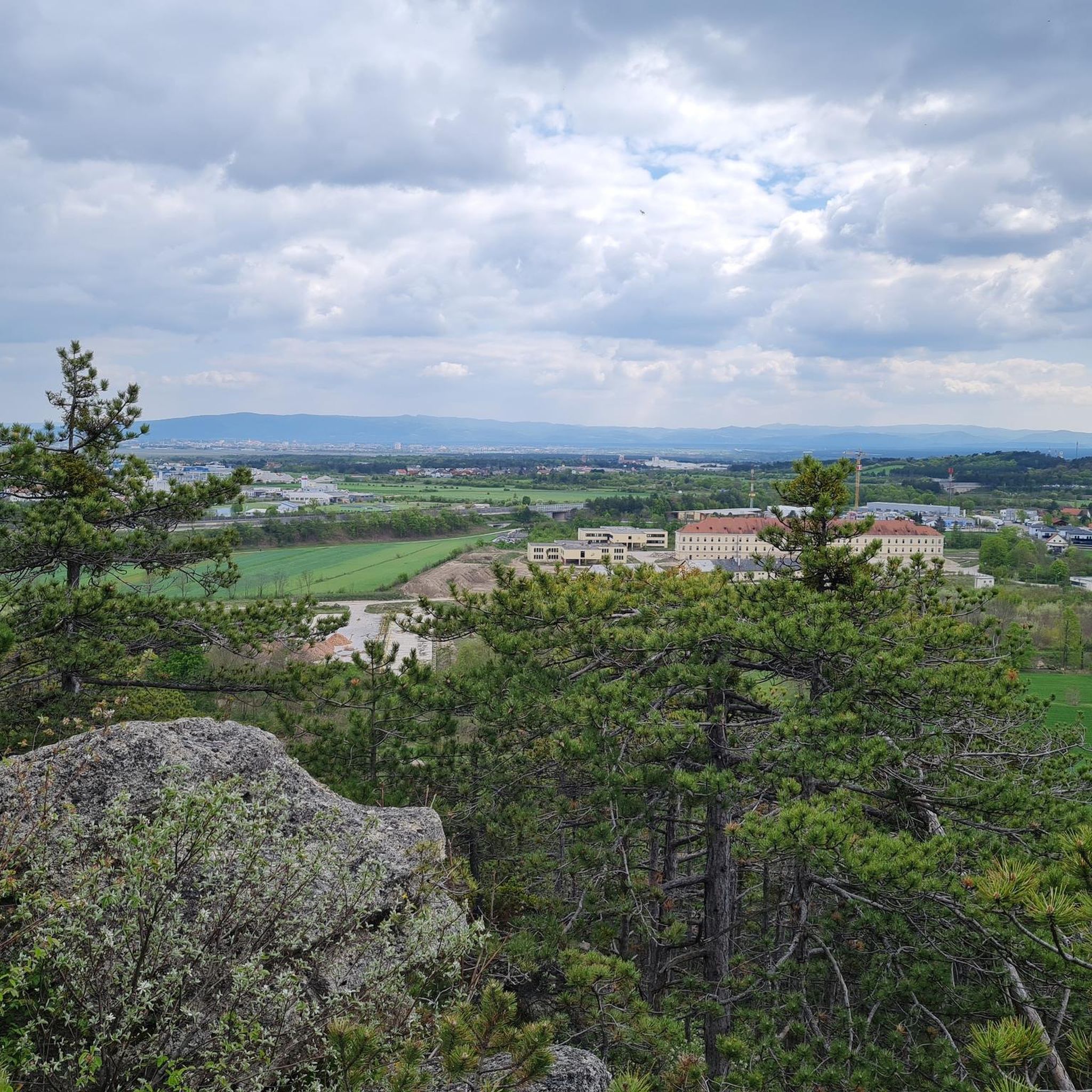
MTB Trails around Wöllersdorf-Steinabrückl
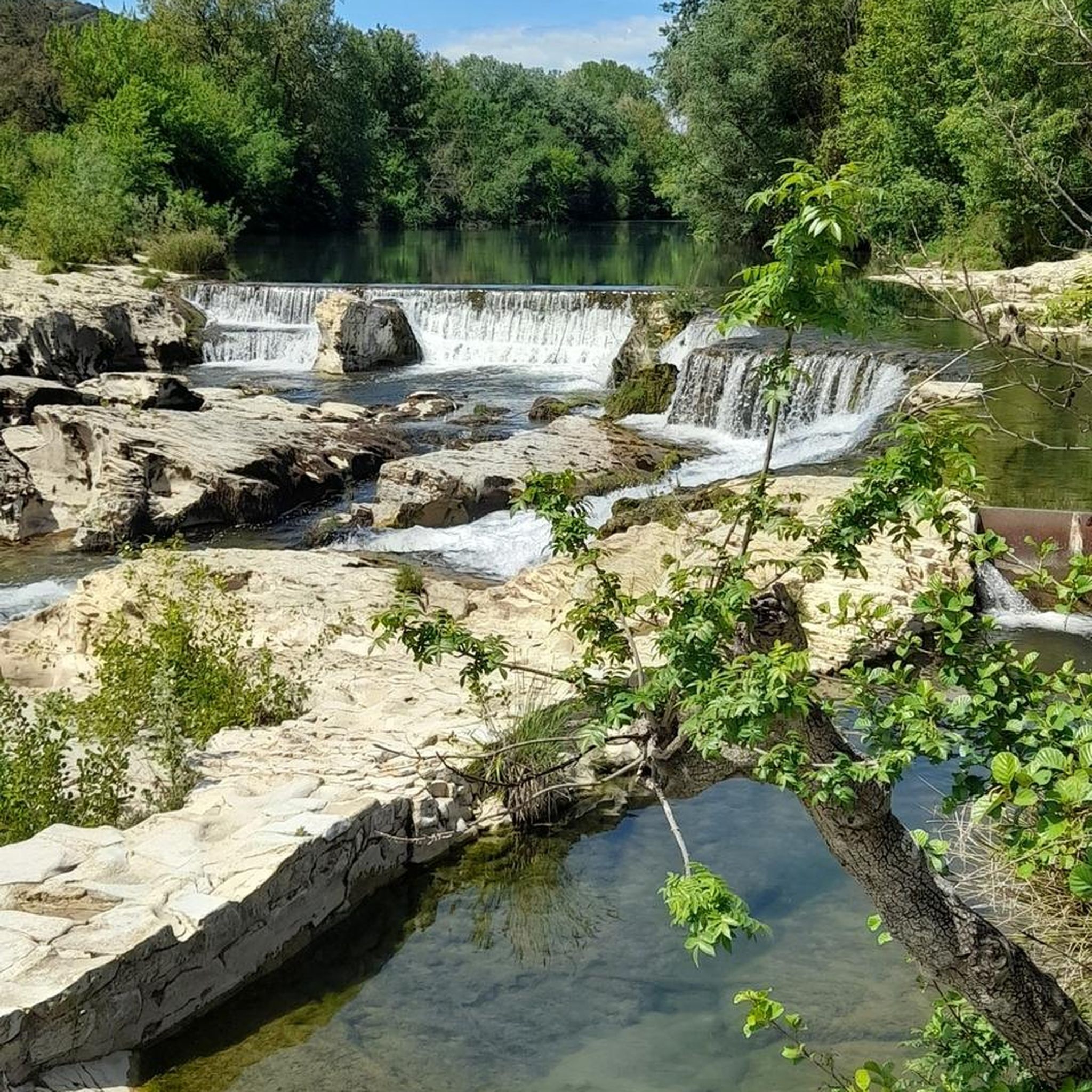
Mountain Hikes around Wöllersdorf-Steinabrückl
Road Cycling Routes around Wöllersdorf-Steinabrückl
Gravel biking around Wöllersdorf-Steinabrückl
Running Trails around Wöllersdorf-Steinabrückl
Tips from the Community

An actually very interesting ruin with an intact round chapel in the gate tower and an intact smoke kitchen. Unfortunately, the ruin has been closed for some time and left to further decay.
1
0
The castle was built about 50 years after the founding of the city in 1192 as a military base for the last Babenberg, Frederick II the Quarrelsome. Over the centuries, it was continuously expanded and used for new purposes. Emperor Frederick III had the castle fundamentally rebuilt, giving it its present appearance for the most part. For Emperor Frederick III and his son Maximilian I, Wiener Neustadt was an important imperial residence. Emperor Maximilian I was born and baptized in the castle in Wiener Neustadt and spent his youth years here. From here, the Holy Roman Empire was expanded. It reached such great dimensions that "the sun never set". After the death of Maximilian I.
1
0
The name Starhemberg is derived from the original name 'starker Berg' or 'Starkenberg'. The castle is not to be confused with castles of the same name in Upper Austria, Schloss Starhemberg (Haag am Hausruck), the namesake seat of the Starhemberg princely house, and its current seat Schloss Starhemberg (Eferding). The castle ruin discussed here had no connection with the well-known family of apostles.
1
0

Kottingbrunn Castle is an impressive moated castle located in the market town of Kottingbrunn, in the Baden district of Lower Austria. Here are some interesting facts about the castle: 1. History: - The oldest known structural finds of the castle date back to the first half of the 13th century. - It has a rich history and has been an important building in the region over the centuries. 2. Architecture: - The castle is known for its architectural details and picturesque location, making it a popular destination for visitors. - It is surrounded by a beautiful castle park, which forms the heart of the market town. 3. Castle Museum: - On the first floor of the castle, there is a museum housed in the state rooms. - The rooms are decorated with remarkable stucco work and frescoes that reflect the history of the castle and the region. 4. **Events**: - The castle also offers the opportunity to host weddings and other events, making it a romantic venue for celebrations. 5. **Location**: - The castle is located only 25 km from Vienna, in the heart of the Vienna Woods, making it easily accessible. Kottingbrunn Castle is therefore not only a historical building, but also a cultural center that attracts many visitors.
1
0

The Emmerberg Castle ruins are located on a ridge near the Prosset Gorge and are among the historic fortresses of Lower Austria. First mentioned around 1170, they served as an important defensive point on what was then the northern border of the Carantanian March. Although they were never militarily tested, they were inhabited until 1760 before they began to decay – triggered by the sale of the roof structure. Although the ruins are now inaccessible for safety reasons, their imposing remains and picturesque location make them a fascinating sight.
4
0

07/18/2024 — Clear view of the walls of the Starhemberg castle ruins. The clearing of the area in Markt Piesting brought many new discoveries. However, there is currently still a ban on entry. The renovation of the Starhemberg castle ruins is scheduled to start next year. The preparatory work for this is underway...... Source: www.noen.at/wr-neustadt/piestingtal-freier-blick-auf-die-mauern-der-burgruine-starhemberg-431389601
2
2
The Starhemberg castle ruins, once a significant site north of Dreistetten, have an eventful history. Originally a Styrian fortress, it fell to the Babenbergs in 1192 and was expanded into a palace under Frederick the Quarrelsome. After his death, the Teutonic Order administered it for a short time before it passed into Habsburg ownership in 1278. In 1482, the castle was captured by King Matthias Corvinus. From 1590, it belonged to the Counts of Heussenstein for over 200 years and survived the Turkish onslaught in 1683. Around 1800, it was covered over to avoid taxes and has remained in ruins ever since. Today, it is owned by the Salvator Habsburg-Lothringen family. Officially, access is prohibited, but the imposing walls and the view make it a popular destination for hikers.
4
2

In the moated castle there are, in addition to the municipal offices, 2 bars and a theatre
1
0
Frequently Asked Questions
What are some historically significant castles or ruins to visit in Wöllersdorf-Steinabrückl?
Beyond the popular highlights, you can explore the Schlössl Wöllersdorf, a small palace built between 1610 and 1710, which now houses the municipal library. Another fascinating site is the Höhlturm (Cave Tower), a 15th-century fortified ruin offering panoramic views over Wöllersdorf and the surrounding area. It's freely accessible and features a cave behind it.
Are there family-friendly castles or historical sites in the region?
Yes, several sites are suitable for families. Kottingbrunn Castle is a moated castle with a museum and a renovated square that hosts events. The Theresian Military Academy in Wiener Neustadt has extensive grounds suitable for cycling and includes a garden area, making it a good option for a family outing.
Can I bring my dog to the castle ruins in the Wöllersdorf-Steinabrückl area?
While specific dog policies can vary, many outdoor historical sites like castle ruins are generally dog-friendly, especially if dogs are kept on a leash. For example, the areas around Starhemberg Castle Ruins and Emmerberg Castle Ruins are popular for walks, and leashed dogs are usually welcome on trails. Always check local signage for specific rules.
What outdoor activities can I combine with a visit to the castles?
The region offers various outdoor activities. You can find numerous MTB trails, road cycling routes, and general cycling routes around Wöllersdorf-Steinabrückl. Many of these routes pass by or offer views of the castles and ruins, such as the Piestingtal Cycle Path near the Höhlturm or routes around Hernstein Castle.
Are there hiking trails that lead to or around the castle ruins?
Yes, the castle ruins are often integrated into hiking routes. For instance, Starhemberg Castle Ruins can be combined with a hike on the Hohe Wand, accessible via paths like the easy Drobilsteig. The Emmerberg Castle Ruins are located on a ridge near the Prosset Gorge, offering scenic hiking opportunities in the vicinity, though the ruins themselves are inaccessible.
What is the best time of year to visit the castles and ruins in Wöllersdorf-Steinabrückl?
The best time to visit is generally during the spring, summer, and autumn months (April to October). The weather is more favorable for exploring outdoor ruins and enjoying the surrounding hiking and cycling trails. During these seasons, the views from sites like the Höhlturm are particularly clear, and the castle grounds are pleasant for walks.
Is there public transport available to reach the castles?
Public transport options exist for reaching towns near the castles. For example, you can use public transport from Wöllersdorf-Steinabrückl to areas like Winzendorf-Muthmannsdorf (near Emmerberg Castle Ruins) or Dreistetten (near Starhemberg Castle Ruins). However, direct access to all ruins might require a walk from the nearest stop. It's advisable to check local bus or train schedules for specific routes.
Are there any castles that offer accommodation or dining options?
Yes, Hernstein Castle, for example, is now used as a seminar hotel and for events like parties and weddings, offering both accommodation and dining facilities. Kottingbrunn Castle also features a good restaurant on its premises.
What kind of views can I expect from the castle ruins in the area?
Many of the castle ruins, particularly those on elevated positions, offer impressive panoramic views. From the Höhlturm, you can see Wöllersdorf and the surrounding landscape. The Starhemberg Castle Ruins provide a beautiful view of the Piestingtal valley from their north side. These sites were strategically chosen for their vantage points.
Are there any castles that are particularly well-preserved or have museums?
While many sites are ruins, Kottingbrunn Castle is a well-preserved moated castle that houses a small, interesting museum. The Schlössl Wöllersdorf, though not a traditional castle museum, is a preserved historical building now serving as a municipal library, offering a glimpse into the region's architectural heritage.
What is the history behind the Emmerberg Castle Ruins?
The Emmerberg Castle Ruins date back to around 1170, first mentioned with 'Durinch de Emberberch'. It was an important base in the fortification line on the northern border of the Carantanic Mark. Although it never saw military action, it was inhabited until 1760. Its decay began when the oak roof structure was sold for fiscal reasons, and later, parts were used as a quarry. Today, the ruins are inaccessible due to dilapidation but remain a significant historical landmark.
Are there any circular walks around the castles in Wöllersdorf-Steinabrückl?
Yes, many of the nearby cycling and hiking routes can be adapted for circular walks that include castle views or passes. For example, the cycling guides for the area feature routes like the 'Piestingtal Cycle Path – Piesting Riverside Path loop from Wöllersdorf Marchgraben' which can offer scenic walks in the vicinity of historical sites.
Most popular routes around Wöllersdorf-Steinabrückl
Most popular attractions around Wöllersdorf-Steinabrückl

Get inspired with the komoot mobile app


Explore more
Looking for the best castles somewhere else? Discover other guides around Wöllersdorf-Steinabrückl:
