Top 11 Castles around Pöttsching
Best castles around Pöttsching are found in the surrounding region, offering historical sites and architectural variety. While Pöttsching itself does not host castles directly, the nearby area of Burgenland features significant historical fortresses. This region provides opportunities to explore medieval structures and their associated parks. Visitors can discover both well-preserved castles and historical ruins.
Best castles around Pöttsching
- The most popular castles is Forchtenstein Castle, a castle that is a well-preserved medieval fortress in northern Burgenland. It is known…
Last updated: July 1, 2026
Pottendorf Castle
Highlight • Castle
Translated by Google •
Tip by

Forchtenstein Castle
Highlight • Castle
Translated by Google •
Tip by

Sign up now to discover places like this
Get recommendations on the best single tracks, peaks, & plenty of other exciting outdoor places.
Sign up for free
Theresian Military Academy, Wiener Neustadt
Highlight • Castle
Translated by Google •
Tip by
Eichbüchl Castle
Highlight • Castle
Translated by Google •
Tip by

Linsberg Castle
Highlight • Castle
Translated by Google •
Tip by

Sign up for free to discover even more castles around Pöttsching.
Sign up for free
Already have an account?
Start today with a free account
Your next adventure awaits.
Login or Signup
Tips from the Community

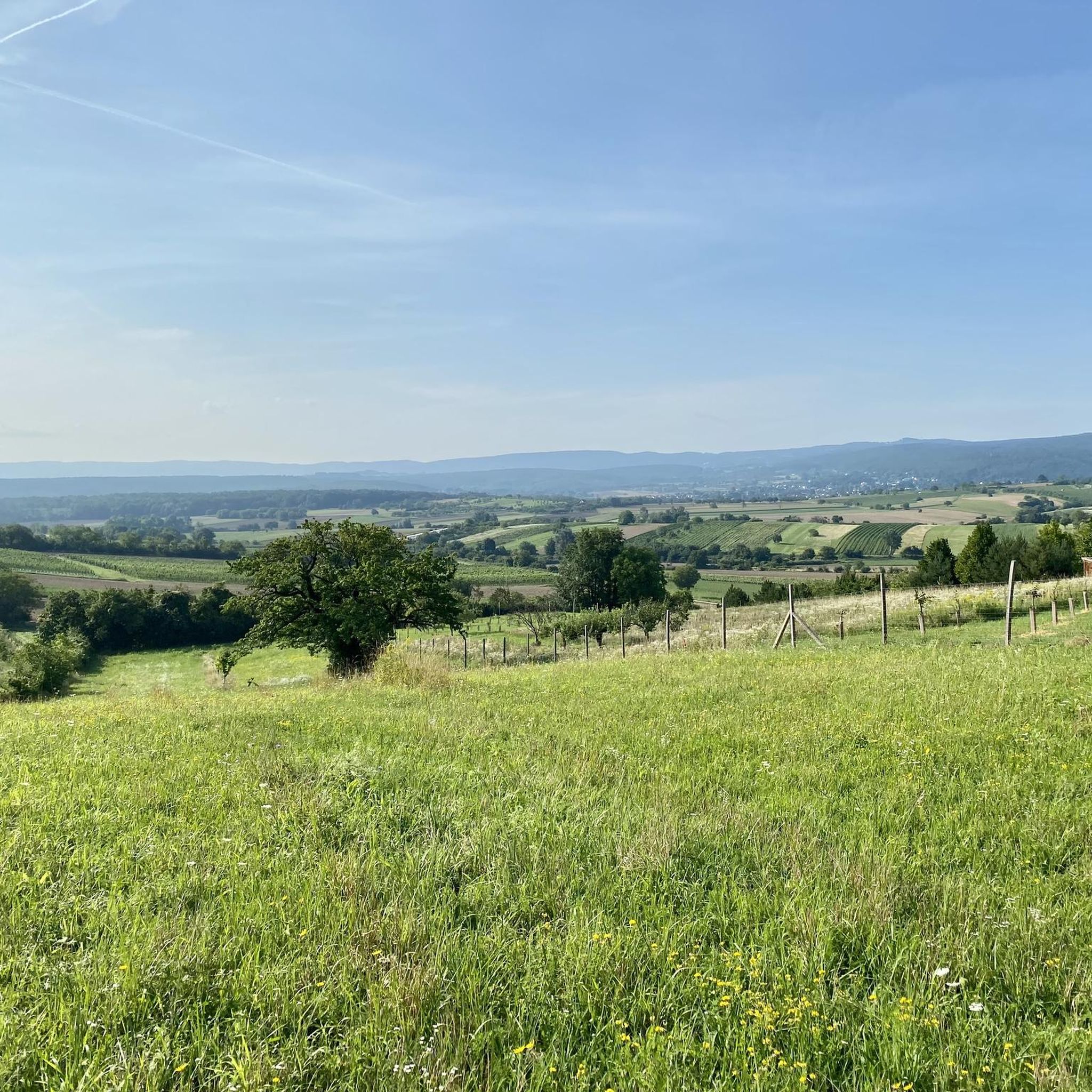
Schloss Eichbüchl (Aichbüchl) was probably built in the 14th century by the Lords of Vierdung. According to other sources in Wiener Neustadt, it was supposedly only built between 1558 and 1566. It is possible that a first castle was destroyed during the First Turkish Siege in 1529 and that the current castle was rebuilt slightly off to the side.
0
0
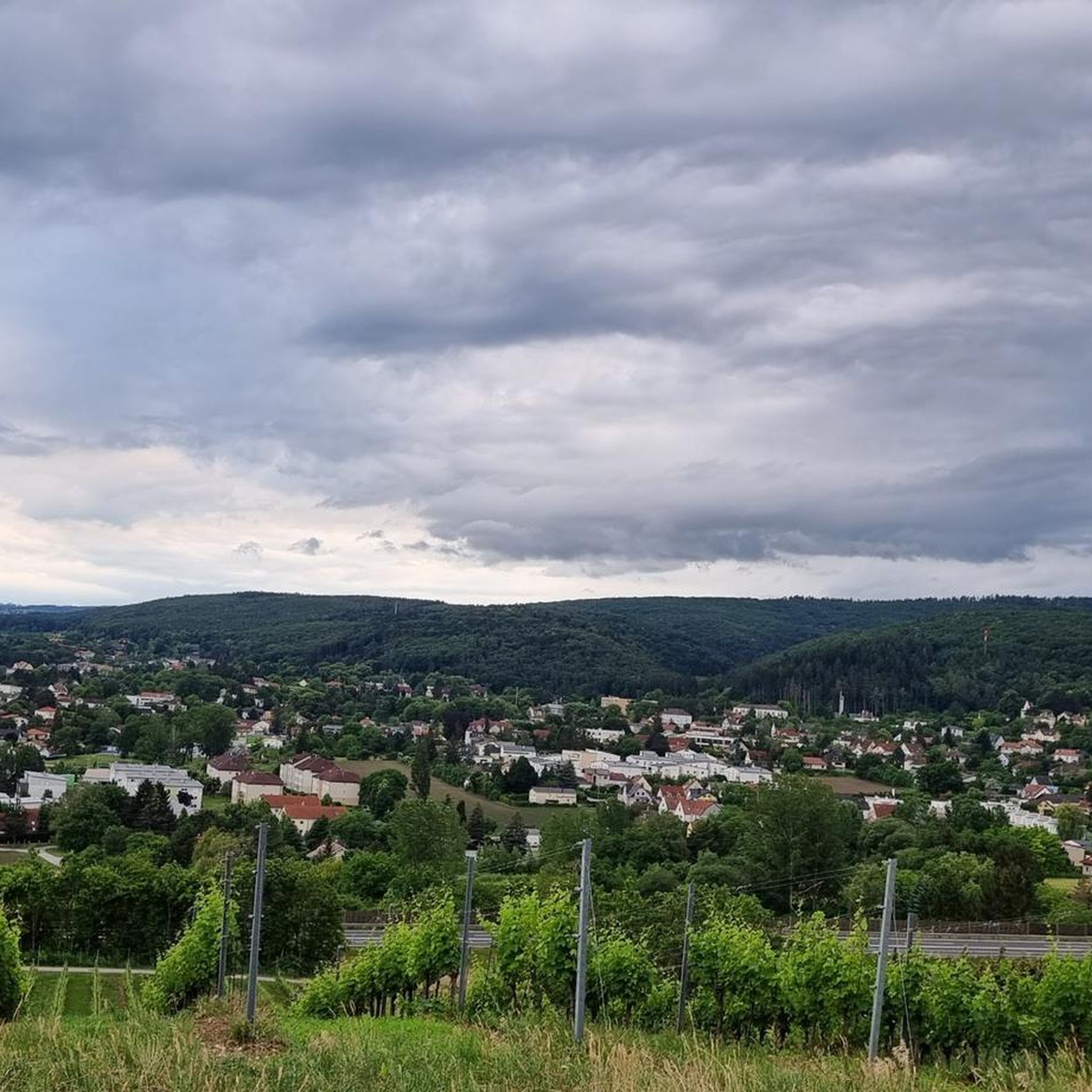
The castle was built about 50 years after the founding of the city in 1192 as a military base for the last Babenberg, Frederick II the Quarrelsome. Over the centuries, it was continuously expanded and used for new purposes. Emperor Frederick III had the castle fundamentally rebuilt, giving it its present appearance for the most part. For Emperor Frederick III and his son Maximilian I, Wiener Neustadt was an important imperial residence. Emperor Maximilian I was born and baptized in the castle in Wiener Neustadt and spent his youth years here. From here, the Holy Roman Empire was expanded. It reached such great dimensions that "the sun never set". After the death of Maximilian I.
1
0

Experience the castle island in Pottendorf! Mayor Thomas Sabbata-Valteiner cordially invites you to explore the otherwise inaccessible castle island on select days throughout the year. This exclusive opportunity offers you the chance to walk in the footsteps of a bygone era and experience the fascinating history of the castle ruins and the restored castle chapel firsthand. Join us on this historical journey and let yourself be enchanted by the atmosphere of this place. The meeting point is the castle island bridge, right by the castle island in Pottendorf. Here your excursion into the past begins! Admission is by voluntary donation to support the upkeep of Pottendorf Castle Park, and registration is not required. Take advantage of this unique opportunity to bring history to life and experience the beauty of the castle island. https://www.pottendorf.at/Schlossinselfuehrung_im_Schlosspark_Pottendorf
2
0

The castle's history dates back to the 14th century, but it is shaped by the fateful days of April 1945. Commissioned by Stalin, Dr. Karl Renner spent twelve busy days at Eichbüchl Castle developing the basic structures of the Second Republic. At the same time, he prepared the formation of a provisional government, and as its Chancellor, he finally announced Austria's declaration of independence in Vienna on April 27, 1945. Eichbüchl Castle thus found its indelible place in the history books as the birthplace of the Second Republic. More on the history: https://de.wikipedia.org/wiki/Schloss_Eichb%C3%BCchl
0
1
The complex is a medieval foundation that was expanded in the 15th and 16th centuries. In the first half of the 18th century, it was in poor structural condition. Its then owner, a court master of the Bishop of Wiener Neustadt, had it repaired and converted into a castle. He also gave it a uniform, baroque appearance. In the 19th century, various changes in the historicist style followed on both the main house and the complex of outbuildings. The castle and the associated castle park are privately owned. More on the history: https://de.wikipedia.org/wiki/Schloss_Linsberg
0
0

Privately owned castle and winery. It changed hands again in 2012 to an industrialist.
0
0
08/08/2023 - The ruin has something special, the chapel has already been renovated - maybe something will happen again soon.
3
1

Since 1752, the former Wiener Neustadt Castle (origin 12th JHD) has been home to the Theresian Military Academy.
1
0
Frequently Asked Questions
What are some of the most historically significant castles in the region around Pöttsching?
The region boasts several castles with rich histories. Forchtenstein Castle is a well-preserved medieval fortress owned by the Esterházy family since 1626, known for its extensive collections and never having been captured. Pottendorf Castle, though largely in ruins, dates back to 1130 and played a significant role on the border between Austria and Hungary. Additionally, Eichbüchl Castle is historically notable as the 'birthplace of the Republic of Austria' due to events in 1945.
Are there family-friendly castles around Pöttsching with activities for children?
Yes, Forchtenstein Castle is particularly family-friendly, hosting numerous children's events throughout the year, such as 'Family Draculade' and the 'Dragon Festival.' It also features an Easter market, chestnut festival, and Advent market, making it an engaging destination for all ages.
What kind of outdoor activities can I find near the castles around Pöttsching?
The area around Pöttsching offers various outdoor activities. You can find running trails, mountain biking routes, and gravel biking paths. For instance, there are running trails around Bad Sauerbrunn, and MTB trails that include routes like 'Frohsdorf Castle – Leitha Bridge at Scheibel Au loop'. Gravel biking routes also pass by Forchtenstein Castle. You can explore more options on the Running Trails around Pöttsching, MTB Trails around Pöttsching, and Gravel biking around Pöttsching guide pages.
Are there hiking or walking trails associated with any of the castles?
While specific hiking trails directly within castle grounds vary, Pottendorf Castle is surrounded by a 21-hectare park with the Fischa River flowing through it, offering a peaceful retreat for walks. Forchtenstein Castle is situated on the slope of the Rosaliengebirge, providing opportunities for walks in the surrounding natural park area.
Do any of the castles offer scenic viewpoints?
Yes, Forchtenstein Castle is perched on a dolomite rock 511 meters above sea level and offers breathtaking panoramic views of the Wulka Valley, Lake Neusiedl, Vienna, and even Hungary. The castle courtyard itself is freely accessible and provides impressive vistas.
What is the best time of year to visit the castles around Pöttsching?
Many castles, like Forchtenstein Castle, are typically open daily from March to early November. This period generally offers pleasant weather for exploring the grounds and enjoying outdoor activities. Visiting during spring or autumn can provide comfortable temperatures and beautiful scenery, especially in the surrounding parks and natural areas.
How can I reach the castles around Pöttsching using public transport?
While specific public transport routes can vary, Forchtenstein Castle is approximately an hour's drive from Vienna, making it a popular day-trip destination often accessible by regional buses or a combination of train and bus services. For detailed and up-to-date public transport information, it's best to check local transport provider websites or use journey planners for your specific starting point.
Are there dining options or cafes available near the castles?
Yes, Forchtenstein Castle features the modern Café-Restaurant Grenadier, which offers regional cuisine with a terrace providing magnificent views. For other castles, dining options might be found in the nearby towns and villages.
Can I bring my dog to the castle grounds or nearby parks?
The accessibility for dogs can vary by location. While the park surrounding Pottendorf Castle is generally open for walks, it's advisable to check specific rules for dogs within the castle ruins or buildings. For other castles, especially those with indoor exhibitions like Forchtenstein Castle, dogs are typically not allowed inside the museum areas but may be permitted in outdoor courtyards or surrounding walking paths. Always look for signage or inquire locally.
Beyond the main attractions, are there any lesser-known or 'hidden gem' castles worth exploring?
While not always publicly accessible, Linsberg Castle is a baroque palace complex that can be seen from the street. It's a medieval foundation expanded in the 15th-16th centuries, offering a glimpse into the region's architectural history, even though the castle and its park are privately owned. Eichbüchl Castle, while historically significant, is also privately owned but can be appreciated from the exterior.
Are the castles around Pöttsching generally accessible for visitors with mobility concerns?
Accessibility can vary significantly between castles. Well-preserved sites like Forchtenstein Castle offer various tour options and strive to make history accessible, but medieval structures often have stairs and uneven terrain. Ruined sites like Pottendorf Castle might have more limited accessibility due to their nature. It's recommended to check the specific castle's official website or contact them directly for detailed accessibility information before your visit.
How long should I plan for a visit to a castle in this region?
The duration of a visit depends on the castle and your interests. For a comprehensive experience at a well-preserved castle like Forchtenstein Castle, which offers guided tours and extensive collections, you might want to allocate 2-4 hours. For sites that are largely ruins or privately owned, such as Pottendorf Castle or Linsberg Castle, a shorter visit of 1-2 hours might suffice to explore the grounds or view them from the exterior.
Most popular routes around Pöttsching
Most popular attractions around Pöttsching

Get inspired with the komoot mobile app


Explore more
Looking for the best castles somewhere else? Discover other guides around Pöttsching:
