Top 20 Lakes around Mcfarland
Best lakes around Mcfarland are situated in a region known for its diverse natural landscapes, offering various outdoor recreation opportunities. This area features a mix of forests, prairies, and wetlands, with several lakes providing focal points for activity. The natural environment supports a range of ecosystems and is a key feature of the local geography. McFarland, Wisconsin, is nestled amidst a collection of lakes that are part of the Yahara River chain, providing opportunities for fishing, boating, swimming, hiking, and…
Last updated: June 29, 2026
University of Wisconsin–Madison Arboretum
Highlight • Forest
The grounds are open from 4am until 10pm daily.
Tip by

Lake Wingra
Highlight • Lake
Tip by

Sign up now to discover places like this
Get recommendations on the best single tracks, peaks, & plenty of other exciting outdoor places.
Sign up for free
Capital City State Trail at Monona Terrace
Highlight (Segment) • Cycleway
Tip by

Lake Mendota
Highlight • Lake
Tip by
Brittingham Bay
Highlight • Lake
Tip by

Sign up for free to discover even more lakes around Mcfarland.
Sign up for free
Already have an account?
Start today with a free account
Your next adventure awaits.
Login or Signup


Tips from the Community

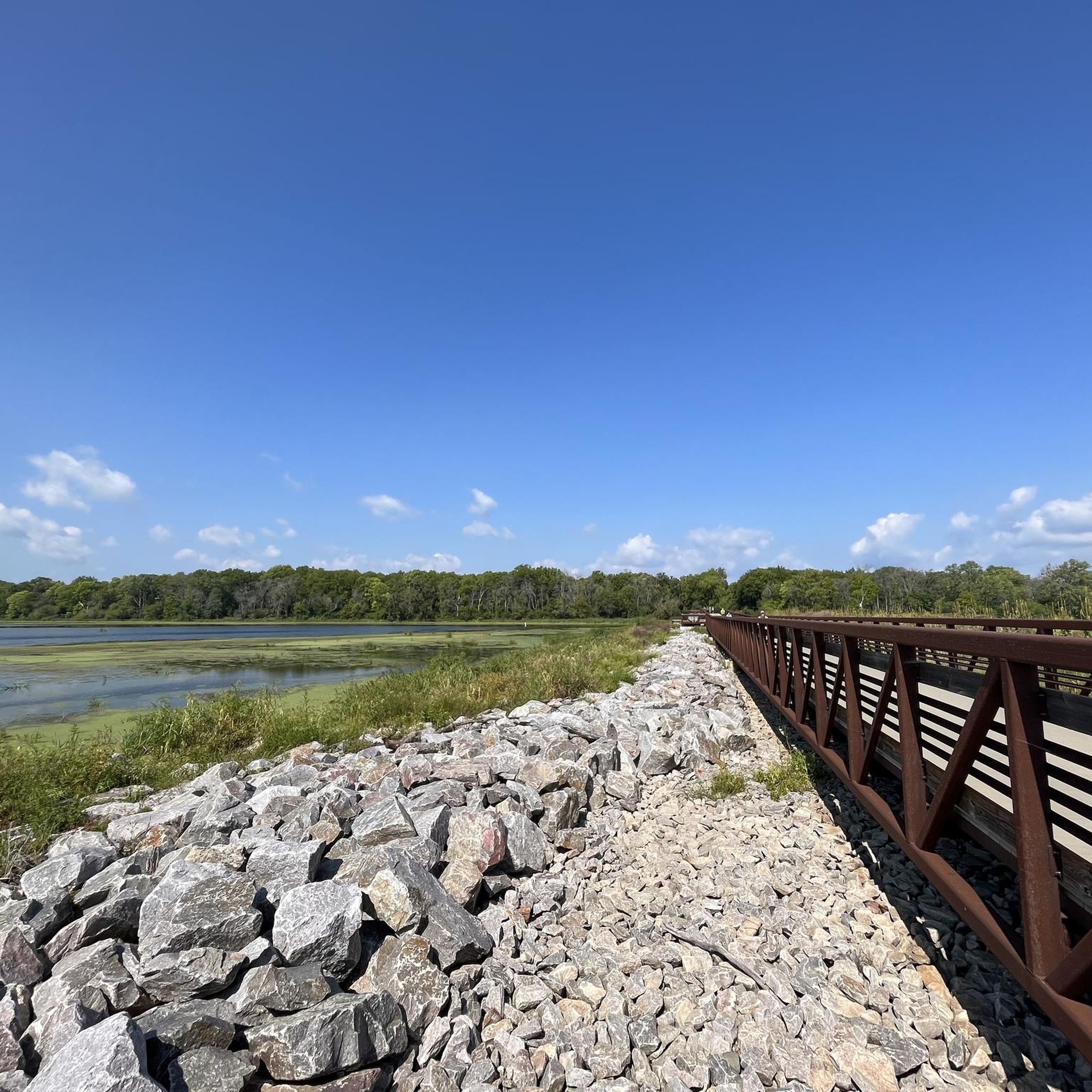
The Capital City State Trail is a 17-mile paved multi-use path open year-round. A state trail pass is required to bike the nine-mile portion of the trail that passes through the Capital Springs E-way south of Madison between Verona Road and Nob Hill near Industrial Drive, but the remainder is free to access.
0
0

The University of Wisconsin–Madison Arboretum is a research and ecological protection site in Madison. It has several miles of trails and quiet roads that weave through the beautiful wood land. The centerpiece of the area is Lake Wingra.
0
0
Nice view of Lake Wingra as you are running along Arboretum Drive. There are other great views as you pass through University of Wisconsin Arboretum.
0
0

very beautiful at the lake shore near Monona Terrace
0
0

Lake Wingra is a spring-fed lake surrounded by multi-use paths and trail networks, with the Lake Wingra Recreation Loop being one of the more popular routes. It's a fishable lake with Musky, Panfish, Largemouth Bass, Northern Pike, and Walleye.
1
0

Brittingham Bay is a stunning location that offers many opportunities for outdoor water recreation, including kayaking, paddleboarding, and paddleboating. The small bay is a good place for relaxing on the water, or you can head out to Lake Monona for good views of the capital and more exercise. The bay is surrounded by a beautiful park frequented by many cyclists, walkers and joggers who enjoy its breathtaking views.
0
0

Lake Mendota formed around 15,000 years ago when glacial ice began to melt. It's very biodiverse, with over 34 common species of fish and 255 bird species.
1
0
17 miles (27 km) of trails lead through the Arboretum. They take you through diverse natural areas: woodlands, savannas, prairies, wetlands and gardens. There's a huge amount of diversity here. The grounds are open from 4am until 10pm daily.
2
0
Frequently Asked Questions
What kind of outdoor activities can I enjoy around the lakes near McFarland?
The lakes around McFarland offer a wide range of outdoor activities. You can enjoy fishing, boating, swimming, and waterskiing on many lakes. For land-based activities, there are extensive trails for hiking, running, and cycling. For example, you can explore running trails, cycling routes, and mountain biking trails that often run alongside the lake shores.
Are there family-friendly lakes or activities in the McFarland area?
Yes, several lakes and areas are great for families. Lake Waubesa is known for its family-friendly atmosphere, offering McDaniel Beach in McFarland and Babcock County Park with a campground and accessible fishing pier. The University of Wisconsin–Madison Arboretum and Lake Wingra are also marked as family-friendly, providing trails and natural areas. The Capital City State Trail at Monona Terrace offers a paved, multi-use path suitable for all ages.
Where can I go for hiking or walking trails near McFarland's lakes?
You'll find numerous trails for hiking and walking. The Lower Yahara River Trail connects McFarland with Madison's trail system and features a boardwalk, accessible from Lake Waubesa and Lake Kegonsa. The University of Wisconsin–Madison Arboretum offers 17 miles of trails through diverse natural areas. Additionally, the Lake Monona Bike Loop provides a scenic 13-mile path around Lake Monona, perfect for walks.
What kind of wildlife can I expect to see around the lakes?
The lakes and surrounding natural areas are rich in wildlife. At the Lower Mud Lake Natural Resource Area, you can spot deer, bald eagles, and various other birds, especially waterfowl during migration. Lake Mendota is known for its biodiversity, hosting over 255 bird species. Many lakes are also home to diverse fish populations, including musky, walleye, northern pike, and bass.
Which lakes are best for fishing near McFarland?
McFarland's lakes are excellent for fishing. Lake Waubesa is ideal for sports fishing, with musky, walleye, northern pike, and various bass and panfish. Lake Kegonsa, whose name means 'Lake of Many Fishes,' is productive for largemouth bass, northern pike, panfish, and walleye. Upper Mud Lake is primarily known for abundant bluegill, crappie, largemouth bass, northern pike, walleye, and catfish. Lake Wingra and Lake Mendota also offer great fishing opportunities.
Are there accessible trails or facilities for visitors with mobility needs?
Yes, efforts have been made to ensure accessibility. Babcock County Park on Lake Waubesa provides an accessible fishing pier. Lake Kegonsa State Park offers an accessible fishing pier and boat launch with accessible boarding piers. The Capital City State Trail at Monona Terrace is a paved multi-use path, making it wheelchair accessible. The Lower Yahara River Trail also features a boardwalk section, enhancing accessibility.
Can I go camping near the lakes in McFarland?
Yes, camping is available. Babcock County Park, located on the eastern shore of Lake Waubesa, offers a 25-unit campground. Additionally, Lake Kegonsa State Park provides a range of recreational facilities, including campsites, making it a popular destination for overnight stays.
What are the best lakes for boating, kayaking, or paddleboarding?
Many lakes are suitable for water sports. Lake Waubesa is popular for boating, swimming, and waterskiing. Lake Monona is excellent for boating, paddling, and kayaking. Lake Mendota is also a popular spot for boating, paddleboarding, and kayaking. For a more relaxed experience, Brittingham Bay offers opportunities for kayaking, paddleboarding, and paddleboating, with easy access to Lake Monona.
Are there any natural resource areas or protected wetlands to explore?
Yes, the region is home to important natural resource areas. The Lower Mud Lake Natural Resource Area, south of McFarland, is a 351-acre site dedicated to protecting wetlands and wildlife habitat along the Yahara River. It's adjacent to the Lower Mud Lake Fishery Area. Additionally, Grass Lake is part of the Hook Lake/Grass Lake Wildlife and Natural Area, recognized as a 'biologically unique' wetland supporting diverse plant and animal communities.
What is the best time of year to visit the lakes around McFarland?
The lakes offer activities year-round. Spring and fall are excellent for birdwatching and hiking, with comfortable temperatures and vibrant scenery. Summer is ideal for swimming, boating, and watersports. In winter, when the lakes freeze, activities like ice fishing and walking on the frozen surface of Lake Mendota become popular. Always check local conditions for ice safety.
Can I bring my dog to the lake trails and parks?
Many areas around the lakes are dog-friendly. For instance, Lake Wingra is listed as dog-friendly, offering multi-use paths. It's always best to check specific park regulations or trail signage for leash requirements and any restricted areas before visiting with your pet.
Are there any unique geological features among the lakes?
Yes, the lakes have interesting geological origins. Lake Mendota, for example, formed around 15,000 years ago as glacial ice began to melt, contributing to its expansive shoreline and varied landscapes. Lake Wingra is a spring-fed lake, which contributes to its unique ecosystem.
Most popular attractions around Mcfarland

Get inspired with the komoot mobile app


Explore more
Still not found your perfect lake around Mcfarland? Check out the guides of these regions to see even more beautiful places.
