Attractions and Places To See around Königsbrunn am Wagram - Top 20
Attractions and places to see around Königsbrunn am Wagram offer a blend of natural beauty, historical sites, and wine culture. The market town is situated on the southern edge of the Wagram, a prominent loess formation known for its vineyards and scenic views over the Tullnerfeld. The region provides opportunities to explore its unique landscape and rich traditions.
Best attractions and places to see around Königsbrunn am Wagram
- The most popular attractions is Tulln Danube River Promenade, a viewpoint…
Last updated: July 6, 2026
Tulln Danube River Promenade
Highlight • Viewpoint
Translated by Google •
Tip by

Nibelungen Monument
Highlight • Monument
Translated by Google •
Tip by
Sign up now to discover places like this
Get recommendations on the best single tracks, peaks, & plenty of other exciting outdoor places.
Sign up for free
Donaubühne Tulln
Highlight • Structure
Translated by Google •
Tip by

Tulln Danube Bridge
Highlight • Bridge
Translated by Google •
Tip by

Zwentendorf nuclear power plant
Highlight • Monument
On April 4, 1972, the groundbreaking ceremony for the construction project "nuclear …
Translated by Google •
Tip by

Sign up for free to discover even more attractions around Königsbrunn am Wagram.
Sign up for free
Already have an account?
Start today with a free account
Your next adventure awaits.
Login or Signup
Popular around Königsbrunn am Wagram
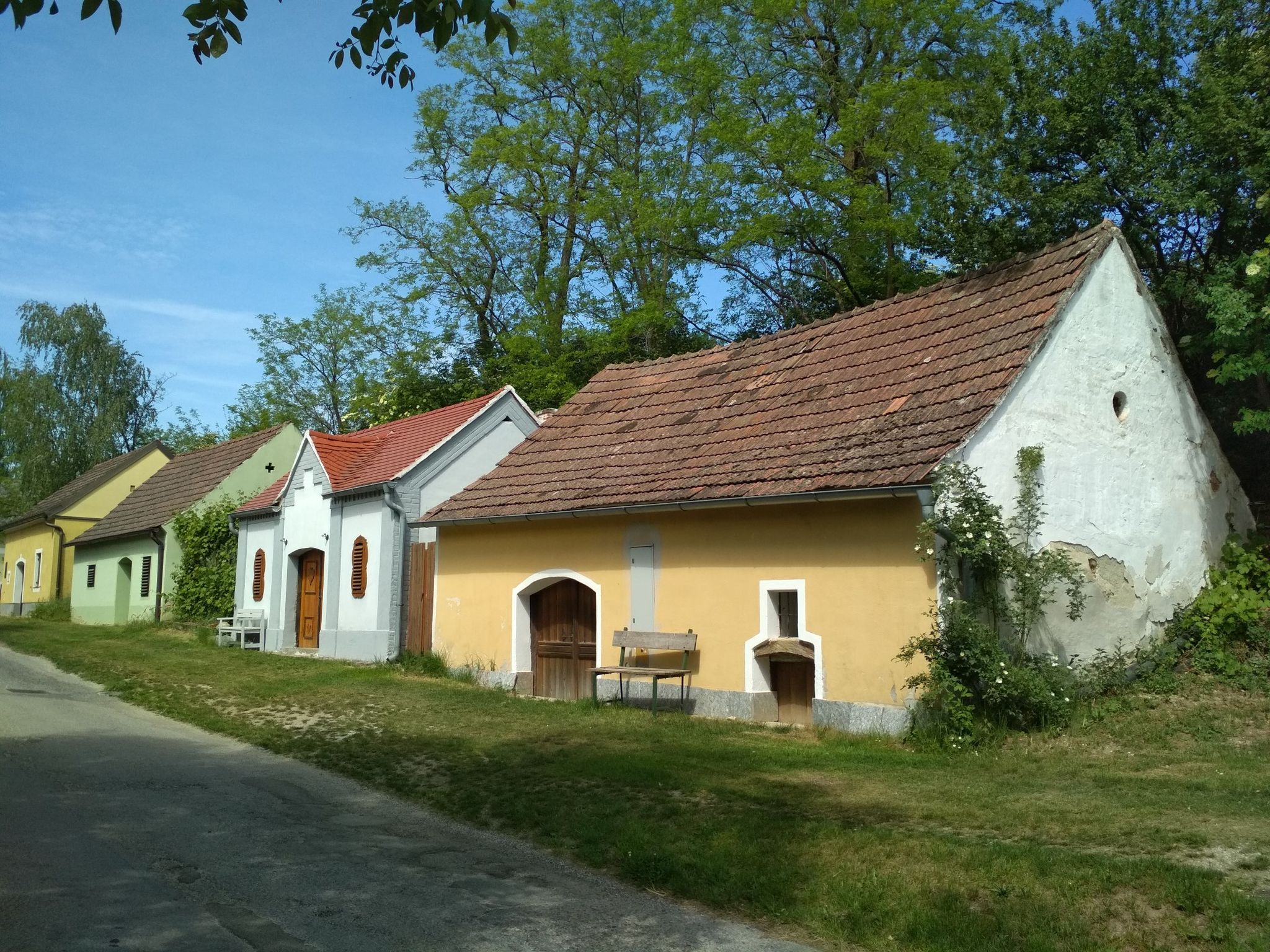
The most beautiful wine cellar lanes along the Jakobsweg Weinviertel
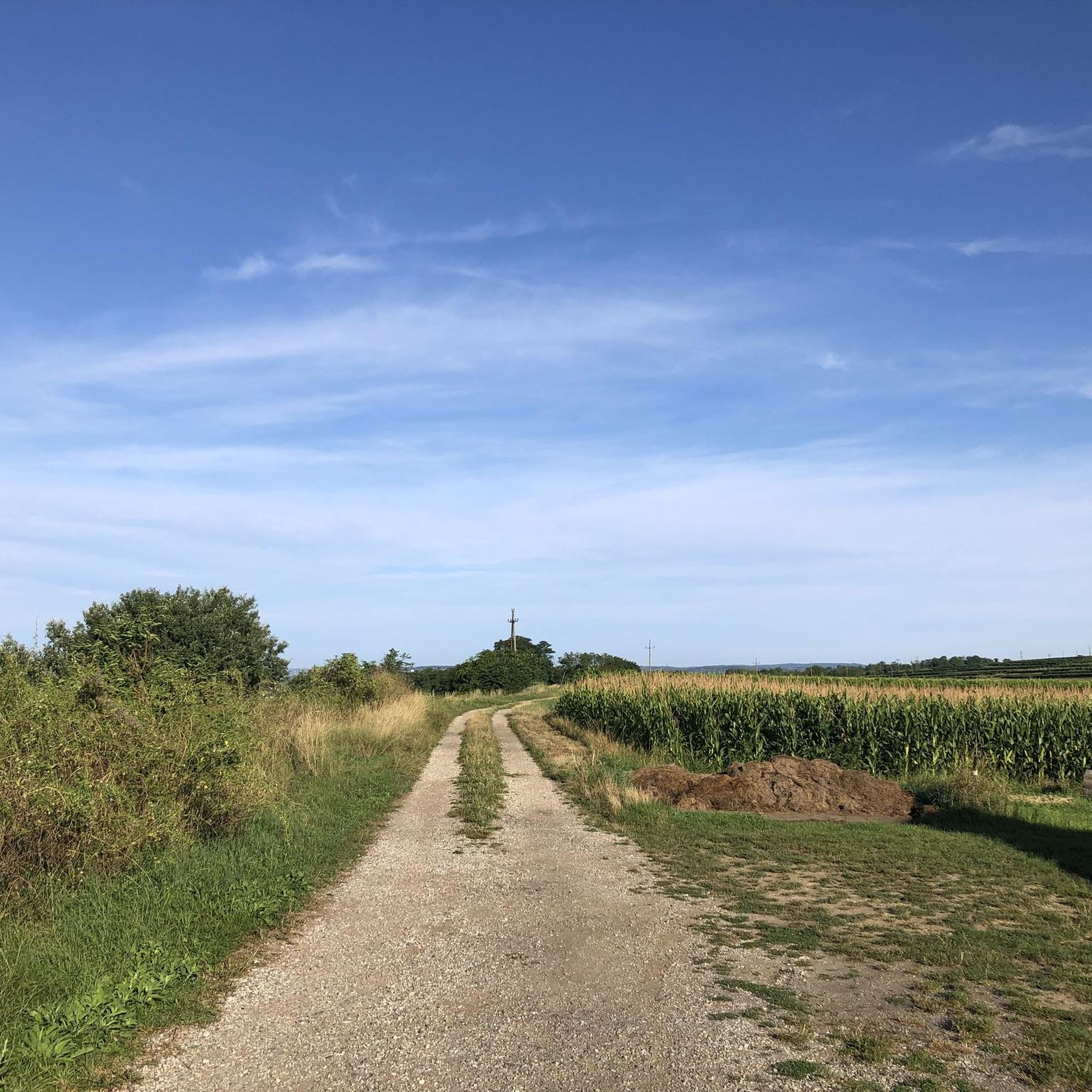
MTB Trails around Königsbrunn am Wagram
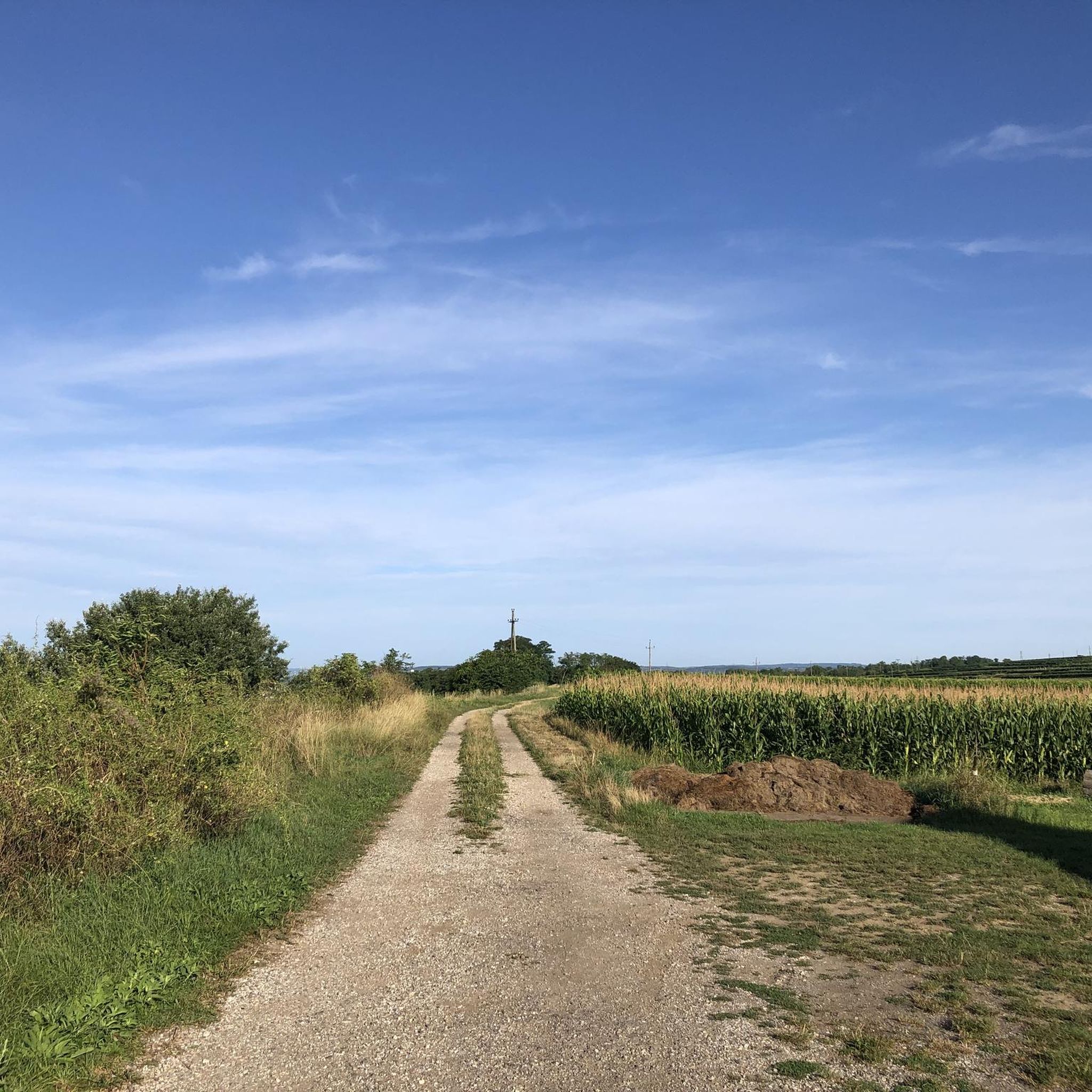
Cycling around Königsbrunn am Wagram
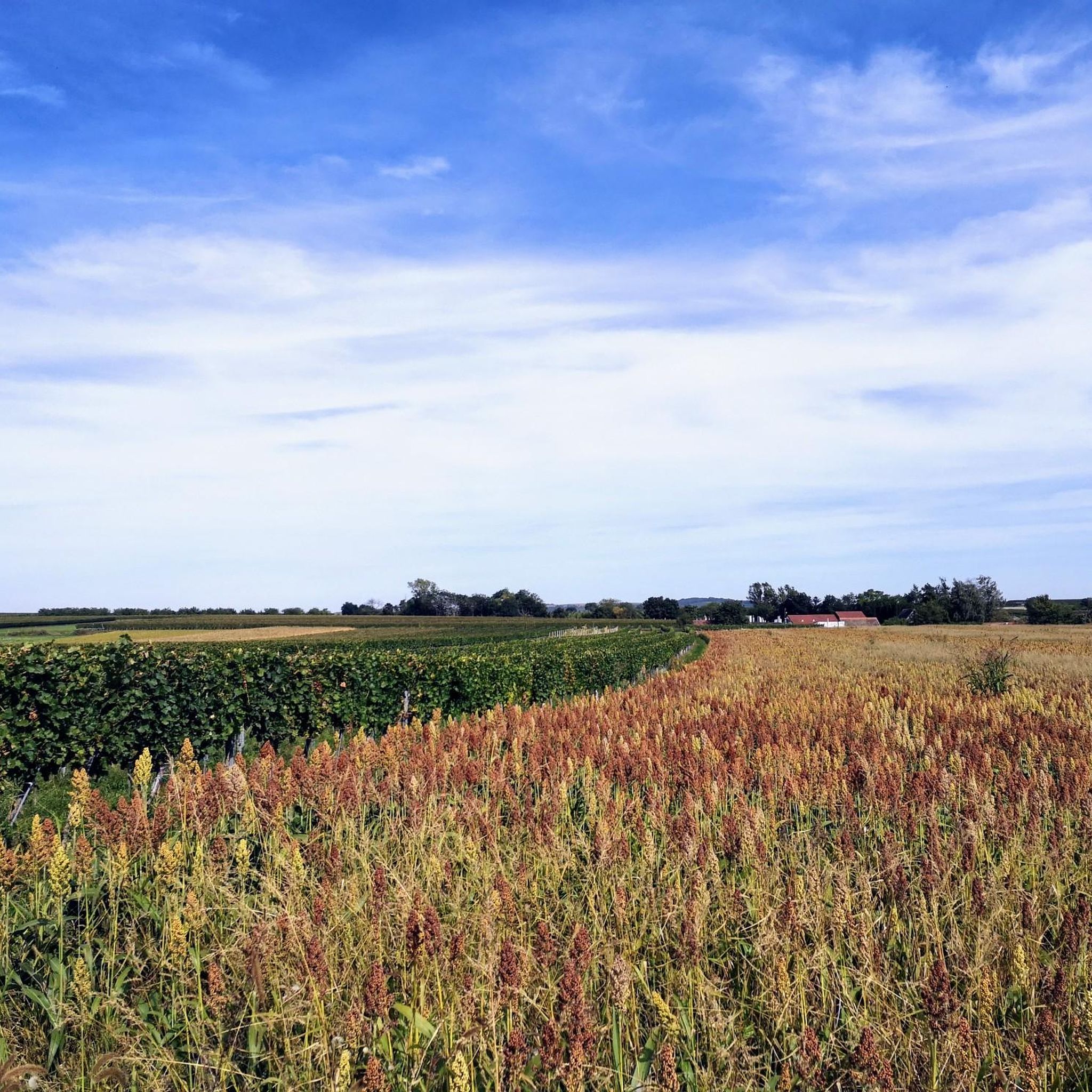
Road Cycling Routes around Königsbrunn am Wagram
Running Trails around Königsbrunn am Wagram
Gravel biking around Königsbrunn am Wagram
Hiking around Königsbrunn am Wagram
Other adventures around Königsbrunn am Wagram

Tips from the Community

Why do I just not feel comfortable near nuclear power plants?
9
0

The Heldenberg Cycle Path and a variant of the Garden Tour cross the Danube here. From up there, you have a beautiful view.
2
0

The Zwentendorf nuclear power plant on the Danube, near Tulln in Lower Austria, was planned in the 1970s as Austria's first commercial nuclear power plant. Construction began in 1972 and was essentially completed in 1976. The plant was designed as a boiling water reactor with an electrical output of 730 MW and was considered modern and safe by the standards of the time. Despite its complete construction, the power plant was never put into operation. The decisive factor was the referendum on November 5, 1978, in which 50.47% of Austrians voted against its commissioning. The National Council subsequently passed a law prohibiting the use of nuclear energy for electricity generation in Austria. Thus, Zwentendorf remains the only completed but never commissioned nuclear power plant in the world. In the following decades, the plant was not dismantled but continued to be used. Since the 2000s, it has served as a training and education center for power plant and safety personnel, as a real reactor without radioactive radiation offers a unique training environment. Guided tours, technical training sessions, film shoots, and events also take place there. A photovoltaic system was later installed on the site, making it a symbol of the energy policy shift and Austria's decision against nuclear power.
8
0
Here the Great Tullnerfeld circular hiking trail 475/675 crosses the Danube; in good weather you have a great view.
3
0

The site is located directly on the Danube bank, between the old railway bridge and Nibelungenplatz. Before the event, the nearby town centre with its beautiful and spacious main square and the gastronomy with a southern flair, as well as the Egon Schiele Museum Tulln, which is located directly on our site, invite you to not limit your visit to the evening event. Source: www.donaubuehne.at/location.html
6
0
A very beautiful monument with an interesting history and a fountain worth seeing. The Nibelungen Monument in Tulln on the Danube commemorates the legendary arrival of Kriemhild in Tulln, as described in the Nibelungenlied. According to legend, Kriemhild met King Etzel here before marrying him. The monument consists of a striking bronze group showing Kriemhild and Etzel. Created by the sculptor Michail Nogin, it was unveiled in 2005 and is located near the banks of the Danube, not far from the boat dock. It is part of the tourist Nibelungen theme route, which runs through several places along the Danube. In the Nibelungenlied, a Middle High German heroic epic from the 13th century, Kriemhild travels east after the murder of her first husband Siegfried of Worms. In Tulln she meets King Etzel (Attila, ruler of the Huns), whom she later marries to complete her revenge on the Burgundians. This section of the saga underlines the historical influence of the Huns on Central European history.
8
0
The Nibelung Monument in Tulln, also known as the Nibelung Fountain, commemorates a scene from the medieval epic "Nibelungenlied": the festive reception of the Burgundian princess Kriemhild by the Hunnic king Etzel in Tulln. The monument features life-size bronze figures of the central characters of this scene, including Kriemhild with her retinue and Etzel with his companions, symbolically complemented by a child as a sign of their future union. Beneath the figures is an artfully designed fountain, whose jets appear to rise from an open book, the Nibelungenlied itself. The interplay of water and light creates a unique atmosphere that symbolizes the connection between East and West. The monument was inaugurated in 2005, and the surrounding square, Nibelungenplatz, was redesigned as an inviting public space. The Nibelung Monument blends medieval legend with contemporary art and stands as an impressive testament to history, legend, and urban design.
7
0
The Danube Stage Tulln is a prominent open-air stage in Tulln, situated on the banks of the Danube River. This venue is particularly well-known during the summer months for hosting a wide range of events, including concerts and festivals. Its location on the Danube provides a picturesque backdrop, making the stage a popular destination for both locals and tourists. The stage itself is distinguished by its large, suspended design, creating the illusion that it is floating in the Danube. The Danube Stage has become a cultural landmark of the region, attracting renowned artists and offering a unique experience for audiences through its blend of natural beauty and cultural entertainment.
8
0
Frequently Asked Questions
What natural features define the landscape around Königsbrunn am Wagram?
Königsbrunn am Wagram is nestled along the Wagram, a prominent loess formation known for its fertile soils and picturesque vineyards. This unique landscape offers scenic views over the Tullnerfeld and is ideal for exploring nature.
What historical and cultural sites can I visit in Königsbrunn am Wagram?
You can explore the Baroque Parish Church (Katholische Pfarrkirche Königsbrunn am Wagram hl. Johannes der Täufer), which stands on a hill in the village center. The town is also known for its historic water cellars and charming wine cellar lanes, reflecting centuries of wine culture.
Can I experience the local wine culture in Königsbrunn am Wagram?
Absolutely. Königsbrunn am Wagram is renowned for its exquisite wine, particularly strong Grüner Veltliner, fruity Riesling, and Burgundy varieties. You can visit numerous traditional wine taverns (Heurigen) to taste local wines and food, or stroll through the historic wine cellar lanes.
Are there good viewpoints to enjoy the scenery around Königsbrunn am Wagram?
Yes, the region offers various viewpoints providing beautiful panoramic vistas of the surrounding Wagram landscape and the Tullnerfeld. Additionally, the Tulln Danube River Promenade, while a bit further, offers lasting experiences along the Danube with scenic views.
What cycling opportunities are available near Königsbrunn am Wagram?
The area around Königsbrunn am Wagram is excellent for cycling. You can find numerous routes for touring, gravel biking, and mountain biking. For example, there are routes like the 'Old Cellar Lane Ruppersthal – Cycle Path Along the Schmida loop' or the 'Juliusburg Castle – Tulln Danube Bridge loop'. You can explore more options on the Cycling around Königsbrunn am Wagram guide or the Gravel biking around Königsbrunn am Wagram guide.
Are there hiking trails suitable for different skill levels?
Yes, Königsbrunn am Wagram offers various hiking trails, including the 'Wagram edge path' and the 'Plum Trail' (Plum Path Zaußenberg). These trails often lead through fragrant loess landscapes and charming cellars, catering to different preferences for difficulty and duration.
Are there family-friendly activities or attractions in the area?
Many attractions around Königsbrunn am Wagram are considered family-friendly. The Tulln Danube River Promenade with its Nibelungen saga figures and fountains, and the Donaubühne Tulln, which hosts various events, are popular choices for families. Exploring the scenic vineyards and loess hills on easy trails can also be a pleasant family outing.
When is the best time to visit Königsbrunn am Wagram?
The region is beautiful throughout the year, but spring and autumn are particularly appealing. Spring offers blooming vineyards and pleasant temperatures for outdoor activities, while autumn brings the grape harvest season, vibrant fall colors, and the traditional 'Heurigen' culture at its peak.
What are some other notable attractions near Königsbrunn am Wagram?
Beyond the immediate vicinity, you can visit the Nibelung Monument (Nibelungendenkmal) in Tulln, a bronze sculpture depicting the encounter of Kriemhild and Etzel. The Donaubühne Tulln is also a prominent open-air stage on the Danube, known for concerts and festivals.
Are any attractions wheelchair accessible?
Yes, some attractions in the broader region are noted for their accessibility. The Nibelung Monument (Nibelungendenkmal) and the Nibelung Monument – Etzel Meets Kriemhild in Tulln are both listed as wheelchair accessible. Additionally, the Tulln Danube Bridge has a wide path suitable for pedestrians and cyclists, including those using wheelchairs.
What do visitors enjoy most about the attractions around Königsbrunn am Wagram?
Visitors particularly appreciate the blend of natural beauty, rich history, and vibrant wine culture. The scenic views along the Danube, the historical significance of monuments like the Nibelung Monument, and the unique atmosphere of the wine cellars and Heurigen are frequently highlighted. The komoot community has shared over 300 photos and given more than 1700 upvotes, indicating a strong positive experience.
Most popular routes around Königsbrunn am Wagram
Most popular attractions around Königsbrunn am Wagram

Get inspired with the komoot mobile app


Explore more
Still not found the Highlight you’re looking for? See guides of the top attractions in other regions:
