Attractions and Places To See around Großriedenthal - Top 20
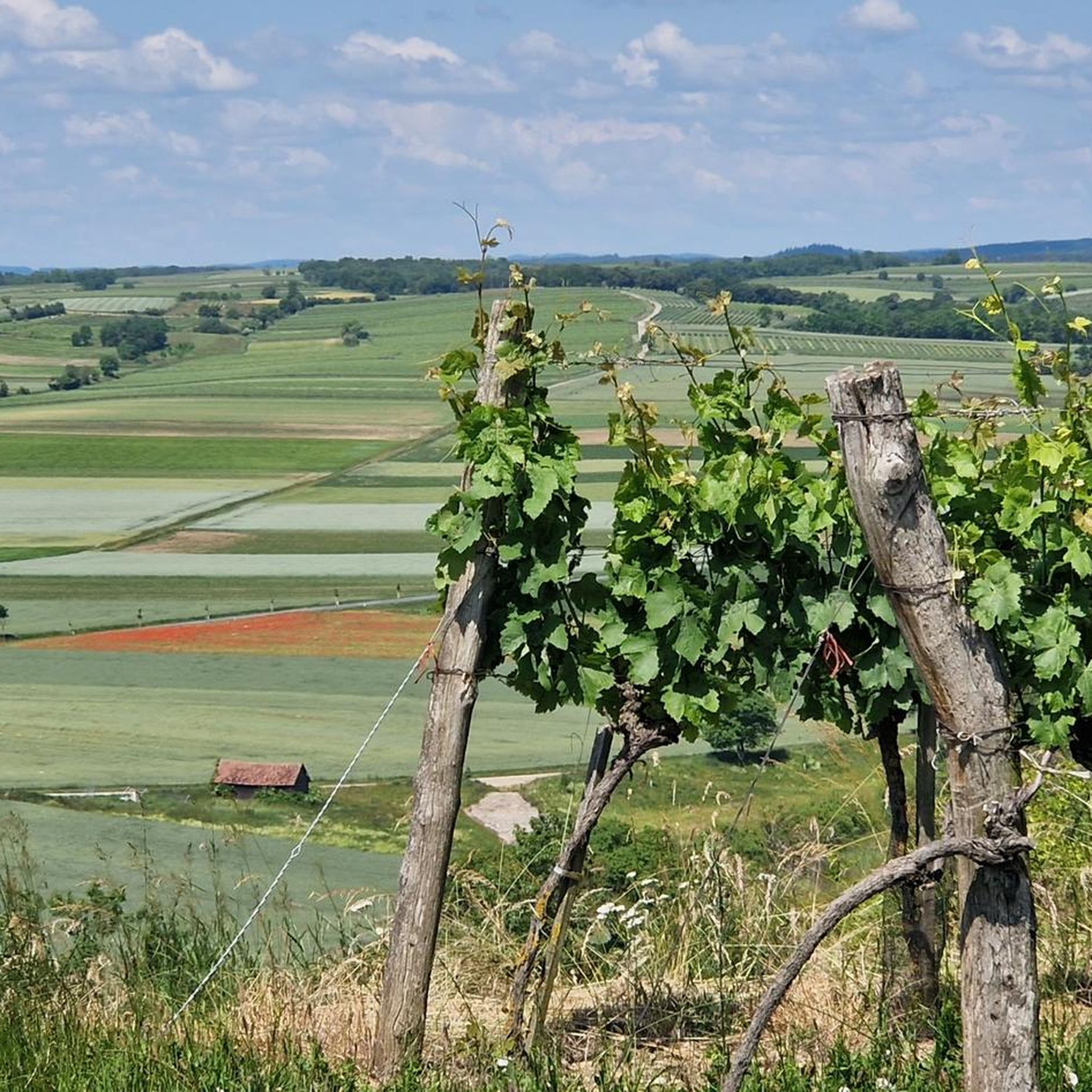
Best attractions and places to see around Großriedenthal, a municipality in Lower Austria, are characterized by its location in the Weinviertel region, north of the Danube, and its unique loess formations. The area is known for its wine-making tradition and diverse cultural sites. Visitors can explore historical landmarks, natural features like vineyards and loess walls, and modern viewing platforms. Großriedenthal offers a variety of sights for those interested in regional history, geology, and viticulture.
Best attractions and places to see around Großriedenthal
- The most popular attractions is Grafenegg Castle, a castle that has origins dating back to 1435. It underwent several transformations over centuries, becoming a Tudor-style castle in the 19th century.
- Another must-see spot is Wolkenturm Open-Air Stage, Grafenegg Castle Park, a man-made monument. This open-air stage, completed in 2007, offers 1,700 seats and is known for its acoustics.
- Visitors also love Wagram Peace Stupa, a religious building. This tower-like structure is 18.75 meters high with a 30-meter base, and is used for silent walking meditation.
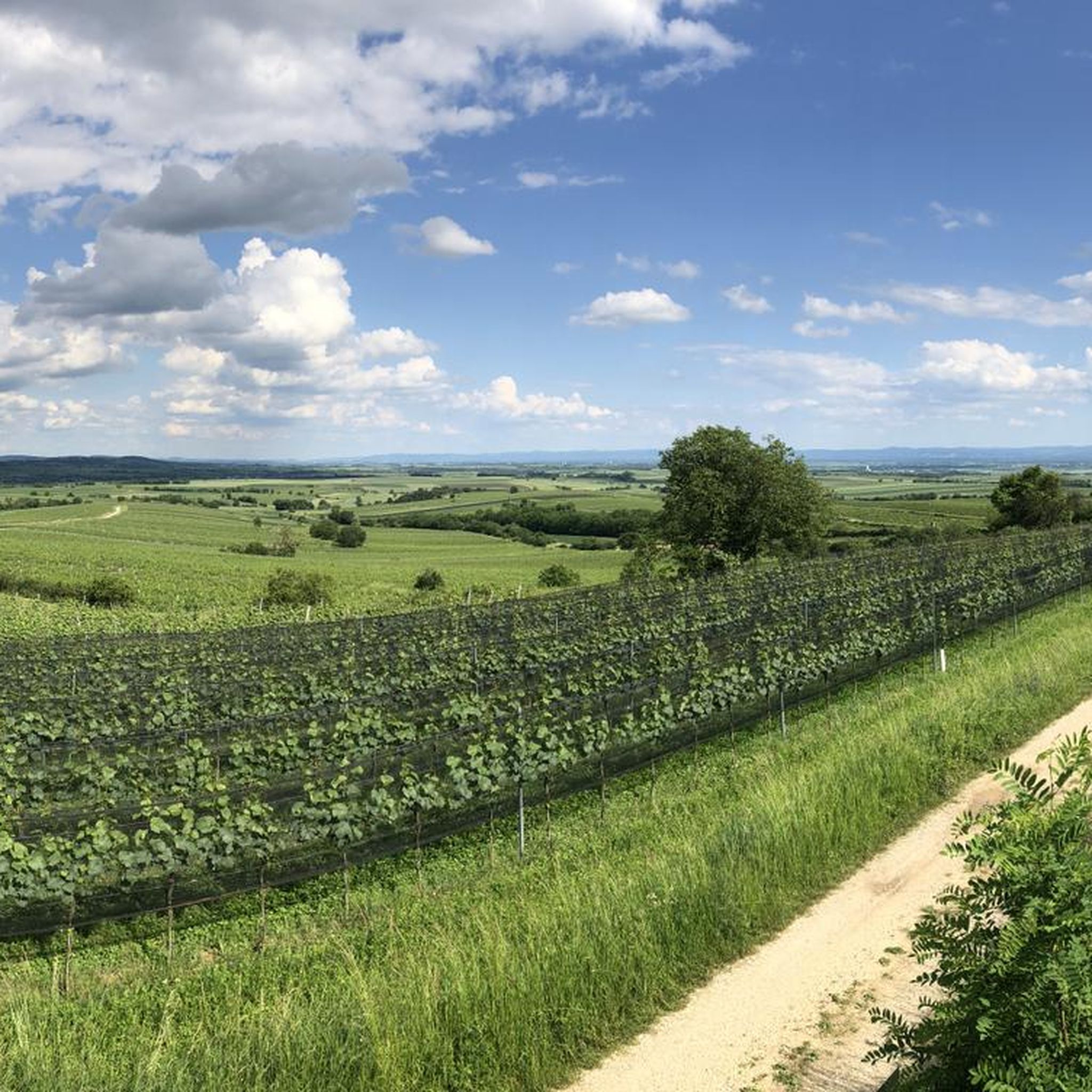
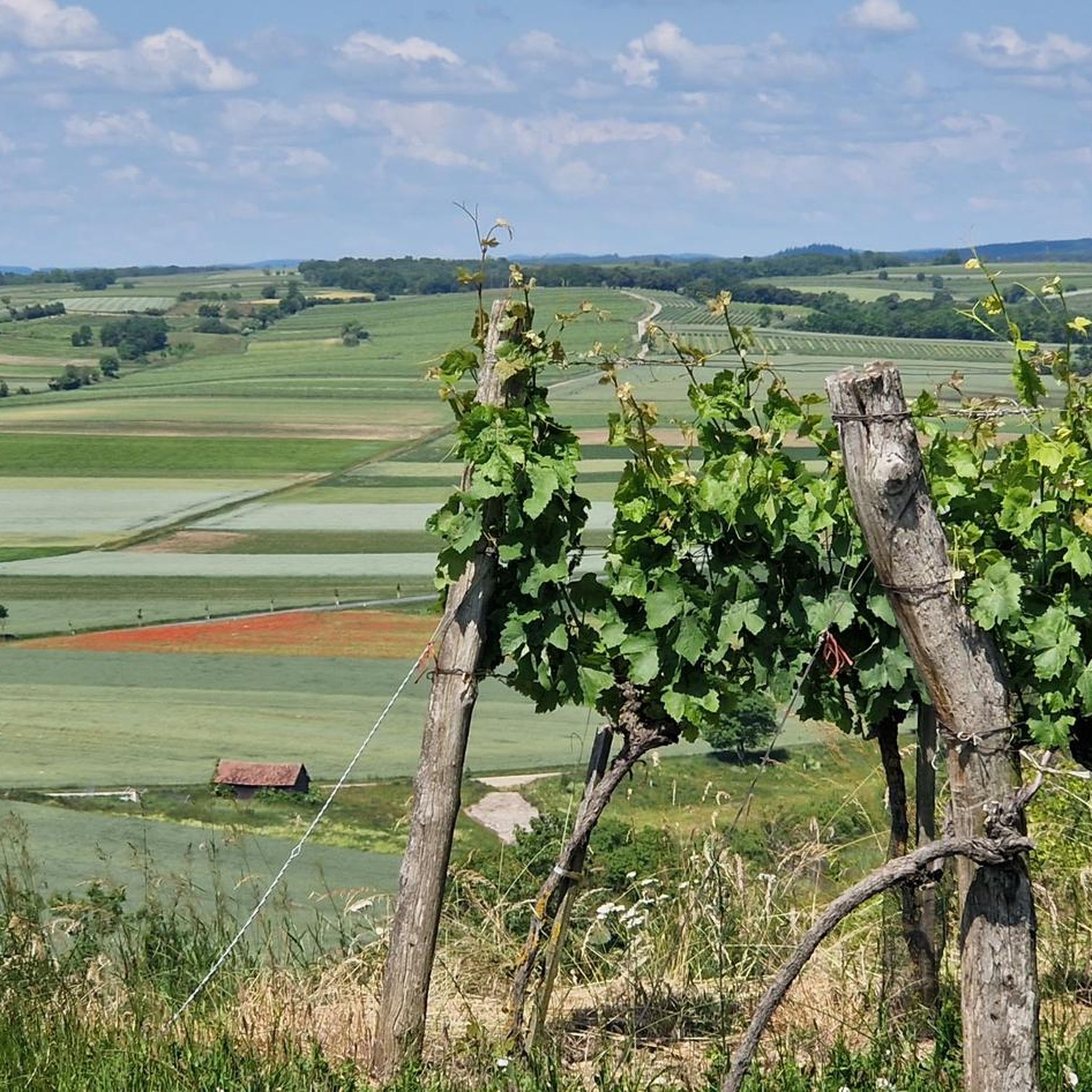
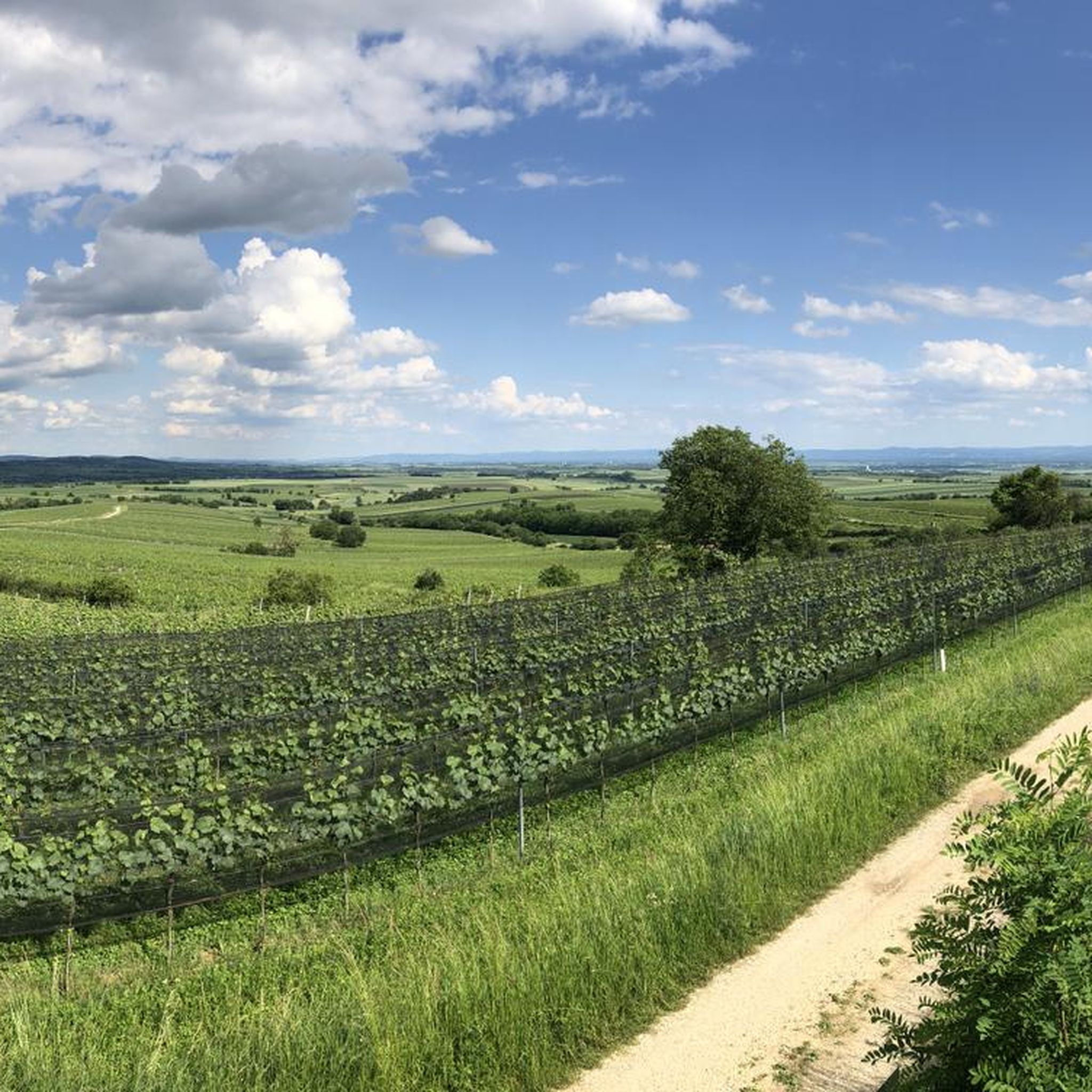
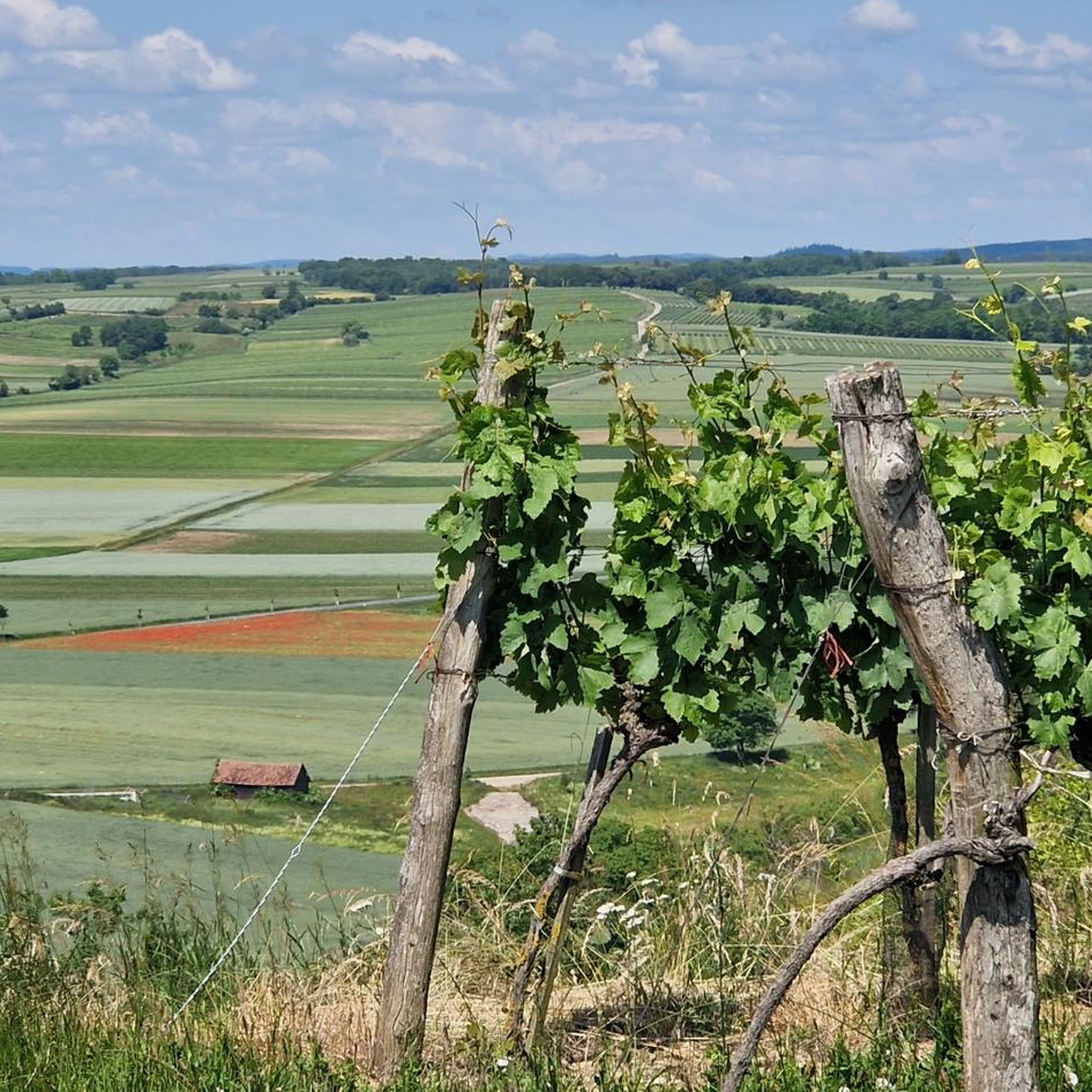
- Großriedenthal is known for historical sites, natural monuments, and cultural attractions. The region offers a variety of attractions to see and explore, including churches, castles, and impressive loess formations.
- The attractions around Großriedenthal are appreciated by the komoot community, with more than 550 upvotes and 60 photos.
Last updated: July 6, 2026
Altenwörth Danube Power Plant
Highlight • Monument
Translated by Google •
Tip by

Grafenegg Castle
Highlight • Castle
The castle is rich in historical evidence and its origins date back to 1435. From then on, it underwent several metamorphoses over the centuries until it finally became the Tudor-style castle that we see today. Count Breuner-Eckevoirt, a lover of architecture, had the Renaissance castle rebuilt in the 19th century in the style of romantic historicism. Today, the castle is owned by the Metternich-Sándor family, who have restored the castle with the support of the state of Lower Austria.
Text / Source: Ticket office & Info Grafenegg, Auditorium, Grafenegg 10, 3485 Grafenegg
grafenegg.com/de/schloss
Translated by Google •
Tip by

Sign up now to discover places like this
Get recommendations on the best single tracks, peaks, & plenty of other exciting outdoor places.
Sign up for free
Altenwörth Power Plant
Highlight • Monument
The power plant has a pedestrian and bicycle bridge that allows for safe crossing of the Danube. During the crossing, visitors can enjoy impressive views of the Danube and the surrounding landscape. There are rest areas and information panels providing information about the power plant and the surrounding area.
Translated by Google •
Tip by

Wagram Peace Stupa
Highlight • Religious Site
The Peace Stupa am Wagram has the typical shape of a stupa. It is a tower-like central structure with three floors. The dome is 18.75 meters high and the base has a diameter of 30 meters.
Such buildings are very common in Asia. They are comparable to our prayer chapels, for example. In contrast to these, the outside space of a stupa is essential: the three levels are walked around one after the other, traditionally in a clockwise direction, from bottom to top in a silent walking meditation.
It is a very special honor to be involved in the construction of a stupa.
The first ten discs of the tower correspond to the ten supernatural powers and the spiritual abilities of a Buddha. The three topmost discs correspond to the three "deep contemplations" or the three "types of mindfulness".
The rings indicate the thirteen levels of spiritual realization of a Bodhisattva until final awakening. At the top of the stupa there is a small round ball, which is called a "drop or jewel" in Tibetan and rests on a sun and moon disk.
This jewel symbolizes the complete realization of one's own spirit. The sun disk embodies the discriminating wisdom (Skr. prajna), the moon disk the best method (Skr. upaya) and the immeasurable compassion (Skr. karuna). This sun sends its warming rays to all living beings everywhere.
Text / Source: STUPA INSTITUT
stupa.at/der-stupa/daten-und-fakten/index.html
Translated by Google •
Tip by
Engabrunner Observation Tower
Highlight • Viewpoint
The observation tower on the Haide in Engabrunn, built in 2004, is located at around 290 m and is around 10 m high. In clear weather you can enjoy the view of Schneeberg, Rax and Ötscher. From here you can also see five wine-growing regions in Lower Austria: Kamptal, Donauland, Traisental, Wachau and Kremstal. Grafenegg Castle is also clearly visible.
Text / Source: Waldviertel Tourismus, 3910 Zwettl,
waldviertel.at/ausflugsziele/a-aussichtswarte-engabrunn
Translated by Google •
Tip by
Sign up for free to discover even more attractions around Großriedenthal.
Sign up for free
Already have an account?
Start today with a free account
Your next adventure awaits.
Login or Signup

Tips from the Community

here you can cross the Danube and continue on the other side
0
0
here you can change the Danube side and continue on the other side
0
0

A great way to cross the Danube on foot.
3
1

The Peace Stupa in Wagram near Feuersbrunn is one of the largest Buddhist peace monuments in Europe. Built between 2016 and 2019 according to the design of Austrian architect Matthias Rainer, it reaches a height of 32.5 meters and a diameter of approximately 30 meters. Particularly noteworthy is the accessible interior, designed as a space for meditation and encounters. The ceremonial inauguration took place on June 4, 2023. Construction was privately financed through the Stupa Institute of the Austrian Buddhist Religious Society and carried out under the spiritual guidance of monk Bop Jon Sunim, who had previously been involved in the Hungarian Peace Stupa in Zalaszántó. Inside the stupa are relics of the historical Buddha Shakyamuni, presented by the Dalai Lama, while a gilded Buddha statue weighing approximately 700 kilograms sits atop it. A large peace bell and the surrounding garden with meditation paths, sculptures, and prayer flags invite spiritual contemplation. The stupa symbolizes peace, compassion, and religious tolerance and is open to all people regardless of their faith.
2
0

Wonderful castle with impressive grounds.
1
0
The Peace Stupa at Wagram, also known as the Grafenwörth Stupa, is an impressive Buddhist peace monument in Lower Austria. It is located on a hill near Feuersbrunn in the Tulln district and was built between 2016 and 2019. The official inauguration took place on June 4, 2023. Designed by the Austrian architect Matthias Rainer, the stupa is one of the largest Buddhist stupas in Europe, with a height of 32.5 meters and a diameter of approximately 30 meters. Of particular note is the accessible interior, designed as a place for meditation and encounters – a truly unique feature of this size. The project was privately funded by the Stupa Institute of the Austrian Buddhist Religious Society, under the spiritual guidance of the Buddhist monk Bop Jon Sunim (Tenzin Tharchin), who also contributed to the Peace Stupa in Zalaszántó, Hungary. However, the construction was not without controversy, as it encroached on an ecologically sensitive area with nesting sites for the hoopoe, which led to protests and delays. Inside the stupa are relics of the historical Buddha Shakyamuni, presented by His Holiness the Dalai Lama. At the top is a gilded Buddha statue weighing approximately 700 kilograms, donated from South Korea. A large peace bell is also part of the inventory. The surrounding garden is designed as a place of peace and spiritual contemplation, with meditation paths, sculptures, and prayer flags. The stupa symbolizes peace, compassion, and tolerance and is open to people of all faiths who seek peace and encounter here.
5
0
The Peace Stupa at Wagram, also known as the Grafenwörth Stupa, is an important Buddhist peace monument in Lower Austria. It is located on a hill near Feuersbrunn in the Tulln district and was built between 2016 and 2019. The inauguration ceremony took place on June 4, 2023. Designed by the Austrian architect Matthias Rainer, the stupa is one of the largest Buddhist stupas in Europe, with a height of 32.5 meters and a diameter of approximately 30 meters. Particularly noteworthy is the accessible interior, designed as a meditation and meeting space – a first of its kind on this scale. The project was privately funded through the Stupa Institute of the Austrian Buddhist Religious Society, under the spiritual guidance of the Buddhist monk Bop Jon Sunim (Tenzin Tharchin), who was previously involved in the Hungarian Peace Stupa in Zalaszántó. The construction was not without controversy: encroachments on an ecologically sensitive area with nesting sites for the hoopoe led to protests and delays. The interior of the stupa houses relics of the historical Buddha Shakyamuni, presented by His Holiness the Dalai Lama. A gilded Buddha statue weighing approximately 700 kilograms, donated from South Korea, sits enthroned at the top. A large peace bell is also part of the furnishings. The surrounding garden is designed as a place of silence and spiritual contemplation, with meditation paths, sculptures, and prayer flags. The stupa symbolizes peace, compassion, and religious tolerance and is open as a meeting place for people of all faiths.
5
0

Take your time. Take time not just to observe, but also to explore. Time for the outside and time for the inside—time for yourself and time for a conversation.
0
0
Frequently Asked Questions
What historical and cultural sites can I explore in Großriedenthal?
Großriedenthal offers a rich array of historical and cultural sites. You can visit the Parish Church of Großriedenthal, built between 1768 and 1771, featuring a painting by Martin Johann Schmidt. Another notable religious site is the Subsidiary Church of Ottenthal, consecrated in 1726. For a glimpse into rural life, explore the Grafenegg Castle, a magnificent Tudor-style castle with origins dating back to 1435, or the Museum der einfachen Dinge, housed in a Renaissance-era knight's estate showcasing historical tools and clothing.
Are there any significant natural features or viewpoints to discover around Großriedenthal?
Yes, Großriedenthal is known for its unique natural landscape. The impressive Loess Wall "Neun Mauna", reaching up to 25 meters, is a declared natural monument. You can also enjoy scenic views from the modern Eisen.Hut Viewing Platform, located on the "Tut Gut Wanderweg," offering panoramas of the Wagram vineyards. The region's vineyards and loess trenches provide tranquil settings for walks, and the Spielberg & Aubergfelsen ridge is another natural highlight.
What kind of outdoor activities can I do near Großriedenthal's attractions?
The area around Großriedenthal is excellent for various outdoor activities. For cycling enthusiasts, there are routes like the "View of the Danube – Grafenegg Castle loop" or the "Engabrunner Observation Tower – Wagram Peace Stupa loop." Hikers can enjoy trails such as the "Eisenhut – Wagram Viewing Platform loop" or the "Wine Press – Great view loop." Gravel biking is also popular, with routes like the "Kellergasse Schöngrabern – Cycling material loop." You can find more details and routes in the Cycling around Großriedenthal, Hiking around Großriedenthal, and Gravel biking around Großriedenthal guides.
Are there family-friendly attractions in the Großriedenthal area?
Absolutely. Many attractions around Großriedenthal are suitable for families. Grafenegg Castle offers expansive grounds to explore, and the nearby Wolkenturm Open-Air Stage in Grafenegg Castle Park is an interesting architectural marvel. The Altenwörth Danube Power Plant features a pedestrian and bicycle bridge, providing impressive views and information panels that can be engaging for all ages. Gentle walks through the vineyards and loess trenches are also pleasant family activities.
What is the Wagram Peace Stupa and what is its significance?
The Wagram Peace Stupa is a unique religious building with a tower-like central structure, 18.75 meters high with a 30-meter base. It is used for silent walking meditation, where visitors traditionally walk around its three levels in a clockwise direction. The stupa's design elements, such as its discs and rings, symbolize spiritual realization and wisdom, offering a place for contemplation and peace.
Can I visit the Altenwörth Danube Power Plant, and what can I expect there?
Yes, the Altenwörth Danube Power Plant is open to visitors. It is one of Austria's largest run-of-river power plants and features a pedestrian and bicycle bridge that allows for safe crossing of the Danube. During your visit, you can enjoy impressive views of the river and surrounding landscape, with rest areas and information panels providing insights into the power plant's operation and its role in flood protection and ecological continuity.
What is the best time of year to visit Großriedenthal for sightseeing and outdoor activities?
The mild climate of the Weinviertel region makes Großriedenthal enjoyable for sightseeing and outdoor activities primarily from spring through autumn. During these seasons, the vineyards are lush, and the weather is ideal for hiking, cycling, and exploring historical sites. While some attractions may be accessible year-round, the full beauty of the natural landscapes and the comfort for outdoor pursuits are best experienced in the warmer months.
Are there any accessible paths or attractions for visitors with mobility considerations?
Yes, some attractions offer better accessibility. The Altenwörth Power Plant, for instance, features a pedestrian and bicycle bridge that is wheelchair accessible, allowing visitors to enjoy views of the Danube. When planning your visit, it's advisable to check specific accessibility details for other sites like Grafenegg Castle or the Museum der einfachen Dinge, as accessibility can vary.
What is the significance of the vineyards and loess soils in Großriedenthal?
Großriedenthal is nestled in the renowned Wagram wine region, where the vineyards and loess soils play a crucial role. The fertile loess soils, combined with the mild climate, contribute to the production of high-quality wines. Strolling through the quiet vineyards (Rieden) and romantic loess trenches not only offers relaxation but also a chance to appreciate the unique geological characteristics and discover rare plant species that thrive in this environment.
Where can I find information about local cafes or restaurants near the attractions?
While specific cafes and restaurants are not detailed in the provided data, Großriedenthal and the surrounding Weinviertel region are known for their wine-making tradition, which often includes local taverns (Heurigen) and eateries. These establishments typically offer regional cuisine and local wines. It is recommended to check local listings or ask residents upon arrival for the most current recommendations near the attractions you plan to visit.
What makes the Wolkenturm Open-Air Stage at Grafenegg Castle Park unique?
The Wolkenturm Open-Air Stage, completed in 2007, is an award-winning architectural marvel within Grafenegg Castle Park. It's renowned for having some of the best acoustics in Europe, offering 1,700 seats and additional lawn spaces. Its design, a blend of concrete, steel, and glass, creates a unique connection between nature and architecture, providing an exceptional setting for concerts and events.
Most popular routes around Großriedenthal
Most popular attractions around Großriedenthal

Get inspired with the komoot mobile app


Explore more
Still not found the Highlight you’re looking for? See guides of the top attractions in other regions:
