Top 10 Castles around Sankt Andrä
Best castles around Sankt Andrä are found within the Lavanttal region of Carinthia, Austria. This area is known for its historical fortifications and natural landscapes, offering a blend of cultural significance and outdoor exploration. Visitors can discover various historical sites, including castle ruins and well-preserved medieval complexes. The region provides opportunities to explore history while enjoying the surrounding environment.
Best castles around Sankt Andrä
- The most popular castles is Rabenstein Castle Ruins, a castle that was built in the…
Last updated: July 1, 2026
Thürn Castle
Highlight • Castle
Translated by Google •
Tip by

Rabenstein Castle Ruins
Highlight • Castle
Translated by Google •
Tip by

Sign up now to discover places like this
Get recommendations on the best single tracks, peaks, & plenty of other exciting outdoor places.
Sign up for free
Weißenegg Castle
Highlight • Castle
Translated by Google •
Tip by

Griffen Castle Ruins
Highlight • Castle
Translated by Google •
Tip by

Haimburg Castle
Highlight (Segment) • Castle
Translated by Google •
Tip by

Sign up for free to discover even more castles around Sankt Andrä.
Sign up for free
Already have an account?
Start today with a free account
Your next adventure awaits.
Login or Signup
Popular around Sankt Andrä
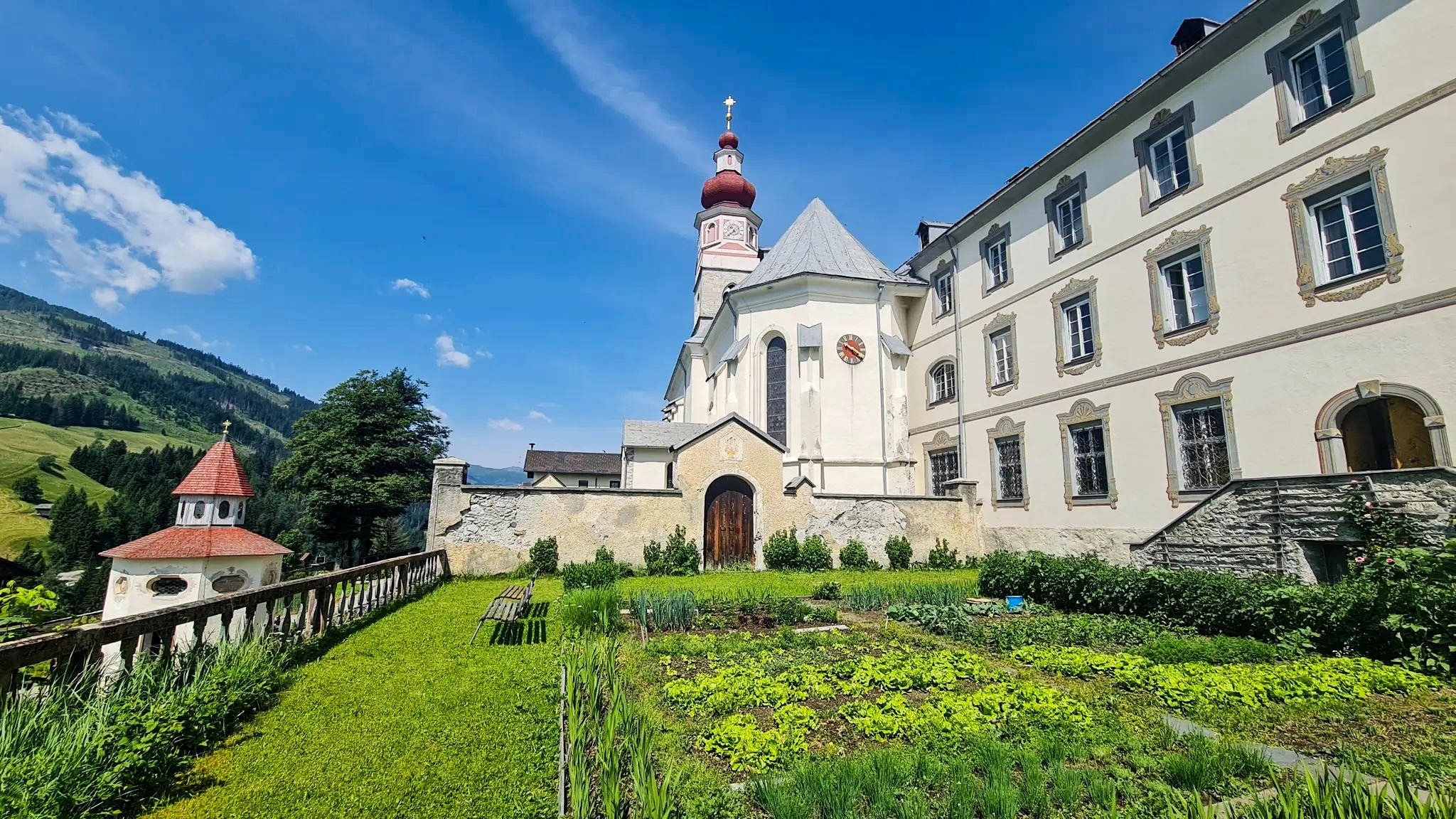
Carinthian Marian Pilgrimage Way – Wonder and find yourself
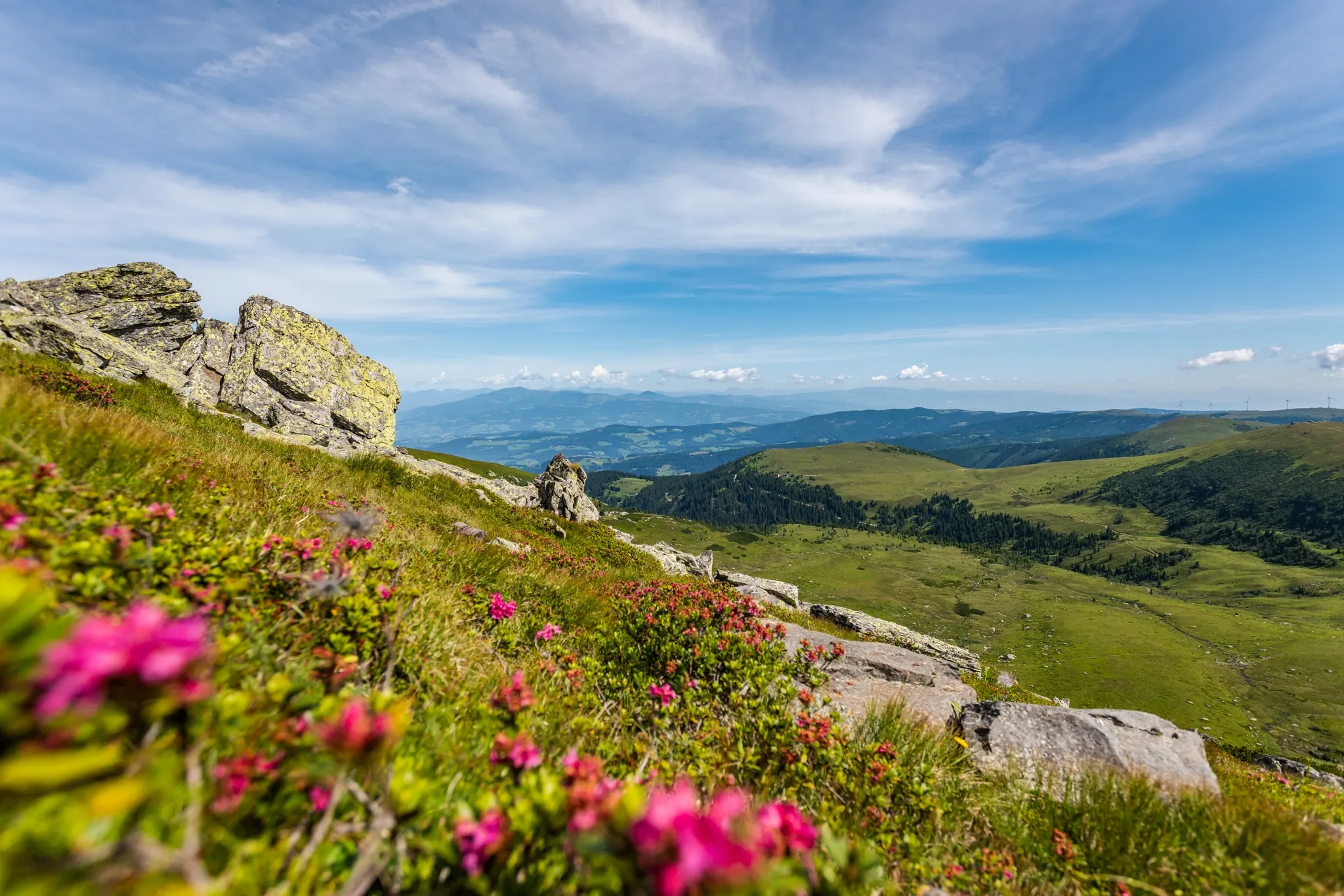
Koralm Kristall Trail – Spectacular rocks and alpine meadows

Sunny adventures on the Southern Alps Panorama Trail

9 days of relaxation and wonder in Austria – Lavant Valley Trail
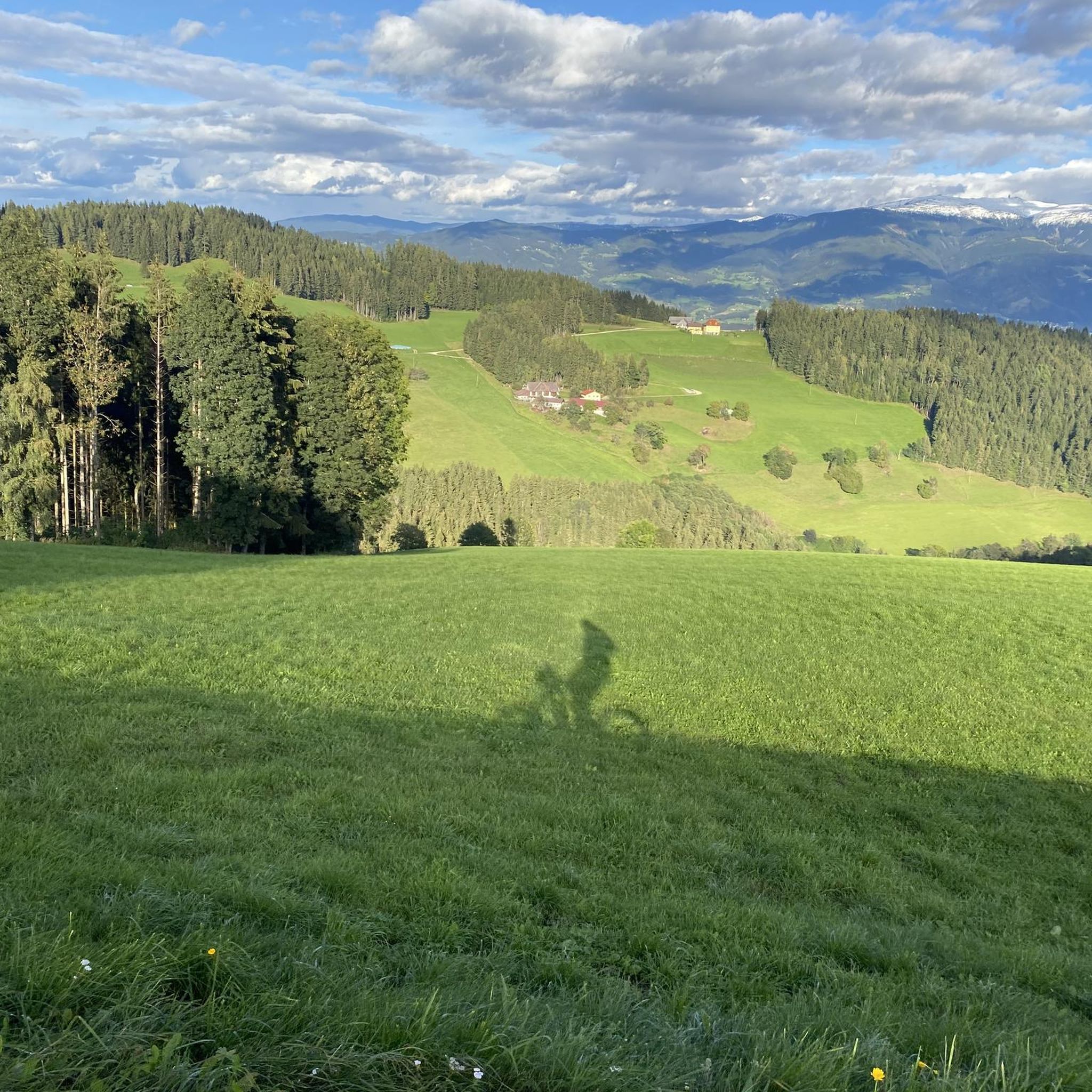
Hiking around Sankt Andrä
Cycling around Sankt Andrä
MTB Trails around Sankt Andrä
Road Cycling Routes around Sankt Andrä
Mountain Hikes around Sankt Andrä
Running Trails around Sankt Andrä
Other adventures around Sankt Andrä


Tips from the Community

Beautiful view over Griffen and the surrounding area.
1
0

Rabenstein Castle was built in the 12th century to protect the St. Paul Monastery in the Lavanttal. After a fire in 1636 it fell into disrepair, so that today only ruins can be seen.
4
0

There is a nice bike path from Haimburg to Griffen
1
0
At the entrance to the stalactite cave you will find a sign describing all three ascent options to Griffen Castle
1
0
There were a total of four castles with the name Weißenegg in the Austrian provinces, of which the castle near Ruden was probably the ancestral castle of the Weißeneggers. The oldest known descendant of the Weißenegger family is said to have been Wülfing von Wizzeneck, who is said to have lived around 1120. The castle was first mentioned in a document in 1243 as dominus de Wizenekke. Dietmar von Weißenegg, a ministerial of the diocese of Bamberg, appears several times in documents between 1244 and 1263. In the 13th and 14th centuries, the Weißeneggers were an important noble family in Carinthia, they provided several bishops and were also active in the military. From the year 1300 Weißenegg was the seat of a district court, which also included Ruden. In 1332 the property was sold to the Lords of Walsee. Eberhard von Walsee († 1363), who had no descendants, inherited the castle and dominion from his cousins Ulrich and Hermann I von Cilli. The Counts of Cilli stayed on Weißenegg until 1425, then Hermann II von Cilli exchanged Weißenegg and Hartneidstein with the bishopric of Bamberg for the lordship of Mauthenberg (Hohenmauthen/Muta). Weißenegg remained in Bamberg until 1759, when the diocese sold its estates in Carinthia to the Austrian Empire. The castle was already deserted at this point. In 1775 Maximilian Thaddäus Freiherr von Egger acquired the castle, which from then on remained in the possession of his descendants for over a century. In 1885 the barons Ferdinand and Karl Helldorf bought the property, and in 1936 the extensive forests with the ruins passed to the Leitgeb family of industrialists from Kühnsdorf, who are still the owners today.
6
0

Inside the 130 m high Schlossberg is the Griffen stalactite cave. The mountain consists of yellowish limestone.
1
0

Along the way you will come across the Griffen monastery. Highly recommended to visit.
1
0

A varied section with an impressive landscape.
0
0
Frequently Asked Questions
What are some of the most historically significant castles around Sankt Andrä?
The region around Sankt Andrä is rich in history. Notable castles include Rabenstein Castle Ruins, a 12th-century fortress built to protect the St. Paul Monastery, and Thürn Castle, a medieval complex with a 14th-century tower that has seen significant architectural changes over centuries. Weißenegg Castle also holds deep historical roots, first mentioned in 1243 and once the ancestral seat of an important Carinthian noble family.
Which castles offer the best panoramic views?
For breathtaking views, Rabenstein Castle Ruins provides unique vistas from its preserved walls. Further afield in Carinthia, Hochosterwitz Castle, perched on a 172-meter-high rock, offers phenomenal panoramic views of the surrounding landscape, while Landskron Castle provides stunning views, particularly over Lake Ossiach.
Are there any castles that combine history with natural wonders?
Yes, Griffen Castle Ruins offers a unique combination. A hiking trail leads up to the ruins, and inside the 130-meter-high Schlossberg, you can explore the Griffener stalactite cave, blending historical exploration with natural beauty.
What unique experiences do the castles in the broader Carinthia region offer?
Beyond the immediate vicinity of Sankt Andrä, the Carinthian region boasts diverse castle experiences. Hochosterwitz Castle is renowned for its unique defensive architecture and 14 fortified gates. Landskron Castle is famous for its impressive eagle show and gourmet restaurant. Sommeregg Castle houses Central Europe's largest torture museum, offering a glimpse into medieval realities. Finkenstein Castle, though a ruin, serves as a unique open-air concert venue, and Schloss Taggenbrunn combines history with vineyards, wine tasting, and cultural events.
How much time should I plan for a castle visit in the Sankt Andrä region?
The time needed varies by castle. For ruins like Rabenstein Castle Ruins or Griffen Castle Ruins, a visit might take 1-2 hours, especially if you include a hike to reach them. Larger, well-preserved castles or those with additional attractions like museums or shows (e.g., Hochosterwitz or Landskron) could easily fill half a day or more.
Are there family-friendly castles or activities near Sankt Andrä?
Many castles offer engaging experiences for families. Landskron Castle, for example, is highly recommended for its live bird of prey demonstrations, which are both entertaining and educational. Exploring the ruins of Griffen Castle and its stalactite cave can also be an exciting adventure for children.
When is the best time of year to visit the castles around Sankt Andrä?
The best time to visit is generally during the warmer months, from spring to autumn (April to October), when the weather is pleasant for exploring ruins and outdoor areas. Many castles and their associated attractions, like the Griffener stalactite cave, have extended opening hours during this period. Some castles may have limited access or be closed during winter.
Are the castles around Sankt Andrä accessible by public transport?
While some castles might be reachable by public transport to a nearby town, direct access to the castle gates often requires a car or a walk from the nearest bus stop. For detailed information on public transport options to specific castles, it's advisable to check local transport schedules or visit the official tourism website for Carinthia at visitcarinthia.at.
What outdoor activities can I do near these castles?
The region around Sankt Andrä offers various outdoor activities. You can find numerous hiking trails, including routes that lead to castle ruins like Griffen Castle Ruins. There are also cycling routes and running trails that allow you to explore the scenic Lavanttal region and its historical sites.
Are there places to eat or drink near the castles?
Yes, some castles have dining options directly on-site or nearby. For instance, the Rabensteiner Inn is located right next to Rabenstein Castle Ruins, offering dining and accommodation. Landskron Castle also features a gourmet restaurant. For other castles, you'll typically find cafes and pubs in the nearest towns or villages.
Are any of the castles around Sankt Andrä wheelchair accessible?
Due to their historical nature and often hilltop locations, many castles in the region, especially ruins, may have limited accessibility for wheelchairs. Hochosterwitz Castle, for example, has a winding access road, but its 14 gates and steep paths can be challenging. It's best to check the specific accessibility details for each castle directly with their management before your visit.
Can I visit castles around Sankt Andrä during winter?
Some castles may remain open during winter, though often with reduced hours or limited access to certain areas. Castle ruins are generally accessible year-round, but conditions can be challenging with snow and ice. It's highly recommended to check the official websites or contact the castles directly for their specific winter opening times and conditions.
Most popular routes around Sankt Andrä
Most popular attractions around Sankt Andrä

Get inspired with the komoot mobile app


Explore more
Looking for the best castles somewhere else? Discover other guides around Sankt Andrä:
