Attractions and Places To See around Harpers Ferry - Top 20
Best attractions and places to see around Harpers Ferry are located at the confluence of the Potomac and Shenandoah Rivers, offering a blend of historical significance and natural landscapes. This West Virginia town is known for its pivotal role in 19th-century American history, particularly the Civil War. Visitors can explore preserved historic sites, significant cultural landmarks, and diverse natural features within the Blue Ridge Mountains. The area provides opportunities to experience both historical exploration and outdoor activities.
Best attractions and…
Last updated: October 18, 2026
Maryland Heights Stone Fort
Highlight • Historical Site
Tip by

A walk across the bridge grants you quick access between the C&O Canal Trail and Harpers Ferry town.
Tip by

Sign up now to discover places like this
Get recommendations on the best single tracks, peaks, & plenty of other exciting outdoor places.
Shenandoah River Bridge (U.S. Route 340)
Highlight • Bridge
Tip by
Ed Garvey Shelter
Highlight • Mountain Hut
Tip by
Philip Frankel & Co. (NPS Lower Town Information Center)
Highlight • Historical Site
Tip by
Sign up for free to discover even more attractions around Harpers Ferry.
Already have an account?
Start today with a free account
Your next adventure awaits.

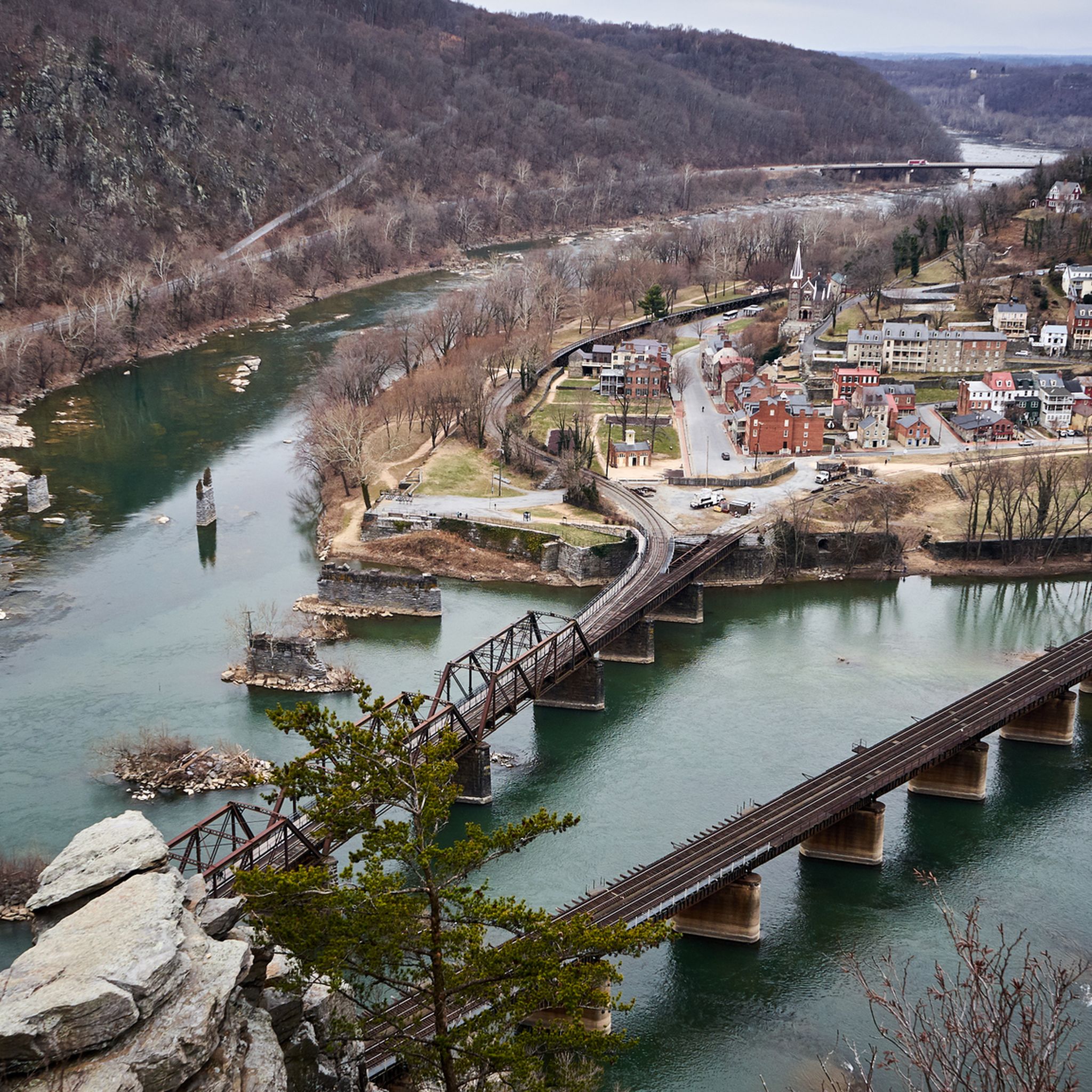

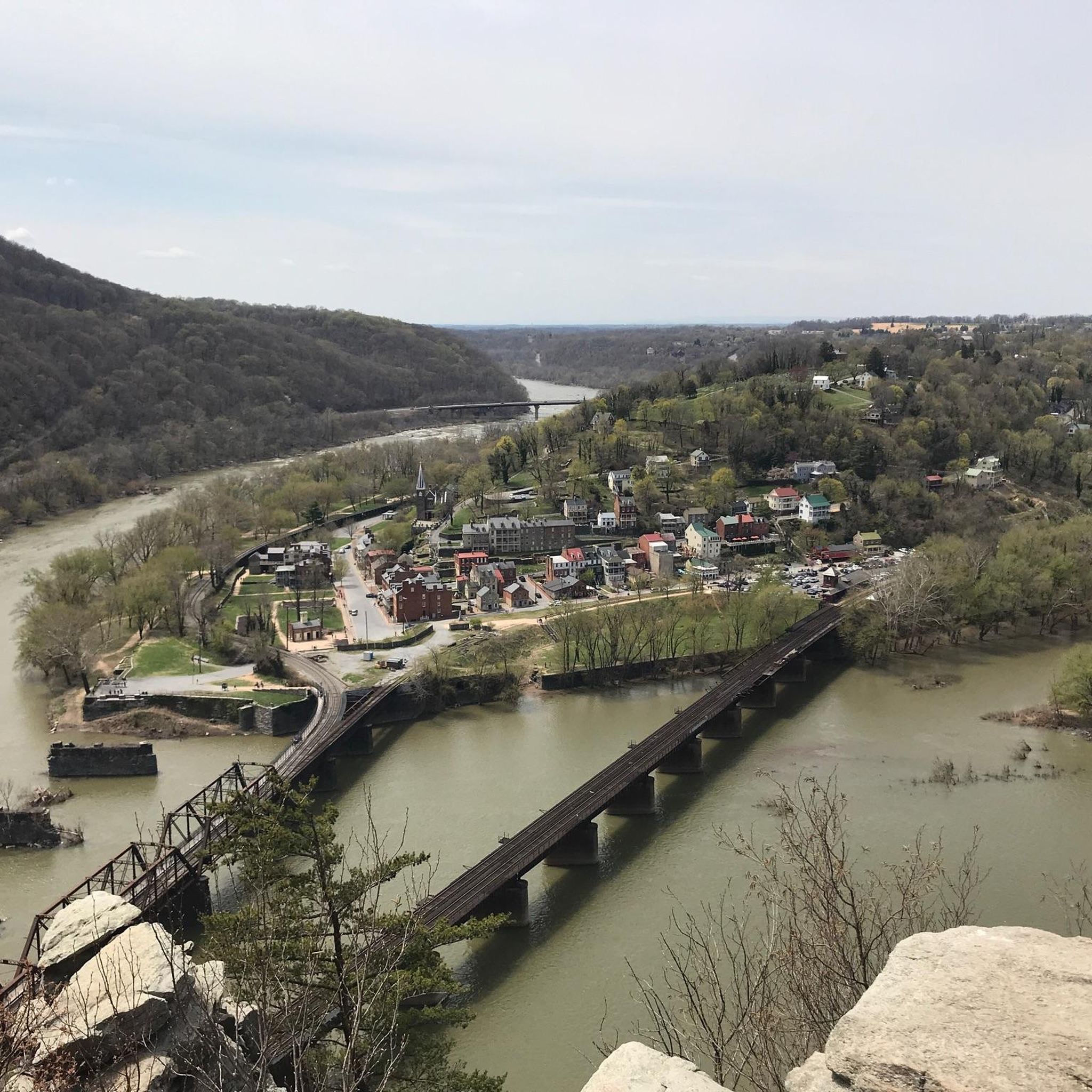
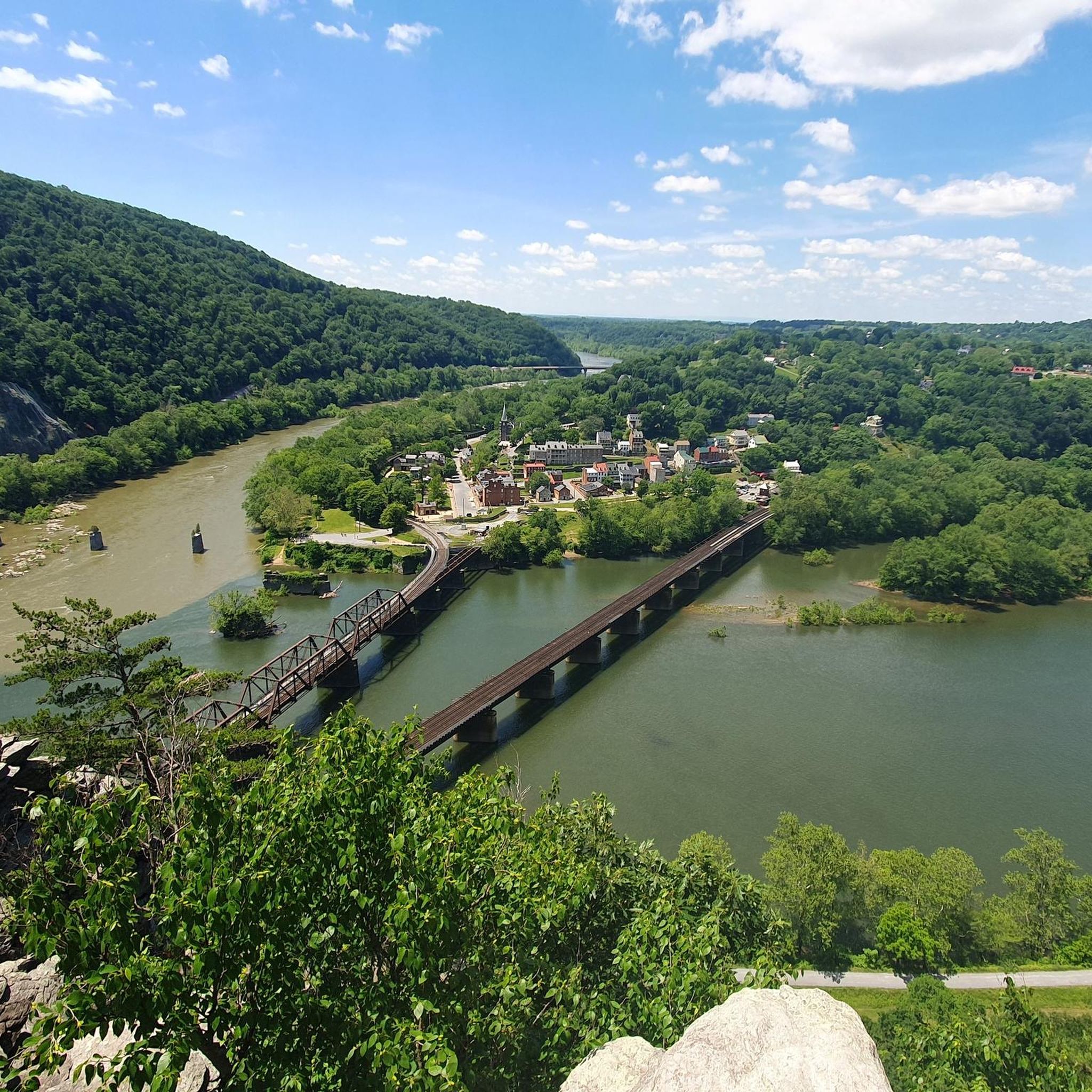
Other adventures around Harpers Ferry

Tips from the Community

The pedestrian path offers a beautiful view of the striking bridge piers from past days.
1
0

This is one of the fancier and more contemporary Appalachian Trail shelters, making it a popular layover for hikers/trail runners. The enclosed loft offers above-average protection from the elements, and a privy is also available at the site. There's a reliable spring approximately half a mile downhill from the shelter, but an intermittent seep may be found much closer to the shelter, depending on the season.
0
0

This railroad bridge that spans over the Potomac River in Harpers Ferry is quite the spectacle. A walk across the bridge grants you quick access between the C&O Canal Trail and Harpers Ferry town.
1
0

The Shenandoah River Bridge is a pedestrian bridge that runs parallel to US 340 as it crosses the Shenandoah River near Harpers Ferry. You get a great view of where the river meets the Potomac River from this quarter-mile bridge.
0
0

Unfortunately, the park administration does nothing to keep the original lines of sight clear. This is how you hike to the highest points, but have no view. If you like walking in the woods, okay
0
0
This historic building is now used by the National Park Service for their operations. You can find visitor information here, though the building is not always staffed. The official visitor center at 171 Shoreline Drive provides more extensive information and ample parking. An NPS shuttle bus runs between the two locations. Look here for hours and more details: https://www.nps.gov/hafe/planyourvisit/visitorcenters.htm
0
0
This Civil War-era stone foundation was built by the Union Army in defense of Maryland Heights. The plans for the fort included a superstructure to sit atop the foundation, but this aspect was never constructed. Several conflicts occurred on Maryland Heights, which was a strategic position for both the Union and Confederacy.
0
0
This is one of the fancier and more contemporary Appalachian Trail shelters, making it a popular layover for hikers. The enclosed loft offers above-average protection from the elements, and a privy is also available at the site. There's a reliable spring approximately half a mile downhill from the shelter, but an intermittent seep may be found much closer to the shelter, depending on the season.
1
0
Frequently Asked Questions
What historical sites can I explore in Harpers Ferry?
Harpers Ferry is rich in history, particularly its role in the Civil War and John Brown's Raid. You can visit the Maryland Heights Stone Fort, a Civil War-era foundation built by the Union Army. Another significant spot is Jefferson Rock, a historic viewpoint visited by Thomas Jefferson. The town also features the historic Lower Town with preserved 19th-century buildings and museums, including John Brown's Fort and St. Peter's Roman Catholic Church.
Are there any scenic viewpoints or natural monuments in Harpers Ferry?
Absolutely. The confluence of the Potomac and Shenandoah Rivers, known as 'The Point,' offers stunning scenic views. Jefferson Rock provides panoramic vistas of the converging rivers. For a more challenging hike with rewarding views, the Maryland Heights Trail leads to overlooks of the town and rivers. The area is nestled within the Blue Ridge Mountains, offering a dramatic natural backdrop.
What outdoor activities are available near Harpers Ferry attractions?
Harpers Ferry is a hub for outdoor enthusiasts. You can explore over 20 miles of hiking trails within the National Historical Park, including sections of the Appalachian Trail. Popular options include the Maryland Heights Trail and the Loudoun Heights Trail. The Potomac and Shenandoah Rivers are perfect for rafting, tubing, kayaking, and fishing. For more detailed hiking routes, check out the Hiking around Harpers Ferry guide.
Are there family-friendly attractions in Harpers Ferry?
Yes, Harpers Ferry offers several family-friendly options. The Goodloe E. Byron Memorial Pedestrian Walkway, a bridge over the Potomac River, is a great walk that connects to the C&O Canal Trail. Exploring the historic Lower Town with its shops and museums can also be engaging for families. The River Riders Adventure Park provides ziplining and obstacle courses for thrill-seeking families.
What kind of trails are available for hiking around Harpers Ferry?
The area boasts a variety of hiking trails, from easy strolls to more challenging ascents. You can find sections of the Appalachian Trail, as well as trails leading to historical sites like the Maryland Heights Stone Fort. Trails like the Loudoun Heights Trail to Split Rock offer moderate options. For a comprehensive list of routes, including distances and difficulty, refer to the Hiking around Harpers Ferry guide.
Can I go cycling near the attractions in Harpers Ferry?
Yes, Harpers Ferry and its surroundings offer excellent opportunities for road cycling. Routes often incorporate scenic views and historical points of interest, such as loops around the C&O Canal or towards Gathland State Park. You can find detailed cycling routes, including distances and difficulty levels, in the Road Cycling Routes around Harpers Ferry guide.
What is the significance of the Harpers Ferry Tunnel and Railroad Bridges?
The Harpers Ferry Tunnel and Railroad Bridges are a historical site featuring the West Portal of the Harpers Ferry Tunnel. This tunnel is part of the B&O Railroad Potomac River Crossing, which is recognized on the National Register of Historic Places for its importance in transportation, engineering, and commerce during the 19th century.
Where can I find visitor information for Harpers Ferry National Historical Park?
You can find visitor information at the Philip Frankel & Co. (NPS Lower Town Information Center), which is a historic building used by the National Park Service. For more extensive information and ample parking, the official visitor center is located at 171 Shoreline Drive. An NPS shuttle bus runs between these locations. You can check hours and details on the NPS website.
What is the best time of year to visit Harpers Ferry for outdoor activities?
Spring and fall are generally considered the best times to visit Harpers Ferry for outdoor activities. The weather is mild, and the natural scenery is particularly beautiful, with blooming flowers in spring and vibrant foliage in autumn. Summer can be hot and humid, while winter offers a quieter experience, though some services might be limited.
Are there any unique shops or local experiences in Harpers Ferry?
Yes, the charming streets of Lower Town are home to historic shops, local cafes, and unique boutiques. You can visit True Treats Historic Candy to learn about the history of candy and purchase historically inspired sweets. The Harpers Ferry Art Gallery also showcases works from local artists, reflecting the region's beauty and heritage.
What are some of the most popular attractions according to visitors?
Visitors frequently enjoy the Goodloe E. Byron Memorial Pedestrian Walkway for its scenic views and connection to the C&O Canal Trail. The historical significance of sites like the Harpers Ferry Tunnel and Railroad Bridges and the Maryland Heights Stone Fort also draws many. The overall blend of history and natural beauty, especially at viewpoints like Jefferson Rock, is highly appreciated.
Most popular routes around Harpers Ferry

Get inspired with the komoot mobile app


Explore more
Still not found the Highlight you’re looking for? See guides of the top attractions in other regions:
