The best walks and hikes around Snoqualmie
4.7
(375)
7,331
hikers
15
hikes
Hikes around Snoqualmie explore a landscape defined by the Cascade Range foothills, featuring dense evergreen forests, powerful rivers, and numerous waterfalls. The region is situated east of Seattle and serves as a gateway to the Mt. Baker-Snoqualmie National Forest. Trails vary from gentle riverside walks to challenging ascents up forested mountain ridges, offering a range of elevations and terrain for different hiking abilities.
Best hiking trails around Snoqualmie
- The most popular hiking route is Snoqualmie Falls — North Bend, Washington…
Last updated: October 10, 2026
7
hikers
9.10km
02:26
100m
100m
Moderate hike. Good fitness required. Easily-accessible paths. Suitable for all skill levels.
4.8
(12)
398
hikers
2.36km
00:43
90m
80m
Easy hike. Great for any fitness level. Easily-accessible paths. Suitable for all skill levels.

3
hikers
6.66km
02:20
620m
0m
Moderate hike. Good fitness required. Easily-accessible paths. Suitable for all skill levels.
2.29km
00:35
10m
10m
Easy hike. Great for any fitness level. Easily-accessible paths. Suitable for all skill levels.
5.12km
01:35
320m
0m
Moderate hike. Good fitness required. Easily-accessible paths. Suitable for all skill levels.
Get access to more routes and recommendations from other explorers.
Already have an account?
Our route recommendations are based on thousands of hikes, rides, and runs completed by other people on komoot.
Start today with a free account
Your next adventure awaits.

Tips from the Community


The end of the Snoqualmie Falls is a great place to stop for a mid-run break to enjoy the breathtaking view of the Snoqualmie Falls. The falls are a popular waterfall, where the water cascades 270 feet to a pool below.
0
0

Enjoy the views of Meadowbrook Slough, actually an oxbow lake surrounded by wetlands.
0
0

The Tokul Creek Trestle was built in the early 20th century to transport lumber and goods through the area. The bridge was part of the Northern Pacific Railroad and played an important role in the economic development of the area. https://blockblastonline.com
0
0

Impressive trestle over Tokul Creek within easy reach of Seattle.
0
0

Great viewpoint from which you can admire the Snoqualmie Falls.
0
0

The Snoqualmie Valley Trail passes through several incredible places and undoubtedly, the Tokul Creek Trestle is one of them. Standing at nearly 100 feet high, from this bridge you'll have excellent views of the valley. Enjoy this centennial bridge and take your time once you get here.
1
0

Snoqualmie Falls is a 268-foot waterfall and is one of Washington's most popular scenic attractions. The falls were listed on the National Register of Historic Places in 2009. You will need to park your bike to view the falls, since cycling isn't allowed on the observation deck.
0
0
Frequently Asked Questions
Are there easy, family-friendly hikes in the Snoqualmie area?
Yes, Snoqualmie has several great options for families. The trail to the base of Snoqualmie Falls is a classic, short walk suitable for all ages. For another gentle option, consider the Snoqualmie Valley & Tanner Trail loop, which is a relatively flat and long walk perfect for a relaxed day out.
Which hikes near Snoqualmie feature impressive waterfalls?
The region is famous for its waterfalls. Besides the iconic Snoqualmie Falls, the hike to Franklin Falls is a very popular and relatively easy trail leading directly to a beautiful waterfall. For a trail that follows a river and showcases multiple cascades, the Twin Falls trail is an excellent choice.
What are some of the more challenging hikes for experienced adventurers?
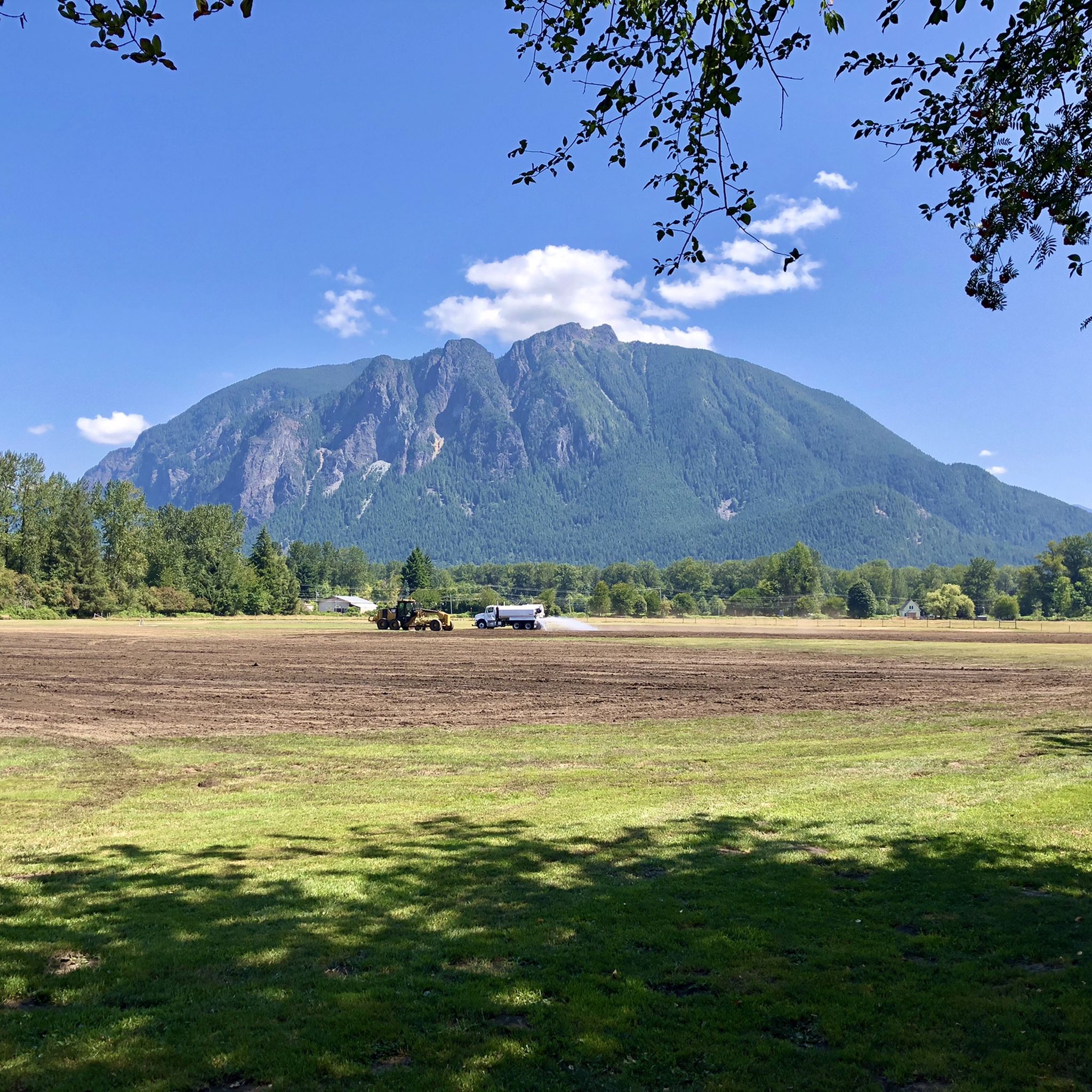
For those seeking a strenuous climb, the area offers several rewarding challenges. The hike to Mount Si is an iconic, tough ascent with significant elevation gain that pays off with panoramic views. Another difficult but rewarding option is the Rattlesnake Mountain Trail to Raging Ridge loop, a long trek through dense forest.
Can I bring my dog on the trails around Snoqualmie?
Many trails in the Snoqualmie region are dog-friendly, but they must be kept on a leash. Areas within the Mt. Baker-Snoqualmie National Forest generally welcome dogs. However, rules can vary, and some specific areas or trails may have restrictions, so it's always best to check the regulations for your chosen trail before you go.
When is the best time of year to hike in Snoqualmie?
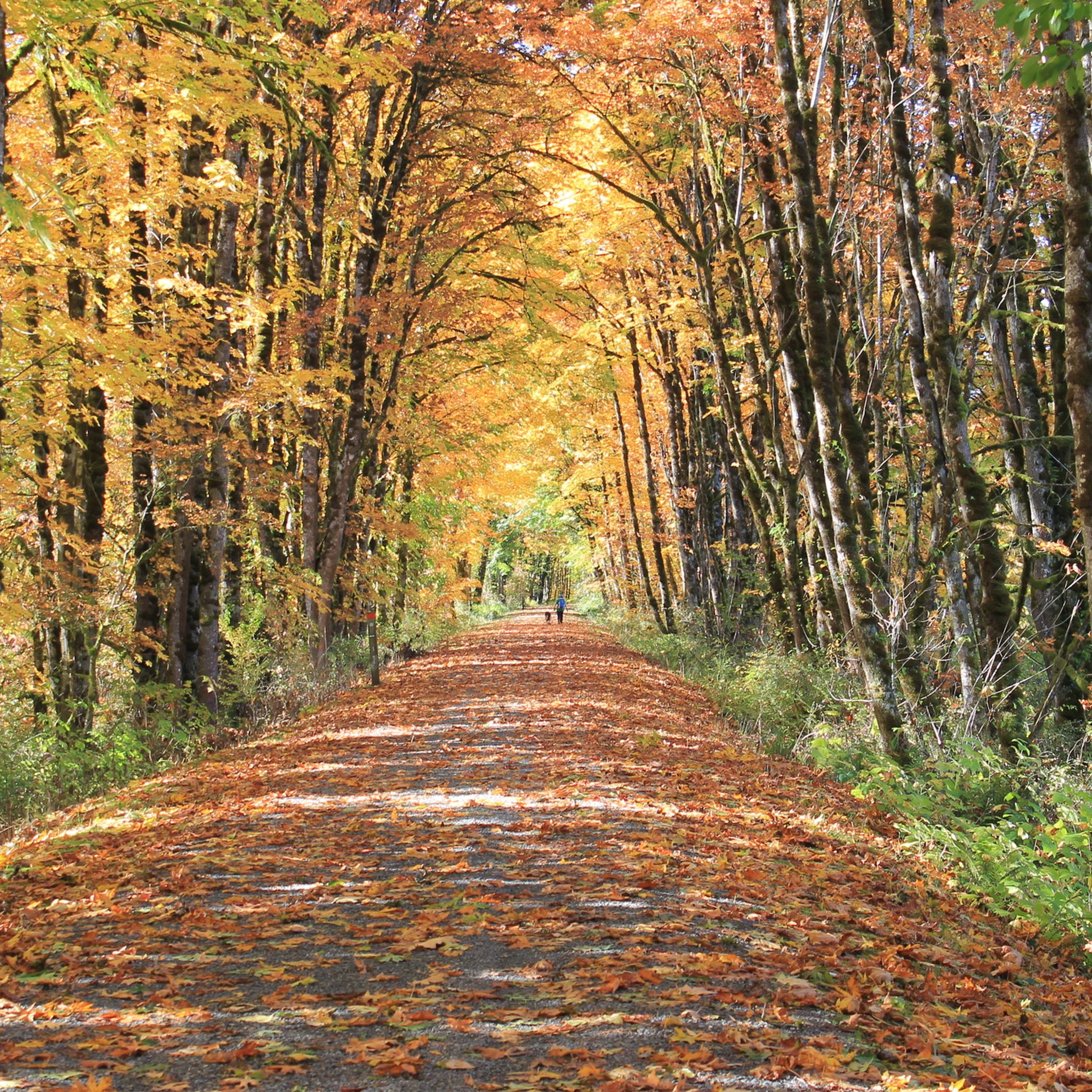
The prime hiking season is from late spring to early fall (May through October) when most trails are snow-free and the weather is generally favorable. Spring is fantastic for roaring waterfalls and wildflowers. Summer offers warm weather perfect for reaching higher elevations. Autumn provides beautiful fall colors and fewer crowds. Winter hiking is also possible with proper gear, as many lower-elevation trails remain accessible and the area is popular for snowshoeing.
Do I need a pass or permit to hike in Snoqualmie?
Yes, for many trails you will need a recreation pass. Hikes within the Mt. Baker-Snoqualmie National Forest often require a Northwest Forest Pass for parking at the trailhead. Some state-managed lands, like Raging River State Forest, may require a Discover Pass. Always check the specific requirements for your planned hike before you leave.
Is hiking possible in Snoqualmie during the winter?
Absolutely. While high-elevation trails are covered in snow and may pose avalanche risks, many lower-elevation trails are accessible for winter hiking. The region is also a popular destination for snowshoeing. Trails like the one to Franklin Falls can be magical in the snow, but be sure to check conditions and go prepared with microspikes or snowshoes.
How can I check current trail conditions before my hike?
Trail conditions can change rapidly due to weather. It's crucial to check recent trip reports from other hikers on platforms like the Washington Trails Association (WTA) website. For official alerts, closures, or information on road access, check the Mt. Baker-Snoqualmie National Forest website or the Washington State Department of Natural Resources for trails on their land.
What should I pack for a day hike in the Snoqualmie region?
Even for a short hike, it's essential to be prepared. Always carry the 'Ten Essentials', which include:
1. Navigation (map, compass, GPS)
2. Sun protection (sunglasses, sunscreen)
3. Insulation (extra layers of clothing)
4. Illumination (headlamp or flashlight)
5. First-aid supplies
6. Fire starter
7. Repair kit and tools
8. Extra food
9. Extra water
10. Emergency shelter
Weather in the Cascades can change quickly, so waterproof layers are highly recommended year-round.
How does hiking in Snoqualmie compare to Mount Rainier?
Snoqualmie offers incredible convenience and variety, with trailheads often just a short drive from Seattle. It's characterized by lush forests, river valleys, and rewarding ridge climbs. Mount Rainier National Park, while further away, offers a different scale of alpine scenery with massive glaciers, vast subalpine meadows, and the dominating presence of the volcano itself. Snoqualmie is perfect for frequent, accessible day hikes, while Rainier often provides a more epic, high-alpine experience.
What do other hikers enjoy most about the trails in Snoqualmie?
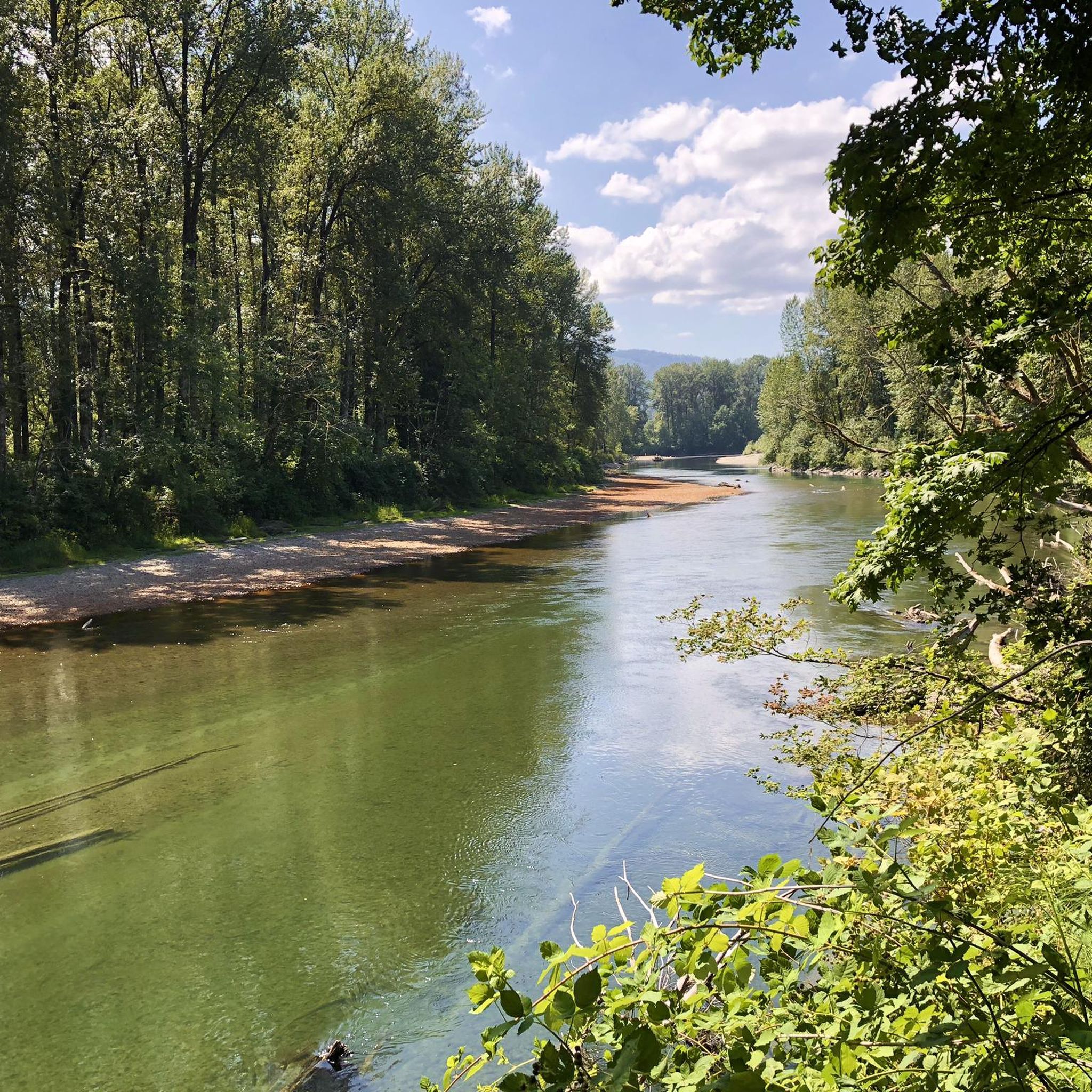
The area is highly regarded by the komoot community, with an average score of 4.7 stars. Reviewers frequently praise the diversity of the trails, from the powerful waterfalls and serene alpine lakes to the challenging ascents with rewarding views. The lush, green forests of the Pacific Northwest are a consistently highlighted feature that hikers love.
How do I get to the trailheads and is parking available?
Most trailheads in the Snoqualmie area are accessed by car. Parking is available at popular trailheads like Franklin Falls and Middle Fork Snoqualmie, but lots can fill up very early, especially on weekends. It's recommended to arrive early or have a backup plan. Public transportation options are limited, so driving is the most practical way to reach the hikes.
Most popular routes around Snoqualmie
Most popular attractions around Snoqualmie

Get inspired with the komoot mobile app


Explore more
Browse the best Hikes in other regions.
