Top 10 Castles around Sankt Marienkirchen an der Polsenz
Best castles around Sankt Marienkirchen an der Polsenz are found in the surrounding region of Upper Austria. Sankt Marienkirchen an der Polsenz, known as the "Mosthauptstadt" (cider capital) in the Hausruckviertel, offers a rich cultural landscape. While the municipality itself features historical buildings like the Mostmuseum and the Catholic Parish Church, several notable castles are accessible nearby. These historical sites provide insight into the region's past and architectural heritage.
Best castles around Sankt Marienkirchen an der Polsenz
- The most popular castles is Schaunberg Castle Ruins, a castle that was the ancestral seat of the Counts of Schaunberg and the largest castle complex in Upper Austria. Visitors can climb the keep.
- Another must-see spot is Tollet Castle, a historical site and man-made monument. This castle houses the municipal office, event rooms, and a district home club.
- Visitors also love Landschloss Parz, one of the largest and most important Renaissance castles in Upper Austria. The castle hosts concerts and other art events.
- Sankt Marienkirchen an der Polsenz is known for castle ruins, restored castles, and historical man-made monuments. These sites offer insights into the region's past and architectural heritage.
- The castles around Sankt Marienkirchen an der Polsenz are appreciated by the komoot community, with more than 180 upvotes and over 290 photos shared.
Last updated: July 6, 2026
Schaunberg Castle Ruins
Highlight • Castle
Translated by Google •
Tip by

Schloss Puchberg
Highlight • Castle
Translated by Google •
Tip by

Sign up now to discover places like this
Get recommendations on the best single tracks, peaks, & plenty of other exciting outdoor places.
Sign up for free
Starhemberg Castle
Highlight • Castle
Translated by Google •
Tip by

Haiding Castle
Highlight • Castle
The Knights of Gelting settled in Haiding around 1312 and built a fortified moated castle here. The Schaunbergers, who claimed this area for themselves, took the castle, burned it down and forced the Geltings to declare that they never wanted to build Haiding as a castle again. After the Schaunbergers were conquered by the Habsburgs, Ulrich Geltinger received Haiding in 1386 as a sovereign fief. After this family died out, a Hostorffer received the estate – presumably as a princely caretaker. It is unknown how the property came to the Rondinelli; In any case, a Hans Sigmund Rondinelli sold the Haiding seat to Count Engelbert Katzianer; As late as 1674, a Sigmund Ferdinand Katzianer was resident on the property, which had grown into a castle. In 1727 the castle was owned by Count Wilhelm Strattmann. He had bought the castle from the Katzians and added his entailed estate to the Peuerbach estate. Until the abolition of the entail in 1825, Haiding belonged to the Strattmann-Batthyany estates. After a division of property, Haiding passed to Prince Philipp Batthyany. In 1879 Prince Wilhelm Alfred Montenuovo, who was married to Juliane Batthyany, inherited the castle. Three years later, the prince sold the uninhabited castle to Hans and Maria Pauler, who used it as a farm. At the beginning of the 20th century the castle was left to decay. It was only renovated in 1970 by the master builder and penultimate owner Friedrich Achleitner and now by his son. The building is a historical monument.
Translated by Google •
Tip by

Landschloss Parz
Highlight • Castle
Translated by Google •
Tip by

Sign up for free to discover even more castles around Sankt Marienkirchen an der Polsenz.
Sign up for free
Already have an account?
Start today with a free account
Your next adventure awaits.
Login or Signup
Popular around Sankt Marienkirchen an der Polsenz
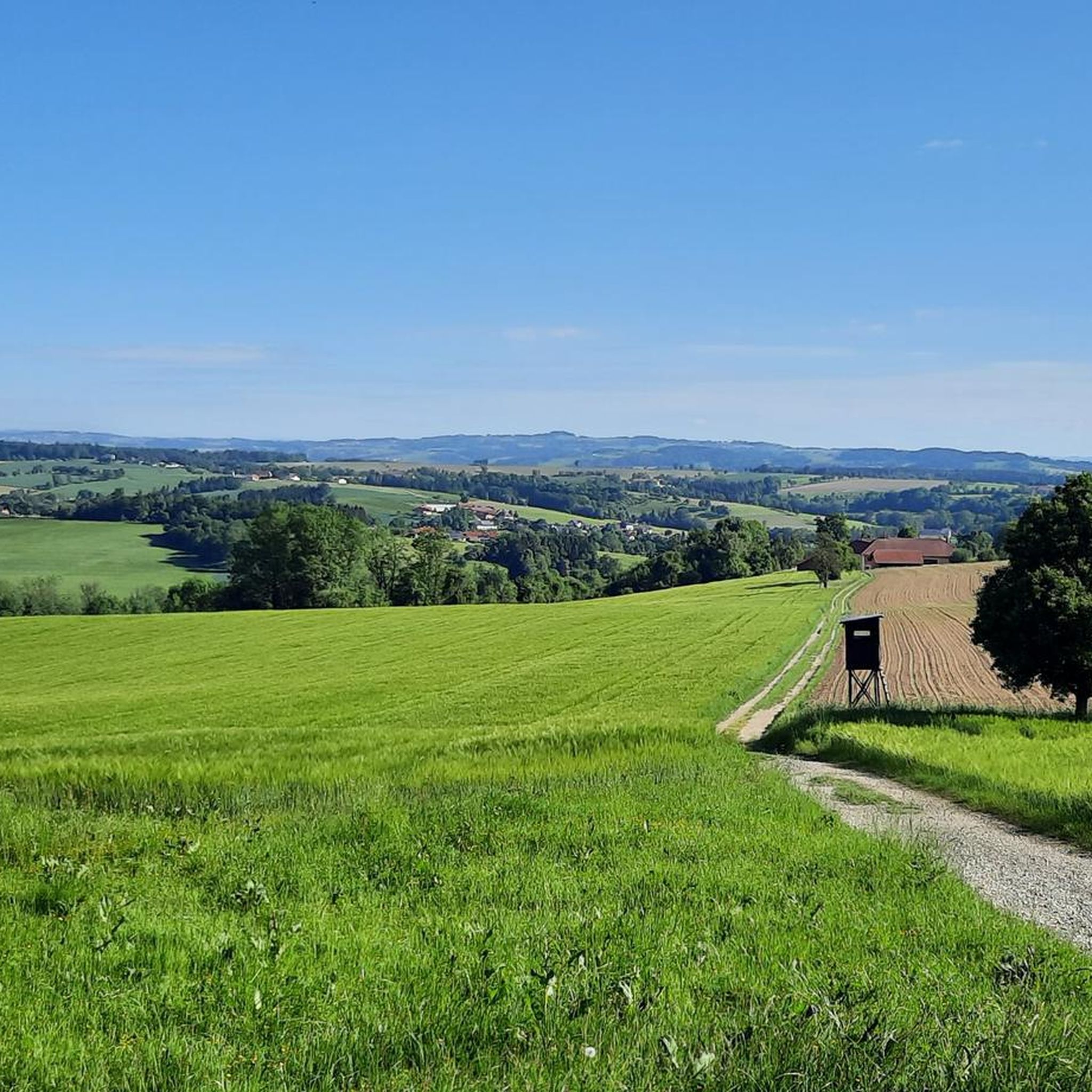
Road Cycling Routes around Sankt Marienkirchen an der Polsenz
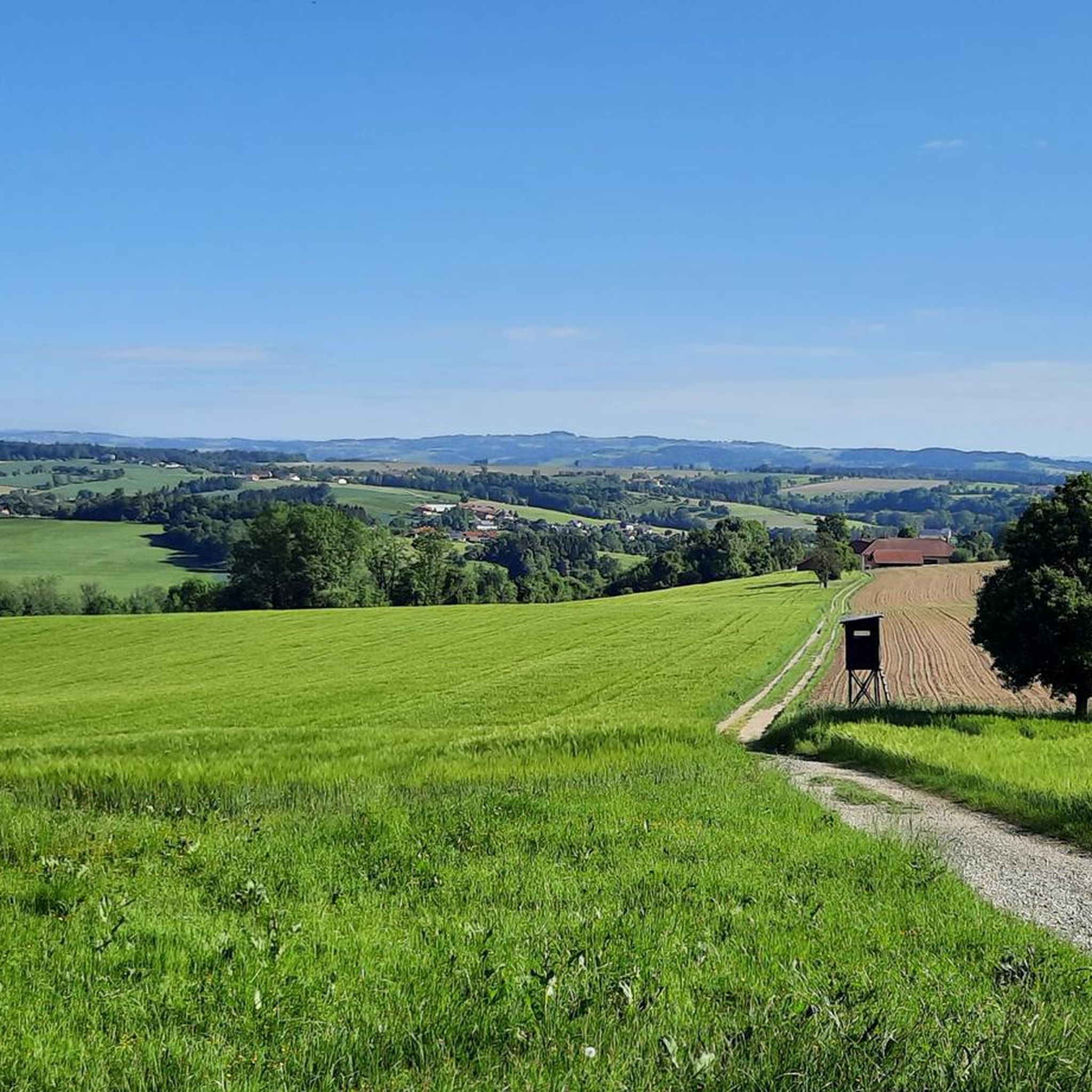
Hiking around Sankt Marienkirchen an der Polsenz
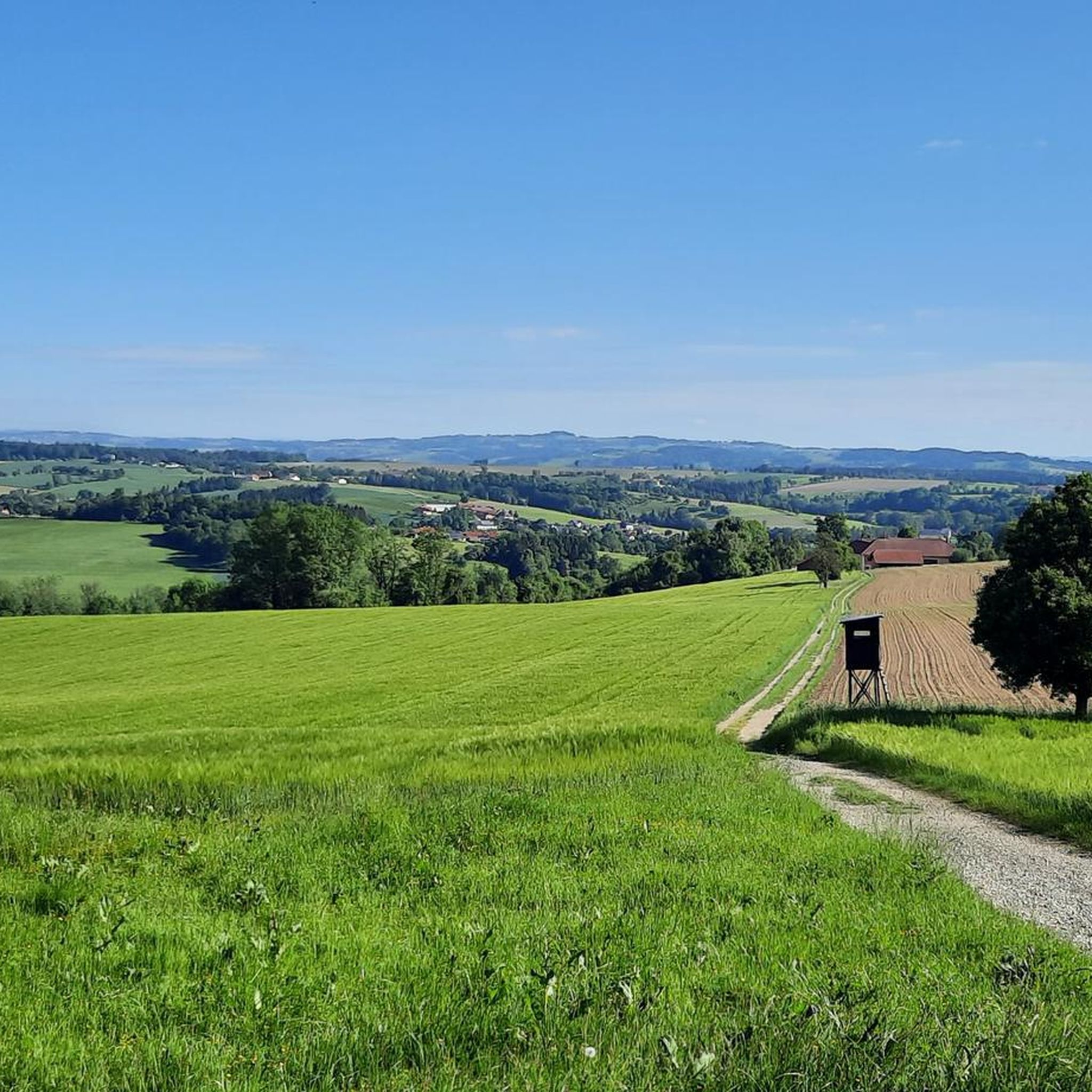
MTB Trails around Sankt Marienkirchen an der Polsenz
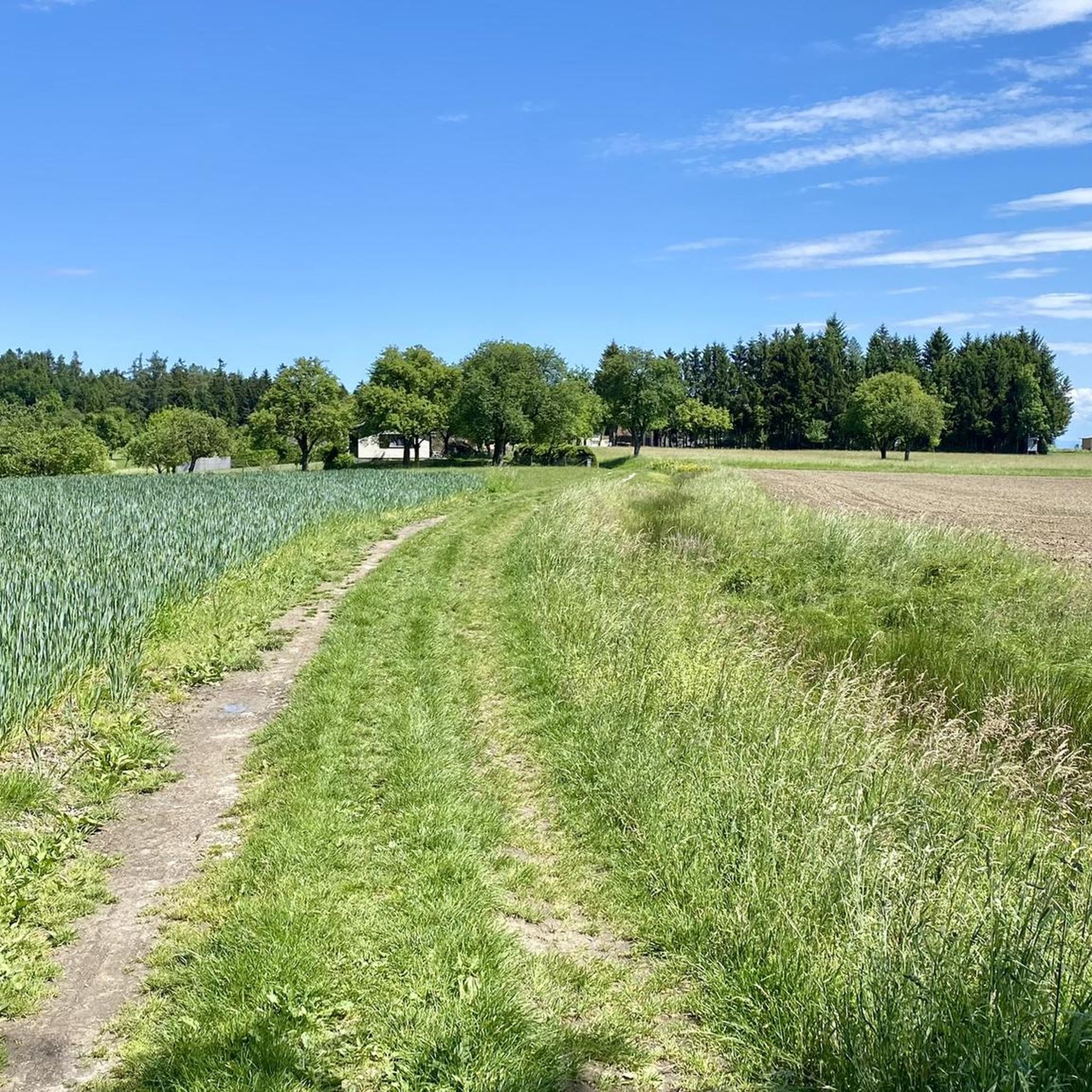
Cycling around Sankt Marienkirchen an der Polsenz
Gravel biking around Sankt Marienkirchen an der Polsenz
Running Trails around Sankt Marienkirchen an der Polsenz
Tips from the Community

Schaunberg ruins: open all year round!
7
2

https://www.krenglbach.info/schloss-haiding-einst-und-jetzt Knight von Gelting built a moated castle here in 1312
1
0

Puchberg Castle was built in the 16th century and is surrounded by a beautiful park. Today it is a horseshoe-shaped complex, in the courtyard there is a fountain (from the 18th century) with a sandstone figure on it. On the entrance gate to the farm buildings there are stone figures of St. Mary and other saints from around 1740. Since 1953 the castle has belonged to the diocese of Linz, which set up a training center here.
5
0
You can choose the right room for your event from 18 modern event rooms of various sizes (10 to 400 people). With the exception of the Hall of Mirrors and the Red Bar, the entire building is accessible for the disabled. In our guest house we offer you well-kept accommodation, so that you can not only spend the night in the house, but also withdraw in the rest periods. We have 47 double rooms, 40 single rooms, 11 double rooms, each with shower/toilet, a total of 156 beds. Room amenities: free internet access, clock radio, desk, hair dryer, magnifying mirror.
5
0

The ruins of Schaumburg are really beautiful and then up Strohheim there is a beautiful chapel and a beautiful show garden, a tip for spring.L.g.anni
2
0
The Renaissance palace, built from 1595 and most recently extended in 2002, is the education center of the Diocese of Linz and has been a center of adult education in Austria for almost 70 years. The central location in the north of the city of Wels, the good accessibility by car or train and the special atmosphere make Puchberg Castle particularly attractive for organizers of seminars and conferences beyond the borders of the state.
5
0

Exciting history of the castle (source Wikipedia): The Knights of Gelting settled in Haiding around 1312 and built a fortified moated castle here. The Schaunbergers, who claimed this area for themselves, took the castle, burned it down and forced the Geltings to declare that they never wanted to build Haiding as a castle again. After the Schaunbergers were conquered by the Habsburgs, Ulrich Geltinger received Haiding in 1386 as a sovereign fief. After this family died out, a Hostorffer received the estate – presumably as a princely caretaker. It is unknown how the property came to the Rondinelli; In any case, a Hans Sigmund Rondinelli sold the Haiding seat to Count Engelbert Katzianer; As late as 1674, a Sigmund Ferdinand Katzianer was resident on the property, which had grown into a castle. In 1727 the castle was owned by Count Wilhelm Strattmann. He had bought the castle from the Katzians and added his entailed estate to the Peuerbach estate. Until the abolition of the entail in 1825, Haiding belonged to the Strattmann-Batthyany estates. After a division of property, Haiding passed to Prince Philipp Batthyany. In 1879 Prince Wilhelm Alfred Montenuovo, who was married to Juliane Batthyany, inherited the castle. Three years later, the prince sold the uninhabited castle to Hans and Maria Pauler, who used it as a farm. At the beginning of the 20th century the castle was left to decay. It was only renovated in 1970 by the master builder and penultimate owner Friedrich Achleitner and now by his son. The building is a historical monument.
1
0
Frequently Asked Questions
Are there castles directly in Sankt Marienkirchen an der Polsenz?
Sankt Marienkirchen an der Polsenz itself, known as the 'Mosthauptstadt' (cider capital), does not feature prominent castles within its immediate municipal area. However, the surrounding region of Upper Austria offers several notable castles and historical sites that are easily accessible.
What types of castles can I visit near Sankt Marienkirchen an der Polsenz?
You can explore a variety of historical structures, including impressive castle ruins like Schaunberg Castle Ruins, which was once the largest castle complex in Upper Austria. There are also restored castles such as Landschloss Parz, a significant Renaissance castle, and Tollet Castle, which now houses municipal offices and event spaces.
Which castles near Sankt Marienkirchen an der Polsenz are family-friendly?
Several castles in the area are suitable for families. Schaunberg Castle Ruins allows visitors to climb its keep, offering an adventurous experience. Landschloss Parz and Tollet Castle are also noted as family-friendly, providing historical insights in accessible settings.
Can I visit the interiors of the castles, or are they mostly ruins?
Both options are available. While Schaunberg Castle Ruins offers an impressive ruin to explore, including climbing the keep, other castles like Landschloss Parz can be visited, and Starhemberg Castle in Eferding houses three museums and hosts public events.
What other historical sites can I explore in Sankt Marienkirchen an der Polsenz?
Beyond castles, Sankt Marienkirchen an der Polsenz offers other significant historical attractions. You can visit the Mostmuseum, housed in a renovated 350-year-old granary, which showcases traditional cider production and rural history. The Catholic Parish Church of St. Marienkirchen an der Polsenz Assumption of Mary, with parts dating back to the late Gothic period around 1500, is also a notable site.
What outdoor activities are available near the castles around Sankt Marienkirchen an der Polsenz?
The region around Sankt Marienkirchen an der Polsenz is excellent for various outdoor activities. You can find numerous road cycling routes, mountain biking trails, and running paths. For example, there are road cycling routes like the 'Landschloss Parz – Bad Schallerbach loop' and MTB trails such as the 'Schaunberg Castle Ruins – Landerl Chapel Gaisberg loop'. You can explore these and more on the respective guides for Road Cycling, MTB Trails, and Running Trails.
Are there hiking trails that include castles?
Yes, some routes incorporate historical sites. For instance, the 'Biker Trail Hartkirchen–Haibach – Schaunberg Castle Ruins loop' is a mountain biking trail that passes by Schaunberg Castle Ruins. While primarily for biking, many trails offer scenic views and access to these historical landmarks. You can find more details in the MTB Trails guide.
What is the best time to visit the castles near Sankt Marienkirchen an der Polsenz?
Many castles, like Schaunberg Castle Ruins, are open year-round, allowing for visits in any season. However, for exploring ruins and enjoying outdoor activities like hiking and cycling, the warmer months from spring to autumn generally offer the most pleasant weather conditions. Always check specific opening hours for indoor attractions or guided tours.
Are there any castles near Sankt Marienkirchen an der Polsenz with special events or cultural offerings?
Yes, Landschloss Parz is known for hosting concerts and other art events, making it a cultural hub. Starhemberg Castle in Eferding also features three museums and regularly holds public events, offering a deeper dive into the region's history and culture.
Is parking available at the castles?
For most popular attractions, including castles and historical sites, parking facilities are generally available nearby. It is advisable to check local signage upon arrival for specific parking areas and any associated fees.
What do visitors enjoy most about the castles in this region?
Visitors appreciate the blend of historical significance and natural beauty. The opportunity to explore ancient ruins like Schaunberg Castle Ruins and climb its keep is a highlight. The architectural grandeur of restored castles such as Landschloss Parz, often set amidst beautiful landscapes, also receives high praise. The komoot community has shared over 290 photos and given more than 180 upvotes, reflecting the appeal of these sites.
Most popular routes around Sankt Marienkirchen an der Polsenz
Most popular attractions around Sankt Marienkirchen an der Polsenz

Get inspired with the komoot mobile app


Explore more
Looking for the best castles somewhere else? Discover other guides around Sankt Marienkirchen an der Polsenz:
