Top 10 Mountain Passes around Mils
Best mountain passes around Mils are located in a region of Tyrol, Austria, at the foot of the Karwendel Mountains near Hall and Innsbruck. This area is characterized by its natural landscapes and offers a variety of mountain passes. The surrounding Tyrolean region provides access to impressive high-alpine routes and scenic crossings.
Best mountain passes around Mils
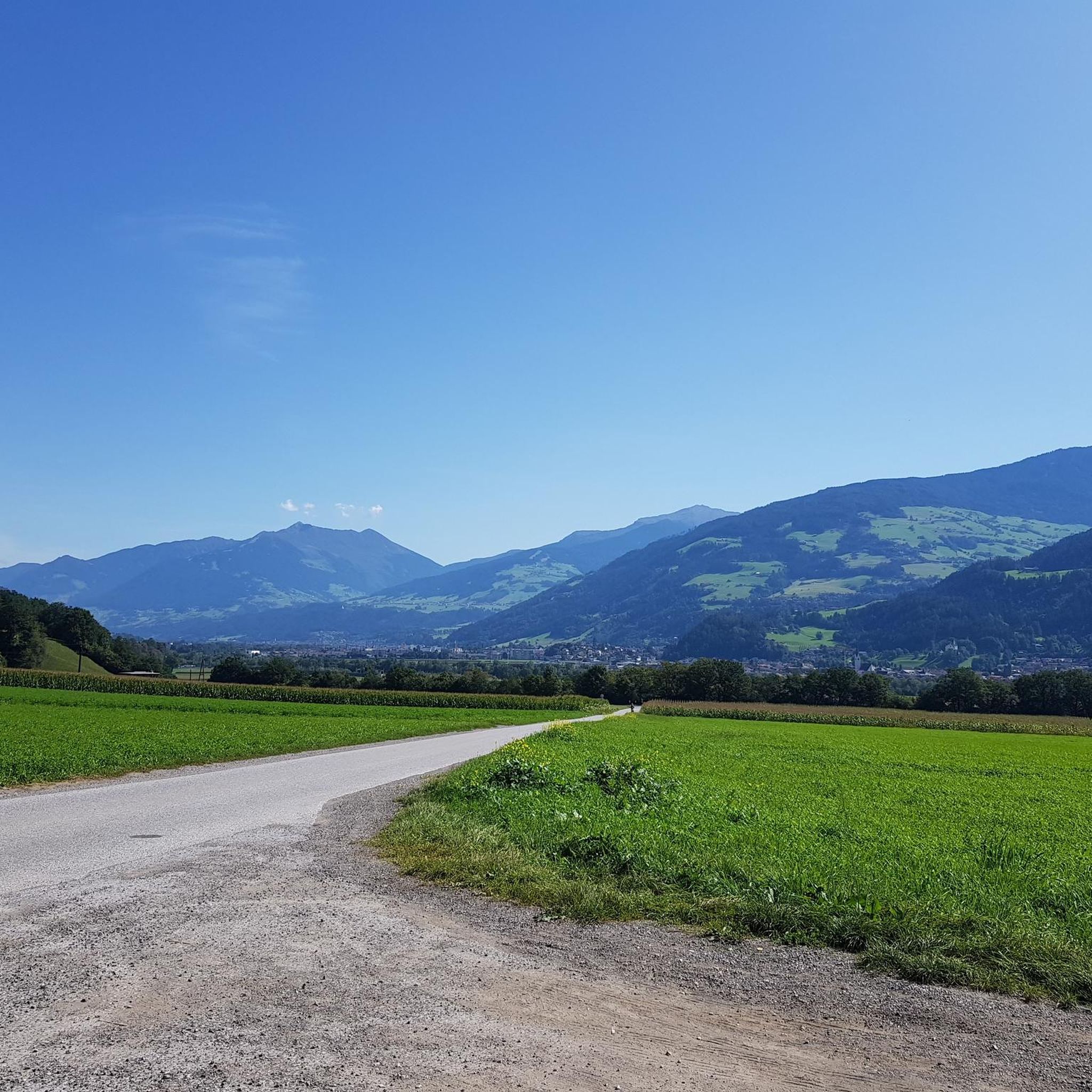
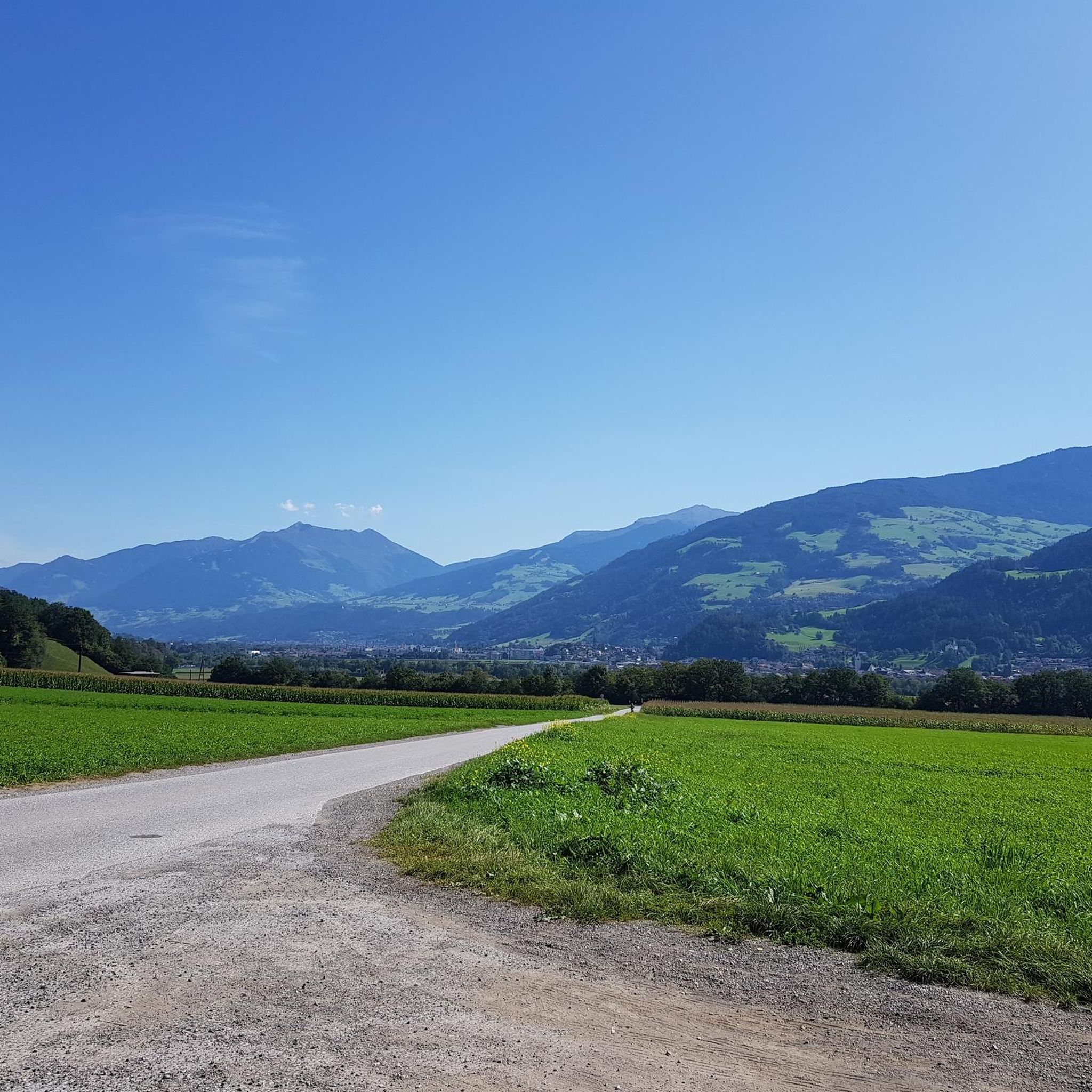
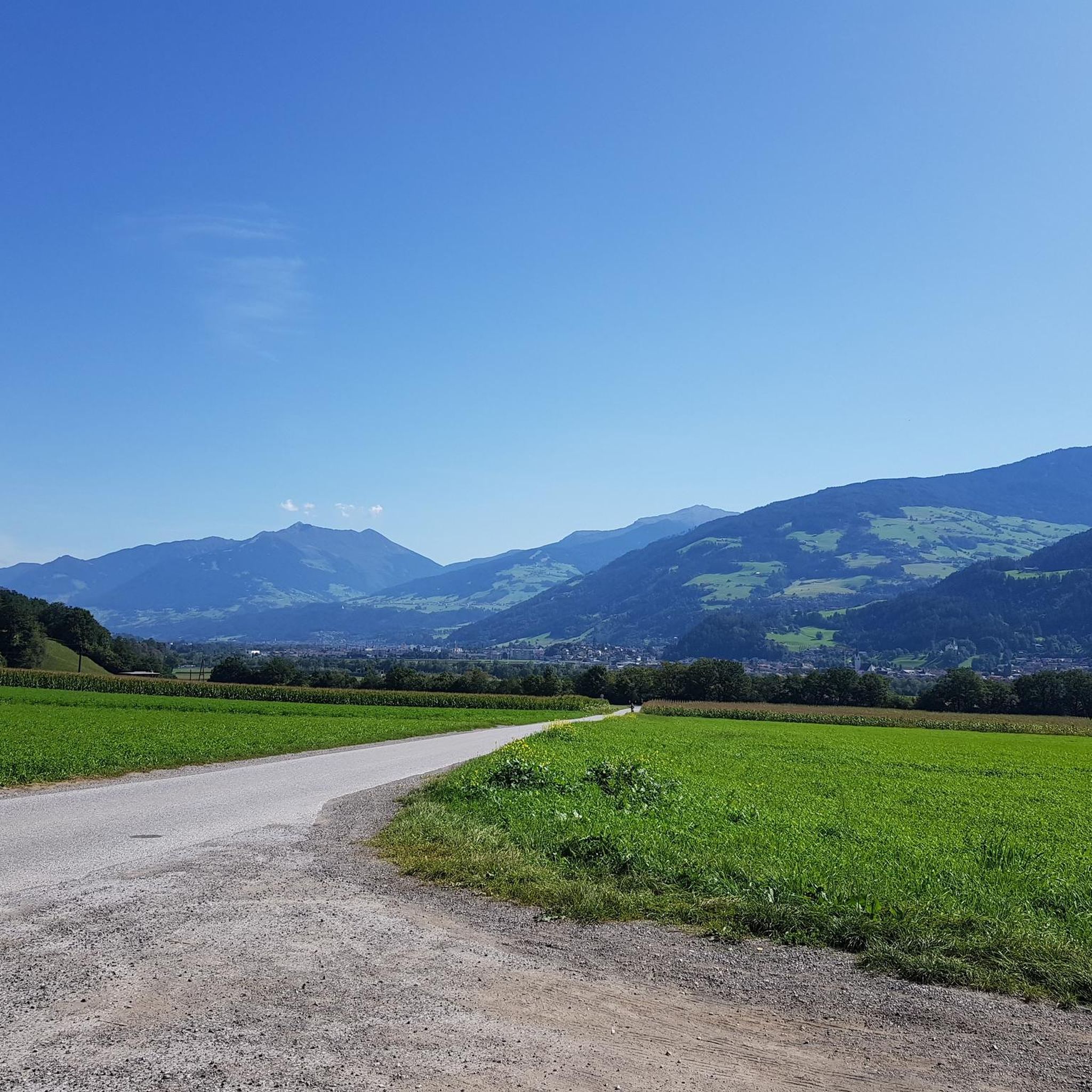
- The most popular mountain pass is East Lamsenjoch, a mountain pass that offers majestic views down into the valley to the Gramaialm.…
Last updated: June 26, 2026
Lafatscher Joch
Highlight • Mountain Pass
Translated by Google •
Tip by

East Lamsenjoch
Highlight • Mountain Pass
Translated by Google •
Tip by

Sign up now to discover places like this
Get recommendations on the best single tracks, peaks, & plenty of other exciting outdoor places.
Sign up for free
Stempeljoch
Highlight • Mountain Pass
Translated by Google •
Tip by

Mandlscharte
Highlight • Mountain Pass
Translated by Google •
Tip by

Ascent to Lamsenjoch Hut
Highlight (Segment) • Trail
Translated by Google •
Tip by

Sign up for free to discover even more mountain passes around Mils.
Sign up for free
Already have an account?
Start today with a free account
Your next adventure awaits.
Login or Signup
Tips from the Community

Coming from the Pfeishütte, concentration is required from the Stempeljoch onwards. I always say: work it out carefully. Otherwise, the descent is straightforward. Then the Wilde-Buben-Steig is no problem.
0
0
The transition to the Zugspitze viewpoint on the Goetheweg trail
0
0

Beautiful scenic difficult tour
0
0

Apart from the length, it is an uncomplicated, technically easy hike.
0
0

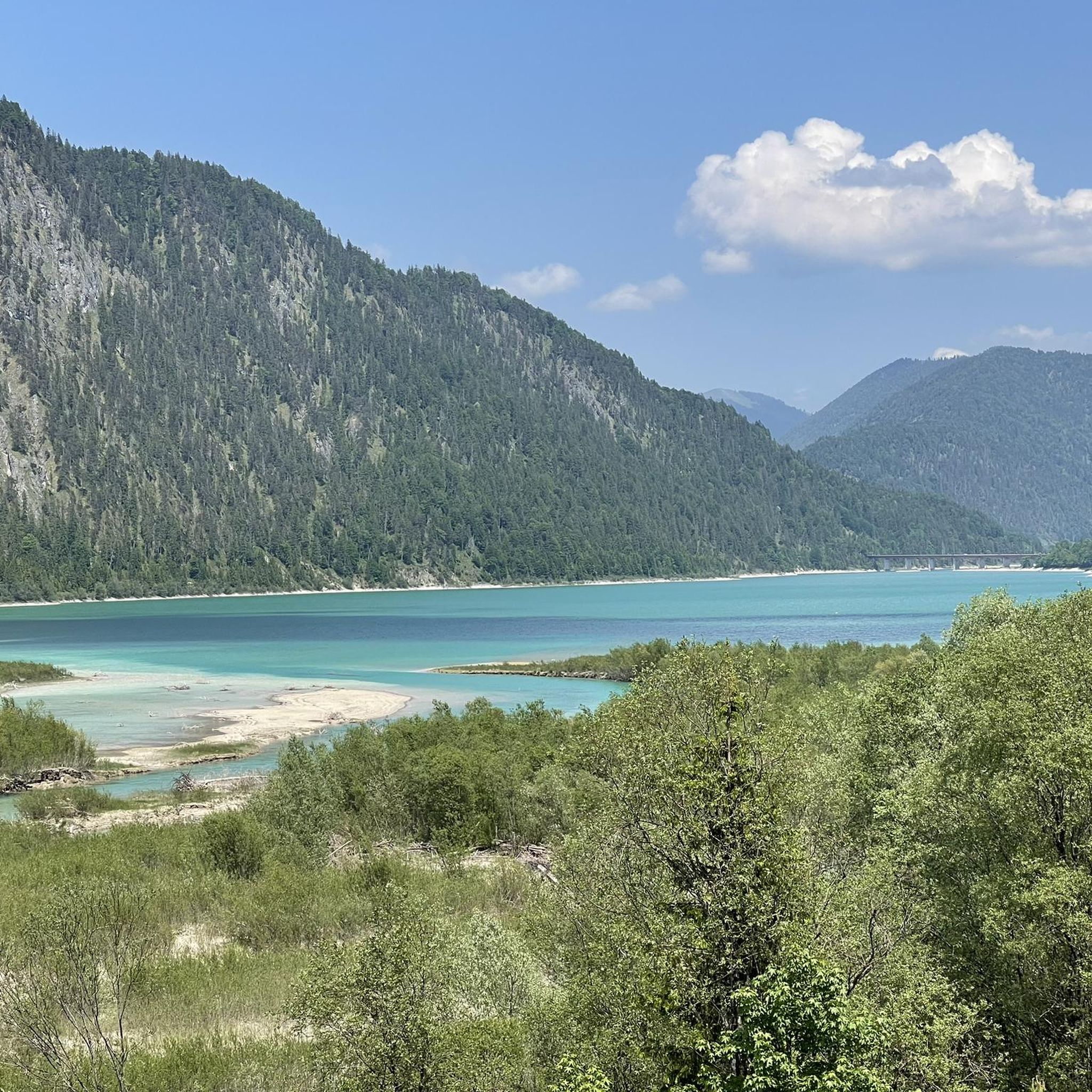
From up here you have a majestic view down into the valley to the Gramaialm. And right in front of you is the Sonnjoch, a good destination for the day.
7
0

Before going up the Wilde-Bande-Steig, you can recharge your batteries here
0
0

When the weather is nice, a fantastic view. In bad weather very drafty and cold.
0
0

The ascent from Stans is m.M. more demanding than from Eng. This is very long and steadily rising, but the Karwendel Mountains show themselves from their most beautiful side.
0
0
Frequently Asked Questions
What kind of views can I expect from the mountain passes around Mils?
The mountain passes in the Mils region offer spectacular panoramic views. For instance, East Lamsenjoch provides majestic views down into the Gramaialm valley with the Sonnjoch mountain as a prominent backdrop. From Mandlscharte, you can enjoy fantastic vistas of the rugged Karwendel peaks and even spot Innsbruck in the distance. Similarly, Mühlkar Col offers stunning views of Innsbruck and the towering Stubai Alps, with the Karwendel mountain ranges lining up to the north.
Are there challenging mountain passes for experienced hikers near Mils?
Yes, the region around Mils offers several challenging mountain passes. Stempeljoch, for example, involves a very steep climb from Halltal, rewarding hikers with a worthwhile view over the Pfeis. Mühlkar Col is also categorized as challenging, providing a rewarding experience for those seeking a strenuous ascent and breathtaking views.
What are some notable mountain passes in the broader Tyrol and Vorarlberg regions accessible from Mils?
Beyond the immediate vicinity of Mils, the broader Tyrol and Vorarlberg regions boast impressive passes. The Arlberg Pass connects Tyrol with Vorarlberg, known for its historic significance and stunning scenery. The Hahntennjoch offers pure driving pleasure with its curvy roads and magnificent mountain views. For high-alpine experiences, the Timmelsjoch High Alpine Road (Passo del Rombo) reaches nearly 2,500 meters, offering spectacular views, while the Reschen Pass (Passo di Resia) is famous for its submerged church tower in Lake Reschen.
What outdoor activities can I do near the mountain passes around Mils?
The area around Mils and its mountain passes is ideal for various outdoor activities. You can find numerous hiking opportunities, from easy strolls to challenging ascents. For specific hiking routes, explore guides like Easy hikes around Mils. The region also offers running trails, with options like the Inn Cycle Path loop, and challenging mountain biking routes, such as those found in the MTB Trails around Mils guide.
Are there any family-friendly options among the mountain passes or nearby trails?
While some mountain passes involve challenging climbs, the broader Mils region offers family-friendly outdoor experiences. For easier walks suitable for families, you can explore the Easy hikes around Mils guide, which includes routes like the Gnadenwald Reflection Trail. These provide a gentler way to enjoy the natural beauty of the area.
What is the best time of year to visit the mountain passes near Mils?
The best time to visit the mountain passes around Mils generally depends on the activity. For hiking and cycling, late spring through early autumn (May to October) offers the most favorable weather conditions, with clear paths and pleasant temperatures. Some higher alpine passes, like the Timmelsjoch, are typically only open during the warmer months due to snow. Winter offers opportunities for snowshoeing or winter hiking on lower trails, but many passes become inaccessible or require specialized equipment.
Can I expect to see wildlife when exploring the mountain passes?
Yes, the natural environment around the mountain passes near Mils is home to various wildlife. Visitors to Mandlscharte have reported seeing chamois in the area, indicating the presence of alpine fauna. The pristine nature of the Karwendel Mountains and surrounding valleys provides a habitat for many species, so keeping an eye out for local wildlife can be a rewarding part of your experience.
Are there any historical or cultural points of interest near the mountain passes?
The region around Mils and its mountain passes has a rich history. The Arlberg Pass, for instance, is considered one of Austria's most historic mountain roads, having served as an ancient trade route connecting Tyrol and Vorarlberg. While the passes themselves are primarily natural features, the surrounding villages and towns, like Hall in Tirol and Innsbruck, offer significant historical and cultural sites, including medieval old towns and imperial palaces.
What do visitors enjoy most about the mountain passes in this region?
Visitors consistently praise the breathtaking natural beauty and the sense of accomplishment from exploring these passes. Tips for East Lamsenjoch highlight the 'majestic view' and 'natural spectacle.' For Stempeljoch, the 'view over the Pfeis is worth the effort,' and hikers appreciate the 'new perspectives' discovered along the way. The rugged Karwendel peaks and panoramic vistas are frequently mentioned as major draws.
Are there options for circular walks or loops around the mountain passes?
Yes, many of the trails leading to or around the mountain passes can be incorporated into circular walks. While specific circular routes for every pass aren't detailed here, the general hiking infrastructure in the Tyrol region is well-developed, allowing for various loop options. For example, the area around Mils offers several circular hiking routes, such as the Gnadenwald Reflection Trail loop, which can be found in the Easy hikes around Mils guide.
Are there any cafes or refreshment stops near the mountain passes?
While direct cafes on every high mountain pass might be rare, many passes are accessible from valleys or near mountain huts that offer refreshments. For instance, the tips for Stempeljoch mention hiking from the Pfeishütte, which typically provides food and drink. In the broader region, you'll find mountain inns and snack stations along popular hiking and cycling routes, especially in the valleys leading up to the passes.
How accessible are the mountain passes by public transport from Mils?
While Mils itself is a tranquil village, the surrounding region of Tyrol has a good public transport network. Buses often connect villages to trailheads or lower sections of mountain roads. For higher, more remote passes, you might need to combine public transport with a shorter hike or a taxi. It's advisable to check local bus schedules for specific routes to the starting points of your chosen mountain pass adventures, especially for passes like the Arlberg or those in the Karwendel range.
Most popular routes around Mils
Most popular attractions around Mils

Get inspired with the komoot mobile app


Explore more
See even more epic mountain passes by checking out these guides around Mils:
