The best running trails around Olmos Park
4.7
(21)
2,295
runners
117
runs
Jogging around Olmos Park San Antonio offers access to expansive green spaces and varied terrain within the city. The region is characterized by rolling hills, lush grasslands, and diverse trees, with the scenic Olmos Creek flowing through the park. An extensive network of trails, including both paved and more rugged paths, caters to different preferences and fitness levels. Joggers can find routes with varying levels of elevation gain, from gentle paths to those with more challenging climbs.
Best jogging routes…
Last updated: July 2, 2026
38
runners
Moderate run. Good fitness required. Mostly paved surfaces. Suitable for all skill levels.
12
runners
3.24km
00:20
10m
10m
Easy run. Great for any fitness level. Mostly paved surfaces. Suitable for all skill levels.

Sign up for free
11
runners
Moderate run. Good fitness required. Mostly paved surfaces. Suitable for all skill levels.
16
runners
4.36km
00:27
10m
10m
Easy run. Great for any fitness level. Mostly paved surfaces. Suitable for all skill levels.
5
runners
11.7km
01:13
80m
80m
Moderate run. Good fitness required. Mostly paved surfaces. Suitable for all skill levels.
Get access to more routes and recommendations from other explorers.
Sign up for free
Already have an account?
Our route recommendations are based on thousands of hikes, rides, and runs completed by other people on komoot.
Start today with a free account
Your next adventure awaits.
Login or Signup



Tips from the Community

A beautiful place to relax. Popular for photoshoots
0
0

One of several lock and dams along the San Antonio River. There are some information boards next to the lock to give you more information on how it is used.
0
0

Brackenridge Park has a rich history dating back 12,000 years. The land was occupied by Native Americans who used the springs and river. In 1718, Spanish settlers established a mission and village near the site. Through the 1800s, the river powered mills and supplied water to the growing city via acequias and pump houses. In 1899, the park was established through land donated by George Brackenridge. It was developed into an active recreation destination in the early 1900s. The park landscape evolved through the City Beautiful movement, Great Depression, and Texas Centennial. Today it retains historic features like the Japanese Tea Garden, pump houses, quarry, and acequias that tell the multi-layered story of the land and the city.
0
0
This ornamental garden is open daily from sunrise to sunset, it has a waterfall, pagoda, walking trails, and is wheelchair accessible. The on-site Jingu House Cafe serves sandwiches, salads, Asian dishes, and teas from 10am to 5pm daily.
1
0
Brackenridge Park has a rich history dating back 12,000 years. The land was occupied by Native Americans who used the springs and river. In 1718, Spanish settlers established a mission and village near the site. Through the 1800s, the river powered mills and supplied water to the growing city via acequias and pump houses. In 1899, the park was established through land donated by George Brackenridge. It was developed into an active recreation destination in the early 1900s. The park landscape evolved through the City Beautiful movement, Great Depression, and Texas Centennial. Today it retains historic features like the Japanese Tea Garden, pump houses, quarry, and acequias that tell the multi-layered story of the land and the city.
0
0

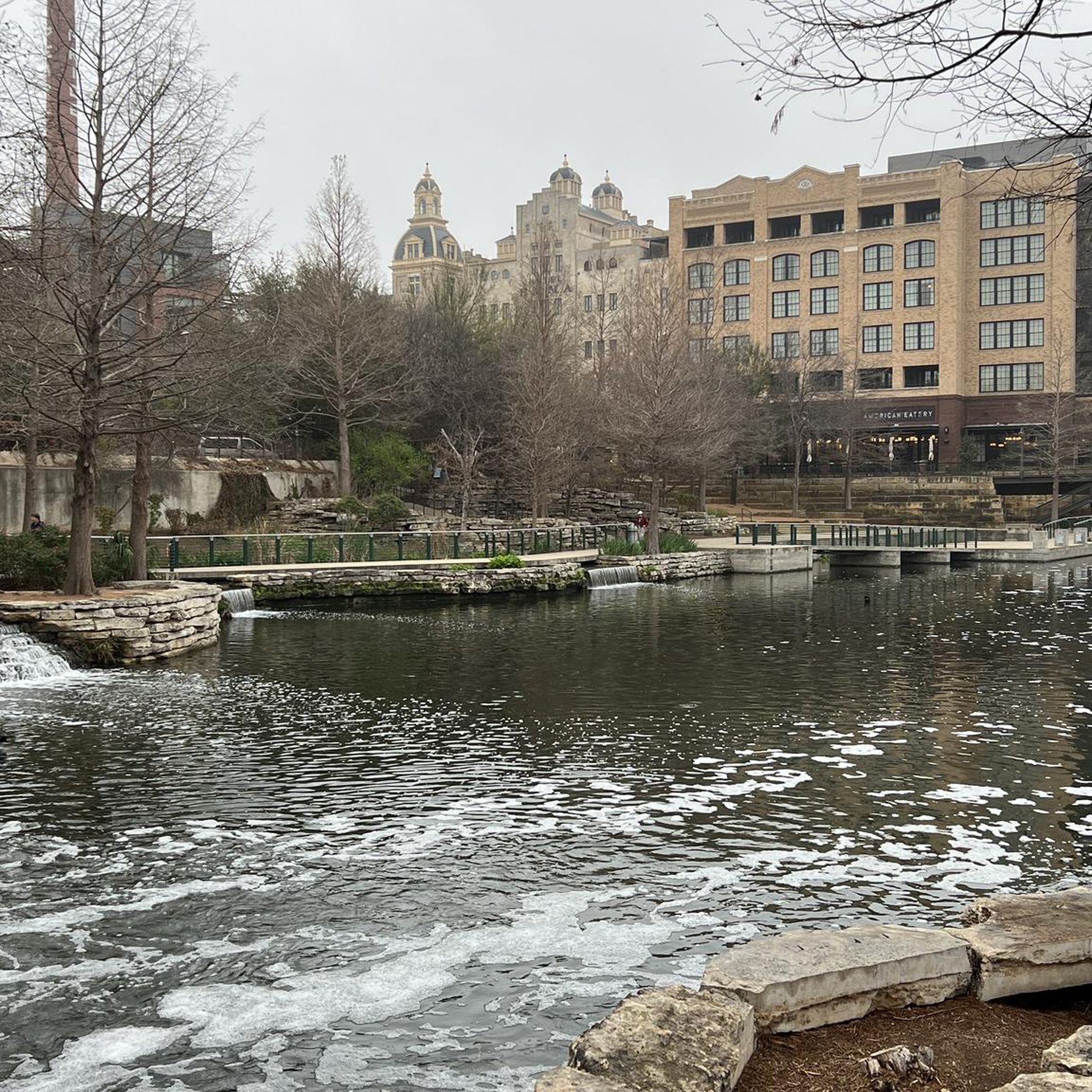
This dam was built in 1883 to supply power to the former Alamo grain mill, which stood on the other side of the river. It became obsolete after the introduction of electricity, and the flow rate of the San Antonio River decreased due to well drilling and drought. The historic dam was only rediscovered in 2007 during repair work on the River Walk.
6
0
Frequently Asked Questions
How many running routes are available in Olmos Park?
Olmos Park features over 100 running routes. These include a diverse range of paths, from easy, flat trails to more challenging routes with elevation changes, catering to all fitness levels.
Are there any easy jogging routes suitable for beginners or a relaxed run?
Yes, Olmos Park offers many easy jogging routes. A great option is the Olmos Basin Greenway Trail loop from Olmos Park, an easy 2.7-mile (4.4 km) path known for its shaded sections and glimpses of Olmos Creek.
What kind of terrain can I expect on the jogging trails in Olmos Park?
The park offers a varied terrain, including extensive networks of well-maintained trails with both paved surfaces and more rugged paths. You'll find rolling hills, lush grasslands, and diverse trees, with Olmos Creek flowing through the park. Some routes also feature concrete tracks, and there are paths with up to two 100-foot climbs for those seeking a challenge.
Are the running routes in Olmos Park dog-friendly?
Yes, Olmos Park is very dog-friendly. Many trails welcome canine companions, and the park is equipped with amenities like doggie bags and drinking stations, making it a great spot for runners with their pets.
What are some scenic highlights or natural features I can see while jogging?
While jogging, you can enjoy the expansive green spaces, the scenic Olmos Creek, and diverse trees like oak, pecan, and elm. A significant historical landmark within the park is the Olmos Dam. The park also provides opportunities for wildlife viewing, with sightings of various birds, rabbits, armadillos, and deer.
Are there any challenging running routes in Olmos Park for experienced runners?
Yes, Olmos Park offers routes with varying levels of elevation gain, including more challenging paths that require good fitness. Some trails feature significant climbs, such as two 100-foot ascents, providing a good workout for experienced runners.
What do other runners say about the jogging experience in Olmos Park?
The running routes in Olmos Park are highly rated by the komoot community, with an average score of 4.6 stars from more than 10 reviews. Over 2000 runners have used komoot to explore the park's varied terrain, often praising the diverse landscapes and well-maintained paths.
Are there any loop trails for jogging in Olmos Park?
Yes, many of the routes in Olmos Park are designed as loops. For example, the Alamo Mills Dam – Brooklyn Avenue Lock and Dam loop from San Antonio Zoo Eagle Train Station is a popular moderate 6.5-mile (10.5 km) option, and the Lilly Pond loop from Saint Mary's Strip is another favorite, leading through varied park landscapes.
What amenities are available for joggers in Olmos Park?
Beyond the trails, Olmos Park offers numerous amenities for visitors. These include picnic areas, benches for resting, playgrounds, and fitness stations for additional outdoor workouts. The park is also dog-friendly, providing doggie bags and drinking stations.
What is the best time of year to go jogging in Olmos Park?
Thanks to San Antonio's mild climate, Olmos Park is an excellent destination for jogging year-round. The pleasant weather allows for enjoyment of its outdoor offerings in all seasons, though mornings and evenings might be preferable during hotter summer months.
Are there any historical landmarks or attractions near the jogging routes?
Yes, the Olmos Dam itself is a significant historical landmark within the park. Additionally, nearby attractions include The Alamo, San Fernando Cathedral, and the Spanish Governor’s Palace, offering cultural points of interest not far from the park's trails.
Is there parking available for accessing the jogging trails?
Yes, Olmos Park provides parking facilities for visitors accessing its trails. Specific parking areas are usually located near trailheads and popular access points within the park.
Can I reach Olmos Park's jogging trails using public transport?
Olmos Park is accessible via public transport options in San Antonio. It's advisable to check local bus routes and schedules for the most convenient stops near the park's entrances or specific trailheads.
Most popular routes around Olmos Park
Most popular attractions around Olmos Park

Get inspired with the komoot mobile app


Explore more
Browse the best Running Trails & Routes in other regions.
