Top 19 Castles around Marchtrenk
Best castles around Marchtrenk offer a journey through Upper Austria's rich history and architectural heritage. Situated in the heart of the region, Marchtrenk provides access to several historical sites, including medieval castles and stately homes. The area is characterized by its proximity to the Traun River and the city of Wels, blending natural landscapes with significant cultural landmarks. Exploring these sites provides insight into centuries of regional development and noble lineages.
Best castles around Marchtrenk
- The most popular castle is…
Last updated: June 23, 2026
Wels Town Square
Highlight • Settlement
Translated by Google •
Tip by

Traun Castle
Highlight • Castle
Translated by Google •
Tip by

Sign up now to discover places like this
Get recommendations on the best single tracks, peaks, & plenty of other exciting outdoor places.
Sign up for free
Wels Castle
Highlight • Castle
Translated by Google •
Tip by

Schloss Puchberg
Highlight • Castle
Translated by Google •
Tip by

Pollheim Castle
Highlight • Castle
Polheim Castle was first mentioned in documents in 1237 and was probably built by the influential ruler in Wels, Albero von Polheim. The Polheimers were an aristocratic …
Translated by Google •
Tip by

Sign up for free to discover even more castles around Marchtrenk.
Sign up for free
Already have an account?
Start today with a free account
Your next adventure awaits.
Login or Signup
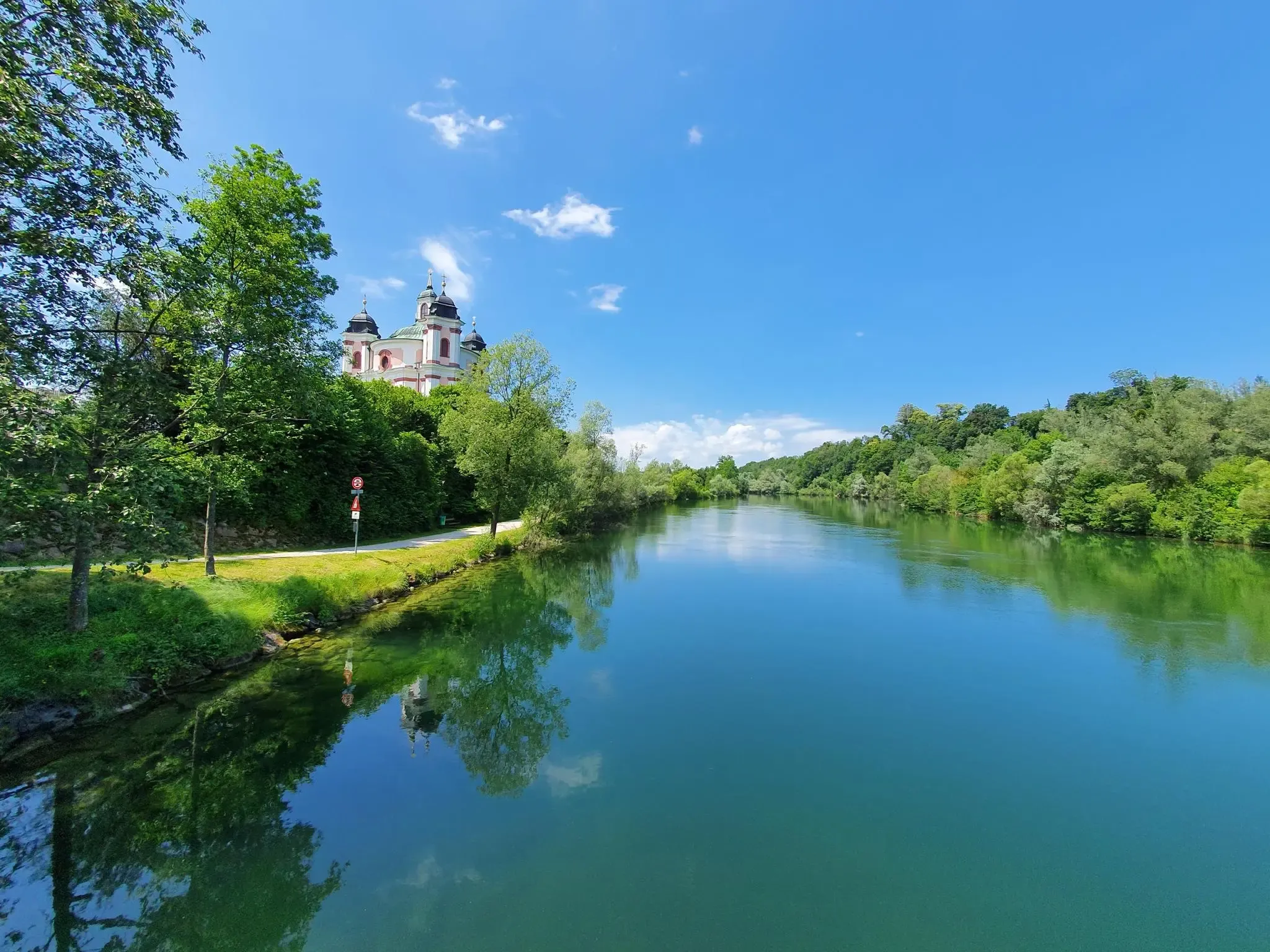
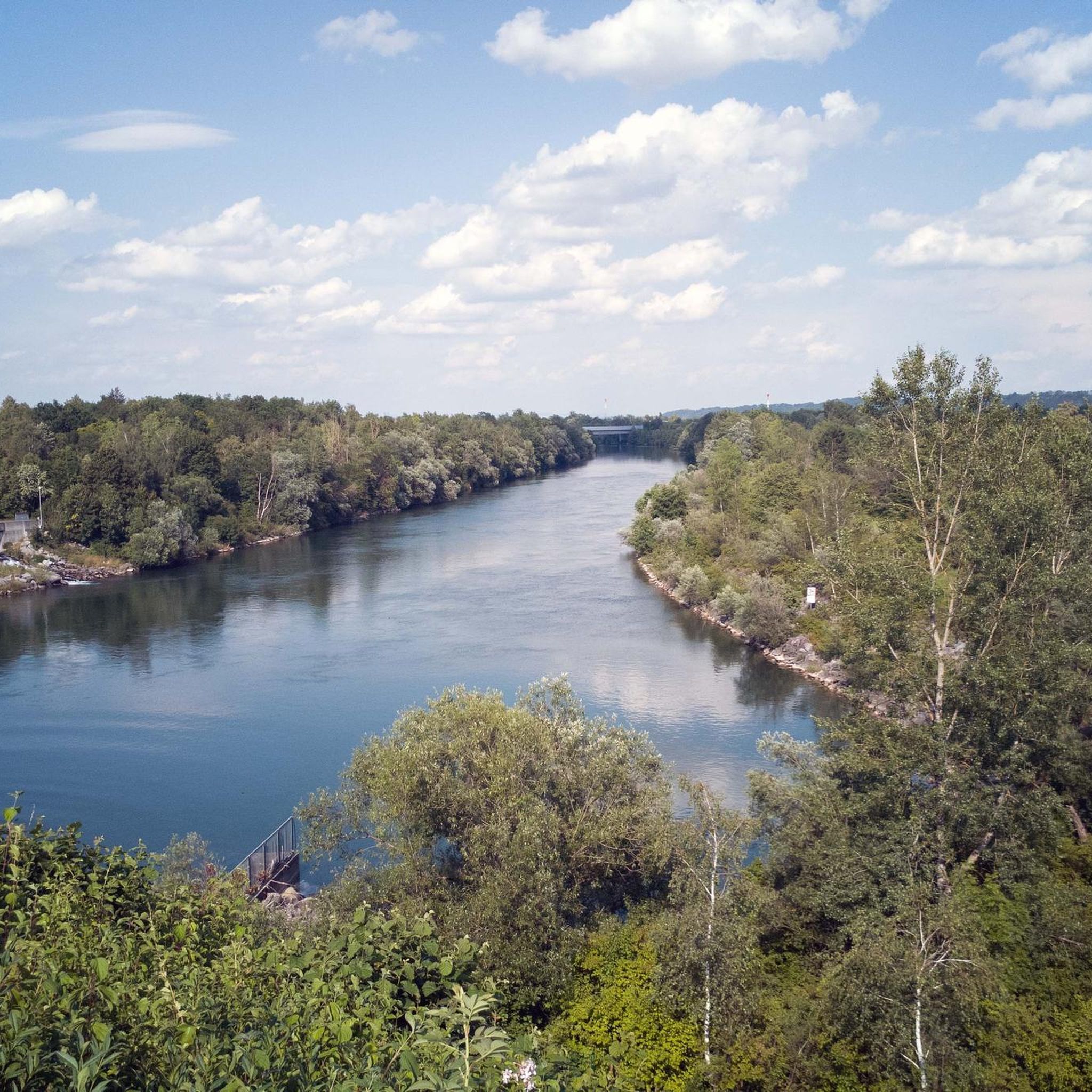
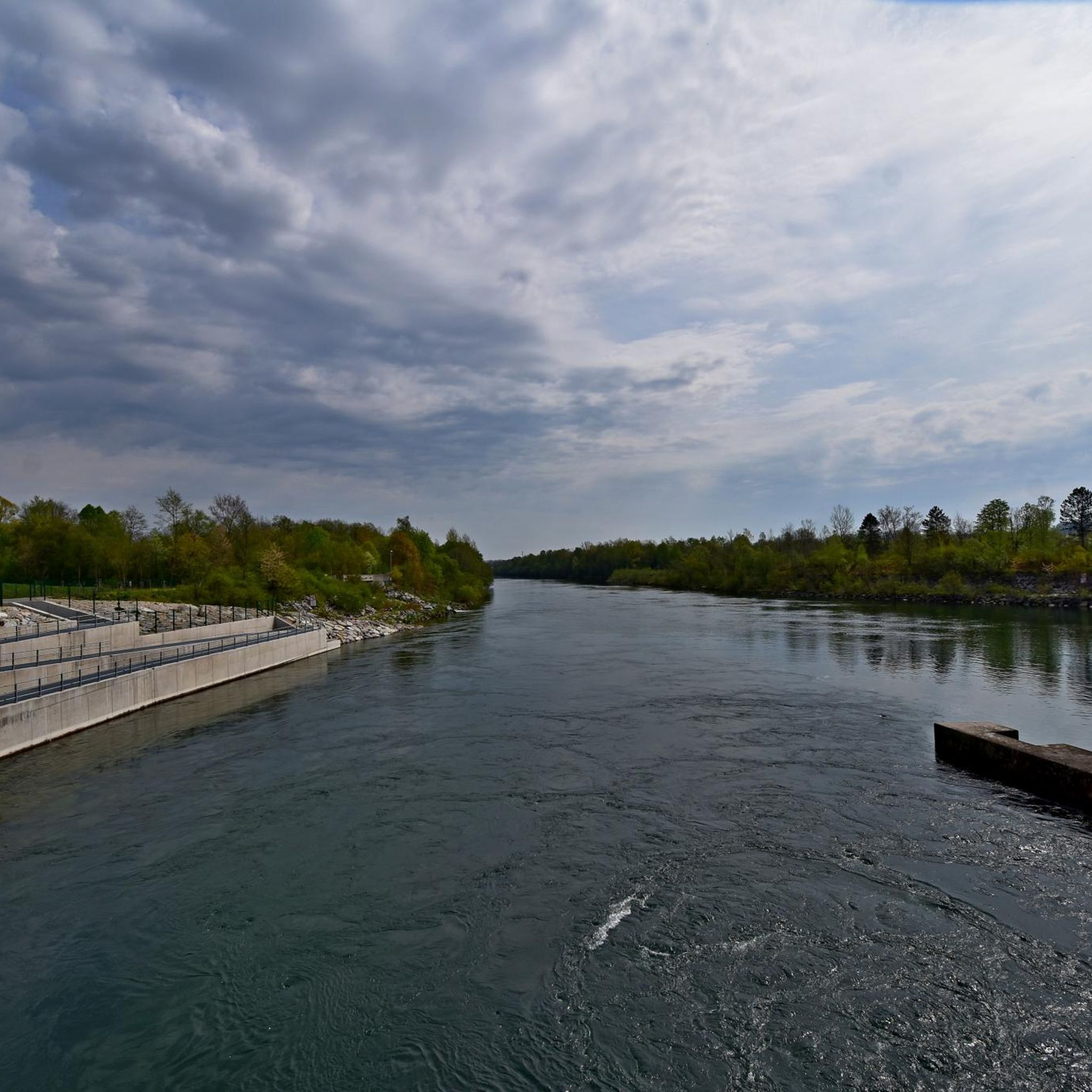

Other adventures around Marchtrenk

Tips from the Community

Wels Castle is essentially a medieval building. It was the residence of the emperor's stewards. The most significant event in its history was the death of Maximilian I, known as the Last Knight. The castle houses the Wels City History Museum. It showcases the city's history from Roman times to the 21st century through fascinating exhibits. There are also films for illustrative purposes. The museum is also easily accessible with a wheelchair or stroller.
6
1


A pharmacy founded around 1600, which has been owned by the Fritsch-Richter family for over 100 years, has developed into an international healthcare services company (Richter Pharma AG), and the location at Stadtplatz 12 to 14 and Hafergasse 1 to 3 has become a 3,500 m2 inner-city center with a unique world of experience. You can find more information about the history of the pharmacy and the symbolism in the following text. Symbolism: The eagle is considered a symbol of heaven, the snake for the earth, the underworld or wisdom, among other things. The interplay of these symbols can be found in a wide variety of traditions and religions, from the Sumerians to the Maya and the Grail story. The Rod of Asclepius is a staff wrapped around a snake and is also known as a snake staff. Originally it was an attribute of Asclepius, the god of medicine in Greek mythology. Today it is the symbol of the medical and pharmaceutical profession. In Austria, pharmacists use the Aesculapius symbol and form the snake and staff into a large curved A. Can you spot the snake? Source: www.wels.at/welsmarketing/events/top-events/welser-weihnachtswelt/welser-lichterpfad/22-adler.html
5
3

Center of Wels The first houses were built in the 13th century
6
2

no or little car traffic, cycle path across the entire main square!!!, top
5
2

Traun Castle houses a freely accessible exhibition on the history of the castle and the nobility in the ring mantle complex.
7
1

Wels Imperial Castle is a palace-like fortress located southeast of Wels's city center. Dating back to the Middle Ages, it was owned by the Babenbergs and the Habsburgs, among others. The building is now owned by the city and houses the Wels City Museum and the Museum of Expellees. Opening Hours Tuesday to Friday 10:00 a.m. to 5:00 p.m. | Saturday 2:00 p.m. to 5:00 p.m. Sunday and Public Holidays 10:00 a.m. to 4:00 p.m. The castle was first mentioned in 776 in connection with the Wels settlement "Castrum Uueles." The castle was originally a wooden structure with palisades and was only rebuilt from stone in the 12th or 13th century. At the end of the 12th century, it was pledged to Leopold VI of Babenberg, Duke of Austria, and was subsequently purchased by him in 1222. After the Babenbergs died out, the castle came into the possession of the Habsburgs. Under Emperor Maximilian I, who died there on January 12, 1519, the castle was rebuilt in the late Gothic style from 1508 to 1514. In 1653, the Holy Roman Emperor Ferdinand IV donated the castle to Prince Johann Weikhard von Auersperg. In 1865, the Auersperg family sold the castle to Ludwig Hinterschweiger, a Schmalz-seed producer who had the east wing added. Around 1900, it came into the possession of the Blaimschein family, and in 1937, the building was acquired by the city of Wels.
8
1
Frequently Asked Questions
What historical castles can I visit near Marchtrenk?
The region around Marchtrenk offers several historically significant castles. You can explore Traun Castle, known for its beautiful restoration and exhibition on local nobility. Lichtenegg Castle, originally a 16th-century moated castle, showcases impressive architecture. Also, Pollheim Castle in Wels, first documented in 1237, is an important historical site. Wels Castle, though not listed as a highlight in this guide, also houses the Wels City History Museum.
Can I learn about the history of the region at these castles?
Yes, several castles offer insights into the region's past. Wels Castle, for instance, houses the Wels City History Museum, which chronicles the city's history from Roman times to the 21st century. Traun Castle also features a freely accessible exhibition detailing its history and the nobility associated with it.
Are there any wheelchair-accessible castles near Marchtrenk?
Wels Castle, which now houses the Wels City History Museum, is accessible for wheelchair and stroller users, making it a convenient destination for a wider audience.
Which castles near Marchtrenk are suitable for families?
Many castles in the area are family-friendly. Traun Castle, Lichtenegg Castle, and Pollheim Castle are all noted as family-friendly. Wels Castle, with its museum, also offers engaging exhibits for all ages.
What outdoor activities can I do near these castles?
The region offers various outdoor activities. You can find numerous cycling routes, such as those in the Cycling around Marchtrenk guide, or explore road cycling options in the Road Cycling Routes around Marchtrenk guide. For hikers, there are easy trails available in the Easy hikes around Marchtrenk guide, some of which might lead you near these historical sites.
Are there hiking trails near these castles?
Yes, there are several hiking opportunities. The Easy hikes around Marchtrenk guide features routes like the 'Hubertus Chapel on the Traun loop from Marchtrenk' which can offer pleasant walks in the vicinity of the Traun River, often close to historical points of interest.
What do visitors enjoy most about the castles around Marchtrenk?
Visitors appreciate the blend of historical authenticity and modern restoration. For example, Traun Castle is praised for its beautiful restoration and diverse uses, including its accessible exhibition. Lichtenegg Castle is admired for its impressive architecture and historical significance, even though it now houses apartments.
Is there parking available at the castles near Marchtrenk?
While specific parking details for each castle are not always provided, Wels, where Pollheim Castle and the Wels City History Museum (at Wels Castle) are located, generally offers public parking options within the city. For Traun Castle, visitors typically find parking in the nearby town of Traun.
What is the best time of year to visit the castles around Marchtrenk?
The castles and surrounding areas are generally pleasant to visit during spring, summer, and early autumn when the weather is mild, and the natural landscapes are vibrant. This allows for comfortable exploration of both the castle grounds and any nearby outdoor routes.
Are there any castles near Marchtrenk that are not open to the public?
Yes, Schloss Aigenegg, located in Thalheim near Wels, is a private residential building and is not open to the public. Similarly, Lichtenegg Castle, while impressive from the outside, now contains apartments.
How long should I plan for a visit to these castles?
For castles like Wels Castle, which houses a museum, you might want to allocate 2-3 hours to fully explore the exhibits. Traun Castle, with its exhibition, could take 1-2 hours. For other castles like Pollheim Castle or Lichtenegg Castle, which are primarily viewed from the exterior, a shorter visit of 30-60 minutes might suffice, depending on whether you combine it with a walk or other activities.
Most popular routes around Marchtrenk
Most popular attractions around Marchtrenk

Get inspired with the komoot mobile app


Explore more
Looking for the best castles somewhere else? Discover other guides around Marchtrenk:
