Top 8 Caves around St. Radegund
Best caves around St. Radegund are located within the surrounding Styrian region of Austria, characterized by its karst landscapes. This area features significant underground formations, including large show caves and active water systems. The geology of the region supports a diverse range of cave environments, offering insights into natural history and geological processes.
Best caves around St. Radegund
- The most popular caves is Lurgrotte Cave Entrance, a cave that is Austria's largest active water cave. It features extensive limestone…
Last updated: July 1, 2026
Katerloch
Highlight • Cave
Translated by Google •
Tip by

Lurgrotte Cave Entrance
Highlight • Cave
Translated by Google •
Tip by

Sign up now to discover places like this
Get recommendations on the best single tracks, peaks, & plenty of other exciting outdoor places.
Sign up for free
Jägersteig, Weiz Gorge
Highlight (Segment) • Gorge
Translated by Google •
Tip by

Women's Cave
Highlight • Cave
Translated by Google •
Tip by
Grassl Cave
Highlight • Cave
Translated by Google •
Tip by

Sign up for free to discover even more caves around St. Radegund.
Sign up for free
Already have an account?
Start today with a free account
Your next adventure awaits.
Login or Signup
Popular around St. Radegund
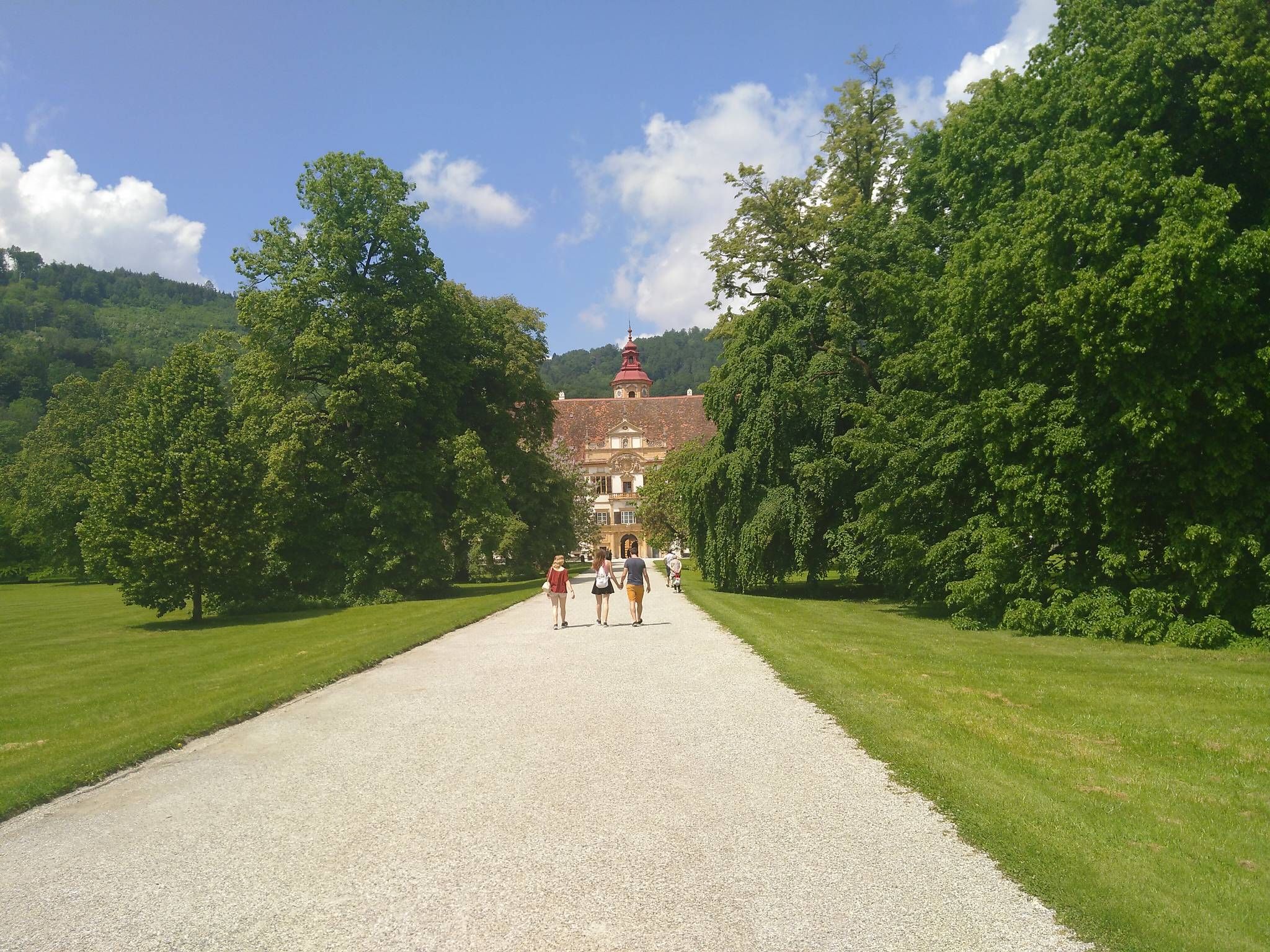
The Styrian Mariazell Way – a pilgrim's hike through southeastern Austria
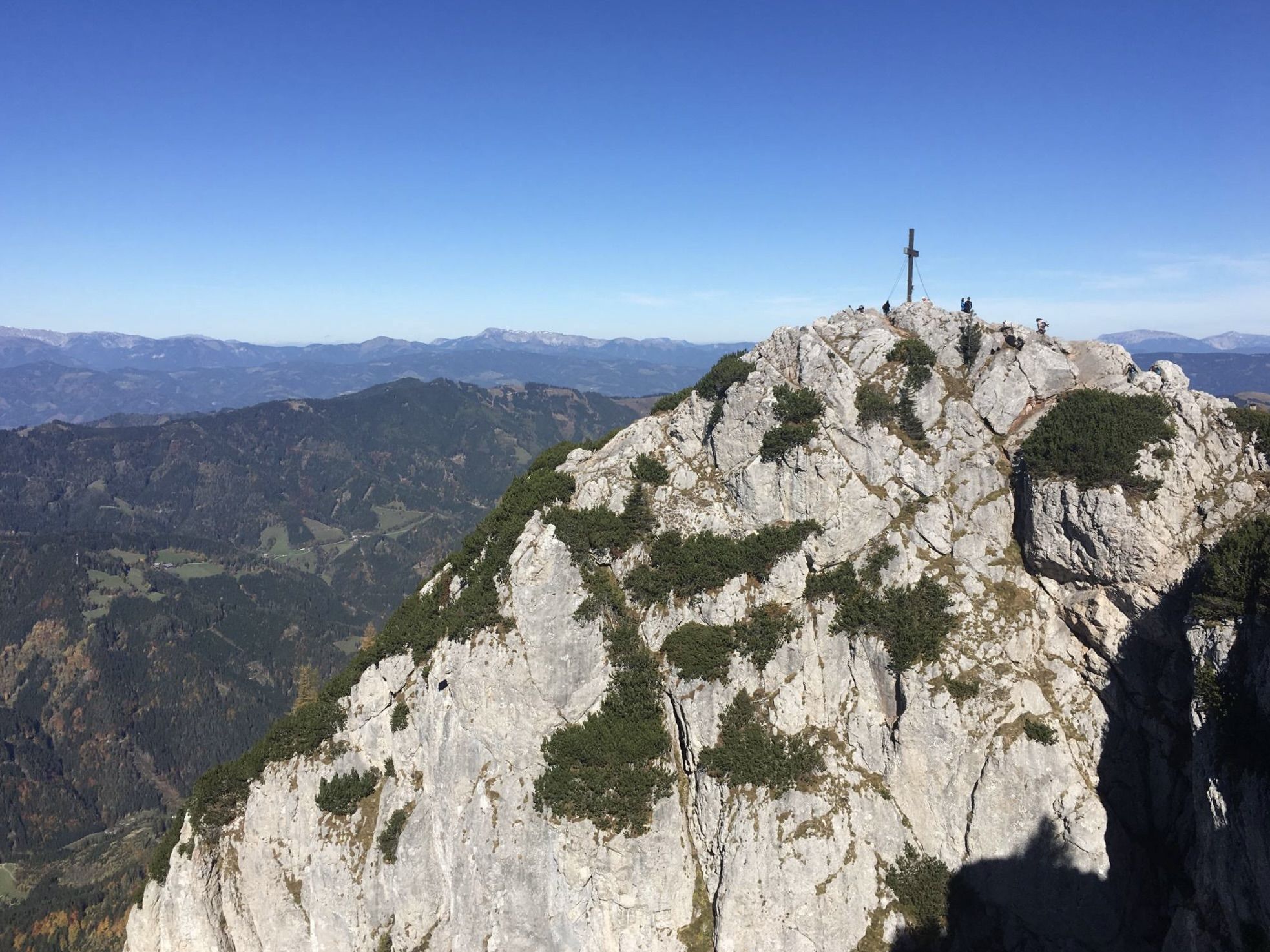
My Best-of - The most beautiful hiking tours in Grazer Bergland
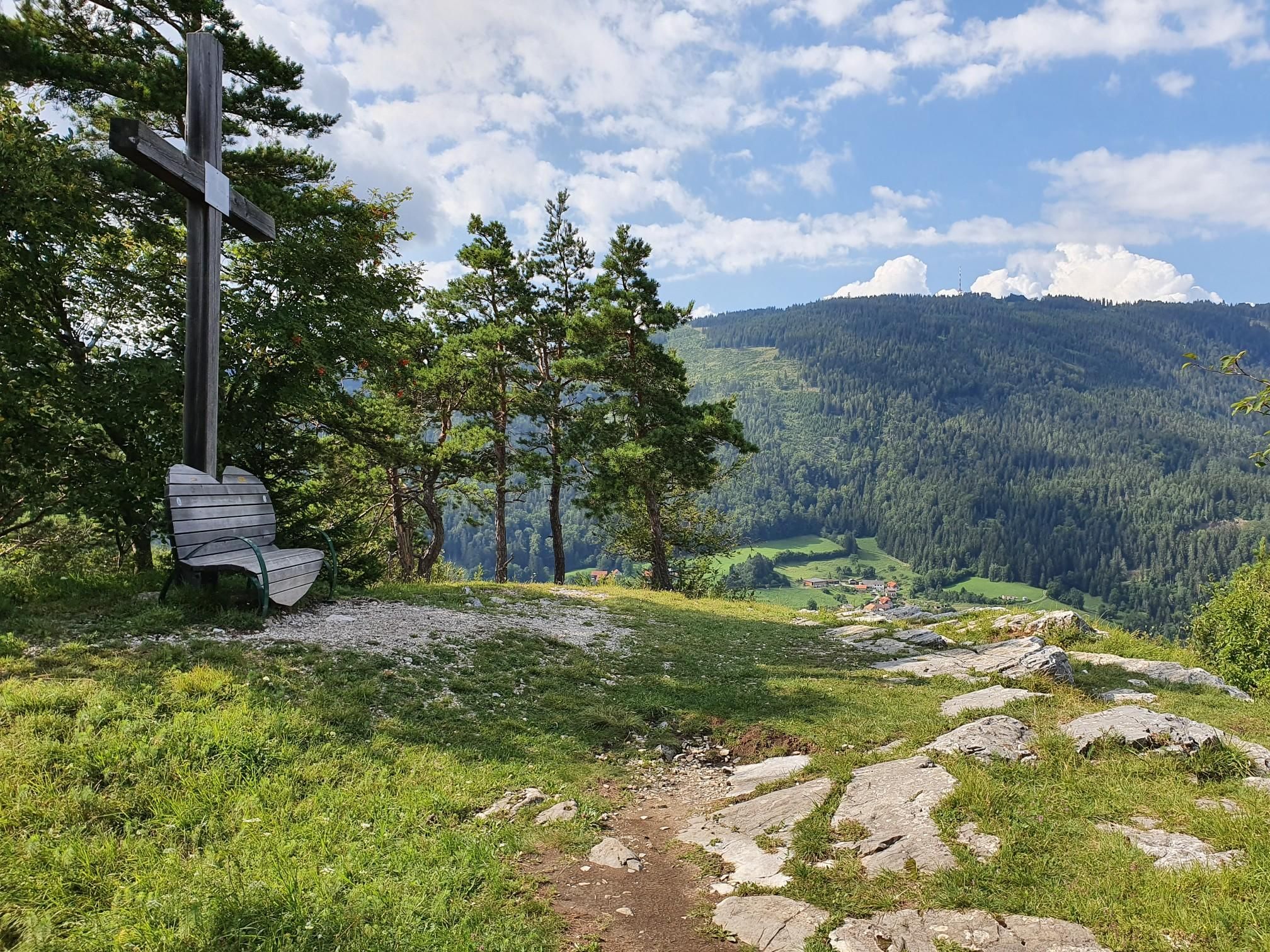
Trail running routes around Graz accessible by public transport
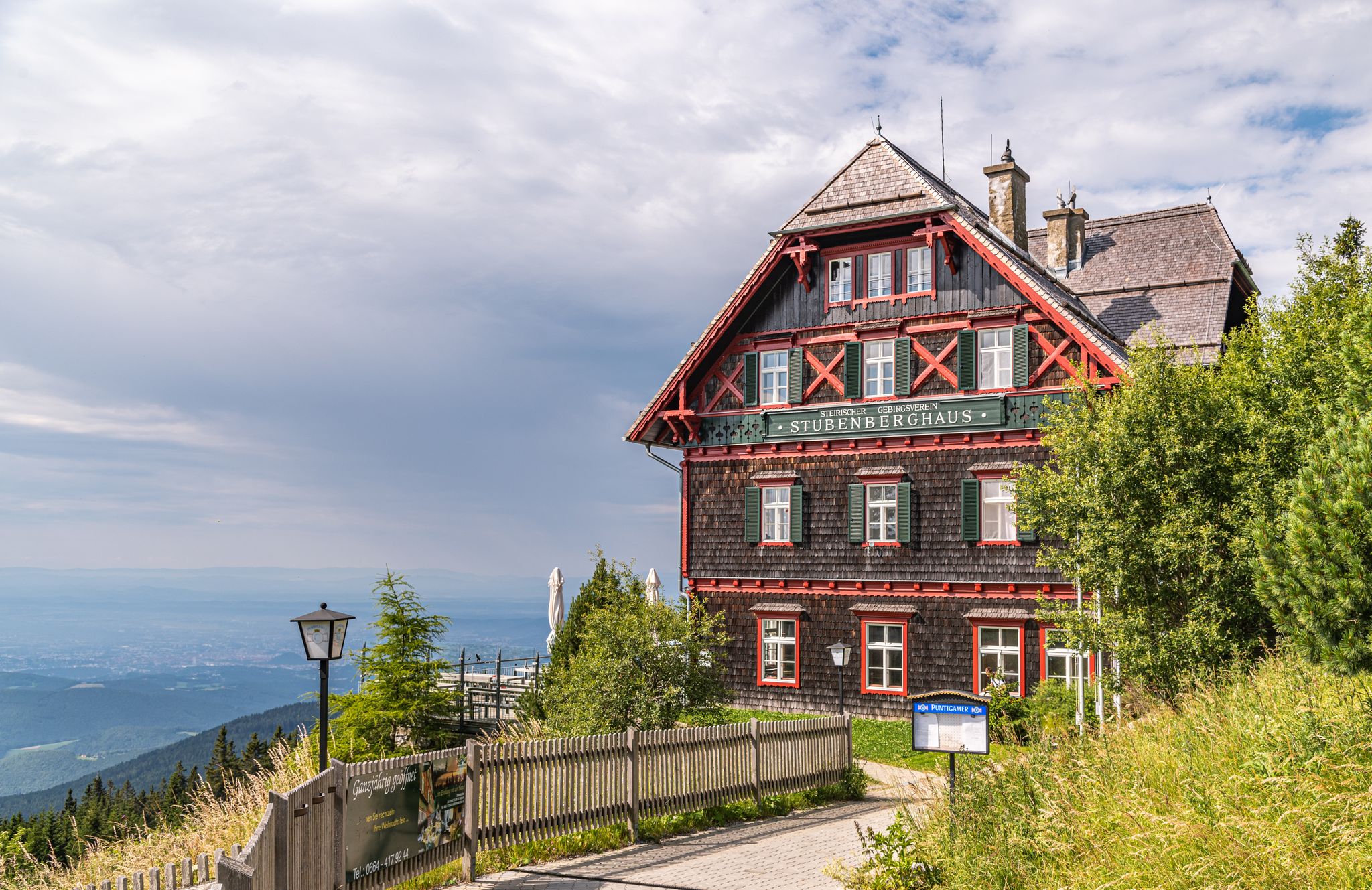
Summit the Schöckl – hiking trails on Graz’s local mountain
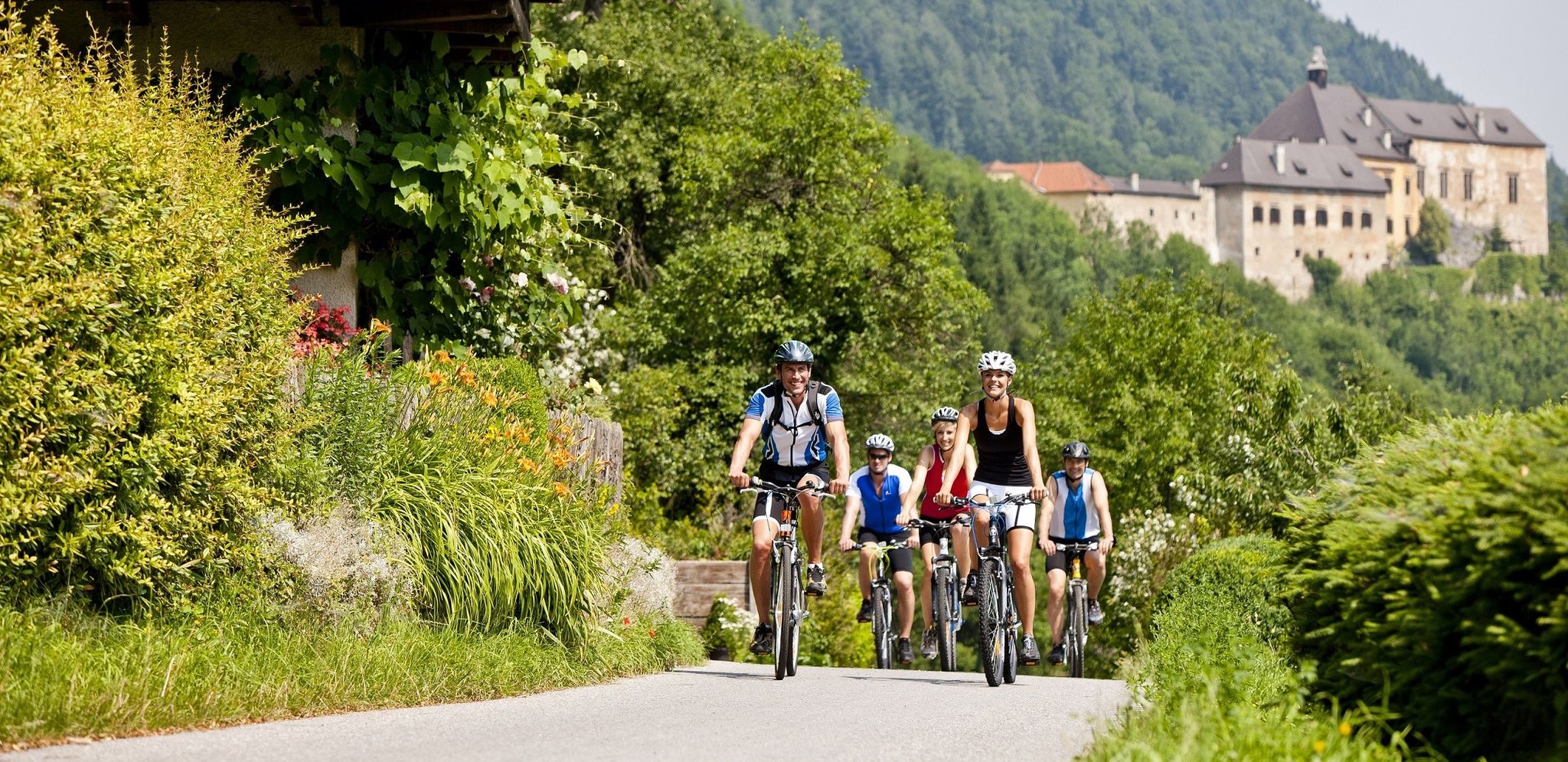
Have fun on two wheels – cycling in Austria’s Graz Adventure Region
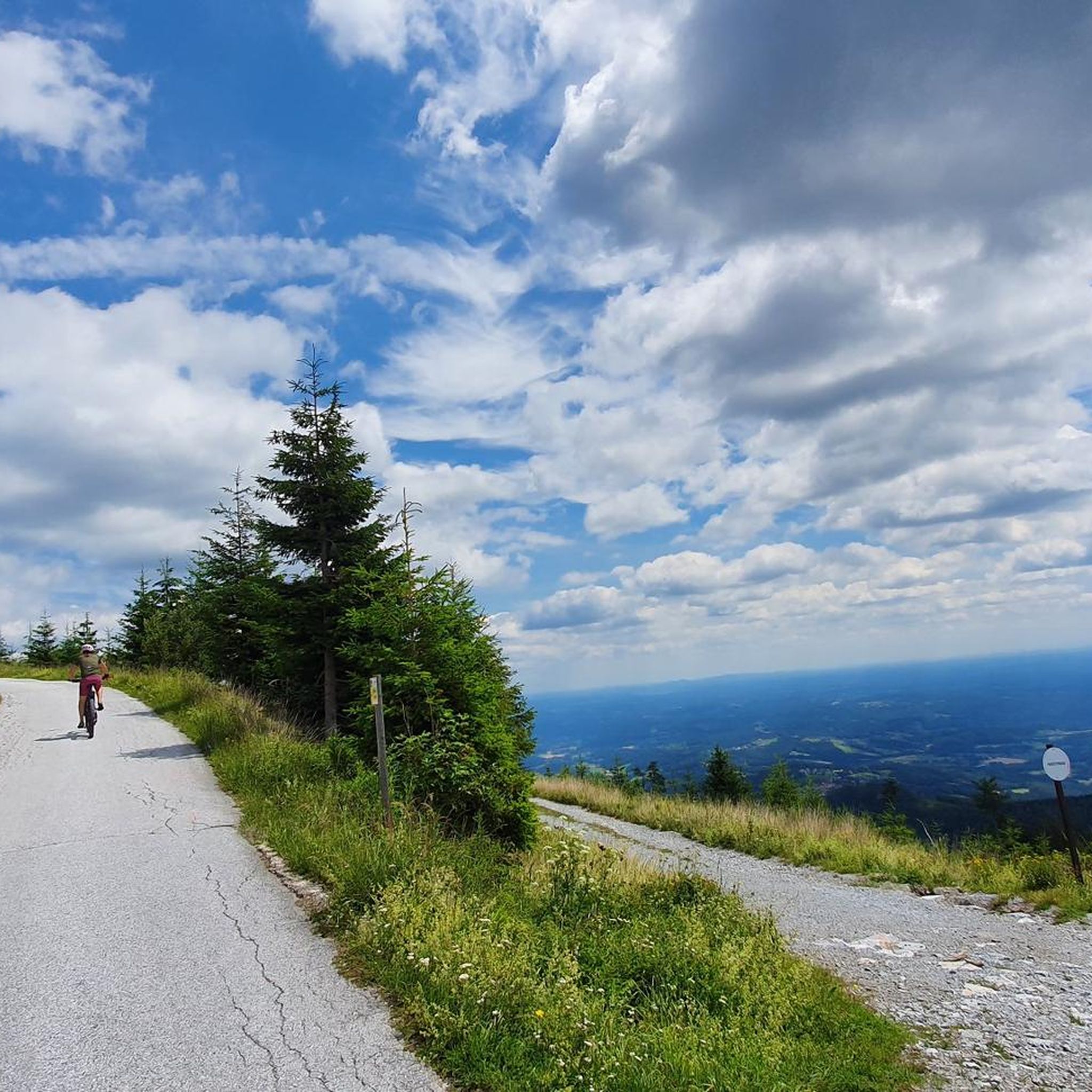
Hiking around St. Radegund
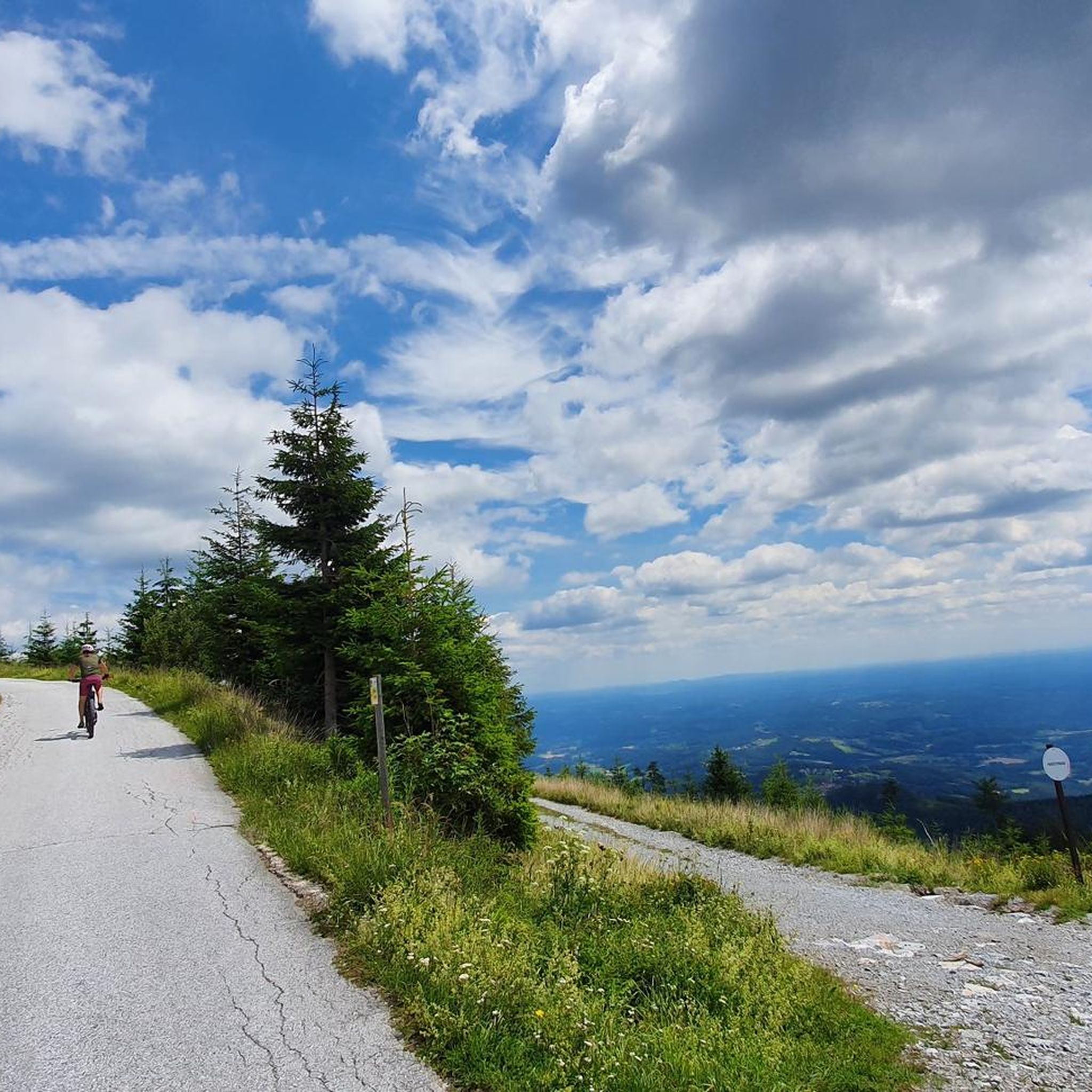
Cycling around St. Radegund
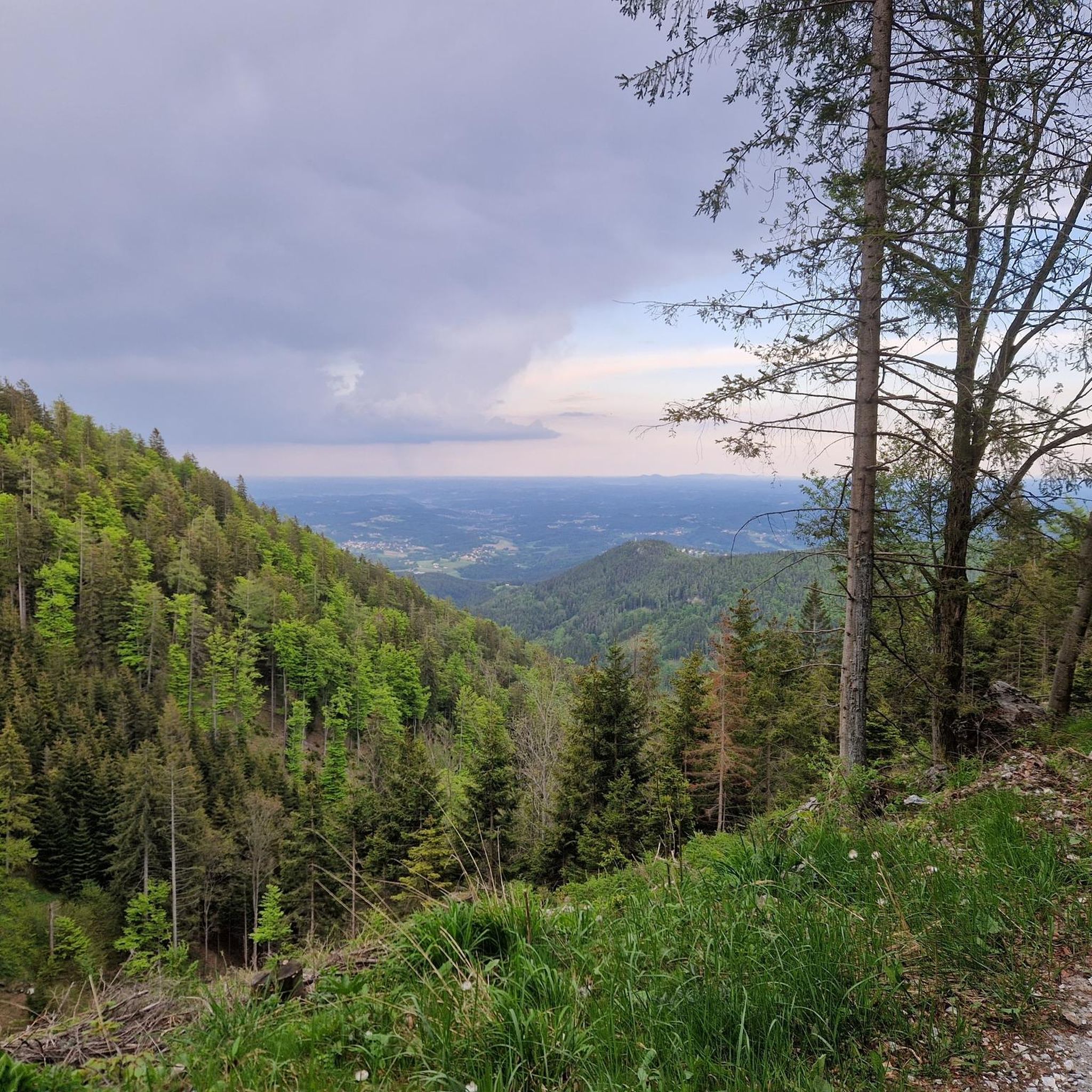
MTB Trails around St. Radegund
Road Cycling Routes around St. Radegund
Mountain Hikes around St. Radegund
Other adventures around St. Radegund


Tips from the Community


Very varied trail, a few caves, deep views, mostly rather uneven - surefootedness is a must. Publicly accessible by bus: Naas Felsenkeller stop Public transport tour report: https://www.bahn-zum-berg.at/randgebirge-oest-der-mur/jaegersteig-weizklamm/
0
0


Great landscape, lots to discover, but unfortunately closed
0
0

Inconspicuous cave entrance. What is hidden underground here is magnificent. Individual access is not possible. The entrance is about 30 minutes on foot from Gasthaus Reisinger.
1
0

Beautiful with lots of great impressions! Surefootedness and sometimes a head for heights are an advantage
1
0

You should only go in good weather.
0
0
Frequently Asked Questions
What makes the caves around St. Radegund unique?
The region around St. Radegund in Styria, Austria, is known for its diverse and impressive underground formations. You'll find Austria's largest active water cave, the Lurgrotte Cave Entrance, which features extensive limestone formations and a Grand Dome Chamber. There's also Katerloch, renowned as Austria's most stalactite-rich show cave, and the Grassl Cave, considered Austria's oldest show cave with ancient dripstones.
What are the most impressive geological features to see in these caves?
The caves boast a variety of stunning geological features. The Lurgrotte is famous for its Grand Dome Chamber and the 'Giant Stalactite,' weighing an estimated 40 tons. Katerloch features the 'Fantasy Hall' with approximately 4,000 large stalactite structures, including delicate lime corals and sparkling crystal columns, as well as the 'Sea Paradise' with alabaster-white stalagmites. The Grasslhöhle offers a 'forest' of stalagmites and 'The Giant,' a prominent stalagmite 3 meters thick and 10 meters high.
What can I expect when visiting the Lurgrotte Cave?
The Lurgrotte is Austria's largest active water cave, offering extensive limestone formations and a massive Grand Dome Chamber. You can enter from either Peggau or Semriach. Guided tours reveal magnificent formations, and visitors can experience dramatic sound and lighting effects. For the adventurous, 'adventure tours' are available by reservation during winter, allowing deeper exploration that may involve crawling and wading through water. The cave maintains a constant temperature of +10°C and high humidity.
What makes Katerloch a must-visit cave?
Katerloch is celebrated as Austria's most stalactite-rich show cave. It features an unimaginable wealth of stalactites, some among the largest in Europe. The 'Fantasy Hall' is a vast chamber filled with around 4,000 large stalactite structures. Other sections like 'Magic Kingdom' and 'Sea Paradise' showcase bizarre and rich formations, including alabaster-white stalagmites and sinter islands. The well-developed path includes serpentines, iron stairs, and 400 steps, covering about one kilometer of the cave.
What is special about the Grasslhöhle?
The Grasslhöhle is considered Austria's oldest show cave, located near Weiz. It is renowned for its rich stalactite formations, some estimated to be up to 100,000 years old. Visitors can explore an 'underground wonderland' with diverse dripstones, sinter walls, and various crystals. Just inside the entrance, you'll find a 'forest' of stalagmites, and the heart of the cave, the Dome, features numerous cascades of stalagmites, including 'The Giant,' a 3-meter thick, 10-meter high formation. The paths are comfortably walkable, making it suitable for all ages.
Are the caves around St. Radegund suitable for families?
Yes, some caves are very family-friendly. The Grassl Cave offers comfortably walkable paths and effective lighting, making it suitable for all ages. The Lurgrotte Cave Entrance also offers guided tours suitable for general visitors, though its winter adventure tours are more challenging. Katerloch involves 400 steps and a height difference of 135 meters, which might be challenging for very young children or those with mobility issues.
How difficult are the cave explorations near St. Radegund?
The difficulty varies by cave. The Grassl Cave offers comfortably walkable paths. The Katerloch involves serpentines, iron stairs, and 400 steps with a height difference of 135 meters, requiring a good level of fitness. The Lurgrotte Cave Entrance offers standard guided tours, but also 'adventure tours' in winter that are challenging, involving climbing and wading through ice-cold stream water.
What is the best time of year to visit the caves?
Caves generally maintain a constant climate year-round. The Lurgrotte, for instance, is +10°C with high humidity. Katerloch is open from April to November by prior arrangement. Adventure tours in the Lurgrotte are available during winter months. It's always advisable to check specific opening hours and availability directly with each cave, especially outside of peak season.
What should I wear when visiting the caves?
Given the constant cool temperatures (around +10°C) and high humidity inside the caves, it's recommended to wear warm clothing, even in summer. Comfortable, sturdy shoes with good grip are essential, especially for caves with many steps or uneven terrain. If you plan an adventure tour, be prepared for wet conditions.
Do I need to book tours in advance for the caves?
Yes, for some caves, advance booking is necessary. For Katerloch, visits are by prior telephone arrangement. Adventure tours at the Lurgrotte Cave Entrance also require reservation. It's always best to check the official websites or contact the caves directly for current booking requirements and opening hours.
Do the caves near St. Radegund have historical significance?
Yes, several caves have significant historical and prehistoric importance. Evidence of Neanderthal presence from around 50,000 years ago and fossil remains of cave bears have been found in the antechambers of the Lurgrotte Cave Entrance. Similarly, numerous bone discoveries of cave bears contribute to the prehistoric atmosphere of Katerloch.
What outdoor activities can I combine with a cave visit near St. Radegund?
The region around St. Radegund offers various outdoor activities. You can find numerous hiking trails, including easy hikes around St. Radegund, or more challenging running and mountain biking trails. For hiking, explore options like the 'View of the Grazer Bergland – Schöckl summit cross loop' or the 'Kneipp pool – Hubertus Chapel loop.' You can find more details on these activities in the easy hikes around St. Radegund guide, the running trails guide, or the MTB trails guide.
Most popular routes around St. Radegund
Most popular attractions around St. Radegund

Get inspired with the komoot mobile app


Explore more
Extend your search for the best caves by checking out these guides of the top ones around St. Radegund:
