Attractions and Places To See in the United Kingdom - Top 20
Best attractions and places to see in the United Kingdom include a diverse range of historic landmarks, varied natural landscapes, and rich cultural sites across England, Scotland, Wales, and Northern Ireland. The country features ancient stone circles, dramatic coastlines, and mountainous national parks. Visitors can explore centuries of history alongside unique geological formations and vibrant urban centers.
Best attractions and places to see in the United Kingdom
- The most popular attractions is Mam Tor summit and trig point, a…
Last updated: October 23, 2026
Mam Tor
Highlight • Summit
Tip by

Hollins Cross
Highlight • Mountain Pass
Tip by
Sign up now to discover places like this
Get recommendations on the best single tracks, peaks, & plenty of other exciting outdoor places.
Old Man of Storr
Highlight • Climb
Translated by Google •
Tip by

Lose Hill Summit
Highlight • Viewpoint
Tip by
Arthur's Seat
Highlight • Summit
Tip by

Snowdon Summit (Yr Wyddfa)
Highlight • Summit
Its glory …
Tip by
Kinder Low Trig Point
Highlight • Summit
Tip by
Ben Nevis summit
Highlight • Summit
Tip by
Old Man of Coniston summit
Highlight • Summit
Tip by

Catbells Summit
Highlight • Summit
Tip by
Sign up for free to discover even more attractions in the United Kingdom.
Already have an account?
Start today with a free account
Your next adventure awaits.
Popular around United Kingdom
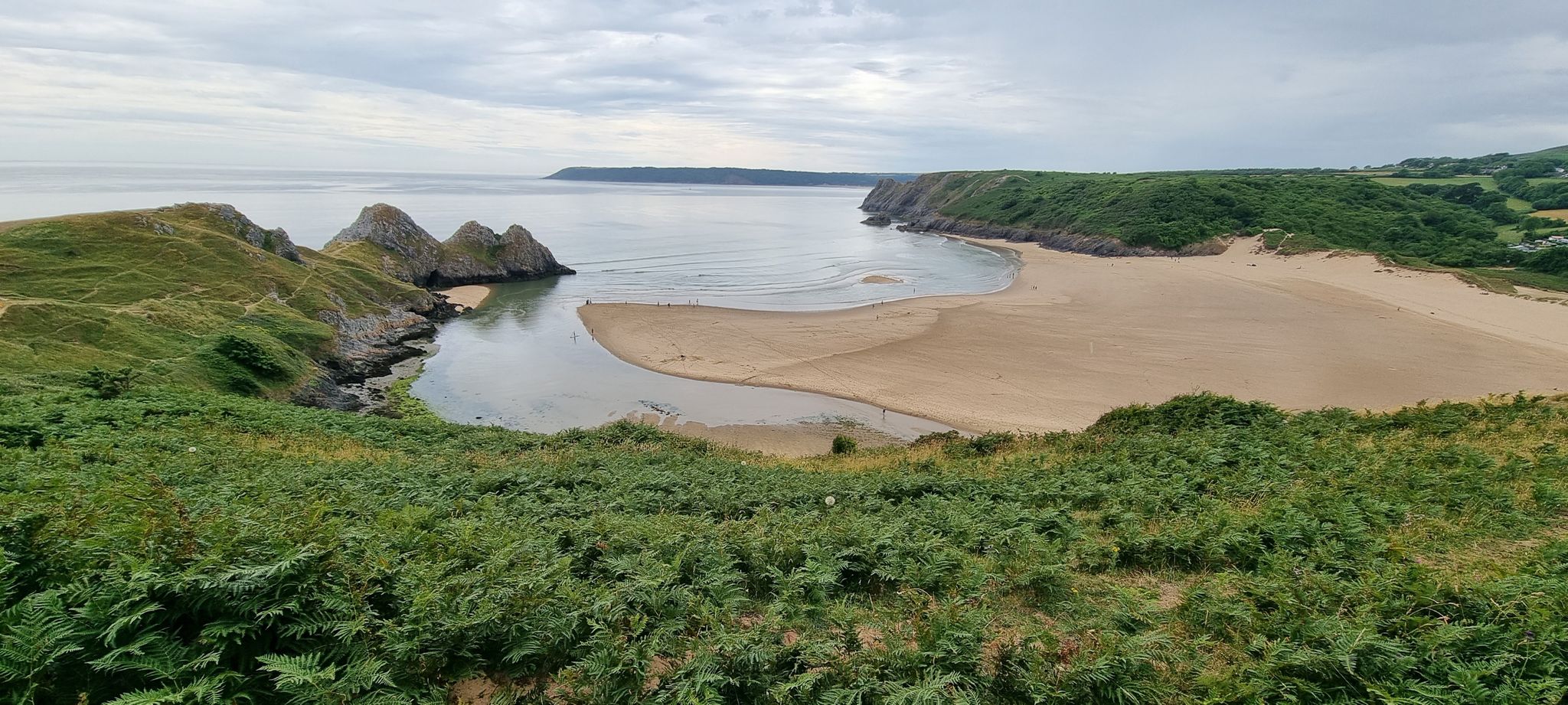
The Gower Edit — Love Trails with komoot
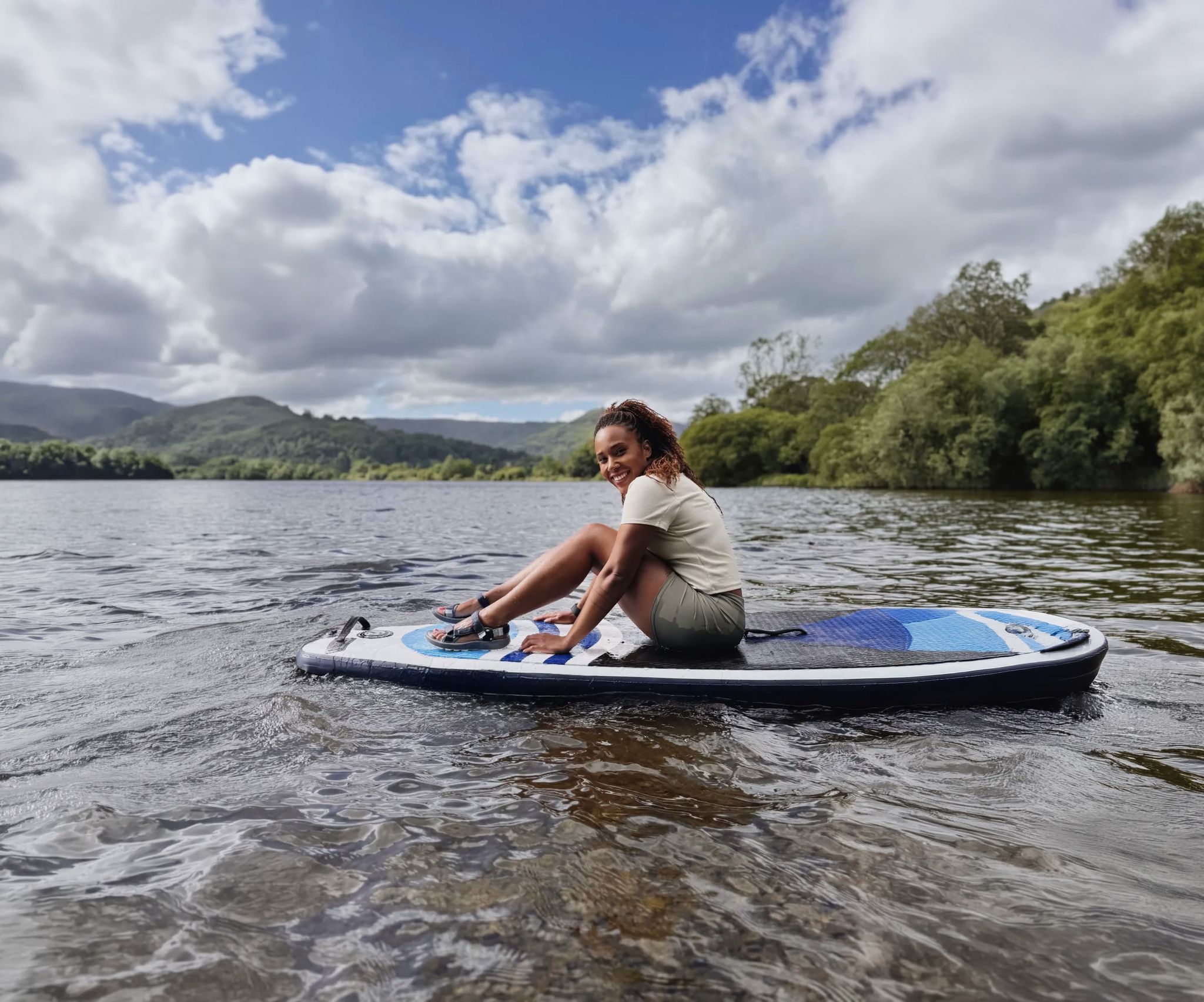
Scenic hikes to stand-up paddleboarding locations in the UK
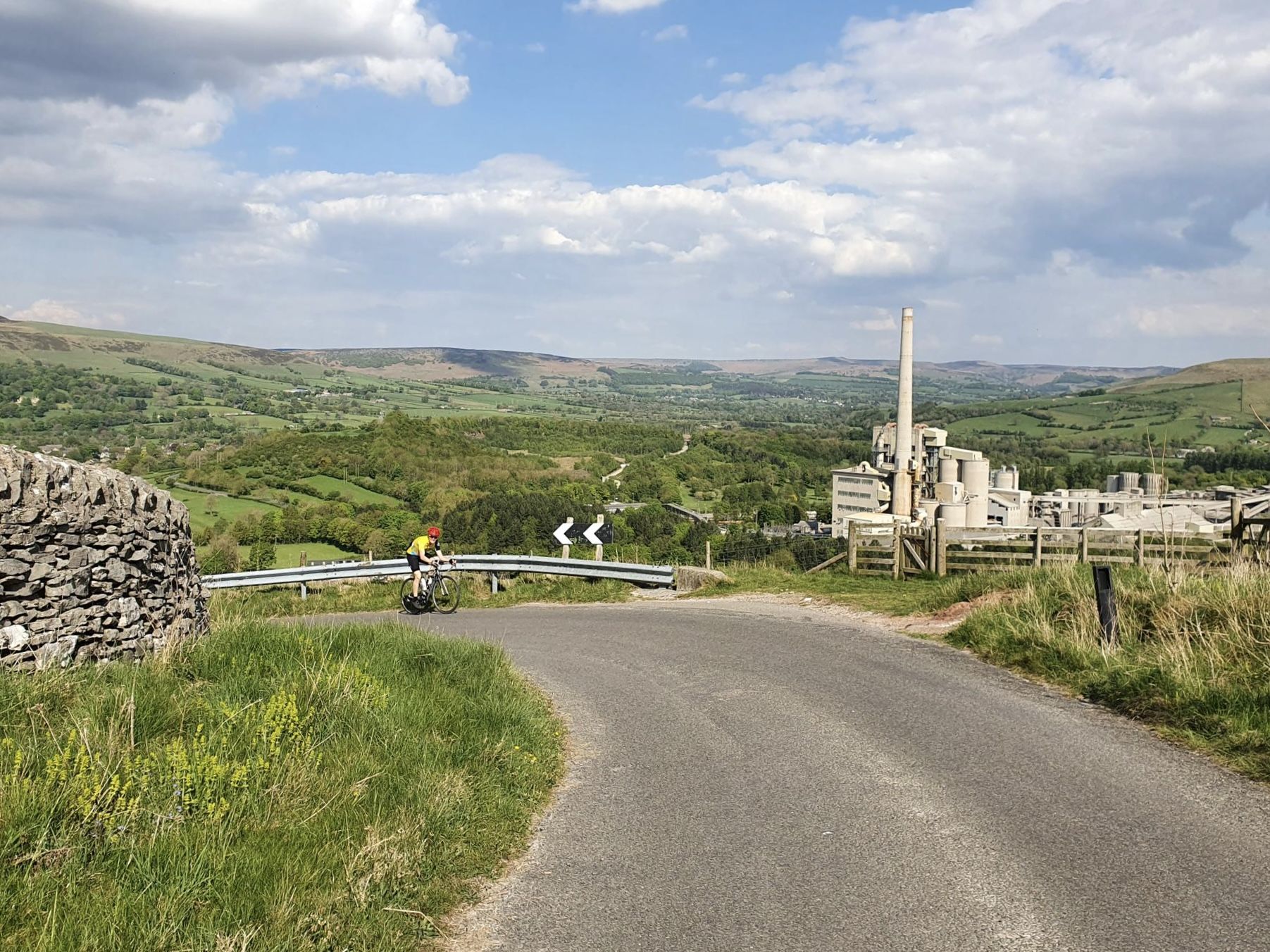
2025 Outdoor Connection event – epic cycling loops
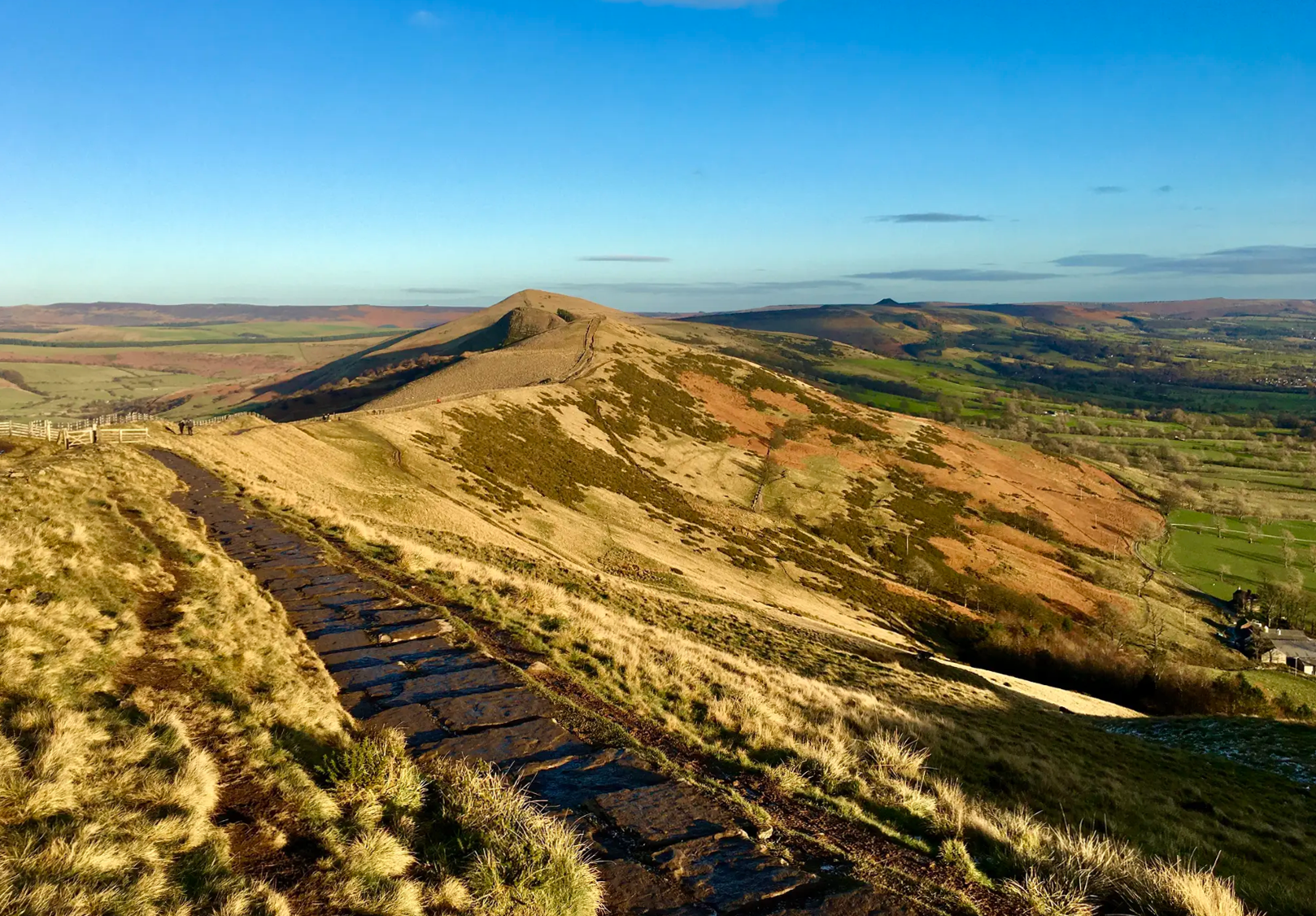
Glorious hikes and runs from the Outdoor Connection 2025 event
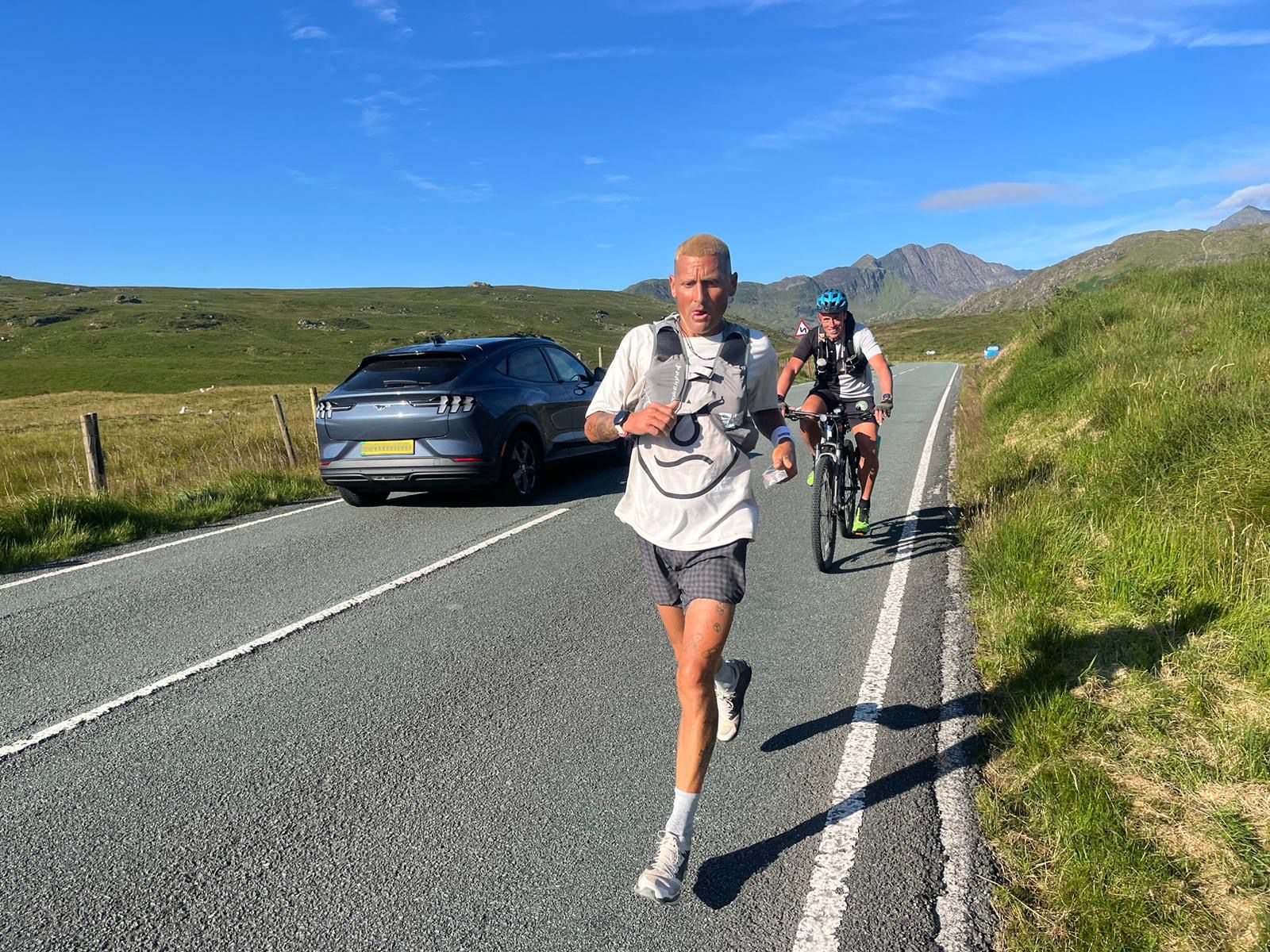
Supporting the National Three Peaks FKT in true Green Runners’ Style
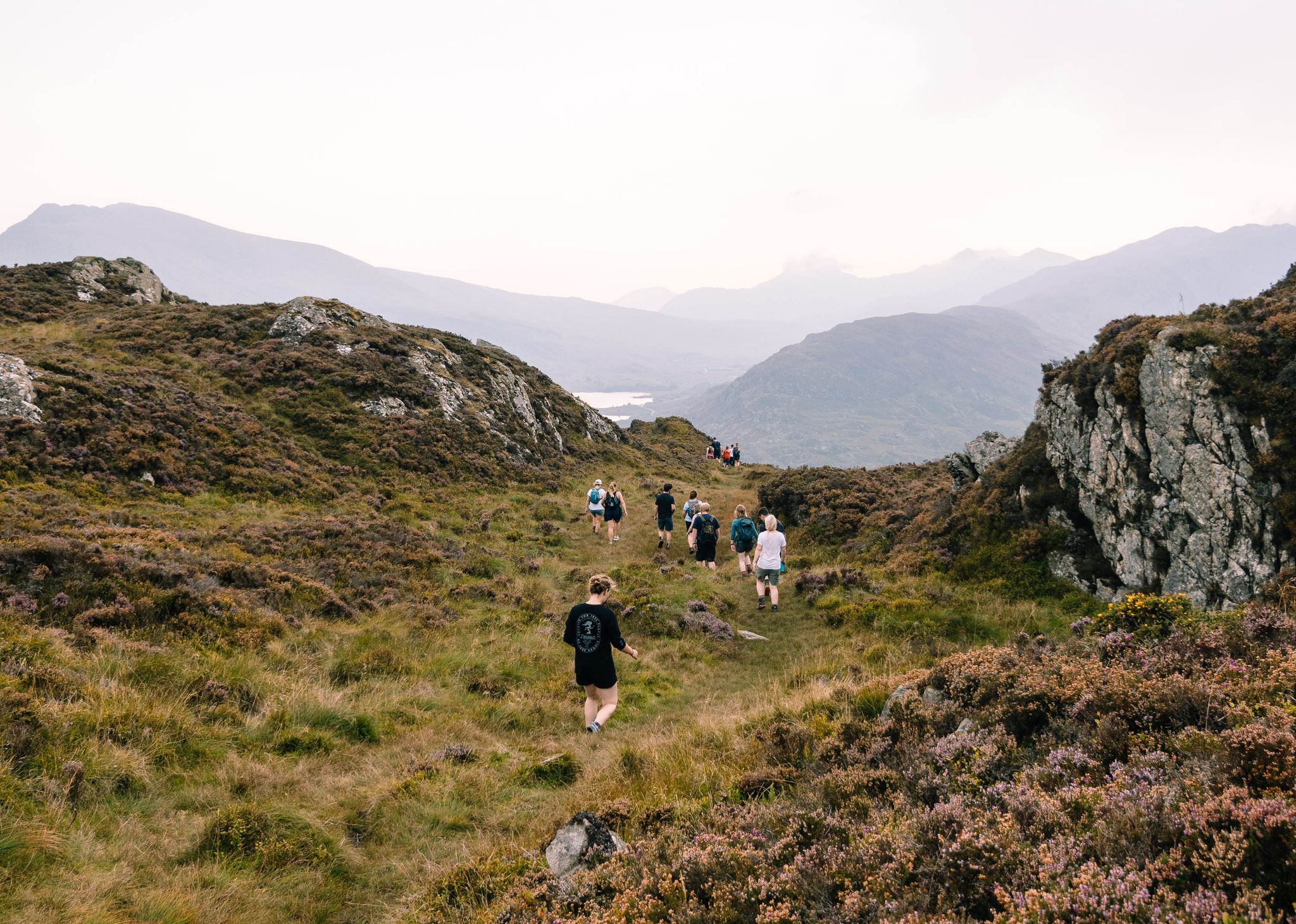
Connect with Nature – Purposeful Adventures in 2024
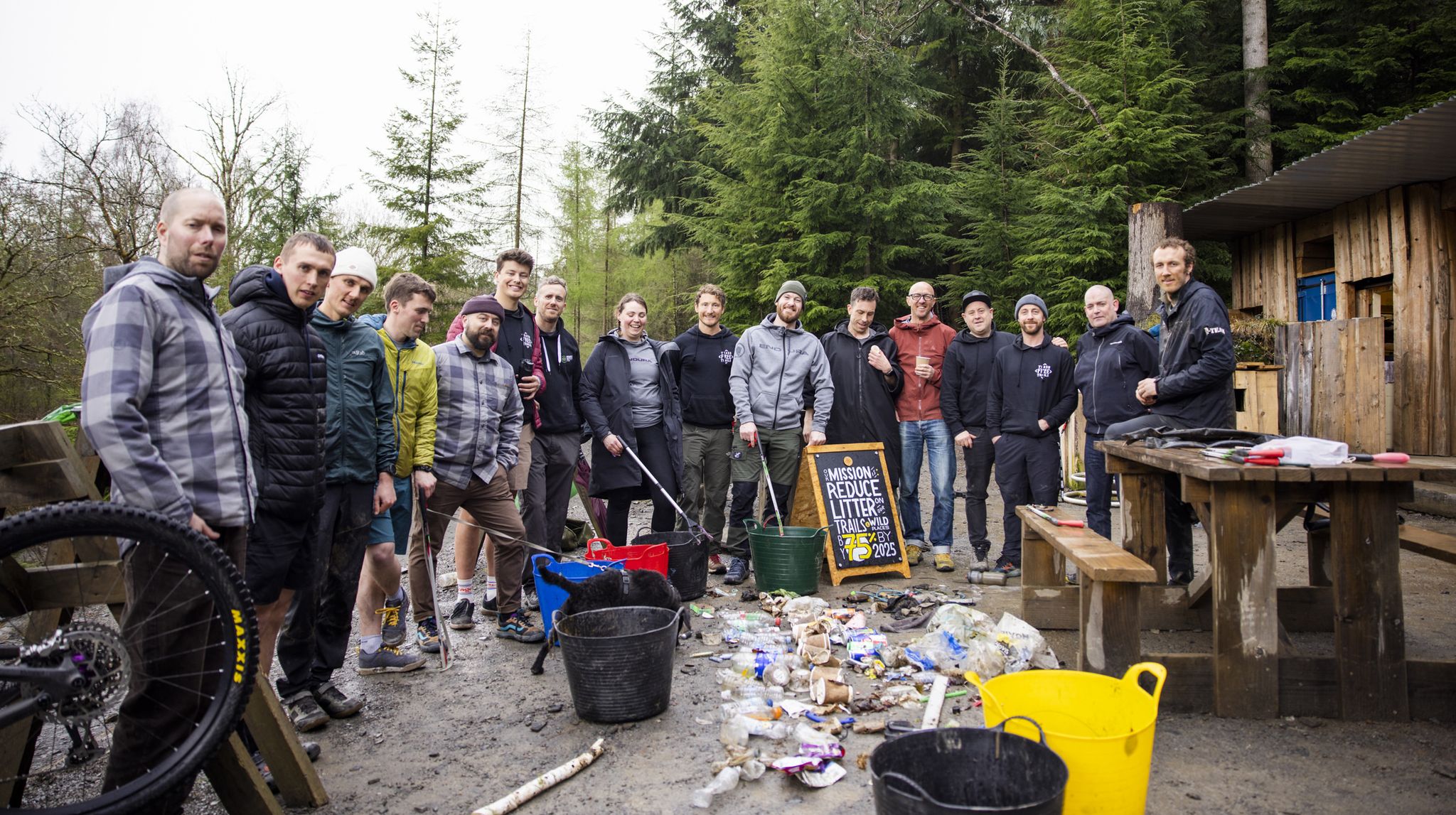
Adventures with a Purpose – our A-TEAMers’ best routes
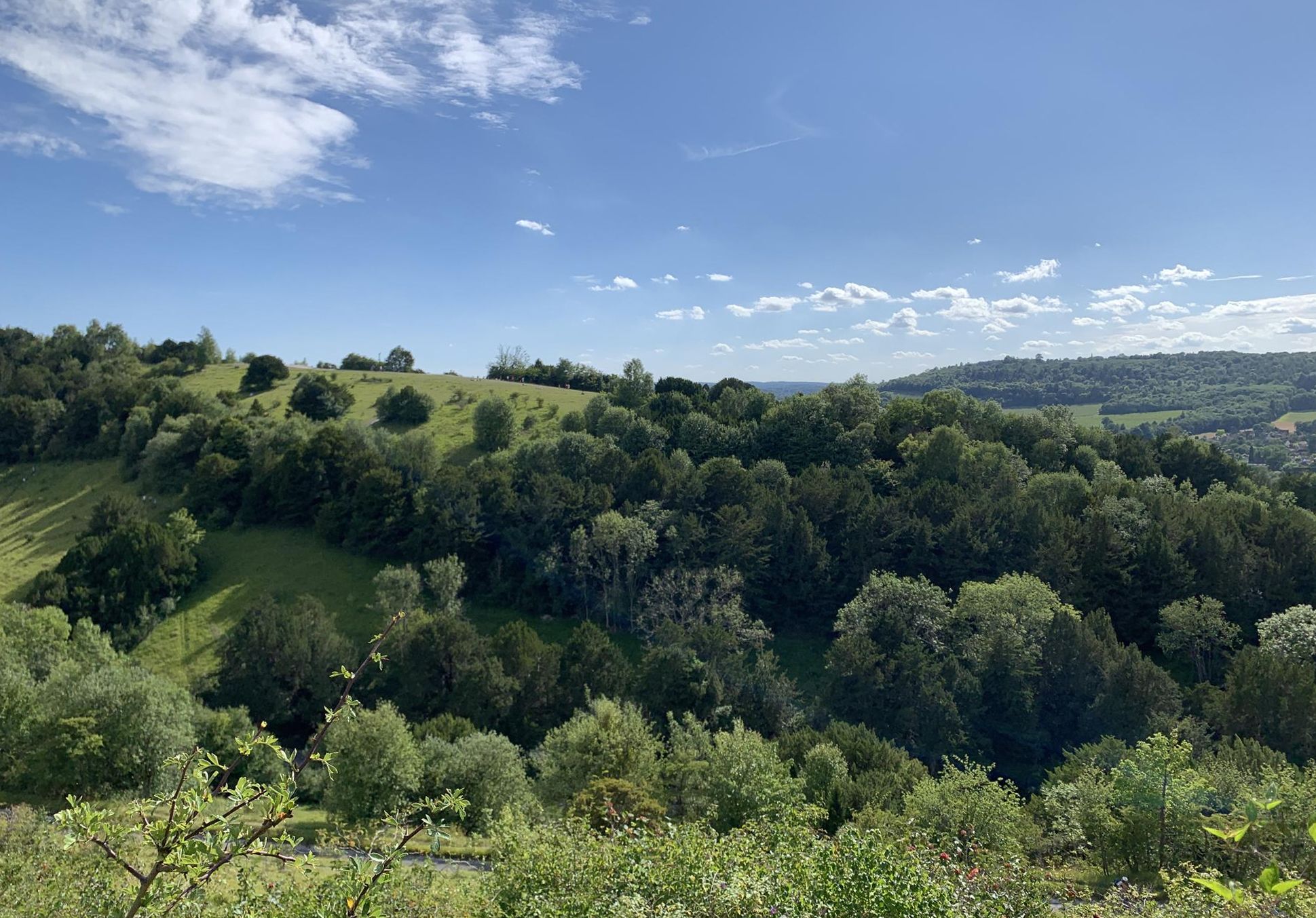
Multi-use magic in the Surrey Hills – Leith Hill Greenway
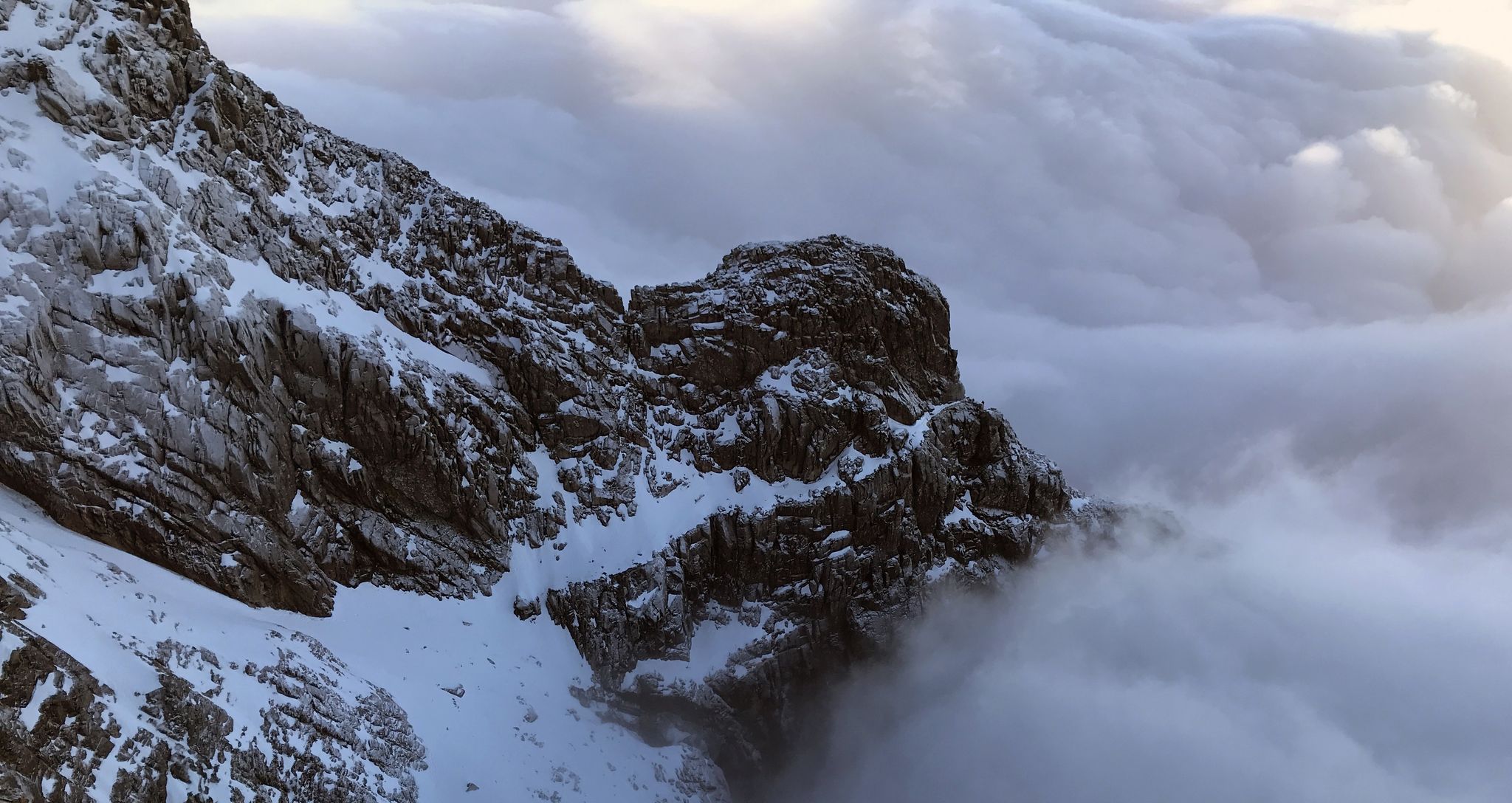
Ephemeral Lines – Stunning UK Winter Ridges
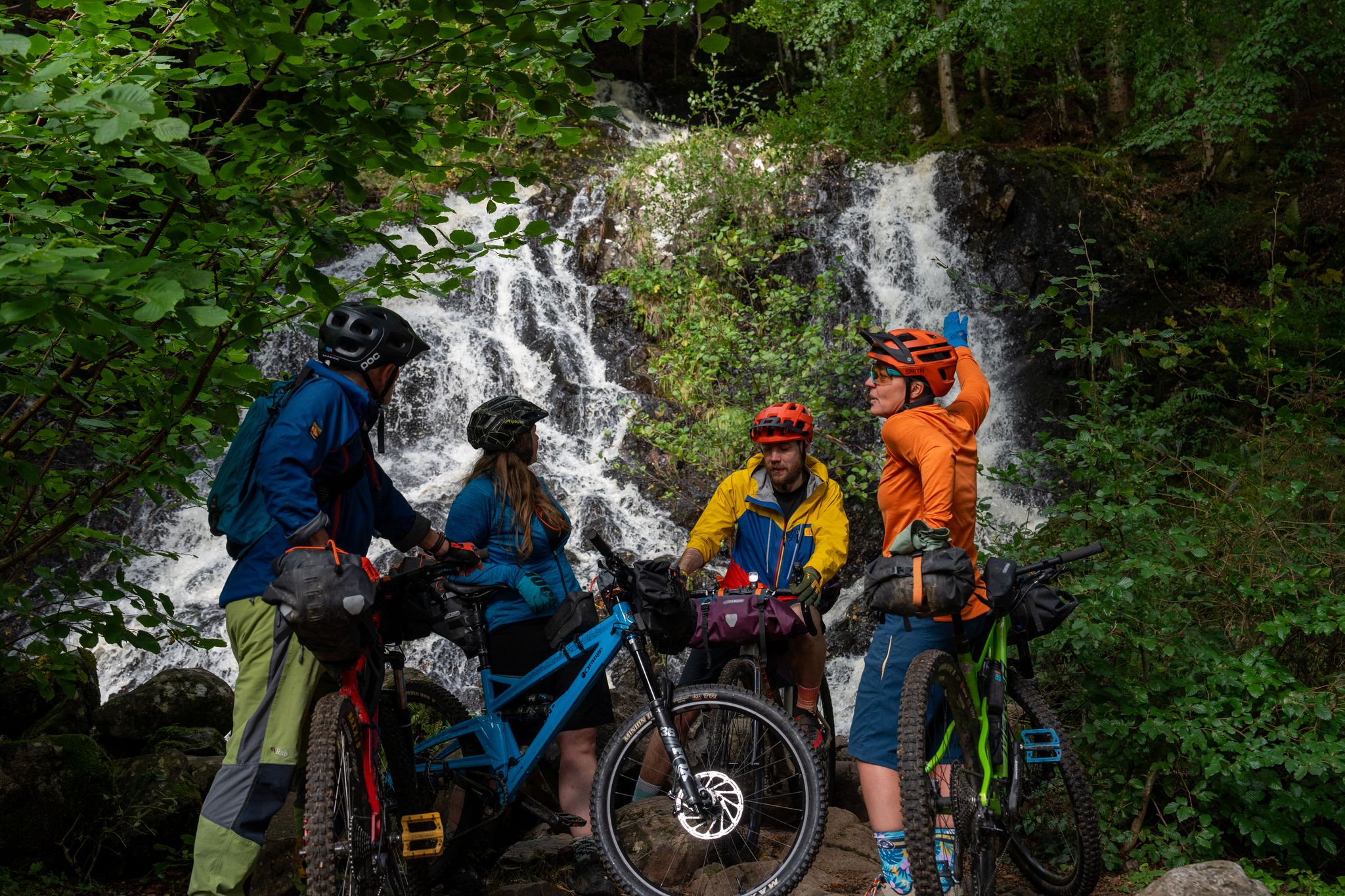
Purposeful Adventures from Comrie Croft
Other adventures in the United Kingdom


Tips from the Community

To describe this mountain, here is a quote: "Although cruelly scarred and disfigured by the quarries, the Old Man has retained a dignified bearing and still lifts his proud and venerable head to the sky. His tears flow quietly into Low Water and Goats Water, two beautiful mountain tarns, whence they eventually... find their way to Coniston Water, bathing his ancient feet." Alfred Wainwright, "A Pictorial Guide to the Lakeland Fells, Book Four: The Southern Fells"
5
0


The Old Man of Storr is one of the most famous and visited sights. It is a 55 meter high peak of basalt rock, the remnant of a 2.8 billion year old volcanic plug. The walk to the summit is suitable for most weather conditions, although on a wet day the path can become muddy and there is always a danger of falling rocks along the path at higher levels. The walk is approximately 3.8 kilometers long and takes an average of 1 hour and 15 minutes. It is advisable to bring suitable clothing for changes in the weather and wear sturdy footwear for the walk. Despite the site's popularity, it is still possible to enjoy the peace and quiet, especially if you visit early in the morning or late in the afternoon.
5
1

Quote: It is not clear where the name "Arthur's Seat" comes from. Some see it as a reference to the legendary King Arthur. In 1912, John Milne published a book on Gaelic place names in which he derived the name from "Suidhe Ard-Thir", which in English means something like "place on high ground". However, the word order here would be odd. The historian William Maitland put forward a different theory in the 18th century. According to him, the name would be "Àrd-na-Said", "height of arrows", a variant that was later changed to "Archer's Seat" and later "Arthur's Seat". (Text source: https://www.myhighlands.de/arthurs-seat-edinburgh/ )
6
0
The name "Snowdon" is first recorded in 1095 as Snawdune, and is derived from the Old English elements snaw and dun, meaning "hill of snow". The Welsh name for the mountain, Yr Wyddfa, is first recorded in Latin as Weddua vaur in 1284. This is probably an approximation of Pen y Wyddfa Fawr. The element gwyddfa in this context means "height, promontory", and also occurs in the Welsh name for the town of Mold, Yr Wyddgrug. Gwyddfa later developed the meaning "gravestone heap", and there is a legend that the giant Rhita is buried beneath the cairn on the summit of the mountain. According to one legend, the giant Rhita was slain and buried on the mountain by King Arthur, while another legend suggests that Rhita was killed by the giant Idris who lived on the mountain Cadair Idris. The mountain is also associated with other figures from Arthurian legend, a legendary Afanc (water monster) and the Tylwyth Teg (fairies). (Wikipedia)
12
1

Ben Nevis is Britain's highest mountain and arguably its greatest from a mountaineering perspective too. This is mostly down to its immense North Face, a treasure trove of ridges, buttresses and gullies that climbers have been testing themselves on for generations. Leaving the summit in poor visibility during winter poses significant dangers due to the cornices that form on the Ben's gullies. The safest way off is to walk on a bearing of 231 degrees for 492 feet (150 m) from the summit trig point. Then, walk on a bearing of 282 degrees to intercept the zig zags of the Pony Track.
2
0


A place I walk regularly, whether to start the great ridge toward Mam Tor, or coming back from that direction to head down into hope. A gradual gradient with stone steps so manageable in all weather, just very windy a lot of the time!
1
0
Frequently Asked Questions
What kind of natural landscapes can I explore in the United Kingdom?
The United Kingdom offers a diverse range of natural landscapes. You can find dramatic coastlines like the Old Man of Storr on the Isle of Skye, mountainous national parks such as Snowdonia (home to Snowdon Summit) and the Lake District (featuring Old Man of Coniston summit), and unique geological formations like the Giant's Causeway in Northern Ireland. The Peak District, with highlights such as Mam Tor summit and trig point and Lose Hill Summit, also provides stunning views and varied terrain.
Are there historical sites or ancient landmarks to visit in the UK?
Yes, the UK is rich in history. Beyond the natural beauty, you can explore ancient sites like Stonehenge in Wiltshire, the historic Arthur's Seat in Edinburgh (an ancient volcano with historical significance), and the Roman Baths in Bath. Many summits, such as Ben Nevis summit and Old Man of Coniston summit, also have historical remnants or connections to past human activity.
What are some family-friendly attractions in the United Kingdom?
Many attractions in the UK are suitable for families. For instance, Mam Tor summit and trig point in the Peak District is categorized as family-friendly, offering enchanting views that can be enjoyed by all. Similarly, Catbells Summit in the Lake District is a popular family favorite, known for its fun terrain and spectacular views.
What outdoor activities can I do near these attractions?
The United Kingdom offers a wide array of outdoor activities. You can find numerous hiking opportunities, from easy walks like the Ystradfellte Four Waterfalls Walk to more challenging climbs up summits such as Snowdon Summit (Yr Wyddfa). For more hiking ideas, explore the Easy hikes in the United Kingdom guide. Mountain biking is also popular, with trails like those in Sherwood Pines Forest Park. Road cycling routes, such as the Round the Island Route, are also available. For more details on cycling, check out the Road Cycling Routes in the United Kingdom and MTB Trails in the United Kingdom guides.
Are there challenging hikes or climbs available?
Absolutely. The UK is home to several challenging climbs and hikes. Snowdon Summit (Yr Wyddfa) and Ben Nevis summit are both categorized as challenging climbs. Additionally, Hollins Cross in the Peak District offers challenging trail sections and ridge walks. These routes often reward with incredible views but require good fitness and appropriate gear.
What are some of the best viewpoints in the United Kingdom?
The UK is dotted with spectacular viewpoints. Mam Tor summit and trig point offers enchanting views over the Peak District, stretching to Manchester on clear days. Lose Hill Summit provides breathtaking views over Mam Tor and the Hope and Edale valleys. In Scotland, Arthur's Seat gives commanding views across Edinburgh and the Firth of Forth. Other notable viewpoints include Old Man of Storr and Catbells Summit.
What do visitors enjoy most about the attractions in the United Kingdom?
Visitors frequently praise the stunning panoramic views from summits and viewpoints, such as those from Mam Tor and Arthur's Seat. The variety of hiking options, from short walks to full-day excursions, is also highly appreciated. Many enjoy the sense of tranquility found in less-frequented spots like Lose Hill Summit, even when close to popular areas. The blend of natural beauty with historical significance, like at Old Man of Coniston, also leaves a lasting impression.
Are there any unique geological formations or natural monuments to see?
Yes, the UK is home to several unique geological formations. The Giant's Causeway in Northern Ireland, with its basalt columns, is a prime example. In the Peak District, natural monuments like Mam Tor and Kinder Low Trig Point offer distinct geological features. Scotland's Old Man of Storr and Arthur's Seat (an ancient volcano) are also significant natural monuments.
What kind of terrain can I expect on trails in the UK?
The terrain on UK trails varies significantly. You can expect well-maintained paths, especially on popular routes and ridges like the one between Mam Tor and Lose Hill Summit. However, many routes, particularly those leading to summits like Arthur's Seat, can be uneven, steep, and rocky. Some areas, such as the Lake District around Old Man of Coniston, feature historical remnants of quarrying, adding to the varied landscape.
Are there opportunities for wildlife spotting in the UK?
While not explicitly detailed for every attraction, the diverse natural landscapes of the UK, from national parks to coastal areas, provide ample opportunities for wildlife spotting. For example, areas like the Pembrokeshire Coast are known for their marine wildlife, and many national parks are home to various bird species and mammals. Exploring trails in regions like the Peak District or the Scottish Highlands can often lead to encounters with local fauna.
What are some notable castles to visit in the UK?
The United Kingdom is famous for its castles. Beyond the attractions listed, you can visit iconic fortresses like the Tower of London, a UNESCO World Heritage Site, and the majestic Edinburgh Castle, which sits atop Castle Rock. Windsor Castle, the oldest and largest occupied castle globally, is another significant royal residence. While Arthur's Seat is a natural landmark, its proximity to Edinburgh Castle makes it part of a rich historical area.
What is the best time to visit the Scottish Highlands?
The Scottish Highlands, home to attractions like Ben Nevis summit and Old Man of Storr, are stunning year-round. However, for hiking and outdoor activities, late spring (May-June) and early autumn (September-October) generally offer more stable weather, fewer midges, and pleasant temperatures. Summer (July-August) is popular but can be busier and have more insects. Winter offers dramatic, snow-covered landscapes but requires more preparation and experience for outdoor pursuits.
Most popular routes in the United Kingdom
Most popular attractions in the United Kingdom

Get inspired with the komoot mobile app


Didn’t find what you were looking for?
Are you keen on exploring more awesome places nearby? Browse our guides:
Explore more
Still not found the Highlight you’re looking for? See guides of the top attractions in other regions:
