Attractions and Places To See in the Philippines - Top 20
Best attractions and places to see in the Philippines include a diverse range of natural and cultural sites. This archipelago nation features pristine beaches, unique geological formations, and historical landmarks. Visitors can explore ancient walled cities, Spanish-era churches, and vast rice terraces. The country offers a variety of experiences, from exploring marine parks to visiting historical monuments.
Best attractions and places to see in the Philippines
- The most popular attractions is Antipolo Cathedral, a religious building that is a…
Last updated: July 6, 2026
Antipolo Cathedral
Highlight • Religious Site
Tip by

Manila Cathedral
Highlight • Religious Site
Tip by

Sign up now to discover places like this
Get recommendations on the best single tracks, peaks, & plenty of other exciting outdoor places.
Sign up for free
Oblation Statue, University of the Philippines Diliman
Highlight • Monument
Tip by

Oblation Statue, University of the Philippines Diliman
Highlight • Monument
Tip by

SM Mall of Asia Globe
Highlight • Monument
Tip by

Mayon Volcano
Highlight • Volcano
Tip by

Chocolate Hills
Highlight • Natural Monument
The Chocolate Hills (German "Chocolate Hills") are an unusual geological formation that …
Translated by Google •
Tip by

Kaybiang Tunnel
Highlight • Structure
Tip by

Jorge B. Vargas Museum & Filipiniana Research Center
Highlight • Monument
Tip by
Kilometer Zero (KM 0) Manila
Highlight • Monument
Tip by
Sign up for free to discover even more attractions in the Philippines.
Sign up for free
Already have an account?
Start today with a free account
Your next adventure awaits.
Login or Signup
Tips from the Community

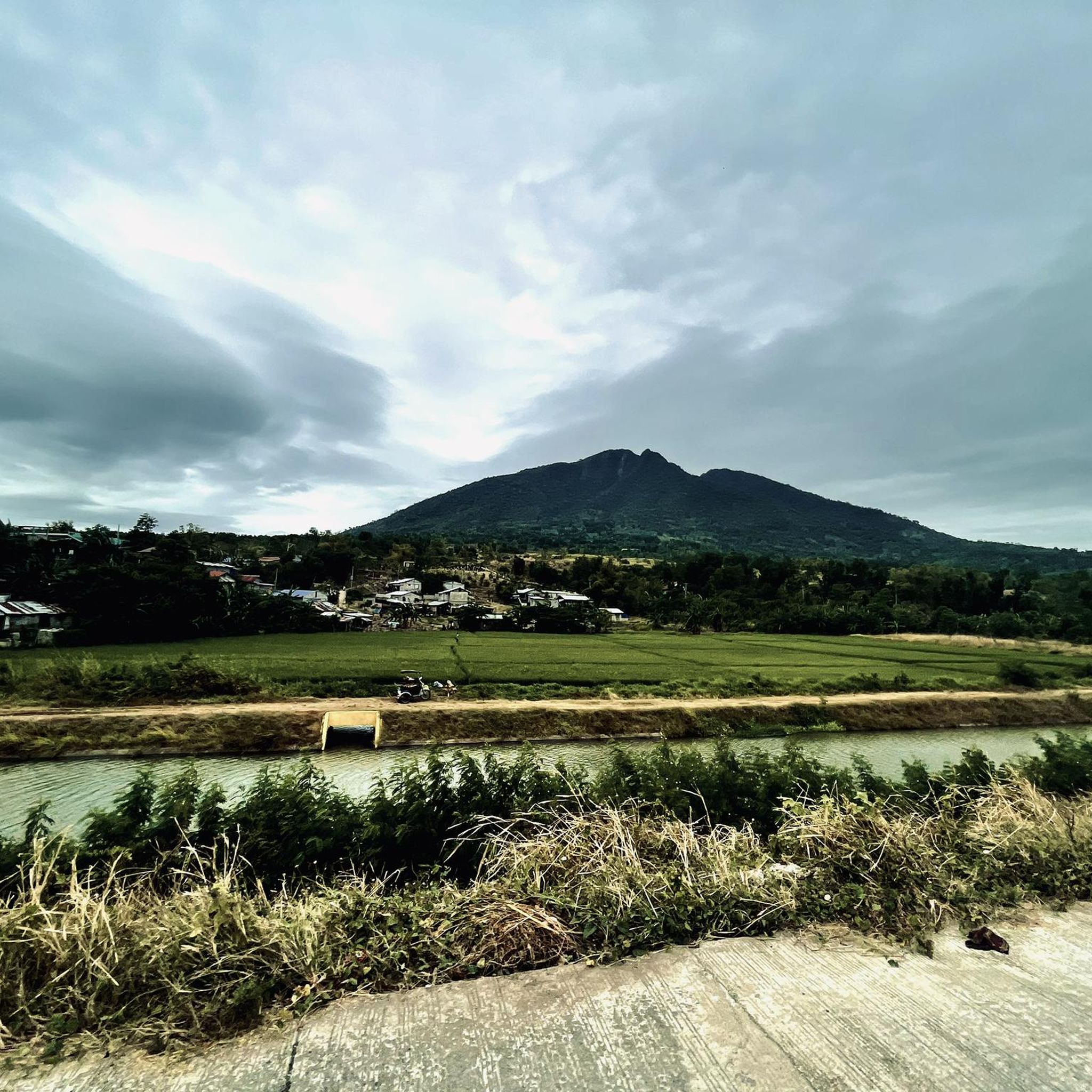
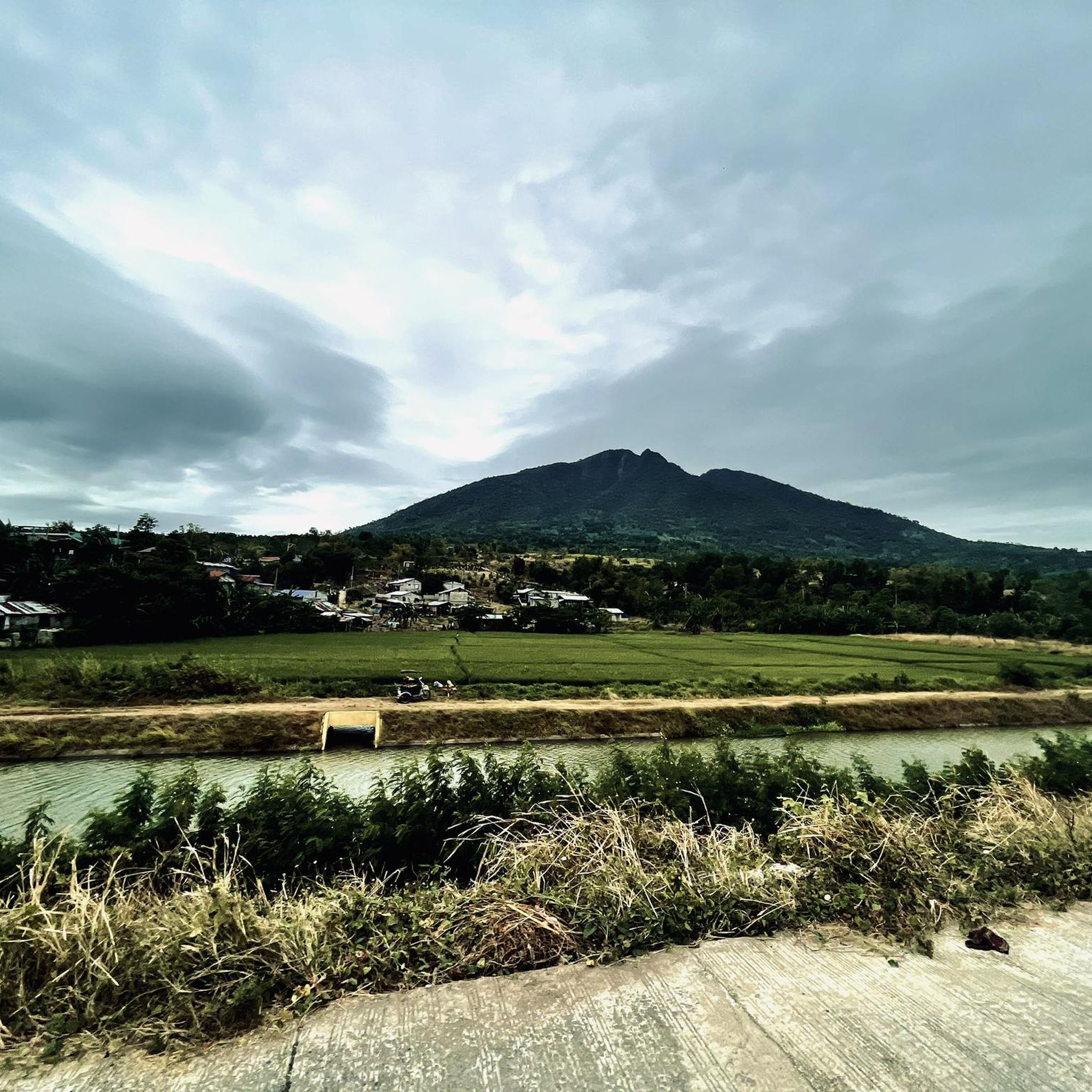
Mayon is a main landmark and highest point of the province of Albay and the whole „Bicol Region“ in Philippines. Rising 2460 meters from the shores of Albay Gulf (round about 10 km away). Mayon is a classic stratovolcano with a small central summit crater. Mayon is the most active volcano in the Philippines, erupting over 52 times in the past 500 years. Three telemetric units are installed on Mayon's slopes, which send information to the seven seismometers in different locations around the volcano. It is said that the volcano grew from the burial grounds of lovers Magayon and Panganoron. Thus, the ancient Bicolanos named it after the legendary princess-heroine Daragang Magayon (Beautiful Lady). After some time, the volcano was chosen as the abode of the supreme god of the Bicolano people, Gugurang, who also chose Mayon as the repository of the sacred fire of Ibalon. Numerous festivals and rituals are associated with the volcano and its landscape.
0
0


Enhance Your Outdoor Experience with the Perfect Merlot For those planning to explore this breathtaking region—whether by bike, on foot, or through an invigorating hike—it is essential to come prepared. While the area is renowned for its scenic landscapes and diverse outdoor activities, finding an ideal location to unwind with a glass of wine can be challenging. Bringing your own premium Merlot allows you to elevate your adventure with a well-deserved moment of relaxation. Whether you choose to pause at a panoramic viewpoint or celebrate your journey after an active day, having your favorite wine on hand ensures a seamless blend of exploration and indulgence. Plan ahead, pack accordingly, and turn your outdoor excursion into an unforgettable experience.
0
0

>>> The Jorge B. Vargas Museum & Filipiniana Research Center, simply known as the UP Vargas Museum, is a museum located at the University of the Philippines (UP) Diliman campus which houses the collection of art, stamps and coins, library, personal papers and memorabilia of Jorge B. Vargas which he bequeathed to the university. It is under the management of the UP Diliman College of Arts and Letters. The construction of the building which would host the UP Vargas Museum began in 1983. The museum building was inaugurated on February 22, 1987, by then-President Corazon Aquino. The Museum is known for its collection of the paintings of Juan Luna, Felix Resurreccion Hidalgo, Victorio Edades and Fernando Amorsolo. (Wikipedia)
0
0
The iconic symbol of the University of the Philippines, the Oblation is commonly associated with freedom and its various aspects. Guillermo Tolentino however, inspired by the second stanza of Jose Rizal’s Mi Ultimo Adios, envisioned this monument with its nakedness and outstretched arms to exemplify the virtue of sacrifice in the name of country, thus the term. Its base is an assembly of river stones to symbolize the archipelagic nature of the Philippines, and the kataka-taka leaves that grazes its legs and which is endemic to the country signifies the Filipino people. The Oblation is an excellent portrayal of the classical ideals dignity, balance and restraint as demonstrated in its stance and proportions. Measuring almost 5 meters tall, this statue was unveiled in 1935 by the first Filipino U.P. President, Rafael Palma. In 1949, it was transferred from its original location in U.P. Manila to the Diliman campus escorted by a huge motorcade composed of students, faculty and staff. (https://sculptour.wordpress.com/)
0
0
The iconic symbol of the University of the Philippines, the Oblation is commonly associated with freedom and its various aspects. Guillermo Tolentino however, inspired by the second stanza of Jose Rizal’s Mi Ultimo Adios, envisioned this monument with its nakedness and outstretched arms to exemplify the virtue of sacrifice in the name of country, thus the term. Its base is an assembly of river stones to symbolize the archipelagic nature of the Philippines, and the kataka-taka leaves that grazes its legs and which is endemic to the country signifies the Filipino people. The Oblation is an excellent portrayal of the classical ideals dignity, balance and restraint as demonstrated in its stance and proportions. Measuring almost 5 meters tall, this statue was unveiled in 1935 by the first Filipino U.P. President, Rafael Palma. In 1949, it was transferred from its original location in U.P. Manila to the Diliman campus escorted by a huge motorcade composed of students, faculty and staff. (https://sculptour.wordpress.com/)
0
0
The Jorge B. Vargas Museum & Filipiniana Research Center, simply known as the UP Vargas Museum, is a museum located at the University of the Philippines (UP) Diliman campus which houses the collection of art, stamps and coins, library, personal papers and memorabilia of Jorge B. Vargas which he bequeathed to the university. It is under the management of the UP Diliman College of Arts and Letters.
0
0

The hills are beautiful to look at from the vantage point, but it's also great fun to whizz around them on a quad bike.
0
0
Frequently Asked Questions
What historical and cultural sites can I explore in the Philippines?
The Philippines is rich in history. You can visit the historic walled city of Intramuros in Manila, which features landmarks like San Agustin Church and Fort Santiago. Other significant sites include the Manila Cathedral, the well-preserved colonial architecture of Vigan City (a UNESCO World Heritage Site), and the Barasoain Church, an important site in Philippine history. The Kilometer Zero (KM 0) Manila also marks a significant reference point in the country.
Are there natural wonders or unique geological features to see?
Absolutely. The Philippines is home to stunning natural landscapes. Don't miss the iconic Chocolate Hills in Bohol, which turn a distinctive brown during the dry season. Palawan offers breathtaking limestone cliffs, hidden lagoons, and the Puerto Princesa Subterranean River National Park. You can also marvel at the Banaue Rice Terraces, the near-perfect conical shape of Mayon Volcano, or the unique Taal Lake and Volcano.
What outdoor activities can I do near these attractions?
Many attractions are close to areas perfect for outdoor activities. For cycling enthusiasts, there are numerous routes around the Philippines, including those near Manila Bay. You can find detailed cycling routes in the Cycling in the Philippines guide or explore road cycling options in the Road Cycling Routes in the Philippines guide. Running trails are also available, with options like those found in the Running Trails in the Philippines guide, including routes around Rizal Park.
Which attractions are suitable for families with children?
Several attractions are family-friendly. Religious sites like Antipolo Cathedral and Manila Cathedral are welcoming. Natural spots like the Chocolate Hills offer unique sights for all ages. The Kilometer Zero (KM 0) Manila and the Oblation Statue, University of the Philippines Diliman are also accessible and interesting for families.
Are there any wheelchair-accessible tourist spots?
Yes, some attractions offer wheelchair accessibility. The SM Mall of Asia Globe, the SM Mall of Asia Arena, and the Kilometer Zero (KM 0) Manila are noted for being wheelchair-friendly. The Jorge B. Vargas Museum & Filipiniana Research Center also provides accessibility.
What is the best time of year to visit the Philippines for sightseeing?
The best time to visit the Philippines is generally during the dry season, which runs from November to May. This period offers sunny weather, ideal for exploring beaches, islands, and outdoor attractions like the Chocolate Hills, which are particularly striking when they turn brown. The wet season, from June to October, can bring heavy rains and typhoons, which might affect travel plans.
Where can I experience local culture and traditions?
To immerse yourself in local culture, visit historic cities like Vigan, known for its Spanish colonial architecture and vibrant heritage. The Antipolo Cathedral, home to the Virgin of Antipolo, is a significant pilgrimage site reflecting deep-rooted religious traditions. The National Museum of the Philippines in Manila also offers extensive insights into the country's culture, history, and art.
Are there any unique wildlife experiences available?
Yes, the Philippines offers unique wildlife encounters. In Bohol, you can visit the Philippine Tarsier Sanctuary to see one of the world's smallest primates. For a truly unforgettable experience, head to Donsol in Sorsogon, a tranquil fishing village renowned as the premier destination for swimming with whale sharks.
What are some popular spots for relaxation and scenic views?
For relaxation and scenic views, consider visiting Boracay, famous for its white-sand beaches and turquoise waters. Tagaytay City offers stunning panoramic views of Taal Lake and Volcano. The SM Mall of Asia Arena area provides great views of Manila Bay, especially at sunset, and is a popular spot for cyclists to gather.
What do visitors enjoy most about the religious sites?
Visitors appreciate the historical significance and architectural beauty of the religious sites. For instance, Antipolo Cathedral is cherished as a pilgrimage site, especially on Sundays during Mass. The Manila Cathedral is admired for its resilience, having been rebuilt multiple times, and its beautiful interior. The Barasoain Church is also a popular destination for its historical importance and as a pleasant cycling stop.
Can I find places to learn about Philippine history?
Certainly. Beyond the historical landmarks, the Jorge B. Vargas Museum & Filipiniana Research Center offers valuable insights into Philippine history and culture. Corregidor Island is a significant wartime historical site with WWII tunnels and memorials. The National Museum of the Philippines also houses extensive collections detailing the country's past.
Most popular routes in the Philippines
Most popular attractions in the Philippines

Get inspired with the komoot mobile app


Didn’t find what you were looking for?
Are you keen on exploring more awesome places nearby? Browse our guides:
Explore more
Still not found the Highlight you’re looking for? See guides of the top attractions in other regions:
