Top 20 Mountain Passes in Norway
Mountain passes in Norway traverse diverse terrain, connecting regions and offering routes through the country's natural landscapes. These routes often feature winding roads, high elevations, and views of fjords, mountains, and valleys. They serve as passages through areas like the Jotunheimen, Hurrungane, and Breheimen mountain ranges. Many passes are designated scenic routes, providing access to national parks and historical sites.
Best mountain passes in Norway
- The most popular mountain passes is Vindhellavegen (Kongevegen), a trail that is a particularly steep and winding section of the old road between western and eastern Norway. This historical road offers an interesting experience for hikers and cyclists.
- Another must-see spot is View of Trollstigen and Stigfossen Waterfall, a viewpoint offering panoramic views of the Trollstigen road and the 320-meter-high Stigfossen waterfall. Visitors can expect dramatic scenery with 11 hairpin bends as the road ascends.
- Visitors also love Fantesteinen Pass Summit, a mountain pass at 1434 meters above sea level. This is the highest point of the Sognefjellet Mountain Road, offering views of the surrounding mountains and glaciers.
- Norway is known for its high-altitude mountain passes, historical routes, and scenic viewpoints. The country offers a variety of mountain passes to see and explore, from challenging climbs to routes with impressive natural features.
- The mountain passes in Norway are appreciated by the komoot community, with 95 highlights and 43 photos contributed by users. These routes have received 124 upvotes, reflecting their appeal for outdoor activities.
Last updated: October 13, 2026
Fantesteinen Pass Summit
Highlight • Mountain Pass
Translated by Google •
Tip by

Skjæringen Peak
Highlight • Summit
Tip by

Sign up now to discover places like this
Get recommendations on the best single tracks, peaks, & plenty of other exciting outdoor places.
Oldeskaret Pass
Highlight • Mountain Pass
Big advantage of this way is that you do not get into the extreme cruise tourist groups that are carted by bus to the glacier.
Translated by Google •
Tip by

View of Trollstigen and Stigfossen Waterfall
Highlight • Viewpoint
Translated by Google •
Tip by

Lysevegen Road
Highlight (Segment) • Trail
Tip by

Pilgrims' Route Dovre–Oppdal (Old King's Road)
Highlight (Segment) • Trail
Tip by

Stavbrokka Pass
Highlight (Segment) • Mountain Pass
Translated by Google •
Tip by

Tverrfjellet
Highlight • Viewpoint
Translated by Google •
Tip by

Døralsglupen
Highlight (Segment) • Mountain Pass
Translated by Google •
Tip by

Sognefjellet Pass Summit (1428 m)
Highlight • Mountain Pass
Translated by Google •
Tip by

Sign up for free to discover even more mountain passes in Norway.
Already have an account?
Start today with a free account
Your next adventure awaits.
Popular around Norway
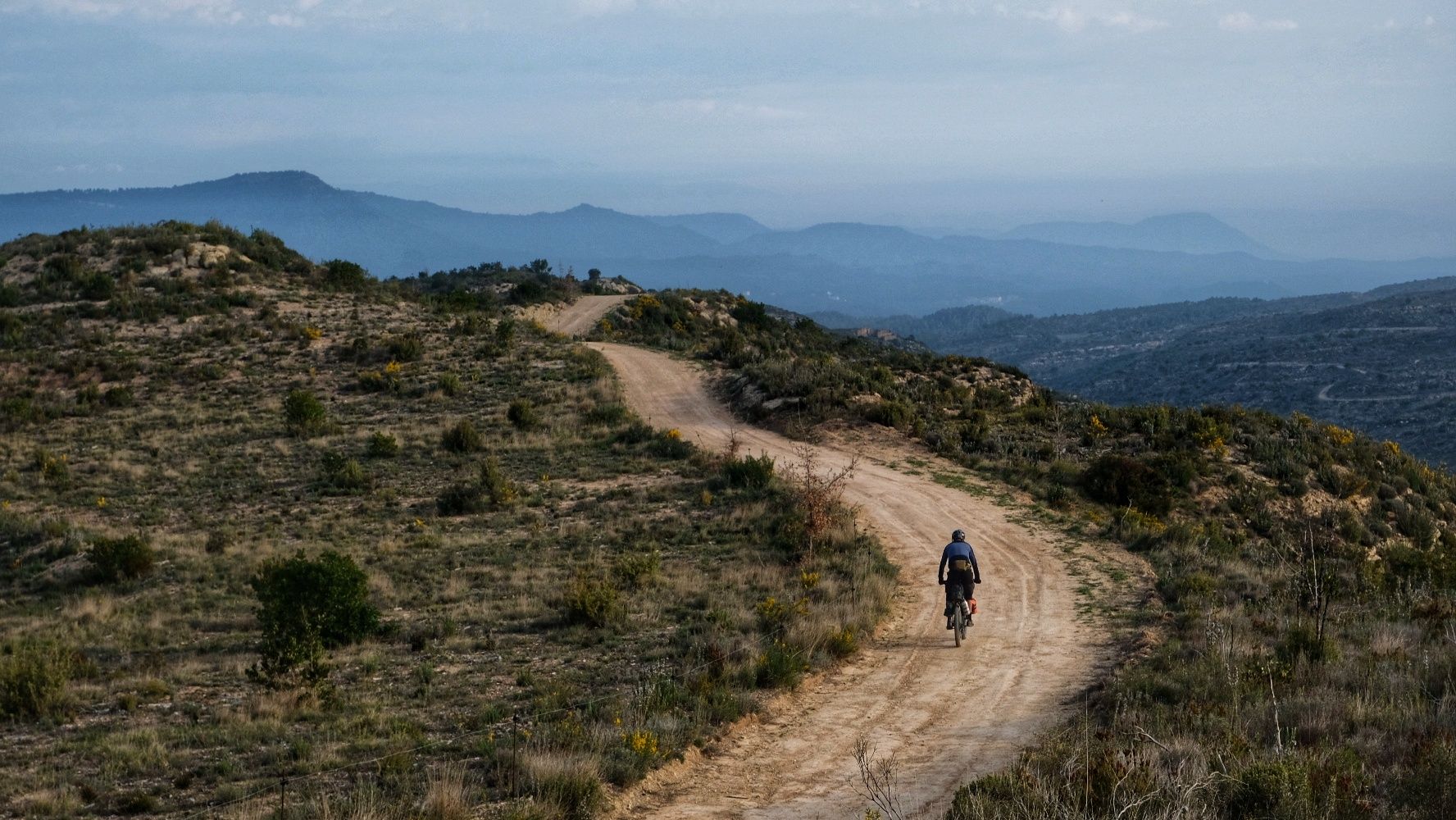
European Divide Trail — 7,600 km across the continent
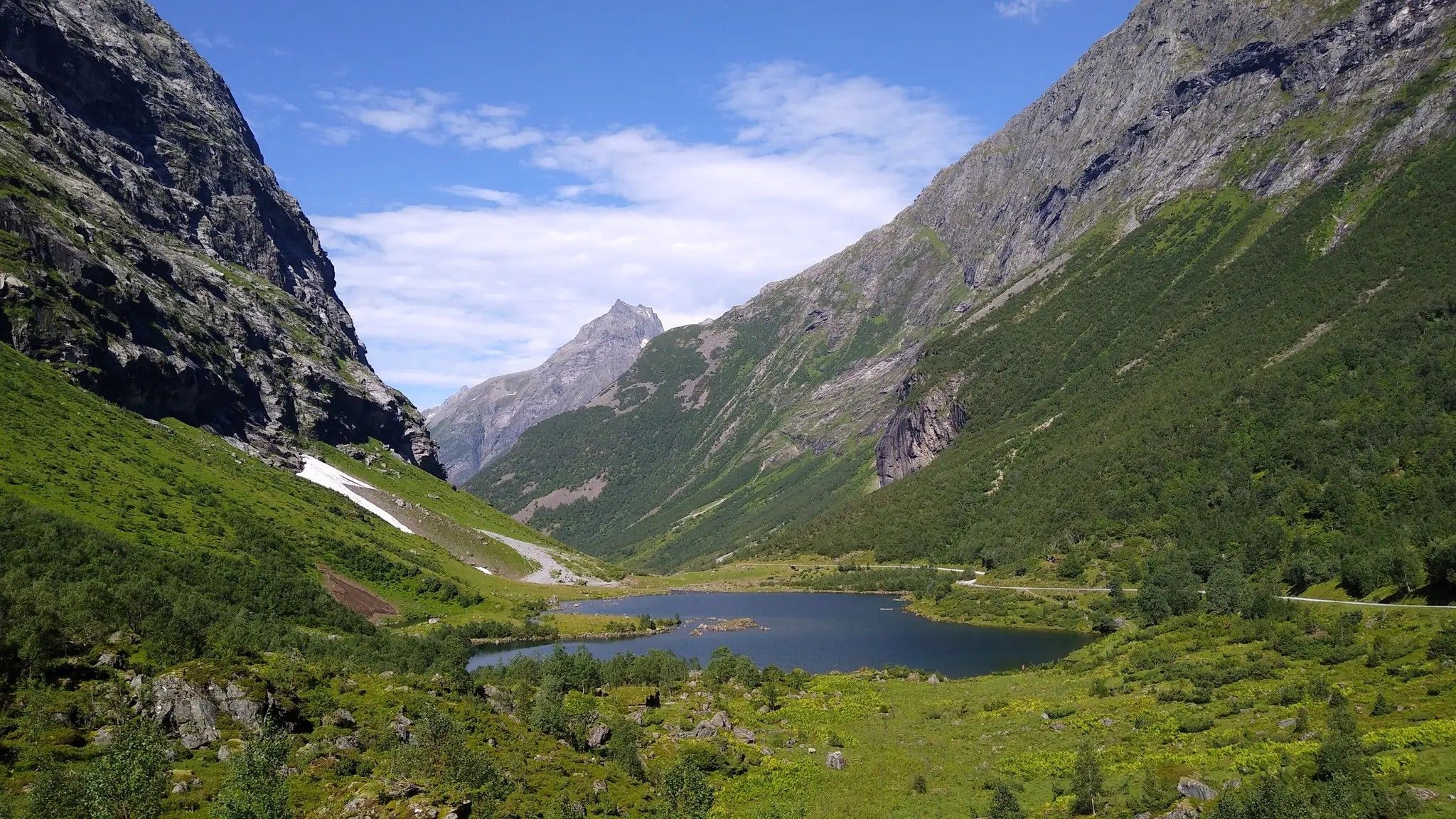
Hjørundfjorden Rundt — exploring the ancient Sunnmøre Alps
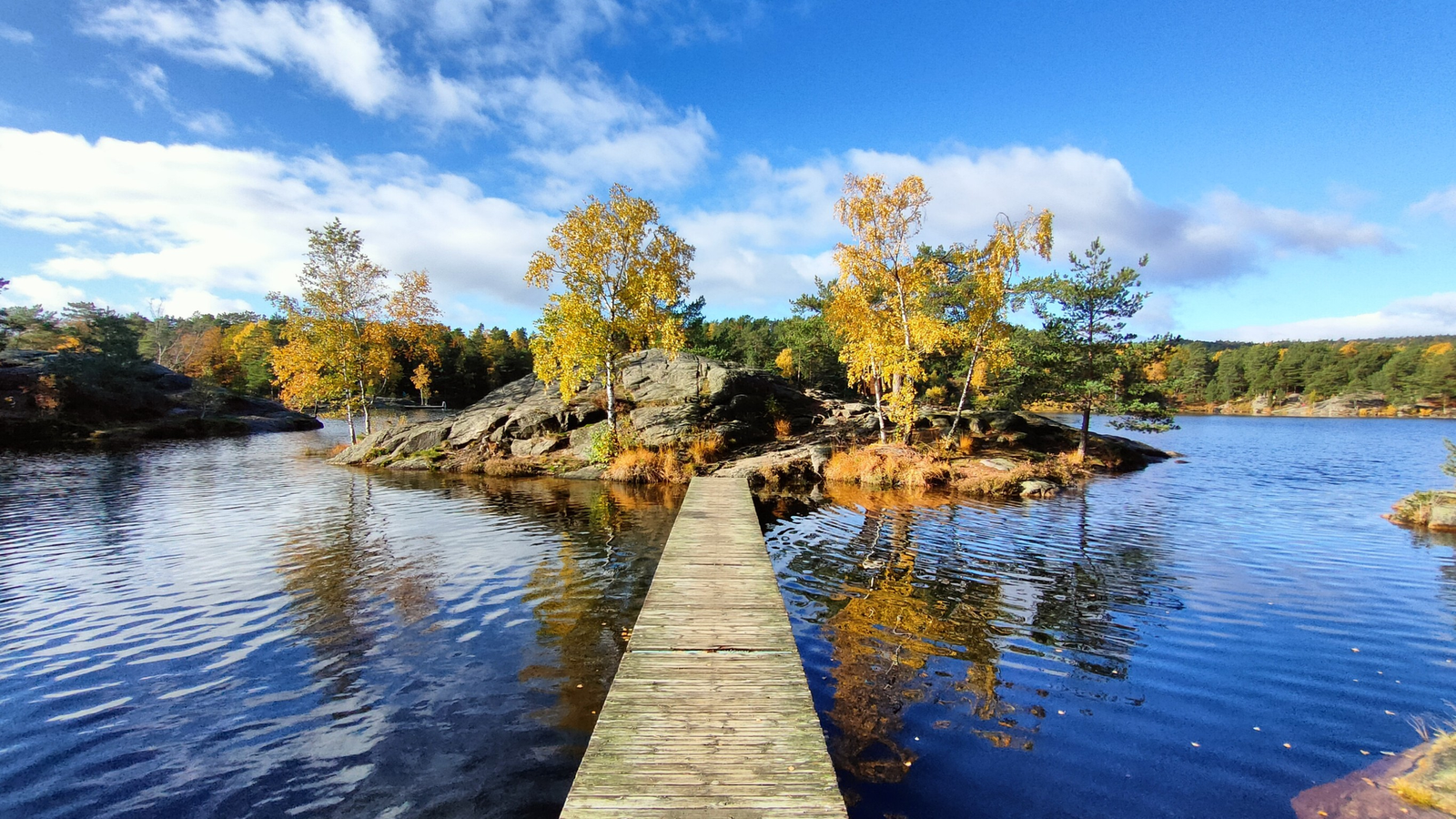
The Child Wanderer Path – Kvinesdal to Landvik
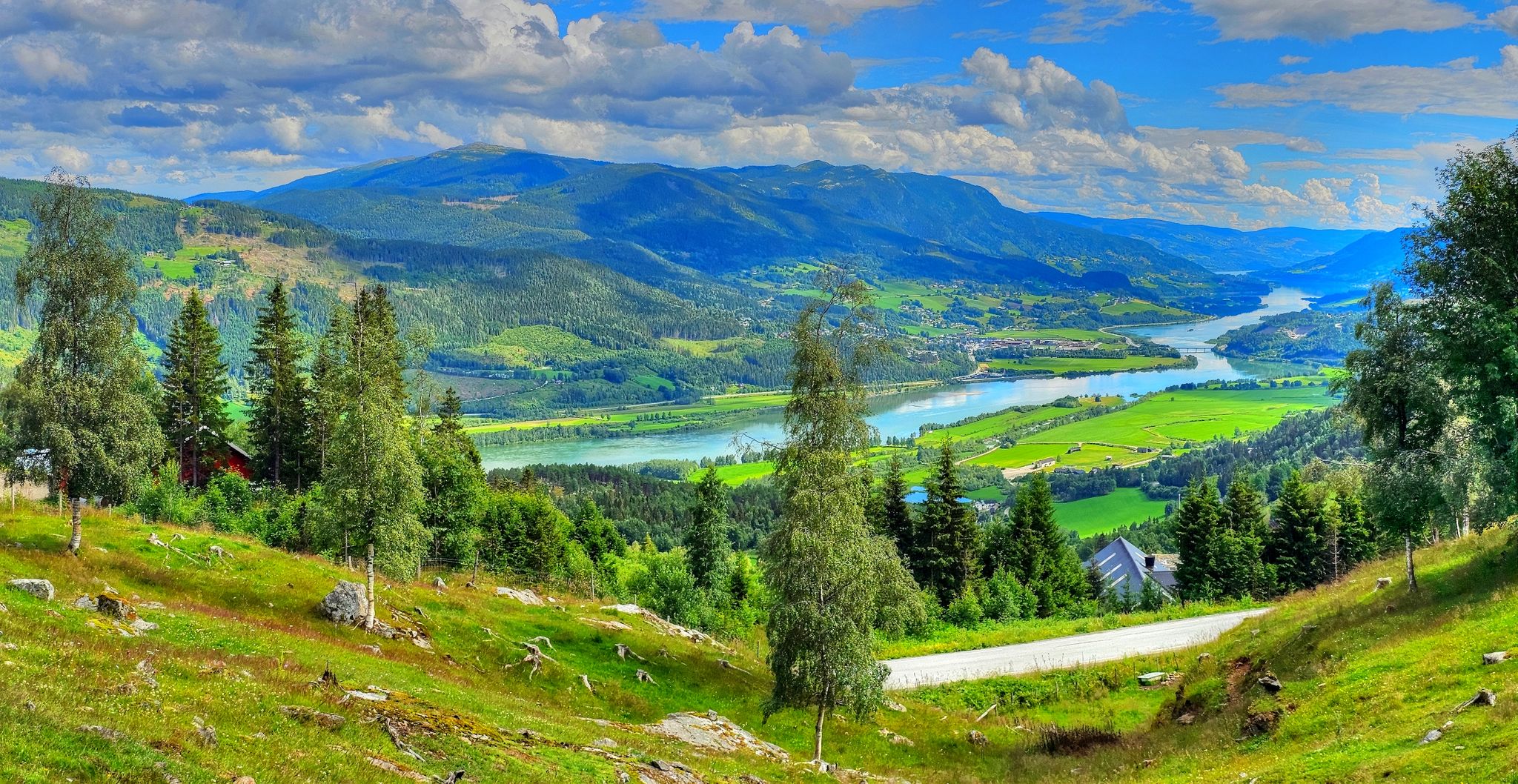
Pilgrim Route – An epic journey across Norway
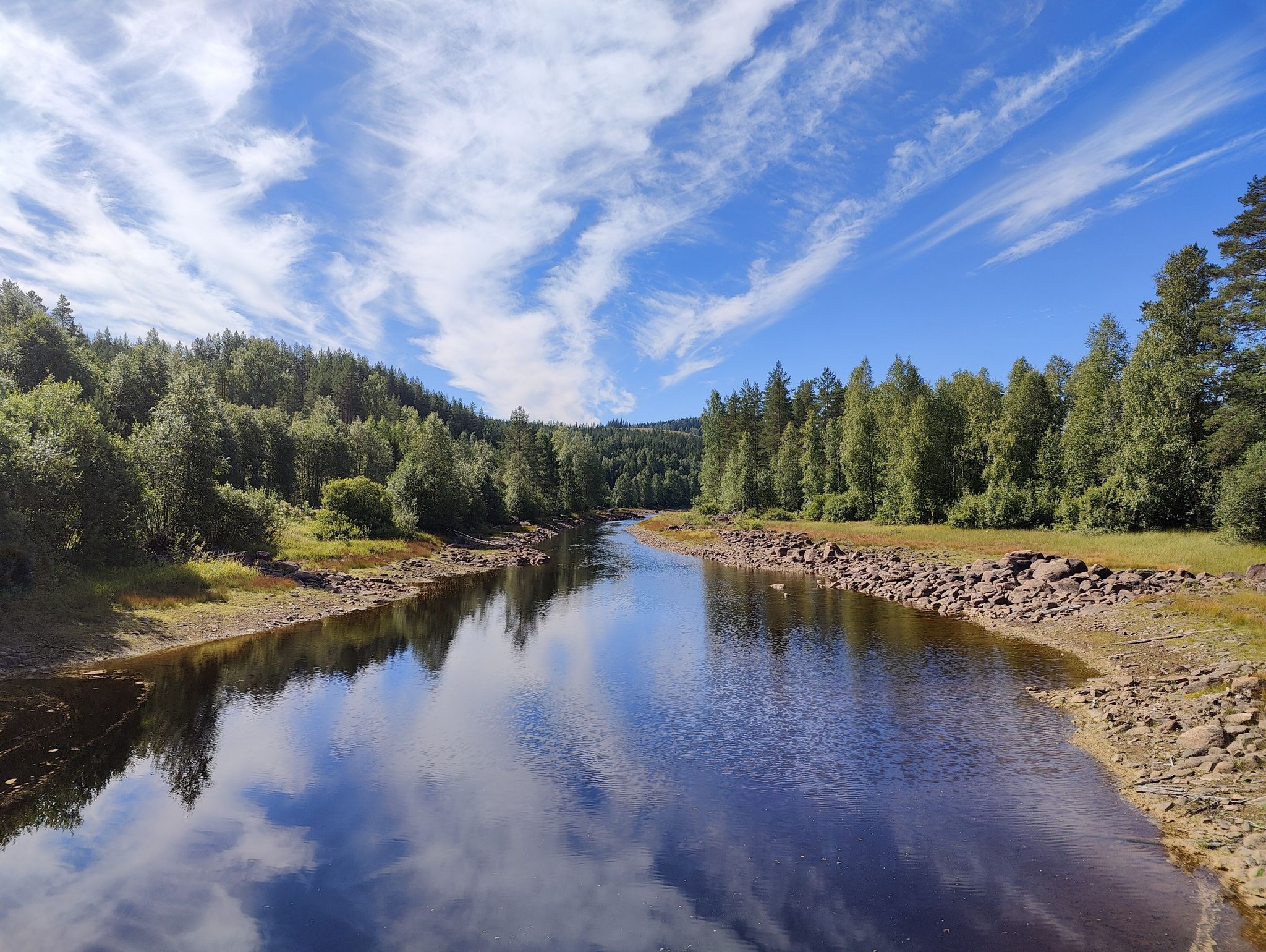
Finnskogleden – Hiking the Beautiful and Historic Forest of the Finns
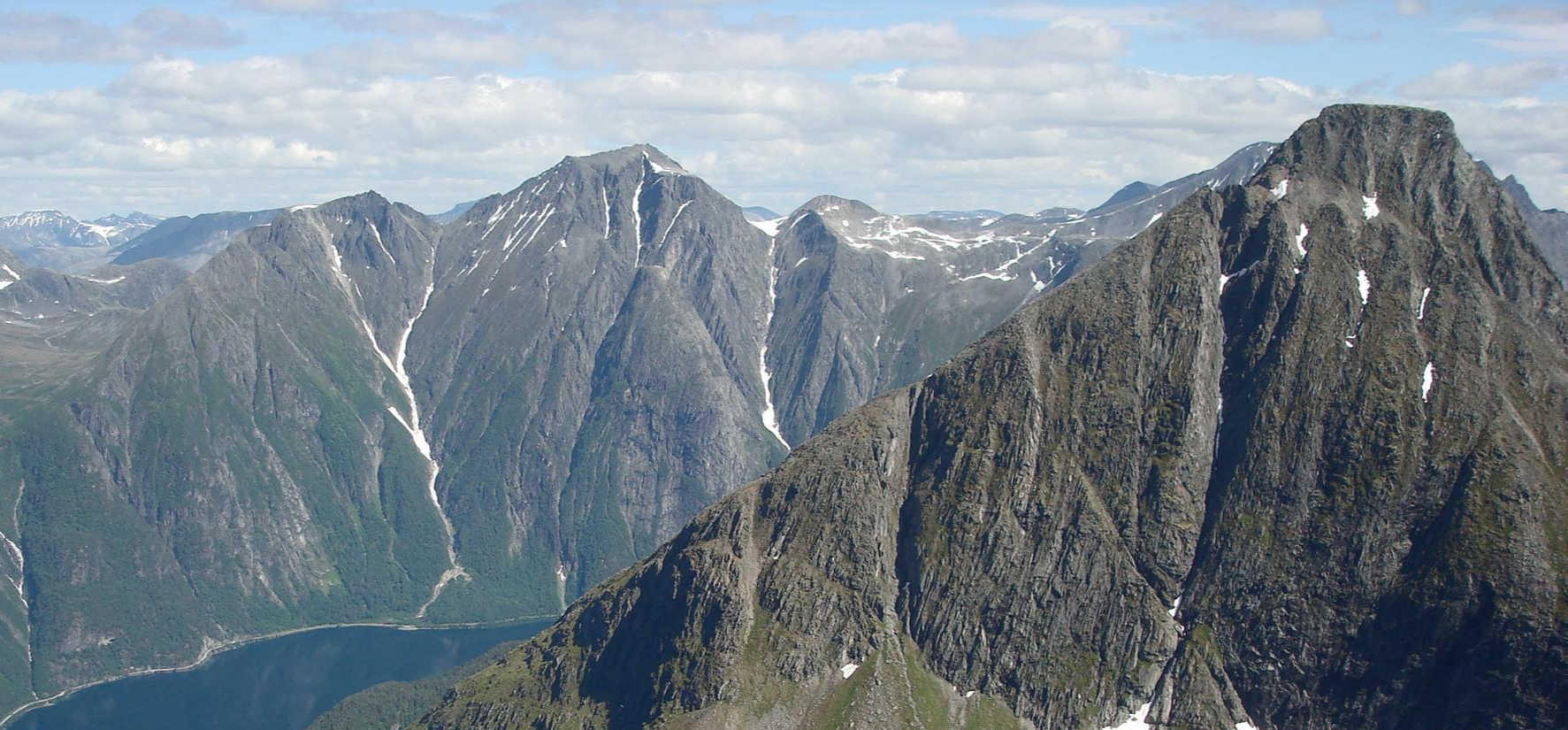
SignaTUR Romsdalstien – From the fjord to majestic mountains
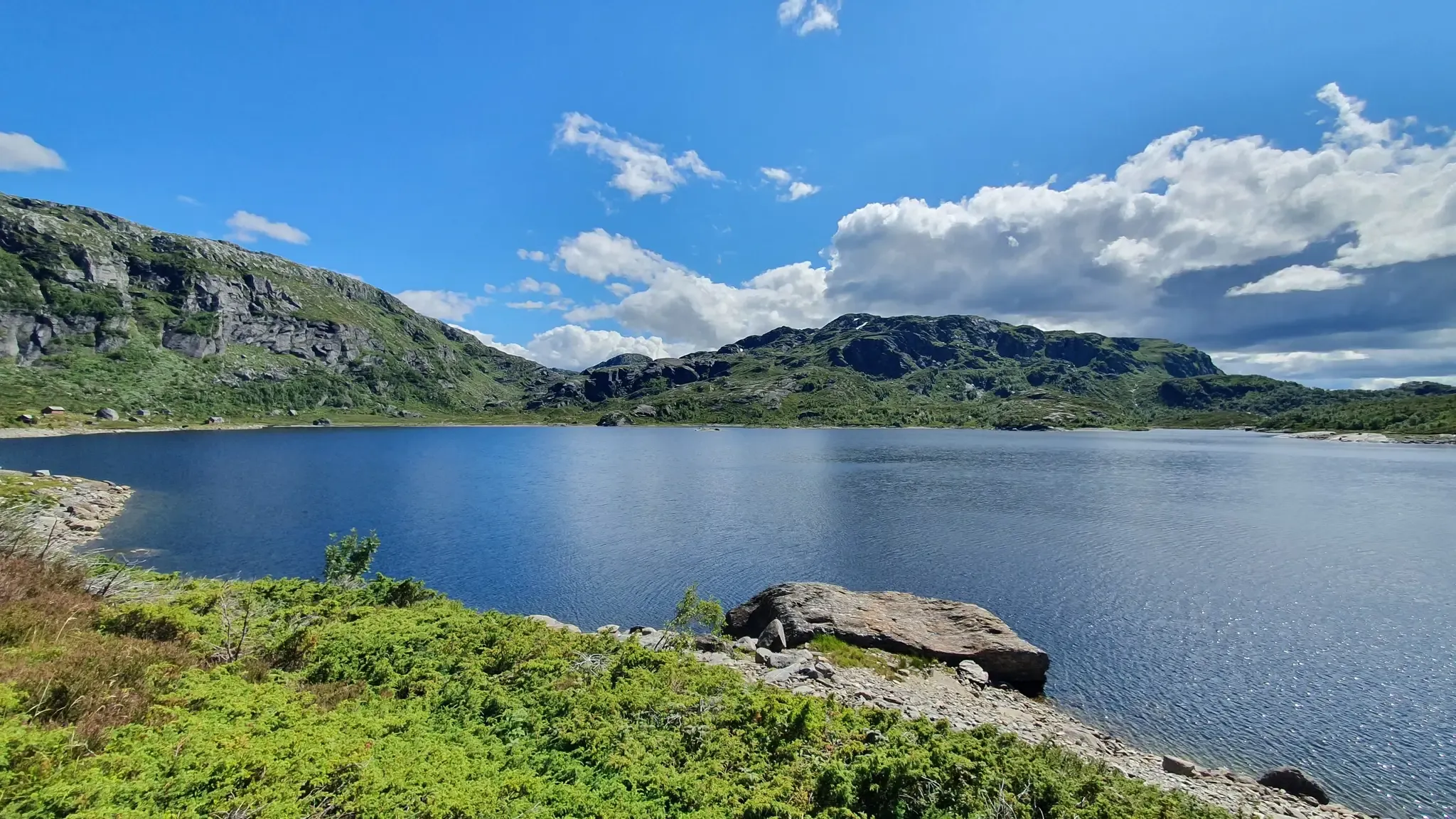
SignaTUR Gullruta i Etnefjellene – Trekking Norway's Golden Route
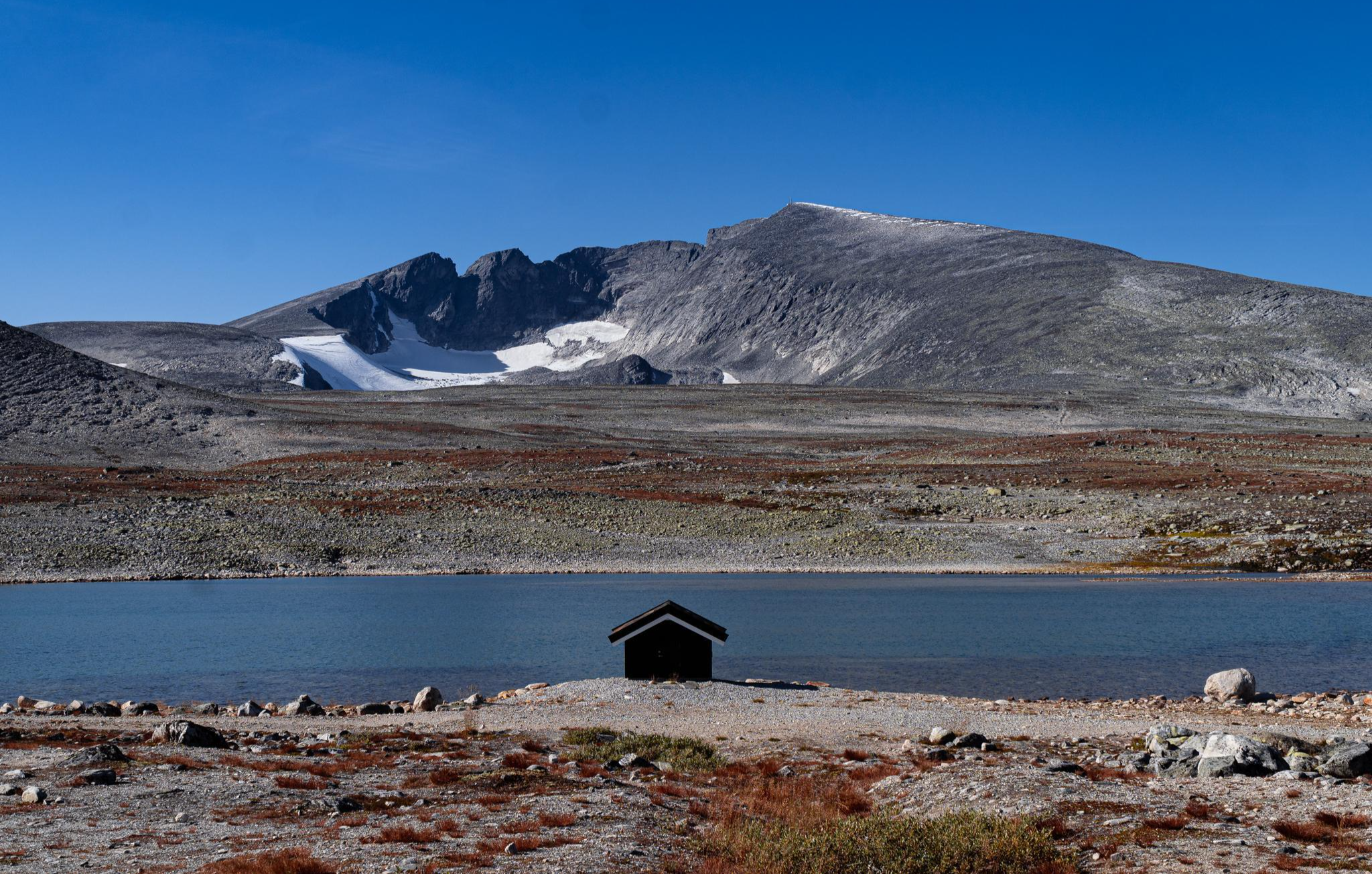
SignaTUR SAGA – Reindeer, wild trails and mighty peaks
SignaTUR Omveien – Vast wilds, epic peaks and deep valleys
SignaTUR i Tafjordfjella – Into Møre og Romsdal's mountainous wilds
Other adventures in Norway


Tips from the Community

I couldn't stop taking pictures, so beautiful
0
0

Even though many websites claim the hike to the fork is very easy and straightforward, we found it challenging. A head for heights and surefootedness are essential. The climb is very steep, requiring scrambling in many places, which is not without its risks for inexperienced hikers!
0
0

Great hike with fabulous views of the glacier
0
0

The Trollstigen is one of the most impressive mountain roads in Europe. It climbs a good 400 meters in 11 hairpin bends and connects Romsdalen with Geiranger. The viewing platforms offer a fantastic view of the pass. But the most impressive part, for me, is the crossing of the 320-meter-high waterfall, Stigfossen.
8
1

A breathtaking scenery with snow in midsummer. The highest point is the Fantesteinen. In midsummer (late June), you can even still see cross-country skiers – so it's still very cool to cold.
0
0

Skjæringen is often ascended along with the neighbouring Tvillingan (the Twins). The pull up to Aksla, the shoulder between the peaks, is relatively straightforward and the onward run is fairly gradual, ascending to the 3,402-foot (1,037 m) summit.
0
0
Skjæringen is often ascended along with the neighbouring Tvillingan (the Twins). The hike up to Aksla, the shoulder between the peaks, is relatively straightforward and the onward hike is fairly gradual, ascending to the 3,402-foot (1,037 m) summit.
2
0

A relatively long trail over a pass covered with large scree and boulders. It's simply spectacular in good weather. In rain, you have to be careful on the rocks to avoid slipping.
2
0
Frequently Asked Questions
What are some of the most scenic mountain passes for driving in Norway?
Norway offers several breathtaking mountain passes ideal for scenic drives. The Sognefjellet Mountain Road (RV 55), the highest mountain pass road in Northern Europe, offers panoramic views of the Jotunheimen mountains. Trollstigen, or "The Troll's Ladder," is famous for its 11 hairpin bends and dramatic views of the Stigfossen waterfall. Aurlandsfjellet Mountain Road, also known as the "Snow Road," provides stunning fjord and mountain vistas, including the iconic Stegastein Viewpoint. Suleskarvegen also presents dramatic landscapes and winding roads, connecting east to west.
Are there any historical mountain passes worth exploring in Norway?
Yes, Norway has mountain passes with significant historical value. Vindhellavegen (Kongevegen) is a particularly steep and winding section of the old Kongevegen, a historical road between western and eastern Norway, offering a unique experience for hikers and cyclists. The Pilgrims' Route Dovre–Oppdal (Old King's Road) is another historical trail that follows an ancient pilgrimage route.
Which mountain passes offer the highest viewpoints in Norway?
For high-altitude views, the Fantesteinen Pass Summit on the Sognefjellet Mountain Road reaches 1,434 meters above sea level, providing extensive views of surrounding mountains and glaciers. The Suleskarvegen also reaches over 1,000 meters, offering dramatic high-altitude driving experiences. Additionally, the Stegastein Viewpoint on the Aurlandsfjellet road is perched 650 meters above Aurland and the Aurlandsfjord, offering unparalleled vistas.
What are the best times to visit Norway's mountain passes?
The best time to visit most mountain passes in Norway is typically from late May to early November. Many high-altitude roads, like Sognefjellet and Suleskarvegen, are closed during winter due to heavy snow. Visiting in early summer allows you to experience high snow banks lining the road, contrasting with vibrant wildflowers as the snow melts. Always check current road conditions before planning your trip.
Are there family-friendly options among Norway's mountain passes?
While many mountain passes involve challenging terrain, some offer accessible viewpoints and shorter walks suitable for families. The View of Trollstigen and Stigfossen Waterfall provides viewing platforms that are generally accessible and offer spectacular scenery without requiring extensive hiking. The Aurlandsfjellet road with its Stegastein Viewpoint is also a great option for families looking for impressive views with easy access.
What kind of outdoor activities can I do near Norway's mountain passes?
Many mountain passes serve as gateways to various outdoor activities. The Sognefjellet Mountain Road, for instance, is a gateway to Jotunheimen National Park, offering opportunities for guided hikes. The Aurlandsfjellet road is a starting point for numerous hikes. For cycling enthusiasts, sections like Vindhellavegen (Kongevegen) are particularly interesting. You can find various hiking and cycling routes in the region, including options for road cycling and touring, by exploring guides like Waterfall hikes in Norway and Cycling in Norway.
Can I find challenging routes for experienced hikers in the mountain passes?
Absolutely. Many mountain passes lead to or include challenging hiking routes. The Jotunheimen National Park, accessible via Sognefjellet, is home to some of Norway's highest mountains and offers demanding trails. The Lysevegen, which connects from Suleskarvegen down to Lysebotn, provides access to spectacular hiking destinations like Kjeragbolten. Highlights like Oldeskaret Pass and Døralsglupen are also categorized as challenging.
What unique natural features can I expect to see on these passes?
Norway's mountain passes are rich in unique natural features. You can witness high snow banks even in early summer on Sognefjellet, dramatic waterfalls like Stigfossen on Trollstigen, and stunning fjord views from Aurlandsfjellet. The passes traverse diverse landscapes including rugged mountains, pristine glaciers, and lush valleys. The Skjæringen Peak is another notable natural monument.
Are there specific mountain passes known for dramatic hairpin bends?
Yes, Trollstigen is particularly famous for its dramatic ascent featuring 11 sharp hairpin bends as it climbs 400 meters to Stigrøra. Another impressive road with numerous hairpin bends is Lysevegen, which includes 27 turns leading down to the Lysefjord from Suleskarvegen.
What are the winter driving conditions like on Norway's mountain passes?
Winter driving conditions on Norway's mountain passes can be very challenging. Many high-altitude passes, such as Sognefjellet and Suleskarvegen, are typically closed from November through May due to heavy snow and adverse weather. Even on roads that remain open, like Haukelifjell Mountain Road (E134), expect snow, ice, and potentially strong winds. It is crucial to check current road conditions and weather forecasts before attempting to drive these passes in winter, and ensure your vehicle is equipped for winter conditions.
Which mountain passes are known for their unique snow experiences, even in summer?
The Aurlandsfjellet Scenic Route is often referred to as the "Snow Road" because it's possible to encounter snow even in summer, offering a stark and beautiful high-mountain landscape. Similarly, the Sognefjellet Mountain Road is known for its impressive high snow banks lining the road in early summer, creating a unique contrast with the emerging vibrant wildflowers.
How can I access the Lysefjord area via a mountain pass?
To access the Lysefjord area via a mountain pass, you can take the Suleskarvegen. From Suleskar, travelers can continue onto Lysevegen Road, which features 27 hairpin bends descending dramatically to Lysebotn at the end of the Lysefjord. This route offers panoramic views and access to hiking destinations like Kjeragbolten.
Where can I find cafes or places to stop along the mountain passes?
While specific cafes vary by pass, many popular scenic routes like Sognefjellet and Trollstigen have visitor centers or designated rest stops with amenities. For example, there is a cafe at the top of Trollstigen. Suleskarvegen is also noted for offering idyllic places to stop and enjoy authentic local food. It's advisable to research specific services along your chosen route before you set out.
Most popular routes in Norway
Most popular attractions in Norway

Get inspired with the komoot mobile app


Didn’t find what you were looking for?
Find even more amazing mountain passes in Norway organized by region:
Explore more
See even more epic mountain passes by checking out these guides in Norway:
