Attractions and Places To See in Cuba - Top 20
Attractions and places to see in Cuba include a blend of historical landmarks, natural landscapes, and cultural sites. The island features several UNESCO World Heritage Sites, from the colonial architecture of Old Havana and Trinidad to the unique karst hills of Viñales Valley. Cuba's diverse terrain ranges from vast wetlands and mountain ranges to pristine beaches, offering varied exploration opportunities. Its cities are known for their rich history, vibrant music, and preserved architectural heritage.
Best attractions and places to see…
Last updated: October 9, 2026
The Capitol of Havana
Highlight • Monument
Translated by Google •
Tip by

Plaza Vieja, Havana
Highlight • Historical Site
Translated by Google •
Tip by

Sign up now to discover places like this
Get recommendations on the best single tracks, peaks, & plenty of other exciting outdoor places.
Gran Teatro de La Habana
Highlight • Monument
Translated by Google •
Tip by
Plaza Mayor of Trinidad
Highlight • Historical Site
Translated by Google •
Tip by

Cathedral of the Virgin Mary of the Immaculate Conception of Havana
Highlight • Religious Site
Translated by Google •
Tip by

Statue of Carlos Manuel de Céspedes
Highlight • Monument
Translated by Google •
Tip by

La Bodeguita del Medio
Highlight • Pub
Translated by Google •
Tip by

El Capitolio (National Capitol Building of Cuba)
Highlight • Monument
Translated by Google •
Tip by

Mural of Prehistory
Highlight • Monument
Amidst the fertile landscape, a Mexican artist painted a gigantic picture on a rock, the Mural de la Prehistoria, the Prehistoric Wall. It was completed in …
Translated by Google •
Tip by

Havana Cathedral
Highlight • Religious Site
Translated by Google •
Tip by

Sign up for free to discover even more attractions in Cuba.
Already have an account?
Start today with a free account
Your next adventure awaits.
Tips from the Community

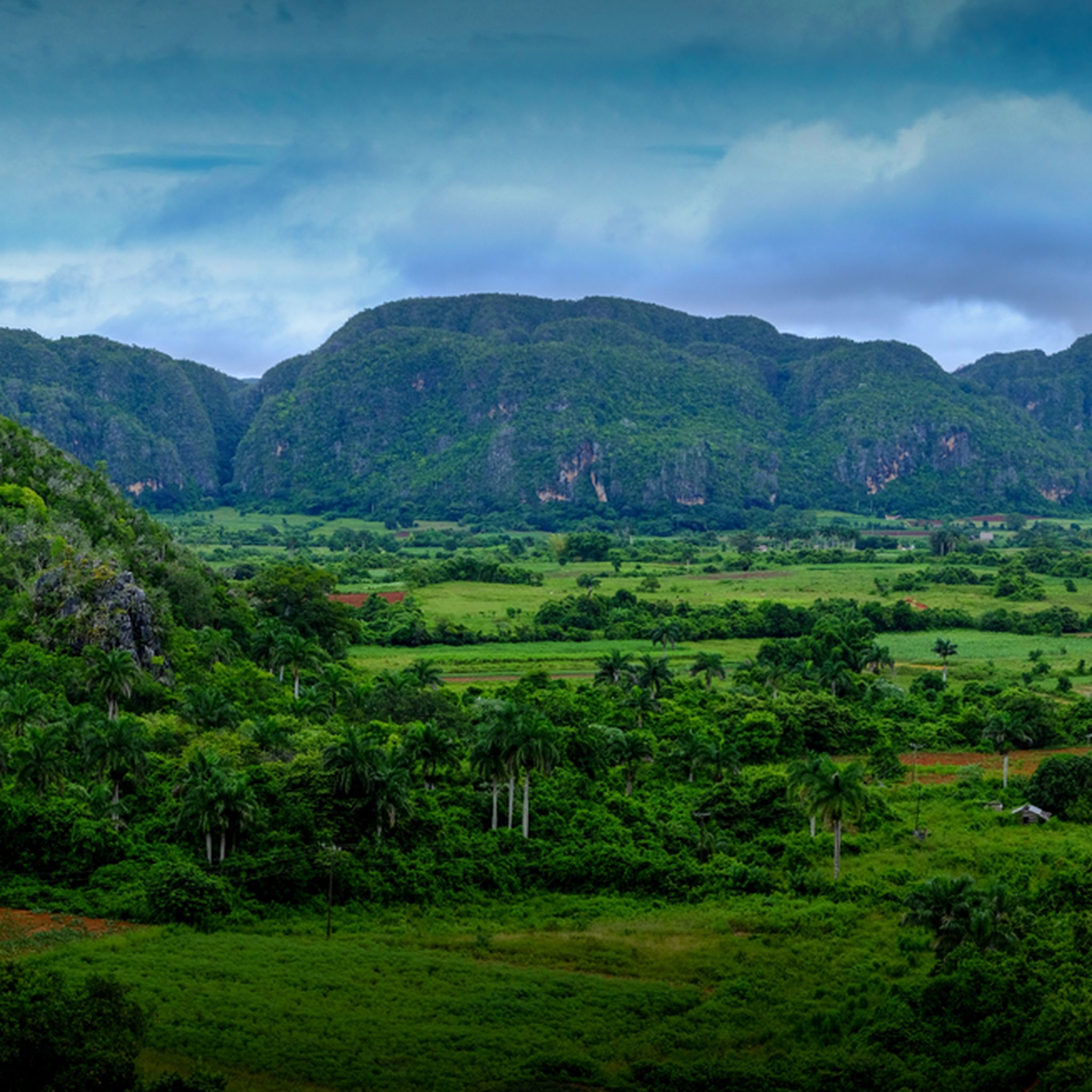
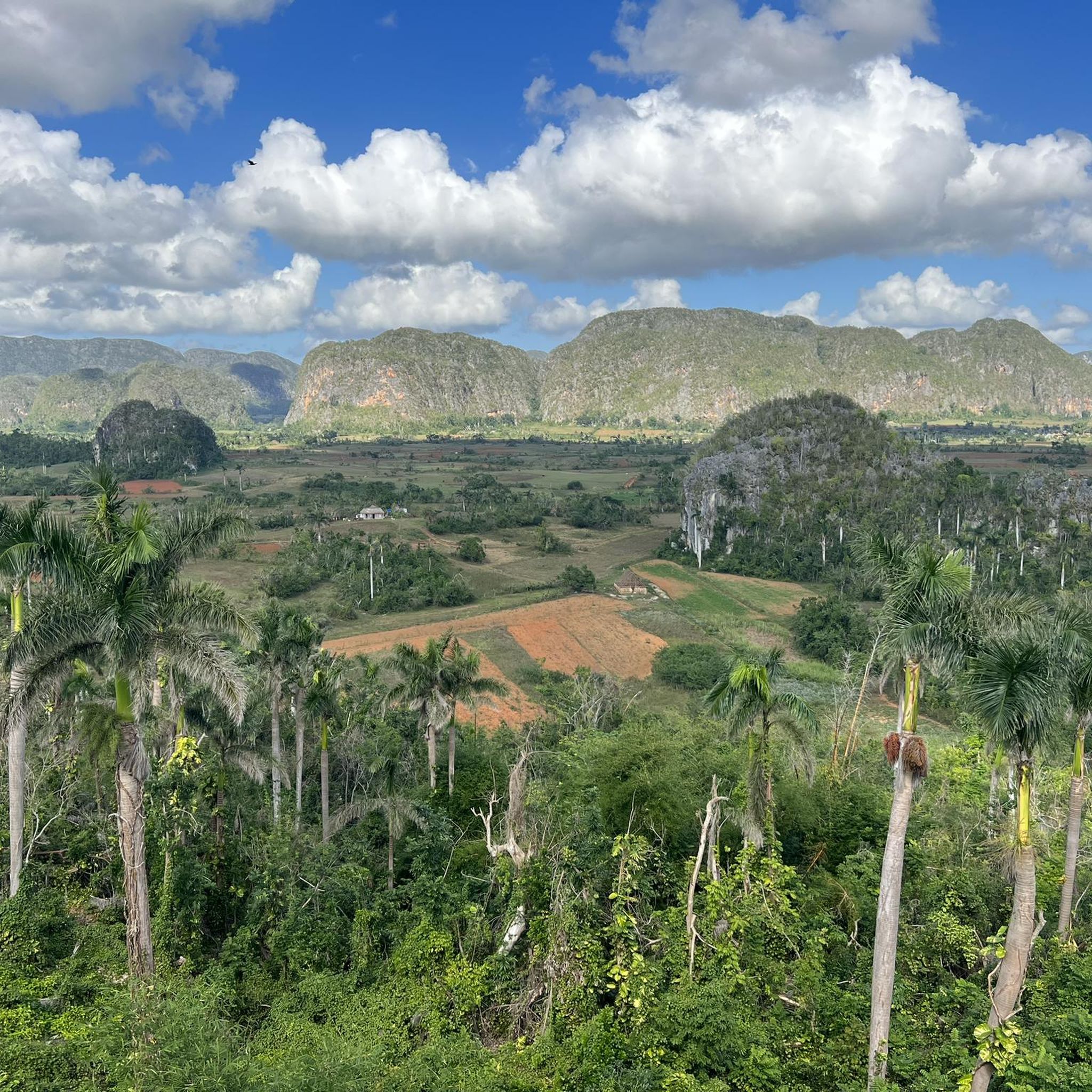
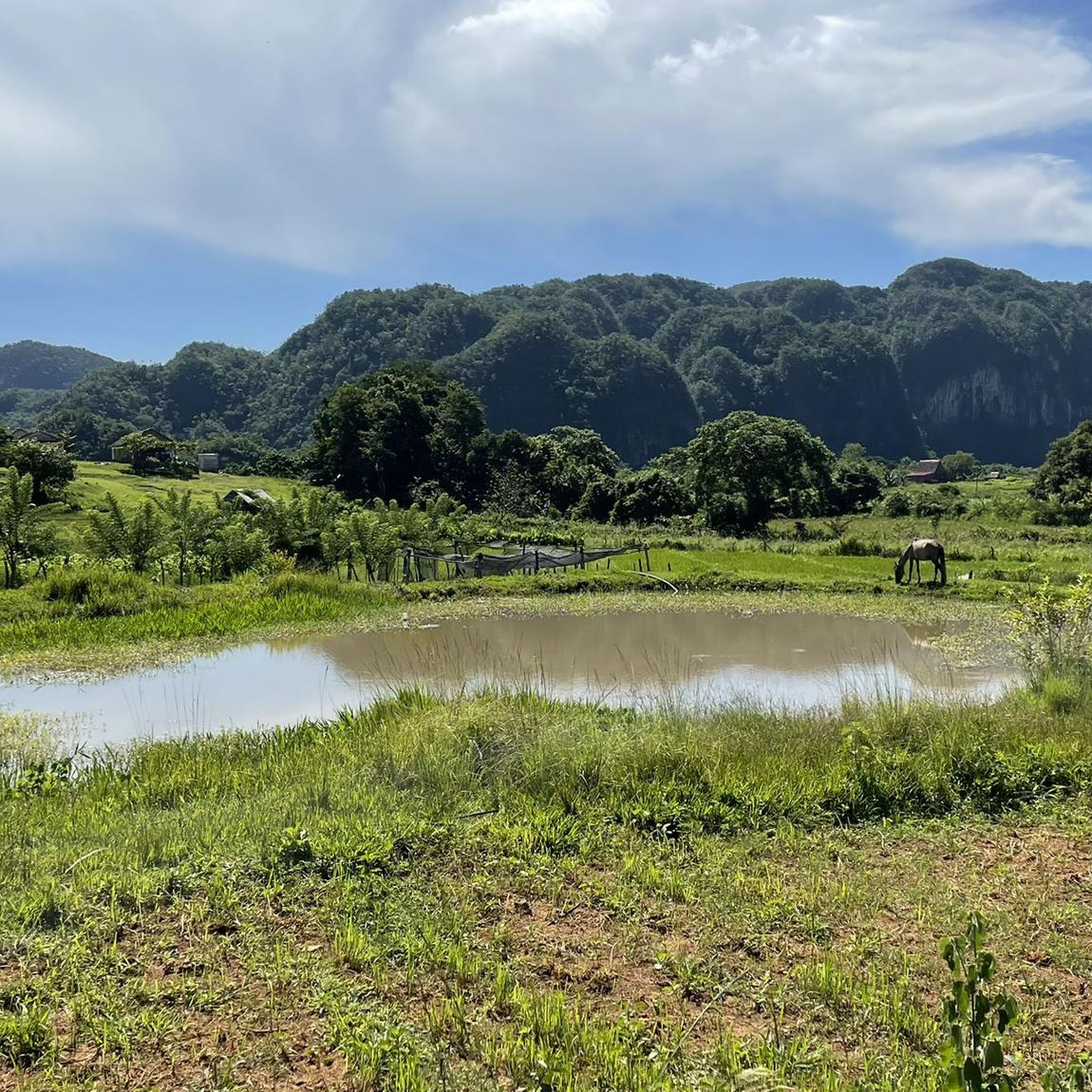
The Mural de la Prehistoria is one of the largest open-air paintings in the world. It is located in the spectacular Valle de Viñales, within the province of Pinar del Río, in the western part of Cuba. This monumental work is painted directly onto the limestone rock face of the Mogote Pita (in the Valle de Dos Hermanas) and represents an important attraction that combines art, history, and the lush Cuban nature.
0
0
The Plaza Mayor is the historical and cultural heart of Trinidad, Cuba. Declared a UNESCO World Heritage Site, this iconic colonial-style square is surrounded by pastel-colored palaces, raised gardens, cobblestone streets, and houses some of the country's most important museums.
0
0

Plaza Mayor is not only one of the most beautiful squares in Cuba, it is also the vibrant heart of the city. A detour to Plaza Mayor is like a journey back in time to a bygone era. Here, Trinidad's most beautiful colonial villas are lined up side by side. At its heart lies a small park with benches and wrought-iron lanterns from the 19th century. All of the museums are spread around the central square. Mighty royal palms grow amidst the green space surrounded by a white garden fence. Behind the green oasis rises the Iglesia Parroquial de la Santisima Trinidad. The church was built in 1892 in the neoclassical style. Among the most impressive buildings on Plaza Mayor is the Casa Cantero mansion, which was acquired in 1830 by a plantation owner of German descent named Kanter. According to legend, he illegally acquired vast sugarcane plantations by killing an old slave trader and marrying his widow. Source: https://kuba.de/
1
0

The Cathedral of the Virgin Mary of the Immaculate Conception in Havana, also known as the Cathedral of Havana, is an important Catholic church and a landmark of the Cuban capital, located in Plaza de la Catedral. It is the episcopal church of the Archdiocese of Havana and a stunning example of Spanish colonial architecture, originally dedicated to the city's patron saint, Saint Christopher, before being renamed in honor of the Virgin Mary in the 18th century.
2
0
The statue of Carlos Manuel de Céspedes is a monument to the Cuban revolutionary hero and "Father of the Fatherland," located in Old Havana's Plaza de Armas. Céspedes is considered a key figure in the struggle for Cuban independence, having led the 1868 uprising against Spanish colonial rule and freed the slaves, paving the way for the Cuban nation.
2
0
The Capitol Building in Havana is arguably Cuba's most famous landmark, a historic public building built between 1926 and 1929 and modeled after the U.S. Capitol. Until 1959, it served as the seat of the Cuban legislature. Today, it houses government ministries, is a tourist destination, and a symbol of Cuban national pride, notable for its impressive dome, the enormous staircase with statues of Labor and Justice, and the 14-meter-high bronze statue "La Republica" inside.
2
0
The Gran Teatro de La Habana Alicia Alonso is a magnificent opera house in Havana, Cuba, known for its neo-Baroque architecture and as the home of the National Ballet of Cuba. Opened in 1915, it is one of the oldest and most important cultural centers in Latin America, known not only for its magnificent interiors but also for a variety of cultural events such as ballet, opera, and theater.
2
0
La Bodeguita del Medio is a famous restaurant and bar in Havana, Cuba, known for its mojitos and is one of the city's most popular tourist destinations. Ernest Hemingway is said to have learned the recipe for the mojito there, helping to popularize it worldwide. The place is a symbol of the Cuban lifestyle, music, and hospitality.
3
0
Frequently Asked Questions
What historical and cultural sites can I explore in Cuba?
Cuba is rich in history and culture. Beyond the well-known Old Havana, you can visit the colonial town of Plaza Mayor of Trinidad, a UNESCO World Heritage Site renowned for its preserved Spanish colonial architecture. In Havana, the Gran Teatro de La Habana is a beautiful architectural landmark, and the Cathedral of the Virgin Mary of the Immaculate Conception of Havana offers a glimpse into the island's religious heritage. Don't miss the Museo de la Revolución in Havana, housed in the former Presidential Palace, or the Che Guevara Mausoleum in Santa Clara.
Are there natural attractions or unique landscapes to see in Cuba?
Absolutely. Cuba boasts diverse natural beauty. The Viñales Valley, a UNESCO World Heritage Site, is famous for its unique limestone karst hills called 'mogotes,' perfect for hiking and exploring tobacco farms. Varadero Beach offers pristine white sands and clear waters, ideal for relaxation and water sports. For bird-watching and wildlife, the Parque Nacional Ciénaga de Zapata, a UNESCO Biosphere Reserve, is a vast area of wetlands and mangroves. You can also find stunning waterfalls like El Nicho between Cienfuegos and Trinidad.
What outdoor activities can I do near Cuba's attractions?
Cuba offers various outdoor activities. You can find several running trails, including loops around Havana's Malecón, with options ranging from moderate to difficult. For road cycling, routes like the 'View of Marina Varadero loop' provide scenic rides. If you enjoy hiking, there are easy trails such as the 'Vegas Grande Waterfall loop' in Topes de Collantes or paths through the Viñales Valley. For more details on routes, check out the Running Trails in Cuba, Road Cycling Routes in Cuba, and Easy hikes in Cuba guides.
Are there family-friendly attractions in Cuba?
Many of Cuba's attractions are suitable for families. Historical sites like The Capitol of Havana, Plaza Vieja, Havana, and Plaza Mayor of Trinidad are great for exploring together. The Camera Obscura at Plaza Vieja offers a unique 360-degree virtual tour of Havana that children often enjoy. Beaches like Varadero are perfect for family fun, and exploring the Viñales Valley can be an adventurous experience for all ages.
What are some unique cultural experiences in Cuba?
Cuba offers many unique cultural experiences. Immerse yourself in the vibrant atmosphere of Old Havana with its artisan markets and traditional music. Experience the lively Malecón in Havana, a popular gathering spot for locals, especially in the evenings. You can also enjoy live music and dance, from rumba in Matanzas to salsa in Trinidad and Santiago de Cuba. Exploring Havana in a vintage American car is another quintessential Cuban experience, offering a nostalgic journey through the city's streets.
Where can I find the best viewpoints in Cuba?
For stunning panoramic views, consider visiting El Morro fortress in Havana, which overlooks the harbor. The Viñales Valley offers breathtaking vistas of its unique mogotes, especially from designated viewpoints. In Trinidad, the bell tower of the Museo Histórico Municipal provides excellent views over the colonial town. For a unique perspective of Havana, the Camera Obscura at Plaza Vieja offers a real-time 360-degree virtual tour of the city.
What is the best time to visit Cuba for good weather?
The best time to visit Cuba for good weather is generally during the dry season, which runs from November to April. During these months, you can expect pleasant temperatures, lower humidity, and less rainfall, making it ideal for exploring historical sites, enjoying beaches, and engaging in outdoor activities. The hurricane season typically runs from June to November, so travel during this period might involve higher risks of storms.
Are there any accessible attractions in Cuba for visitors with mobility needs?
While accessibility can vary, some attractions in Cuba do offer features for visitors with mobility needs. For instance, Plaza Vieja, Havana, is noted as wheelchair accessible, and its Camera Obscura can be reached by lift. When planning your trip, it's advisable to check specific venues or tour operators for detailed accessibility information to ensure a comfortable experience.
What are some significant historical fortresses in Cuba?
Cuba has several impressive historical fortresses that played crucial roles in its past. In Havana, the El Morro and La Cabaña fortresses guard the harbor entrance, offering insights into colonial defense strategies and hosting a nightly cannon-firing ceremony. Another significant site is the San Pedro de la Roca Castle in Santiago de Cuba, a UNESCO World Heritage Site considered one of the best-preserved examples of Spanish-American military architecture.
What do visitors enjoy most about the attractions in Cuba?
Visitors frequently praise the vibrant atmosphere and historical charm of Cuba's attractions. The colorful and lively ambiance of places like Plaza Vieja, Havana, and the well-preserved colonial architecture of Plaza Mayor of Trinidad are often highlighted. The unique experience of seeing Havana's architectural highlights from the Camera Obscura is also a popular mention. Overall, the blend of rich history, stunning architecture, and lively culture leaves a lasting impression on visitors.
Can I find information about Cuba's UNESCO World Heritage Sites?
Yes, Cuba is home to several UNESCO World Heritage Sites. These include the historic centers of Old Havana and Trinidad, the unique agricultural landscape of Viñales Valley, the San Pedro de la Roca Castle in Santiago de Cuba, and Alejandro de Humboldt National Park. These sites are recognized for their outstanding universal value, showcasing Cuba's rich cultural and natural heritage. You can find a comprehensive list of these sites on Wikipedia.
Where can I experience Cuba's musical heritage?
Cuba's musical heritage is vibrant and can be experienced across the island. Santiago de Cuba is particularly renowned as the birthplace of genres like son and salsa, and it hosts lively cultural festivals, including the Santiago Carnival. In Matanzas, you can immerse yourself in the birthplace of the rumba dance. Throughout cities like Havana and Trinidad, you'll find numerous venues offering live music, from traditional Cuban son to contemporary salsa, providing an authentic taste of the island's rhythmic soul.
Most popular attractions in Cuba

Get inspired with the komoot mobile app


Didn’t find what you were looking for?
Are you keen on exploring more awesome places nearby? Browse our guides:
Explore more
Still not found the Highlight you’re looking for? See guides of the top attractions in other regions:
