Attractions and Places To See around Pittsburgh - Top 20
Best attractions and places to see around Pittsburgh include a diverse range of sites reflecting its unique geography and history. Situated at the confluence of the Allegheny, Monongahela, and Ohio Rivers, the city features numerous bridges and riverfront trails. Its industrial past is evident in historical landmarks, while extensive parks and cultural institutions offer varied experiences. The region provides a mix of urban exploration and natural escapes.
Best attractions and places to see around Pittsburgh
- The most popular attractions is…
Last updated: October 18, 2026
Hot Metal Bridge
Highlight • Bridge
Tip by

McKeesport Connecting Railroad Bridge
Highlight • Bridge
Tip by

Sign up now to discover places like this
Get recommendations on the best single tracks, peaks, & plenty of other exciting outdoor places.
Homestead Pump House
Highlight • Historical Site
Tip by
Acrisure Stadium
Highlight • Monument
Translated by Google •
Tip by

Fort Pitt Block House
Highlight • Historical Site
It was built in …
Tip by

Sign up for free to discover even more attractions around Pittsburgh.
Already have an account?
Start today with a free account
Your next adventure awaits.
Popular around Pittsburgh
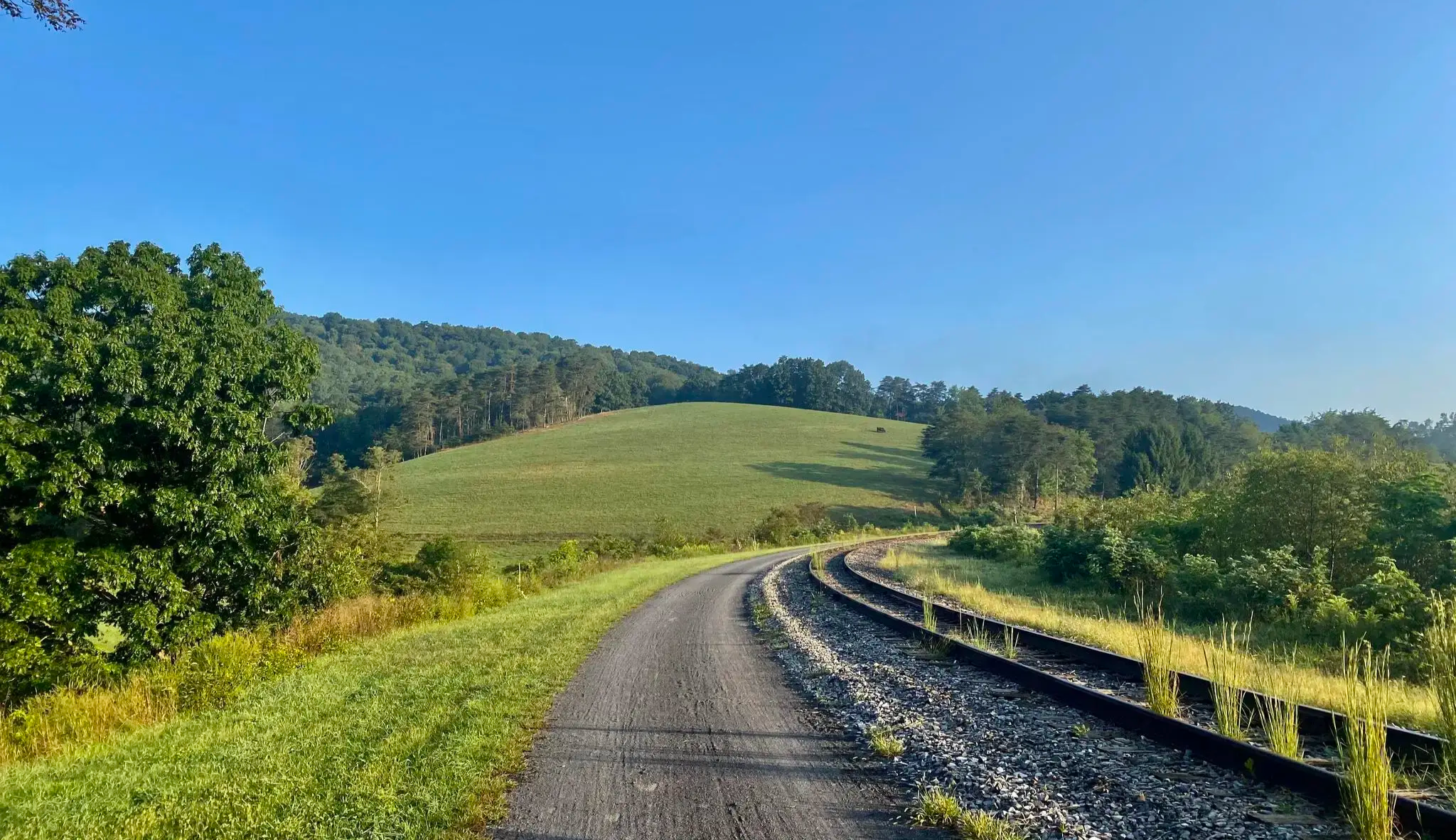
The Great Allegheny Passage — A scenic walk through the mountains of Southwest Pennsylvania
Great North Music Tour – hiking in the footsteps of music legends
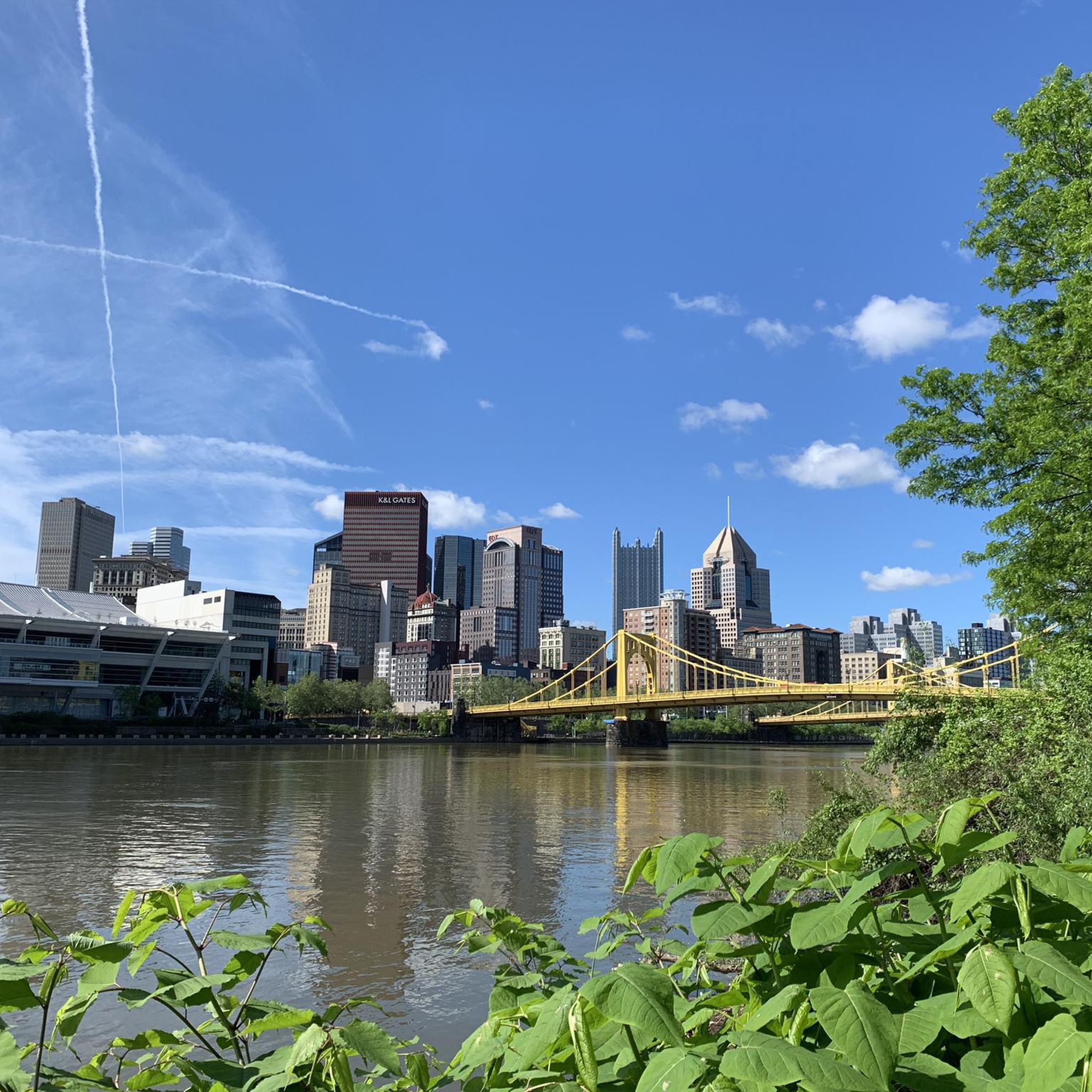
Hiking around Pittsburgh
Running Trails around Pittsburgh
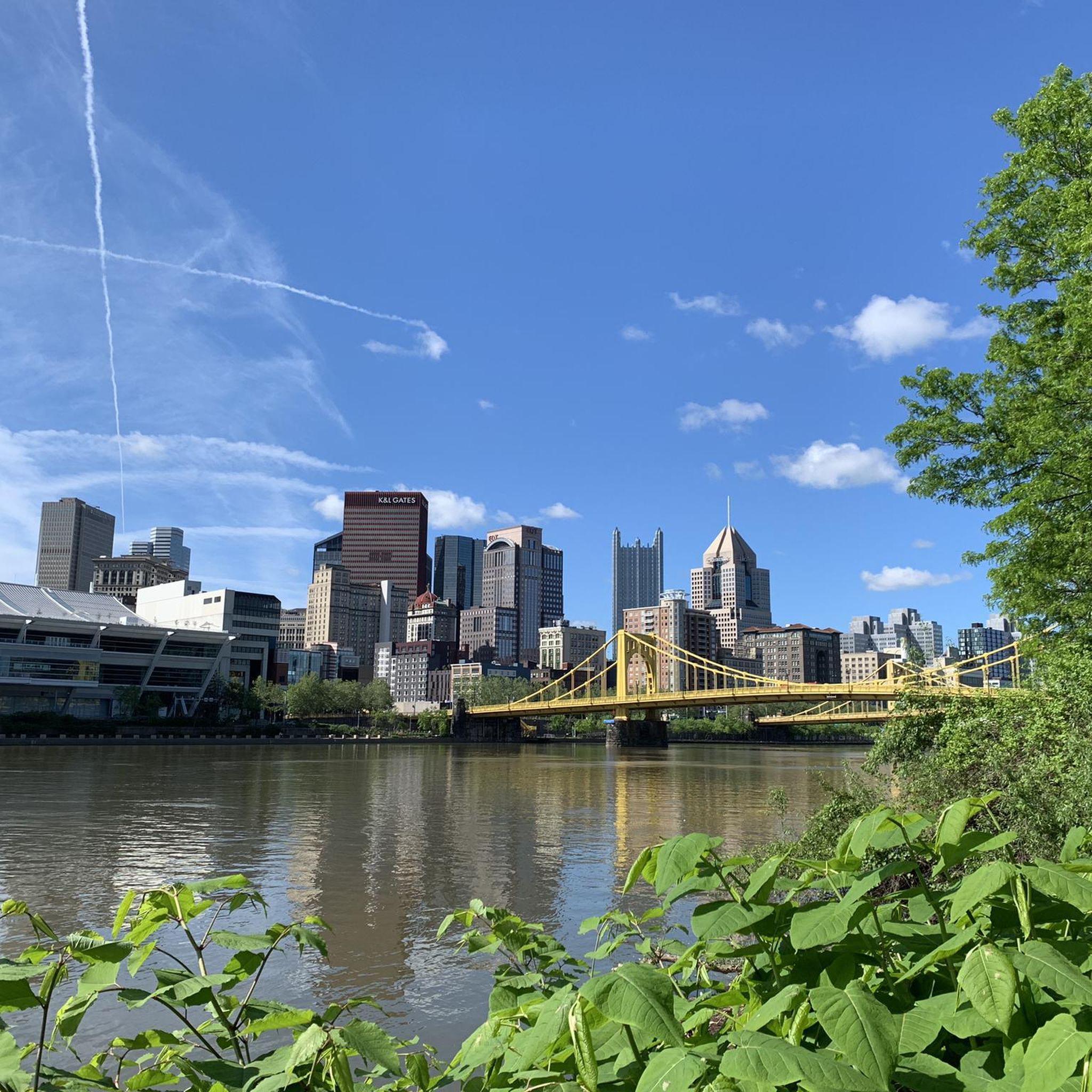
Road Cycling Routes around Pittsburgh
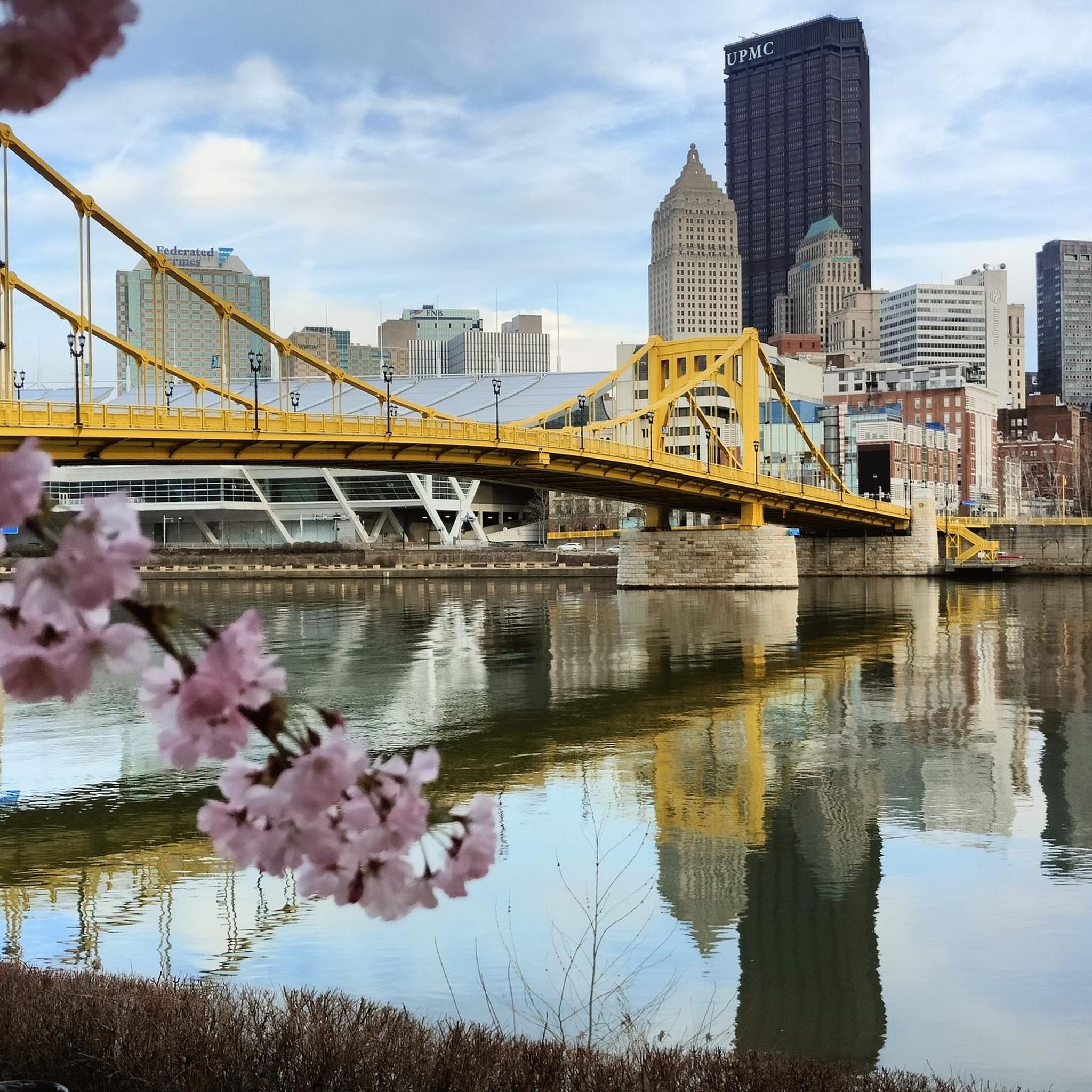
Cycling around Pittsburgh
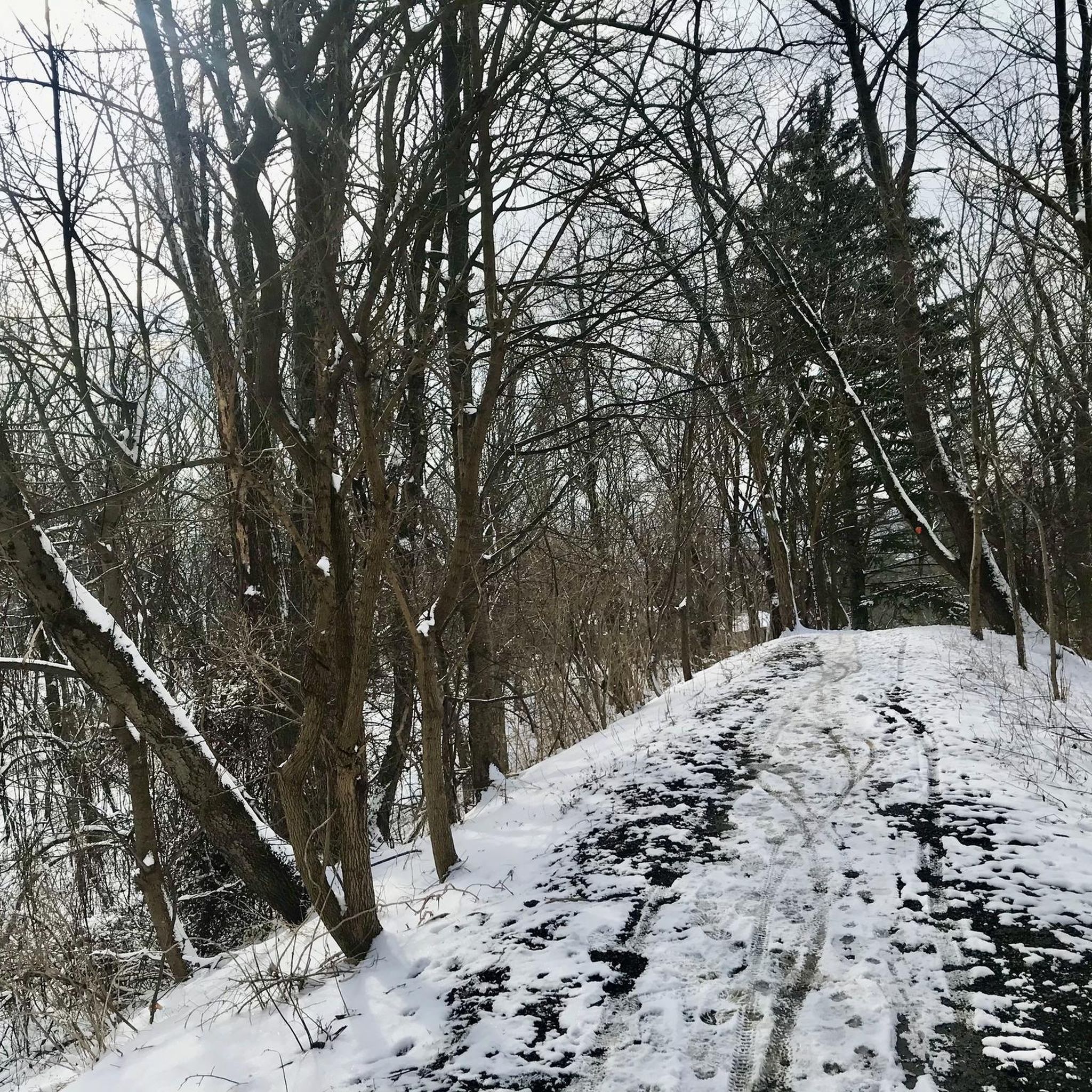
MTB Trails around Pittsburgh

Gravel biking around Pittsburgh


Tips from the Community


The Hot Metal Bridge is one of the most recognizable landmarks along the GAP. It crosses the Monongahela River and was an important bridge during the city's industrial heyday. Now, it is a great place to cross by bike and get a wonderful view of the city and river below.
1
0

The Fort Pitt Block House is located on the grounds of Point State Park. The oldest building in Pittsburgh was built in 1764. Built by the British. It was part of Fort Pitt. The only remaining building of it
6
1
The P&LE McKeesport Bridge is an American truss bridge which spans the Youghiogheny River and connects the east and west banks of the Pittsburgh industrial suburb of McKeesport
1
0
Nice landmark with parking next to the Great Allegheny Passage Trail.
5
0

Acrisure Stadium, formerly known as Heinz Field, is a football stadium in Pittsburgh's North Shore neighborhood. Opened in 2001, it serves as the home for the NFL’s Pittsburgh Steelers and the NCAA’s Pittsburgh Panthers. The stadium cost $281 million to build and incorporates 12,000 tons of steel, reflecting Pittsburgh's steel industry heritage. The natural-grass surface, despite criticism, has been retained due to player and coach preference. The 68,400-seat venue has a history of sell-outs and features a collection of Steelers and Panthers memorabilia. It has hosted notable events, including the 2011 NHL Winter Classic, the 2017 NHL Stadium Series, and Taylor Swift's record-breaking concert in 2023 during her Eras Tour.
0
0

As an essential feature of the Homestead Steel Works, the Homestead Pump House symbolizes Pittsburgh's industrial legacy. Learn about the labor struggles of 1892 while exploring the riverside routes. Discover the vital role of pump houses in cooling and transporting materials for massive industrial works along the Monongahela Valley. Experience the site where generations of steelworkers collected their wages and one of the deadliest labor confrontations in US history unfolded. The Pump House stands as a testament to Pittsburgh's dependency on rivers, mechanized power, and the resilience of its steelworkers.
0
0
Bike across the historic McKeesport Connecting Railroad Bridge, spanning the Monongahela River. Discover its rich industrial heritage, as it once linked the McKeesport Tube Plant with the Duquesne Works. Enjoy panoramic vistas of the McKeesport-Duquesne Bridge and soak in the bridge's remarkable history dating back to 1890. Today, it welcomes pedestrians and cyclists to traverse its 324-foot span, offering a unique perspective on Pittsburgh's industrial past and its transformation into a vibrant recreational asset for the community.
0
0
Frequently Asked Questions
What historical landmarks can I explore in Pittsburgh?
Pittsburgh boasts a rich industrial and colonial history. You can visit the Homestead Pump House, an essential feature of the Homestead Steel Works, symbolizing the city's industrial legacy and labor struggles. Other notable historical sites include the Fort Pitt Block House, built in 1764, and the Carrie Blast Furnaces National Historic Landmark, offering a glimpse into pre-World War II iron-making technology. The Allegheny County Courthouse is also a significant example of Romanesque Revival architecture.
Are there any scenic viewpoints or natural features to enjoy in Pittsburgh?
Absolutely! For breathtaking panoramic views of the city skyline, rivers, and bridges, take a ride on the historic Duquesne Incline or Monongahela Incline up Mount Washington. Point State Park, at the confluence of the three rivers, offers public fountains and riverfront views. You can also find tranquil escapes at Phipps Conservatory and Botanical Gardens with its stunning Victorian greenhouse, or explore the urban green spaces of Schenley Park, home to Panther Hollow Lake.
What family-friendly attractions are available in Pittsburgh?
Pittsburgh offers many family-friendly options. The Carnegie Science Center provides hands-on exhibits, a planetarium, and an IMAX screen, plus tours of the USS Requin submarine. The Children's Museum of Pittsburgh offers innovative experiences for kids. For sports enthusiasts, Acrisure Stadium (home of the Steelers) and PNC Park (home of the Pirates) are popular. The Pittsburgh Zoo & Aquarium connects visitors with wildlife, and the National Aviary is dedicated to birds.
What cultural sites should I visit in Pittsburgh?
The city is rich in cultural institutions. The Carnegie Museums of Art and Natural History house extensive collections, including one of America's largest paleontology collections. The Andy Warhol Museum is North America's largest museum dedicated to a single artist. The Senator John Heinz History Center details the region's past, while The Frick Pittsburgh offers a mansion tour and art museum. The Cultural District downtown also encompasses numerous theaters and arts venues.
Are there opportunities for cycling or mountain biking near Pittsburgh's attractions?
Yes, Pittsburgh and its surrounding areas offer excellent cycling opportunities. You can explore routes like the North Shore Trail – Hot Metal Bridge loop or the Homestead Pump House – Three Rivers Heritage Trail loop. For mountain biking, consider trails in Frick Park or the CMU Bike Loops. You can find more details and routes in our guide to Cycling around Pittsburgh and MTB Trails around Pittsburgh.
Where can I go for a run or hike near Pittsburgh's attractions?
Pittsburgh has several great options for running and hiking. The Three Rivers Heritage Trail offers scenic pathways along the city's rivers, including loops like the North Shore and Allegheny Commons. You can also run the Eliza Furnace Trail or explore Schenley Park via the Hollow Run Trail. For more detailed routes and difficulty levels, check out our guide to Running Trails around Pittsburgh.
What are some unique or lesser-known places to visit in Pittsburgh?
Beyond the main attractions, consider visiting Randyland in the Mexican War Streets, known for its vibrant exterior and unique artistic expression. The Mattress Factory is a contemporary art museum specializing in site-specific installations. For a historical walk, explore Chatham Village on Mount Washington, a historic neighborhood. The South Side Slopes also offer unique staircase streets for urban hiking and city views.
Are there any attractions with water features in Pittsburgh?
Pittsburgh, situated at the confluence of three rivers, naturally features many water-related attractions. Point State Park is famous for its iconic fountain. You can also enjoy Panther Hollow Lake in Schenley Park, a peaceful spot for relaxation. The Gateway Clipper Fleet offers popular sightseeing river cruises, providing unique perspectives of the city from the water.
What do visitors particularly enjoy about the attractions in Pittsburgh?
Visitors frequently appreciate the blend of industrial heritage and natural beauty. The Hot Metal Bridge, for instance, is loved for its spectacular views of the Pittsburgh skyline and the Monongahela River, especially from its pedestrian and bike path. The historic McKeesport Connecting Railroad Bridge is also popular for its industrial heritage and panoramic vistas. The city's transformation of its industrial past into vibrant recreational assets is a common highlight.
Are there any wheelchair-accessible outdoor activities or attractions in Pittsburgh?
Many of Pittsburgh's riverfront trails and bridges are designed to be accessible. The Hot Metal Bridge and the McKeesport Connecting Railroad Bridge both offer accessible paths for pedestrians and cyclists. Point State Park also provides accessible pathways to enjoy the confluence of the rivers. When planning your visit, it's always a good idea to check specific venue websites for detailed accessibility information.
What is the best time to visit Pittsburgh's parks and outdoor attractions?
Spring and fall are generally considered the best times to visit Pittsburgh's parks and outdoor attractions. The weather is mild, and the foliage in parks like Schenley Park and Frick Park is particularly beautiful. Summer offers warm weather suitable for river activities and outdoor events, though it can be humid. Winter provides opportunities for ice skating at places like Panther Hollow Lake, but many outdoor activities are weather-dependent.
Can I find attractions related to Pittsburgh's industrial past?
Yes, Pittsburgh proudly showcases its industrial heritage. The Homestead Pump House is a key site, representing the Homestead Steel Works and its historical significance. The Carrie Blast Furnaces National Historic Landmark offers tours to experience pre-World War II iron-making technology. The Fort Pitt Museum within Point State Park also delves into the region's early history, including its industrial development.
Most popular routes around Pittsburgh
Most popular attractions around Pittsburgh

Get inspired with the komoot mobile app


Explore more
Still not found the Highlight you’re looking for? See guides of the top attractions in other regions:
