Top 19 Castles around Chur
Best castles around Chur are found in and around Switzerland's oldest city, which boasts a rich history and strategic location in the Graubünden canton. The region features a diverse landscape, from the confluence of major rivers to mountainous terrain. While the city center offers archaeological sites, the surrounding area provides well-preserved castles and ruins, showcasing centuries of human settlement and fortification. These historical sites are often situated along important trade routes or on elevated points, offering views of the Rhine Valley.
Best castles around Chur
- The most popular castles is Confluence of the Vorderrhein and Hinterrhein, a river confluence dominated by Reichenau Castle. This location is considered the birthplace of the Rhine.
- Another must-see spot is Neuenburg Castle Ruins, a hilltop castle ruin southwest of Untervaz. Visitors can access the ruins on foot and enjoy views of the Rhine Valley.
- Visitors also love Episcopal Court, a historical castle and court district in Chur's old town. This site features the episcopal castle and cathedral, with the castle showcasing Austrian Baroque architecture.
- Chur is known for its variety of historical sites, including Renaissance castles, archaeological ruins, and medieval fortifications. Visitors can explore standing castles, ancient Roman remnants, and numerous castle ruins in the vicinity.
- The castles around Chur are appreciated by the komoot community, with 278 upvotes and 65 photos shared across the highlights.
Last updated: October 4, 2026
Confluence of the Vorderrhein and Hinterrhein
Highlight • River
Dominated by Reichenau Castle, the hamlet lies at the confluence of the Vorderrhein and Hinterrhein rivers, making it virtually the birthplace of the Rhine.
It all began 10,000 years ago. Between the Flimserstein (a high plateau) and Piz Grisch, over 10,000 cubic meters of rock broke off and thundered down into the valley. Towards Reichenau, the Vorderrhein valley disappears under a gigantic mass of rubble. From there, the Rhine diligently ate its way through the rock, creating the spectacular Swiss "Grand Canyon" – the Ruinaulta.
Text / Source: myswitzerland.com
myswitzerland.com/de-ch/erlebnisse/route/vom-zusammenfluss-der-rheine-in-die-rheinschlucht
Translated by Google •
Tip by

Episcopal Court
Highlight • Castle
At the top left the square is closed off by the episcopal castle. The secular counterpart to the cathedral received its current shape under Bishop Joseph Benedikt von Rost (r. 1728-54). The complex is built around an inner courtyard. The façade, which only has three window axes, is divided by rising pilasters into two wide and a narrow central section, with the two side parts being crowned by gables and the middle part by a hatch-like attachment. For reasons of symmetry, a counterpart was added to the left portal on the right, which, however, only forms the entrance to a carriage house. On the doors, bronze lion masks serve as ring holders. Doors and windows have stucco decorations. Joseph Benedikt von Rost came from Tyrol and it is not surprising that his work is influenced by the Austrian Baroque. The bishop managed to remove the building from the shadow of the cathedral and give it a dominant accent. Nowhere else in Graubünden can we find such rich sculptural outdoor decoration.
Text / Source: Chur Tourismus, Bahnhofstrasse 32, 7001 Chur, Switzerland
chur.graubuenden.ch/de/uebersicht-ausflugsziel/bischoefliches-schloss-hof
Translated by Google •
Tip by
Sign up now to discover places like this
Get recommendations on the best single tracks, peaks, & plenty of other exciting outdoor places.
Neuenburg Castle Ruins
Highlight • Castle
In the Middle Ages, the main road led to the villages on the right bank of the Rhine. That is why there were no customs rights attached to the possession of the castle. Today the ruins are easily accessible on foot via a narrow road (driving ban).
de.wikipedia.org/wiki/Burg_Neuburg_(Untervaz)
Translated by Google •
Tip by

Reichenau Castle
Highlight • Castle
At the confluence of the Hinterrhein and Vorderrhein, at the birthplace of the Alpine Rhine, lies the historic site of Reichenau. Reichenau already had great importance in the past: in the 14th century, as long-distance traffic over the Grisons Alpine passes increased significantly, two bridges and a customs house were built. Reichenau was considered a traffic hub, where all traffic could be controlled. In Reichenau, the routes of the north-south axis separate, along the Vorderrhein into the Oberland towards the Lukmanier and Oberalp passes, and along the Hinterrhein through the Domleschg via the Splügen and San Bernardino.
Text / Source: Weinbau von Tscharner & Events Schloss Reichenau, Schloss Reichenau, Reichenauerstr. 59, 7015 Reichenau
reichenau.ch/de/reichenau/geschichte-lage
Showing Translation
Tip by
Rhäzüns Castle above the Hinterrhein
Highlight • Castle
It is not known when the plant or its predecessors were built. A castle probably existed on the site of today's palace as early as the 10th century; A castellum Beneduces et Rezunnes is mentioned in documents of Emperor Otto I and Otto II in the years 960 and 976.
The first proven representative of the barons of Rhäzüns was Arnoldus de Ruzunne, who is mentioned in 1137/39 in the Gamertinger documents. The first documented mention of Rhäzüns Castle itself appears in a sales deed from the Disentis monastery from the year 1282. After the death of the last Rhäzünser Georg in 1459, a long succession dispute arose between the Counts of Hohenzollern-Hechingen von Zollern and the Werdenbergers. In 1461 the castle fell to the Zollern family by arbitral award, who pledged it to Conradin von Marmels in 1437. It came into the possession of Maximilian I in 1497 through an exchange for the Haigerloch estate.
After the death of Hans von Marmels in 1553, Rhäzüns changed hands several times until 1695. Bartholomäus von Stampa and in 1558 Johannes von Planta followed as pledge holders.
In 1695 Austria took over the rule and had it administered by officials. This prevented the Rhäzün rule from being integrated into the politics of the Three Leagues. On December 29, 1809, the rule of Austria passed to France. After the collapse of the Napoleonic Empire, Rhäzüns was initially returned to Austria in 1814 and was added to the canton of Graubünden in 1815 at the Congress of Vienna.
It was bought by the last Habsburg administrator, the doctor and magistrate Georg Anton Vieli. It remained in his family's possession until 1927. In the early 1850s, Father Theodosius Florentini set up a girls' school there, which was moved to Rorschach in 1854. After the lessee of the estate had lived in it, the castle stood empty and began to fall into ruin.
On December 11, 1926, it was bought and extensively renovated by the «Non-profit cooperative for Swiss abroad holiday home Rhäzüns».
Text/Source: Wikipedia
de.wikipedia.org/wiki/Schloss_Rh%C3%A4z%C3%BCns
Translated by Google •
Tip by
Sign up for free to discover even more castles around Chur.
Already have an account?
Start today with a free account
Your next adventure awaits.
Popular around Chur
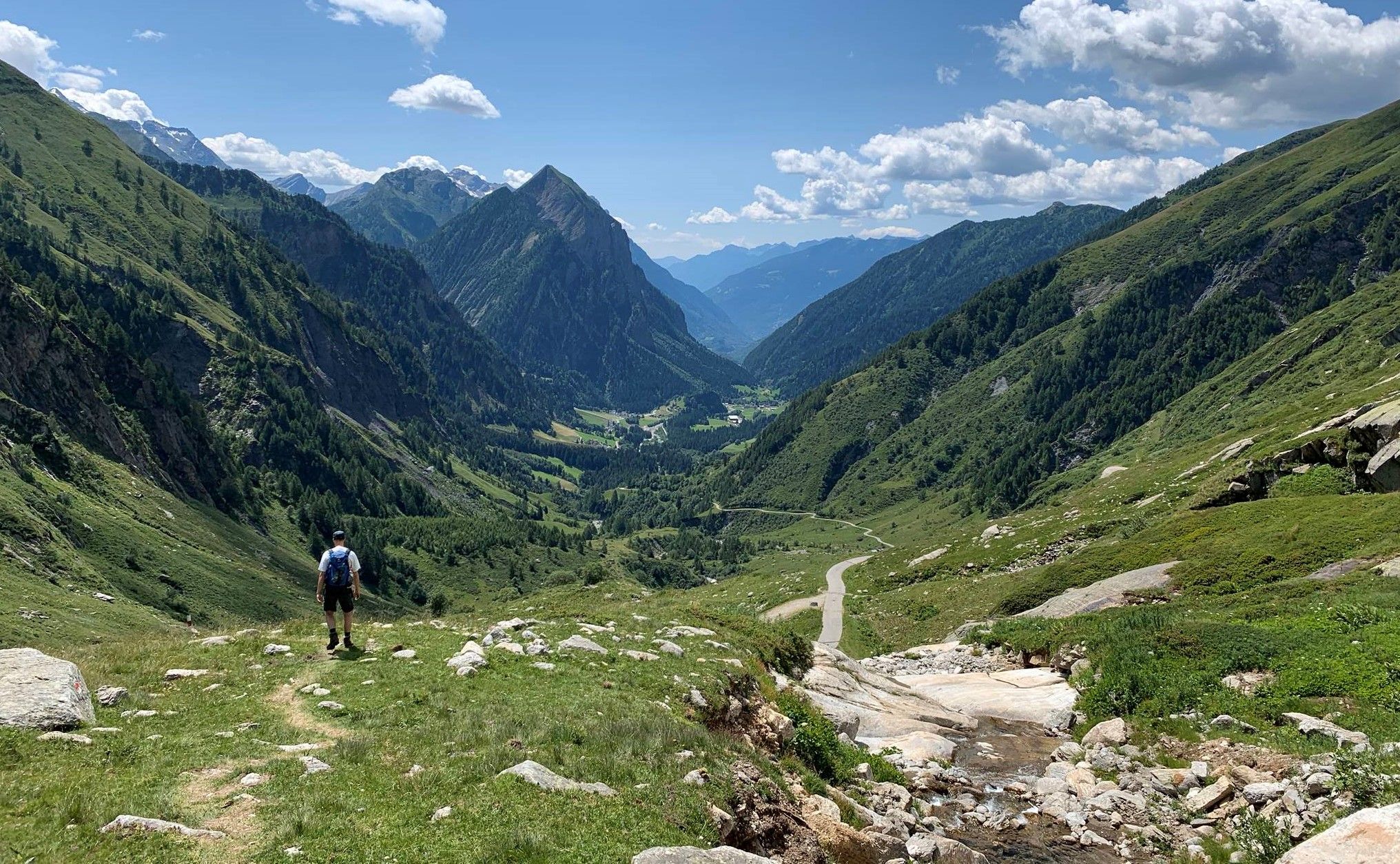
Alpine Passes Trail in Switzerland – 34 stages of pure mountain fun

Great heights from Chur to Tirano with your mountain bike & post bus
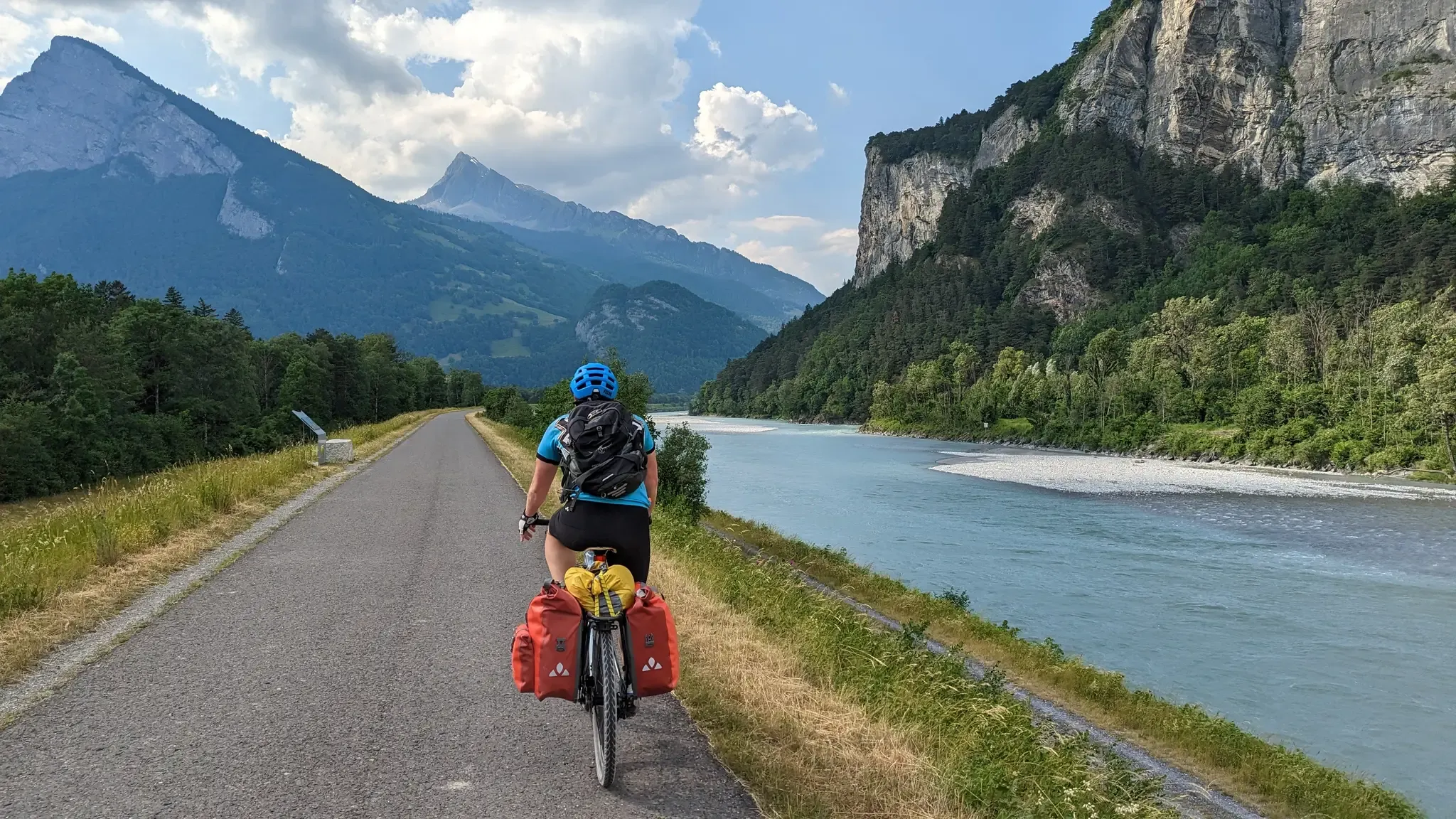
The Rhine Cycle Path — From the source to the North Sea
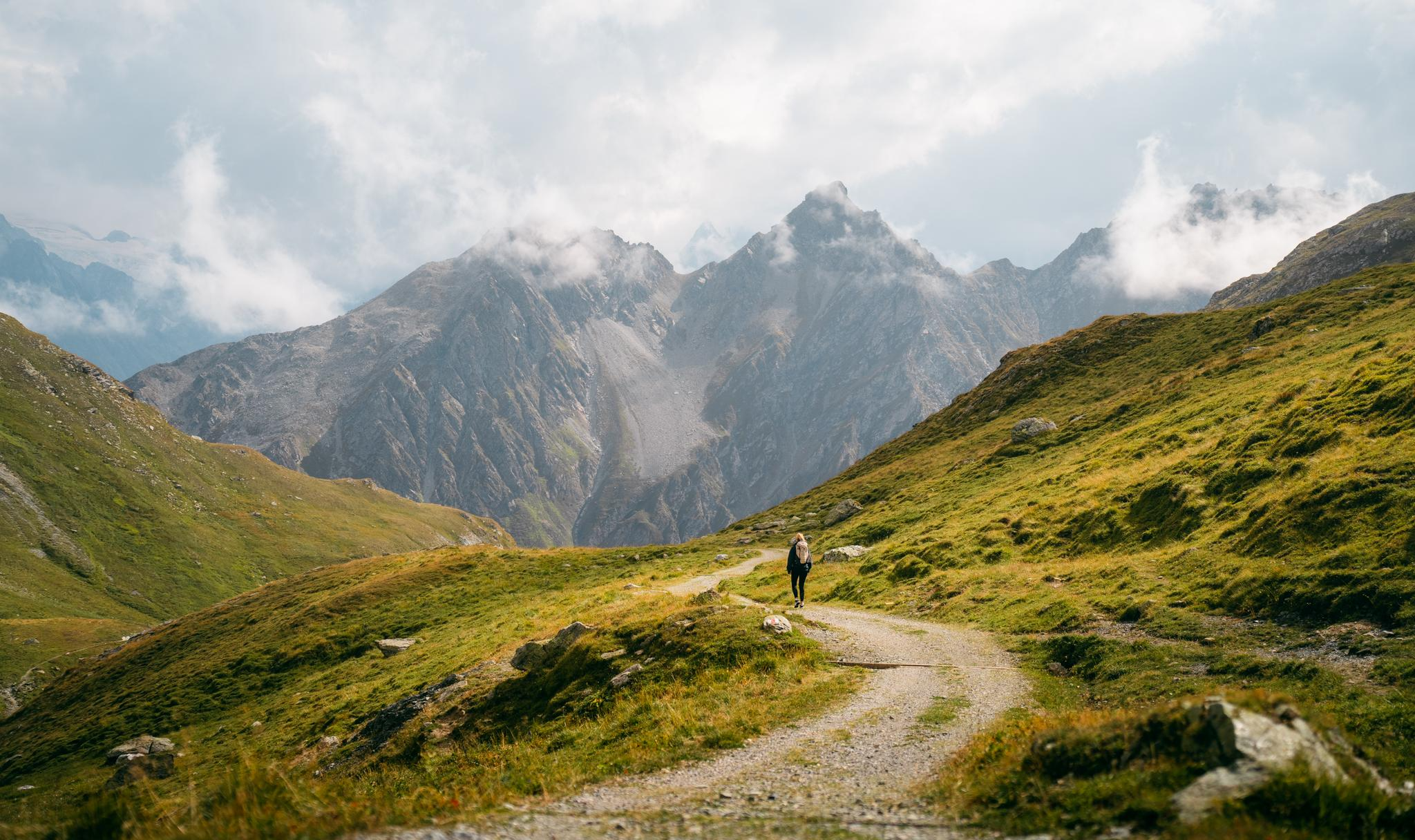
Quiet villages, proud passes, impressive history – the Via Sett

Every cycling trip is a little holiday – bike to work Challenge 2026
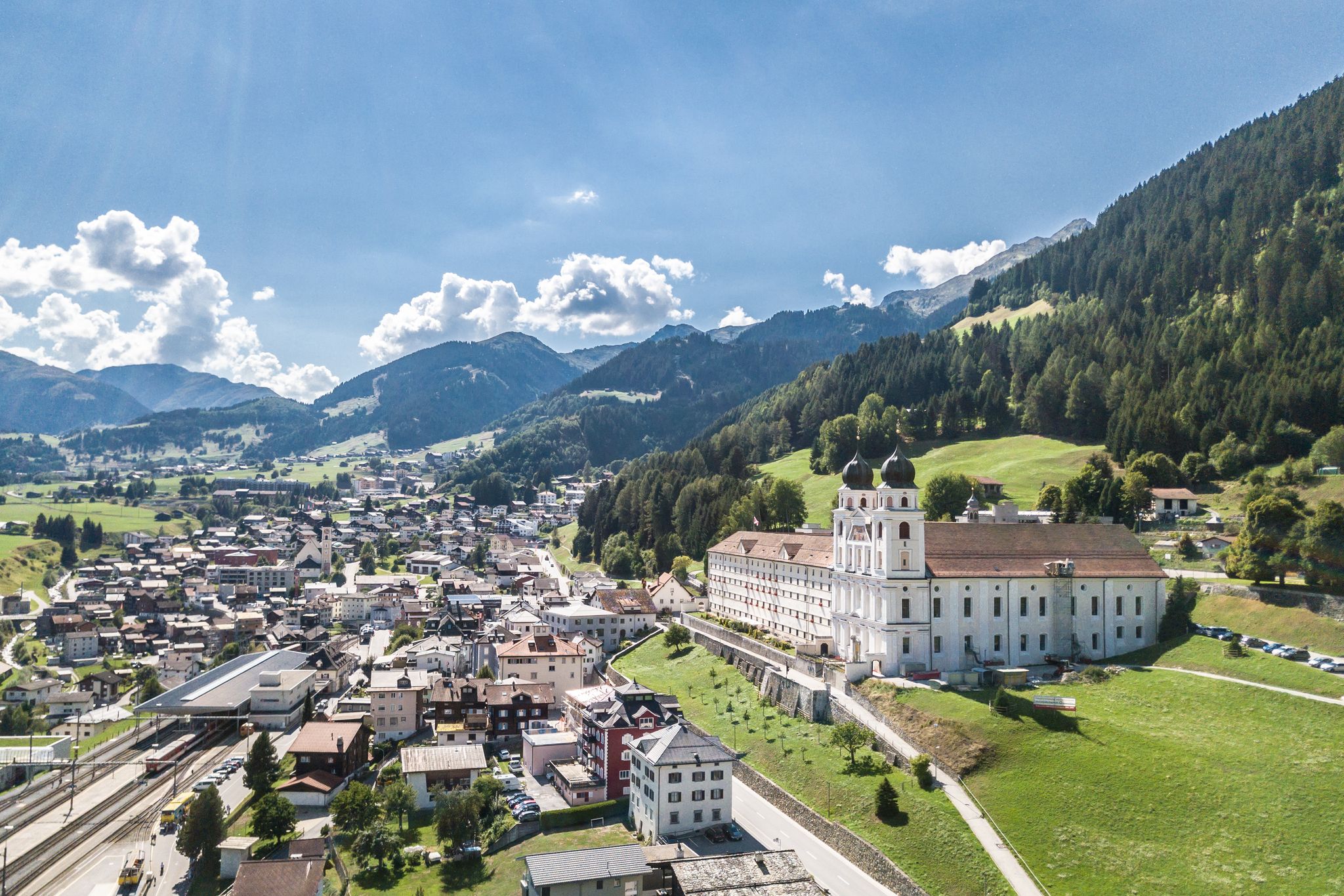
Between water, rock and forest - Grischun Cultura Surselva
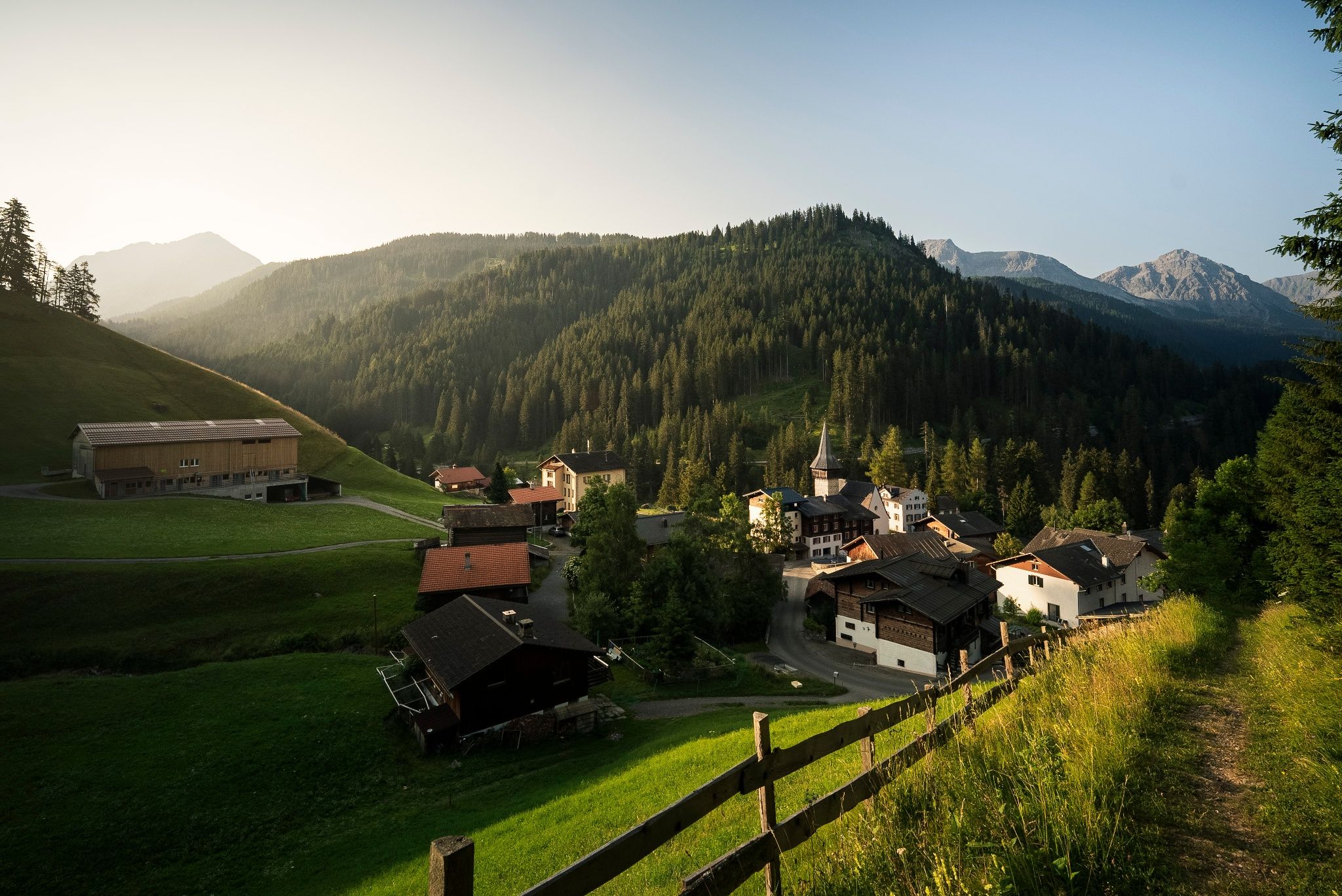
Village to village in the footsteps of the Walser – Schanfigger village trail
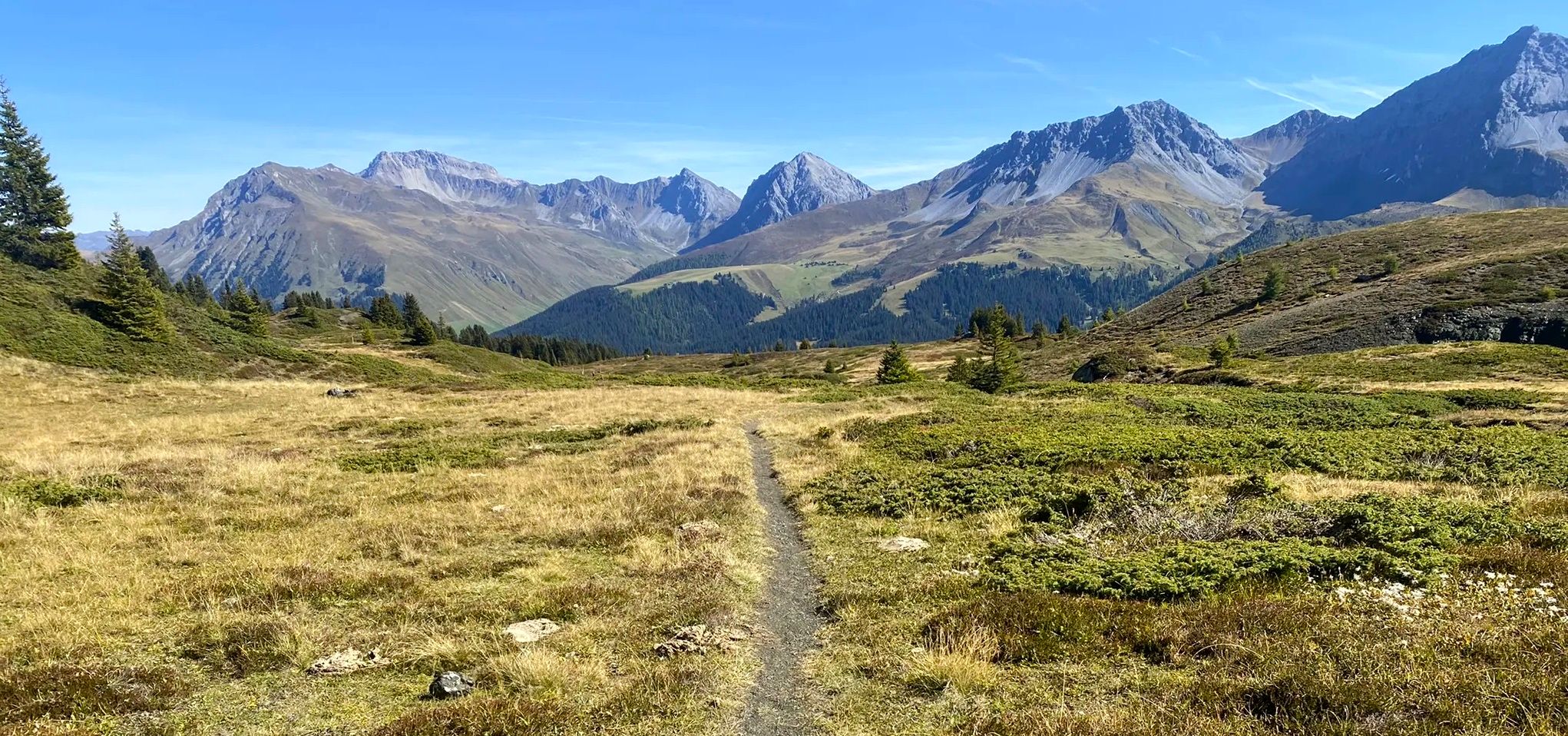
Explore an entire valley on foot - Schanfigger Höhenweg
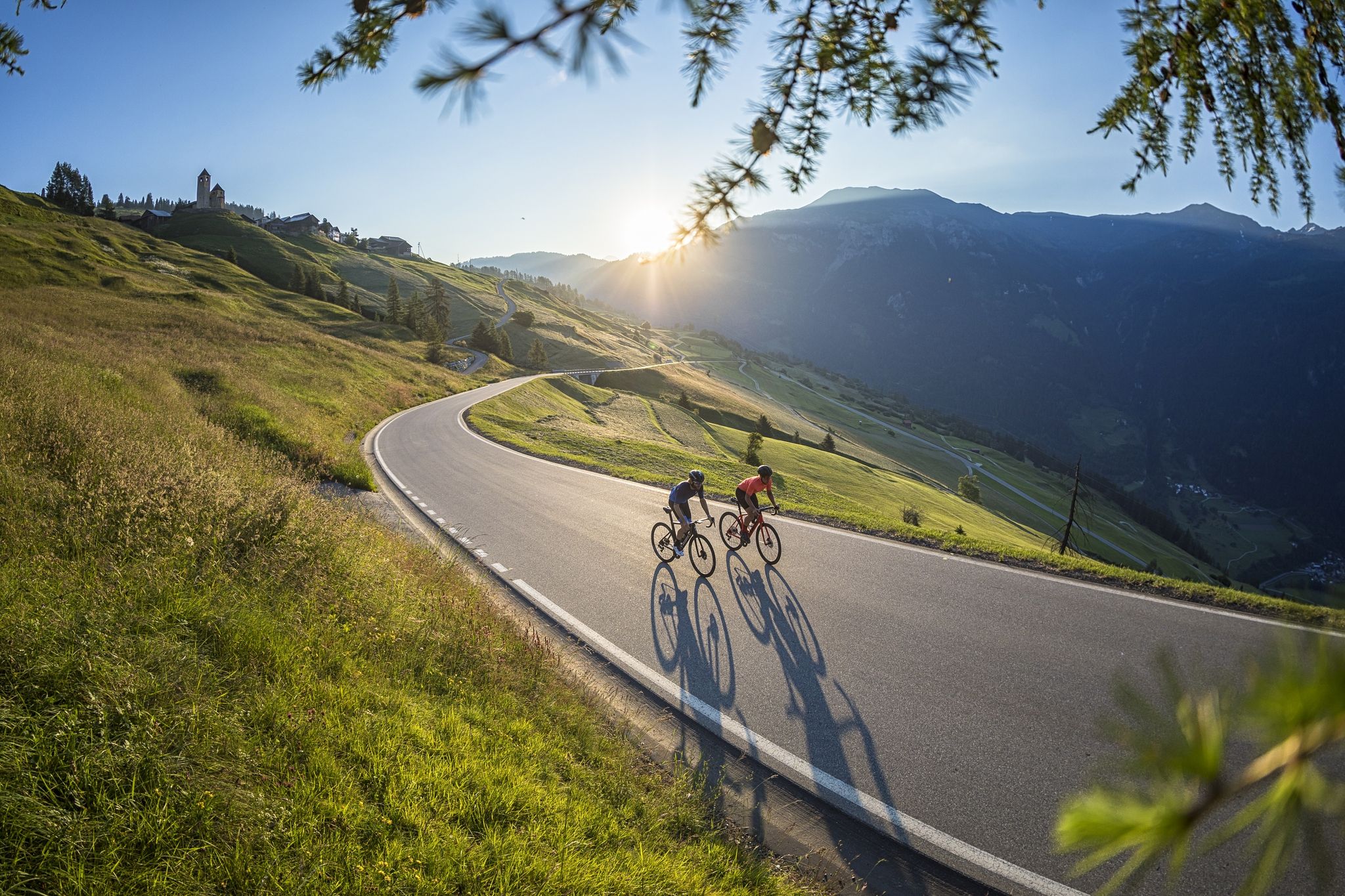
A cyclists’ menu – road cycling in Switzerland’s Grisons
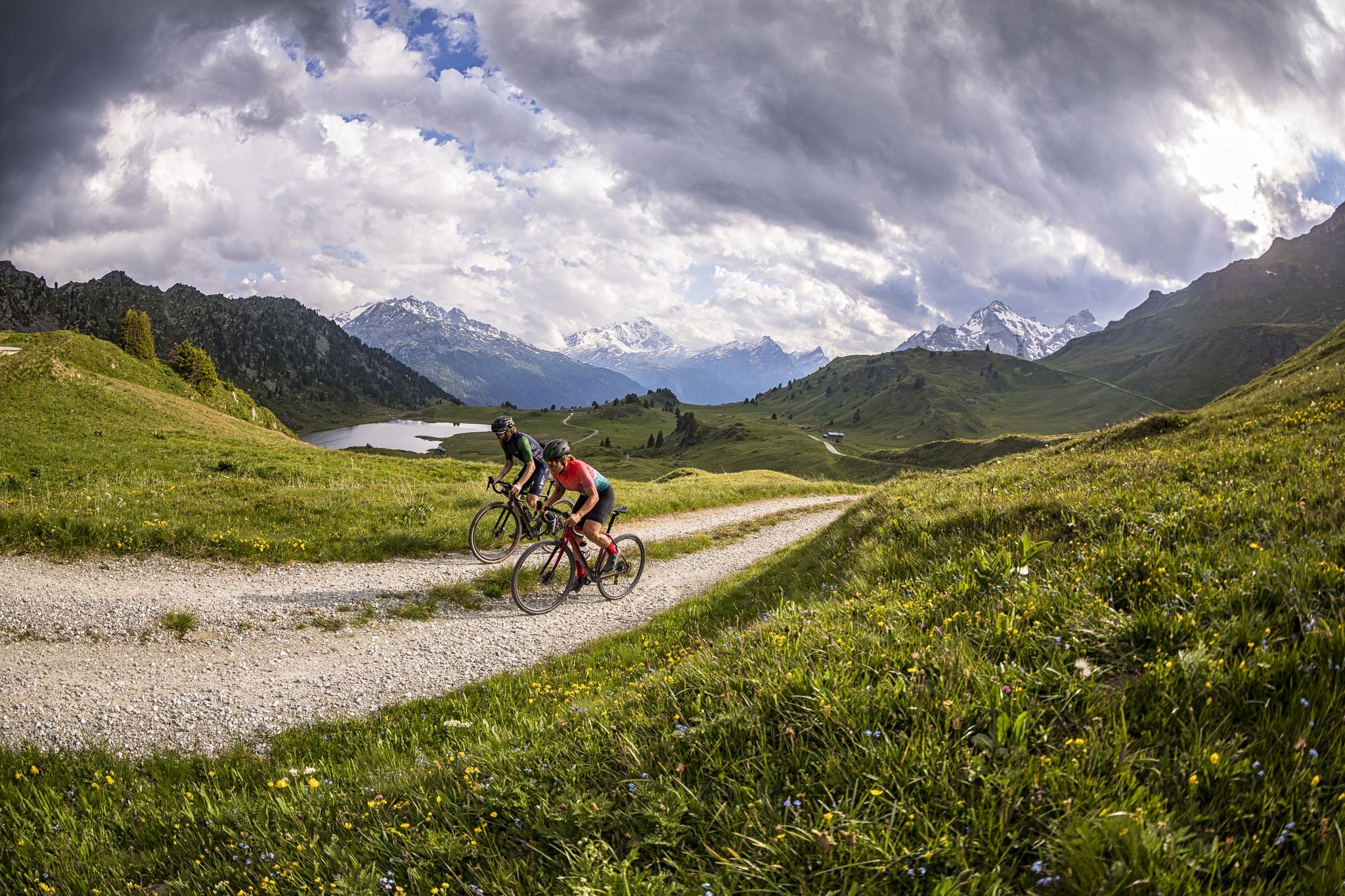
A gravel biking Menu for Switzerland’s Grisons
Other adventures around Chur


Tips from the Community

The RhB Reichenau train station, with parking available, is very well suited as a starting point for bike or hiking tours through the wild Vorderrhein Gorge to Sagogn or Ilanz. Along the gorge, there are small RhB train stations, at Trin, Versam-Safien, or Valendas-Sagogn, for intermediate stops or return journeys back to Reichenau.
0
0

The history of the castle continued after its purchase by the Swiss expatriate community. In 1958, Hovag Domat/Ems, under Dr. Werner Oswald, bought Rhäzüns Castle. Since 1984, it has been owned by Ems-Chemie AG, with residential rights granted to the family of Silvia and Christoph Blocher. Therefore, it is not possible to visit the castle.
0
0

A place of power in a special class
0
0

The first building was constructed after 1272, following the consecration of the cathedral. Its current appearance dates back to the Baroque redesign of 1732/33 under Bishop Joseph von Rost, a Tyrolean native (serving as Bishop of Chur as Benedikt von Rost from 1728 to 1754), who incorporated architectural ideas from his homeland into the building. The cookbook "Ein schön Kochbuch 1559" (A Beautiful Cookbook 1559) was created in the Episcopal Palace between 1559 and around 1610. It is considered the oldest cookbook in Switzerland. In 2020, the Cathedral Treasury Museum, featuring the cathedral treasury and the death pictures dated 1543, will open in the Episcopal Palace. Source: https://de.wikipedia.org/wiki/Bisch%C3%B6fliches_Schloss_(Chur)
0
0

Ruinaulta Rhine Gorge The Ruinaulta, or Rhine Gorge, is a gorge of the Vorderrhein River, up to 400 meters deep and approximately 13 kilometers long, between Ilanz and the mouth of the Hinterrhein River near Reichenau in the canton of Graubünden in Switzerland. The Romansh name 'Ruinaulta' is composed of the two words ruina (scree slope, quarry) and aulta (high). The Ruinaulta was formed after the Flims Landslide almost 10,000 years ago. At that time, over 10 billion cubic meters of rock broke off between the Flimserstein and Piz Grisch, burying the Vorderrhein Valley between the present-day villages of Castrisch and Reichenau under a mass of debris several hundred meters thick. Because the Vorderrhein River could no longer drain away, a lake was dammed over a length of approximately 25 kilometers. Over time, the river cut deep into the landslide, and the resulting lake drained away completely. What remained was the Ruinaulta, with its steep limestone scree cliffs in impressive erosion formations. Text / Source: Wikipedia https://de.wikipedia.org/wiki/Ruinaulta
16
0
Schloss Reichenau At the confluence of the Hinterrhein and Vorderrhein, at the birthplace of the Alpine Rhine, lies the historic site of Reichenau. Reichenau already had great importance in the past: in the 14th century, as long-distance traffic over the Grisons Alpine passes increased significantly, two bridges and a customs house were built. Reichenau was considered a traffic hub, where all traffic could be controlled. In Reichenau, the routes of the north-south axis separate, along the Vorderrhein into the Oberland towards the Lukmanier and Oberalp passes, and along the Hinterrhein through the Domleschg via the Splügen and San Bernardino. Text / Source: Weinbau von Tscharner & Events Schloss Reichenau, Schloss Reichenau, Reichenauerstr. 59, 7015 Reichenau https://www.reichenau.ch/de/reichenau/geschichte-lage
16
0
At the confluence of the Hinterrhein and Vorderrhein, at the birthplace of the Alpine Rhine, lies Reichenau Castle. Built in the 17th century by the episcopal ministerial family Schauenstein, it looks back on a long history. The last king of France even lived here once.
15
0
Confluence of the Vorderrhein and Hinterrhein, Reichenau Dominated by Reichenau Castle, the hamlet lies at the confluence of the Vorderrhein and Hinterrhein rivers, making it virtually the birthplace of the Rhine. It all began 10,000 years ago. Between the Flimserstein (a high plateau) and Piz Grisch, over 10,000 cubic meters of rock broke off and thundered down into the valley. Towards Reichenau, the Vorderrhein valley disappears under a gigantic mass of rubble. From there, the Rhine diligently ate its way through the rock, creating the spectacular Swiss "Grand Canyon" – the Ruinaulta. Text / Source: myswitzerland.com https://www.myswitzerland.com/de-ch/erlebnisse/route/vom-zusammenfluss-der-rheine-in-die-rheinschlucht/
16
0
Frequently Asked Questions
What are some of the most historically significant castles or ruins near Chur?
Chur, as Switzerland's oldest city, offers a rich historical tapestry. The Episcopal Court in Chur's old town is a key historical site featuring the episcopal castle and cathedral, showcasing Austrian Baroque architecture. Additionally, the Chur Castle Ruins in the Welschdörfli area provide an extraordinary journey through over 5,000 years of continuous human settlement, with Roman fortifications and medieval building foundations. You can also explore Reichenau Castle, a 17th-century building at the birthplace of the Rhine, which has a long history and even housed the last King of France.
Are there any family-friendly castles or historical sites to visit around Chur?
Yes, several sites are suitable for families. Reichenau Castle is listed as family-friendly. The public gardens of Haldenstein Castle are also a delightful spot for families, especially when the roses are in bloom during spring, offering a pleasant outdoor experience. The Chur Castle Ruins in Welschdörfli are also accessible and free, providing an educational walk through ancient history.
What natural features can I see near the castles around Chur?
Many castles are situated amidst beautiful natural landscapes. The Confluence of the Vorderrhein and Hinterrhein, dominated by Reichenau Castle, is a significant natural monument where the Rhine river originates. From Neuenburg Castle Ruins, you can enjoy beautiful views of the Rhine Valley. The region itself is characterized by a diverse landscape, from river confluences to mountainous terrain.
What is the best time to visit the castles and their surroundings near Chur?
The spring and summer months are ideal for visiting, especially if you wish to experience the outdoor beauty. Haldenstein Castle's magnificent public gardens are particularly stunning when the roses are in bloom during the spring. Generally, milder weather allows for more comfortable exploration of ruins and outdoor areas.
Are there hiking trails near the castles around Chur?
Yes, the region offers numerous hiking opportunities that can incorporate castle visits. For example, the Neuenburg Castle Ruins are easily accessible on foot via a narrow road and offer great views. You can find various hiking routes in the area, such as the 'Old Town and St. Martin's Church, Chur – View of Chur from Mittenberg loop from Chur Altstadt' or the 'View of Chur – View of Chur from Mittenberg loop from Haldenstein'. For more hiking options, explore the Hiking around Chur guide.
Can I reach the castles around Chur using public transport?
While specific public transport details for each ruin are not always available, Chur itself is well-connected. Many castle ruins, like the Chur Castle Ruins in Welschdörfli, are within the city or easily accessible from it. For sites further afield, local buses often serve surrounding villages, from which you might be able to walk to the castle sites. For example, Neuenburg Castle Ruins are accessible on foot from Untervaz.
Are there any hidden gem castles or lesser-known ruins worth exploring?
Beyond the more prominent sites, the Chur region is dotted with intriguing ruins. Ruine Haldenstein, distinct from the Renaissance Haldenstein Castle, offers intact battlements. Grottenstein Ruins is a unique 'grotto castle' utilizing a natural cave, providing protection from the elements. Other ruins like Burg Rappenstein, Ruine Lichtenstein, and Burgruine Alt-Aspermont also offer historical intrigue, though detailed visitor information may be less readily available.
What kind of outdoor activities can I do near the castles?
The area around Chur is excellent for various outdoor activities. Besides hiking, you can find numerous running trails, such as the 'View of the Rhine Gorge loop from Obere Au' or 'Running loop from Haldenstein'. Gravel biking is also popular, with routes like the 'Gravel bike route - Hinterrhein' and 'Kunkelsstrasse – Kunkel Pass loop from Chur'. You can find more details on these activities in the Running Trails around Chur and Gravel biking around Chur guides.
What do visitors enjoy most about the castles and historical sites in the Chur region?
Visitors appreciate the rich history and strategic locations of these sites. The blend of well-preserved castles, archaeological ruins, and medieval fortifications offers a comprehensive historical experience. Many highlights, such as the Neuenburg Castle Ruins, are praised for their beautiful views of the Rhine Valley, while others, like the Episcopal Court, are admired for their architectural significance and historical depth.
Is there an entrance fee for the Chur Castle Ruins (Welschdörfli Archaeological Site)?
No, there is no entrance fee to the Chur Castle Ruins in the Welschdörfli area, making it an accessible historical attraction for everyone. It's recommended to allocate 1-2 hours for exploration, combining it with a stroll through Chur's Old Town.
Can I visit Haldenstein Castle?
While the castle itself is a private residence, visitors can enjoy leisurely strolls through the magnificent public gardens of Haldenstein Castle. These gardens are generally open to the public during milder weather, offering a beautiful visual and olfactory experience, especially when the roses are in bloom. You can find more information about Haldenstein Castle on Wikipedia.
Are there any castles near Chur that are still inhabited or privately owned?
Yes, some castles in the region are privately owned. For instance, Rhäzüns Castle is currently owned by Ems-Chemie AG, with residential rights granted to a private family, meaning it is not possible to visit the interior of the castle. Similarly, Haldenstein Castle is a private residence, though its gardens are open to the public.
Most popular attractions around Chur

Get inspired with the komoot mobile app


Explore more
Looking for the best castles somewhere else? Discover other guides around Chur:
