The 3 Most Amazing Peaks around Kaiserstuhl
Mountain peaks around Kaiserstuhl are characterized by a volcanic origin, contributing to a unique microclimate. This region supports a diverse ecosystem, including specific flora and fauna, and is known for its viticulture. The fertile loess soil, deposited during the Ice Age, enhances the agricultural landscape. Hiking trails traverse these peaks, offering opportunities to explore the distinctive landscape.
Best mountain peaks around Kaiserstuhl
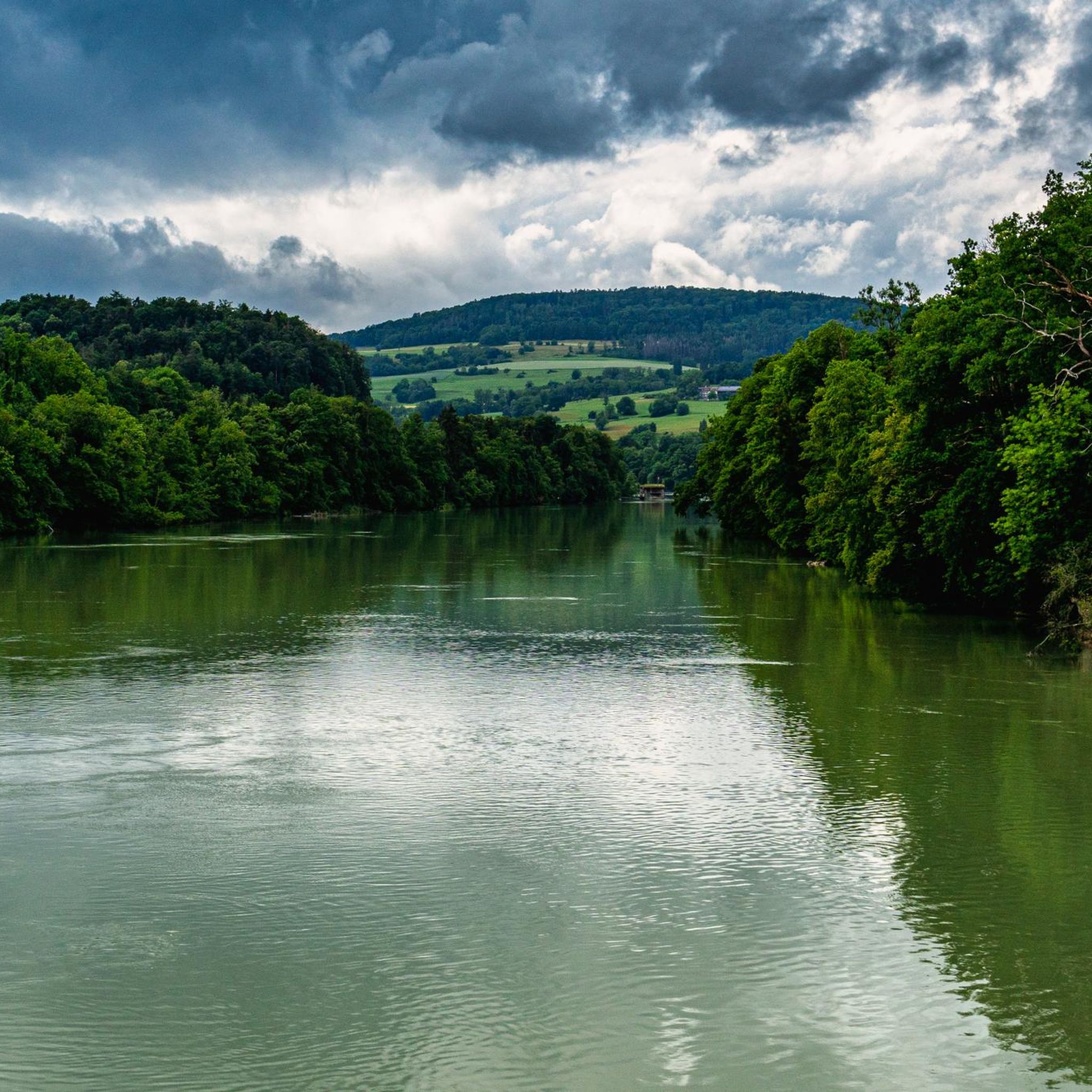
- The most popular mountain peaks is Upper Tower, Kaiserstuhl, a man-made monument that overlooks Kaiserstuhl. This 13th-century…
Last updated: August 25, 2026
Upper Tower (Roman Tower), Kaiserstuhl
Highlight • Monument
Translated by Google •
Tip by

Erdmannliloch
Highlight • Cave
Translated by Google •
Tip by

Sign up now to discover places like this
Get recommendations on the best single tracks, peaks, & plenty of other exciting outdoor places.
Sign up for free
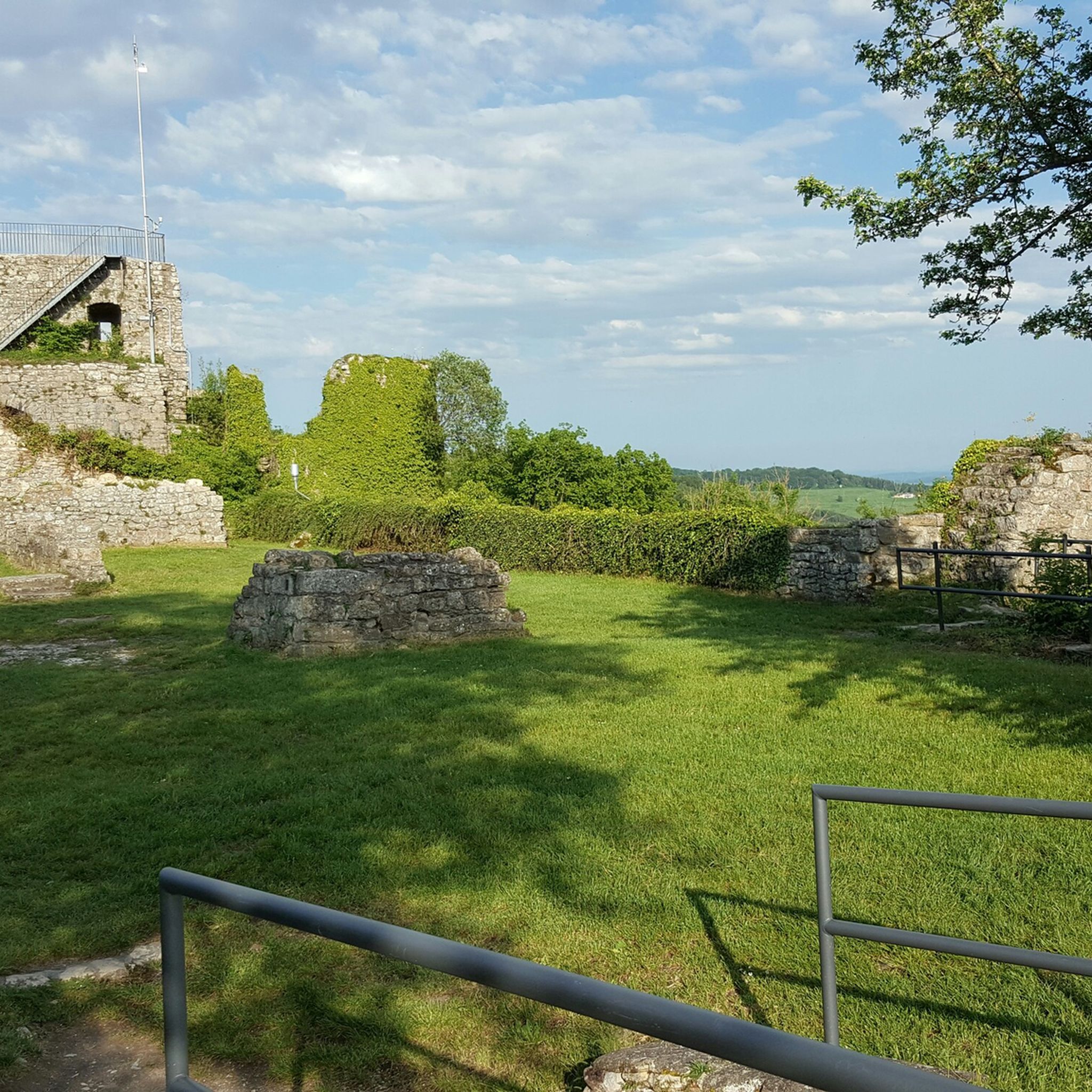
Rhinsberg Prehistoric Hillfort
Highlight • Historical Site
Translated by Google •
Tip by

Start today with a free account
Your next adventure awaits.
Login or Signup

Tips from the Community

Definitely worth a visit
0
1

A visit to the Erdmanndliloch is a MUST for bikers.
0
2

There is also a watchtower ruin on the Rhinsberg. It was used by the canton of Zurich until the 19th century, but today only the stone foundations can be seen.
0
0
Arriving at the foot of the Erdmanndliloch is already exhausting enough, climbing the Erdmanndliloch with your biker boots is also a breathtaking effort. Once you've done it😃😀😃
1
1
Without many words, the Erdmandli Loch is unique, in an impressive mystical nature
1
1

The Grottenburg Hohfluh, also Balmburg Hohfluh, on the map of Switzerland as Erdmännliloch, also Erdmannliloch, is the ruin of a medieval cave castle near Bachs in the canton of Zurich. It is the only known cave castle in the canton of Zurich (Wikipedia),
4
0

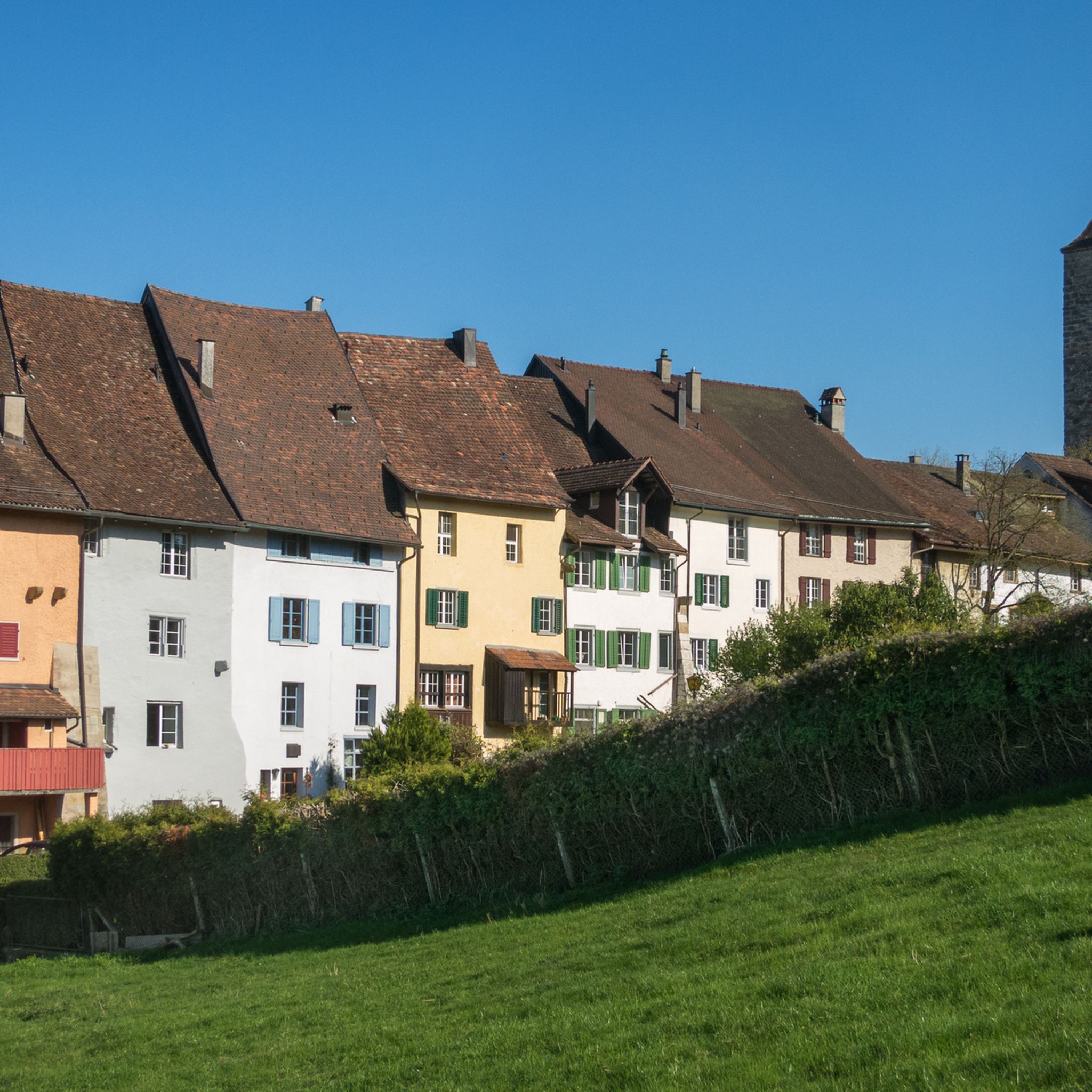
very nice border town on the Rein
0
1

A nice little medieval village which has an annual event with this theme. The crossing from Hohentengen am Hochrhein to Kaisersthul is asphalted with a very nice bridge crossing over from into Kaisersthul, however the short climb (5%) from the Rhine River up to the railway crossing is very busy with traffic on the weekend from Swiss shoppers in Germany. At the tope there is a very nice Restaurant Kreuz with large trees making the beergarden a very nice cool place for eating lunch, having a coffee or an evening beer. If your destination from this point is Zürich, continue straight ahead on the road to Bachs -> Dielsdorf which has little traffic and a very nice cycling path once the rather easy climb starts.
2
0
Frequently Asked Questions
What are some of the most notable mountain peaks and viewpoints in the Kaiserstuhl region?
The Kaiserstuhl region offers several prominent peaks and viewpoints. The highest point is Totenkopf, which provides extensive views over the Black Forest, Upper Rhine Valley, and Vosges mountains. Other significant peaks include Eichelspitze, known for its observation tower and insights into the region's volcanic history, and Katharinenberg, part of scenic high-altitude hikes. For panoramic vistas, Haselschacher Buck is a designated nature conservation area. Additionally, the Upper Tower, Kaiserstuhl offers a historical viewpoint, and View of Bad Zurzach from Hörndli provides views of the surrounding countryside, including the Rhine.
Are there family-friendly mountain trails around Kaiserstuhl?
Yes, the Kaiserstuhl region has options for families. A leisurely circular hike for families with children leads from the village of Endingen to the Katharinenkapelle on Katharinenberg. The Upper Tower, Kaiserstuhl is also categorized as family-friendly, offering an accessible historical site.
What unique natural features can I discover on the Kaiserstuhl peaks?
The Kaiserstuhl's volcanic origin and mild microclimate create a unique ecosystem. You can find diverse flora and fauna, including heat-loving animals like sand lizards and praying mantises, and over 30 species of wild orchids. The fertile loess soil, deposited during the Ice Age, supports renowned viticulture, with vineyards covering many slopes. Peaks like Haselschacher Buck are designated nature conservation areas, showcasing this distinctive biodiversity and geological significance.
What historical sites can be found near the Kaiserstuhl peaks?
The region has several historical points of interest. The Upper Tower, Kaiserstuhl is a 13th-century structure and the only remaining part of original fortifications. The Totenkopf itself has historical significance, named from the Middle Ages when it served as a place of execution. Additionally, Erdmannliloch is an enigmatic Nagelfluh cave believed to have been a grotto castle in the Middle Ages, and the Rhinsberg Prehistoric Hillfort is a late Bronze Age hill fort.
What is the best time of year to visit the Kaiserstuhl mountains for hiking?
The Kaiserstuhl region benefits from a unique and mild microclimate, often described as Mediterranean. This makes it pleasant for hiking for much of the year. Spring and autumn are particularly recommended for enjoying the blooming orchids and vineyards, or the vibrant fall colors, respectively, while avoiding the peak summer heat.
Are there opportunities for mountain biking near the Kaiserstuhl peaks?
Yes, the Kaiserstuhl area offers various mountain biking opportunities. You can explore trails such as the 'Weiacher Höhe – Alter Züriweg Trail loop from Kaiserstuhl' or the 'Flowy Singletrack Trail – Hohentengen Water Treading Spot loop from Kaiserstuhl'. For more options, check out the dedicated guide to MTB Trails around Kaiserstuhl.
What kind of hiking trails are available around Kaiserstuhl?
The Kaiserstuhl region features a network of hiking trails, including the well-known Kaiserstuhl Trail and various themed paths. You can find routes ranging from easy to moderate difficulty. Examples include the 'Weißwasserstelz Castle Ruins – View of the Rhine Valley loop from Hohentengen am Hochrhein' and the 'Upper Tower Kaiserstuhl – Kaiserstuhl loop from Kaiserstuhl'. For a comprehensive list, refer to the Hiking around Kaiserstuhl guide.
What do visitors particularly enjoy about the Kaiserstuhl peaks?
Visitors frequently appreciate the stunning panoramic views from peaks like Totenkopf and Eichelspitze, which extend across the Black Forest, Rhine Valley, and even to the Vosges mountains. The unique volcanic landscape, the mild microclimate, and the rich viticultural scenery are also highly valued. The combination of geological interest, diverse biodiversity, and the cultural landscape shaped by wine production makes the area a rewarding destination.
Can I find running trails near the Kaiserstuhl peaks?
Yes, there are several running trails in the vicinity of the Kaiserstuhl peaks. Options include the 'Kaiserstuhl Castle and Bridge – Kaiserstuhl loop from Hohentengen am Hochrhein' and shorter routes like the 'Pathway Along the Rhine loop from Hohentengen am Hochrhein'. You can find more details and routes in the guide for Running Trails around Kaiserstuhl.
Which peak is the highest in the Kaiserstuhl region?
The highest point in the Kaiserstuhl region is Totenkopf, standing at 556.6 meters. It is a popular destination for its extensive views and features an observation tower.
Are there any caves to explore in the Kaiserstuhl area?
Yes, the Kaiserstuhl region is home to Erdmannliloch, an enigmatic Nagelfluh cave near Bachs. It is known for its historical significance, believed to have been a grotto castle in the Middle Ages.
What is the significance of the Kaiserstuhl's volcanic origin?
The Kaiserstuhl's volcanic origin is crucial to its unique character. It created the distinctive geological formations and contributed to the region's mild microclimate, often compared to the Mediterranean. This climate, combined with fertile loess soil, supports a rich biodiversity and makes the area ideal for viticulture, shaping both its natural and cultural landscape.
Most popular routes around Kaiserstuhl
Most popular attractions around Kaiserstuhl

Get inspired with the komoot mobile app


Explore more
See even more amazing summits around Kaiserstuhl with these guides:
