Top 20 Caves around Puchberg am Schneeberg
Best caves around Puchberg am Schneeberg are situated in Lower Austria, a region characterized by its mountainous terrain and natural features. The area offers access to various caves, ranging from well-documented show caves to informal natural attractions. These geological formations provide insights into natural history and offer diverse exploration opportunities for visitors. The landscape around Puchberg am Schneeberg is defined by its alpine environment, making it a destination for outdoor activities.
Best caves around Puchberg am Schneeberg
- The most popular caves is Einhornhöhle (Unicorn Cave), a cave that offers guided tours to admire stalactites, stalagmites, and evidence of cave bears. It is open on Sundays and public holidays from Easter to the end of September.
- Another must-see spot is Frauenluckensteig (Hohe Wand), a challenging via ferrata that includes a vertical cave shaft. Visitors can expect to navigate an iron ladder through a 15 m high cave passage.
- Visitors also love Raxeishöhle Ice Cave, a cave known for its icy formations. This natural monument is special for its ice spectacle and historical use as a refuge.
- Puchberg am Schneeberg is known for ice caves, historical refuge caves, and caves integrated into climbing routes. The region offers a variety of caves to see and explore, from natural ice formations to archaeologically significant sites.
- The caves around Puchberg am Schneeberg are appreciated by the komoot community, with more than 100 photos and over 120 upvotes shared by users.
Last updated: July 1, 2026
Einhornhöhle (Unicorn Cave)
Highlight • Cave
More information is available at wieneralpen.at/urlaubszielen-in-den-wiener-alpen-discoveren/a-einhorn-tropfsteinhoehle.
Translated by Google •
Tip by

Frauenluckensteig (Hohe Wand)
Highlight • Climb
The steep entry wall (blue arrow) is overcome with the help of iron clamps and braces (B). Then follow a crossing (A) to the left for entry into the cave shaft. There is also the climbing book. A vertical, approximately 15 m high iron ladder (B) now leads through the shaft to the exit hole (B).
Iron ladder, treads, treads
Rock heavily smoothed in places
Approach to the wall:
From the sundial parking lot, follow the climbing lanes over the meadow to the Wandfußsteig. From there over the green marked Völlerin up to a striking slip-through. Shortly thereafter a trail branches off to the left, which soon leads to the entrance of the Frauenluckensteig.
Translated by Google •
Tip by
Sign up now to discover places like this
Get recommendations on the best single tracks, peaks, & plenty of other exciting outdoor places.
Sign up for free
Raxeishöhle Ice Cave
Highlight • Cave
Translated by Google •
Tip by
Wildenauersteig, Hohe Wand
Highlight • Climb
Tip:
In addition to the via ferrata equipment, take a sling + carabiner to secure the backpack in the cave. Ibex sightings are possible.
Source: alpenvereinaktiv.com/mobile/de/tour/wildenauersteig-d-/118759336
Translated by Google •
Tip by

Herrengrotte Cave
Highlight • Cave
During the siege of Vienna in 1529, Janissary troops, marauding volunteers, who plundered in a wide area, also visited Schwarzau, it is known that the inhabitants had taken refuge in the surrounding forests. The place and church were burned, but the invasion did not demand sacrifices.
Archaeological excavations in the cave have confirmed that the manor hole was used during this period. It may have been a more elaborate defense posture, along with the nearby Piper Hole, and the wives and children will probably have been placed further up in the women's hole.
Source: Wikipedia
Translated by Google •
Tip by
Sign up for free to discover even more caves around Puchberg am Schneeberg.
Sign up for free
Already have an account?
Start today with a free account
Your next adventure awaits.
Login or Signup
Popular around Puchberg am Schneeberg
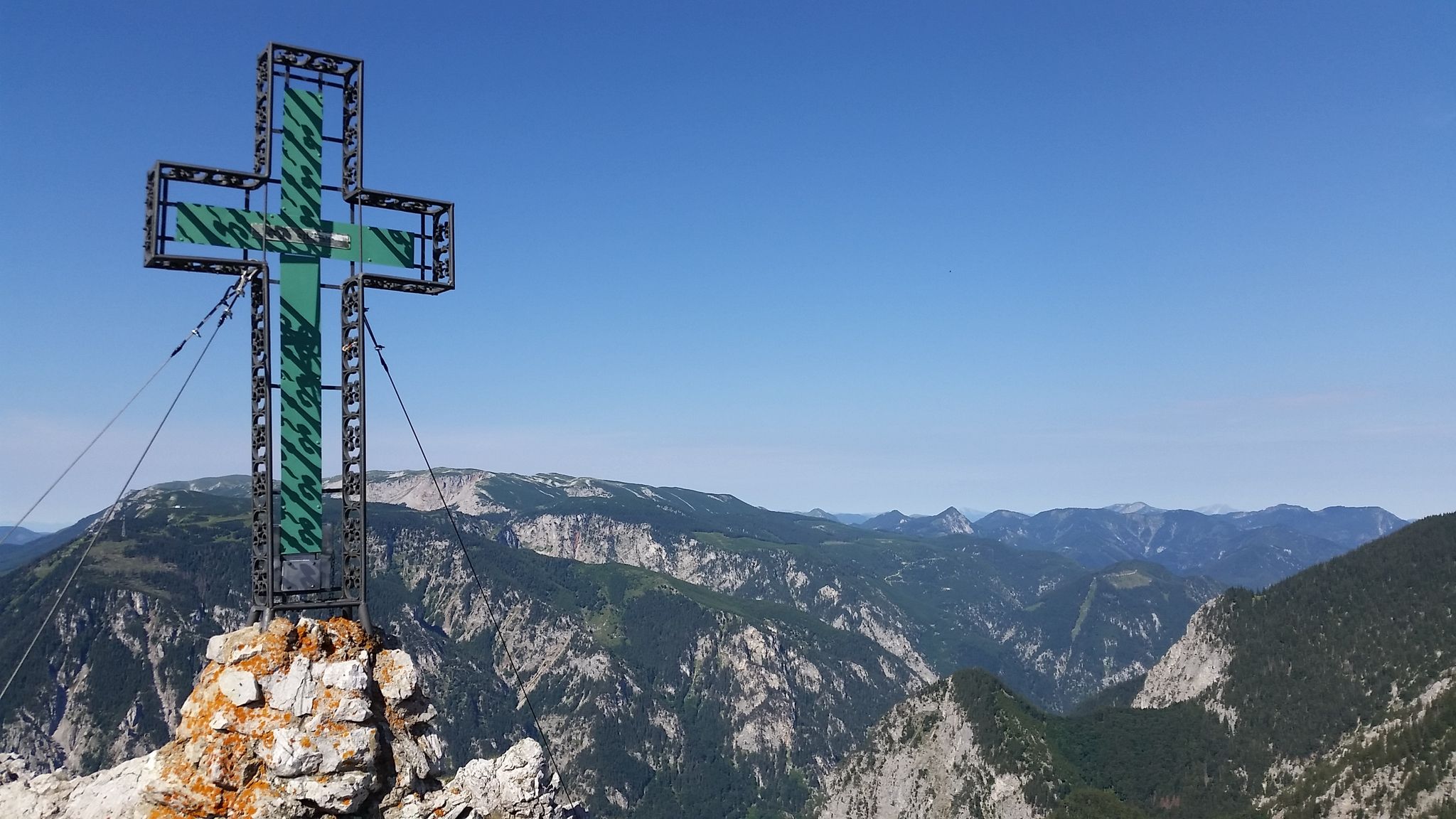
Viennese Alpenbogen – Lower Austria's most beautiful peaks
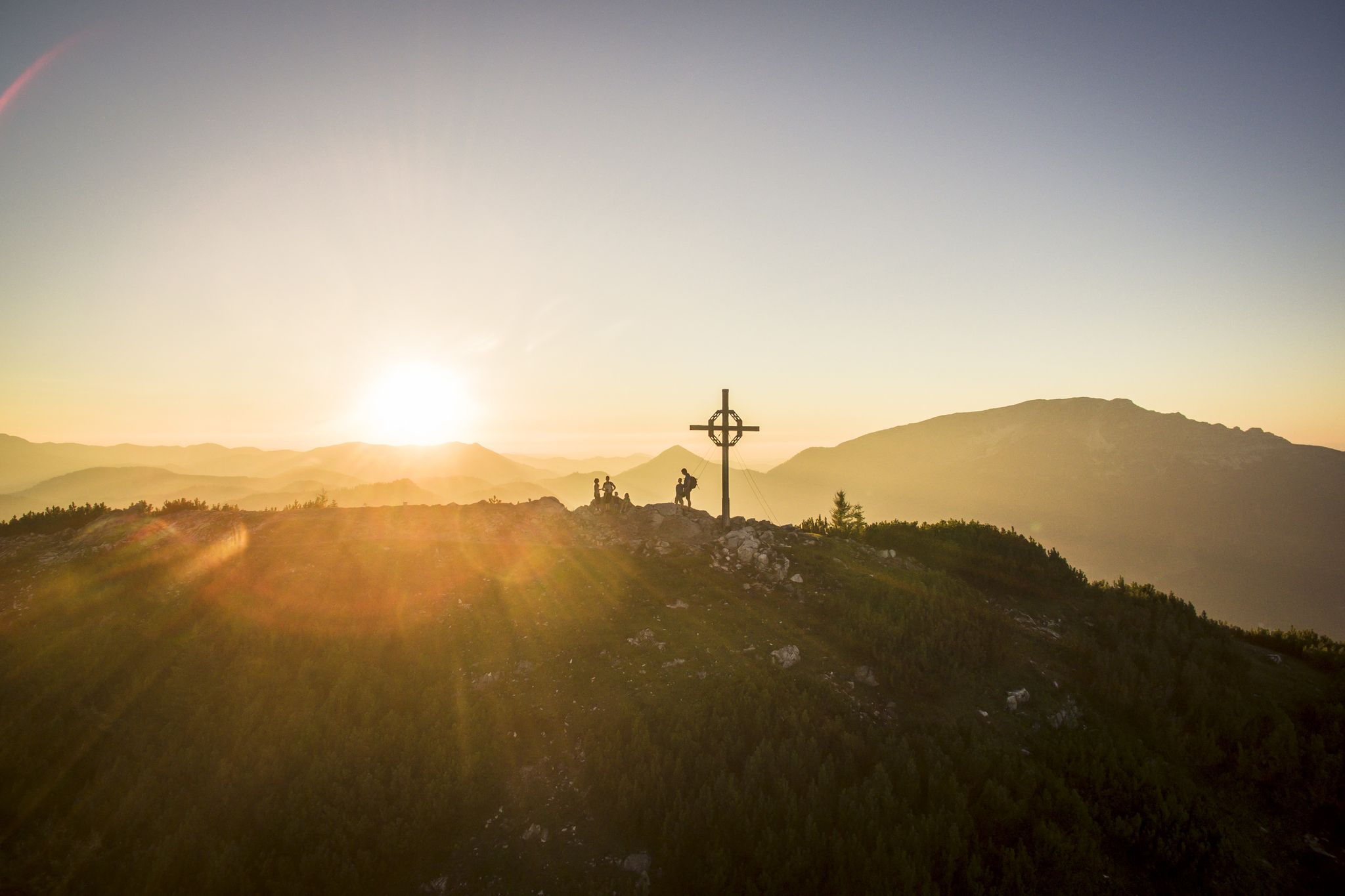
Hiking with a view – certified hiking villages in Lower Austria
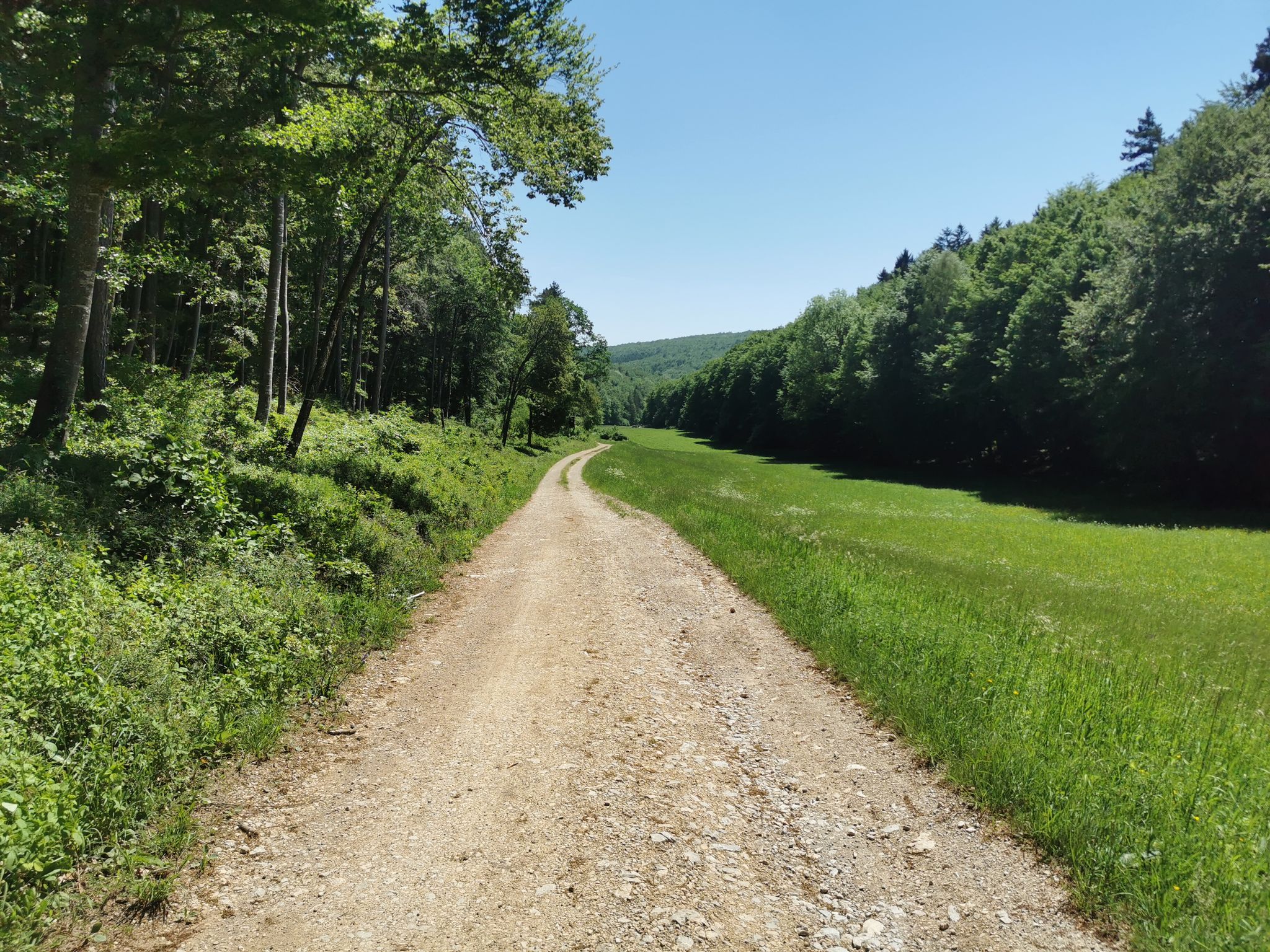
Hills and valleys – gravel bike tours in the Vienna Woods
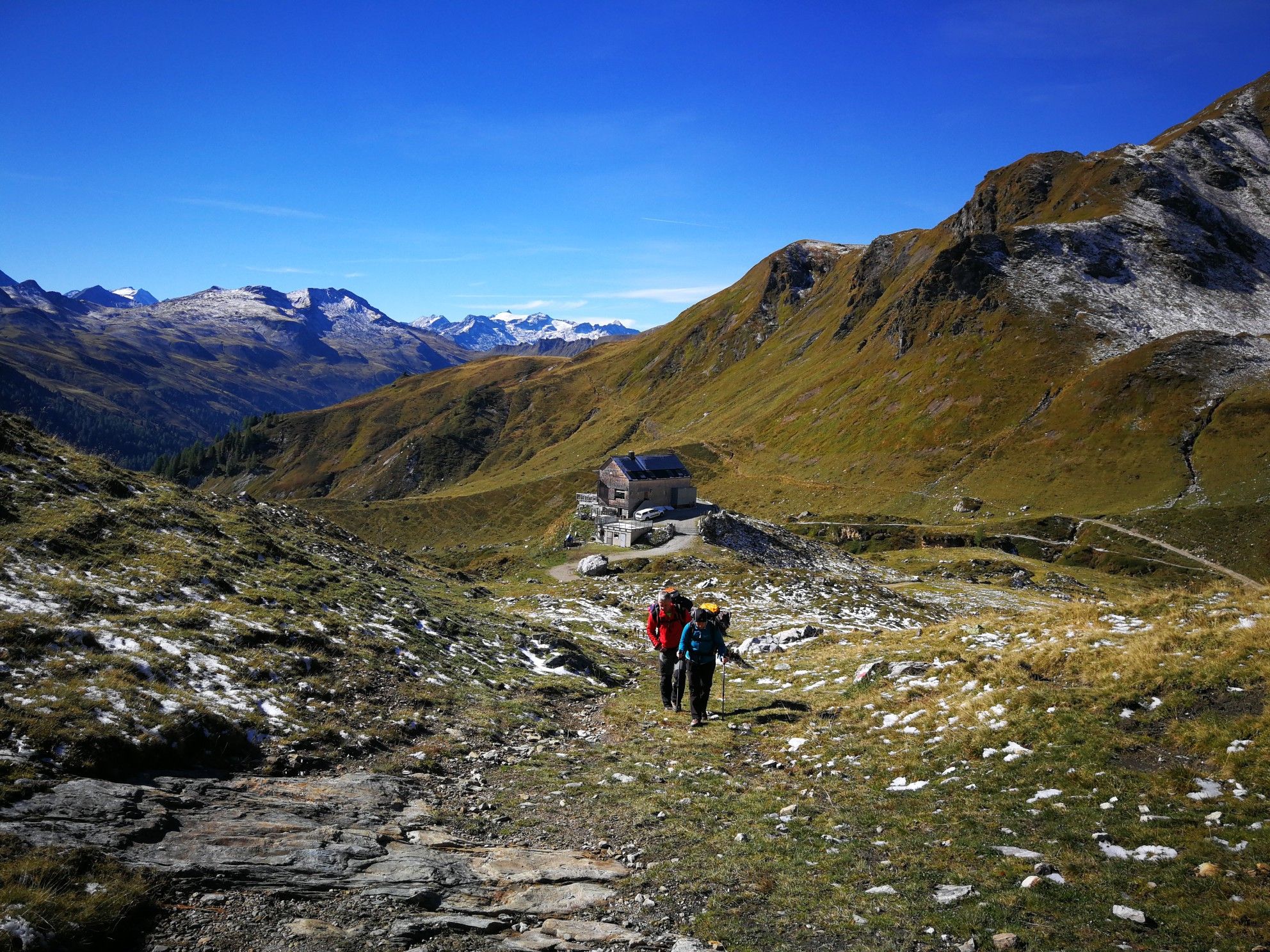
Lower Austria to Carinthia — our favourite huts in Austria
Alpine hiking on Vienna’s doorstep – Rax-Schneeberg Group Mountains
An alpine adventure – from east to west through Austria
Out of town, up the mountain – Vienna's backyard
Hut fun in Austria’s Schneebergland
Family adventures in Vienna's local mountains

Ride & Relax – Mit dem Rad in den Wiener Alpen
Other adventures around Puchberg am Schneeberg


Tips from the Community

The cave was discovered in 1927 by Otto Langer sen. and opened as a show cave in 1930. During World War II, the cave served as a place of refuge. In 1958, it was accessible again as a show cave. In 1964, the installations were modernized by Otto Langer jun.
0
0

The Unicorn Cave was closed and locked with a gate.
4
0

I definitely recommend visiting Raxeishöhle. Usually, there is snow in the cave, and if you are lucky, you would be able to see beautiful icicles. When I was there (in the middle of June), the cave floor was covered by ice, so I decided not to go further into the cave. I would also recommend bringing a flashlight.
2
0
I definitely recommend visiting Raxeishöhle. Usually, there is snow in the cave, and if you are lucky, you would be able to see beautiful icicles. When I was there (in the middle of June), the cave floor was covered by ice, so I decided not to go further into the cave.
1
0

great for a hiking trip from the Dreistetten castle ruins
0
0

Slings and carabiners are only recommended for the backpack/cave
0
0

Short detour to the men's grotto, if you are sure-footed, you can walk from there to the women's cave
0
1

The Wildenauersteig (D, 1+) on the Hohe Wand is an old, classic via ferrata that works almost entirely without steel cable insurance. It is secured so well with iron clamps that you can also use these climbing aids to secure it with the via ferrata set. The climb is impressive because of its steepness and the spectacular vertical cave, the exit of which you can only squeeze through with your backpack removed. In terms of landscape, this climb is an experience and much less traveled than the mountain club via ferrata that runs parallel to it. Tip: In addition to the via ferrata equipment, take a sling + carabiner to secure the backpack in the cave. Ibex sightings are possible. Source: https://www.alpenvereinaktiv.com/mobile/de/tour/wildenauersteig-d-/118759336/
1
0
Frequently Asked Questions
What unique historical caves can I explore around Puchberg am Schneeberg?
The region offers several caves with rich history. The Herrengrotte Cave and Raxeishöhle Ice Cave both served as refuge sites during the 1529 siege of Vienna. Additionally, Windloch Cave (specifically Windloch IV) is notable for its archaeological importance, with finds from the Urnfield, Hallstatt, and La Tène periods, including human remains.
Are there any ice caves near Puchberg am Schneeberg?
Yes, the Raxeishöhle Ice Cave is a natural monument known for its icy formations and beautiful icicles, especially earlier in the season. It's a natural cave that offers an adventurous, self-guided experience.
What should I wear or bring when visiting natural caves in the area?
When visiting natural caves like the Raxeishöhle, it's advisable to wear sturdy footwear and dress warmly, as cave temperatures are consistently cool. A reliable light source, such as a flashlight, is also recommended, as the floor can be icy and visibility low.
Are there any caves that are part of climbing routes or via ferratas?
Yes, the region features caves integrated into climbing routes. The Frauenluckensteig (Hohe Wand) is a challenging via ferrata that includes a 15-meter high vertical cave shaft. Another option is the Wildenauersteig, Hohe Wand, which features a spectacular vertical cave that requires removing your backpack to squeeze through.
Can I visit a show cave with guided tours?
Yes, the Einhornhöhle (Unicorn Cave) offers guided tours where you can admire stalactites, stalagmites, and evidence of cave bears. It is typically open on Sundays and public holidays from Easter to the end of September.
What kind of wildlife might I encounter near the caves?
Near the Raxeishöhle Ice Cave and the Wildenauersteig, there's a chance of spotting ibex in the vicinity.
Are there hiking opportunities near the caves around Puchberg am Schneeberg?
Absolutely. Many caves are accessible via hiking trails. You can find numerous routes in the area, including those suitable for Hiking around Puchberg am Schneeberg and more challenging Mountain Hikes.
What other outdoor activities are available near these caves?
Beyond hiking and caving, the region offers various outdoor activities. You can explore gravel biking routes, with options like the Schneeberg Round or tours that pass by features like the Haselrast Crucifix and Cave.
Are there any less formal or more adventurous natural cave features to discover?
While detailed information is limited, geological features like Saugrabenhöhle and Ovales Loch are noted as cave entrances on various hiking routes. These are generally considered minor natural features encountered during hikes rather than primary destinations for extensive cave exploration.
What is the best time of year to visit the caves?
The Einhornhöhle (Unicorn Cave) is open from Easter to the end of September. For natural caves like the Raxeishöhle Ice Cave, earlier in the season might offer more prominent ice formations. Always check specific opening times for managed caves and be prepared for cooler temperatures inside any cave, regardless of the season.
Do I need a guide for visiting these caves?
For managed caves like the Einhornhöhle (Unicorn Cave), guided tours are part of the experience. For more challenging or less-documented natural caves, considering a local guide or informing someone of your plans is always a good idea for safety.
Most popular routes around Puchberg am Schneeberg
Most popular attractions around Puchberg am Schneeberg

Get inspired with the komoot mobile app


Explore more
Extend your search for the best caves by checking out these guides of the top ones around Puchberg am Schneeberg:
