Top 12 Caves around Bezirk Mödling
Best caves around Bezirk Mödling, located in Lower Austria, offers a diverse landscape characterized by the Vienna Woods and various natural formations. The region is known for its geological features, including several intriguing caves and grottoes. These natural sites provide opportunities for exploration and are often integrated into hiking trails. The area combines natural beauty with historical significance, particularly evident in its most prominent cave.
Best caves around Bezirk Mödling
- The most popular caves is Seegrotte Hinterbrühl – Europe's Largest Underground Lake, a lake and cave that is a disused gypsum mine. It is notable for housing Europe's largest underground lake, covering 6200 square meters, and offers boat rides 60 meters below the surface.
- Another must-see spot is Höllensteinlucke Cave, a cave in Lower Austria. This cave is situated near Höllensteinberg and is known to hikers as a potential resting place or shelter.
- Visitors also love Dreidärrischen Cave, a cave with a length of about 230 meters. It is the largest cave in the Wienerwald and serves as a sanctuary for species such as bats.
- Bezirk Mödling is known for disused gypsum mines, small rock grottoes, and larger cave systems. The variety of caves to see and explore ranges from easily accessible show mines to more secluded natural formations often found along hiking routes.
- The caves around Bezirk Mödling are appreciated by the komoot community, with more than 400 upvotes and over 160 photos shared across 12 highlights.
Last updated: October 11, 2026
Matterhörndl
Highlight • Natural Monument
Translated by Google •
Tip by

Perchtoldsdorf Forest Shrine
Highlight • Religious Site
Translated by Google •
Tip by

Sign up now to discover places like this
Get recommendations on the best single tracks, peaks, & plenty of other exciting outdoor places.
Höllensteinlucke Cave
Highlight • Cave
Translated by Google •
Tip by

Seegrotte Hinterbrühl – Europe's Largest Underground Lake
Highlight • Lake
Translated by Google •
Tip by

Mariengrotte Hinterbrühl
Highlight • Cave
Translated by Google •
Tip by
Siebenbrunnengraben Trail
Highlight • Trail
Overall a speedy flow trail, probably not very common, be careful at the end because the passage is blocked.
Enjoy!
Tip by

Frauenstein Cave
Highlight • Cave
Translated by Google •
Tip by
Dreidärrischen Cave
Highlight • Cave
Showing Translation
Tip by

Cave and Bouldering Area
Highlight • Cave
Translated by Google •
Tip by
Höldrichsmühle – Franz Schubert Memorial
Highlight • Historical Site
on June 23, 1995 😊👍
Translated by Google •
Tip by
Sign up for free to discover even more caves around Bezirk Mödling.
Already have an account?
Start today with a free account
Your next adventure awaits.
Popular around Bezirk Mödling
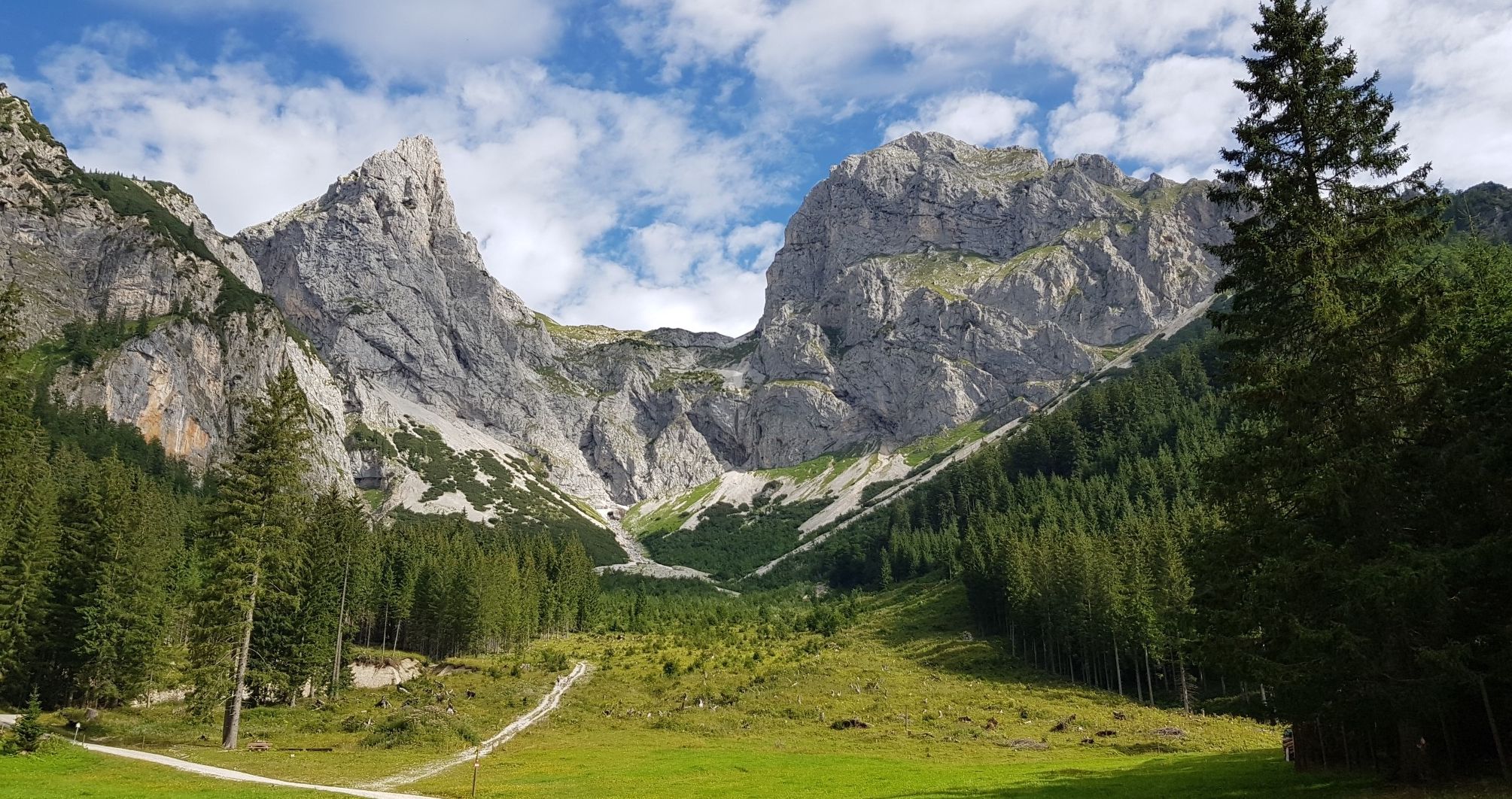
North Alpine Trail 01 – Hike across Austria in 49 days
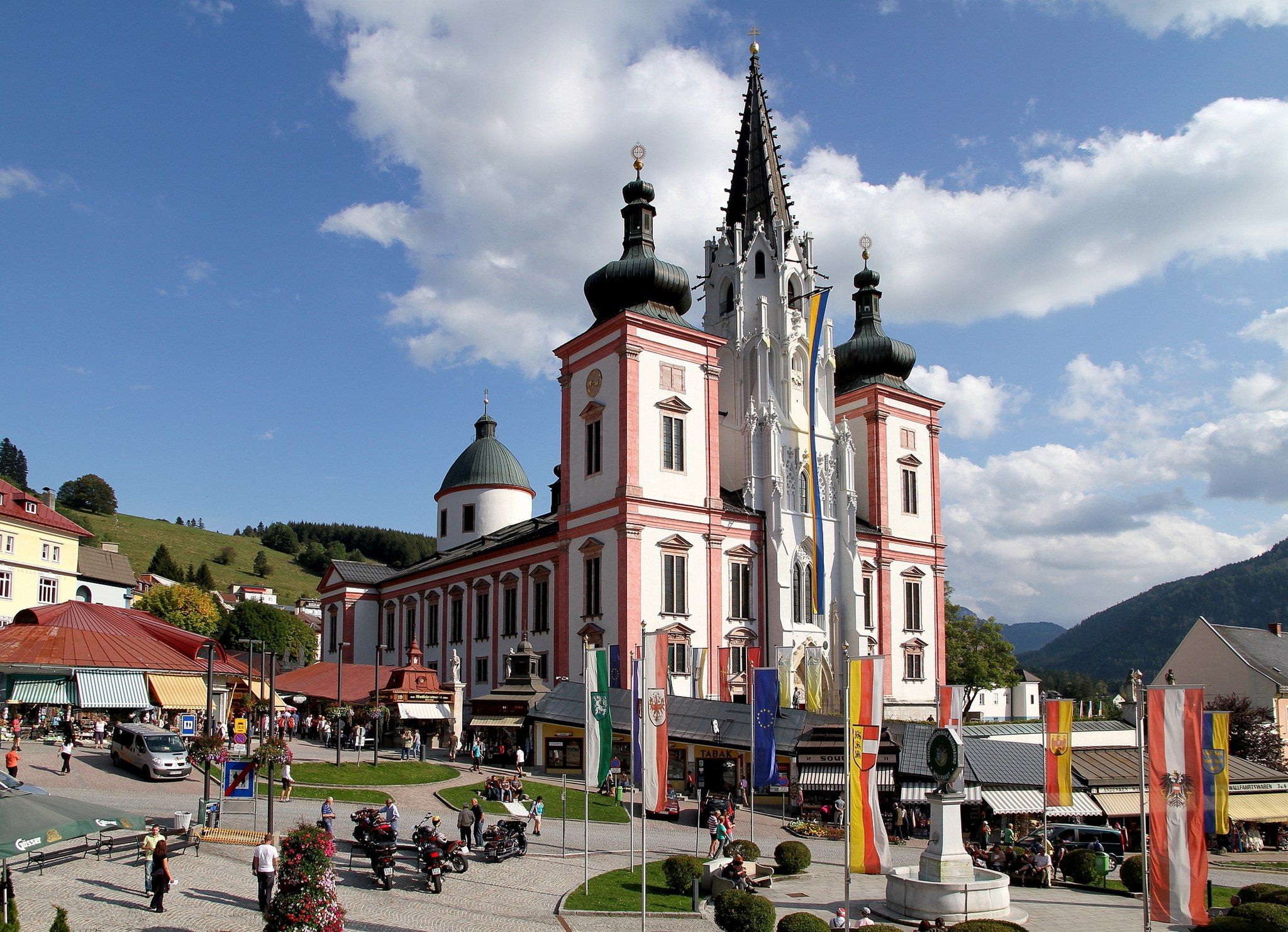
Wiener Wallfahrerweg 06 – A pilgrimage through Lower Austria
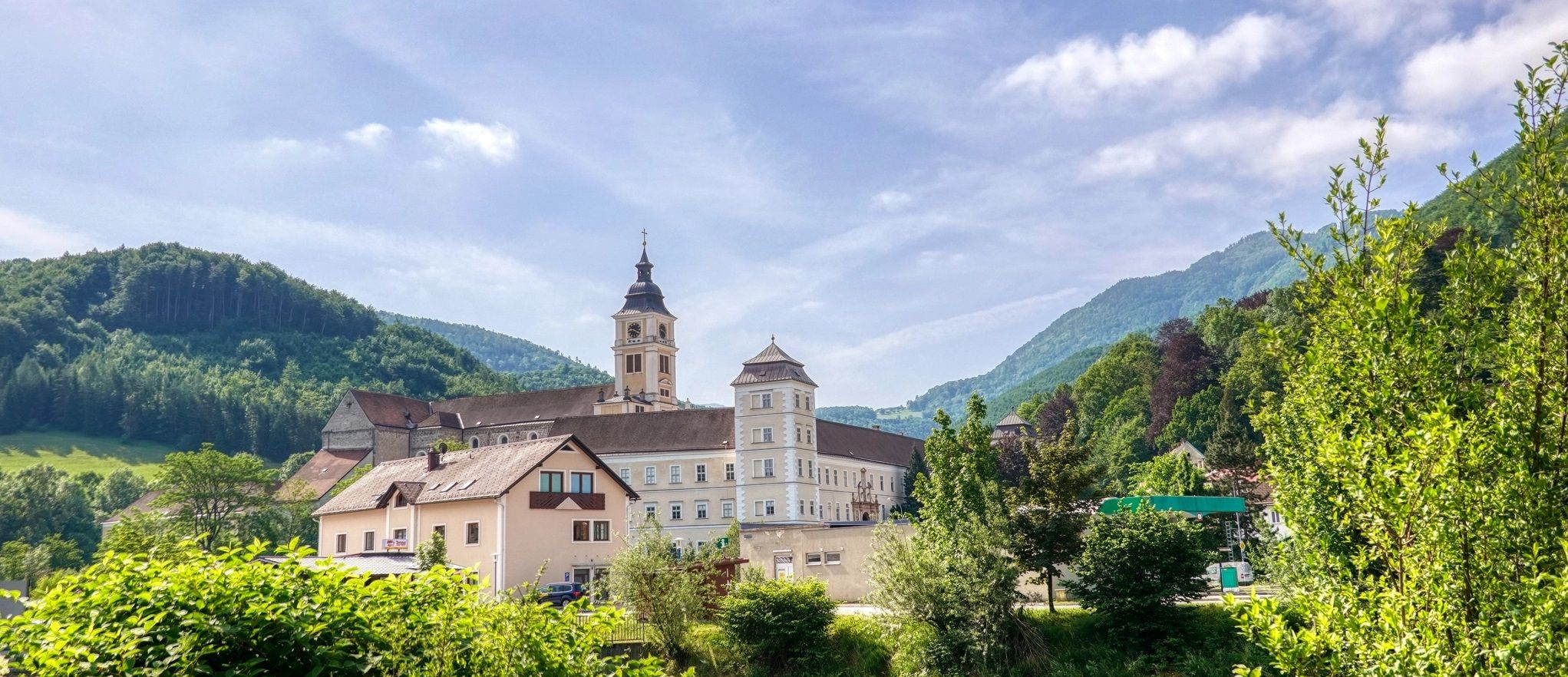
Via Sacra – hiking along holy paths from Vienna to Mariazell
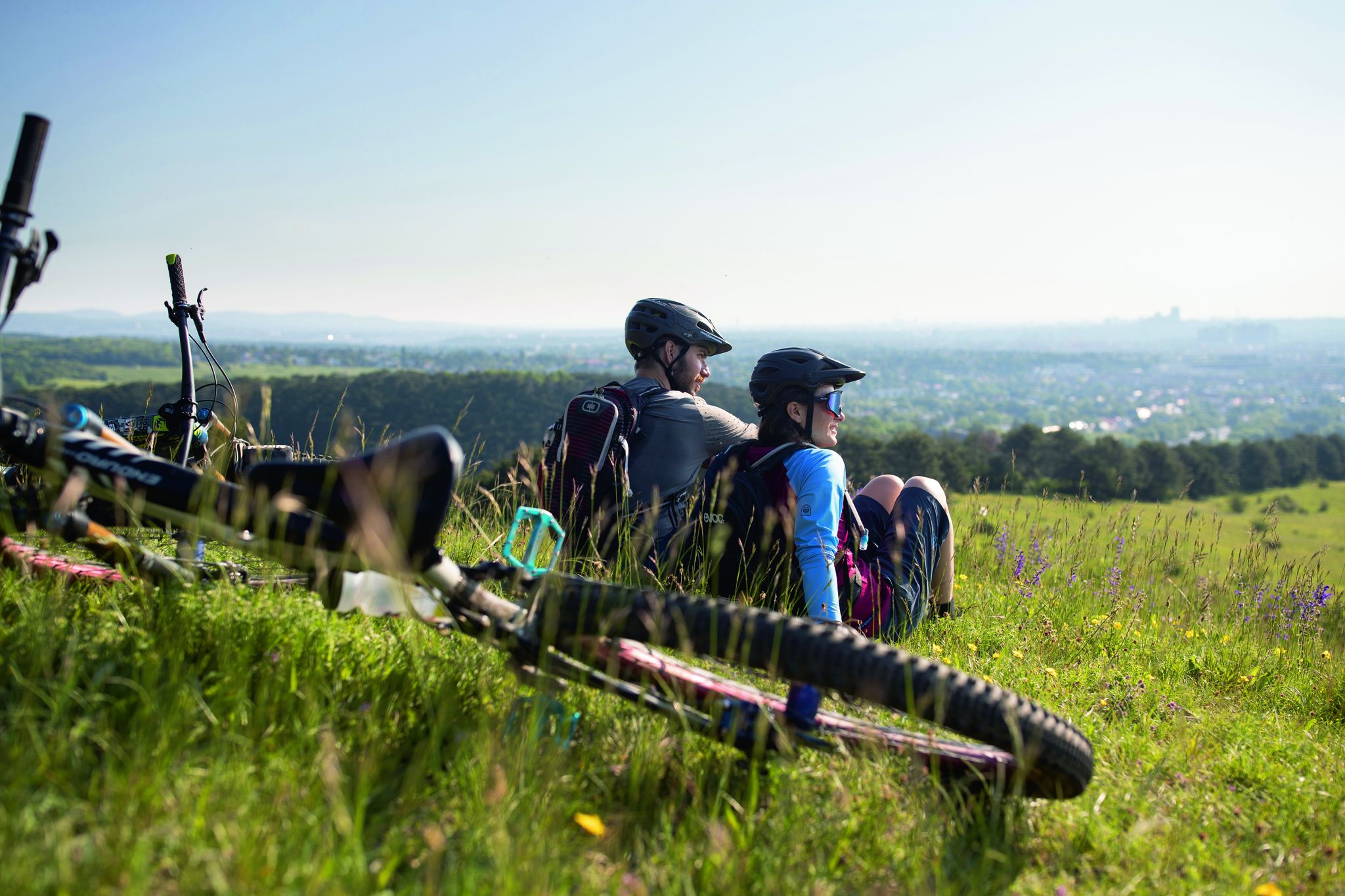
Fun, flow and elevation gain – MTB trails in the Vienna Woods
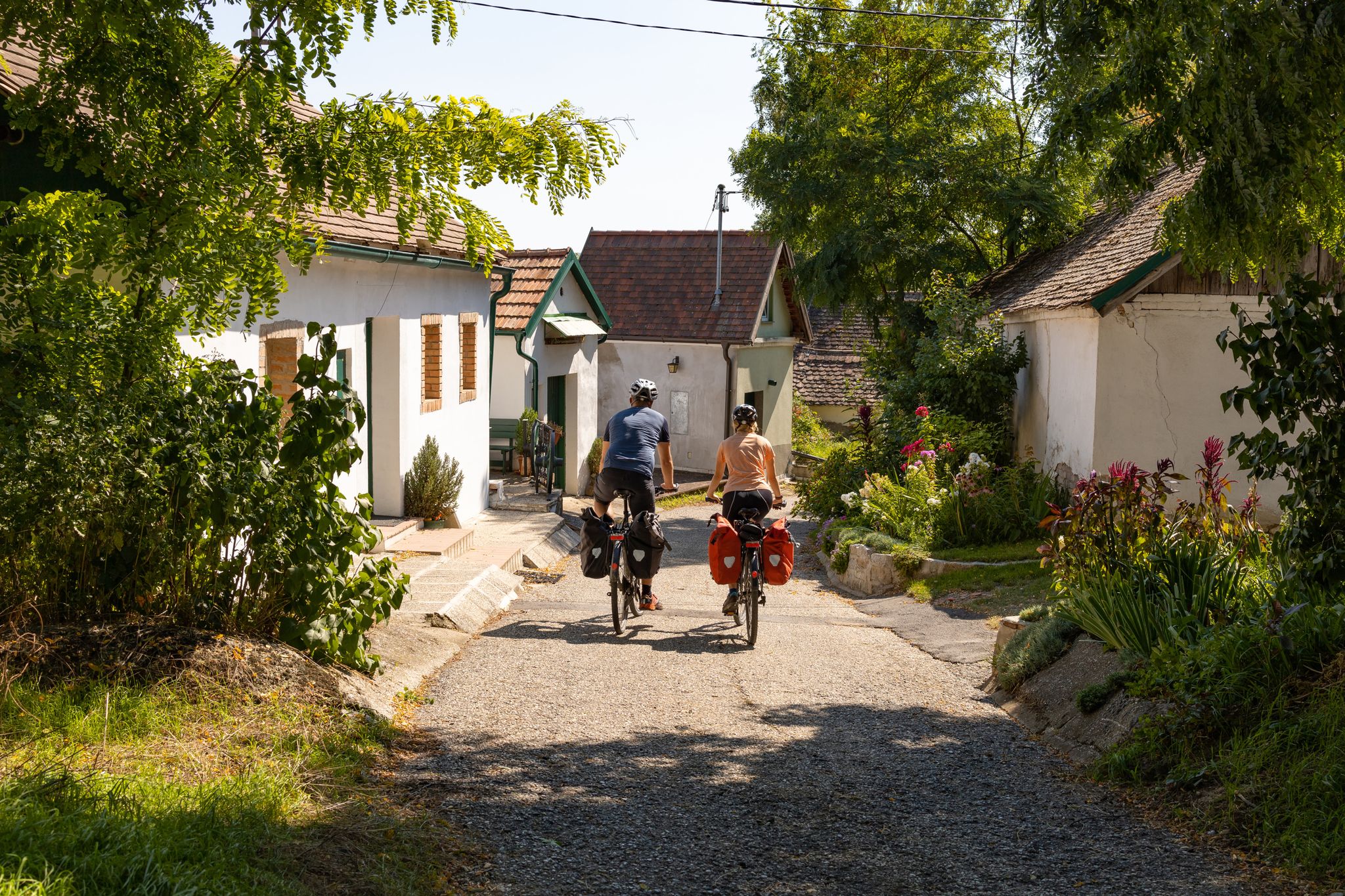
The most beautiful bike discovery Tours in Lower Austria
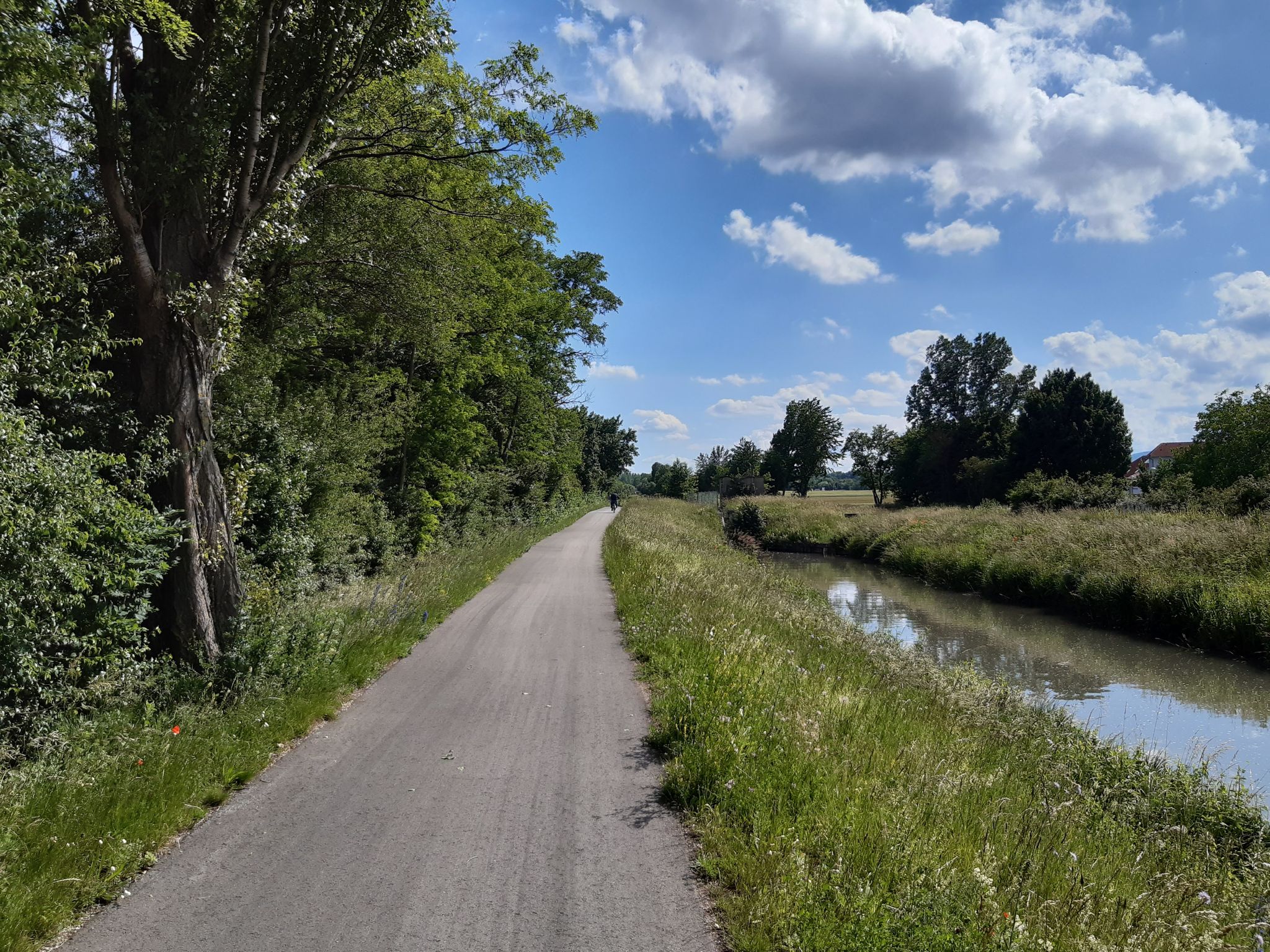
Culture, wine and spas south of Vienna – Thermenradweg
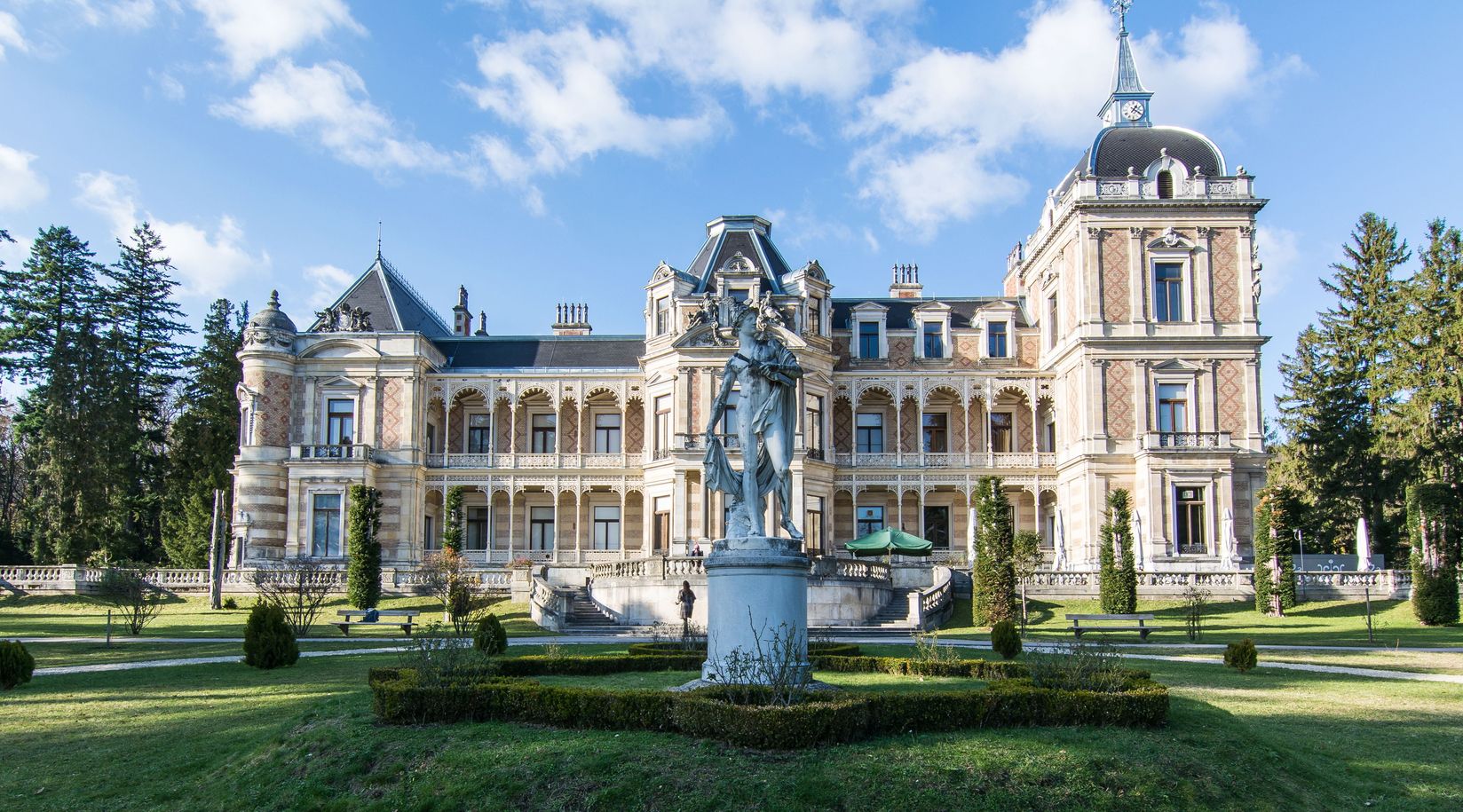
Architecture & Nature — magnificent buildings around Vienna
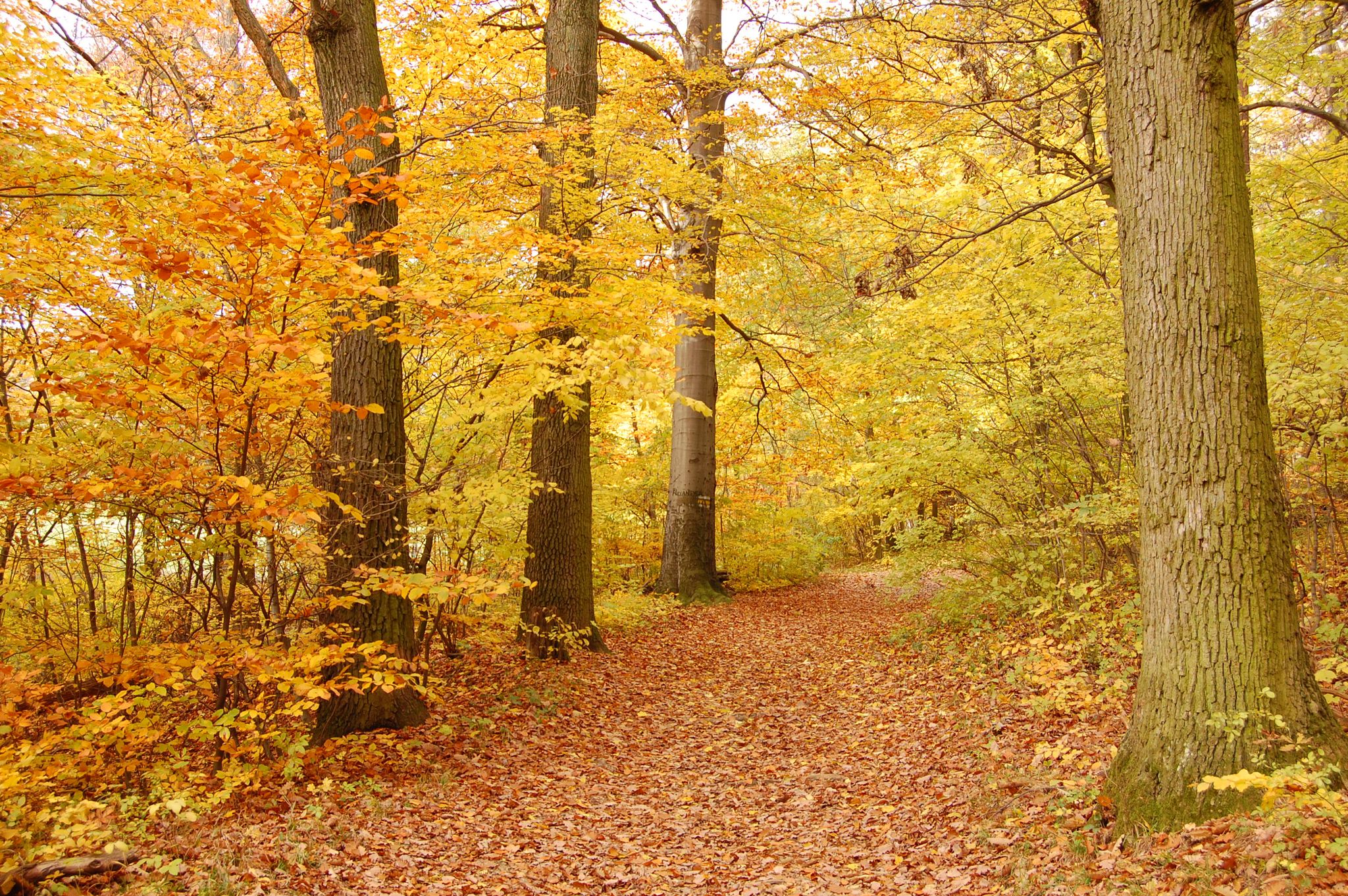
Fantastic autumn hikes in Vienna
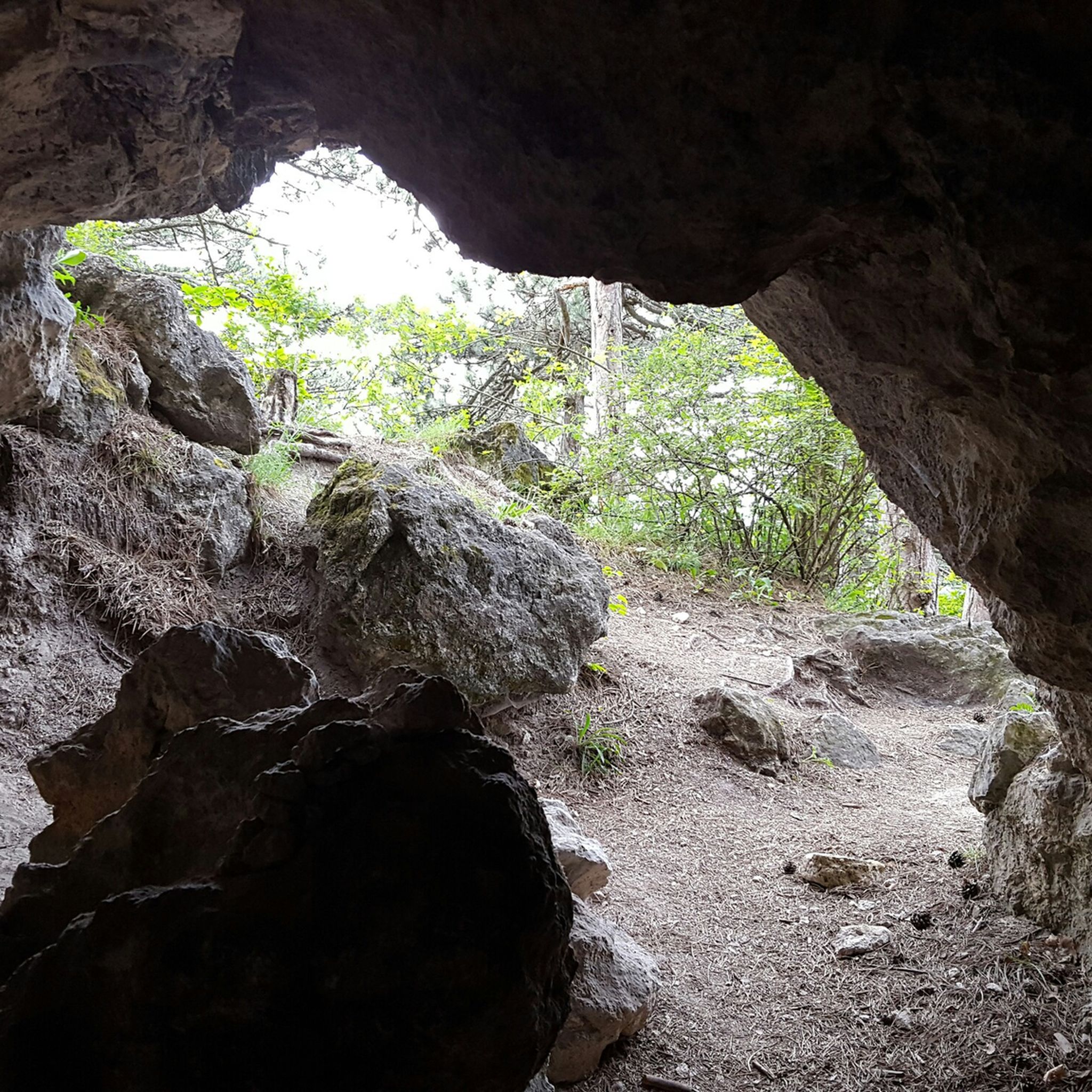
Hiking around Bezirk Mödling
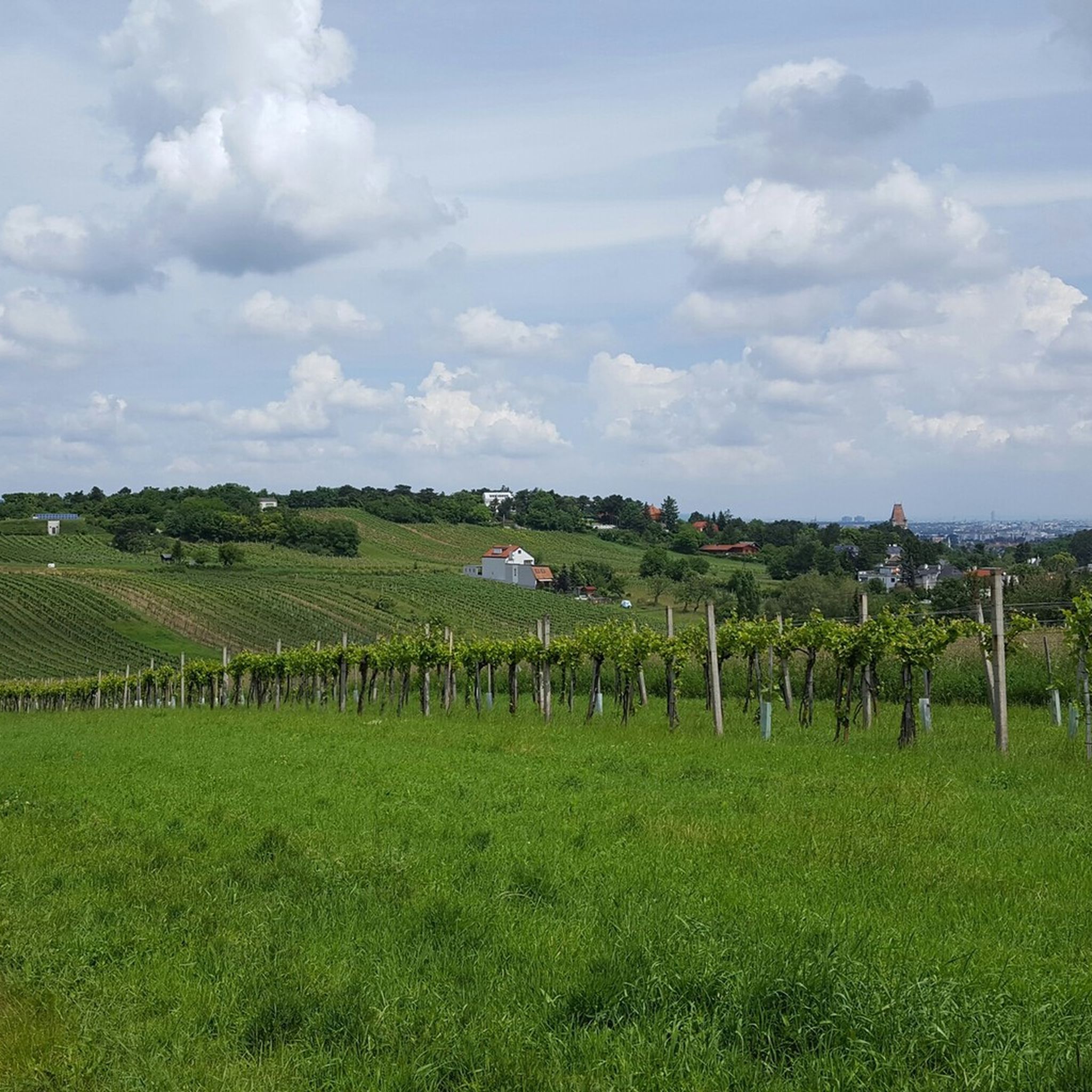
MTB Trails around Bezirk Mödling
Other adventures around Bezirk Mödling


Tips from the Community

Definitely go in if you are in the area. The staff is great. Admission is 18 Euros and definitely worth it. The boat trip is, of course, the absolute highlight. More info on opening hours etc. can be found here: http://seegrotte.at/ The parking spaces are free
3
0

Höllensteinlucke: Best viewed from the hiking trail. Luckily there are 4 routes
1
0
First, you walk through a low tunnel far into the mountain, where you are finally given a detailed explanation of the working conditions in former times and what happened in the tunnel during the Second World War, including the construction of the first fighter jet. After the mine tour, you continue a bit further down to the largest underground lake in Europe, where you take a short boat trip. The lake is very clear, the air is great, and the lighting is also very beautiful to look at. We went to the Seegrotte purely by chance and were lucky enough to get a private tour, as apparently no one else wanted to visit the grotto at lunchtime. Our guide was very nice, explained everything in great detail, and in the end, we were even allowed to do two laps on the lake.
2
0
There was also a collapse long before 1980. Since then, the cave has been considered prone to collapse. Many rock debris lie in the artificially created entrance tunnel.
2
0
The Grotto of Mary is located on a forest clearing below ground level, the entrance is secured with posts or a small concrete wall, the interior of the grotto is largely natural. At the entrance there is a small table and a seat, a small bell can be rung by pulling a cord. On the right side of the grotto is a painted statue of the Virgin Mary, modeled after Gothic madonnas, protected above the entrance by a wooden gable roof, a carved, unframed figure of the Virgin Mary in the style of the mantle madonnas.
1
0

The forest chapel near Perchtoldsdorf is a quiet place of worship in the woods, framed by trees and simple seating – ideal for a short, peaceful break. Here you can pause, listen to the wind in the treetops, and leave the hustle and bustle of everyday life behind for a few minutes. An atmospheric, easily accessible place of power along your Vienna Woods hike.
4
0

Höllensteinlucke – the breather for altitude heroes 😅 Are you on your way to the Höllensteinhaus, panting like a broken vacuum cleaner and wondering if you're lost? Don't worry – you've arrived at the Höllensteinlucke! 🎉 This legendary "lucke" isn't a magical portal, but simply a small cut in the terrain – but for tired hiking legs, it feels like a gift from the Vienna Woods. 🌲✨ Here you can take a short breather, question your existence, and mentally prepare for the final climb. Because from here on, things get tough again – but hey, you're not here for fun. Or are you? 😄
11
1
The Perchtoldsdorf forest prayer service is an idyllic place of peace and contemplation in the Vienna Woods.
3
0
Frequently Asked Questions
What makes the Seegrotte Hinterbrühl a unique cave to visit?
The Seegrotte Hinterbrühl is a disused gypsum mine that houses Europe's largest underground lake, covering 6,200 square meters. Visitors can take unique boat rides across the lake, 60 meters below the surface. It also has historical significance, having been used as an underground factory during World War II.
Are there other notable caves in Bezirk Mödling besides Seegrotte Hinterbrühl?
Yes, Bezirk Mödling offers several other intriguing caves. The Dreidärrischen Cave is the largest cave in the Wienerwald, serving as a sanctuary for bats. The Höllensteinlucke Cave is a known resting place for hikers near Höllensteinberg. The Einödhöhle, near Pfaffstätten, is a significant Jungtertian surf cave with a history as a WWII shelter, featuring halls like the "throne room" and "ruins hall." Smaller grottoes like the Frauenstein Cave and Parapulieberghöhle are also popular stops on hiking trails.
What kind of geological features can I expect to see in the caves of Bezirk Mödling?
The region's caves showcase diverse geological formations. The Seegrotte Hinterbrühl is a former gypsum mine, featuring vast underground spaces created by mining. The Einödhöhle is notable as a preserved Jungtertian surf cave, indicating its formation by ancient sea activity. Other caves and grottoes, like the Matterhörndl, are limestone rock formations, often integrated into the natural landscape of the Vienna Woods.
Is the Seegrotte Hinterbrühl accessible for families or those with limited mobility?
The Seegrotte Hinterbrühl is considered family-friendly and is a show mine designed for visitors. While specific wheelchair accessibility details for the entire tour (including boat rides) should be confirmed directly with the attraction, it is generally set up for public access. Other caves in the region, often found along hiking trails, may require more physical effort.
What is the best time of year to visit the caves in Bezirk Mödling?
The Seegrotte Hinterbrühl maintains a consistent temperature of 9°C (48°F) year-round, making it a suitable visit in any season, including winter. For caves that are part of hiking trails, like the Frauenstein Cave or Parapulieberghöhle, spring to autumn generally offers the most pleasant weather for outdoor activities.
Are there family-friendly caves or activities suitable for children in Bezirk Mödling?
The Seegrotte Hinterbrühl is a popular family destination, offering boat rides on Europe's largest underground lake. Smaller rock caves like the Parapulieberghöhle and the Matterhörndl can also provide a playful break and a sense of adventure for children during hiking routes.
Can I visit the Einödhöhle, and what should I expect?
The Einödhöhle is located on the southern slope of the Pfaffstättner Kogel. It was developed for tourism in 1925 and served as a shelter during WWII. Today, the cave is unlocked and can be visited, leading through halls with adventurous shapes. However, it is legally designated as a "specially protected cave" under the Lower Austrian Cave Protection Act, meaning visits are technically prohibited except for scientific purposes, despite being advertised as a sight by the community of Pfaffstätten. It's advisable to check local regulations before planning a visit.
What outdoor activities can I combine with a visit to the caves in Bezirk Mödling?
Many caves in Bezirk Mödling are integrated into hiking trails, offering opportunities for outdoor activities. You can explore various routes in the region, such as those found in the Hiking around Bezirk Mödling guide, which includes trails like the Höllenstein circuit or the Sparbach Nature Park Round. For more challenging adventures, consider the Mountain Hikes around Bezirk Mödling guide, which features routes like the Mödlinger Via Ferrata. Cycling options are also available, as detailed in the Cycling around Bezirk Mödling guide.
Are there any historical aspects to the caves in Bezirk Mödling?
Yes, several caves in the region have significant historical ties. The Seegrotte Hinterbrühl, originally a gypsum mine from 1848, gained a somber history during World War II when it was used as an underground factory for Heinkel jet fighters. The Einödhöhle also served as a shelter for over 380 inhabitants during WWII. These sites offer a glimpse into both the industrial and wartime past of the area.
What should I wear when visiting the caves in Bezirk Mödling?
For the Seegrotte Hinterbrühl, where the temperature is consistently 9°C (48°F), it is advisable to wear warm clothing, even in summer. For other caves that are part of hiking routes, comfortable hiking shoes and weather-appropriate clothing are recommended, as conditions outside can vary. Some caves may have uneven or damp surfaces, so sturdy footwear is always a good idea.
Are there cafes or restaurants near the caves in Bezirk Mödling?
Yes, the region offers amenities for visitors. For instance, the Höldrichsmühle – Franz Schubert Memorial is a historical site that also features a cafe and restaurant, making it a convenient stop. Additionally, the towns and villages surrounding the caves, such as Mödling, provide various options for cafes, restaurants, and accommodation.
What do visitors enjoy most about the caves in Bezirk Mödling?
Visitors particularly appreciate the unique experience of the Seegrotte Hinterbrühl, especially the boat rides on Europe's largest underground lake. The mystical atmosphere of places like the Matterhörndl and the adventure of exploring smaller rock caves like the Parapulieberghöhle during hikes are also highly valued. The combination of natural beauty, historical significance, and opportunities for outdoor activities makes the caves a popular attraction.
Most popular routes around Bezirk Mödling
Most popular attractions around Bezirk Mödling

Get inspired with the komoot mobile app


Didn’t find what you were looking for?
Discover more caves around Bezirk Mödling region by region:
Explore more
Extend your search for the best caves by checking out these guides of the top ones around Bezirk Mödling:
