Attractions and Places To See around Weisenheim am Berg - Top 20
Best attractions and places to see around Weisenheim am Berg are found amidst vineyards at the edge of the Palatinate Forest. This region offers a range of attractions, from natural features to cultural heritage sites. Its location provides access to serene landscapes and historical points of interest.
Best attractions and places to see around Weisenheim am Berg
- The most popular attractions is Kriemhildenstuhl Roman Quarry, a historical site that was a former Roman quarry from around 200 AD. Many…
Last updated: October 11, 2026
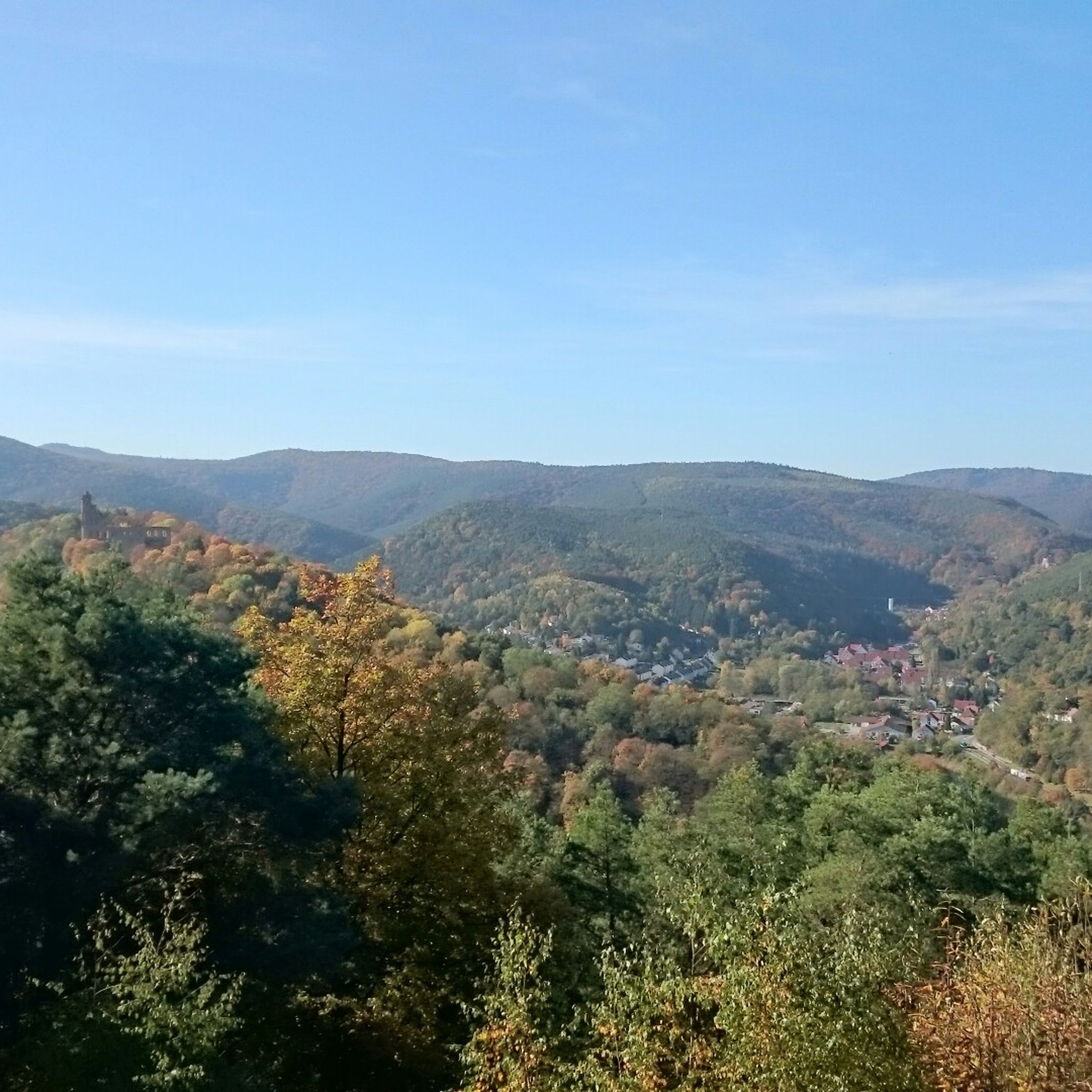
Wachtenburg Castle Ruins
Highlight • Castle
"Friends of the Wachtenburg Ruins Conservation Association"
looked after and maintained by committed members in their free time.
Tasks and goals:
The most …
Translated by Google •
Tip by

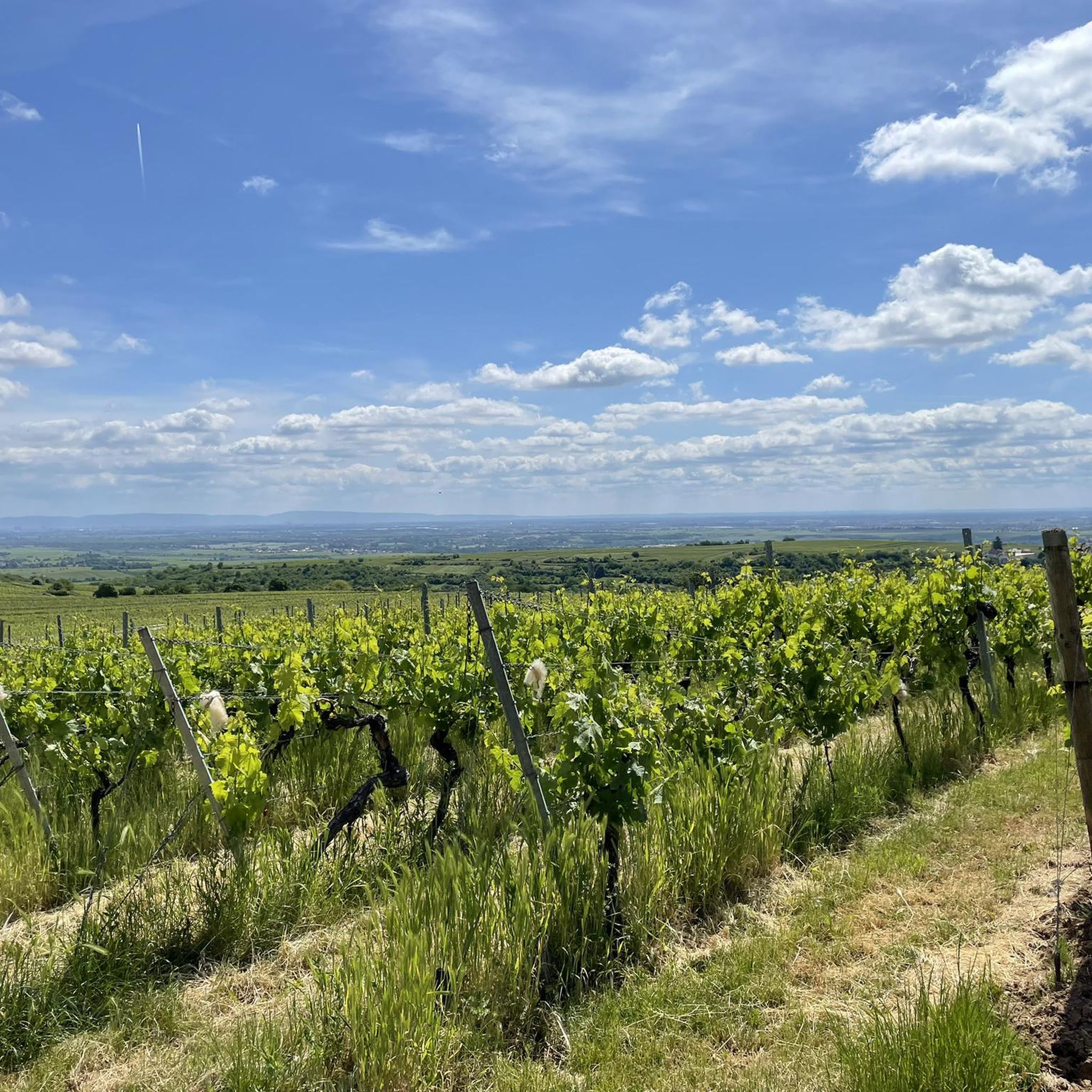
St. Michael's Chapel, Deidesheim
Highlight • Religious Site
Translated by Google •
Tip by

Sign up now to discover places like this
Get recommendations on the best single tracks, peaks, & plenty of other exciting outdoor places.
Ungeheuersee
Highlight • Lake
Translated by Google •
Tip by

Kriemhildenstuhl Roman Quarry
Highlight • Historical Site
Many display boards provide information on site about this cultural and historical highlight.
Due to the proximity to the city and the good …
Translated by Google •
Tip by

Heidenlöcher - 9th-10th century refuge (with knight's stone no. 260)
Highlight • Historical Site
Translated by Google •
Tip by

Sign up for free to discover even more attractions around Weisenheim am Berg.
Already have an account?
Start today with a free account
Your next adventure awaits.

Tips from the Community

A highlight for big and small
24
2

In the castle museum there are exhibits of life from earlier times. Arrowheads, bullets and other paraphernalia are on display, as well as pottery and stove tiles. Traces of tools on the crockery reveal that the oldest find can be dated back to 1180. The imposing model of the castle is also on display. It shows the castle founded around 1200. The support group for the preservation of the ruins of Wachtenburg has set itself the goal of preserving the Wachtenburg. Many thanks from my side for your commitment.
19
0

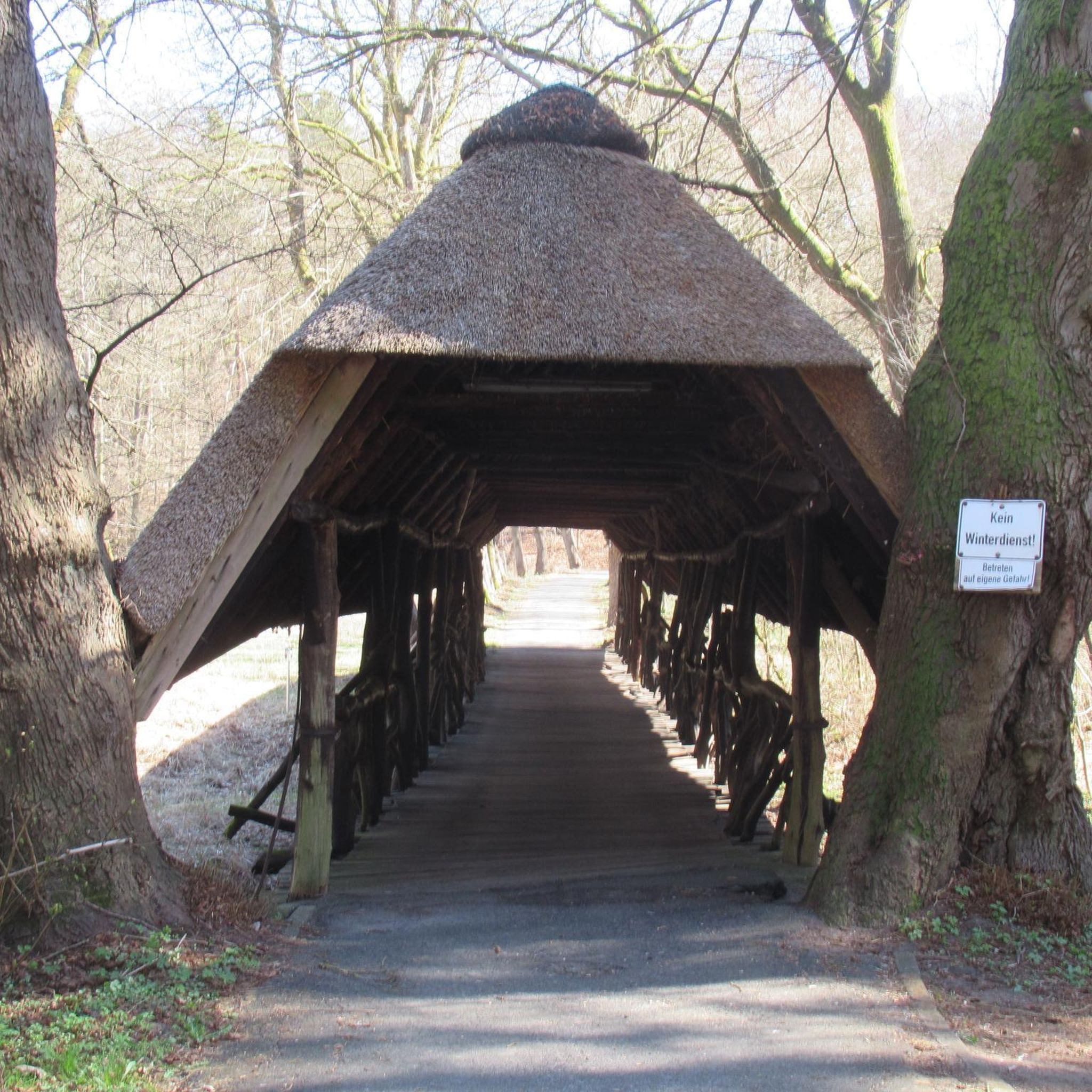
Here stands Ritterstein No. 260. It is one of over 300 Rittersteine (memorial stones) erected by the Palatinate Forest Association (PWV) and bears the inscription "Heidenlöcher – Refuge Castle 9th-10th Century." It marks the remains of a refuge castle that served as protection against the warring Normans and Hungarians. Today, the foundations of two gate structures, 65 stone houses, and a 450-meter-long curtain wall are still preserved. The inner of the two adjoining dry-stone walls served as a parapet walk. - Source: Information panels on site A little further to the right of this Ritterstein are the foundations of one of the gate structures. The refuge castle, or rather its remains, can be entered through the two gate structures. The curtain wall can be easily walked along (with minor exceptions): either on top of the wall or along its inner side – and the remains of many stone houses can be seen along the way. Without Komoot, it is easy to get lost here: Therefore, it is best to follow the "Palatinate Wine Trail" hiking signs!
13
0

The entire facility is very exciting. A look into early history.
8
0
An impressive castle ruin on the Palatinate Wine Trail. There is a place to stop for refreshments and you can climb the tower ruins, beautiful view!
22
1

This Deidesheimer church was consecrated to the Archangel Michael. The name (coming from Hebrew) means "Who is like God?". He is often depicted - on paintings or as a statue - with a flaming sword, and occasionally a lance. Michael is - together with Raphael, Gabriel and Uriel - one of the four archangels who (according to human imagination) occupy the highest rank in the heavenly hierarchy of angelic beings. Their common feast day in the saints calendar is September 29th.
12
1
In contrast to the (red) quarries in the middle of the Palatinate Forest, sandstone on the Haardt edge is white and yellow! Many of the inscriptions/pictures that can be found on the walls are explained on a beautiful information board and marked with red arrows on the walls of the quarry. Horse pictures are particularly easy to recognize. These rock paintings come from the Roman legionnaires who worked in the quarry here. Also carved into the stone: a large memorial plaque for the Bad Dürkheim soldiers who died in World War I and all their names.
23
2

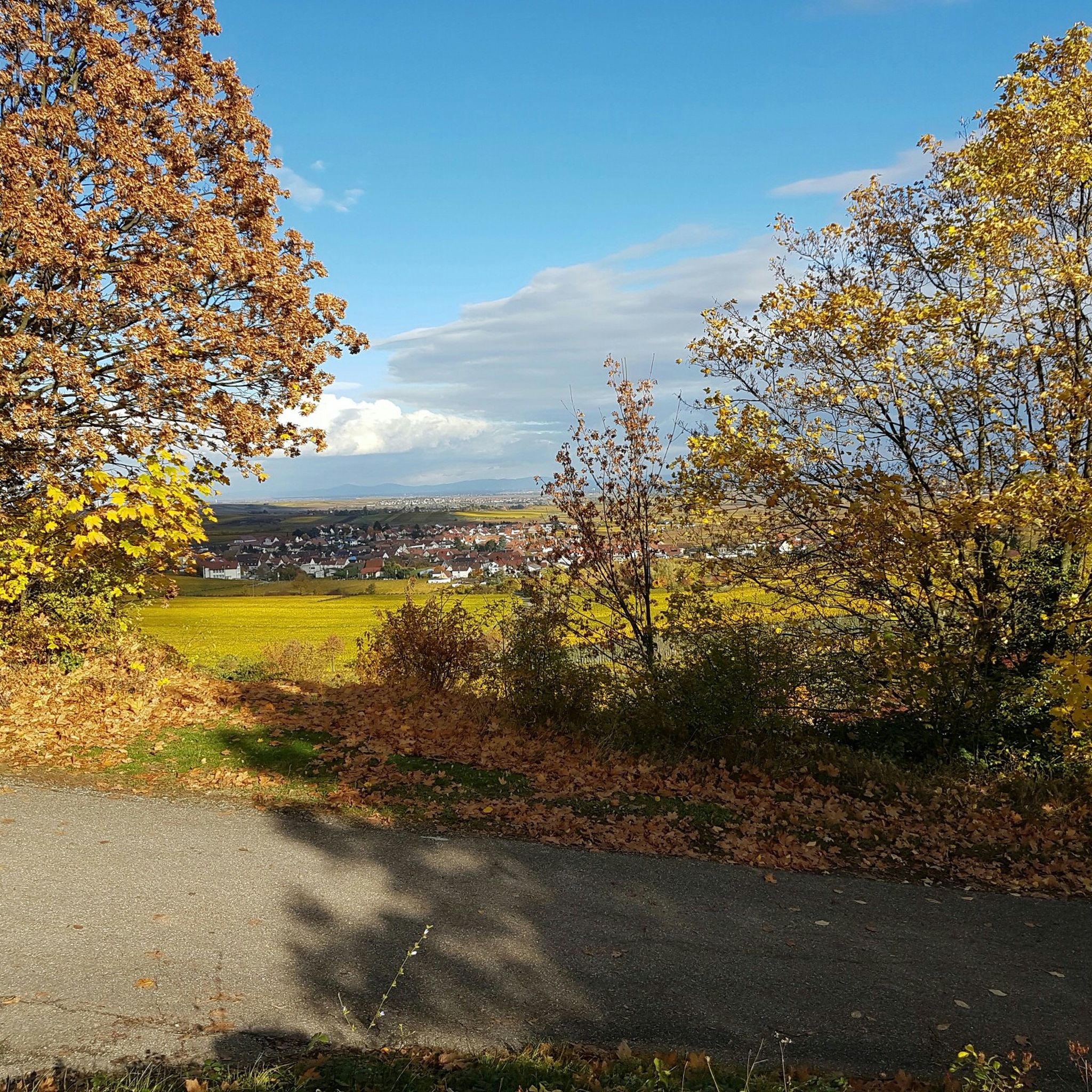
The Ungeheuersee in the Leininger Sporn, part of the northeastern Palatinate Forest, is a shallow pond that is fed by the Krumbach. The lake has been protected as a natural monument since the 1930s. It has been listed in the official register since 1971 with the list number ND-7332-195. Source: Wikipedia Height above sea level: 359 m Maximum depth: 1.8 m Height above sea level: 357 m above NHN Length: 140 m Circumference: 400 m
16
1
Frequently Asked Questions
What natural attractions can I explore near Weisenheim am Berg?
The region offers several natural highlights. The Ungeheuersee is a protected high moor lake, known for its rare plants and idyllic setting, perfect for a peaceful walk. Additionally, the vast Palatinate Forest directly borders the village, providing extensive trails for hiking and cycling amidst picturesque landscapes of vineyards and almond trees.
Are there historical sites to visit around Weisenheim am Berg?
Yes, the area is rich in history. You can explore the Kriemhildenstuhl Roman Quarry, an ancient site from around 200 AD with informative display boards. Another significant historical location is Heidenlöcher, the ruins of a hilltop castle believed to be a Carolingian or Ottonian refuge. Within the village, the beautifully restored Former Synagogue and the historic Protestant Church with medieval frescoes offer further cultural insights.
What are the best viewpoints in the area?
For stunning panoramic views, visit St. Michael's Chapel, Deidesheim, which offers expansive vistas across the Rhine plain to Heidelberg and the Odenwald, and even the Black Forest on clear days. The Wachtenburg Castle Ruins also provide beautiful views of the Rhine valley from its tower.
What outdoor activities can I do near these attractions?
The region is ideal for outdoor enthusiasts. You can find numerous hiking trails, including easy and moderate options around the Ungeheuersee, or more challenging routes through the Palatinate Forest. Cycling is also popular, with vineyard tours and forest paths available. For specific routes, explore the hiking guide, road cycling guide, or running trails guide for Weisenheim am Berg.
Are there family-friendly attractions around Weisenheim am Berg?
Yes, several attractions are suitable for families. The Ungeheuersee offers easy walks around the lake, and the Kriemhildenstuhl Roman Quarry provides an engaging historical experience for all ages. Many of the hiking trails, especially the easier ones, are also great for families to enjoy nature together.
What is the best time to visit Weisenheim am Berg?
Weisenheim am Berg is charming year-round, but the spring and autumn months are particularly appealing. Spring brings blooming almond trees and vineyards, while autumn offers vibrant foliage and the region's famous wine festivals. The village also hosts lively festivals like the Partnership, Wine and Homeland Festival around Ascension Day and the Kerwe in late August.
Can I go wine tasting in Weisenheim am Berg?
Absolutely. Weisenheim am Berg is a renowned wine village. Its surrounding vineyards provide excellent opportunities for walks and cycling tours, and you can enjoy wine tasting directly from local vintners. Many local establishments offer tastings and sales of regional wines.
Are there any unique local festivals or traditions?
Yes, Weisenheim am Berg is known for its lively festivals. Beyond the traditional wine festivals, the village hosts the unique Stutzenfest. This historic ceremony formally welcomes new citizens into the community with a special ritual involving traditional clothing, nuts, cheese, bread, and local wine, offering a fascinating glimpse into local heritage.
What do visitors enjoy most about the attractions in Weisenheim am Berg?
Visitors frequently praise the diverse range of experiences, from the historical depth of sites like the Kriemhildenstuhl Roman Quarry and Heidenlöcher, to the serene natural beauty of the Ungeheuersee. The stunning views from places like St. Michael's Chapel and the Wachtenburg Castle Ruins are also highly appreciated, making the area a favorite for both history buffs and nature lovers.
Are there dog-friendly trails or attractions?
Many of the natural areas and hiking trails around Weisenheim am Berg are dog-friendly, allowing you to explore with your canine companion. For example, the Heidenlöcher historical site is noted as dog-friendly. Always ensure dogs are kept on a leash where required and carry water for them, especially on longer routes.
What other notable landmarks are within a short drive from Weisenheim am Berg?
Beyond the immediate vicinity, you can easily reach the Dürkheimer Riesenfass (Giant Cask of Dürkheim), the world's largest wine barrel housing a restaurant. The Römischer Steinbruch (Roman Quarry) in Bad Dürkheim and the majestic Klosterruine Limburg (Limburg Abbey Ruin) are also nearby, offering more historical and cultural exploration.
Most popular routes around Weisenheim am Berg
Most popular attractions around Weisenheim am Berg

Get inspired with the komoot mobile app


Explore more
Still not found the Highlight you’re looking for? See guides of the top attractions in other regions:
