Top 20 Castles around Waldmünchen
Castles around Waldmünchen are situated in Bavaria, a region known for its historical significance and picturesque landscapes. The town of Waldmünchen is surrounded by several historical castles and ruins, offering insights into the area's past. These sites are often perched on hills or located near streams, providing varied geographical contexts. The region's history, including events like the Thirty Years' War, has shaped the character of these ancient structures.
Best castles around Waldmünchen
- The most popular castles is Kürnburg Castle Ruins…
Last updated: October 11, 2026
Schwarzenburg Castle Ruins
Highlight • Castle
Translated by Google •
Tip by

Kürnburg Castle Ruins
Highlight • Castle
Translated by Google •
Tip by

Sign up now to discover places like this
Get recommendations on the best single tracks, peaks, & plenty of other exciting outdoor places.
Reichenstein Castle Ruins
Highlight • Castle
Translated by Google •
Tip by

Schwarzenburg Castle Ruins
Highlight • Castle
Translated by Google •
Tip by

Grafenried / Lučina – Abandoned Village Ruins
Highlight • Historical Site
Showing Translation
Tip by

Sign up for free to discover even more castles around Waldmünchen.
Already have an account?
Start today with a free account
Your next adventure awaits.
Popular around Waldmünchen
The Goldsteig – 38 stages between Upper Palatinate and Passau
The National Natural Landscapes in Bavaria
Hiking tips for the Bavarian Forest
Hiking through history on Germany’s Pandurensteig
Peak tour through Germany: the highest pass and mountain roads
The best of the Goldsteig in Eastern Bavaria – 6 scenic hikes
Active relaxation in the forests of Bavaria
MTB Erlebnis im Naturpark Oberer Bayerischer Wald
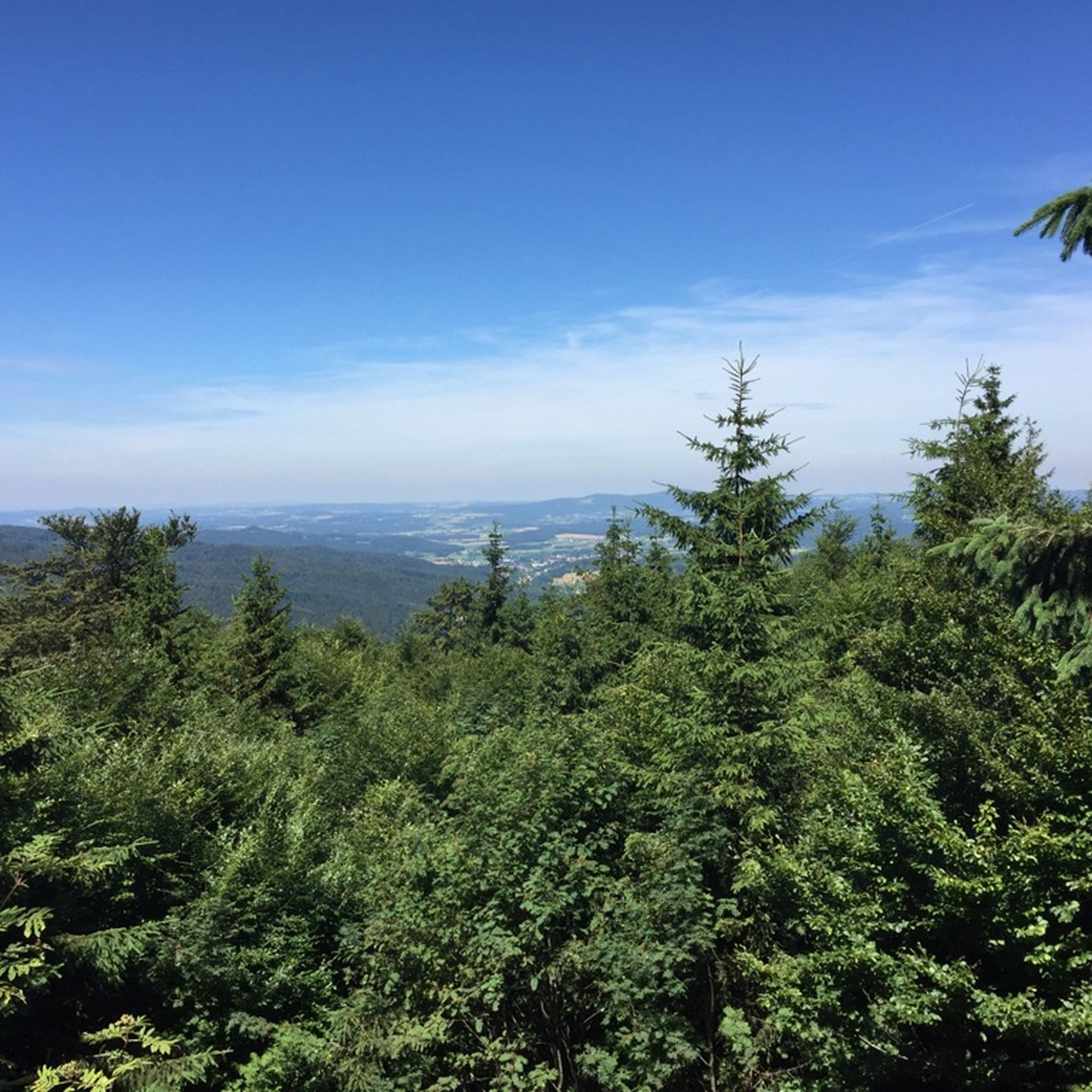
Hiking around Waldmünchen
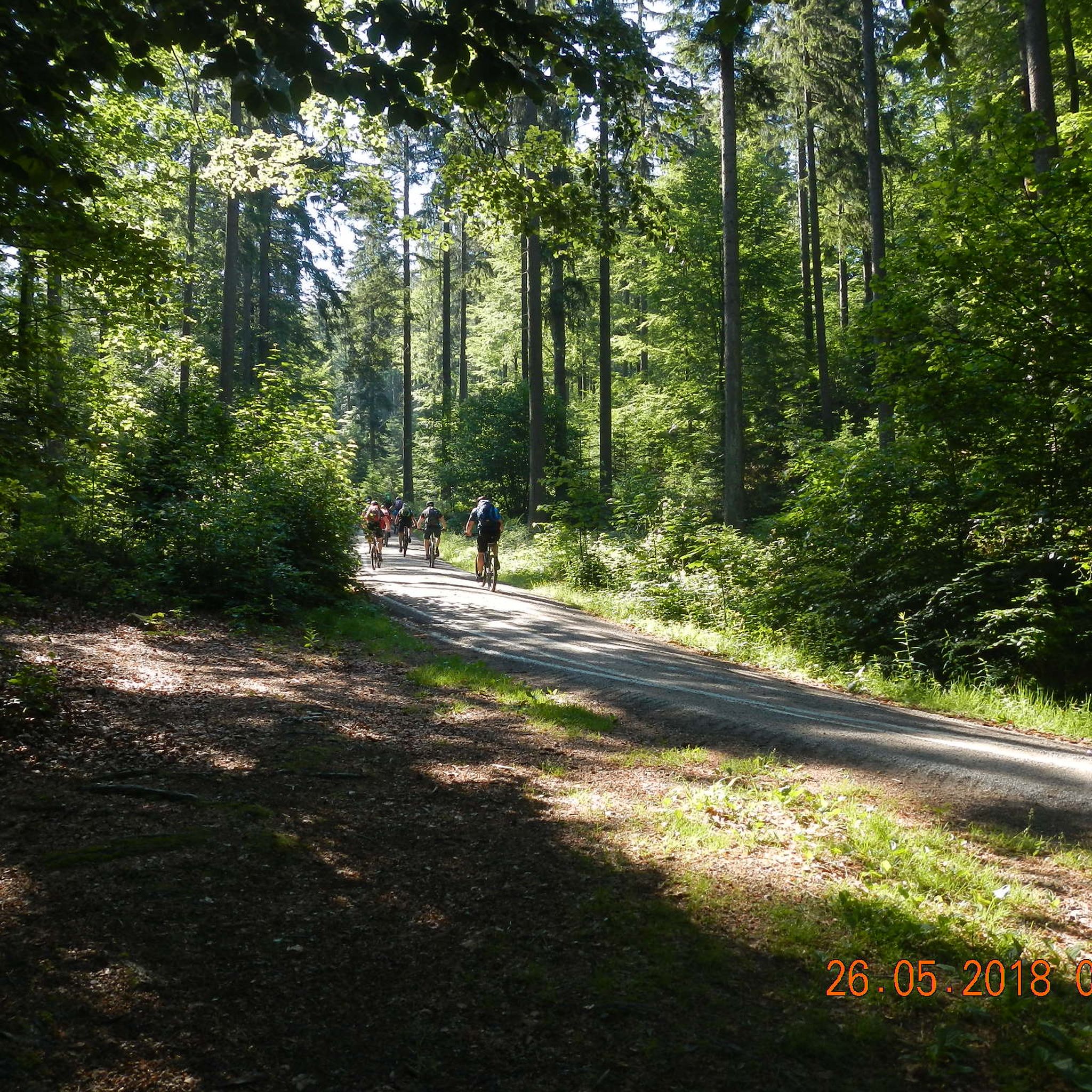
MTB Trails around Waldmünchen
Other adventures around Waldmünchen


Tips from the Community

The former Grafenried (Czech: Lučina) stood on a small hill near the German border (today the Untergrafenried border crossing) west of Nemanice. Grafenried also included the villages of Anger (Upor), Seeg (Pila), and Haselbach (Liskova). Around 800 people lived there. After the end of the Second World War, the German population was expelled from the border area, and the village, with all its buildings, was gradually razed. The Grafenried church of St. George still stood until the 1970s. Although it had the status of a monument, it was blown up and demolished. On the initiative of a former German resident of the community and some historians on the Czech side, the remains of the church were partially excavated and renovated in 2011. The search for traces was extended to the entire lost village and its districts.
12
0
Reichenstein Castle can be considered an early settlement center in the Schönsee area. It was probably built in the late 11th century. Apart from a few remnants of the walls, only the stump of the round keep remains. However, the Reichenstein ruins are still shrouded in mystery. Legends tell of white women haunting the castle, and a treasure of gold lies beneath the ruins.
18
0

Very well-preserved ruins of the former castle complex with numerous short descriptive boards. Audio guide can be scanned as a QR code at the entrance.
1
0

A castle ruin that is well worth seeing and has been excellently repaired and signposted by the Runding Castle Friends.
2
0

The tower is finished and no longer scaffolded. But honestly... you can see more and get nicer pictures from below! The tower has no entrance and cannot be visited from the inside. You can save yourself the altitude 😉
10
0

A beautiful and well-preserved ruin. Signs on the walls indicate its former function. From the palace there is a beautiful view of the complex and the surrounding area.
7
0

The tour is recommended especially the story about the division of the castle and lands
2
0

Kürnberg Castle Ruins The Kürnberg ruins are hidden on a wooded hill about a kilometer northeast of Stamsried. The Kürners originally come from the town of Kürn, which lies between Regensburg and Nittenau. In 1346, Dietrich II received Stamsried as a fief from Count Palatine Ruprecht II and subsequently shifted the focus of his rule there. The land probably originally belonged to the Bishop of Bamberg, whose bailiffs were the Palatines in this area. In 1354, Dietrich received permission to build Kürnberg Castle on the Heitberg near Stamsried, and from then on he and his descendants called themselves Kürner von Kürnberg. They sold their home castle to the Paulsdorfers in 1394. Other Kürners subsequently appeared again and again as cathedral canons in Regensburg. In 1422, Hans Kürner was the last person to live in Kürnberg. He sold the castle to Ulrich Warberger in 1423. In 1499, the castle came to Ludwig von Habsberg, who had it expanded once again for the use of firearms. In 1532, the Murachers took over, but they later stopped living in Kürnberg. In 1634, during the Thirty Years' War, the Swedes conquered Stamsried and besieged and destroyed the castle. Since then, it has been abandoned, and the seat of power has moved to Strahlfeld. At the end of the 1970s, extensive security measures were taken on the castle ruins. Kürnberg is one of the most recently founded castles in the wider area. Its state of preservation is rare in the Upper Palatinate: extensive remains of the walls of the gate tower, battery tower, wall, chapel, wall towers and palace have been preserved. There is no keep, which is typical of a castle of the late Middle Ages. The tower-like palace took over the role of the last point of refuge. The beautiful location, the unique view from the palace and the good state of preservation make Kürnberg an ideal destination. The area is ideal for hikes, and a forest adventure trail leads around the castle hill. There is a fireplace in the courtyard of the outer bailey. Source: www.burgenseite.de
6
0
Frequently Asked Questions
What are some of the most impressive castle ruins to visit near Waldmünchen?
The region boasts several impressive ruins. The Kürnburg Castle Ruins are among the largest in the Upper Palatinate, featuring massive walls and a walk-in observation tower. The Schwarzenburg Castle Ruins also offer a renovated keep that serves as an observation tower with panoramic views.
Are there castles around Waldmünchen that offer panoramic views?
Yes, both the Schwarzenburg Castle Ruins and the Kürnburg Castle Ruins feature accessible keeps or towers that provide fantastic panoramic views of the surrounding hills and the Regental valley.
Can I visit castles that are suitable for families with children?
Many of the castle ruins are family-friendly. For instance, the Kürnburg Castle Ruins are easily accessible even for children, and the Schwarzenburg Castle Ruins host annual summer fairy tale performances, making them engaging for younger visitors.
What kind of historical significance do the castles around Waldmünchen have?
The castles reflect centuries of regional history, from medieval defensive structures to administrative centers. For example, Schloss Waldmünchen, first mentioned in 1256, has evolved from a medieval castle to an early modern administrative seat. The Schwarzenburg Castle Ruins were destroyed during the Thirty Years' War, and Reichenstein Castle Ruins are believed to have been inhabited since the 11th century, marking early settlement in the area.
Are there hiking opportunities that connect different castles or ruins?
While specific loop trails connecting multiple castles are not explicitly detailed, the region is excellent for hiking. You can find various hiking routes around Waldmünchen, including those that pass by or lead to castle ruins. For more hiking options, explore the Hiking around Waldmünchen guide.
What outdoor activities can I combine with a castle visit in Waldmünchen?
Besides exploring the castles, you can enjoy hiking and road cycling. There are numerous routes available, such as the 'Perlsee loop' for easy hikes or longer road cycling tours like 'Hocha Cycle Path'. You can find detailed routes in the Hiking around Waldmünchen and Road Cycling Routes around Waldmünchen guides.
Is it possible to find cafes or refreshments near the castle ruins?
Yes, at the Schwarzenburg Castle Ruins, a cozy mountain lodge operates in the upper courtyard on Wednesdays, Sundays, and public holidays, offering a welcoming rest stop. This is a good option for refreshments during your visit.
What is the best time of year to explore the castles around Waldmünchen?
The castles can be visited year-round. Spring and autumn offer pleasant temperatures for hiking and exploring the ruins. Summer allows for longer daylight hours and events like the fairy tale performances at Schwarzenburg. Even in winter, some ruins are accessible for walks, though specific facilities like the mountain lodge at Schwarzenburg might have reduced hours.
Are there any lesser-known or 'hidden gem' castles worth exploring?
While the main ruins are well-known, Reichenstein Castle Ruins offer a more 'enchanted' and mysterious experience. Rising out of the forest, it's shrouded in legends of buried treasure, providing a unique and picturesque glimpse into the past.
Where can I learn more about the history of Schloss Waldmünchen?
Schloss Waldmünchen has a long and varied past, first mentioned in 1256. It has served as a medieval castle, an administrative seat, and is now a youth education center. For more detailed historical information, you can refer to its Wikipedia page: Schloss Waldmünchen on Wikipedia.
What makes Kürnburg Castle Ruins a significant historical site?
The Kürnburg Castle Ruins are significant as one of the largest castle complexes in the Upper Palatinate, built in 1354. Its impressive wall thicknesses, up to 2.5 meters, and a mighty battering tower showcase its strong defensive capabilities against cannon fire in the 16th century. You can find more historical context on its Wikipedia page: Burgruine Kürnburg on Wikipedia.
Are there any castles with unique legends or stories attached to them?
Yes, the Reichenstein Castle Ruins are particularly rich in legends. Tales of a buried gold treasure beneath the castle and stories of white women haunting the ruins add to its mysterious allure, making it a fascinating visit for those interested in local folklore.
Most popular routes around Waldmünchen
Most popular attractions around Waldmünchen

Get inspired with the komoot mobile app


Explore more
Looking for the best castles somewhere else? Discover other guides around Waldmünchen:
