Top 20 Caves around Wolkenstein
Best caves around Wolkenstein are found within the Erzgebirge region of Saxony, a landscape characterized by its forested hills and historical mining heritage. This area, known for its rich geological formations, offers a variety of subterranean experiences. The natural features around Selva di Val Gardena include both natural caves and historical mining tunnels, reflecting centuries of human interaction with the land. The region provides opportunities for exploring these unique underground environments.
Best caves around Wolkenstein
- The most popular caves is…
Last updated: October 4, 2026
Stülpner Cave
Highlight • Cave
Translated by Google •
Tip by

Garisch-Stolln Mine Entrance
Highlight • Historical Site
The mining trail is really great and definitely worth a visit.
Translated by Google •
Tip by

Sign up now to discover places like this
Get recommendations on the best single tracks, peaks, & plenty of other exciting outdoor places.
Greifensteinstollen
Highlight • Historical Site
Translated by Google •
Tip by

Geldkeller (Money Cellar) at the Greifensteine
Highlight • Cave
Translated by Google •
Tip by

Heilige Dreifaltigkeit Visitor Mine
Highlight • Historical Site
Translated by Google •
Tip by

Sign up for free to discover even more caves around Wolkenstein.
Already have an account?
Start today with a free account
Your next adventure awaits.
Popular around Wolkenstein
Other adventures around Wolkenstein

Tips from the Community

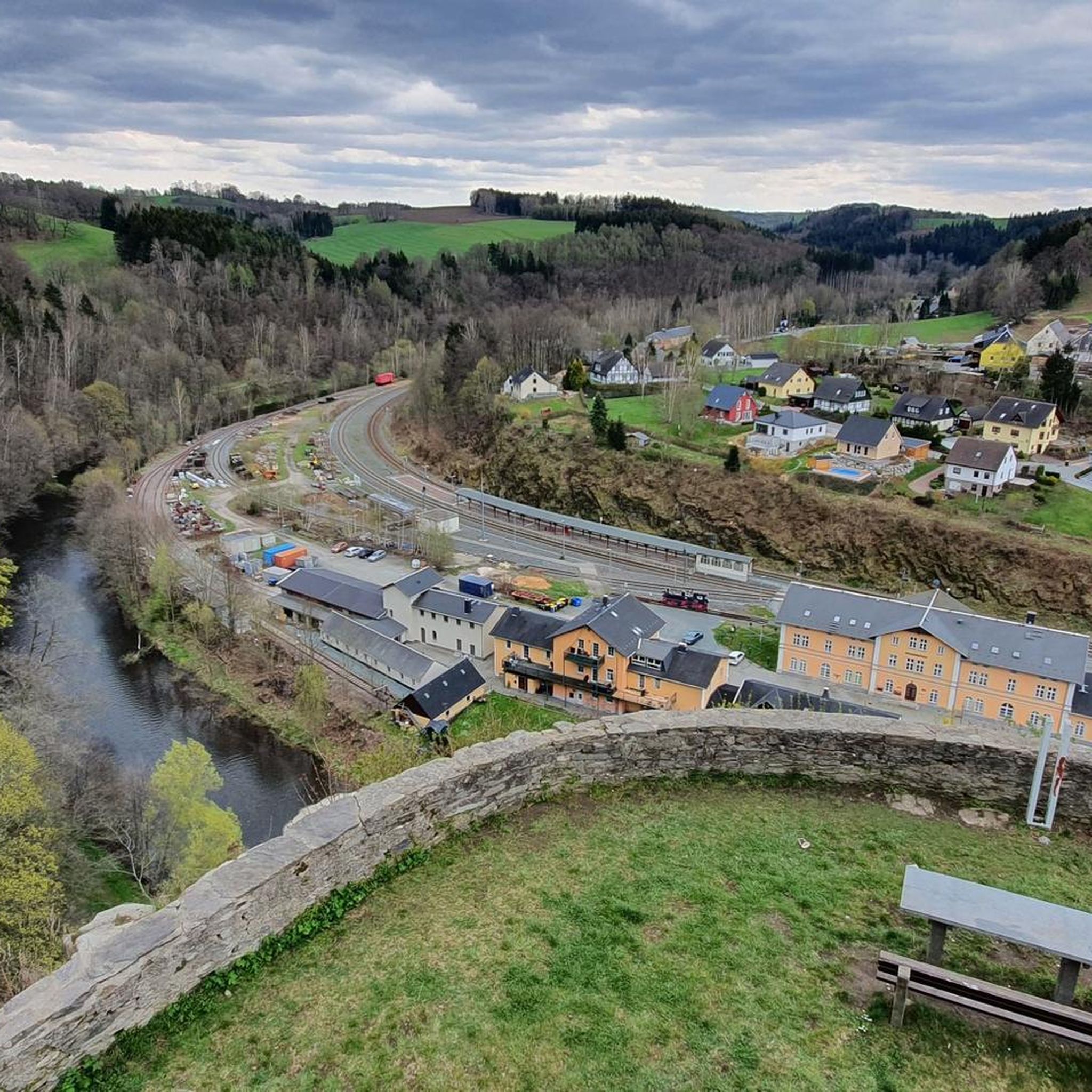
A little below the path, we see the entrance to the Garisch Mine. Almost hidden, nestled quaintly among the greenery, first mentioned in 1490, the mine ceased operations in 1911. We take a few steps inside and are surrounded by thousands of mosquitoes. https://youtu.be/jglyT269hvE
0
0


Hieronymus Lotter was named as the owner of the Garmisch mine around 1565. Station 12 of the mining trail is located here.
0
0

The money cellar, which is connected to an old legend....money does not make you happy after all 🤷
0
1

really very interesting and informative
0
1

With a flashlight you can go a little way in until you reach a barred door.
0
0

The Stülpnerhöhle is located only about 300 m from the Greifensteine viewing rock, directly on the Waldgeisterweg. Named after Karl Stülpner (1762-1841), around whom there are numerous stories. During his forays in pursuit of game, the cave, which was probably uncovered during tin mining, served as a hiding place from the authorities.
6
0
Under one of these rocks you can see an open hole into which a person can easily crawl. Old people say about this hole that once upon a time a maid, who was often called by name when she grazed in the place, went in in the presence of another maid when she was called again after the latter left her come to her aid when she screams. When she went in, she found a large box with money and gold and a dog lying next to it and, at the command of a voice, filled the grass cloth with it. But when the entrance became very narrow and she called out to the other maid for help, the dog jumped at her and scratched everything she had picked up out of the grass cloth, whereupon she was pulled out in terror by the other girl for the third day but later died of fear. A certain old man named Christoph Hackebeil was once seduced so that he had to stay in a cave there at night.
3
2
Frequently Asked Questions
What types of caves can I explore around Wolkenstein?
The Wolkenstein area offers a mix of natural caves and historical mining tunnels. You can find natural formations like the Stülpner Cave, known as a refuge for a local folk hero, and the Geldkeller (Money Cellar) at the Greifensteine. Additionally, there are several historical mining sites such as the Heilige Dreifaltigkeit Visitor Mine and the Greifensteinstollen, which offer insights into the region's mining heritage.
Are there family-friendly caves or activities near Wolkenstein?
Yes, several options are suitable for families. The Heilige Dreifaltigkeit Visitor Mine offers a 45-minute guided tour that is engaging for all ages, explaining medieval silver mining. The Greifensteinstollen is also family-friendly, allowing visitors to explore a mining tunnel with old equipment. Further afield in Vogtland, the Syrau Dragon Cave is Saxony's only show cave with guided tours, a laser show, and an adventure park above ground.
What historical insights can I gain from visiting caves in the region?
The caves and mines around Wolkenstein are rich in history. The Stülpner Cave is famous as a hiding place for the Erzgebirge folk hero Karl Stülpner and originated from tin ore mining. The Heilige Dreifaltigkeit Visitor Mine provides a glimpse into medieval silver mining. The Greifensteinstollen, an old mining tunnel, is operated by volunteers who showcase historical mining equipment. Even the Garisch-Stolln Mine Entrance offers a clear visual of what mining meant historically.
What are some unique geological features to look for in the caves?
While the local Wolkenstein caves are primarily historical mining sites or natural rock shelters, the broader region offers impressive geological formations. The Syrau Dragon Cave in Vogtland features stunning stalactites and 'sintered curtains'. In Saxon Switzerland, the Kuhstall Rock Arch is an impressive natural rock formation. Further away, the Sophienhöhle in Bavaria is renowned for its fantastic stalactite formations, including a giant stalagmite called the 'Millionaire'.
Are there any caves that are particularly challenging or require special equipment?
Most visitor mines and show caves in the region, like the Heilige Dreifaltigkeit Visitor Mine or Syrau Dragon Cave, are accessible via guided tours and do not require special equipment beyond appropriate clothing. However, some natural formations, such as the Ida Grotto at Frienstein in Saxon Switzerland, involve exposed paths and require sure-footedness and no fear of heights. For serious caving or exploring undeveloped caves, specific permits and equipment would be necessary, but these are not typically tourist attractions.
What outdoor activities can I combine with a visit to the caves around Wolkenstein?
The Wolkenstein area is excellent for combining cave visits with various outdoor activities. You can explore nearby mountain biking trails, such as those found in the MTB Trails around Wolkenstein guide. There are also numerous cycling routes, including those detailed in the Cycling around Wolkenstein guide. For hikers, the Mountain Hikes around Wolkenstein guide offers options for exploring the surrounding landscape.
What do visitors enjoy most about the caves and mines near Wolkenstein?
Visitors frequently appreciate the historical authenticity and educational value of the mining sites. For instance, the Garisch-Stolln Mine Entrance is praised for making mining history understandable, especially for children. The Greifensteinstollen is valued for its preserved mining equipment and the dedication of its volunteer operators. The natural caves, like Stülpner Cave, are enjoyed for their connection to local legends and natural beauty.
Are there any unique cave experiences in the broader Saxony region?
Beyond Wolkenstein, the broader Saxony region offers unique cave experiences. The Syrau Dragon Cave in Vogtland is notable for its impressive stalactites and a laser show that highlights the subterranean structures. In Saxon Switzerland, the tradition of 'boofen' allows for wild cave camping under designated rock overhangs, offering a unique way to experience the natural beauty of the towering sandstone columns.
What is the best time of year to visit the caves around Wolkenstein?
Many of the historical mines and show caves, such as the Heilige Dreifaltigkeit Visitor Mine and Syrau Dragon Cave, are open year-round or seasonally from spring to autumn. Underground temperatures remain relatively constant, making them a good option even on rainy days. For natural caves like Stülpner Cave, which can be underwater, it's best to visit during drier periods, typically late spring to early autumn, to ensure better access.
Are there any cafes or rest areas near the cave attractions?
Yes, some cave attractions offer amenities. The Greifensteinstollen is noted for having a nice rest area. The Syrau Dragon Cave in Vogtland has a cave park with a playground and adventure garden, which typically includes facilities for visitors. For other sites, you'll find cafes and restaurants in the nearby towns and villages, such as Wolkenstein itself.
Can I explore caves that are not specifically tourist attractions?
While the region has many natural caves and historical mining tunnels, most are either developed as visitor attractions or are not safely accessible to the public without specialized knowledge, equipment, and permits. For example, the Stülpner Cave is a natural site but can be underwater. It's always recommended to stick to designated visitor sites or join guided tours for safety and to respect local regulations.
Most popular routes around Wolkenstein
Most popular attractions around Wolkenstein

Get inspired with the komoot mobile app


Explore more
Extend your search for the best caves by checking out these guides of the top ones around Wolkenstein:
