Top 20 Castles around Wüstenrot
Castles around Wüstenrot offer historical insights and picturesque views within the Mainhardt Forest. This region, a small municipality, is surrounded by several notable castles and ruins. Visitors can explore a variety of historical sites, from well-preserved moated castles to ancient ruins with panoramic vistas. The area provides opportunities for exploring historical architecture and enjoying the natural landscape.
Best castles around Wüstenrot
- The most popular castles is Löwenstein castle ruins, a castle that dates back to the 11th century and…
Last updated: June 22, 2026
Löwenstein castle ruins
Highlight • Castle
Translated by Google •
Tip by

Neuenstein Castle
Highlight • Castle
Translated by Google •
Tip by

Sign up now to discover places like this
Get recommendations on the best single tracks, peaks, & plenty of other exciting outdoor places.
Sign up for free
View of Burg Lichtenberg
Highlight • Viewpoint
Translated by Google •
Tip by

Helfenberg castle ruins
Highlight • Castle
Translated by Google •
Tip by

Wildeck Castle
Highlight • Castle
Translated by Google •
Tip by
Sign up for free to discover even more castles around Wüstenrot.
Sign up for free
Already have an account?
Start today with a free account
Your next adventure awaits.
Login or Signup

Tips from the Community

The castle is not open to the public. Guided tours are occasionally available on Sundays (€10). Dates are published in the press. Registration is required by phone.
1
0

A former residential tower from the 16th century, built on the site of a previous structure (around 1300). Today, it serves as the operational and residential building of the Burg Wildeck wine-growing experimental estate. Entry to the castle courtyard is not permitted.
5
0
Helfenberg Castle, built in the Staufer period, was once a large residential castle with a residential tower and shield wall. The elaborately designed residential tower with three floors leaned against the shield wall. Other knightly families keep cropping up as owners. In 1259, the name Albertus de Helfenberg is mentioned in a document from the Lichtenthal monastery. In 1579, Philipp von Wittstadt rebuilt and expanded Helfenberg Castle. He tried several times to have the castle transferred to his daughter or her son-in-law, Hans von Buchholz, but the Württemberg fiefdom refused permission. This was the reason why Hans von Buchholz had his own castle built down in the hamlet of Finkenbach. The name Finkenbach probably changed to Helfenberg (Unterhelfenberg) in the process. With Unterhelfenberg and Oberhelfenberg, there were thus two knightly estates in 1625. Since the 18th century, the entire Helfenberg estate was in the hands of the von Gaisberg family.
6
0
The moated castle in the heart of the town of Neuenstein, dating back to the Staufer period in the 12th century, was once a residence of the Princes of Hohenlohe-Öhringen. Around 1550 it was expanded into an impressive Renaissance residence. Since around 1700 the castle has no longer served as the residence of the House of Hohenlohe, but was used for various other purposes until the Hohenlohe Museum was opened there in 1878.
5
0

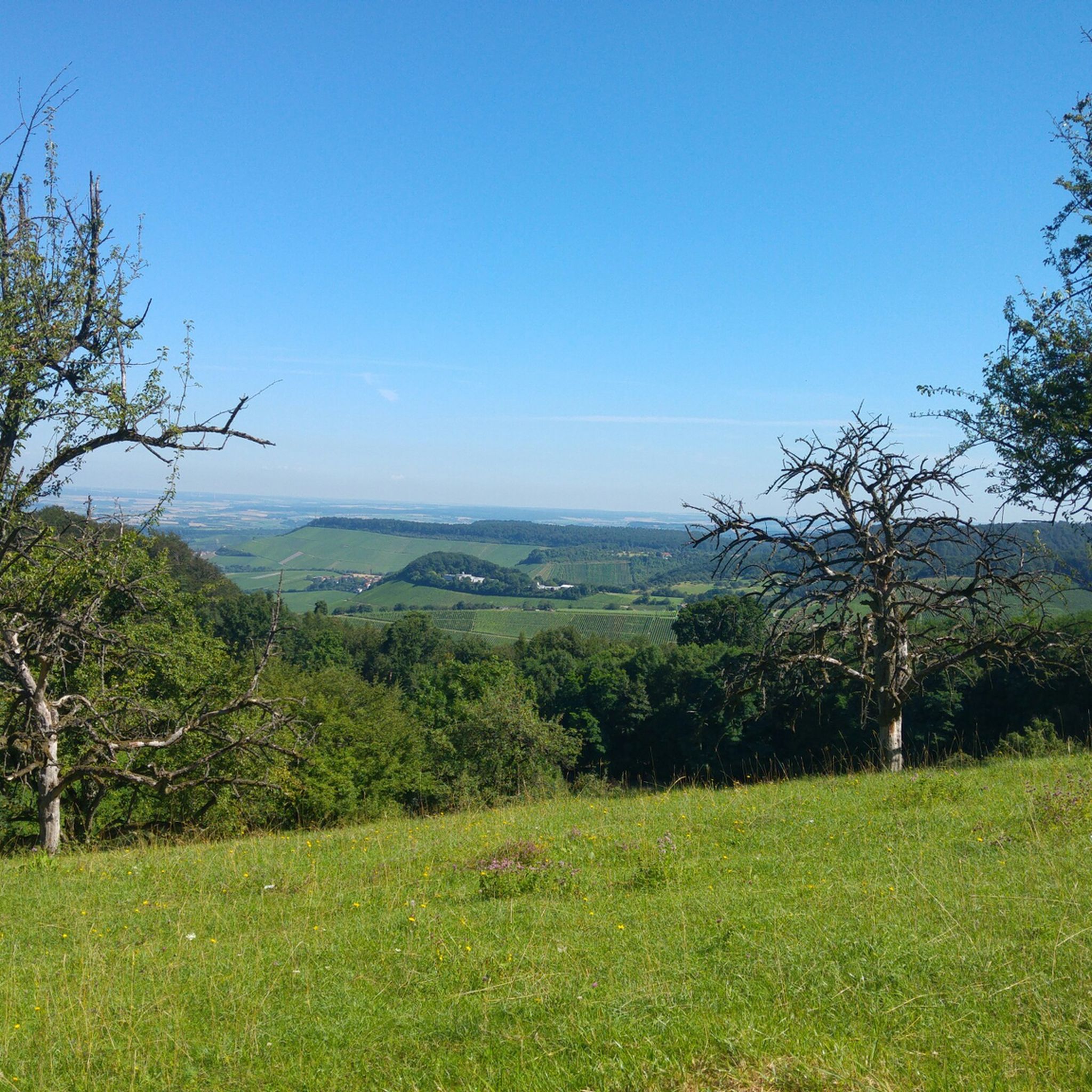
Hollow walls, fantastic, huge windows. This is a great place to take a short break after the climb. The photo shows the view of the Amalienhof winery.
4
0

Good bike path up to the castle. Route through the vineyards, little to no traffic. Steep approach, which is worthwhile. Once at the top, there is a great view. By the way, you can watch great sunsets from there!
4
0

Above the vineyards, nice and shady inside to linger after the climb. Not overcrowded at all, but I think it's worth seeing.
4
0

Neuenstein Castle stands in the middle of the town of Neuenstein. Built as the seat of the Hohenlohe-Neuenstein lineage, it now houses a castle museum and, together with the Hohenlohe central archive in Neuenstein, the common house archive of the House of Hohenlohe maintained by the state of Baden-Württemberg. In the 41 meter long and over ten meter wide Knights' Hall, concerts are also held regularly as part of the Hohenlohe Summer of Culture.
3
0
Frequently Asked Questions
What types of castles can I explore around Wüstenrot?
The region around Wüstenrot offers a diverse range of historical sites, including ancient castle ruins, well-preserved moated castles, and former residential towers. You can find structures dating back to the Staufer period in the 12th century, as well as later Renaissance residences.
Are there any castle ruins with panoramic views in the area?
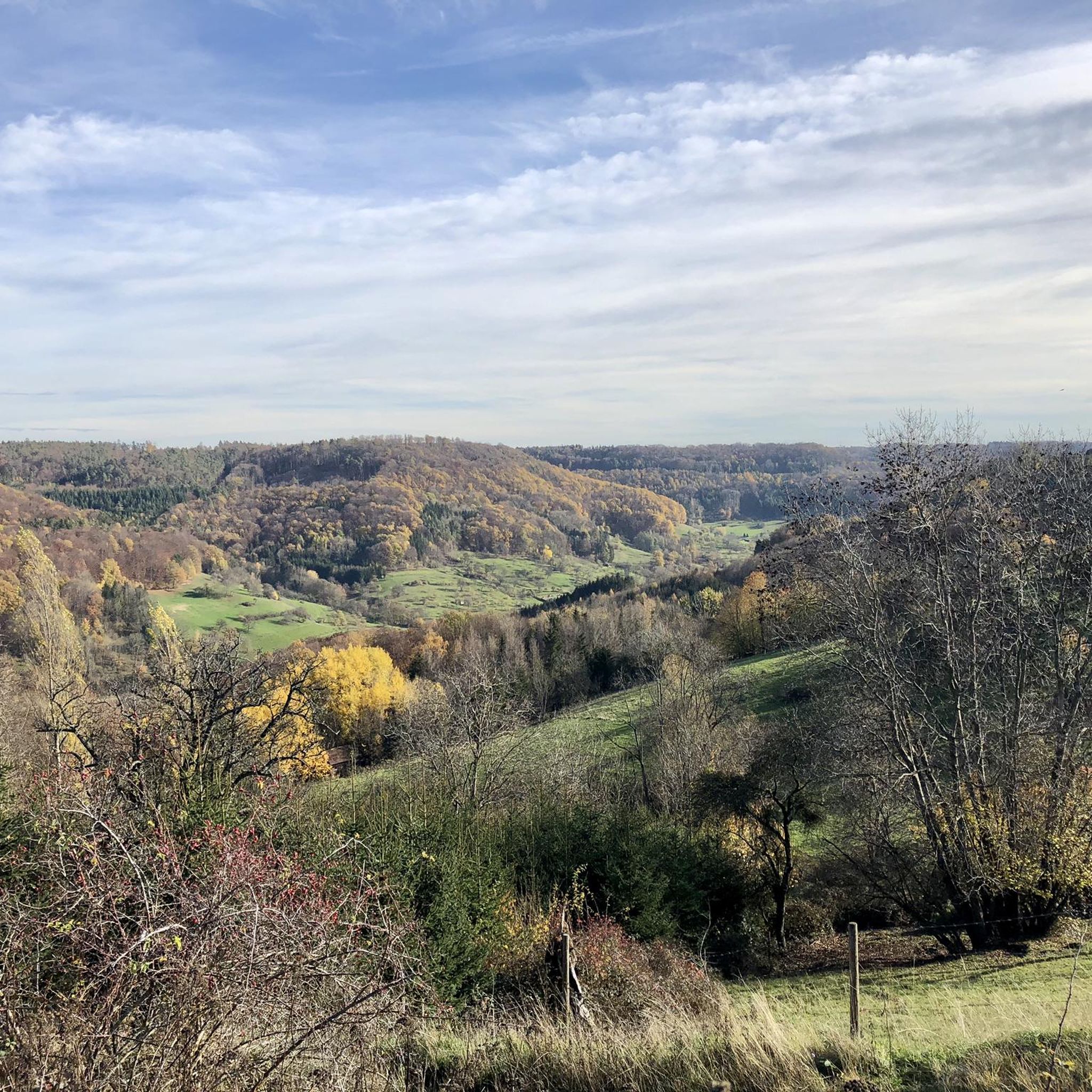
Yes, the Helfenberg castle ruins offer a good panoramic view over the Schozach Valley, the Neckar Valley, and Wildeck Castle. The residential tower and remnants of the shield wall are preserved, providing a historical backdrop to the scenic vista.
Which castles offer guided tours or special activities?
At Löwenstein castle ruins, natural park guides offer tours of the castle's history and opportunities to climb the tower throughout the year. Free tours and various hands-on activities are often available, and appointments can be arranged outside of regular hours.
Can I visit a moated castle near Wüstenrot?
Absolutely. Neuenstein Castle is a prominent moated castle in the heart of Neuenstein. Dating back to the Staufer period in the 12th century, it was expanded into an impressive Renaissance residence and now houses the Hohenlohe Museum.
Are the castles around Wüstenrot suitable for families?
Many castles in the region are family-friendly. For instance, both Löwenstein castle ruins and Neuenstein Castle are categorized as family-friendly, offering historical exploration in an engaging outdoor setting.
What outdoor activities can I combine with a castle visit?
The Wüstenrot area is excellent for combining castle visits with outdoor activities. You can find various mountain hikes, road cycling routes, and MTB trails nearby. Some routes, like the 'Fischteich Trail' for MTB, even pass close to castles such as Maienfels Castle.
Are there hiking trails directly to or around the castles?
Yes, many castles are integrated into the local trail network. For example, the path up to Löwenstein castle ruins is well-maintained, and the area around Helfenberg castle ruins offers benches for resting after a walk, with other castles not far away.
Is parking available at the castles?
While specific parking details vary by castle, many historical sites in the region, especially those popular with visitors, typically have designated parking areas nearby. It's advisable to check local signage upon arrival.
What do visitors enjoy most about the castles around Wüstenrot?
Visitors frequently appreciate the historical insights and picturesque views offered by the castles. The well-preserved ruins, like Löwenstein castle ruins, are praised for their complex and rewarding views. The impressive architecture of places like Neuenstein Castle also receives high regard.
What is the best time of year to visit the castles?
The castles can be visited year-round. Spring and autumn offer pleasant temperatures for exploring the outdoor ruins and trails, while summer allows for longer daylight hours. Even in winter, some castles, like Löwenstein castle ruins, offer guided tours and tower climbs.
Are there any castles that are still privately owned or have limited access?
Yes, some castles have limited public access. For example, Wildeck Castle, a former residential tower, now serves as an operational and residential building for a wine-growing experimental estate, and entry to the castle courtyard is not permitted.
Can I find cafes or restaurants near the castles?
While some castles might have facilities or be near towns with dining options, it's not always guaranteed directly at the site. For instance, Neuenstein Castle currently has no catering, and Wildeck Castle, being privately owned, also lacks public catering. It's a good idea to plan ahead or bring your own refreshments.
Most popular routes around Wüstenrot
Most popular attractions around Wüstenrot

Get inspired with the komoot mobile app


Explore more
Looking for the best castles somewhere else? Discover other guides around Wüstenrot:
