Top 20 Caves around Wiesenttal
Best caves around Wiesenttal are located in Franconian Switzerland, a region known for its numerous karst formations and underground geological wonders. This area offers a diverse range of caves, from accessible show caves to natural passages. The landscape provides a unique opportunity to explore subterranean environments. Visitors can discover a fascinating underground world shaped by natural processes over millennia.
Best caves around Wiesenttal
- The most popular caves is Oswald Cave, a cave that is a karst cave on the…
Last updated: June 22, 2026
Oswald Cave
Highlight • Cave
Translated by Google •
Tip by

Quackenschloss
Highlight • Cave
Translated by Google •
Tip by
Sign up now to discover places like this
Get recommendations on the best single tracks, peaks, & plenty of other exciting outdoor places.
Sign up for free
Riesenburg Collapse Cave
Highlight • Cave
Translated by Google •
Tip by

Gößweinstein Rock Trail
Highlight • Trail
Translated by Google •
Tip by

Ludwig Cave
Highlight • Cave
Translated by Google •
Tip by

Sign up for free to discover even more caves around Wiesenttal.
Sign up for free
Already have an account?
Start today with a free account
Your next adventure awaits.
Login or Signup
Popular around Wiesenttal
The National Natural Landscapes in Bavaria
Catch the bus and train into nature – VGN Leisure Tips 2023
The Franconian Trail – A Diverse Hiking Dream Across 24 Stages
Castles, mountains, beer & trails – bikepacking in Franconian Switzerland
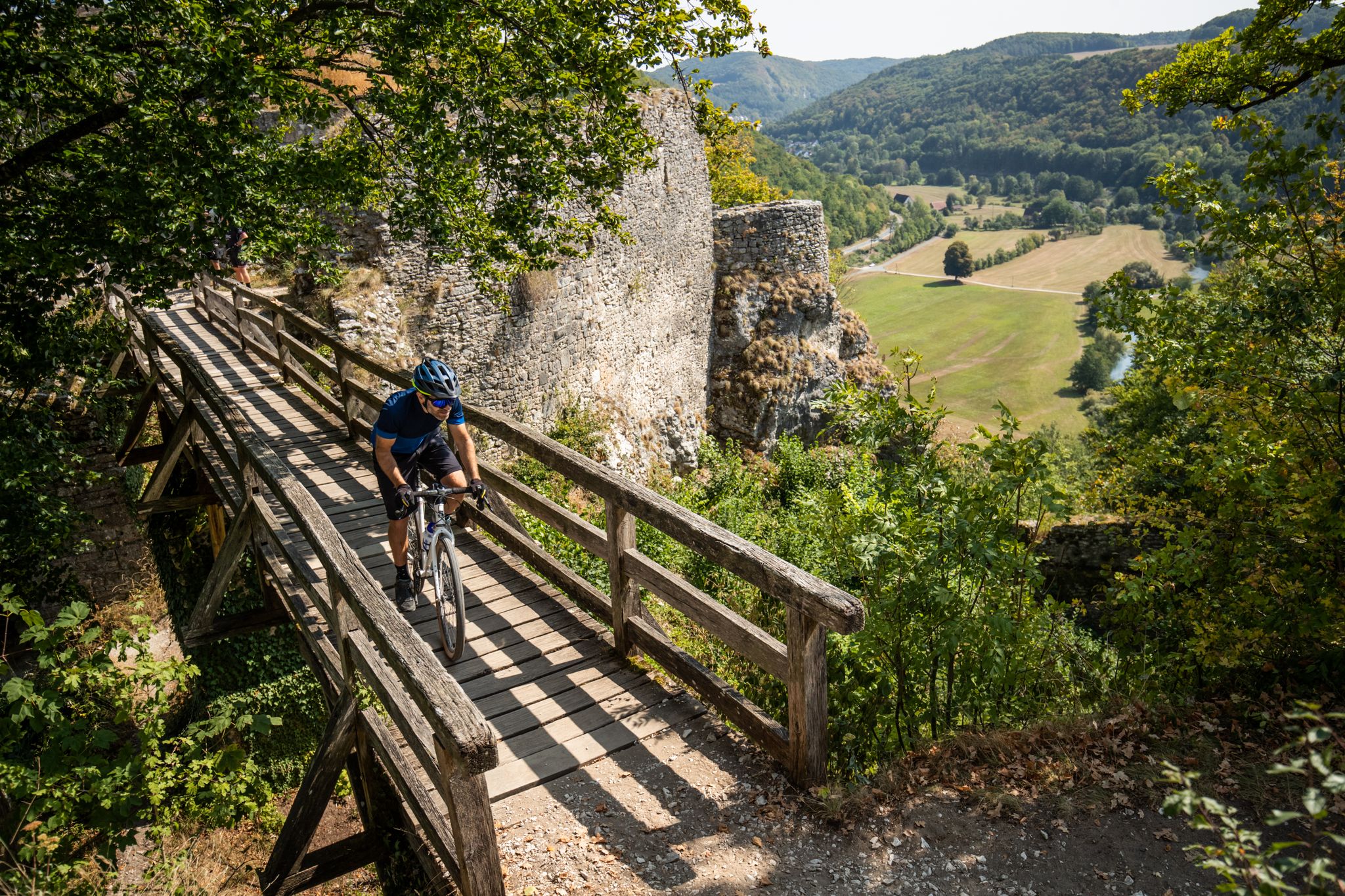
Castles, bikes and beer — a mountain biking paradise in Franconian Switzerland
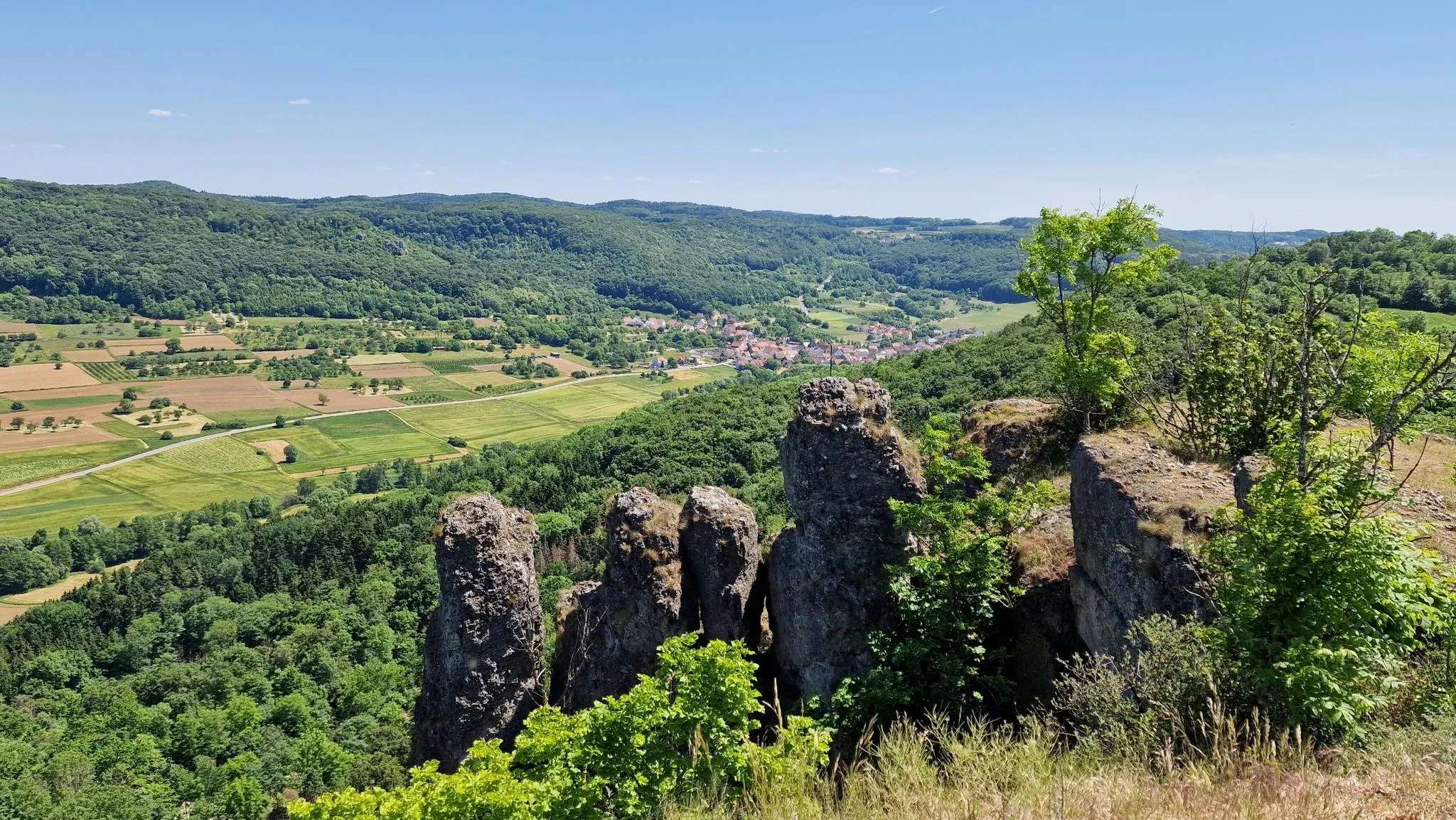
Delightful hiking in Franconian Switzerland
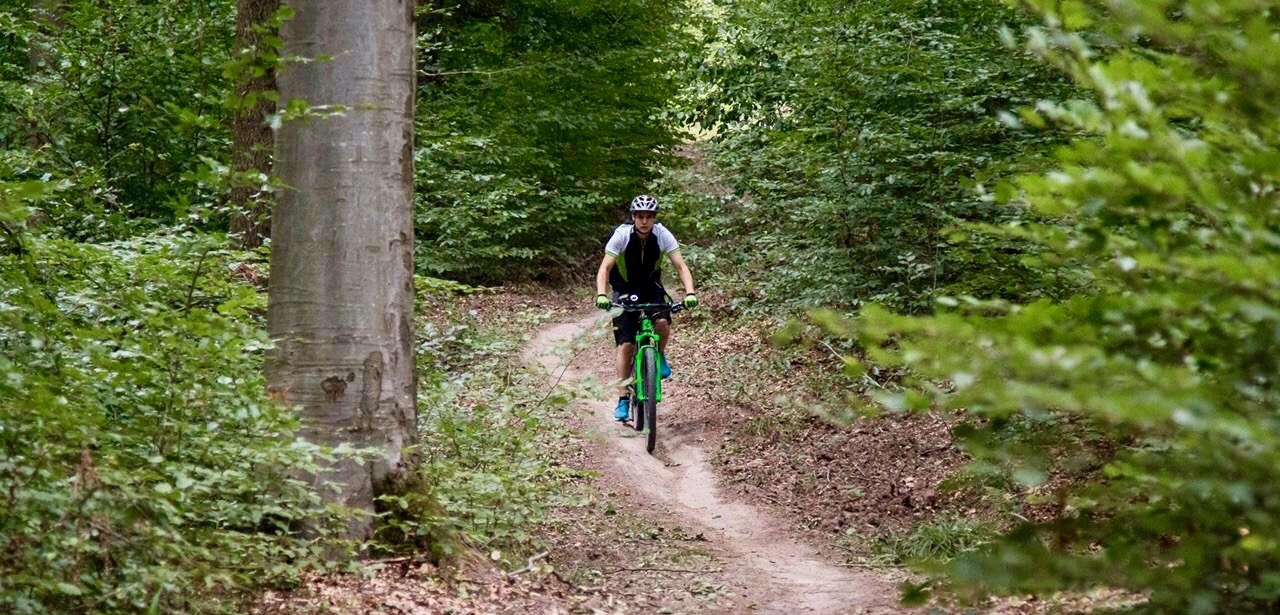
33 MTB trails through German forests
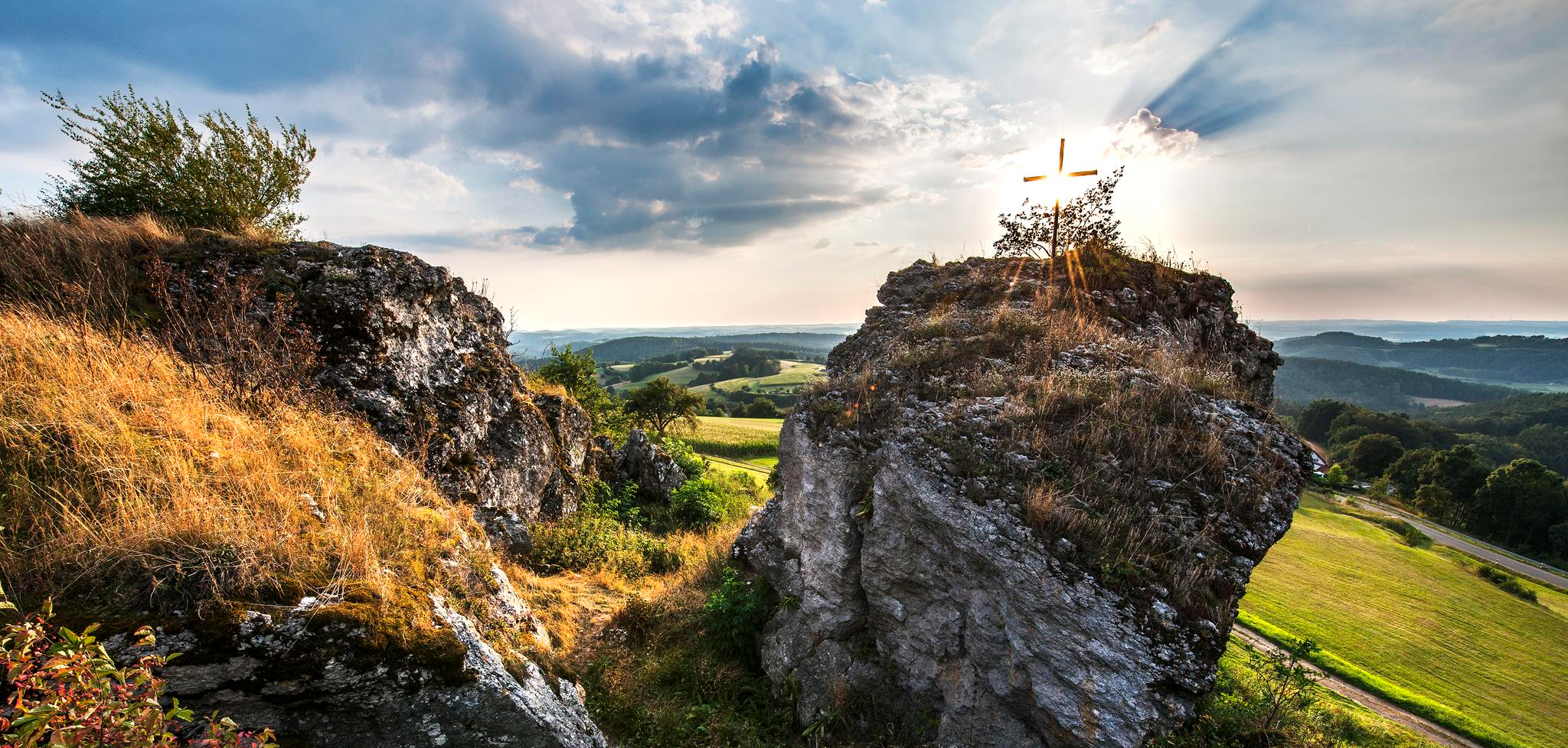
Lieblingswanderungen in der Fränkischen Schweiz
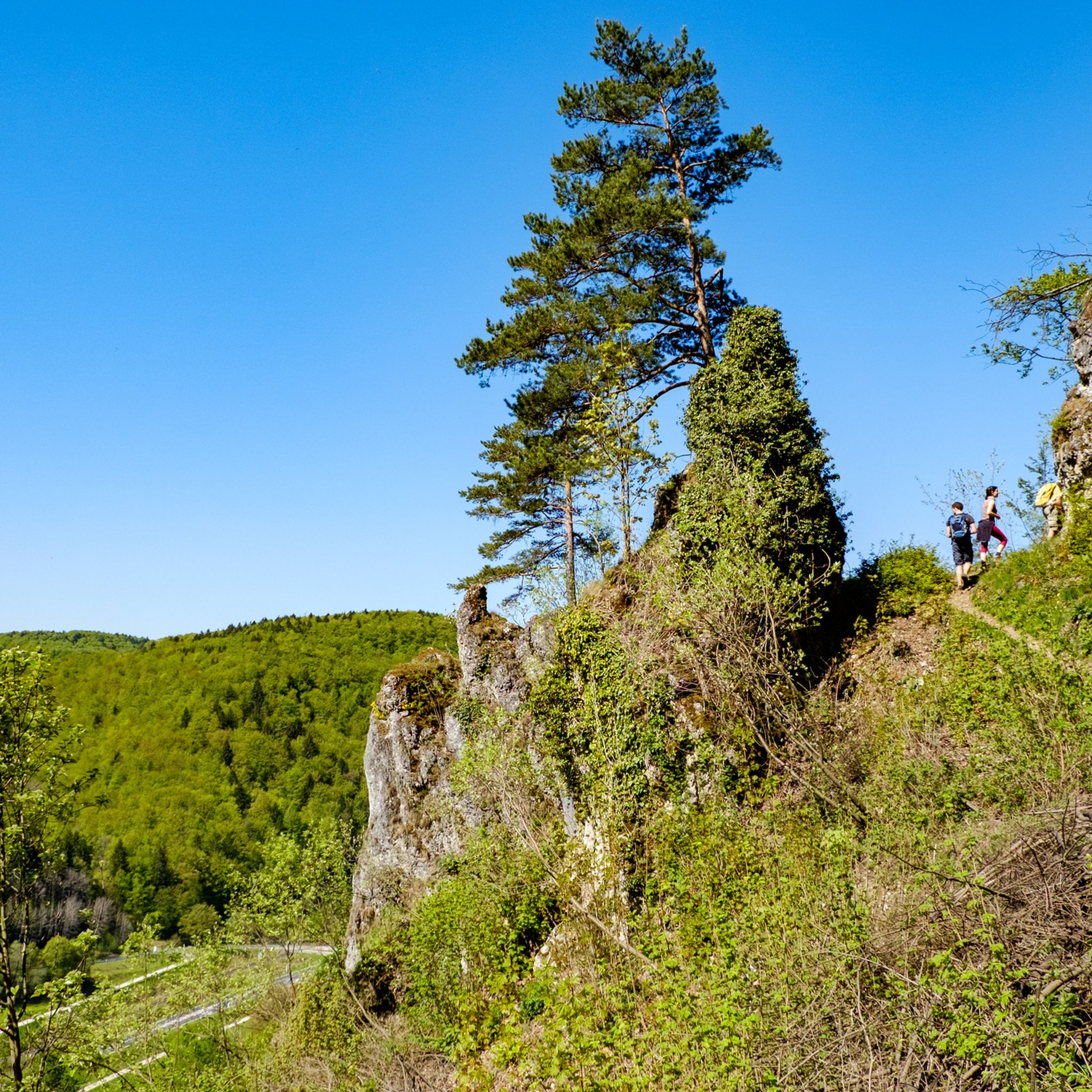
Hiking around Wiesenttal
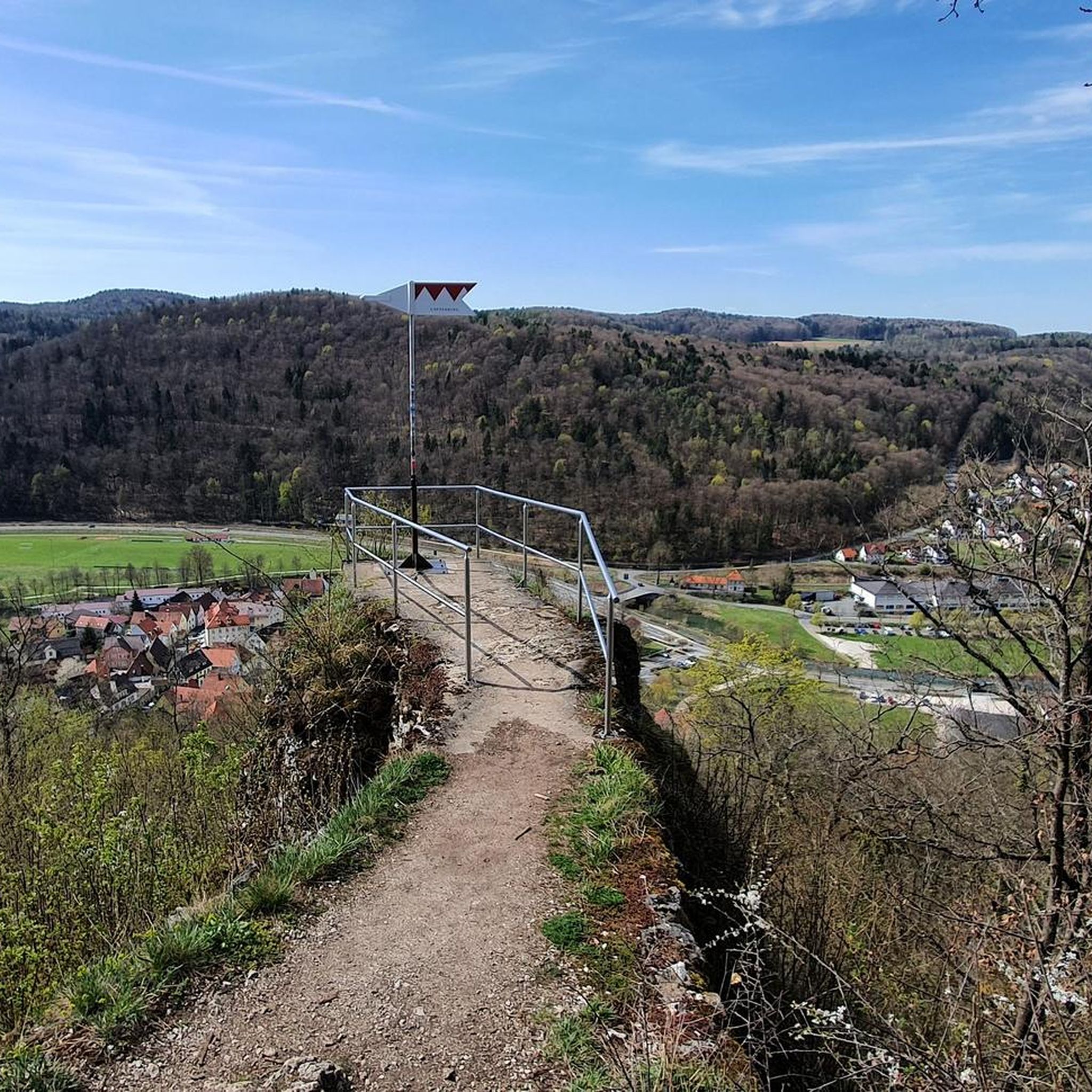
Running Trails around Wiesenttal
Other adventures around Wiesenttal


Tips from the Community

You'll be surprised at how big a hall opens up to you... don't forget to close your mouth again..😉
12
0

The Felsensteig is a short but spectacular path that is built into a deep, particularly impressive rocky gorge. The path can be walked without any safety measures, but you should wear good hiking boots and be sure-footed. There are several steps to climb, and in some places there are railings. This is usually not a problem for dogs either.
14
2

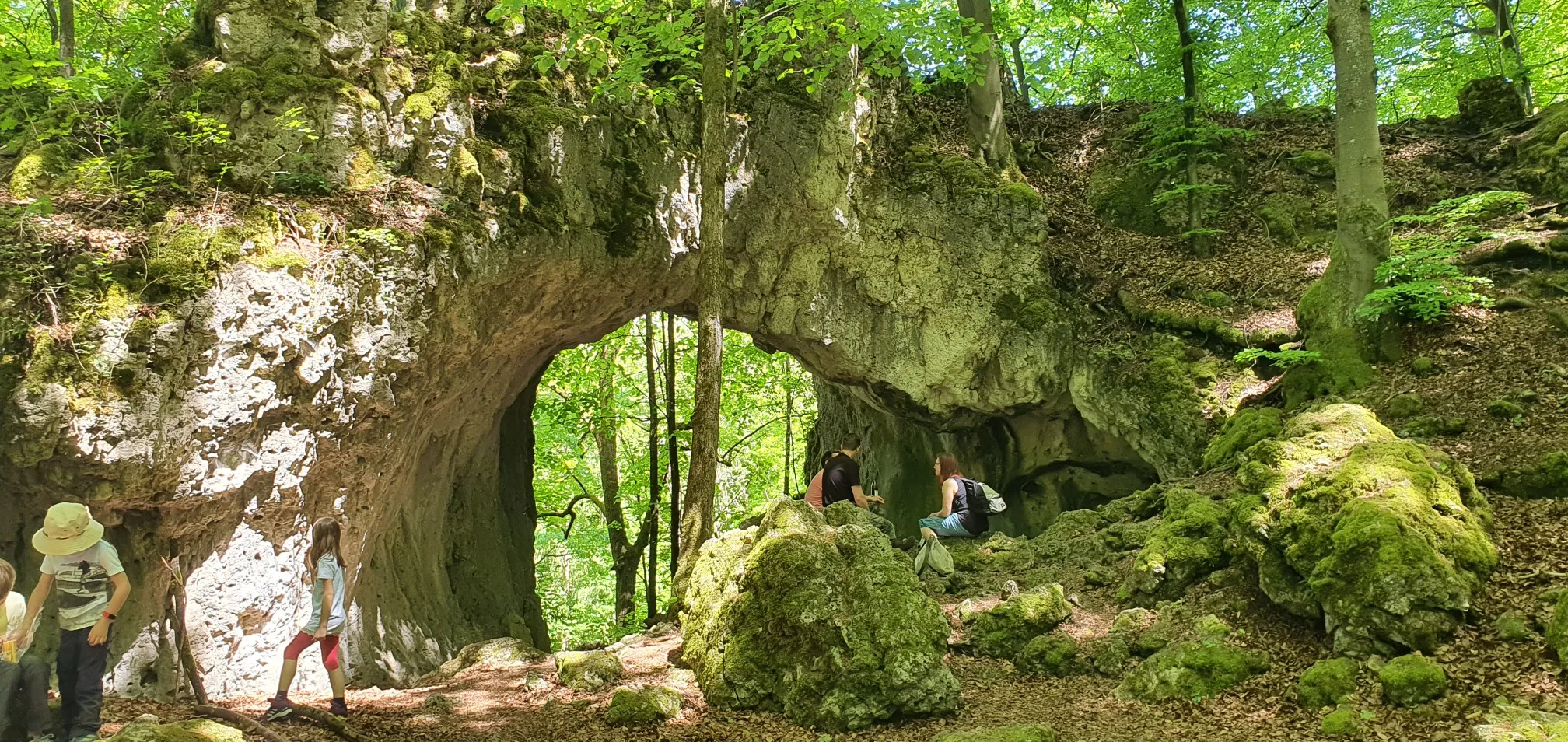
The Quackenschloss is a passage cave about 18 meters long. It is the remains of a very old and high-lying cave system. The rock wall has a patchy appearance due to the weathering of individual shells. The cave probably gets its name from this rock composition. The type of stone with holes in it (smokewacke) is called quacke here. The oblique oval shape of the cave is determined by two longitudinal fissures and two diagonally sloping bank joints. Two larger fissures cross the passage. One portal is about 7 meters wide and 2.5 meters high, the other, divided by a rock pillar, is about 9 meters wide and 5 meters high. The cave is registered as C 4 in the Franconian Alb Cave Register (HFA). It has been designated by the Bavarian State Office for the Environment as an important geotope (474R060)[1] and as a natural monument (ND-04580). The cave, which is easily accessible via hiking trails, is one of the most frequently visited destinations in the Franconian Jura, also because of its scenic location. There is a sport climbing area next to the cave. Source: Wikipedia
18
0
The Quackenschloss is a cave ruin, the remains of which belong to a very high (505 meters) and therefore very old cave system. The rock grotto, which is about three meters high and six meters wide, is open on two sides and can be safely entered from the east side. In the gallery cave, which takes its name from the enclosed fossils, the so-called Quacken, the remains of a 17-meter-long cave system can be explored.
17
0

It used to be called cooling hole or raven hole and is about 50m long
10
1
A small steep path leads to the roof of the Quakenschloss. Great view from above.
14
0
The Oswald cave is a passage cave that can be crossed effortlessly.
19
0

The Ludwigshöhle or König-Ludwig-Höhle is a natural karst cave near Neumühle, a district of the Upper Franconian municipality of Ahorntal in the Bayreuth district in Bavaria.
10
0
Frequently Asked Questions
What are some of the most popular show caves in the Wiesenttal region?
The Wiesenttal region is home to several impressive show caves. The Bing Cave, near Streitberg, is known for its diverse speleothems, including the 'Riesensäule' or Giant's Column, and offers guided tours. The Sophienhöhle, near Burg Rabenstein, is considered one of Germany's most beautiful dripstone caves, featuring unique formations like 'the Millionaire' and occasional cave concerts. Both offer well-maintained paths and guided tours.
Are there any freely accessible caves in the Wiesenttal area?
Yes, for those seeking a more self-guided experience, the Rosenmüllerhöhle near Muggendorf is freely accessible outside of bat protection periods (October 1 to March 31). It offers a chance to explore a historical show cave at your own pace. Additionally, the Ludwig Cave is a large, freely accessible karst cave above the Ailsbachtal, known for its surprisingly big hall.
Which caves are suitable for families with children?
Several caves in the Wiesenttal region are family-friendly. The Bing Cave and Sophienhöhle offer guided tours on well-lit paths, making them accessible for most ages. For a more adventurous, yet still manageable experience, the Oswald Cave is a passage cave that can be crossed effortlessly, though a flashlight is recommended. The Ludwig Cave is also noted as family-friendly.
What unique geological features can be found in the Wiesenttal caves?
The caves around Wiesenttal showcase a variety of unique geological formations. The Bing Cave is famous for its delicate stalactites, sturdy stalagmites, and calcite crystals, including the massive 'Riesensäule'. The Sophienhöhle boasts spectacular dripstone formations, such as the 'Millionaire' stalagmite and long sinter flags. The Riesenburg Collapse Cave is an impressive natural formation where limestone rock has been carved out by natural processes.
What historical significance do the caves in Wiesenttal hold?
Many caves in the region have historical importance. The Bing Cave, discovered in 1905, has yielded prehistoric artifacts and fossils. The Sophienhöhle is notable for housing one of the most complete cave bear skeletons found worldwide. The Rosenmüllerhöhle was one of the oldest show caves in Franconian Switzerland, with visible candle holders from its past. The Riesenburg Collapse Cave was made accessible for a visit by Bavarian King Ludwig I in the early 19th century.
Are there hiking trails that lead to or past caves in Wiesenttal?
Yes, the Wiesenttal area offers numerous hiking opportunities that incorporate its fascinating caves. You can find routes like the 'Oswald Cave – Rock Gate in the Forest loop from Muggendorf' or the 'Oswald Cave – Quackenschloss loop from Engelhardsberg'. For more hiking options, explore the Hiking around Wiesenttal guide.
What should I bring when exploring caves in Wiesenttal?
For guided show caves like Bing Cave and Sophienhöhle, comfortable walking shoes and a light jacket are recommended as temperatures inside are consistently cool (around 12°C). For self-guided exploration of passage caves like Oswald Cave, a flashlight is essential, and sturdy footwear is advised.
Can I go cycling near the caves in Wiesenttal?
Absolutely. The region around Wiesenttal provides excellent cycling opportunities. You can find various routes, including the 'Wiesent Riverside Trail – Ziegenfelder Cycle Path loop from Doos' or the 'Leinleiter Cycle Path – Neideck Ruins loop from Muggendorf'. For a comprehensive list of cycling routes, refer to the Cycling around Wiesenttal guide.
What is the best time of year to visit the caves in Wiesenttal?
The show caves like Bing Cave and Sophienhöhle maintain a constant cool temperature, making them suitable for visits year-round, offering a cool escape in summer and a warm refuge in winter. For freely accessible caves like Rosenmüllerhöhle, be aware that they may be closed for bat protection from October 1 to March 31.
Are there any caves in Wiesenttal that are also popular for sport climbing?
Yes, the area around Quackenschloss, a karst cave near Engelhardsberg, is known for its scenic location and has an adjacent sport climbing area, making it a popular spot for climbers.
What do visitors enjoy most about the caves around Wiesenttal?
Visitors frequently praise the captivating subterranean experiences offered by the caves. They appreciate the impressive geological formations, the well-maintained pathways in show caves, and the insights provided by knowledgeable guides. The opportunity for both guided tours and self-guided exploration of natural passages is also highly valued, as is the scenic beauty of the surrounding Franconian Switzerland landscape.
Most popular routes around Wiesenttal
Most popular attractions around Wiesenttal

Get inspired with the komoot mobile app


Explore more
Extend your search for the best caves by checking out these guides of the top ones around Wiesenttal:
