The 5 Most Amazing Peaks around Black Mountain
Best mountain peaks around Black Mountain are found in a region known for its significant elevation changes and diverse natural landscapes. The area features numerous summits, many of which are part of the Southern Appalachian Mountains. These peaks offer varied experiences, from accessible viewpoints to challenging trails, within a heavily wooded environment. The region's natural beauty is preserved through areas like Pisgah National Forest.
Best mountain peaks around Black Mountain
- The most popular mountain peaks is Lookout Mountain Summit,…
Last updated: May 13, 2026
Lookout Mountain Summit
Highlight • Summit
Tip by

Rainbow Mountain Summit
Highlight • Summit
Tip by
Sign up now to discover places like this
Get recommendations on the best single tracks, peaks, & plenty of other exciting outdoor places.
Sign up for free
Pot Cove Gap
Highlight • Gorge
Tip by
View from Kitsuma Peak
Highlight • Summit
Tip by
Blue Ridge Parkway below Lane Pinnacle
Highlight (Segment) • Viewpoint
Tip by
Start today with a free account
Your next adventure awaits.
Login or Signup



Tips from the Community

The name "Pot Cove Gap" comes from the idea that old miners and rail workers that died on the job used to have their water/lunch pail hung from a rope or tree branch in their memory. One can find the remains of an old lunch pot hanging from a tree here.
0
0
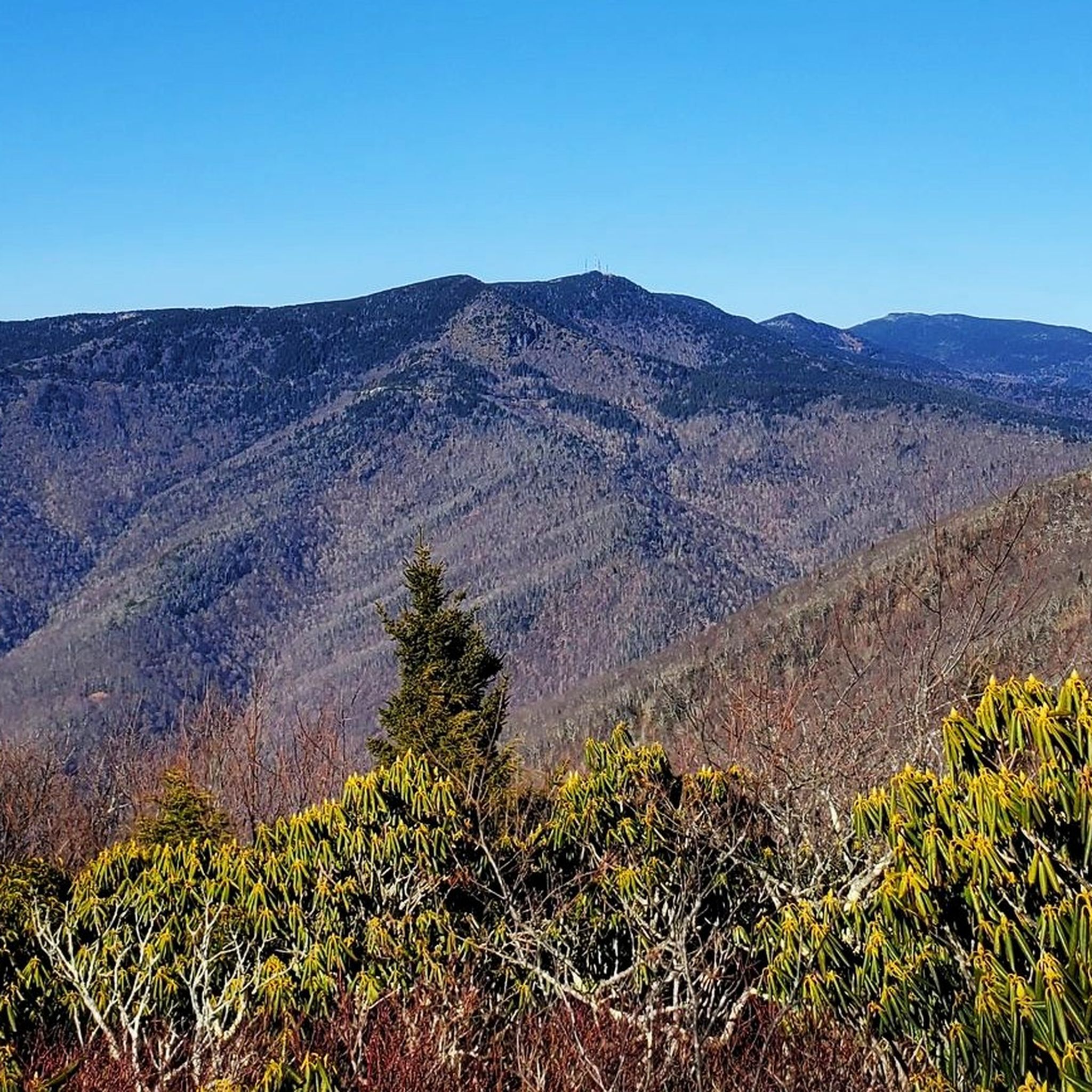
The Blue Ridge Parkway curves through the mountains and keeps below the Mountains-to-Sea Trail through this section. This part of the parkway travels below the 5,230-foot summit of Lane Pinnacle and looks out towards Craggy Knob in the distance.
0
0
The name "Pot Cove Gap" comes from the idea that old miners and rail workers that died on the job used to have their water/lunch pail hung from a rope or tree branch in their memory. One can find the remains of an old lunch pot hanging from a tree here.
0
0
Kitsuma Peak is an underrated mountain summit in the Blue Ridge Mountains. It's rocky outcrops offer an excellent spot for viewing the surrounding ridgelines. Though the peak itself is steep and rocky, you can expect to see mountain bikers out enjoying this summit view.
0
0
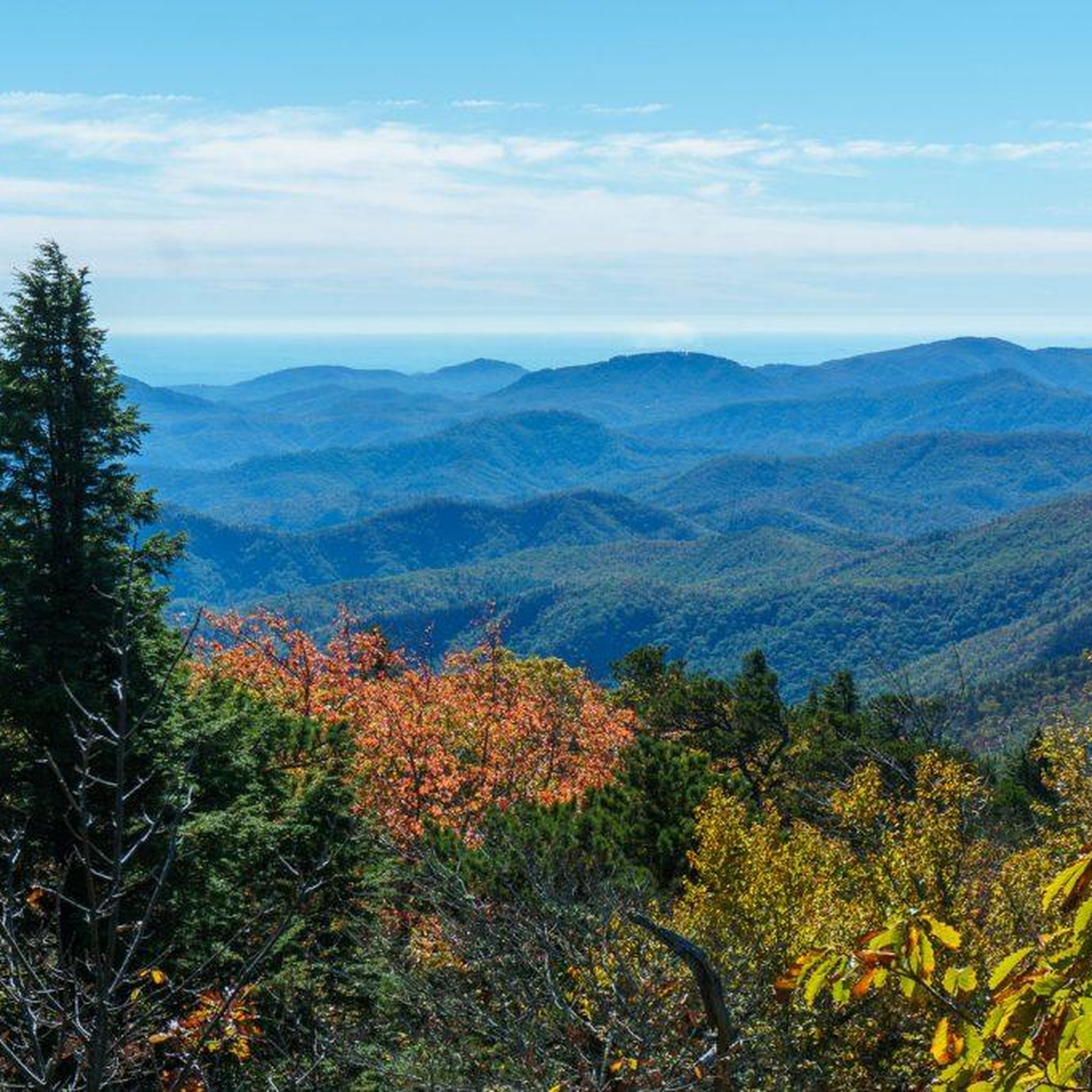
Lookout Mountain Summit is a terrific picnic peak just outside of Montreat, North Carolina. The summit, itself, sits atop a rocky outcrop that can require some fitness to reach the very top of. Enjoy surrounding views of the Seven Sisters and other mountains in and around Asheville.
0
0
Rainbow Mountain has a classic North Carolina foothills summit. Tucked away in the trees, you can still gain views of the surrounding ridgelines. This is a great, quiet peak for a snack break.
2
0

Frequently Asked Questions
What are some of the most notable mountain peaks in the Black Mountains of North Carolina?
The Black Mountains are home to several prominent peaks. Lookout Mountain Summit is a popular picnic spot with views of the Seven Sisters and Asheville. You can also find View from Kitsuma Peak, offering excellent views of surrounding ridgelines, and Rainbow Mountain Summit, a quiet spot for a break with views through the trees.
Which mountain peak in the Black Mountains is the highest in the Eastern United States?
Mount Mitchell holds the distinction of being the highest peak east of the Mississippi River, standing at 6,684 feet (2,037 meters). Its summit features an observation tower, a museum, a restaurant, and a gift shop, making it accessible for a wide range of visitors.
Are there family-friendly mountain peaks or viewpoints in the Black Mountains?
Yes, the Black Mountains offer options for families. Mount Mitchell is easily accessible by car via North Carolina Highway 128, which connects to the Blue Ridge Parkway, and provides amenities at the summit. Additionally, the Blue Ridge Parkway below Lane Pinnacle offers a family-friendly viewpoint.
What kind of natural features can I expect to see in the Black Mountains?
The Black Mountains are characterized by dramatic elevation changes and heavily wooded slopes within the Pisgah National Forest. You'll encounter unique high-altitude ecosystems, including dense stands of Fraser fir and red spruce, especially on peaks like Balsam Cone. Many peaks, such as View from Kitsuma Peak, offer rocky outcrops and panoramic views of the surrounding ridgelines.
What are some challenging hiking opportunities in the Black Mountains?
For experienced hikers, Mount Craig, the second-highest peak in the Eastern U.S., offers a more rugged experience typically accessed via a hiking trail from Mount Mitchell. Celo Knob provides a challenging ascent with panoramic views in a more remote setting. Mount Gibbes also presents a formidable hiking destination with expansive views, appealing to trekkers seeking a challenge.
Are there any historical points of interest related to the mountain peaks?
Yes, for example, Pot Cove Gap has a unique historical anecdote. The name comes from the tradition of old miners and rail workers having their water or lunch pails hung from a rope or tree branch in their memory if they died on the job. You can still find the remains of an old lunch pot hanging from a tree there.
What outdoor activities can I do near the mountain peaks in the Black Mountain region?
The Black Mountain area is popular for various outdoor activities. You can find numerous hiking trails, including the 'Lookout Trail' and 'Rainbow Mountain Trail'. For cyclists, there are many routes available, such as the 'Point Lookout loop' and sections of the 'Mountains to Sea Bicycle Route'. You can explore more options in the hiking guide, road cycling guide, and general cycling guide for the area.
What is the best time of year to visit the Black Mountains?
While specific recommendations can vary, the Black Mountains, being part of the Southern Appalachian Mountains, offer beautiful scenery year-round. Fall is particularly popular for vibrant foliage, while spring brings wildflowers. Summer provides lush greenery, and winter can offer unique, snow-covered landscapes, though accessibility to higher elevations might be limited by weather conditions.
Are there opportunities for wildlife spotting around the Black Mountain peaks?
The Black Mountains are largely protected by Mount Mitchell State Park and the Pisgah National Forest, which are rich in biodiversity. While specific sightings are never guaranteed, the heavily wooded slopes and high-altitude ecosystems provide habitats for various wildlife, including birds, deer, and other forest creatures. Early mornings or late afternoons are often the best times for wildlife viewing.
Where can I find panoramic views in the Black Mountains?
For unparalleled panoramic views, Mount Mitchell's summit features an observation tower offering 360-degree vistas. Mount Craig also provides stunning views, often with a more rugged feel. Closer to Black Mountain, Lookout Mountain Summit and View from Kitsuma Peak are known for their excellent perspectives of the surrounding ridgelines and mountains.
What makes the Black Mountains unique compared to other ranges?
The Black Mountains are unique due to their dramatic elevation changes, rising over 4,500 feet above the Catawba River Valley. They contain 18 peaks rising to at least 6,300 feet within a 15-mile stretch, including Mount Mitchell, the highest peak east of the Mississippi River. This concentration of high peaks and their protection within Mount Mitchell State Park and Pisgah National Forest make them a significant natural landmark.
Most popular attractions around Black Mountain

Get inspired with the komoot mobile app


