The best walks and hikes around Ellgau
4.5
(934)
4,481
hikers
617
hikes
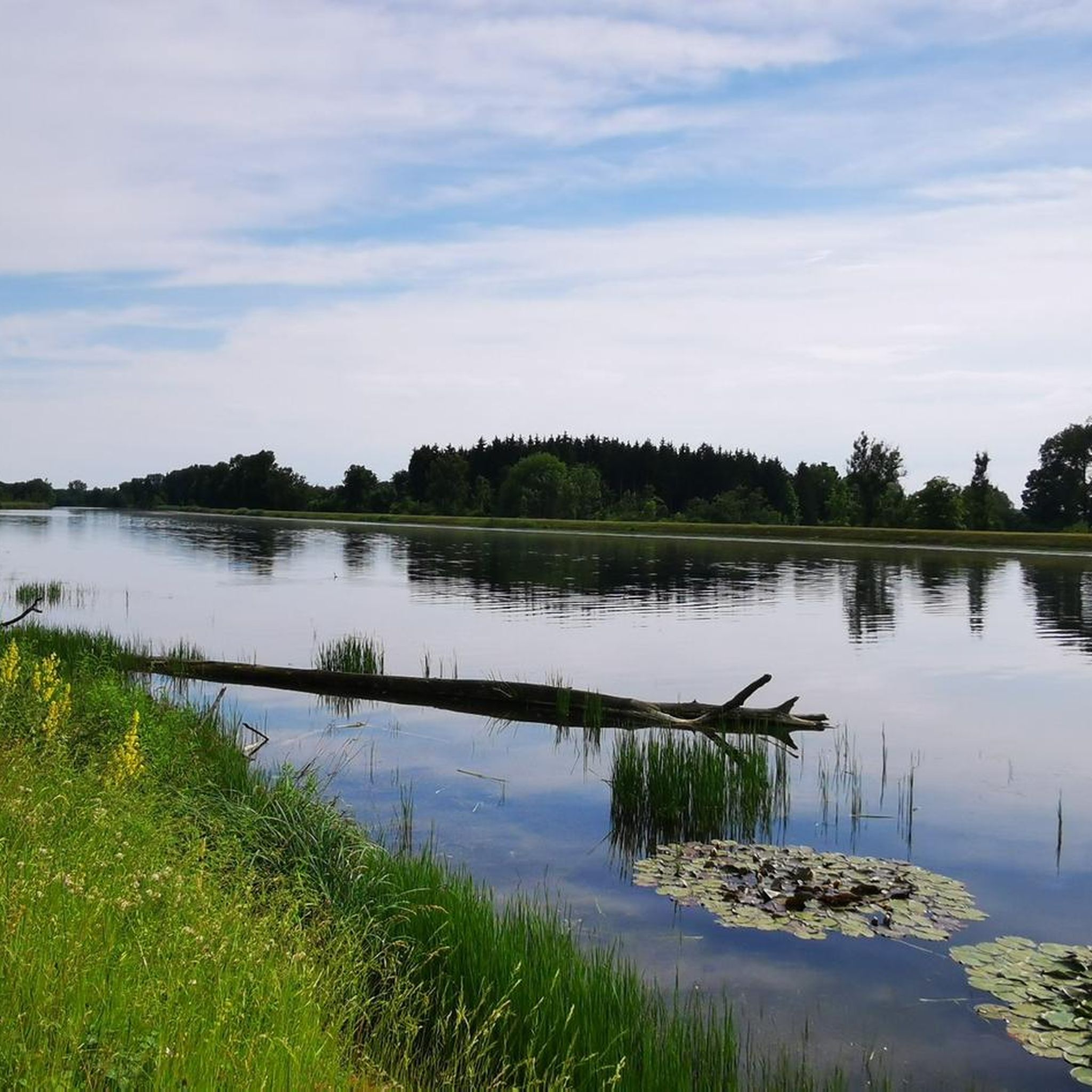
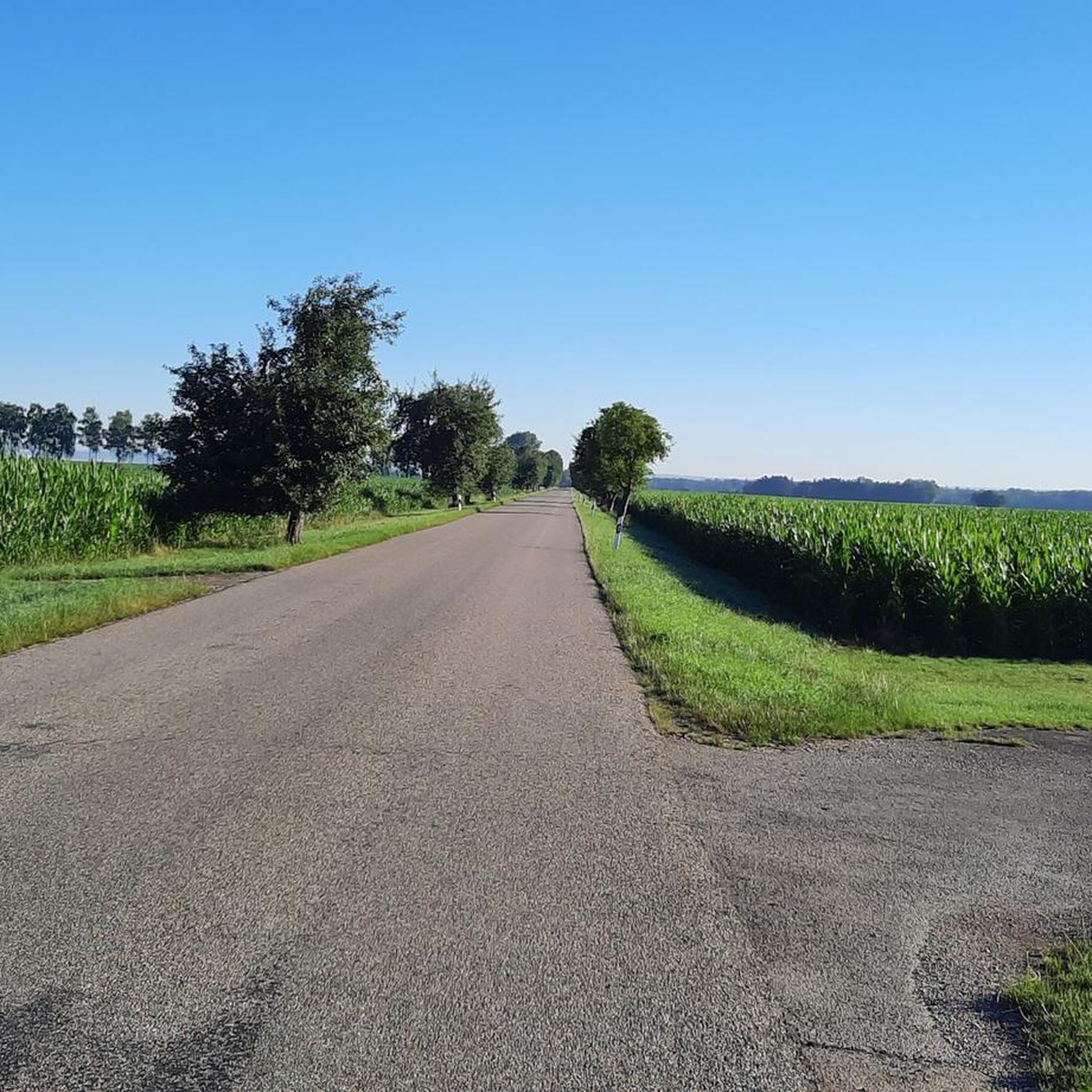
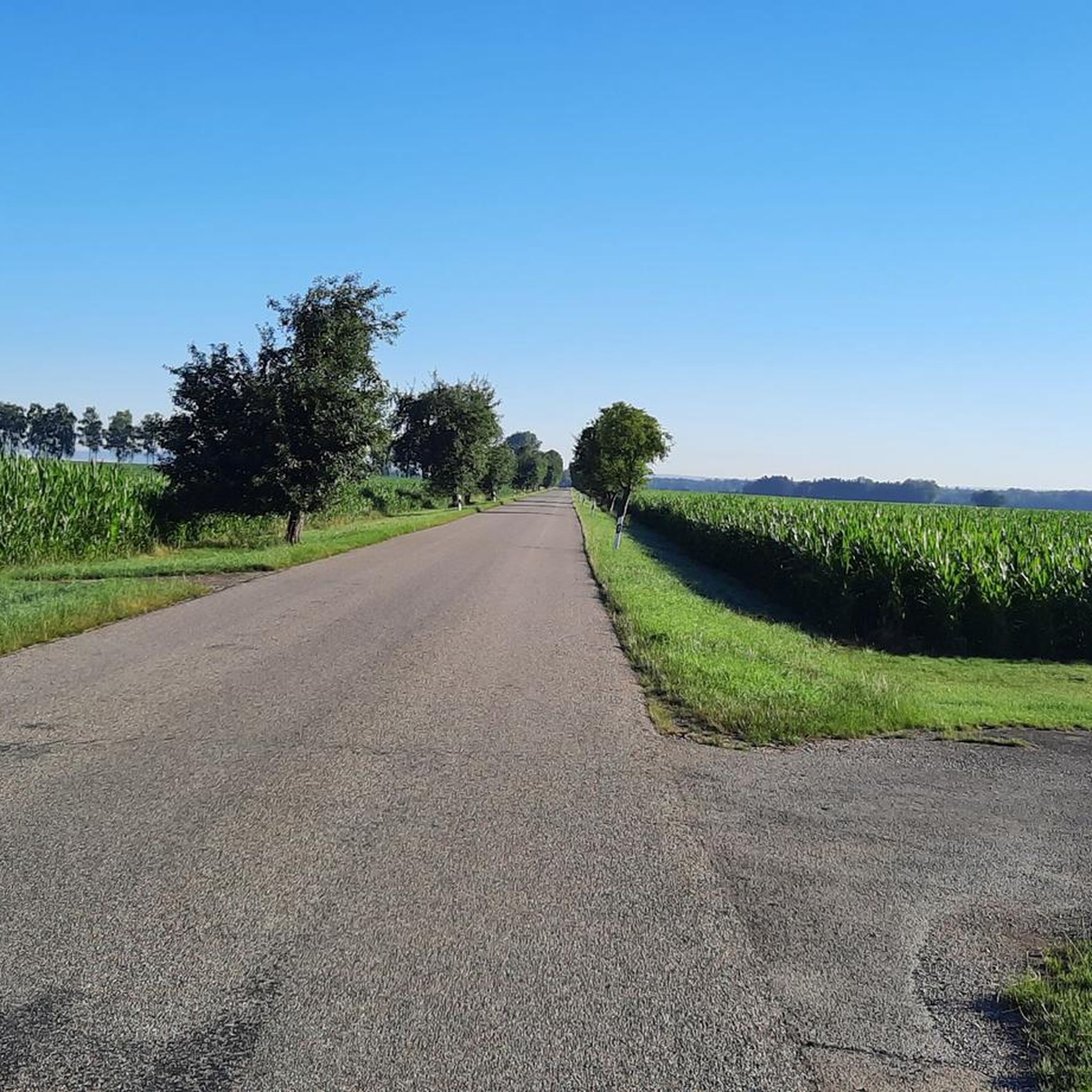
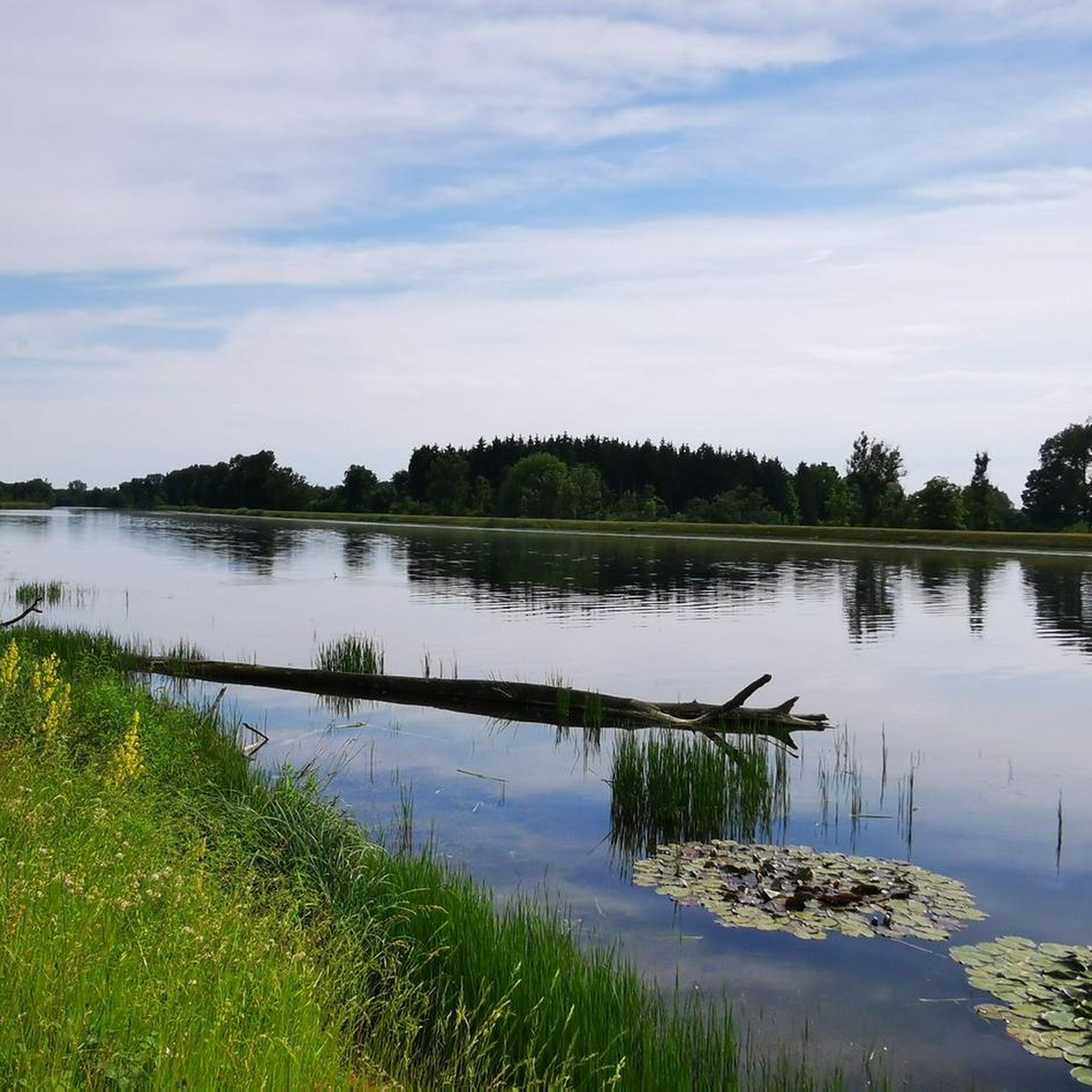
Hiking around Ellgau offers varied terrain characterized by rolling hills, expansive fields, and lush forests. The region is significantly shaped by the River Lech, which provides picturesque routes and opportunities to observe local wildlife. Key natural features include the Ellgaubad (bathing lake) and the Lech Dam Ellgau, around which several popular hiking trails lead.
Best hiking trails around Ellgau
- The most popular hiking route is Ellgau Dam – Lech Dam Ellgau loop from Ellgau, a 7.5 miles (12.0 km)…
Last updated: June 20, 2026
4.0
(3)
17
hikers
12.1km
03:04
20m
20m
Moderate hike. Good fitness required. Easily-accessible paths. Suitable for all skill levels.
11
hikers
5.03km
01:16
10m
10m
Easy hike. Great for any fitness level. Easily-accessible paths. Suitable for all skill levels.

Sign up for free
5.0
(4)
7
hikers
9.06km
02:21
50m
50m
Moderate hike. Good fitness required. Easily-accessible paths. Suitable for all skill levels.
4.0
(1)
16
hikers
Easy hike. Great for any fitness level. Easily-accessible paths. Suitable for all skill levels.
5.0
(1)
11
hikers
8.47km
02:08
10m
10m
Moderate hike. Good fitness required. Easily-accessible paths. Suitable for all skill levels.
Get access to more routes and recommendations from other explorers.
Sign up for free
Already have an account?
Our route recommendations are based on thousands of hikes, rides, and runs completed by other people on komoot.
Start today with a free account
Your next adventure awaits.
Login or Signup
Tips from the Community

Nordendorf Station – History and Transformation Nordendorf Station is one of the oldest stations on the Augsburg–Donauwörth railway line and was a key factor in the town's development for many decades. The station building is considered one of the oldest still standing along this section of the line and for a long time marked the "gateway" to the town. After standing empty and increasingly dilapidated for years, the municipality of Nordendorf acquired the station site in 2020 to be able to shape its future use. Since then, concepts for the redesign and revitalization of this historic site have been under discussion – including within the framework of a student ideas competition. Thus, the station now symbolizes the transformation of many small railway stations: from a once central transportation hub to a place where history, local development, and future planning converge. Sources & further information: • History of the railway station (Municipality of Nordendorf) https://www.nordendorf.de/index.php/gemeinde/dorfgeschichte/bahnhof • Report on the acquisition of the station building (Augsburger Allgemeine) https://www.augsburger-allgemeine.de/augsburg-land/Nordendorf-Nordendorfer-Schandfleck-Gemeinde-kauft-verfallenen-Bahnhof-id58319826.html • Ideas competition for the redesign of the station area (TH Augsburg) https://www.tha.de/Architektur-und-Bauwesen/Nordendorf-verleiht-Preis-an-Studierende.html
0
0
Holzen Monastery & Karlsberg – Historical Overview Today's Holzen Monastery is situated on Karlsberg, a hill rising approximately 20 meters above the Schmutter Valley near Allmannshofen. The name "Karlsberg" originates from a chapel built in the early 17th century in honor of St. Charles Borromeo. Originally, the Benedictine convent, founded in the 12th century, was located in the valley near the Schmutter River. Due to the risk of flooding and structural decay, a decision was made at the end of the 17th century to build a new monastery on the higher plateau. The monastery complex, with its prominent Baroque Church of St. John the Baptist, was constructed between 1696 and 1710 according to plans by the Vorarlberg architect Franz Beer. After secularization in 1803, the complex was initially used for secular purposes. Since 1927, it has belonged to the Dominikus-Ringeisen-Werk (Dominican Ringeisen Foundation) and today serves as a social institution, hotel, and conference center. Holzen Monastery and Karlsberg Hill form a historically developed ensemble that impressively combines the landscape, local history, and Baroque architecture of the region. schwabenmedia.de/Kirchen/Landkreis-augsburg/St-johannes-holzen.php Site plan of Holzen Monastery (PDF) kloster-holzen.de/media/78971/lageplan-kloster-holzen-2784639.pdf
0
0
Today's Fugger Castle, with its castle gardens, is the remaining vestige of a once much larger castle complex and is located in the heart of the village of Nordendorf. The complex became the seat of power for the Fugger-Nordendorf line of the Fugger family in the 16th century and shaped the village's history for centuries. After a fire in the 1860s, the former upper castle was largely demolished. Parts of the west wing, including the tower and chapel, as well as the gatehouse of the south wing, have been preserved. In the castle park, a Renaissance fountain with a coat of arms commemorates the site's aristocratic past. Today, the castle is privately owned and not open to the public, but its historical significance as a landmark of the village is clearly visible from the outside. https://de.wikipedia.org/wiki/Fuggerschloss_Nordendorf
0
0

The castle today dates back to the Middle Ages. The fortified farm was first mentioned in 1329. The residential tower, in which the chapel was established in 1868, still bears witness to this period. More on the history: https://www.schloss-nordendorf.de/index.php/geschichte
1
0

Former Fugger palace complex, built in 1560, privately owned since 1860! https://www.schloss-nordendorf.de
0
0

Very beautiful path from Allmannshofen to Kloster Holzen. Interesting for children, there are lots of gnomes integrated, you just have to make sure you find as many of them as possible.
1
0

not really anything special, with stairs
0
0

It is better to continue on the side until the next crossing. This crossing is difficult with the bike.
0
0
Frequently Asked Questions
How many hiking trails are available in Ellgau?
Ellgau offers a wide selection of hiking routes, with over 600 trails recorded on komoot. This includes more than 400 easy routes and nearly 200 moderate options, ensuring there's a path for every preference.
Are there easy hiking trails suitable for beginners or families in Ellgau?
Yes, Ellgau has numerous easy hiking trails perfect for beginners or families. For instance, the Thierhaupten Bird Sanctuary – Lech Dam Ellgau loop from Ellgau is an easy 3.2-mile path offering scenic views. The region also features the 'Ellgau Nature Trail,' specifically designed to be informative and engaging for children.
Can I find circular hiking routes in Ellgau?
Many of Ellgau's hiking routes are circular, allowing you to start and end at the same point. A popular example is the Ellgau Dam – Lech Dam Ellgau loop from Ellgau, a 7.5-mile moderate trail connecting two significant water features.
What natural features can I expect to see while hiking in Ellgau?
Ellgau's landscape is characterized by rolling hills, expansive fields, and lush forests. The prominent River Lech meanders through the area, offering picturesque routes and opportunities to observe wildlife. Key natural attractions include the Ellgaubad (bathing lake) and the Lech Dam Ellgau, around which many trails lead.
Are there any cultural or historical sights along the trails in Ellgau?
Yes, hiking in Ellgau can be enriched by cultural and historical sights. Notable attractions include Holzen Abbey and the Abbey Church of St. John the Baptist, and the nearby Thierhaupten Monastery. These add a historical and architectural dimension to your outdoor experience.
What is the best time of year to go hiking in Ellgau?
Spring and autumn are particularly recommended as the best seasons for hiking in Ellgau. During these times, the weather is generally favorable, and the natural scenery, from blooming fields to colorful foliage, is at its most beautiful.
Are there options for longer, more challenging hikes in Ellgau?
While Ellgau is known for its many easy and moderate trails, there are also options for longer hikes. For example, the Lech Dam Ellgau – Lech Dam Oberpeiching loop from Lechstaustufe Oberpeiching is a moderate 9.3-mile route, offering a more extended exploration of the region's waterways.
What do other hikers say about the trails in Ellgau?
The hiking routes in Ellgau are highly rated by the komoot community, with an average score of 4.5 stars from over 800 reviews. More than 4000 hikers have used komoot to explore Ellgau's varied terrain, often praising the diverse landscapes and well-maintained paths.
Are there any specific attractions or points of interest near the hiking routes?
Beyond the natural beauty, you can explore several points of interest. The Thierhaupten Bird Sanctuary is a great spot for nature enthusiasts. You might also encounter the Historic hydropower plant Bavaria or the Neptune Sculpture at the Lech Bridge.
Are the hiking trails in Ellgau suitable for dogs?
Many of the trails in Ellgau, particularly those through fields and forests, are suitable for dogs. It's always advisable to keep dogs on a leash, especially near wildlife areas like the Thierhaupten Bird Sanctuary, and to respect local regulations.
What are the parking options like for hikers in Ellgau?
While specific parking areas are not detailed for every trailhead, Ellgau is generally accessible by car. Hikers often find parking available near popular starting points, especially around key attractions like the Ellgaubad or the Lech Dam Ellgau.
Are there places to stop for refreshments or a break along the trails?
Yes, you can find places to rest and refresh. The region has several huts and cabins, such as the Naturfreundehaus Vinzenz-Behr-Hütte, which can serve as good stopping points. Additionally, the Ellgaubad area is suitable for picnicking.
Most popular attractions around Ellgau

Get inspired with the komoot mobile app


Explore more
Browse the best Hikes in other regions.
