Top 20 Castles around Rheinbach
Best castles around Rheinbach offer a journey through the region's rich history and diverse landscapes. Rheinbach, a town in Germany, features historically significant castle sites that provide insight into the past. The area combines historical exploration with natural beauty, making it a destination for those interested in heritage and outdoor activities. Visitors can explore ruins perched on hillsides and well-preserved towers within town centers.
Best castles around Rheinbach
- The most popular castles is Saffenburg Castle Ruins, a castle that offers views over the Ahr valley. This medieval hilltop castle was once the largest in the Ahr Valley and retained military importance for centuries.
- Another must-see spot is Historic Old Town of Bad Münstereifel, a historical site with a castle complex towering above the city. Visitors can explore a medieval town center with a complete city wall and enjoy views from the castle.
- Visitors also love Ahrweiler Old Town, a settlement with historical significance. This medieval town center is an ideal starting point for hikes and features a Gothic hall church.
- Rheinbach is known for castle ruins, fortified towers, and historical town centers with castle elements. The area offers a variety of castles to see and explore, from ancient ruins to structures integrated into medieval towns.
- The castles around Rheinbach are appreciated by the komoot community. The guide features more than 900 photos and has received over 2300 upvotes from users.
Last updated: June 22, 2026
Altenahrer Eck
Highlight • Viewpoint
Translated by Google •
Tip by

Saffenburg Castle Ruins
Highlight • Castle
Translated by Google •
Tip by

Sign up now to discover places like this
Get recommendations on the best single tracks, peaks, & plenty of other exciting outdoor places.
Sign up for free
View of Saffenburg
Highlight • Viewpoint
Translated by Google •
Tip by

Are Castle Ruins
Highlight • Castle
Translated by Google •
Tip by

Ahrweiler Old Town
Highlight • Settlement
Translated by Google •
Tip by

Sign up for free to discover even more castles around Rheinbach.
Sign up for free
Already have an account?
Start today with a free account
Your next adventure awaits.
Login or Signup
Popular around Rheinbach
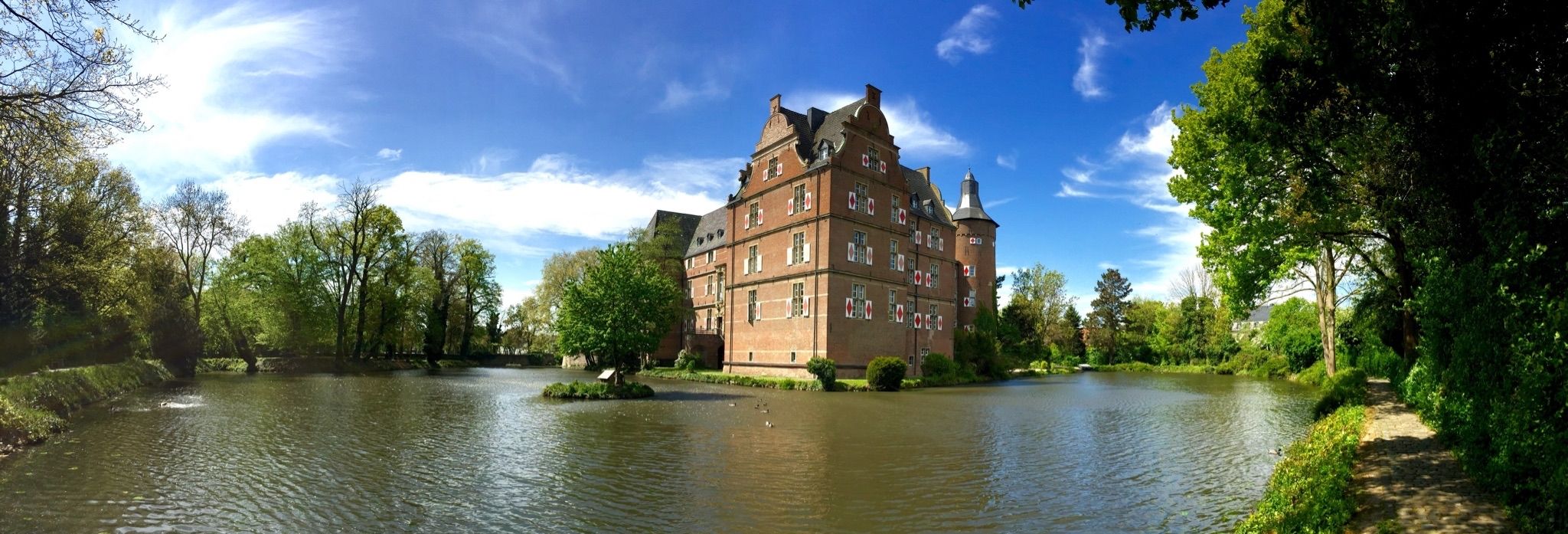
Wasserburgen-Route — A ride through Germany's Castle Country from the Rhine to the Eifel and back
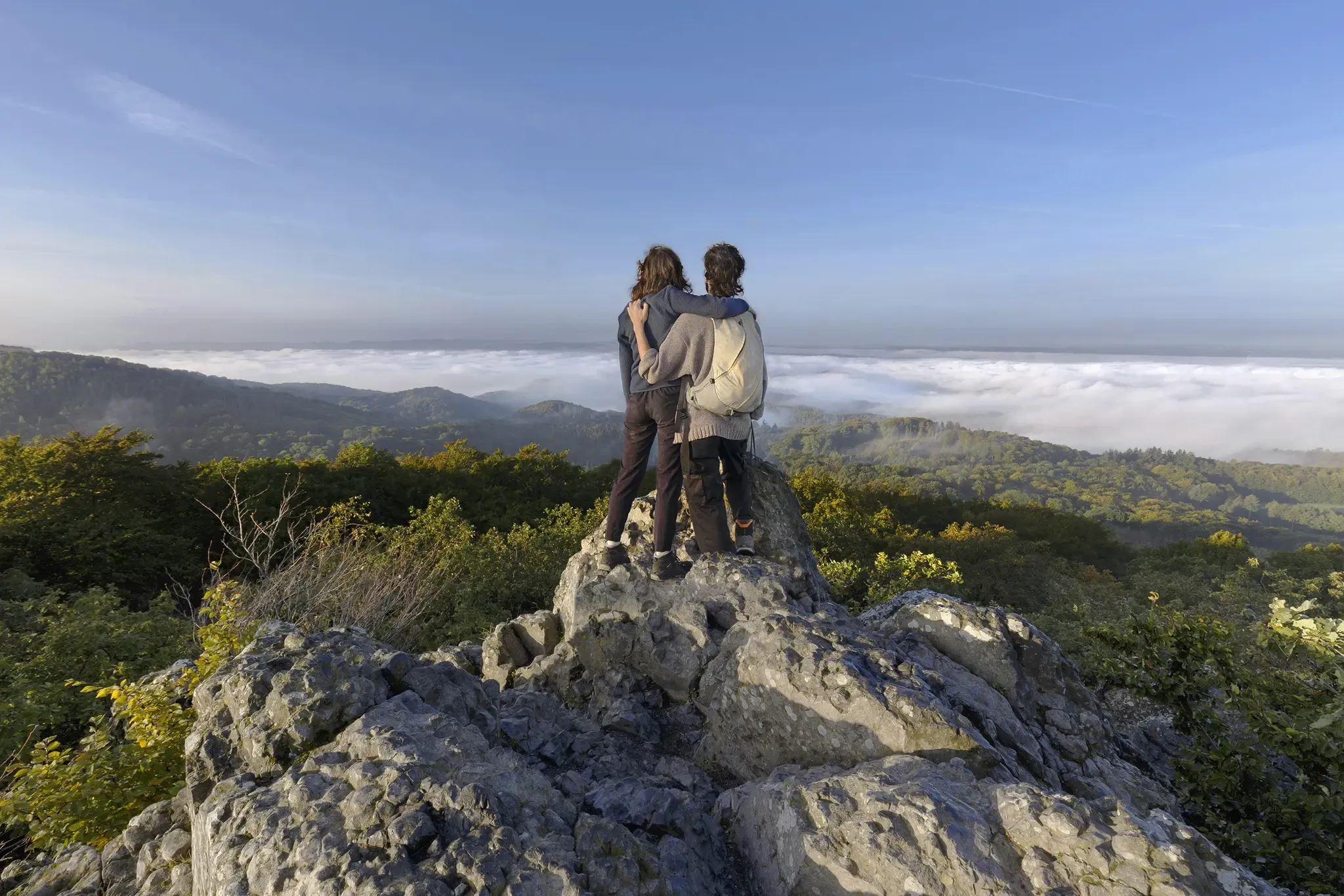
I'm getting outside! – eight adventurous hikes on the Rhine and Sieg
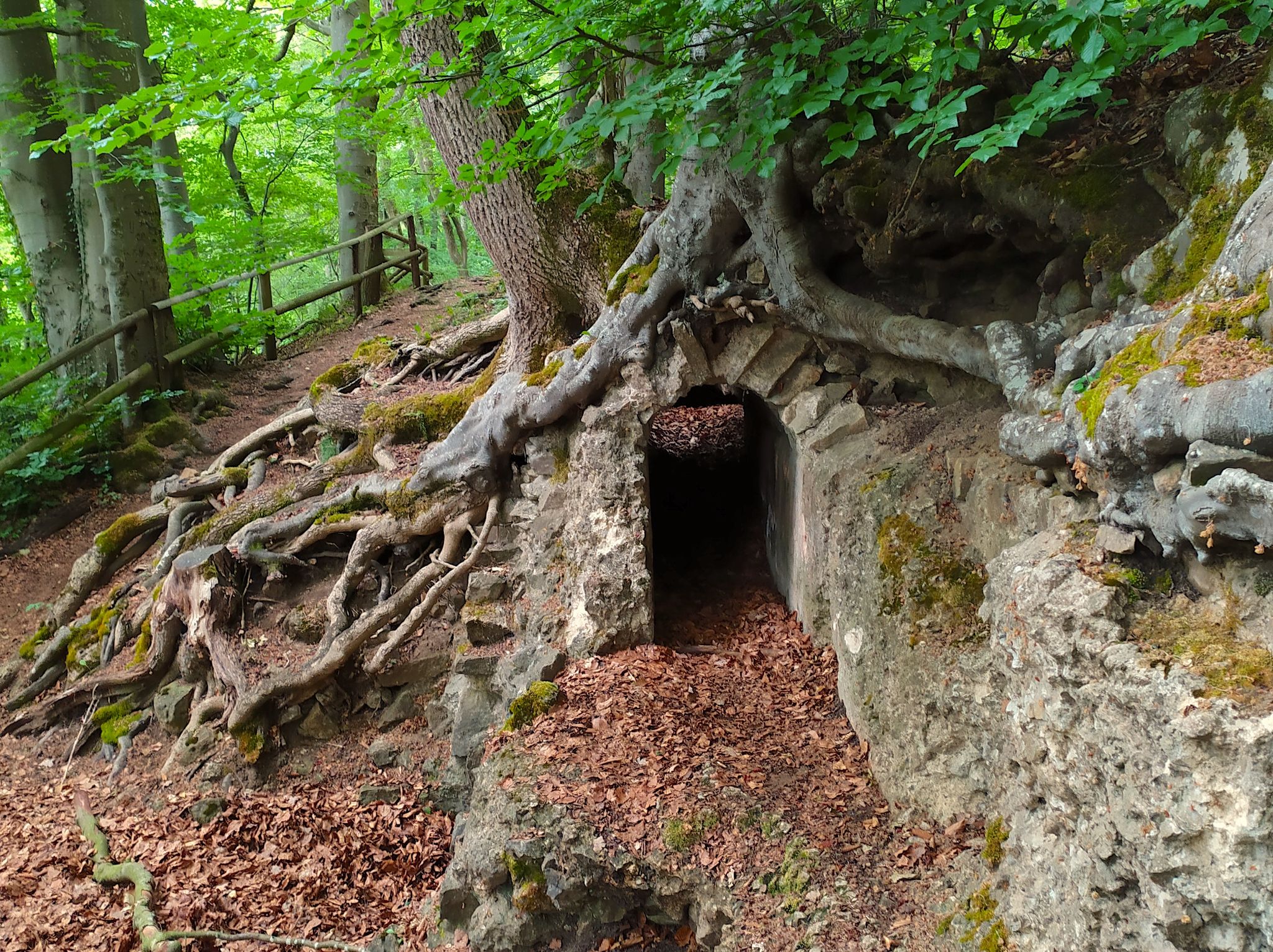
Hike from Cologne to the Eifel – Roman Canal Trail
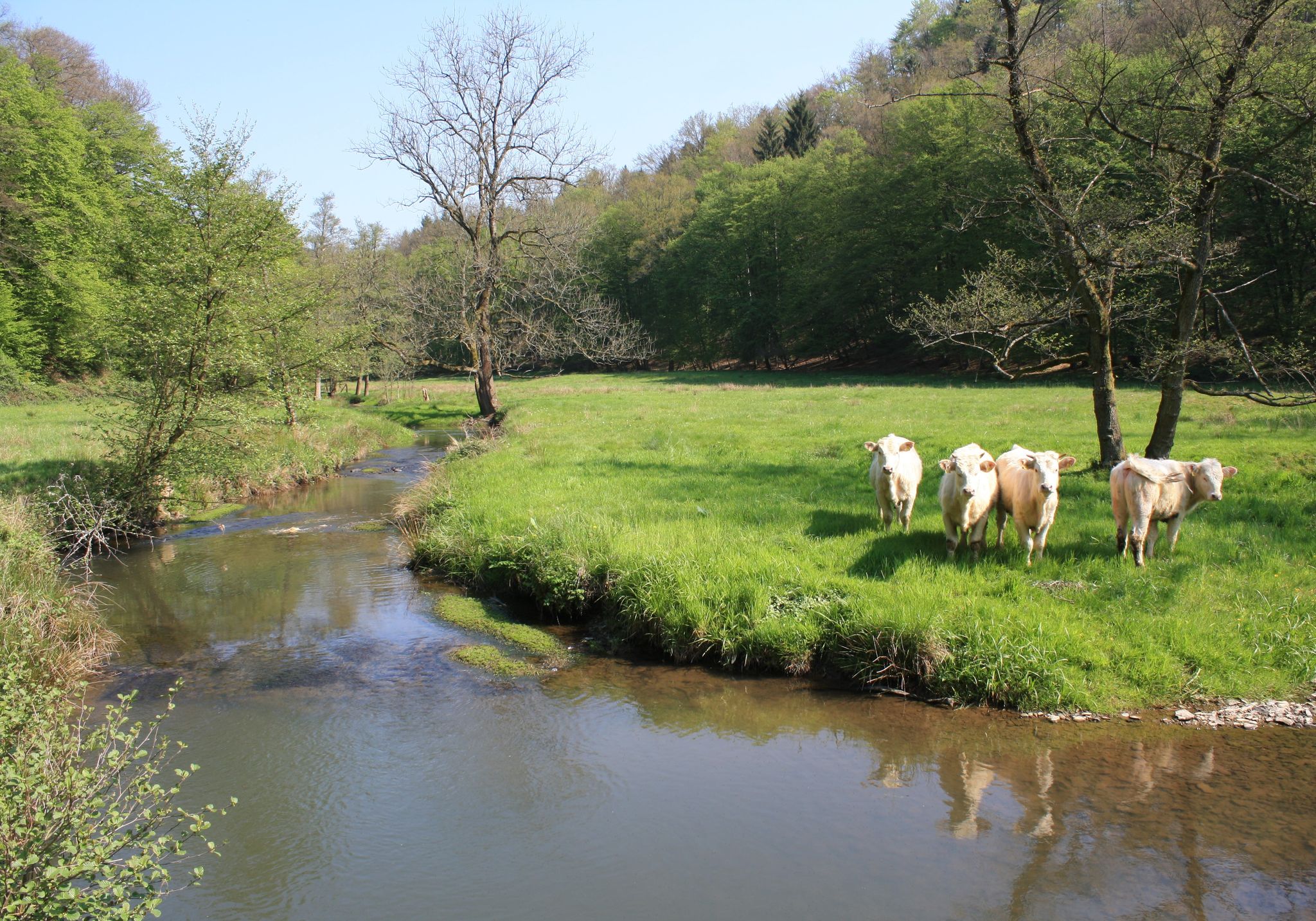
Nature and culture in beautiful landscapes – hikes on the Rhine and Sieg

Close to water – cycling in the Rhineland cycling region
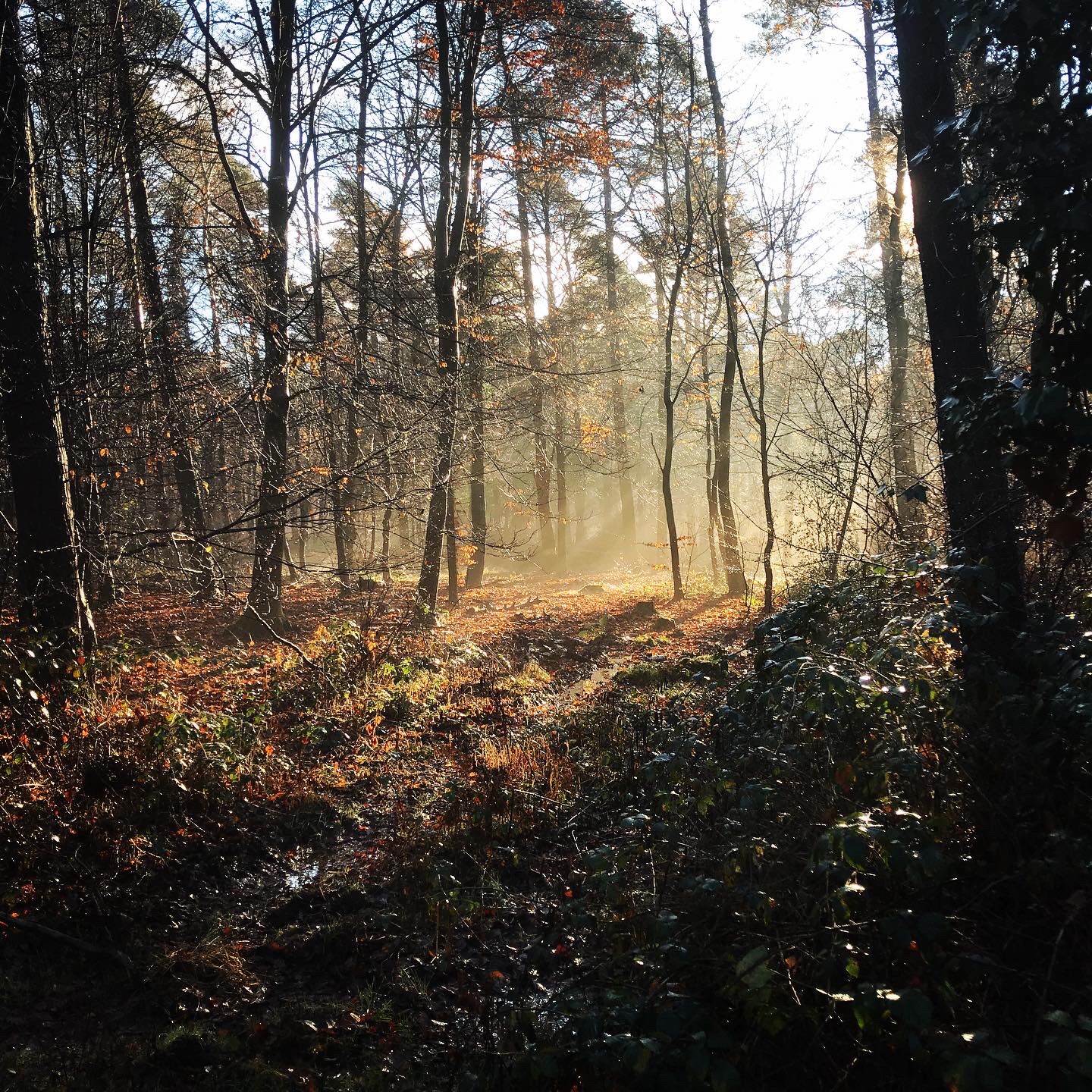
Naturpark Rheinland - Our most beautiful hiking trails
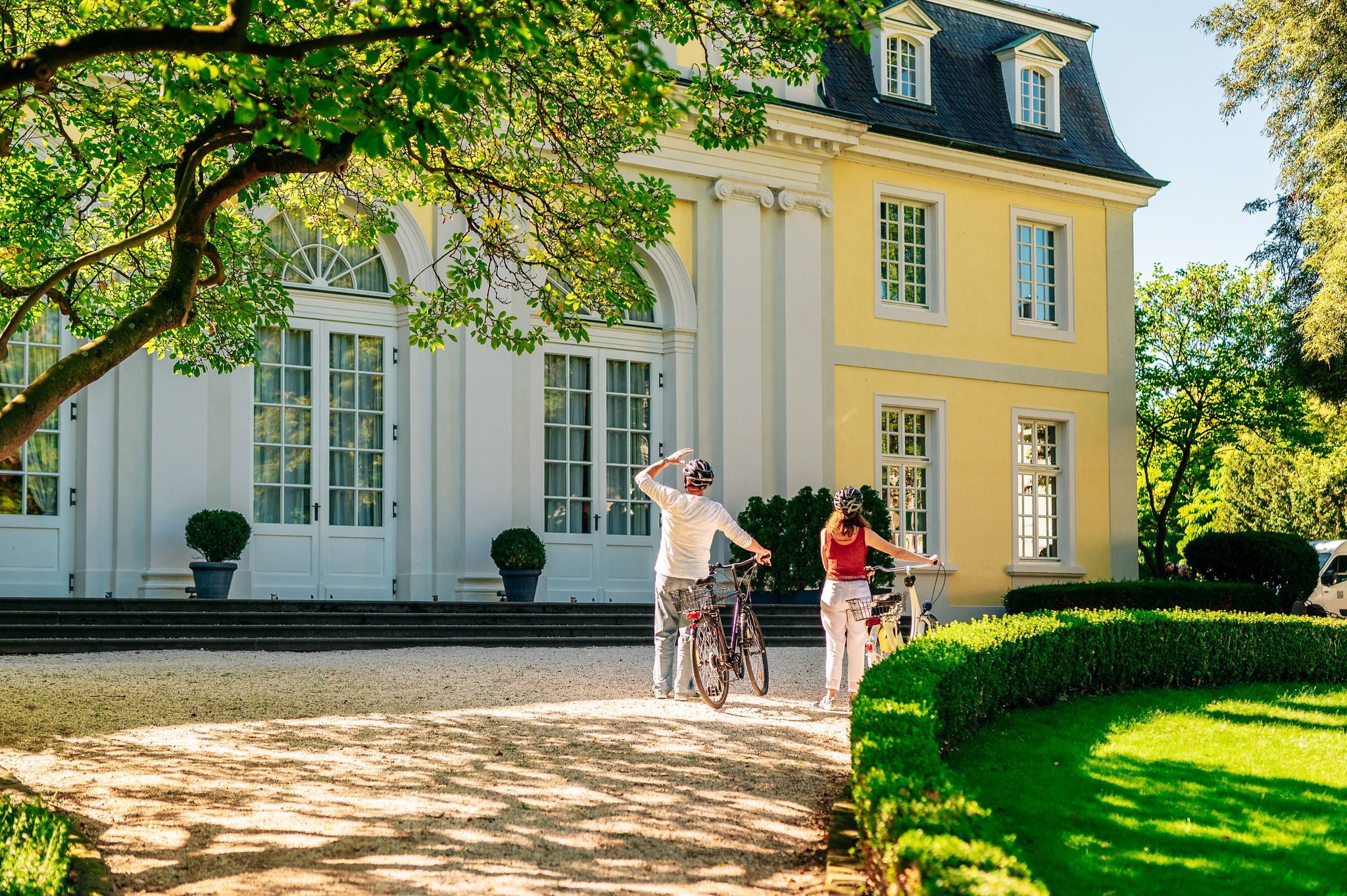
History in the Rhineland – cycling in the Rhineland cycling region
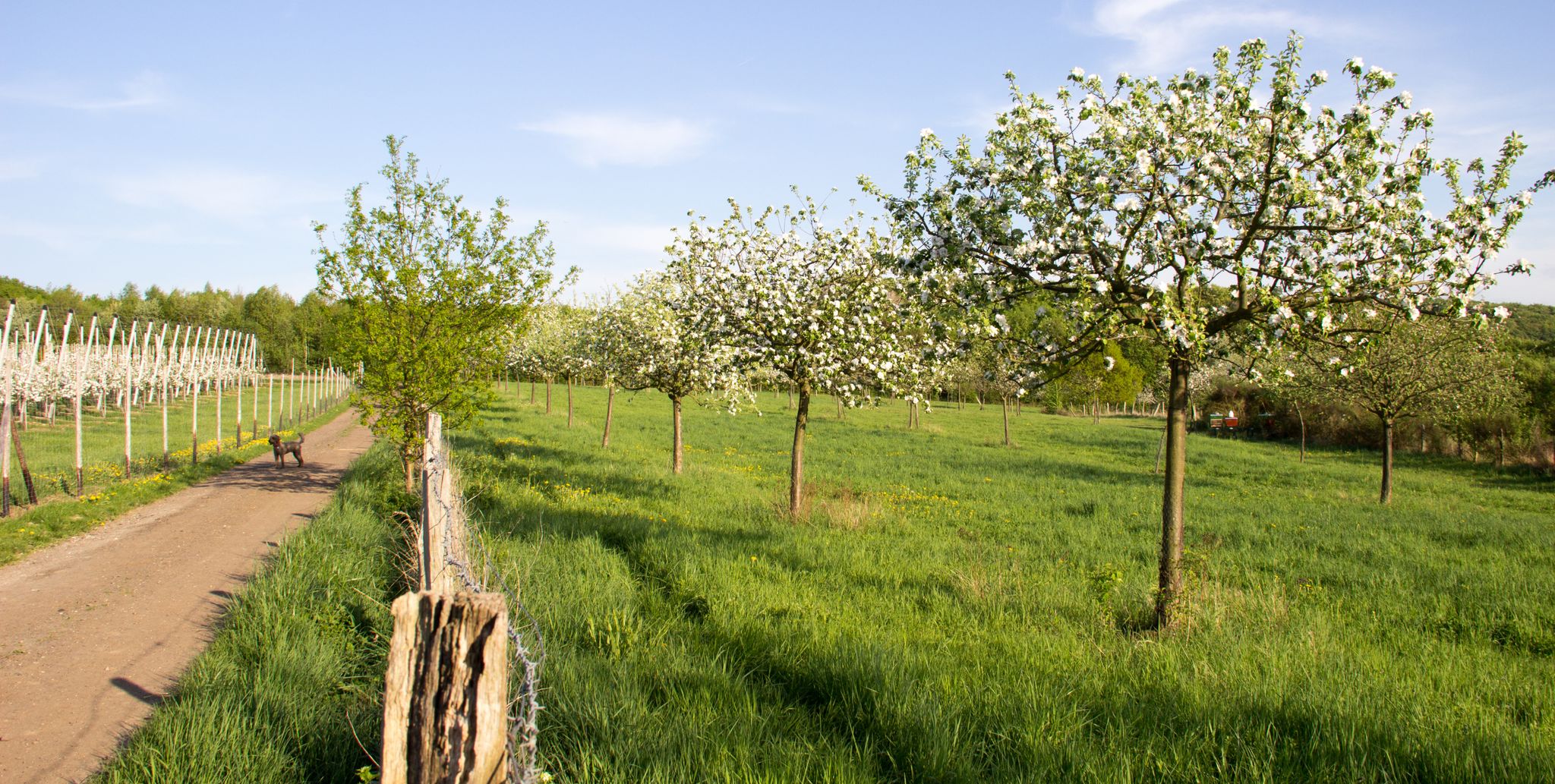
Im Zeichen des Apfels – Die Rheinische Apfelroute
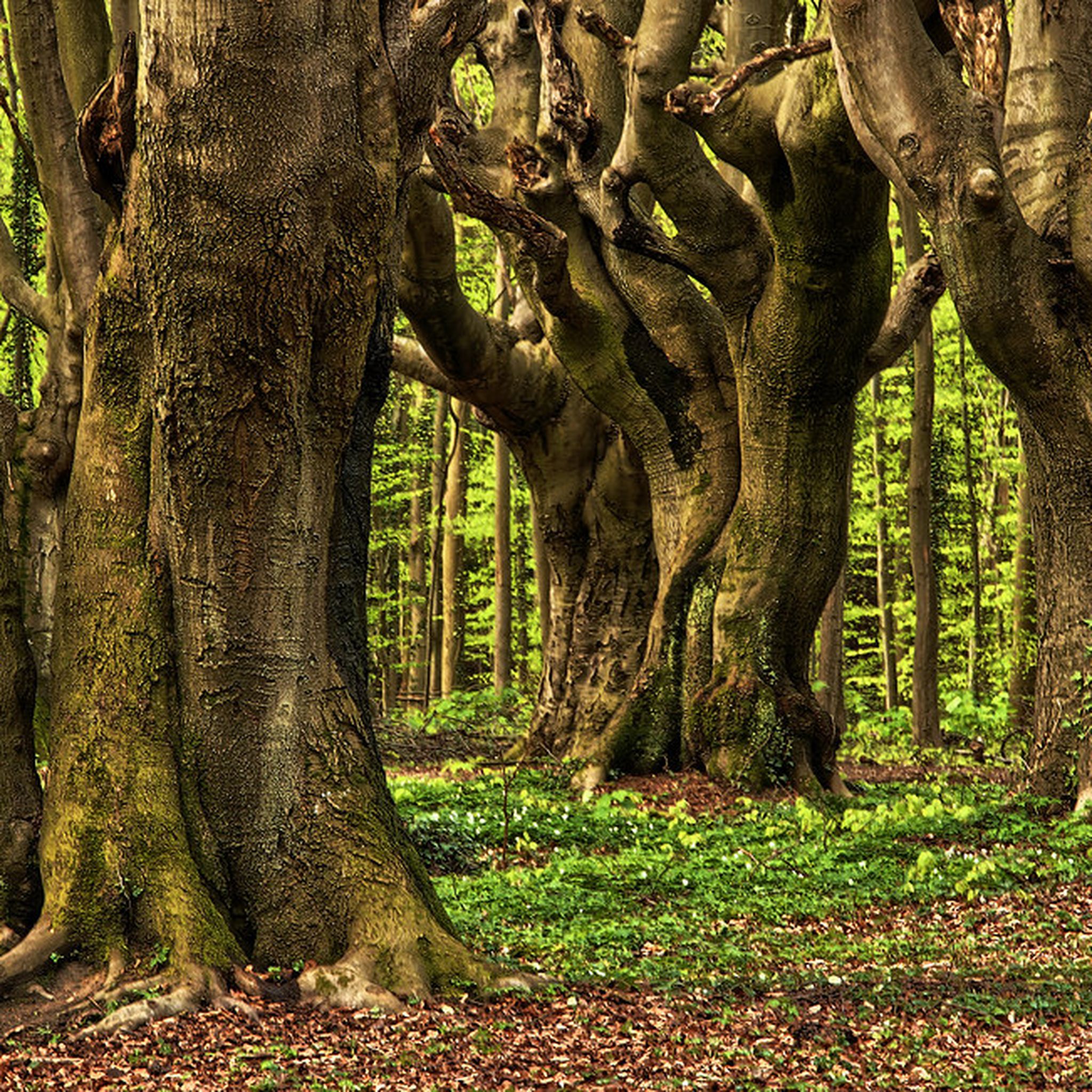
Hiking around Rheinbach
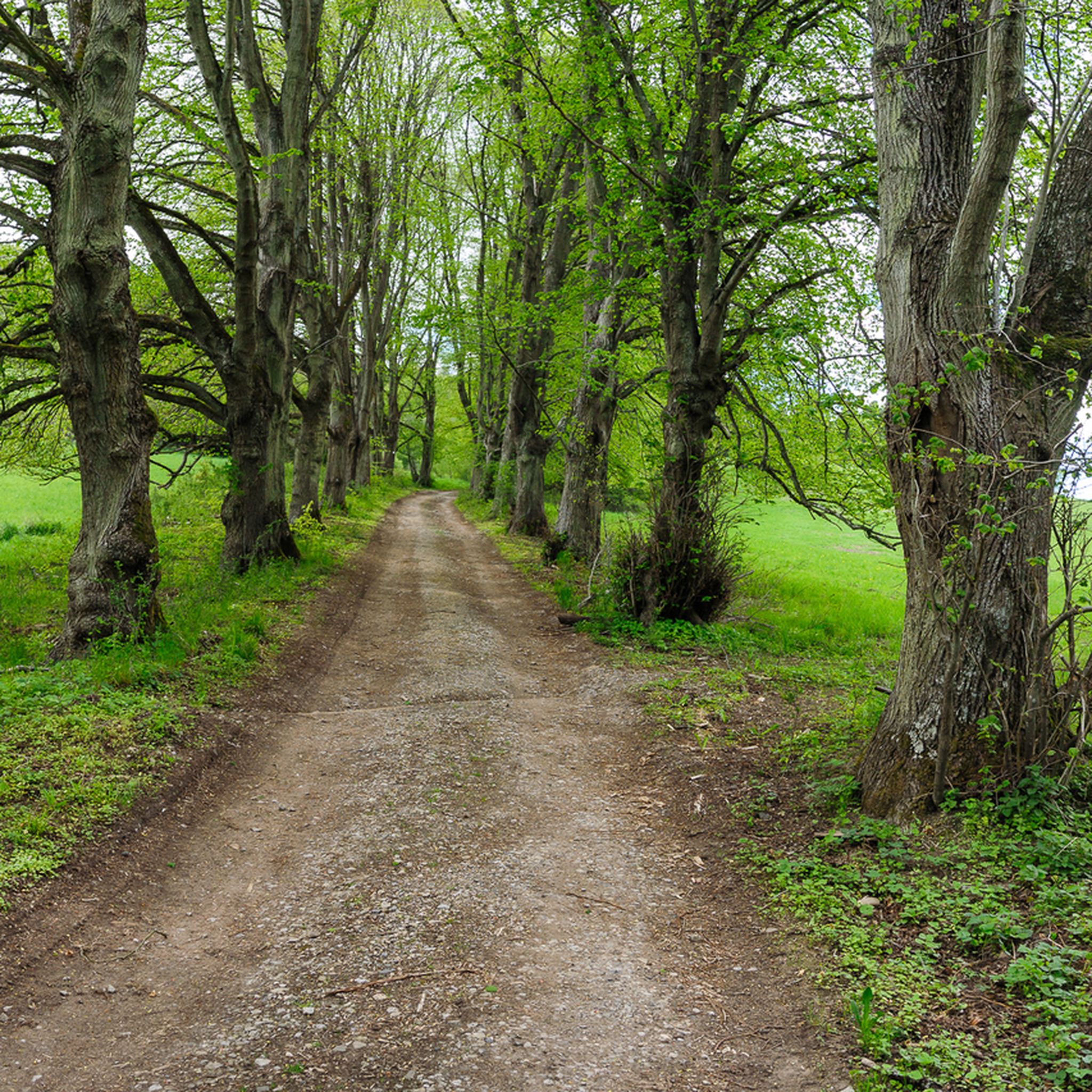
Cycling around Rheinbach
Other adventures around Rheinbach


Tips from the Community

Be amazed as you look through the grate into the depths of the pit.
19
1
near the ruins a beautiful viewpoint with a bench in peace and quiet
16
0
During wine week there will be a wine kiosk here and you can buy a holder to put your wine glass in 😀
17
1

Mayschoß belongs to the Walporzheim wine-growing area in the Ahr region. There are 59 wine-growing businesses in the town, and the vineyard area is 103 hectares. Around 70% of the wine grown is red wine grape varieties (as of 2010). In 1979, there were still 89 businesses operating, and the vineyard area at that time was 91 hectares.
9
0

The corner far above the river offers a very nice view of the Ahr valley.
19
1

The climb to Saffenburg is worth it: Not only does the perfect view over Mayschuss and its vineyards await you here, you can also reward yourself with a delicious glass of wine at any time. Next to the refuge there is a wine vending machine with delicious white, rosé and red wines as well as grape juice and water. Glasses are also available for loan. Payment is only possible cashless.
11
0

Very beautiful city center with the half-timbered houses and the well-preserved city fortifications from the Middle Ages. >> Ahrweiler << - the older of the two districts, was first mentioned as >> Ahrwilere << in the year 893 in a goods list of the Prüm Abbey. This abbey had large possessions in Ahrweiler. Until 1100 Ahrweiler belonged to the Argau. from 1100 - 1246 sovereignty was exercised by the Counts of Are; From them it passed in 1246 to the Counts of Hochstaden of the Archbishopric of Cologne, who remained rulers until 1794. Archbishop Konrad von Are-Hochstaden, who confirmed Ahrweiler's city rights in 1248, made the city, together with Bonn, Neuss and Andernach, co-capital of Electoral Cologne. In keeping with this political and strategic importance, the sovereign had Ahrweiler fortified with a fortification that is still worth seeing today. The moats, city walls, gates and towers from the 13th century are almost completely preserved today. During the Thirty Years' War (1633, 1642, 1646) the city was besieged, looted and pillaged by enemies; During the 3rd French War of Robbery on May 1, 1689, all but 10 houses were completely destroyed. It took years for the reconstruction to take place. From 1794 - 1814 Ahrweiler was under French rule, which was followed by belonging to Prussia from 1815 - 1945. Ahrweiler had to endure the last enemy attacks in 1044 and 1945. The bombing left the southern part of the city center completely in ruins. But reconstruction took place quickly. Anyone who visits Ahrweiler as a lover of antiquity will be particularly impressed by the St. Laurentius parish church (1269) - one of the first Gothic hall churches in the Rhineland - and the excavation work on the recently discovered probably second largest Roman villa north of the Alps. Source: https://finanzamt-ahrweiler.fin-rlp.de/wir-ueber-uns/chronik
9
0

For me, Ahrweiler is one of the most beautiful places on the Ahr. If you are here for the first time, you should definitely take a look at the beautiful old town, with its hustle and bustle in the alleys and on the market square.
17
0
Frequently Asked Questions
What types of castles and historical sites can I explore around Rheinbach?
The Rheinbach area offers a diverse range of historical sites. You can visit impressive castle ruins like the Saffenburg Castle Ruins, which was once the largest in the Ahr Valley, or the Are Castle Ruins. The region also features the Hexenturm (Witch's Tower), a well-preserved part of the former Rheinbach Castle, and historical town centers like Historic Old Town of Bad Münstereifel and Ahrweiler Old Town, which incorporate castle elements and medieval fortifications.
Which castles offer the best panoramic views of the surrounding landscape?
For breathtaking views, consider visiting the Tomburg ruins, which offer vistas of the Cologne Bay and the Siebengebirge mountains. The Saffenburg Castle Ruins provide excellent views over the Ahr valley, as does the Are Castle Ruins, which overlooks Altenahr and the Ahr valley. Additionally, the Altenahrer Eck viewpoint is highly recommended for its stunning outlooks.
Are there any family-friendly castles or historical sites to visit near Rheinbach?
Yes, several sites are suitable for families. The Tomburg ruins are a popular hiking destination where families can enjoy picnics amidst the scattered wall remnants. The Historic Old Town of Bad Münstereifel and Ahrweiler Old Town are also family-friendly, offering medieval charm, shops, and cafes to explore.
What is the historical significance of the Hexenturm (Witch's Tower) in Rheinbach?
The Hexenturm is the last remaining part of the original Rheinbach Castle, dating back to 1190. This formidable four-story tower is historically significant as its lowest level is believed to have been used as a dungeon during the witch hunts of the 17th century. It offers a tangible connection to Rheinbach's medieval origins and a somber reminder of a dark period in history. Guided tours are available, and it can even be rented for small events.
Can I go hiking near the castles around Rheinbach?
Absolutely! The castles are often integrated into beautiful natural landscapes perfect for hiking. The Tomburg ruins, for instance, are located within a small nature reserve and are a popular hiking destination. You can find numerous hiking routes in the area, including the 'Nature Park Rhineland - Tomburg Route' and the 'Old Ponds – Tomburg Castle Ruins loop from Rheinbach'. For more hiking options, explore the Hiking around Rheinbach guide.
Are there cycling routes that pass by or near the castles?
Yes, the region offers various cycling routes that can take you past historical sites and beautiful scenery. For example, the 'Steinbergs Bridge Dernau – Ahr loop near Mayschoss loop from Rheinbach' is a road cycling route that explores the Ahr region. You can find more cycling options in the Cycling around Rheinbach guide and the Road Cycling Routes around Rheinbach guide.
What is the best time of year to visit the castles around Rheinbach?
The castles and their surrounding natural areas are enjoyable throughout the year. Spring and autumn are particularly pleasant for hiking, with mild temperatures and beautiful foliage. The Tomburg ruins, for example, are known for their natural beauty, which is enhanced during these seasons. Some sites, like the Saffenburg Castle Ruins, may have stands set up in late autumn for local wine tasting, adding to the seasonal appeal.
Are there cafes or restaurants near the castles for refreshments?
Yes, especially in the nearby historical towns. Ahrweiler Old Town and Historic Old Town of Bad Münstereifel are known for their numerous cafes, pubs, and restaurants where you can relax and enjoy local cuisine. Even near the Tomburg ruins, in the village of Wormersdorf, you can find options for refreshments.
How can I reach the Tomburg Castle ruins using public transport?
The Tomburg ruins are located near Wormersdorf, a village within the municipality of Rheinbach. While direct public transport to the ruins themselves might be limited, you can typically reach Rheinbach town center by public transport, and from there, local buses or a short taxi ride can take you closer to Wormersdorf, followed by a hike up to the ruins.
What makes the Tomburg Castle ruins unique?
The Tomburg is unique due to its location on the 316-meter-high Tomberg hill, a basalt dome, within a small nature reserve known for rare plant species. It has a long history, with traces of settlement dating back to the 4th century and the castle itself constructed around 900 AD. Despite being largely in ruins, approximately 70% of the hill and elements of the bergfried (keep) are preserved, along with a 46-meter-deep castle well. It offers a blend of historical exploration and natural beauty with panoramic views.
Are there any dog-friendly trails or castles in the Rheinbach area?
Many of the hiking trails around the castle ruins, such as those near the Tomburg, are generally dog-friendly, allowing you to explore the natural surroundings with your pet. When visiting historical town centers like Bad Münstereifel or Ahrweiler, dogs are usually welcome in outdoor areas and some establishments. Always ensure your dog is on a leash and check specific site regulations before your visit.
Most popular routes around Rheinbach
Most popular attractions around Rheinbach

Get inspired with the komoot mobile app


Explore more
Looking for the best castles somewhere else? Discover other guides around Rheinbach:
